In 1959, Ernie C. Fraze of DRT Company in Dayton, Ohio, invented the pull-tab can, which uses the material of the can lid itself to form a rivet, covered with a pull tab and then riveted tightly, along with corresponding notches to create a complete can lid. This brilliant invention marked a historic breakthrough after 50 years of development in metal containers, laying a solid foundation for the canning and beverage industries. The pull-tab can originated in the United States and became popular there.
How Are Aluminum Cans Manufactured?
There are two materials used in the manufacture of aluminum cans: aluminum and tinplate. In 1998, the consumption of aluminum for packaging containers in the United States reached 1.9992 million tons, a 2.24% increase over 1997, making it the second-largest consumption market, accounting for 21.6% of the total aluminum consumption for the year. The materials used for cans in the U.S. have always been aluminum sheets, with about 40% of aluminum sheets used for can production each year.
In the packaging industry, aluminum faces strong competition from PET materials, which can be molded into unique shapes using injection molds, while aluminum is relatively more difficult to shape. However, there is a significant price difference between the two materials; PET is affected by oil prices, while aluminum can be recycled, reducing material costs and gaining attention from environmental organizations.
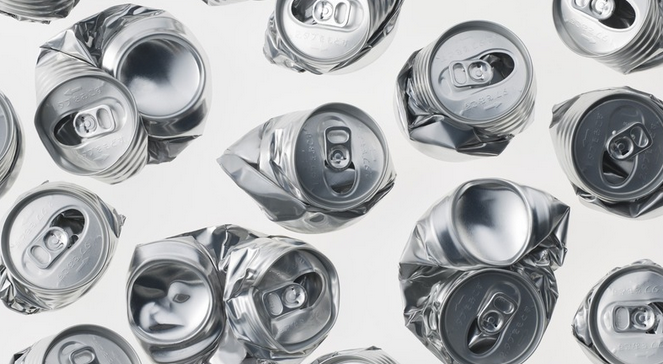
Environmentalists believe that aluminum cans are more environmentally friendly compared to other packaging containers. In terms of containers, repeated recycling reduces environmental pollution; regarding the materials used, aluminum can be reused effectively, conserving resources and maintaining the Earth’s environment. In contrast, other widely used packaging containers, such as plastics and PET materials, are derived from petroleum, and the continuous extraction of petroleum will lead to resource depletion.
Aluminum cans are favored for their lightweight, compact size, shatter resistance, and portability. However, scientists have found that the aluminum content in canned beverages is 3 to 6 times higher than that in bottled beverages. This is because, during the processing of aluminum cans, there are inevitably areas where protective coatings are not applied or are applied too thinly, allowing the aluminum alloy of the inner wall to contact the beverage. Aluminum can react with acids to form aluminum salts and with bases to form metaaluminates. This can lead to an increasing aluminum content in the beverage. Excessive aluminum intake can be harmful to the human body; the World Health Organization officially identified aluminum as a food contaminant in 1988, prompting many developed countries to restrict the production of aluminum cans.
Once ingested, aluminum is not easily excreted from the body; it accumulates indefinitely. Aluminum is not a trace element required by the human body, and excessive intake can affect the absorption of iron, calcium, and other components, leading to anemia and osteoporosis. Toxic side effects primarily manifest as aluminum can kill brain cells, causing premature brain atrophy and dementia symptoms. China banned the use of aluminum utensils as early as the 1980s.
Excessive aluminum intake can cause the following harms to the human body: it can lead to senile dementia; potentially cause osteoporosis, making fractures more likely; reduce immune function; and result in non-iron deficiency anemia.
Additionally, low concentrations of aluminum can accumulate and cause varying degrees of damage to the nervous system, bones, liver, kidneys, heart, and immune system. In summary, canned beverages should not be consumed frequently or in large quantities, especially by children in their growth phase and elderly individuals with poor excretory function, who should limit their intake. It is advisable to choose glass bottles or soft-packaged beverages whenever possible.