High blood sugar
can lead to various complications
In severe cases
diabetic ketoacidosis may occur
which is life-threatening!
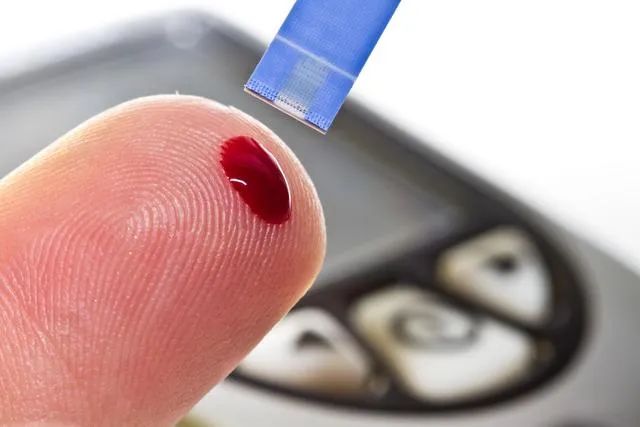 Recently, an emergency patient, Aunt Yan, who experienced persistent coma and repeated cardiac arrest, deeply felt the power of the “silent killer”.


Aunt Yan is 68 years old, suffering from hypertension, diabetes, chronic renal insufficiency, and old myocardial infarction. Six months ago, she underwent a left total hip replacement surgery and has had limited mobility, usually resting at home. In the past week, she displayed poor appetite and poor mental state, but her family did not pay much attention. She visited the People’s Hospital emergency department due to “chest pain and tightness for more than an hour” and was admitted to the emergency intensive care unit.
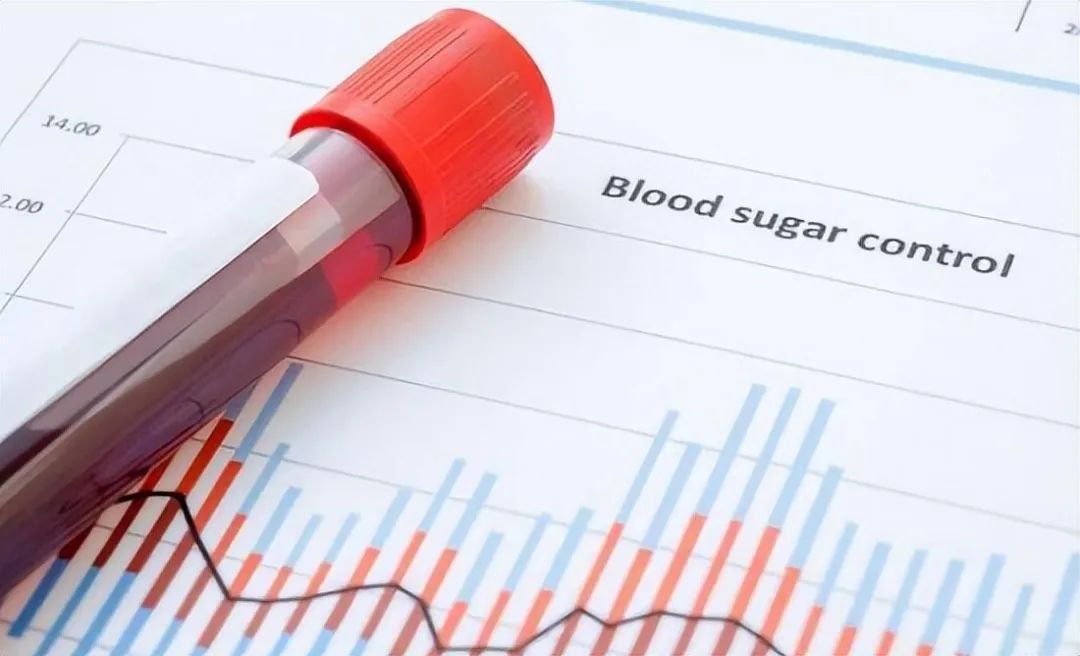
After admission and completing relevant examinations, it was found that Aunt Yan had multiple indicators reporting critical values, including severe hyperkalemia, with serum potassium reaching 8.41mmol/L (normal range 3.1-5.5mmol/L);severe acidosis,with a pH value of 7.07 (normal range 7.35-7.45), and lactate reaching 10.50mmol/L (normal range 0.1-1.0mmol/L);severe hyperglycemia, with blood sugar reaching 36.30mmol/L (fasting 4.4-6.1mmol/L)… The condition was critical, and any one of these indicators could lead to sudden death!
At this point, Aunt Yan suddenly experienced cardiac and respiratory arrest! The attending physicians Tian Aijun, Zhao Weihua, head nurse Wang Jing, Li Ruilian, and nurse Lü Zhaomei immediately performed cardiopulmonary resuscitation, intubated, applied a ventilator, and administered resuscitation drugs intravenously.
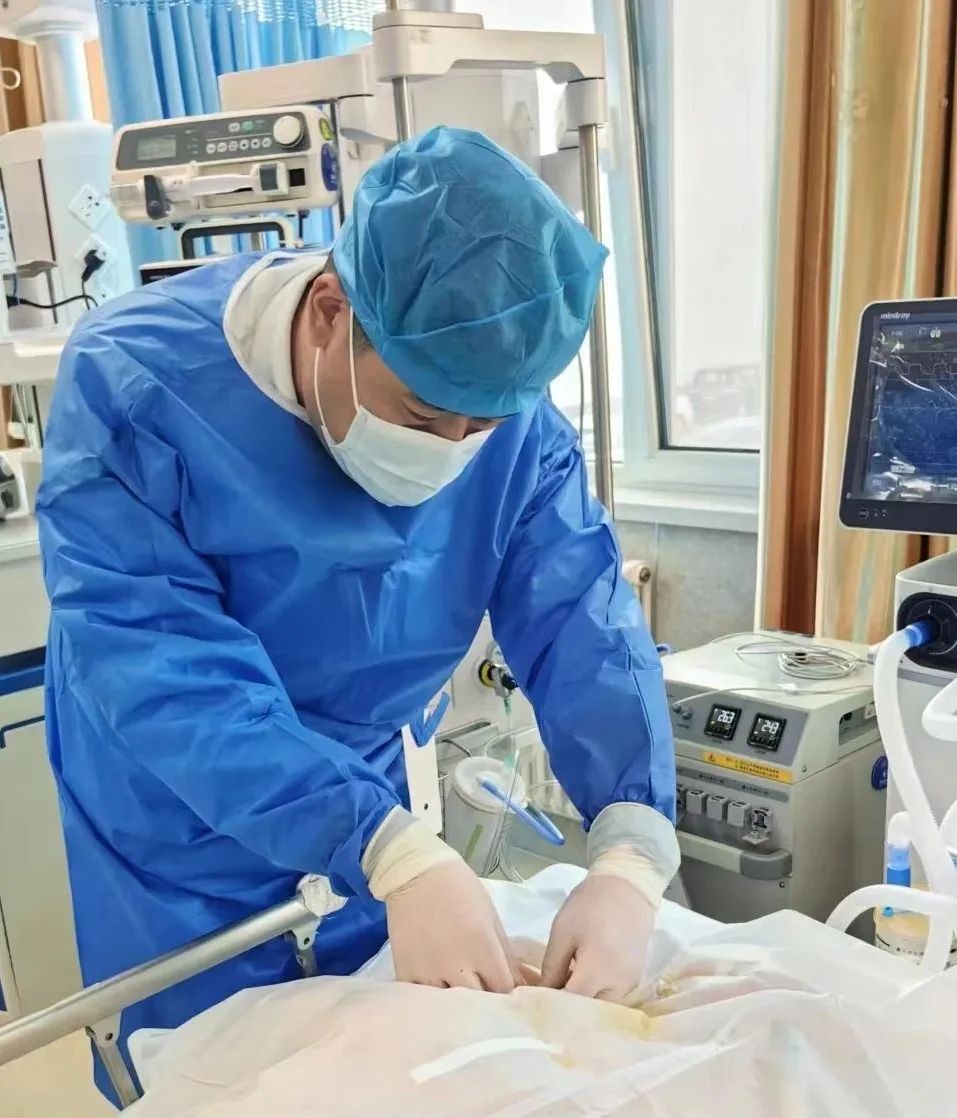 Bedside deep venous catheterization
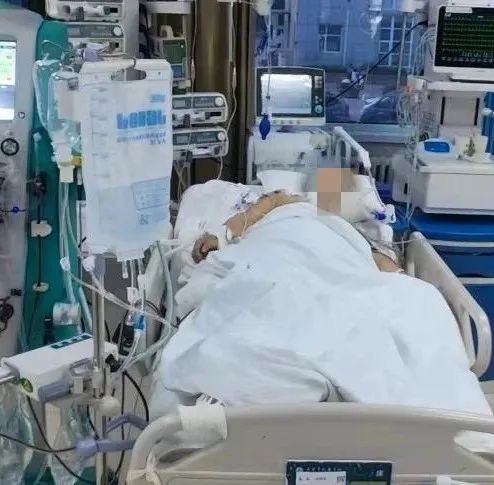
Continuous bedside blood purification
Subsequently, the patient experienced refractory ventricular fibrillation and repeated cardiac arrest. In response, the emergency medical team quickly reacted and immediately performed defibrillation and high-quality cardiopulmonary resuscitation. While rescuing, Zhao Weihua performed femoral vein and subclavian vein puncture to prepare for subsequent treatment, with the entire rescue process lasting about 1.5 hours.
With the consent of the patient’s family, the emergency expert team decided to take high risks to implement continuous bedside blood purification technology—Continuous Renal Replacement Therapy (CRRT) to correct the critical indicators and terminate the refractory cardiac arrest. At the beginning of CRRT operation, the patient again experienced ventricular fibrillation, and after a tense and standardized series of rescues, the patient ultimately regained spontaneous heartbeat.
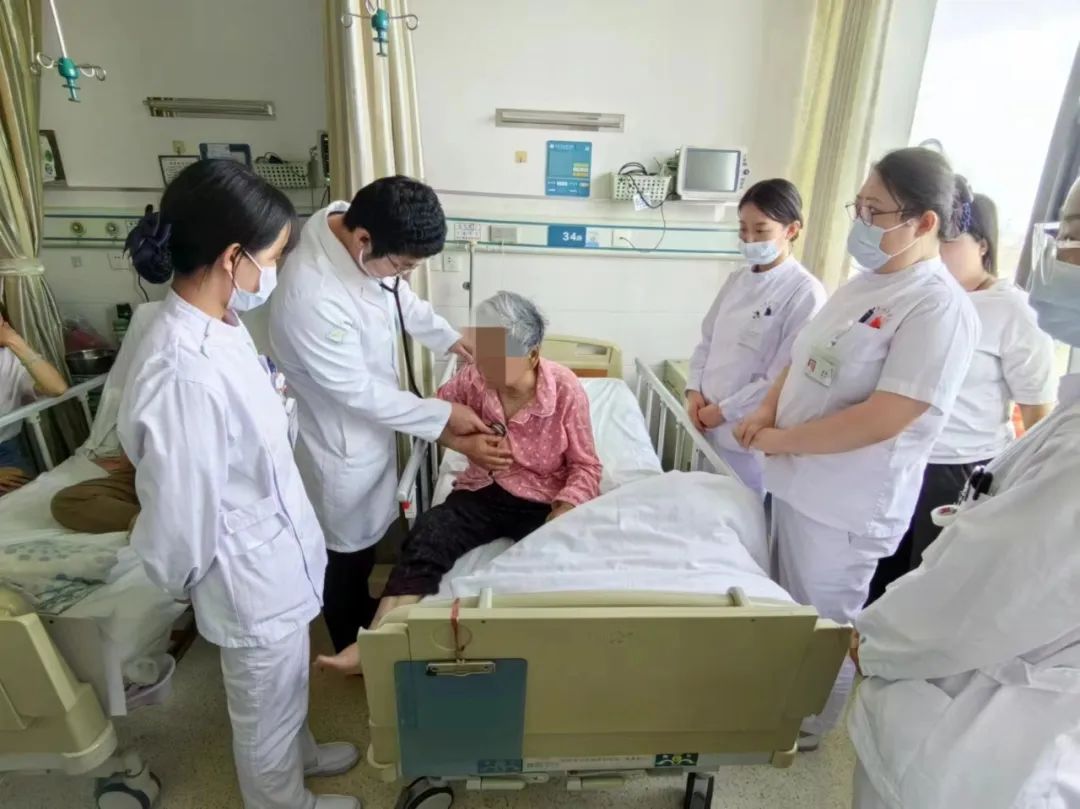 Transferred to a general ward for continued treatment
Subsequently, while CRRT continuously corrected hyperkalemia, acidosis, and stabilized the internal environment, advanced life support—brain resuscitation treatment was provided. The patient did not experience further cardiac arrest, and the indicators gradually approached normal. Due to timely rescue and effective treatment, Aunt Yan’s consciousness was clear, and there was no occurrence of hypoxic encephalopathy. She was transferred to a general ward for continued treatment and was discharged after 9 days of recovery.
Science Popularization Time

Continuous Renal Replacement Therapy (CRRT) revitalizes the kidneys
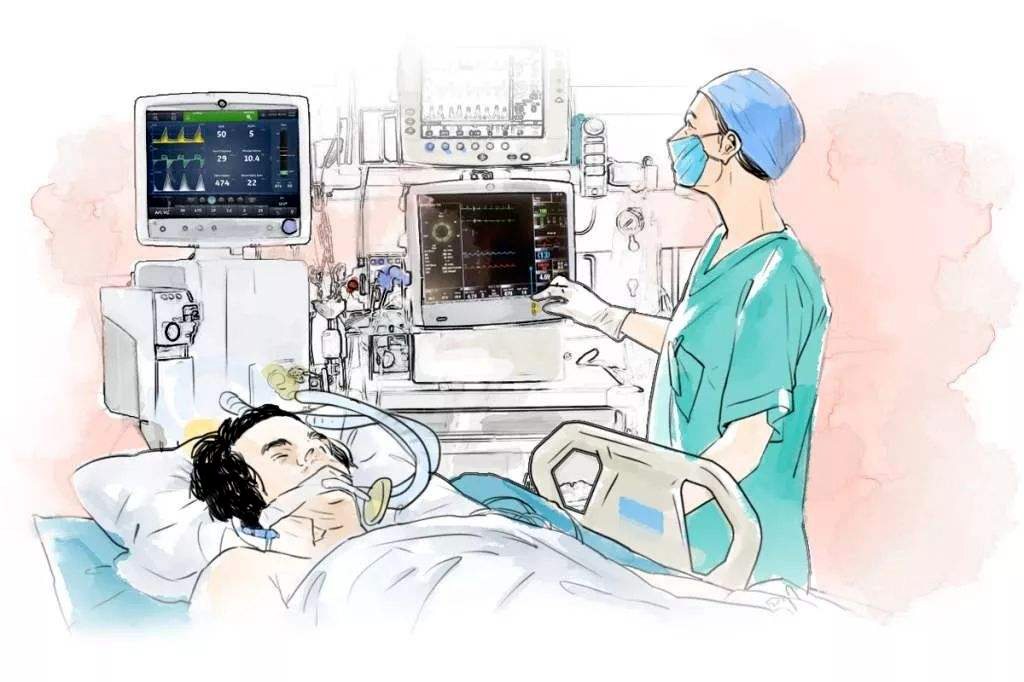
CRRT is a long-term, continuous extracorporeal blood purification therapy performed nearly 24 hours a day. It can replace damaged kidney function, mimicking the natural kidney function (continuous filtration and reabsorption), physiologically and gently maintaining the patient’s waste elimination, fluid volume balance, electrolyte balance, and acid-base balance.
The Emergency Department of the People’s Hospital has treated multiple cases of diabetic ketoacidosis, severe electrolyte disturbances, heart failure, and kidney function damage using CRRT, maintaining continuous balance in the internal environment, reducing organ workload, creating favorable conditions for the recovery of bodily functions, and protecting organs from further damage, with significant treatment effects.

Introduction to the Emergency Department
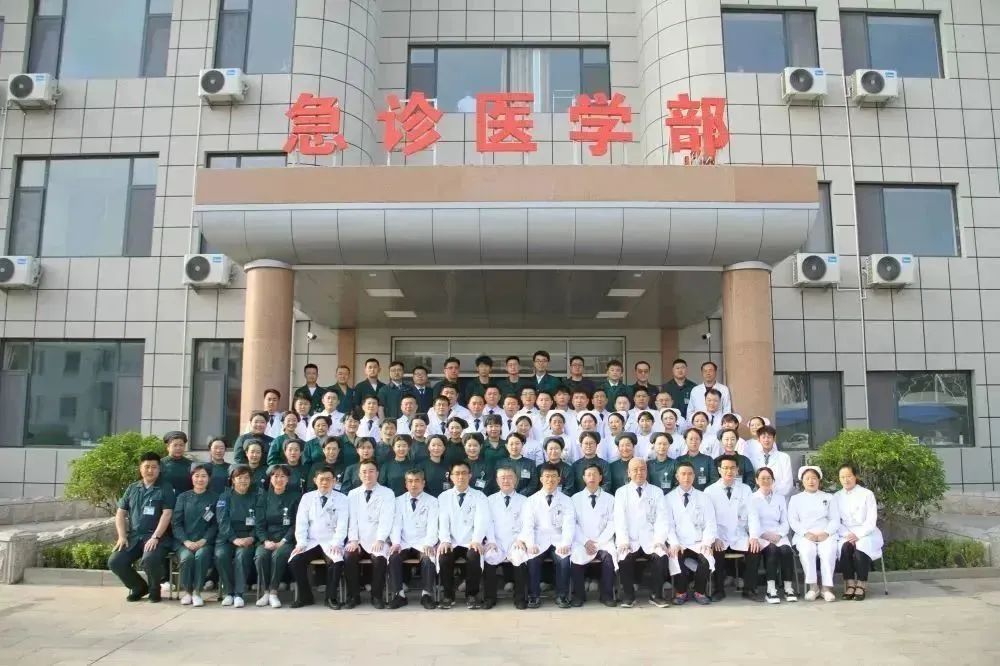
The Emergency Department serves as a rescue, medical, and educational center in Gaomi City, including pre-hospital emergency care, emergency ICU, emergency comprehensive ward, and emergency outpatient services (internal and external emergencies, chest pain emergencies, stroke emergencies, emergency rescue room, emergency trauma rescue unit, emergency observation room, etc.), forming a comprehensive rescue system. Currently, there are 42 physicians and 55 nursing staff, and a skilled pre-hospital emergency and high-quality, high-level in-hospital emergency team has been established, accumulating rich experience in the rescue and treatment of critically ill patients, especially achieving a high success rate in various emergency trauma, acute cardiovascular and cerebrovascular diseases, cardiopulmonary brain resuscitation, acute respiratory failure, and acute poisoning. Currently, the annual emergency visit volume is nearly 80,000, with 17,000 patients under observation per year, 2,400 patients rescued, and over 700 discharges from EICU.
Departments:
Emergency ICU, Internal Medicine: A separate chest pain area and stroke area have been established, with 24-hour duty, independently conducting intravenous thrombolysis and PCI for acute myocardial infarction, intravenous thrombolysis and arterial thrombectomy for acute ischemic stroke, and emergency treatment for subarachnoid hemorrhage. They also carry out mechanical ventilation treatment for acute respiratory failure, blood perfusion for acute pesticide/drug poisoning, etc., forming their professional characteristics. In November 2020, it was rated as a National Standard Chest Pain Center, while promoting the construction of chest pain rescue units in the group health center, continuously optimizing rescue processes, significantly shortening rescue times, with the fastest door-to-balloon time of 25 minutes; in May 2021, it was rated as a National Advanced Stroke Center, achieving a national monthly comprehensive ranking of 68th, with thrombolysis ranking 41st, and DNT’s fastest time of 13 minutes; thrombectomy ranking 75th, with DRT’s fastest time of 60 minutes; conducting over 3,000 integrated assessments of cerebral and cervical vascular ultrasound annually, with a positive rate of severe stenosis exceeding 10%, tracking high-risk individuals for follow-up, and performing early intervention treatment for patients with severe stenosis, achieving a national ranking of 24th for carotid endarterectomy. The comprehensive strength and service level of each center continue to improve, significantly reducing in-hospital mortality and disability, ensuring the health of the people.
Emergency Surgery: Provides 24-hour emergency services, built according to trauma center construction standards, integrating trauma orthopedics, general surgery, neurosurgery, and hand and foot surgery professionals, capable of independently or in collaboration with related departments completing comprehensive rescue for major trauma, mass injuries, and serious multiple injuries. Currently, various trauma surgeries are routinely performed, such as debridement and suturing, closed drainage of the thoracic cavity, vascular nerve tendon reconstruction, open reduction and internal fixation of limb fractures (using plates or intramedullary nails), closed reduction and internal fixation of tubular bone fractures, external fixation of pelvic fractures and open internal fixation, and laparoscopic minimally invasive surgery for acute abdomen. In December 2020, it was rated as a Weifang Municipal Trauma Center.
Consultation Phone: 1603456 or 0536-2311120
Doctor Recommendations
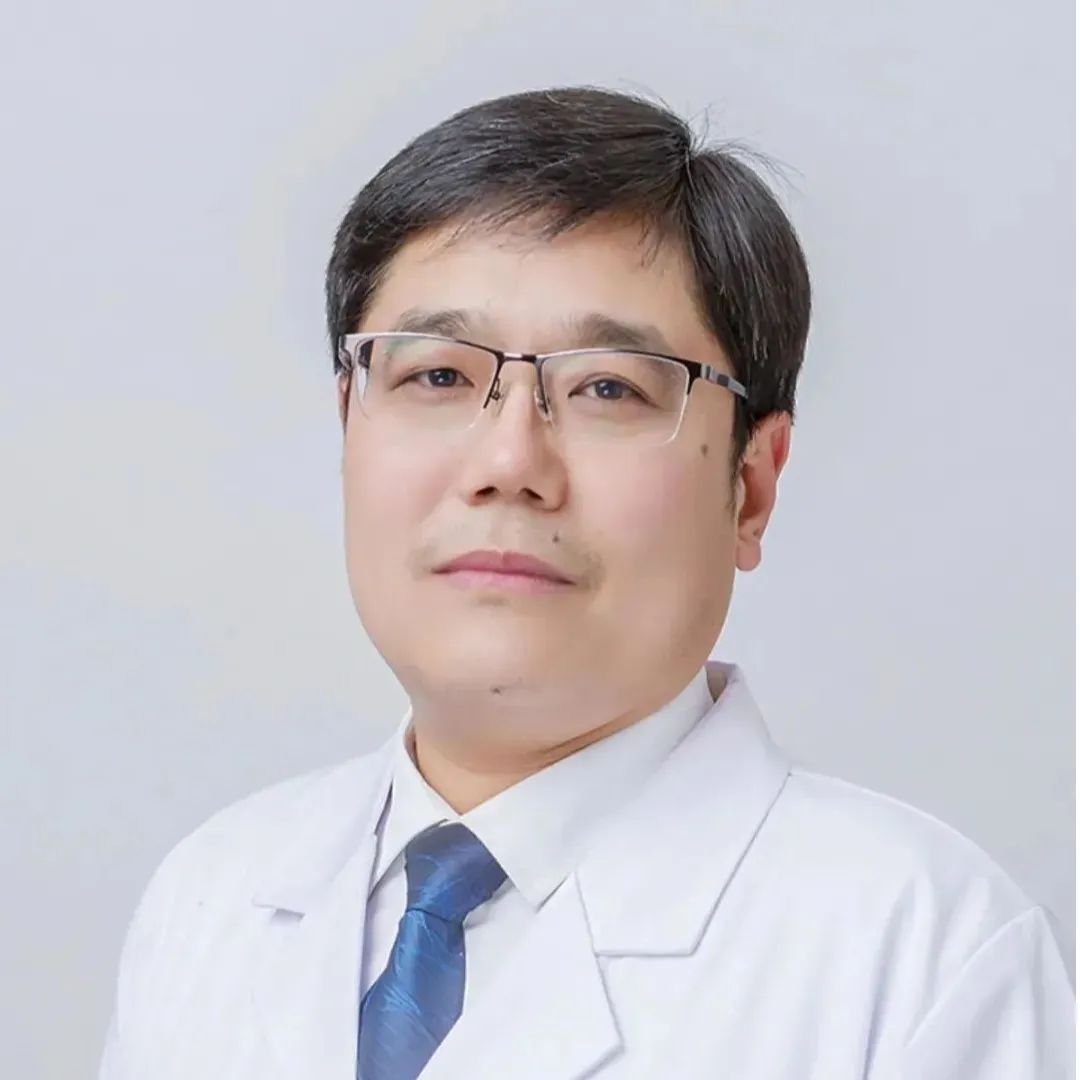
Zhang Fukai
Director of Chest Pain Center
Director of Emergency Department
Associate Chief Physician, engaged in clinical work in cardiovascular medicine at Gaomi People’s Hospital since 2003, having studied at Beijing Anzhen Hospital and Beijing Fuwai Hospital. Accumulated rich clinical experience in diagnosing and treating coronary heart disease, hypertension, congenital heart disease, arrhythmias, heart failure, cardiomyopathy, and valvular heart disease, currently independently performing over 900 coronary surgeries, significantly reducing mortality and ensuring patient safety.
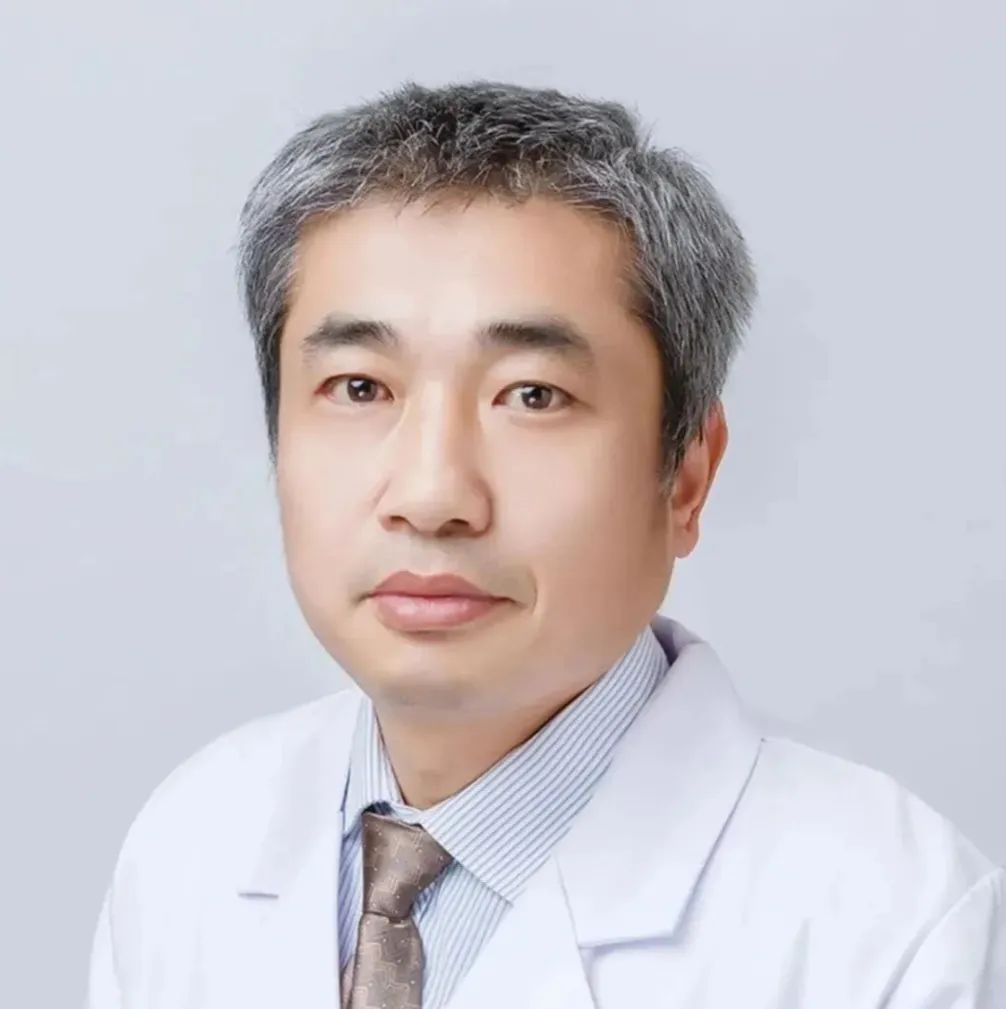
Wang Guanghui
Deputy Director of Emergency Department
Associate Chief Physician, engaged in emergency work for 20 years, skilled in respiratory diseases, chronic obstructive pulmonary disease, bronchial asthma, pneumothorax, pleural effusion, respiratory failure, as well as emergency treatment for cardiovascular and cerebrovascular emergencies, thrombolysis treatment for acute myocardial infarction and acute cerebral infarction, and emergency treatment for heart failure.
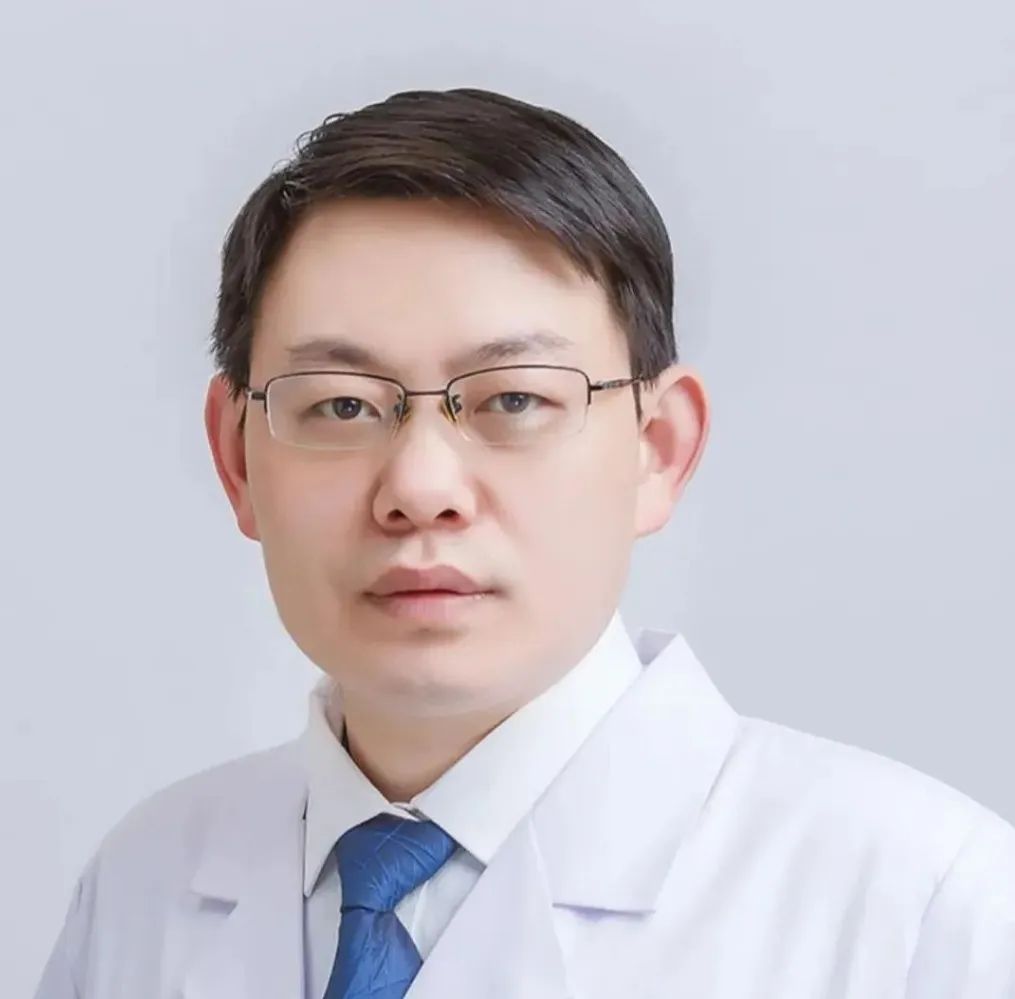
Tian Aijun
Deputy Director of Emergency Department
Attending Physician, Master of Neurology, has participated in numerous emergency rescue operations since starting work, accumulating rich clinical experience in emergency rescue and EICU work, skilled in tracheal intubation, ventilator use, and cardiopulmonary resuscitation machine operation, treating various critical cases such as COPD respiratory failure, severe stroke, acute myocardial infarction, and drug poisoning.
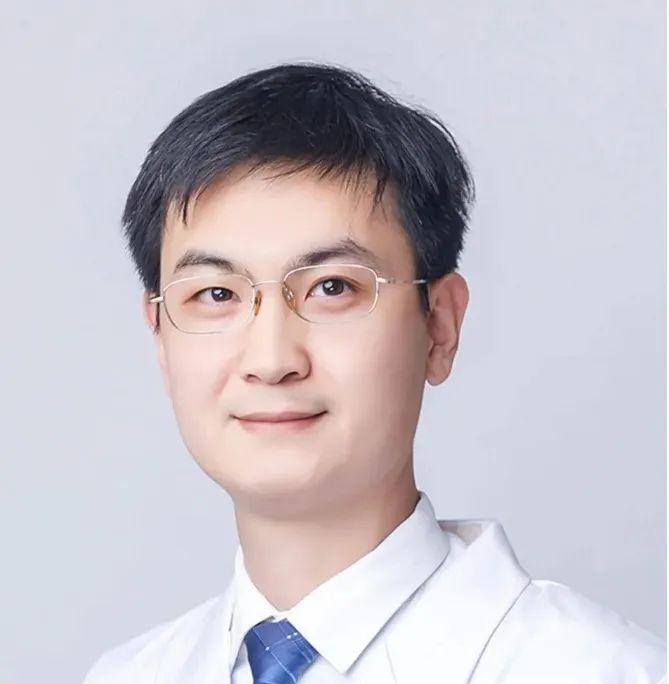
Wang Yi
Deputy Director of Emergency Department
Communist Party member, attending physician, skilled in diagnosing and treating acute abdomen, difficult or nonspecific abdominal pain, abdominal trauma, and enteric fistula, as well as laparoscopic minimally invasive treatment for thyroid tumors, gastrointestinal tumors, and acute abdomen. Has rich clinical experience in rescuing and treating acute trauma, multiple injuries, acute massive bleeding, traumatic shock, dislocations, cervical spine fractures, thoracoabdominal and cranial injuries, and heart-lung-kidney function failure.
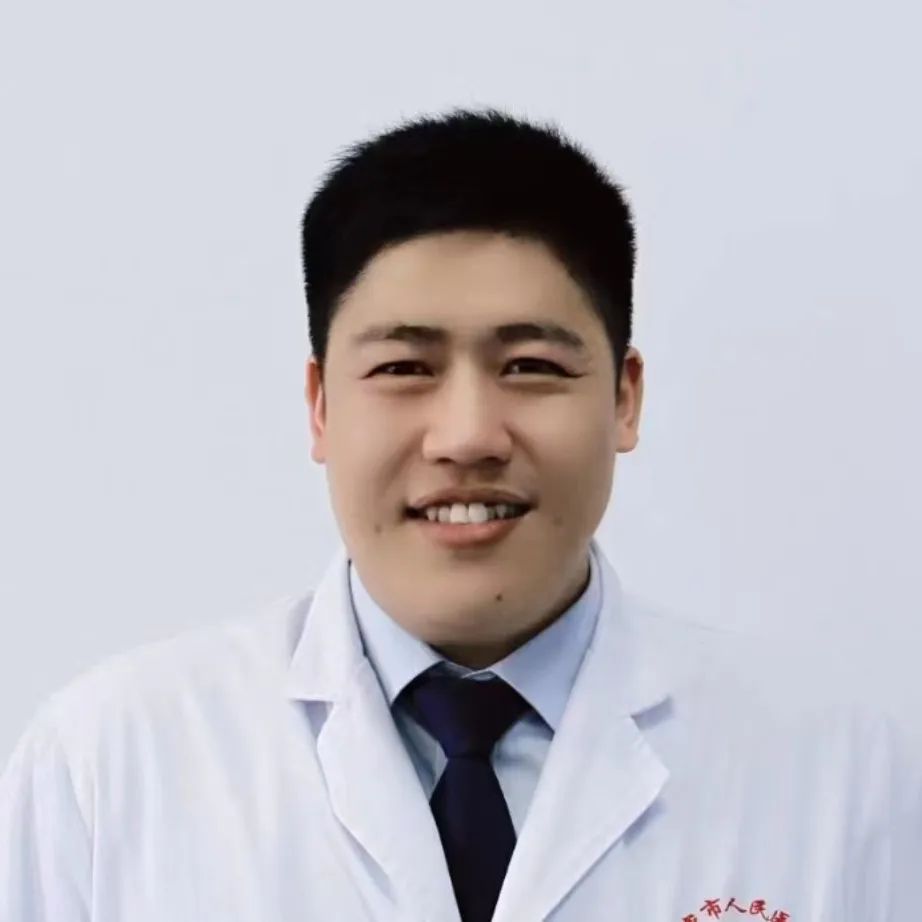
Zhao Weihua
Deputy Director of Emergency Department
Attending physician, proficient in diagnosing and treating common emergency conditions in internal and external medicine, skilled in rescuing and monitoring critically ill patients, and specialized in thrombolysis for acute stroke, thrombectomy, and interventional treatment of cerebrovascular diseases. Completed standardized training in emergency critical care at Qilu Hospital of Shandong University and obtained certification in extracorporeal membrane oxygenation (ECMO) technology, currently proficient in performing bedside blood filtration (CRRT) treatment.
Editor-in-Chief | Wu Shaoguang Ma Ruihua
Editor | Liu Meng
Material | Emergency Department