Have you ever thought about how design drawings on a computer can directly “grow” into physical objects? Cups, toys, and even models of human organs can be “printed” layer by layer by a machine—this is the magic of 3D printing. This once unattainable technology has now permeated various fields such as daily life, industry, and medicine. Today, let’s unlock its hidden skills!
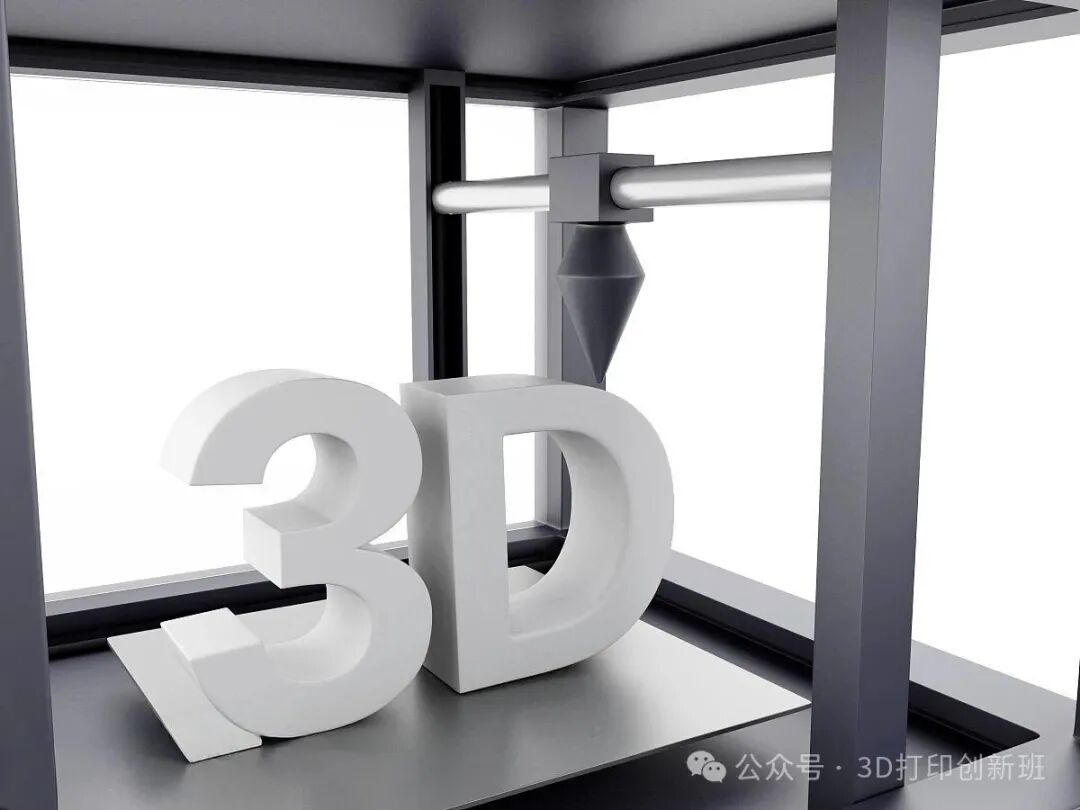
1. 3D Printing: Not Just “Printing”, but the Intelligent Creation of “Something from Nothing”
Many people think that 3D printing is an upgraded version of inkjet printing, but its principle is more like “building blocks in three dimensions.” In simple terms, it constructs three-dimensional entities from nothing by using additive manufacturing technology based on digital models, layering materials such as plastic, metal, and resin.
Compared to traditional “subtractive manufacturing” (like cutting and grinding raw materials), it can accurately reproduce complex structures without wasting materials and can achieve “personalized customization”—from exclusive jewelry to large architectural components, all can be realized with a single click.
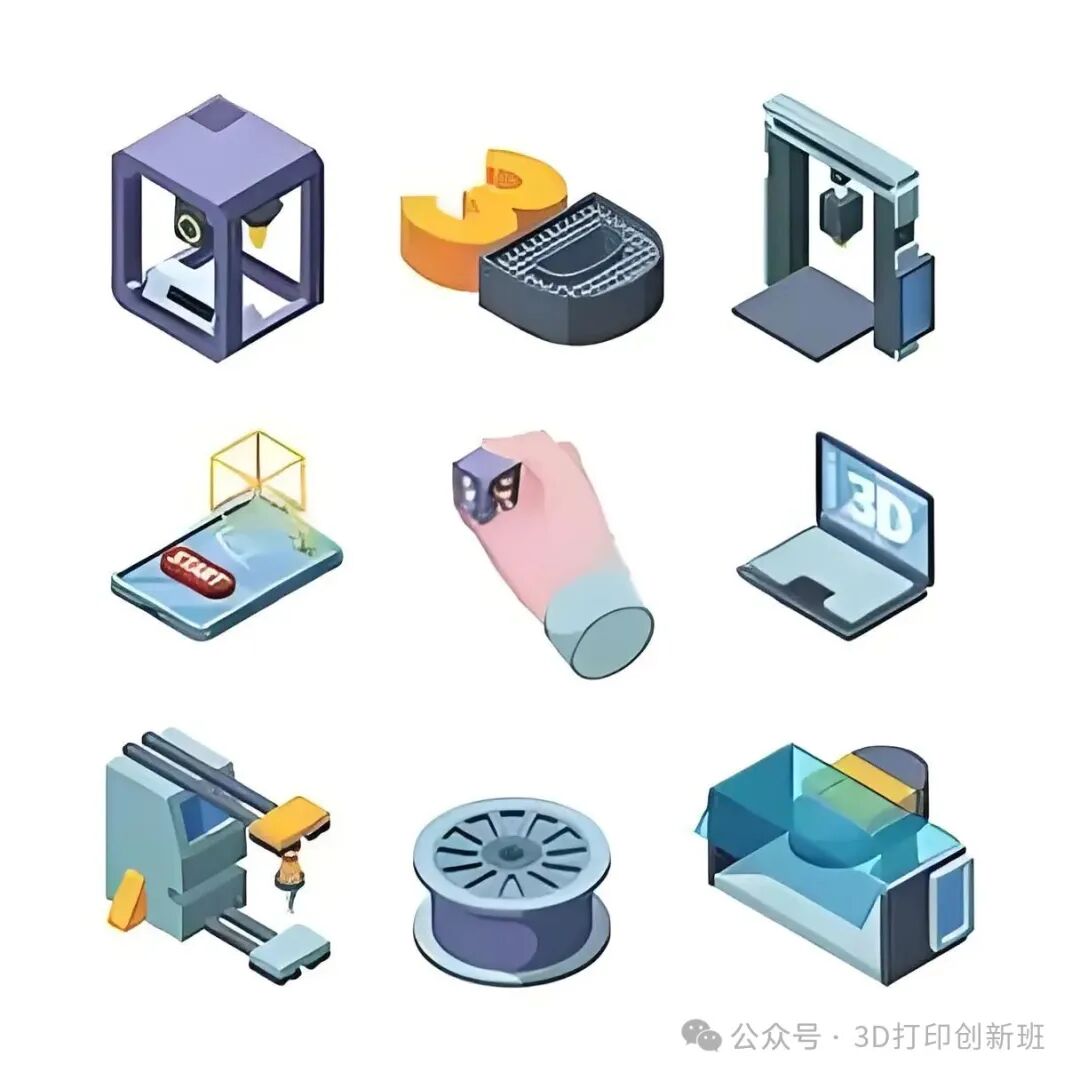
2. The “Magical Applications” of 3D Printing are Broader than You Imagine
1. The “Customization Master” in Daily Life
(1) Jewelry designers can directly print necklaces with exclusive patterns, no longer relying on molds;
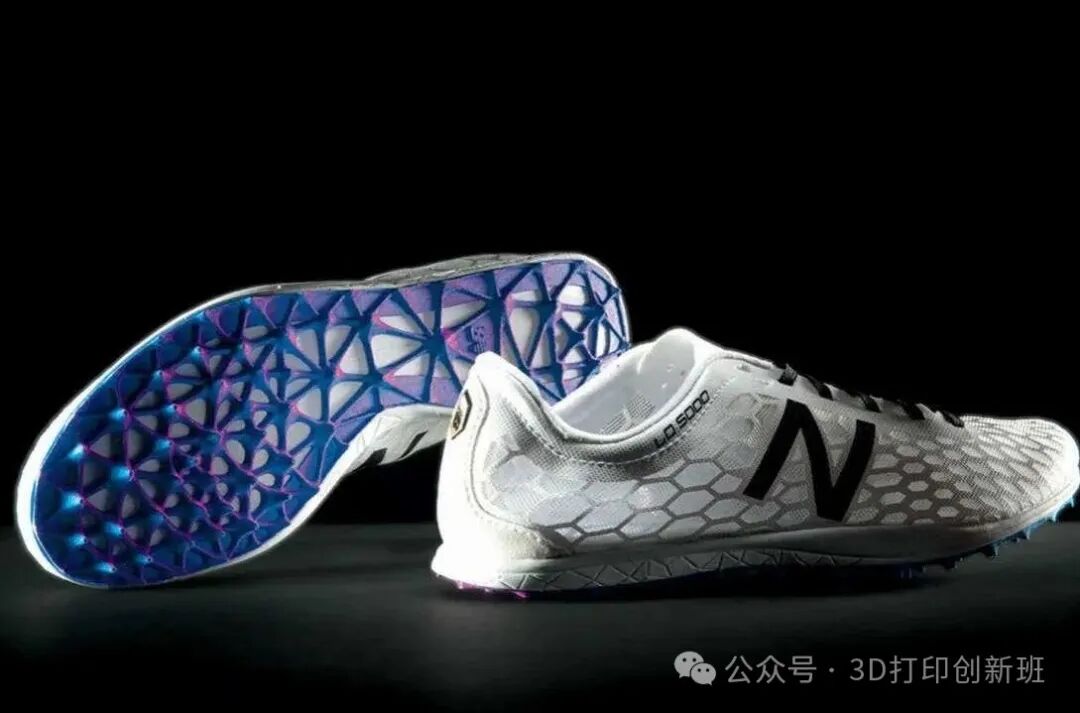
(2) Shoe brands offer 3D printed insoles that fit precisely to foot shapes, making walking more comfortable;
(3) Baking enthusiasts use edible materials to print three-dimensional cake decorations, achieving both aesthetic and taste.
2. The “Efficiency Tool” in Industry
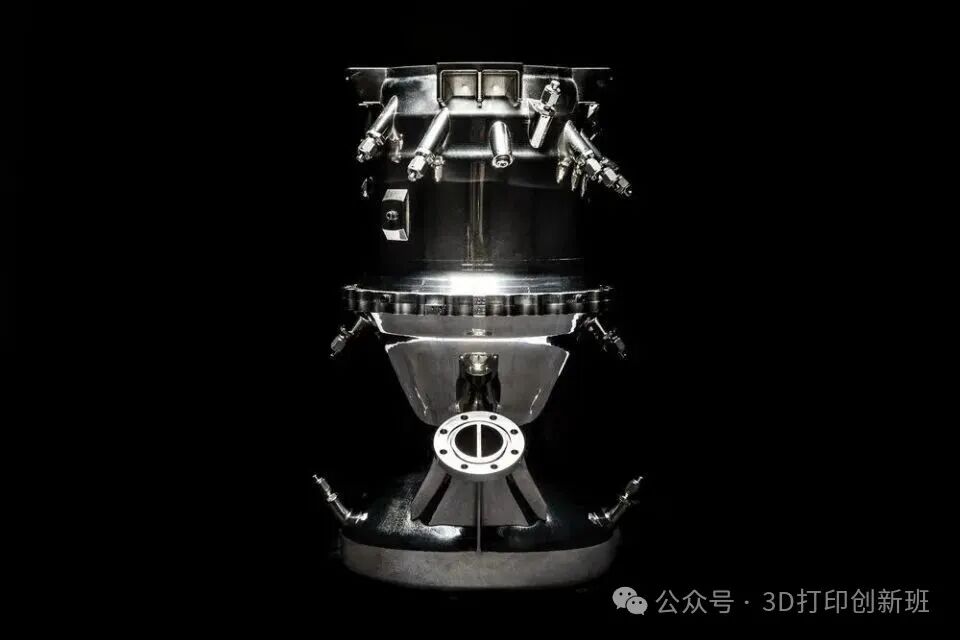
In automotive manufacturing, 3D printed components can shorten the R&D cycle; in aerospace, lightweight parts made with it reduce energy consumption and enhance safety; even the furniture industry has started using it to print uniquely shaped tables and chairs, balancing aesthetics and practicality.
3. The “Lifesaving Aid” in Medicine
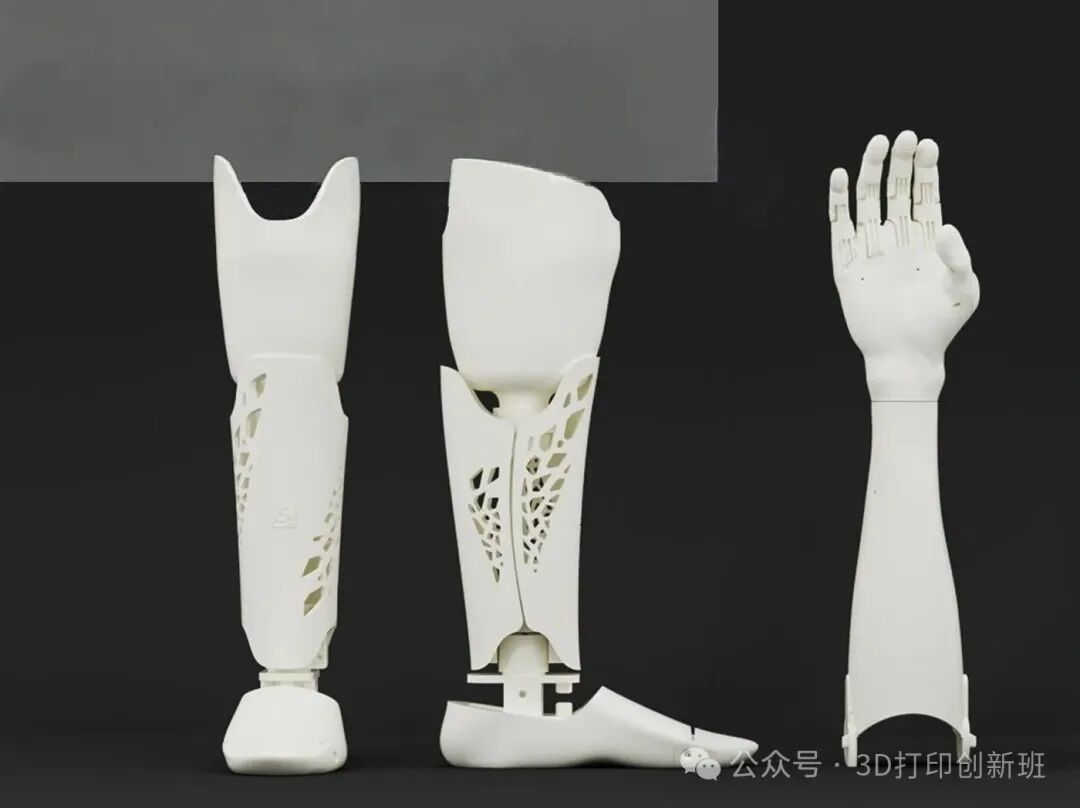
This is the most shocking field of 3D printing: doctors can print 1:1 skeletal models based on patient CT data to plan surgical procedures in advance; they can print skin scaffolds for burn patients to aid wound healing; and even develop 3D printed organs, bringing new hope for transplant surgeries.
3. 3D Printing for Everyone: Getting Started is Super Easy
Many people feel that 3D printing has a “high threshold,” but the prices of home 3D printers have significantly decreased, and operation has become increasingly convenient:
1. Use design software to create a 3D model (beginners can directly use free model libraries);
2. Import the file into the printer and select materials;
3. Press the start button and wait for the machine to automatically “build” it. A few hours later, you can receive the finished product.
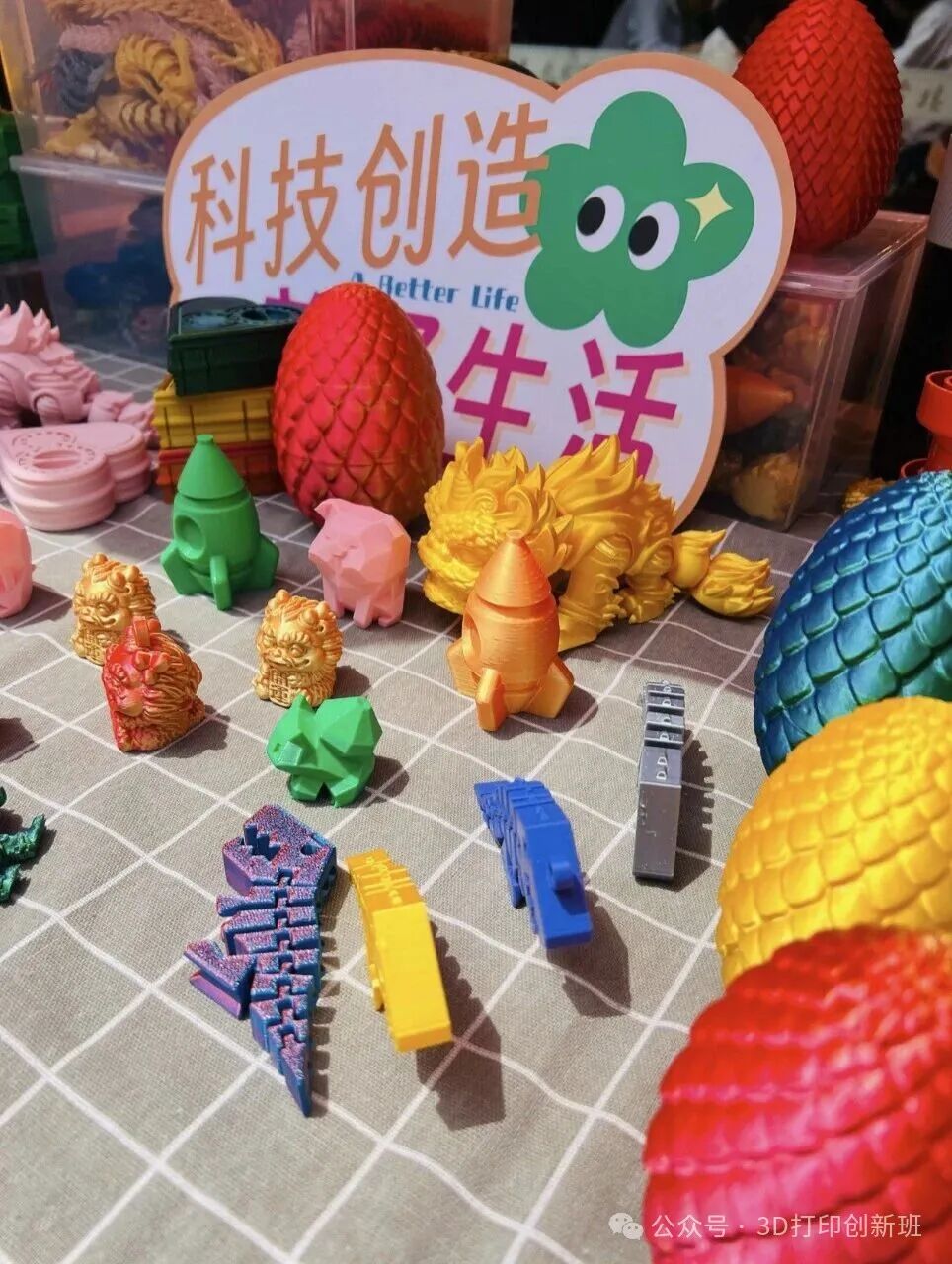
Whether you want to make exclusive toys for your child or create a creative ornament yourself, 3D printing can satisfy your imagination.
4. The Future is Here: What Else Can 3D Printing Create?
With the development of technology, the materials for 3D printing are becoming increasingly diverse (from plastics to metals, ceramics, and even biological materials), and application scenarios continue to expand: in the future, we may see “3D printed houses” that can be built in just a few days; astronauts may be able to print necessary parts in space stations during space exploration; in the food sector, 3D printed meals with customized nutritional ratios may become commonplace.
This technology, which has moved from science fiction movies into reality, is reconstructing our production and life with the power of “layer upon layer”. It is not just a manufacturing method but a revolutionary way of thinking that allows “everyone to create”—as long as you have an idea, you can turn it into reality through 3D printing.