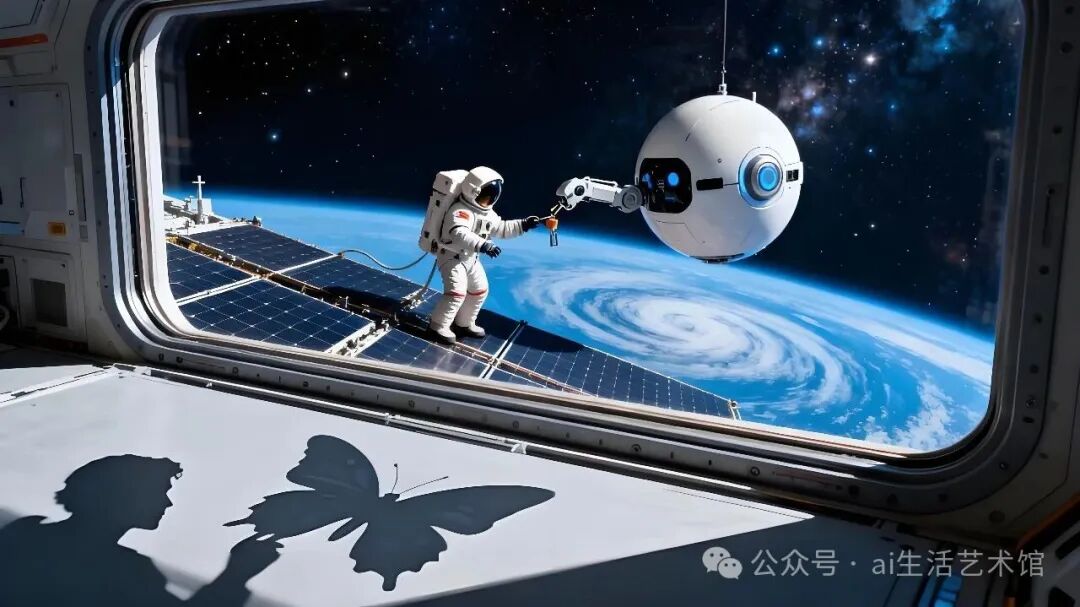
 In the past, robots were often confined within factory fences, performing repetitive tasks.They are tireless and unafraid of repetition, but they struggle with “change”—a slight alteration in the environment can leave them helpless.However, this is quietly changing.A wave of technology known as “Physical AI” is driving robots to evolve from “mechanical executors” to “intelligent collaborators” capable of adapting to the complexities of the real world.
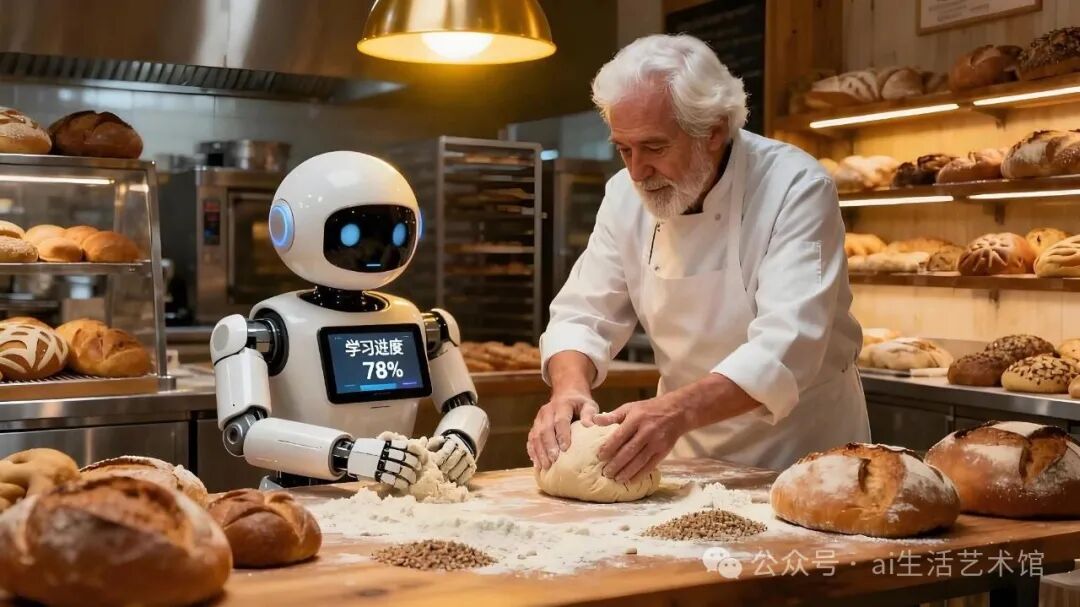 What is Physical AI?Physical AI is not simply equipping robots with ChatGPT.It refers to the integration of sensing and perception technologies with large AI models, enabling robots to understand, react to, and learn from the physical world.Early robots could only perform fixed tasks in predefined environments, struggling to cope with common uncertainties such as layout changes, varying object shapes, lighting variations, and personnel movement.Now, with the help of simulation technology, digital twins, and multimodal learning, robots can undergo “pre-training” in virtual environments, learning to adapt to various situations before seamlessly transitioning to real-world tasks.From “Automation” to “Adaptation”According to research from the Fraunhofer Institute (Fraunhofer IESE), by creating virtual replicas of factories or logistics routes, robots can master basic skills before being deployed in real-world applications.This not only reduces deployment risks but also gives humans greater control over robot behavior.The World Economic Forum has also noted that advancements in flexibility, environmental perception, and reasoning capabilities are allowing robots to gradually step out of “fences” and enter shared workspaces, collaborating with humans on production, inspection, and handling tasks.Research from Carnegie Mellon University further confirms that through “simulation-to-reality” training methods, robots can work stably and accurately even in environments that change every hour.
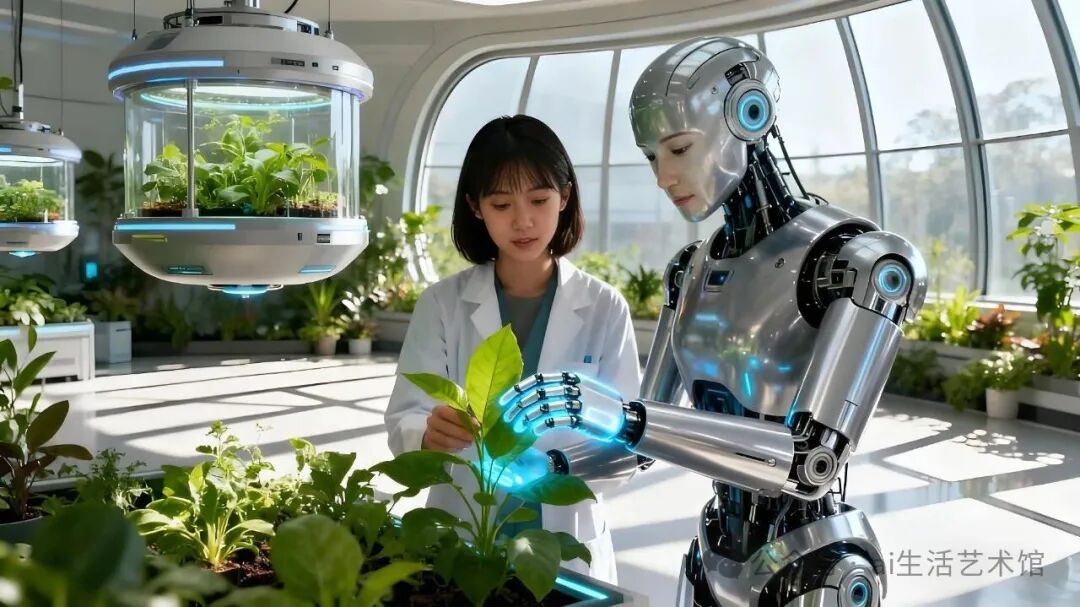 How Can Enterprises Utilize Physical AI?Logistics, retail, healthcare, manufacturing… An increasing number of industries are beginning to adopt Physical AI systems to achieve stable output, reduce error rates, and cope with fluctuations in human labor.· Amazon: The “Vulcan” Robot Takes the StageAmazon’s “Vulcan” robot combines visual and tactile perception to handle flexible storage containers and irregular products.Its tactile system can respond in real-time to pressure and motion states, completing tasks that previously required human hands.It has been deployed in multiple fulfillment centers across the US and Europe, deeply integrated with logistics systems for efficient human-robot collaboration.· Walmart: A Full Shift to AI LogisticsWalmart is promoting Physical AI systems within its distribution network to reduce costs and enhance efficiency.By 2025, Walmart has reached an agreement with Symbotic to jointly develop AI-driven automation technologies, further deepening its intelligent transformation in logistics.· GXO Logistics: From Pilot to Full DeploymentIn 2025, GXO Logistics deployed a narrow-aisle inventory robot capable of scanning pallets, tracking inventory, and providing real-time data feedback.After significant success in the pilot program, the company plans to fully roll out the system across its sites in Europe and the US.Physical AI: No Longer an Experiment, But InfrastructureThese cases demonstrate that Physical AI is no longer a “laboratory project” but is viewed by enterprises as a core operational infrastructure.It has become a reliable workforce layer that bridges human teams and digital systems, capable of understanding high-level instructions, navigating autonomously, adapting to changes, and processing repetitive tasks at a steady pace.A New Chapter in Human-Robot Collaboration Has BegunThe rise of Physical AI is not about replacing humans but becoming our smarter, more reliable partners.It enables machines to understand the world and adapt to environments, freeing humans from repetitive labor to focus on more creative and judgment-based work.The future workplace will no longer be a solo performance by either humans or machines, but a harmonious duet.Text Editor:imoo.o Image Source:AI GeneratedReferences:https://www.pymnts.com/artificial-intelligence-2/2025/physical-ai-moves-from-automation-to-a-new-workforce-layer/Special Statement:If there are any errors in source attribution or infringement, please contact us promptly, and we will correct or delete it immediately.Want to chat with imoo.o’s digital avatar agent about AI?Click on the digital avatar below.