Click the blue text to follow us

Background and Research Significance
Functional reconstruction of segmental tracheal defects remains a core bottleneck in the surgical field, where the high incidence of granulation tissue hyperplasia and restenosis directly limits the long-term patency of grafts. Decellularized extracellular matrix (dECM) has advantages of biomimetic structure and biocompatibility, but classical decellularization methods significantly reduce its biological activity due to prolonged exposure to decellularized components, leading to the loss of key regulatory components; this defect is particularly critical for tracheas that are long-term exposed to air and require continuous immune modulation.
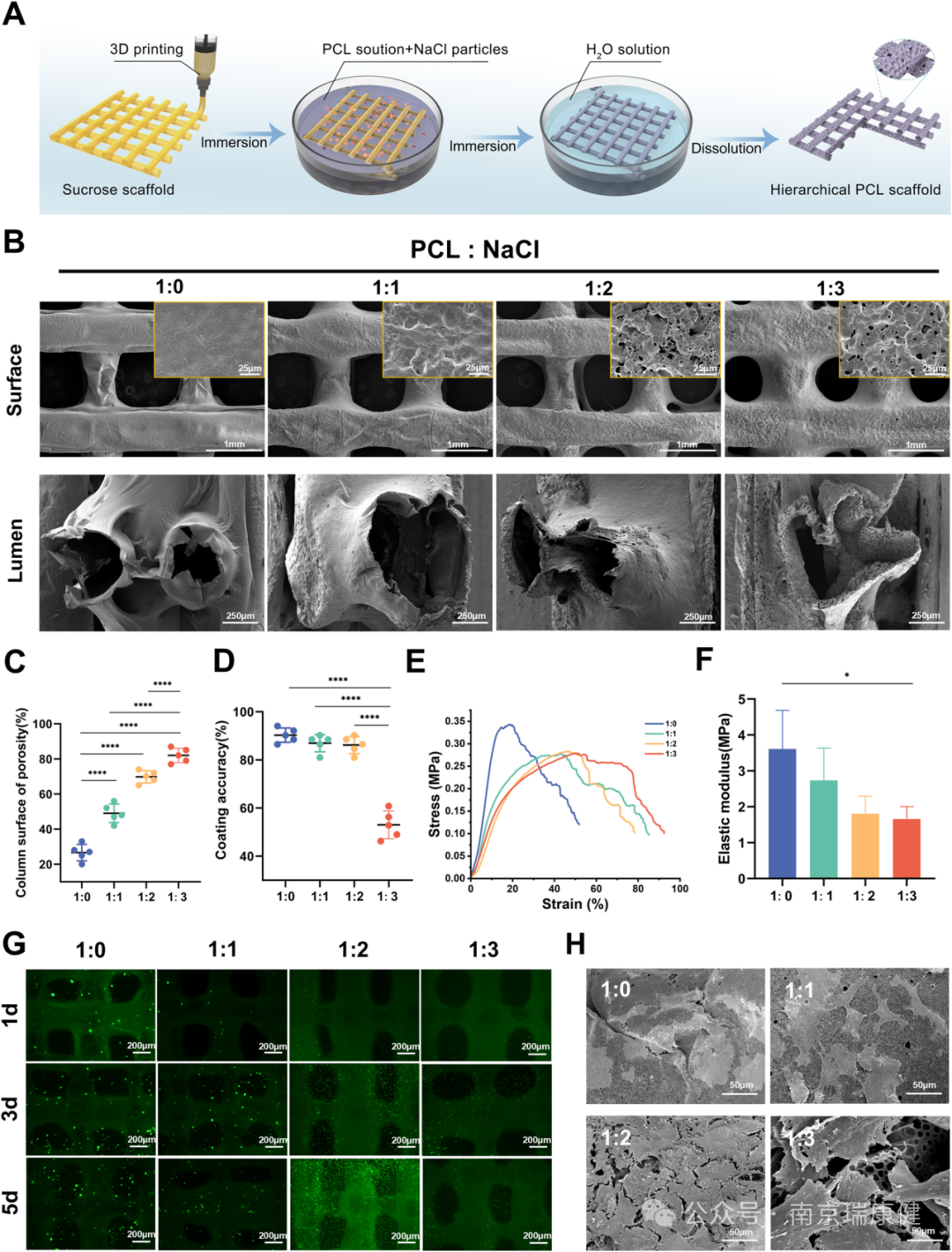
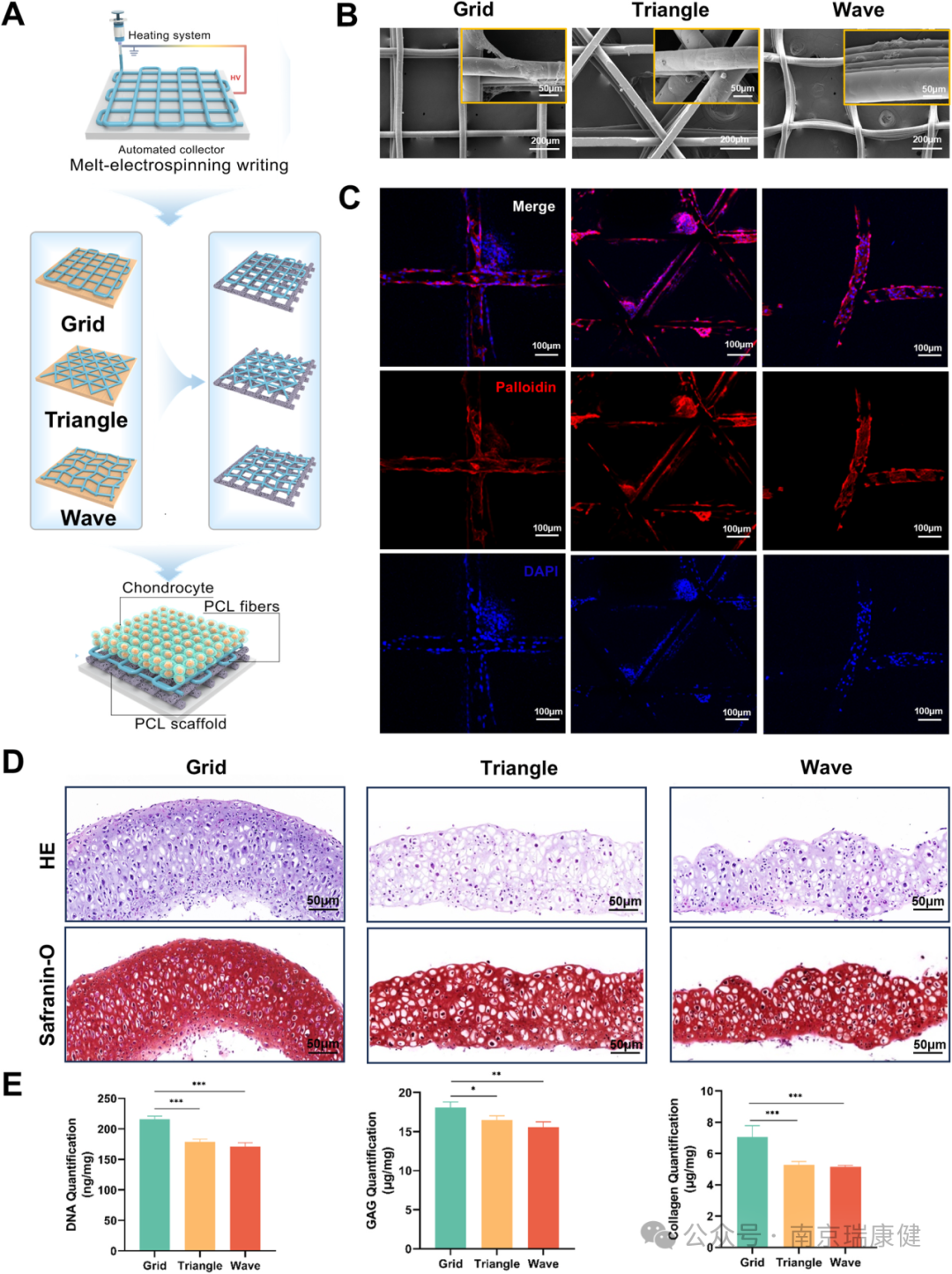
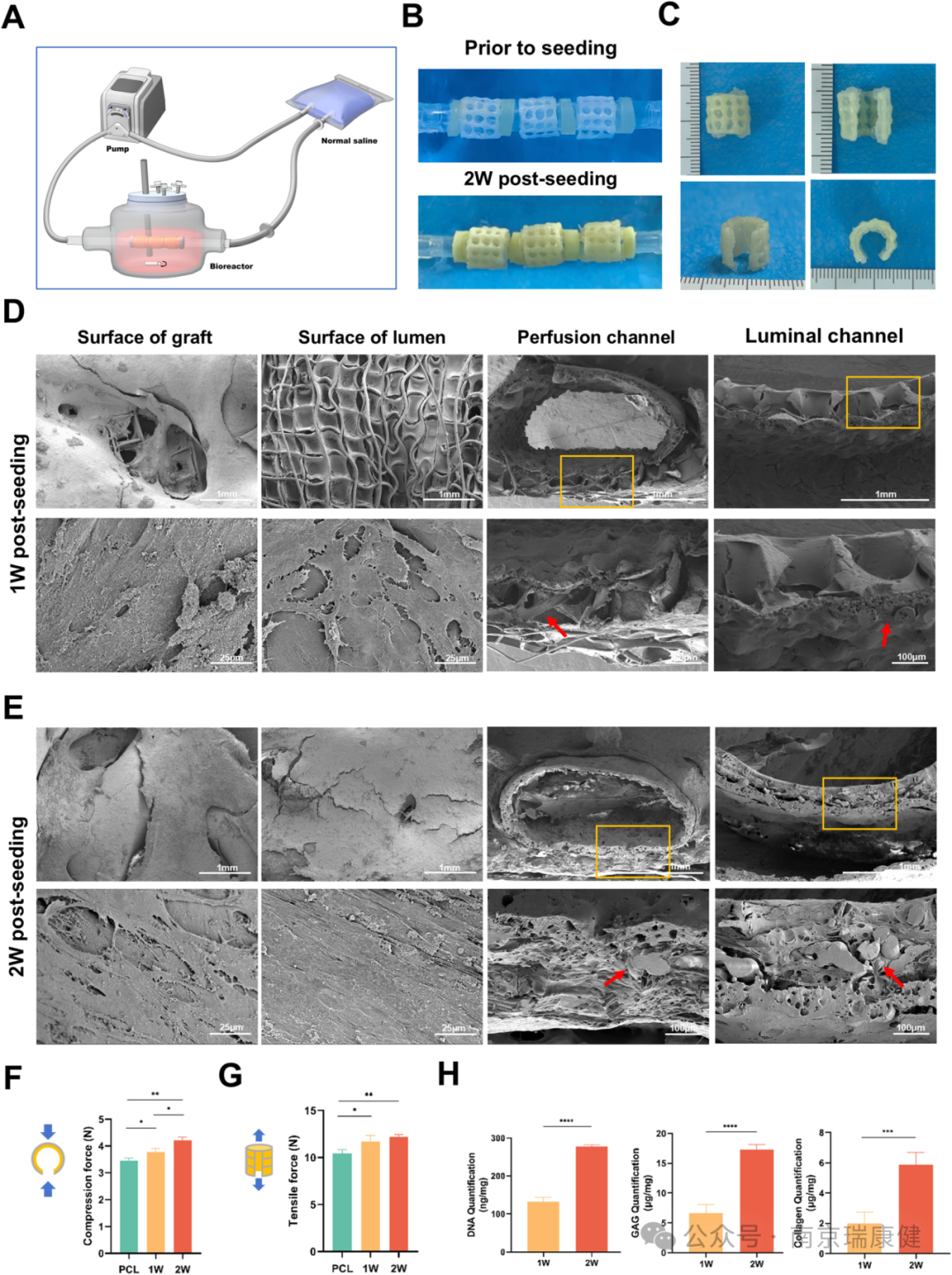
Professors Wei Wu and Hui Zhang from the Third Affiliated Hospital of Air Force Medical University utilized 3D sugar printing and Melt Electrospinning Writing (MEW) technology to construct a perfusable microchannel scaffold, forming a tracheal graft rich in matrix-bound vesicles through dynamic culture of gingival mesenchymal stem cells and chondrocytes.
The related research content is published in
3D perfusable minichannels stented with matrix bound vesicles derived from gingival mesenchymal stem cells ameliorated granuloma-related stenosis and improved survival in a rabbit tracheal replacement model
in the journal Biomaterials, with the first authors being Dr. Bing Liu and Dr. Xinchi Zhang from the Third Affiliated Hospital of Air Force Medical University. Professors Wei Wu and Hui Zhang from the Department of Oral and Maxillofacial Surgery and Anesthesiology are the corresponding authors of this article.
Research Content and Methods
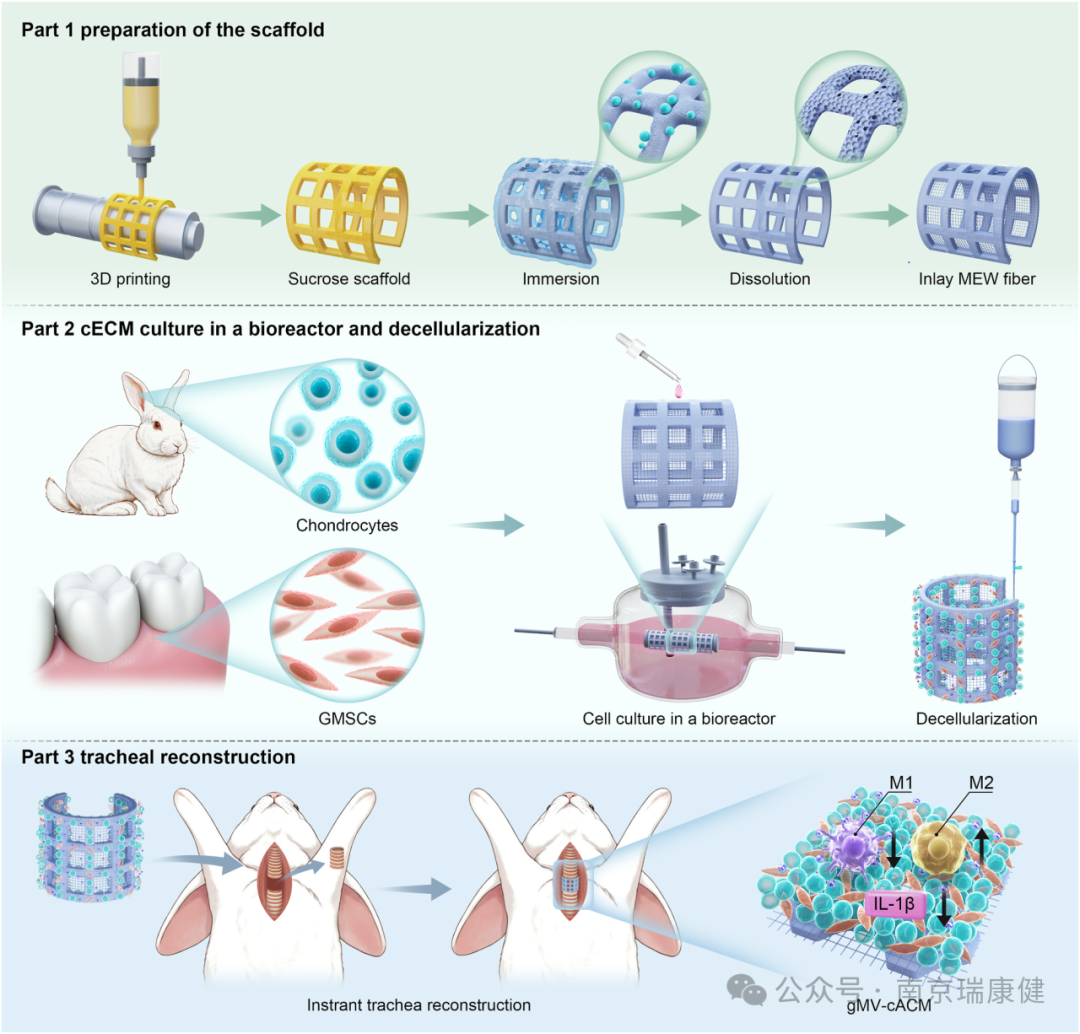
This study constructed a perfusable microchannel scaffold using 3D sugar printing and Melt Electrospinning Writing (MEW) technology, forming a tracheal graft rich in matrix-bound vesicles through dynamic culture of gingival mesenchymal stem cells and chondrocytes. To maximize the retention of matrix-bound vesicles, this study innovatively utilized perfusable microchannels for perfusion-based decellularization, improving decellularization efficiency while preserving abundant functional components—matrix-bound vesicles (gMV).
Research Results
In vitro macrophage polarization experiments and rabbit trachea in situ transplantation models confirmed that the gMV-cACM scaffold significantly inhibited the M1 pro-inflammatory phenotype, reduced local IL-1β levels, and decreased the area of granulation tissue hyperplasia at the anastomosis by 54.0 ± 8% at 6 weeks post-operation, significantly improving animal survival after tracheal transplantation. Quantitative proteomics further revealed that gMV-cACM reshaped the immune microenvironment by downregulating IL-1β, blocking the occurrence of inflammation-fibrosis cascade reactions. In summary, the integrated strategy of “perfusable microchannels + gMVs-cACM” proposed in this study provides a scalable technical paradigm for retaining key components, matrix-bound vesicles, during the decellularization process, and is expected to promote the transition of tracheal tissue engineering from structural replacement to functional reconstruction.
Paper Information
Bing Liu#, Xinchi Zhang#, Na Wei, Xiaopeng Wu, Pingping Yuan, Tian Zeng, Lirong Liang, Hui Zhang*, Wei Wu*. 3D Perfusable Minichannels Stented with Matrix Bound Vesicles Derived from Gingival Mesenchymal Stem Cells Ameliorated Granuloma-Related Stenosis and Improved Survival in a Rabbit Tracheal Replacement Model. Biomaterials 2026, 327, 123769.
https://doi.org/10.1016/j.biomaterials.2025.123769
Product Introduction
Device
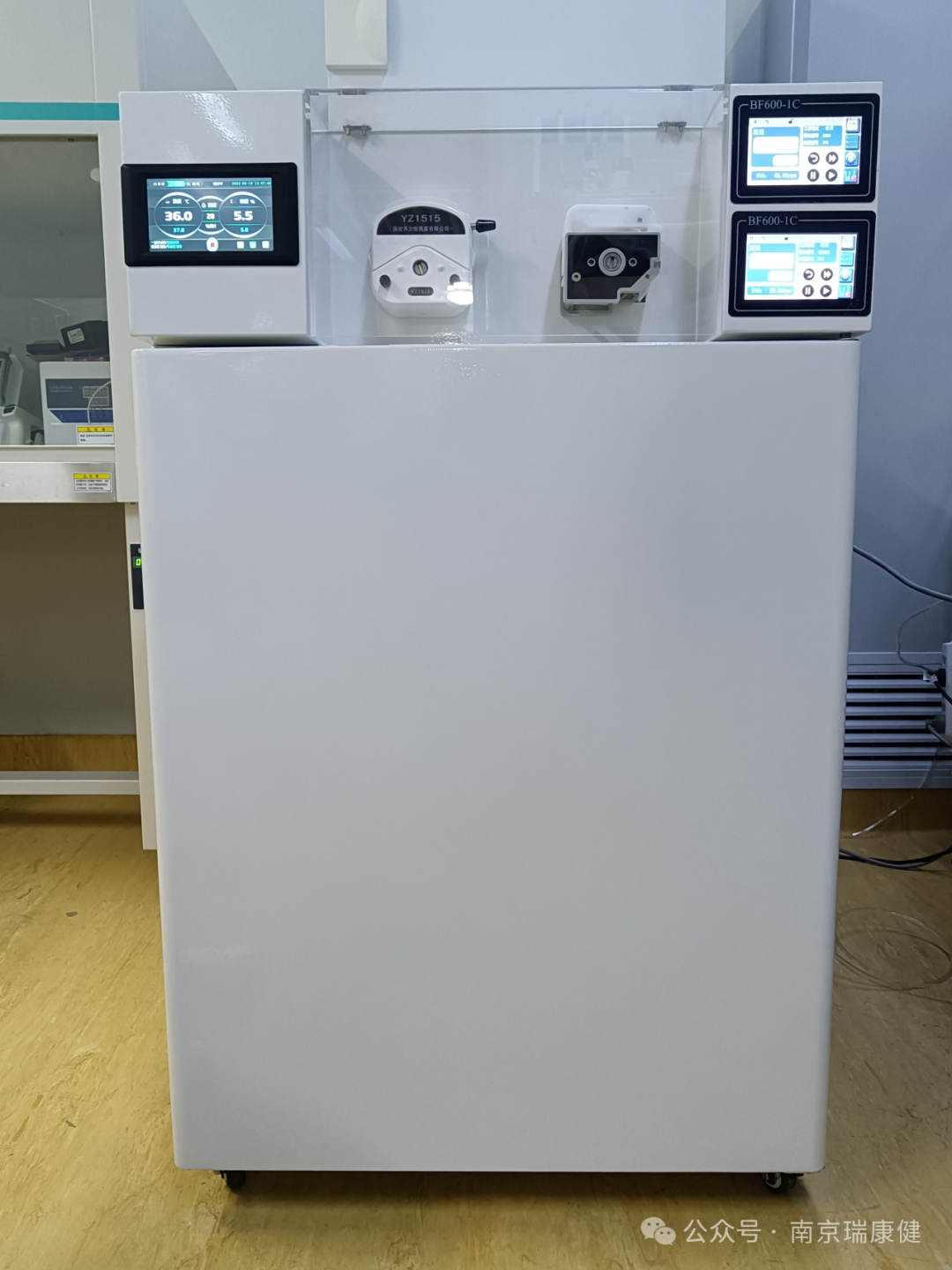
Multi-Mode Tissue Perfusion Incubator is a tissue perfusion incubator developed by Ruikangjian, which integrates a peristaltic pump and injection pump control module, suitable for various scenarios such as tissue engineering, stem cells, organoids, drug screening, artificial organs, and in vitro simulation of biodegradable devices. It is a new type of tissue perfusion incubator that is versatile and cost-effective.
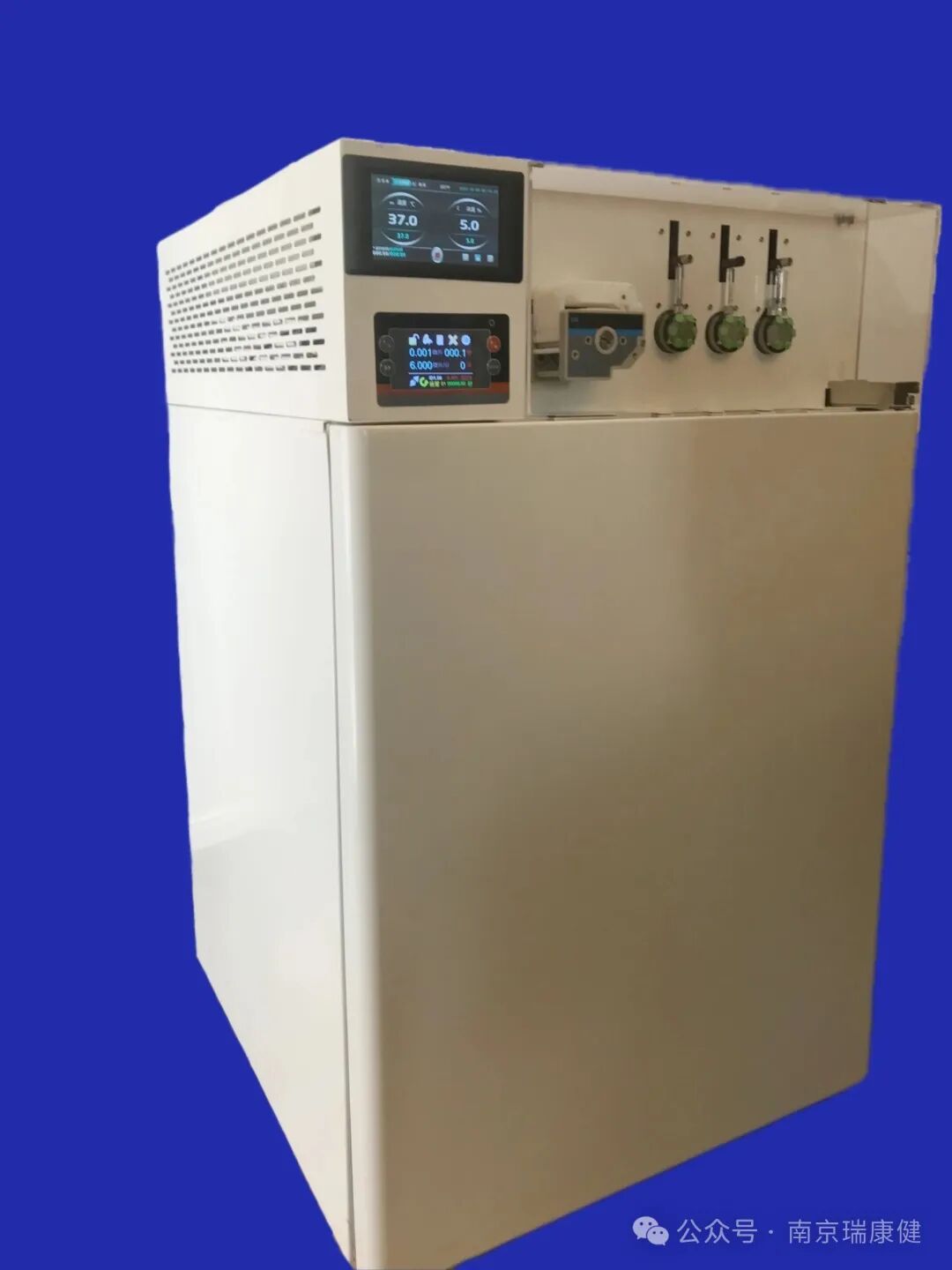
Dual Peristaltic Pump Perfusion Incubator is a tissue perfusion incubator developed by Ruikangjian, which integrates a peristaltic pump control module and CO2 incubator functions, suitable for various scenarios such as tissue engineering, stem cells, organoids, drug screening, artificial organs, and in vitro simulation of biodegradable devices. It is a new type of tissue perfusion incubator that is versatile and cost-effective.
3D Printing Services
Ruikangjian provides customized processing services for various tissue engineering scaffolds.