A Small Step for Echo, a Giant Leap for Artificial Intelligence
Since the day smart terminal devices were born, engineers and technicians have never ceased their research and exploration in the field of human-computer interaction to make them more convenient and user-friendly. From keyboards to multi-touch, from clicking to swiping, the ways of human-computer interaction are becoming increasingly convenient.
However, compared to voice interaction in the natural environment, both keyboard and touch operations undoubtedly seem much clumsier. For this reason, with the rapid advancement of artificial intelligence technology in recent years, voice interaction is widely regarded in the industry as the most natural and convenient next-generation human-computer interaction method.

On November 6, 2014, Amazon quietly launched a smart speaker equipped with the intelligent voice assistant Alexa on its official website—the Amazon Echo. As of now, according to incomplete statistics, the global sales of Amazon Echo smart speakers have exceeded ten million units, helping Amazon’s stock price reach an all-time high.
This is a small step for Amazon Echo, but a giant leap for the application of artificial intelligence in practical scenarios.
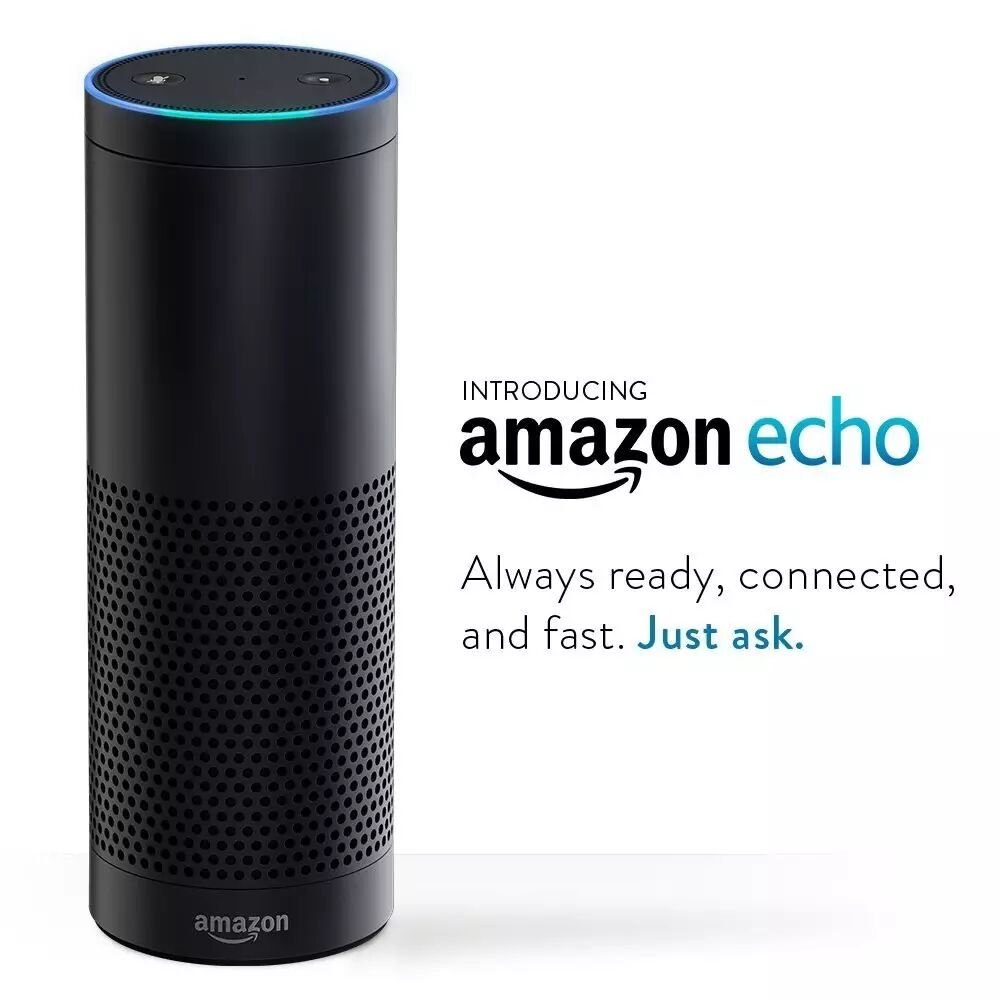
Perhaps even Bezos himself did not expect that such an inconspicuous little speaker would later become the focal point for major global tech giants seeking breakthroughs in the artificial intelligence market.
BAT Competes: Who Will Become China’s Version of Echo?
When people can free themselves from cumbersome manual operations and issue commands to Echo solely by voice, it is easy to imagine how popular such a product would be.
For this reason, the wave of artificial intelligence sparked by Echo has swept the globe in a very short time and achieved great success in the European and American markets. However, it is regrettable that, for various reasons, this world-renowned Echo has not launched a Chinese version.
Nevertheless, for Chinese consumers, this seems to have little impact, as local companies including BAT (Baidu, Tencent, Alibaba), JD.com, iFlytek, and Himalaya FM have all launched their own voice assistants or AI smart speaker products.
So the question arises: among these local products that are benchmarked against Echo, who is most likely to become the Chinese version of Echo and build their own grand enterprise in the era of voice interaction?
Yesterday’s Success Becomes Today’s Historical Burden
In the rapidly changing IT technology circle, there is a very interesting phenomenon: the successful experiences accumulated yesterday may become a historical burden for companies today.
For example, whether it is the former king of the mobile phone industry, Nokia, or Apple, which has seen a decline in innovation and sales in recent years, all companies that achieved great success during the mobile phone era have, without exception, lacked the determination and motivation to push the company into the next era. Even in the face of major trends like cloud computing and artificial intelligence, which are likely to become the next entry points after mobile internet, both Google and Apple initially only made strategic positioning without fully committing like Amazon did.
Why does this phenomenon occur? The reason is actually easy to understand: entering the next era means giving up one’s existing advantageous position and choosing a completely new track. No matter how glorious your past was, at this moment, you have to start from scratch. If you are a vested interest from the previous era, would you prefer to continue leveraging your advantages to lead, or would you rather start over and return to the starting line with other competitors?
Once we understand this, it is not difficult to see why companies that have the courage to be the “first to eat crabs” are often not the market leaders at the time. It is this kind of determination to break the boat that helps them gain a first-mover advantage in the market.
In contrast, in recent years, Baidu, which missed the mobile internet era, has become the earliest promoter of artificial intelligence among the three giants of BAT, as its need to choose a new track is most urgent and its initiative is the strongest;
Tencent, due to the tremendous success of WeChat, has almost poured all its business focus into building the WeChat ecosystem, while its actions in the fields of artificial intelligence and voice assistants have been somewhat slow, playing the role of a follower;
As for Alibaba, its situation is positioned between Baidu and Tencent—neither experiencing Baidu’s setbacks nor bearing Tencent’s WeChat burden, thus having a better chance to find the best focus in balancing tradition and innovation, becoming the first company to obtain a ticket to the next era.
With AliGenie Support, Tmall Genie X1 is Likely to Win
If we talk about the push in the field of artificial intelligence, Baidu is clearly the strongest in subjective motivation, followed by Alibaba, and Tencent is the weakest. This has also been validated in the current market landscape.
In terms of objective strength, the three giants of BAT each have their own strengths: Baidu’s core competitiveness lies in its knowledge graph, which is unmatched in depth and breadth in the Chinese world; Alibaba’s core competitiveness lies in financial e-commerce and life services; Tencent’s core competitiveness is social and content.
For a voice assistant, if its primary use case is as an encyclopedia, then Baidu has the highest chance of winning; if users want it to be just a speaker for playing songs, then Tencent, with its advantages in social and content, may win; however, if users hope the voice assistant can leverage artificial intelligence to provide various life and business services, even helping them complete some tasks, then Alibaba, which has integrated various application scenarios in finance, e-commerce, and life services, undoubtedly has the best chance of success.
The inherent genes of a company determine its future direction of effort. Alibaba, which has been quietly laying out the cloud computing, big data, and artificial intelligence industry chain, has finally welcomed a product that can truly bring these technologies to life—Tmall Genie X1.
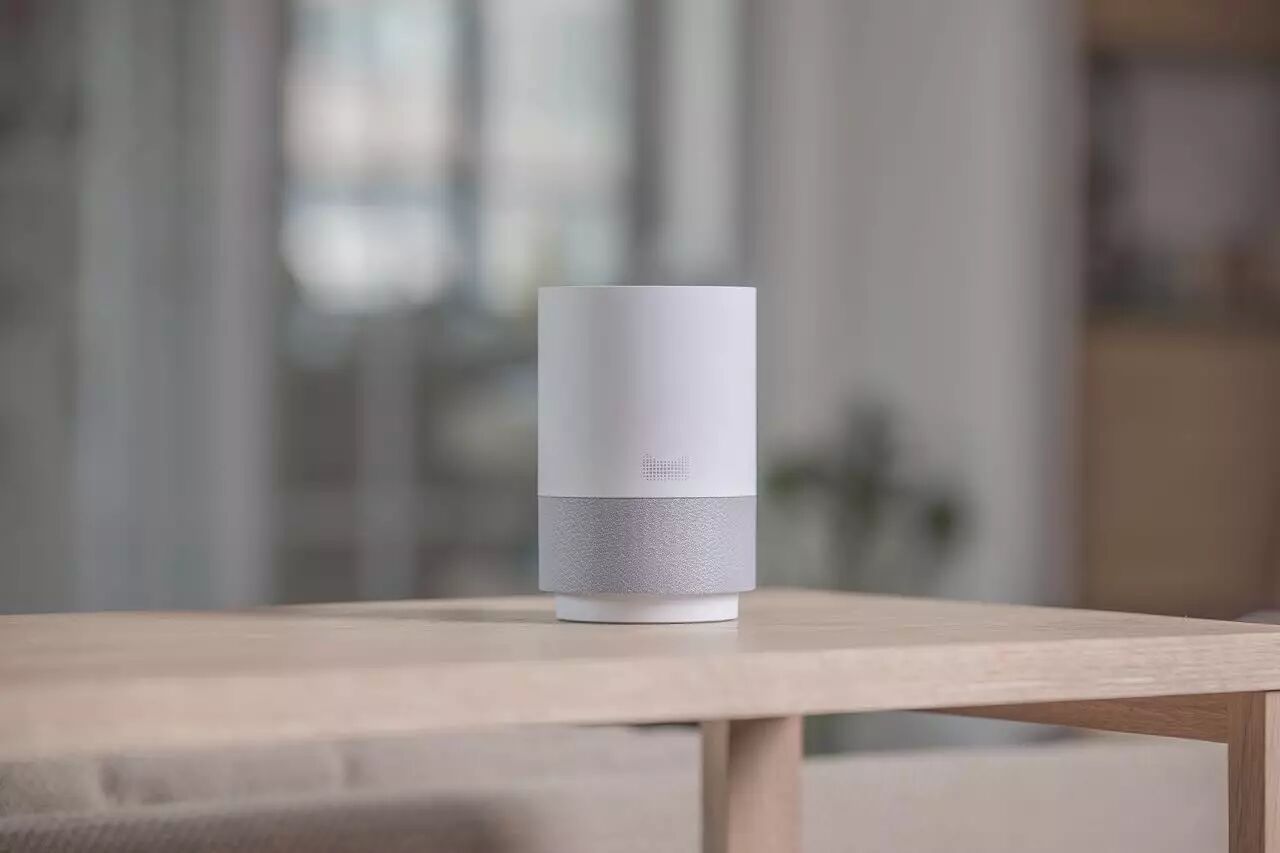
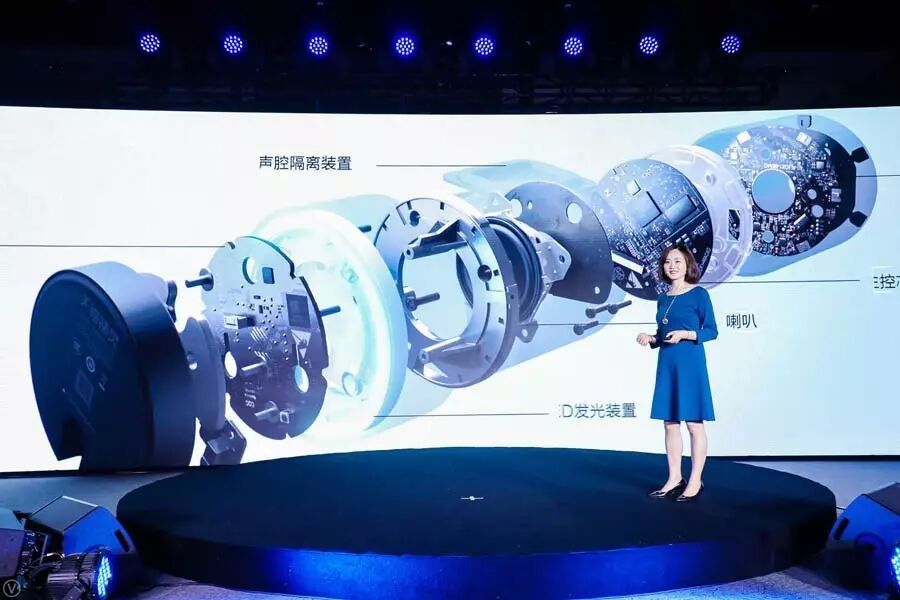
On July 5, Alibaba’s artificial intelligence laboratory released the first AI smart speaker equipped with the first-generation human-computer interaction system “AliGenie”—the Tmall Genie X1. Priced at only 499 yuan, this product not only has standard smart speaker functions such as playing music, telling stories, finding phones, answering encyclopedic questions, topping up phone credits, setting alarms/timers, controlling Tmall Magic Box, and smart home appliance control, but it can also access a wealth of life services provided by partners through the cloud-based AliGenie developer platform.
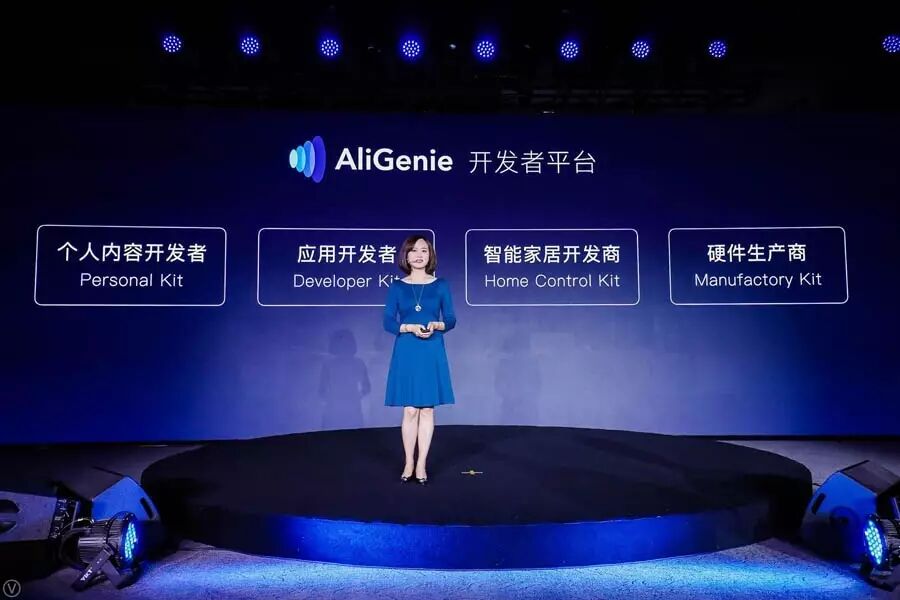
According to reports, partners that have already accessed the AliGenie platform include well-known companies such as Mattel, KEEP, Xixi Paradise Complex, Youku, Amap, Taopiaopiao, Alipay, Xiami Music, Tmall Supermarket, Cainiao Guoguo, Himalaya FM, Taobao, Alibaba Smart Alliance, Alibaba Digital Entertainment, Tmall Magic Box, Huierle, Wu Xiaobo Channel, Fliggy, and Hema Fresh, covering all aspects of clothing, food, housing, transportation, as well as payment shopping and home entertainment. Users only need to say “Tmall Genie” to the smart speaker to summon the cloud-based AliGenie to provide various services.
It can be seen that in the AI trend of smart speakers, the Tmall Genie X1, supported by AliGenie, is most likely to become the “Chinese version of Echo.”