In the era of the Internet of Things, lighting systems are transforming from traditional light sources to core components of smart buildings. The sensors launched by Tridonic, falcoSENSE and airASPECT, have expanded the functionality of modern lighting systems through innovative applications. These sensors are widely used in offices, industrial settings, and healthcare, enhancing energy efficiency and user comfort while laying a solid foundation for future smart buildings.
Recently, Javier Luis Carracedo Cordovilla, the manager of Tridonic’s Indoor Systems and Innovation Department, participated in an internal interview where he shared insights from the initial concept to implementation, discussing the inspiration behind these sensors, the role of artificial intelligence, and the future vision of the lighting industry.

Javier Luis Carracedo Cordovilla
Manager of Indoor Systems and Innovation Department at Tridonic
Q: What is the background of the idea for falcoSENSE and airASPECT, which originated from Tridonic’s Business Foundry innovation lab?
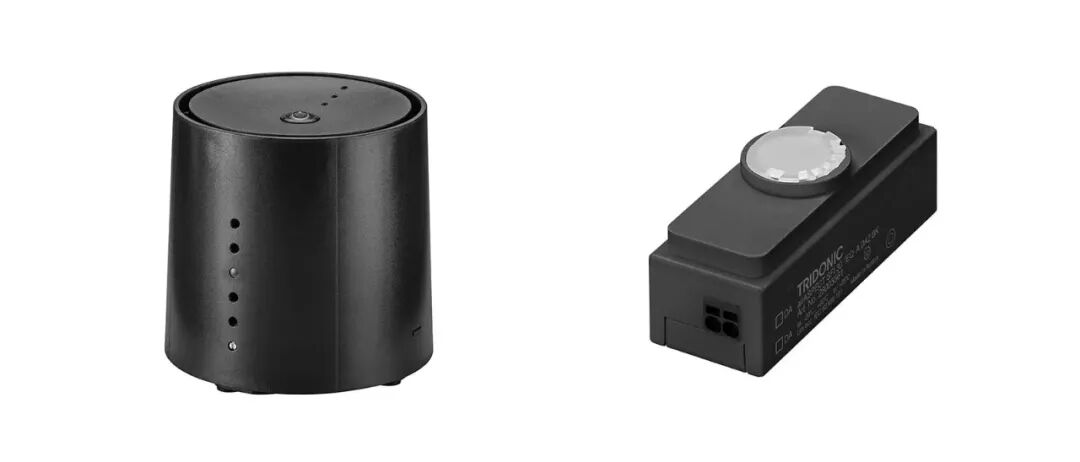
A: The falcoSENSE and airASPECT sensor solutions are the result of Tridonic’s strategic innovation process in the Business Foundry. The goal is to develop products that “coexist with light”—these products, while not part of traditional lighting technology, seamlessly integrate with existing lighting system infrastructure. Lighting facilities are present in every building, providing not only power but also serving as a medium for data transmission, making them an ideal platform for additional functionalities.
Currently, there is a growing market demand for building-related information, such as air quality and space utilization. Tridonic is responding to these trends by developing sensor solutions based on existing lighting infrastructure, providing real added value for modern building automation.
Tridonic
Q: Why did Tridonic choose artificial intelligence technology? What challenges does this choice bring?
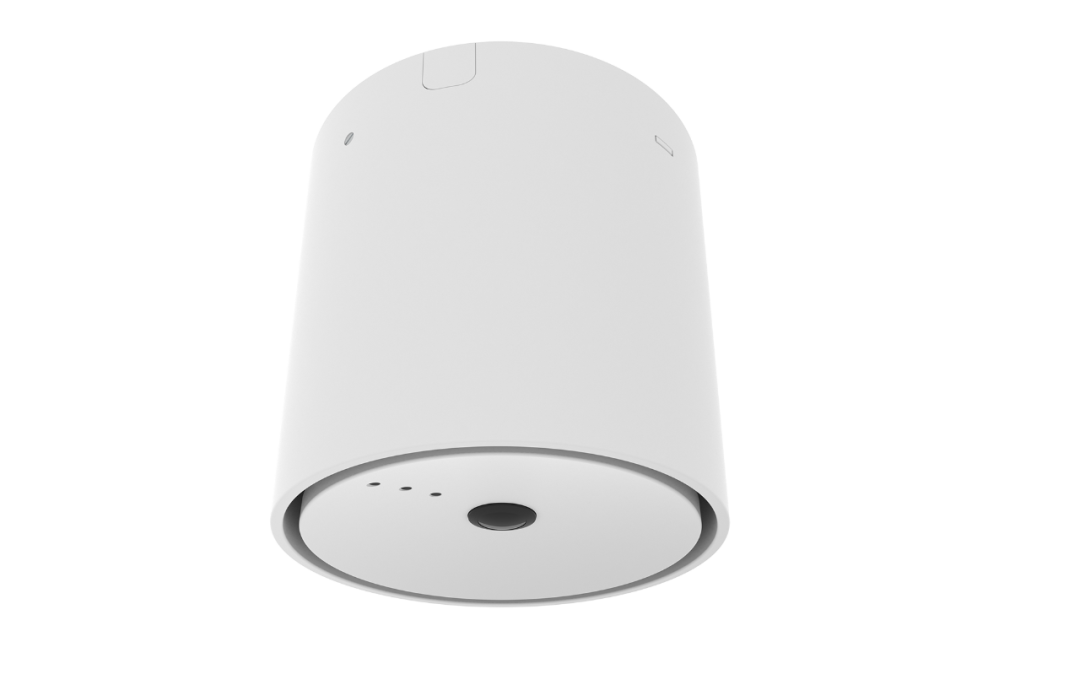
A: Artificial intelligence is a key technology for Tridonic to develop flexible and diverse application scenarios. For example, falcoSENSE utilizes AI to extract precise information from real-time image data, and the software can be flexibly trained to adapt to specific scenarios, such as recognizing personnel wearing protective clothing. This flexibility allows Tridonic sensors to be applicable not only in standardized office environments but also in industrial facilities or healthcare institutions.
Of course, the implementation of artificial intelligence also brings challenges. First, AI needs to run on devices with extremely limited computing resources, which requires Tridonic to have deep expertise in embedded AI and computer vision.
Secondly, data privacy protection is a core concern. To address this, Tridonic has carefully designed the sensor architecture to ensure that no images or video data are stored or transmitted, with all processing occurring locally on the device. By default, camera images are highly pixelated.
Additionally, Tridonic has implemented comprehensive cybersecurity measures, including regular testing and software updates, to ensure the long-term security and reliability of devices and systems.
Tridonic
Q: How do the new sensors coordinate with the core business of lighting systems?
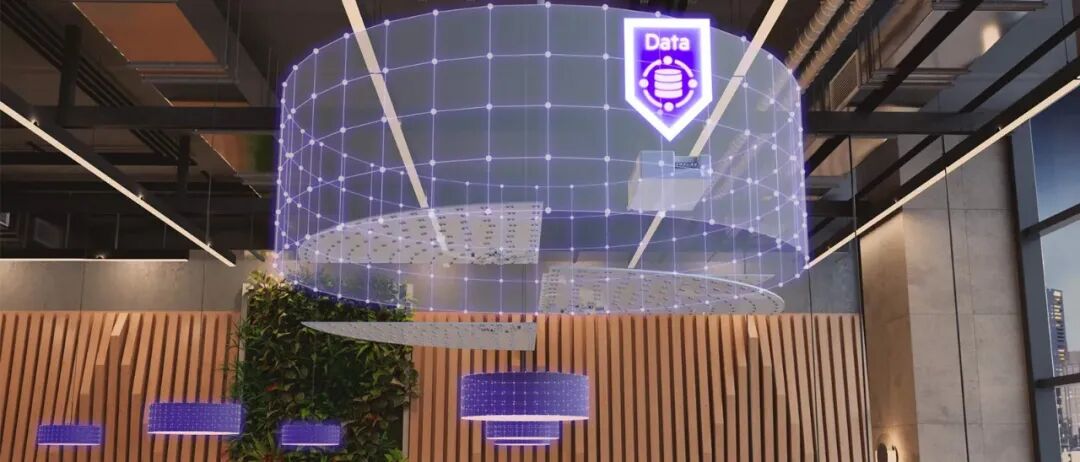
A: Tridonic’s sensors are highly complementary to lighting systems. The new sensors utilize existing lighting infrastructure for power supply and data communication, allowing for direct integration into luminaires or lighting management systems, thereby simplifying installation and operation processes.
Tridonic is actively pursuing a strategy to evolve from a mere component supplier to a solution provider. Our goal is to provide customers with added value that goes beyond traditional lighting, such as monitoring and analyzing data on energy consumption, indoor climate, or space utilization. With the implementation of new regulations like the Energy Performance of Buildings Directive (EPBD), this information is becoming increasingly important. In the future, lighting systems will play a key role in building certification and optimization.
Tridonic
Q: What new developments can we expect in the future?
A: Tridonic will focus on making progress in two directions in the future. First, Tridonic will develop sensors that can provide more building information, further enriching data dimensions. Secondly, existing systems will be enhanced with new functionalities, such as personalized training for specific scenarios.
Tridonic remains flexible: customers can choose either a complete solution or select individual components based on their needs. Our long-term goal is to position lighting systems as core intelligent components in smart, sustainable buildings, driving the construction industry towards greater efficiency and environmental friendliness.
Tridonic
Tridonic is leading the lighting industry towards intelligent and sustainable transformation. Tridonic’s sensor products not only enhance space utilization efficiency but also respond to global sustainability trends. In the future, with the deep integration of artificial intelligence and IoT technologies, Tridonic will continue to innovate, injecting more possibilities and momentum into the future of smart buildings.
Follow Tridonic
Get more professional lighting solutions
ENDRelated ArticlesTridonic’s All-Scene Sensor Technology Reshapes Building Space EcologyTridonic Partners with Dutch Smart Building Expert Mymesh for Strategic CooperationTridonic’s Data-Driven Building Lighting System Solutions For more information on Tridonic products, please visit www.tridonic.com for more details.