
ADCs have become a promising class of anti-tumor drugs, with over a dozen ADCs approved for treating various types of cancer patients. Traditional ADCs utilize the amino groups of antibody lysines or the thiol groups obtained from the reduction of inter-chain disulfide bonds in cysteines for coupling. However, their uniformity is poor, and stability is low, affecting efficacy and therapeutic windows. To address these issues, researchers have developed various site-specific coupling methods. These methods couple cytotoxic agents or chemotherapeutic drugs to specific positions within the antibody molecule, such as cysteine, glutamine, non-natural amino acids, short peptide tags, and polysaccharides, resulting in ADCs with high uniformity, good stability, and improved activity and pharmacokinetic characteristics. This article provides a brief introduction to four classic site-specific coupling technologies used in ADCs.
Site-Specific Coupling via Specific Amino Acids
Several natural or engineered amino acids, including cysteine and glutamine, have been selected as site-specific coupling sites.
THIOMAB technology is the first method to modify natural amino acids to achieve site-specific coupling of unpaired cysteines. This method inserts cysteine residues at different positions in the antibody heavy chain (HC) or light chain (LC) for coupling (Figure 1). Due to the susceptibility of engineered cysteines to be masked by glutathione or other entities during expression, the antibody needs to be partially reduced to remove the cap. Subsequently, using thiol-maleimide chemistry, the unmasked cysteine is reacted with a thiol-containing linker. Studies have shown that ADCs generated via drug linkers coupled to cysteine residues (HC-A114C) exhibit nearly uniform conjugates and improved therapeutic indices. For example, the anti-MUC16 TDC (THIOMAB-drug conjugate) demonstrated double the efficacy in a mouse ovarian cancer xenograft model compared to ADCs prepared using traditional cysteine methods at the same drug dosage. The tolerated doses of TDC in rats and cynomolgus monkeys were also higher than conventional ADCs.
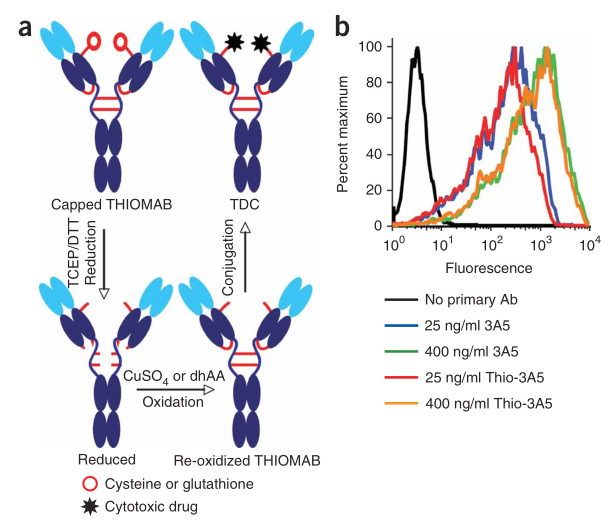
Figure 1. TDC generated by THIOMAB technology
Subsequent researchers developed ADCs that couple drug linkers with specifically designed cysteines in antibodies. Currently, several site-specific ADCs have entered clinical trials, such as SGN-CD19B, CD123A, and CD352A (all HC-S239C mutations); RG7861/DSTA4637S (LC-V205C mutation); IMGN632 (S442C mutation); BAT8003 (A114C mutation); and ADCs based on double cysteine mutations, such as PF-06804103 (LC-K183C HC-K290C). Two other techniques have also been developed, namely cysteine insertion, such as MEDI2228 (HC-i239C); and HC-terminal peptide fusion, such as ALT-P7 (C-terminal ACGHAACGHA fusion). However, the use of cysteine-engineered antibodies does not guarantee clinical success, and some have been abandoned, such as BAT8003 and the three ADCs mentioned from Seagen.
In addition to coupling through unpaired cysteines, thiol bridging methods have also been developed. Each bifunctional drug linker can capture two free cysteine thiol groups, resulting in a low heterogeneity DAR4 ADC after complete reduction of all eight inter-chain disulfide bonds (Figure 2). For example, New Bio’s NBT828.
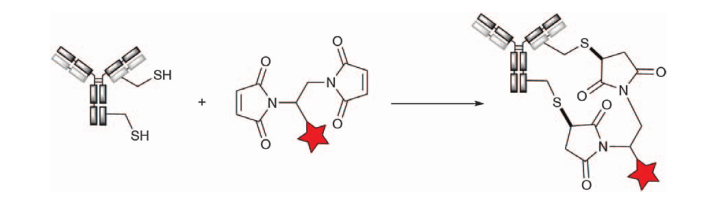
Figure 2. Crosslinking cysteines with bifunctional maleimide reagents
Glutamine has also been reported for site-specific coupling. This method does not use reducing and oxidizing agents but instead utilizes transglutaminase (MTGase) to transfer amine-containing drug linkers or reactive spacers to HC-Q295 deglycosylated antibodies (Figure 3). The Innate ADC (IPH43) utilizing this technology is currently in preclinical stages.
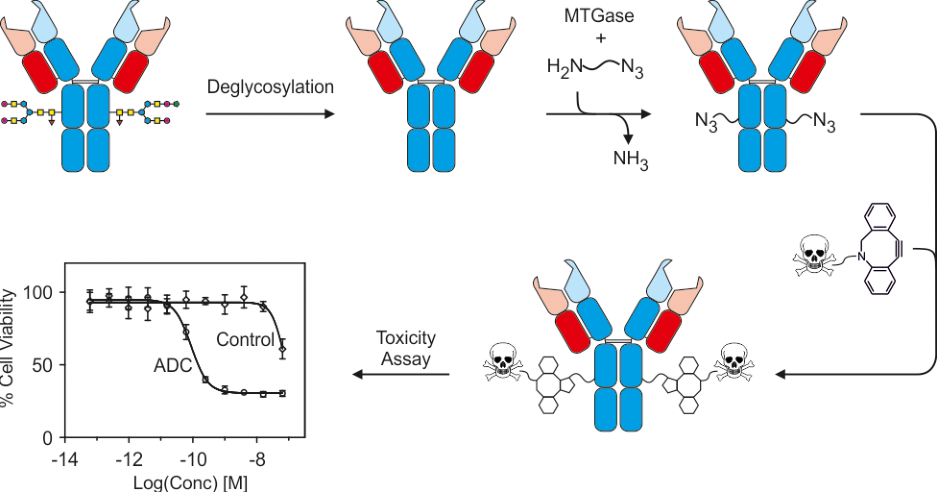
Figure 3. Transferring amine-containing drug linkers or reactive spacers to deglycosylated antibodies using MTGase
Site-Specific Coupling via Non-Natural Amino Acids
Coupling drug linkers to non-natural amino acids in antibodies is another novel method for generating homogeneous ADCs through site-specific coupling. The non-natural amino acids currently introduced are typically acetylphenylalanine (pAF), azido-methyl-L-phenylalanine (pAMF), and azido-lysine (Figure 4). Antibodies incorporating non-natural amino acids can achieve site-specific and quantitative coupling with drug linkers, resulting in ADCs with uniform DAR, high efficacy, good stability, and high safety, but there are also drawbacks such as difficulty in antibody expression and potential immunogenicity.
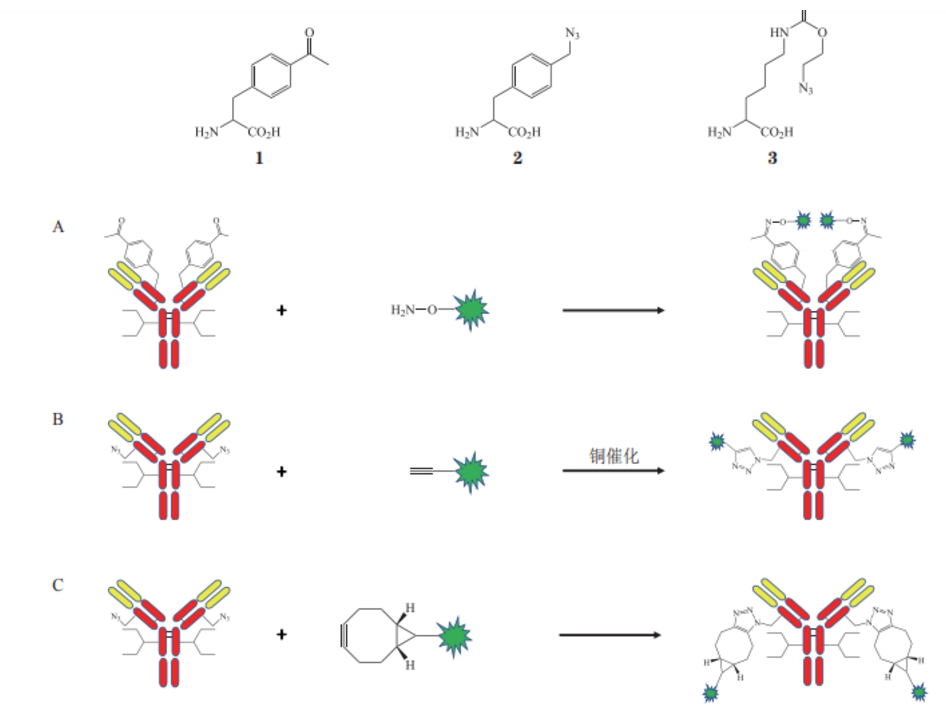
Figure 4. Achieving site-specific ADC via non-natural amino acids
Ambrx’s ARX788 is the first antibody-drug conjugate developed using non-natural amino acids, currently in clinical research stages. The non-natural amino acid selected for ARX788 is acetylphenylalanine (pAF), where the keto group on pAF can form an oxime bond with the hydroxylamine group on the active payload AS269, resulting in site-specific coupling and generating homogeneous ADCs.
Sutro Biopharma has developed a cell-free protein expression system that incorporates p-azido-methyl-L-phenylalanine (pAMF) at specific positions, suitable for subsequent drug linker click chemistry coupling to prepare ADCs. Due to the efficiency of cell-free protein expression, site scanning was performed to identify optimal coupling positions, which have now been used in various ADC projects. For example, STRO-001 (DAR2 ADC, coupling with HC-F404), STRO-002 (DAR4 ADC, coupling in HC-Y180 and HC-F404).
Site-Specific Coupling via Glycoengineering
By coupling drug linkers to the N297 glycan located in the CH2 domain, glycan-mediated coupling provides a unique site-specific coupling method. Due to the presence of several different monosaccharides at the non-reducing end of the glycan, various methods have been developed to attach drug linkers to these sugars, including fucose, galactose, N-acetylgalactosamine (GalNAc), N-acetylglucosamine (GlcNAc), and sialic acid (SA).
Okeley et al. reported that 6-thiofucose (a fucose analog) can be metabolically coupled to anti-CD30 or anti-CD70 antibodies. The thiofucose in the antibody is then coupled to a maleimide containing the MMAE drug linker, resulting in a DAR of 1.3. The ADC generated from thiofucose maintains good plasma stability and exhibits strong anti-tumor activity.
Galactose or galactose analogs have also been introduced via galactosyltransferase. Strain-promoted azide-alkyne cycloaddition has been used in GlycoConnect, a technology developed by Synaffix, which centers on enzymatically introducing azide sugars onto the polysaccharides of natural antibodies. The antibody is first subjected to the action of two enzymes, endoglycosidase and galactosyltransferase (GalNAc-T), in the presence of UDP 6-azido-GalNAc to convert the natural sugar into homogeneous, truncated, and azide-labeled trisaccharides (Figure 5). Subsequently, the azide-labeled antibody undergoes drug linker coupling to produce homogeneous ADCs. The GlycoConnect technology is currently used in three clinical ADC drugs: ADCT-601 (ADC Therapeutics), XMT-1592 (Mersana Therapeutics), and MRG004A (Miracogen).
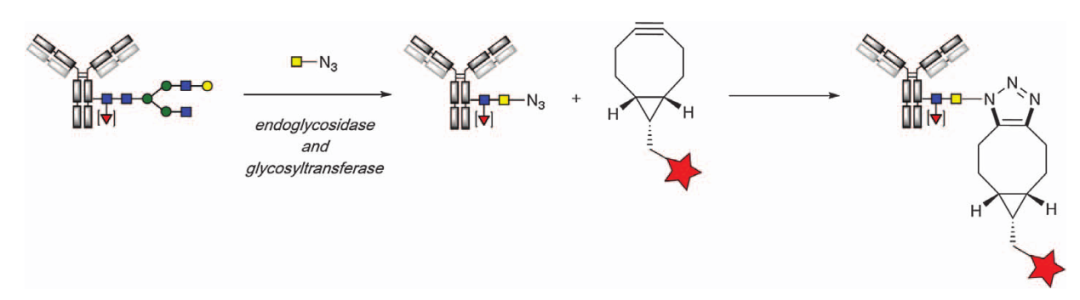
Figure 5. Modeling polysaccharides with endoglycosidase and GalNAc-T in the presence of UDP 6-azido-GalNAc, obtaining homogeneous ADCs through metal-free click coupling with the active payload
Additionally, methods utilizing sialic acid (SA) for site-specific coupling have been developed. SA is first transferred onto the antibody and then oxidized with periodate to connect to amine-containing drug linkers (Figure 6). The anti-HER2 ADC prepared using this method exhibits strong in vitro and in vivo anti-tumor activity. Another similar approach involves transferring C9-azido-SA onto the antibody through copper-free click chemistry, followed by coupling with DBCO containing cytotoxic agents.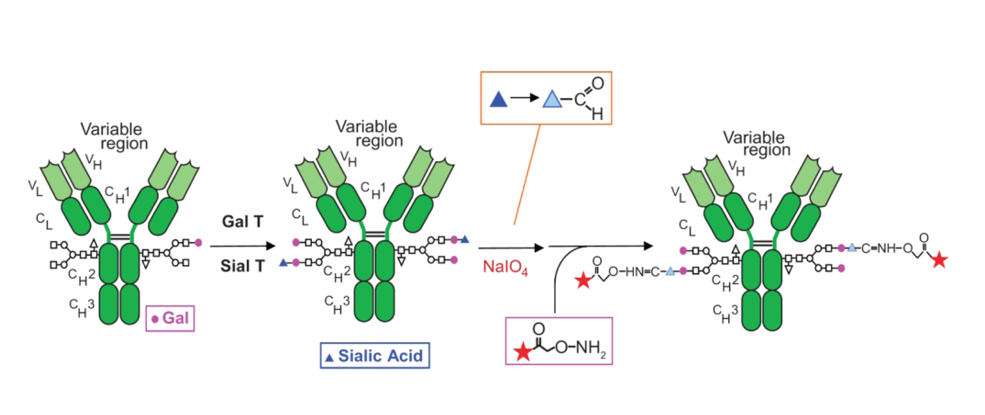
Figure 6. Site-specific coupling reactions utilizing sialic acid (SA)
The uniqueness of glycoengineering methods lies in the coupling of drug linkers with glycan chains, without the need to design amino acid sequences, and they connect at locations distant from amino acid residues. However, these methods require special reagents and enzymes needed for glycoengineering.
Site-Specific Coupling via Short Peptide Tags
Several site-specific coupling methods have been developed by coupling cytotoxic agents with specific short peptide tags containing four to six amino acid residues.
Research by Strop et al. designed a glutamine tag (LLQG) into the antibody molecule, where the glutamine in the tag can be recognized by MTG for transferring amine-containing drugs. The study demonstrated that the drug linker MMAD can be effectively transferred to the glutamine tag using enzymes, including LLQGA on the C-terminal heavy chain or GGLLQGA on the C-terminal light chain. This ADC exhibits a uniform DAR of 2 and shows strong anti-tumor activity.
Another study produced ADCs through site-specific coupling mediated by transpeptidase-catalyzed transpeptidation reactions. The main function of transpeptidase is to assist proteins in attaching to bacterial cell walls and assembling pili. Transpeptidase acts on secreted proteins containing C-terminal cell wall sorting signals, which include a five-residue recognition motif such as LPXTG, allowing for amide bond formation with specific oligo-glycine receptor substrate, thereby replacing the terminal glycine of LPXTG with the receptor’s oligo-glycine fragment. This method has been used to produce ADCs (Figure 7). For example, NBE Therapeutics utilized this method to develop ADCs that have entered clinical trials, such as NBE-002, by fusing the LPETG tag to the C-terminal heavy chain and then coupling with the cytotoxic payload PNU-159,682 modified with five glycines. Similarly, GeneQuantum developed the GQ-1001 drug based on heavy chain C-terminal LPGTG.
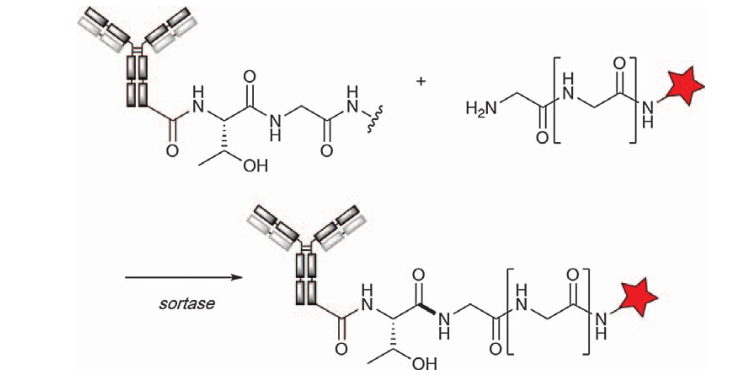
Figure 7. Coupling of Gly5-Linker effective payload with C-terminal LPXTG tagged antibody mediated by transpeptidase
These methods rely on introducing unique short peptide tags into antibodies for enzymatic modification. While these methods are simple, the potential immunogenicity of these short peptide tags is currently unclear and requires further clinical validation.Conclusion
By coupling cytotoxic agents or chemotherapeutic drugs with engineered specific amino acids, non-natural amino acids, short peptide tags, and N297 glycan, researchers have developed next-generation site-specific coupling technologies. The ADCs produced by these methods exhibit high uniformity, ensuring reproducibility between production batches and achieving a higher therapeutic index compared to traditional conjugates. Undoubtedly, these novel technologies will play a crucial role in the breakthroughs and successes of ADC drugs in the future.
References1.Site-Specific Antibody Conjugation for ADC and Beyond.2.Chemical Linkers in Antibody–Drug Conjugates (ADCs).3.Site-specific conjugation of a cytotoxic drug to an antibody improves the therapeutic index.4.Site-Specific Antibody−Drug Conjugation through Glycoengineering.5.Site-specific conjugation of a cytotoxic drug to an antibody improves the therapeutic index.6.Enzymatic Antibody Modification by Bacterial Transglutaminase.7.Transglutaminase-Based Chemo-Enzymatic Conjugation Approach Yields Homogeneous Antibody−Drug Conjugates8.Kailai Ying Pharma WeChat Official Account
If you like our article, please give a“look” and“like”, otherwise, due to changes in WeChat push rules, you might miss us every day~
Disclaimer
“Gathering Southern Medicines” The WeChat official account reprints articles from other platforms, mainly to share industry-related knowledge and convey the latest information. The copyright of images and articles belongs to the original authors. If there is any infringement, please notify us in the comment section, and we will delete the relevant information within 24 hours.
Information Source:Original Qinfeng Biopharmaceutical Editor
 Previous Recommendations




This platform does not take responsibility for the views expressed in reprinted articles, nor does it provide any express or implied guarantees regarding the accuracy, reliability, or completeness of the content included in the articles.