▼ Follow the Dalian Dalian public account to learn about industry trends and more information!
With the rapid development of AI and edge computing, developers can implement high-performance machine learning tasks on microcontrollers (MCUs). This article will introduce how to utilize Nuvoton’s NuEdgeWise tool in conjunction with the ARM Cortex-M55 and Ethos-U55 NPU to accelerate the training and deployment of image recognition models, achieving an AI application for “cat and dog classification”.
1. Introduction to the Development Platform: M55M1
The M55M1 is a high-performance AI microcontroller launched by Nuvoton, equipped with:
-
Arm® Cortex®-M55 CPU operating at a frequency of 200 MHz
-
Arm® Ethos®-U55 Neural Processing Unit (NPU)
-
1.5MB SRAM and 2MB Flash, supporting an additional 8MB HyperRAM
-
Support for CMOS sensors, audio processors, USB, Ethernet, and CAN FD communication, etc.
The built-in Helium instruction set and NPU can greatly enhance the operational efficiency of ML models.
2. What is NuEdgeWise?
NuEdgeWise is a set of machine learning tools provided by Nuvoton, offering a simple interface and workflow.
3. Process for Establishing Cat and Dog Recognition
-
Create and train the model
-
Adjust and optimize the model (using Vela Compiler)
-
Convert to a TensorFlow Lite Micro model that can run on the MCU
-
Deploy to the M55M1 development board and perform real-time inference
GitHub repository: https://github.com/OpenNuvoton/NuEdgeWise
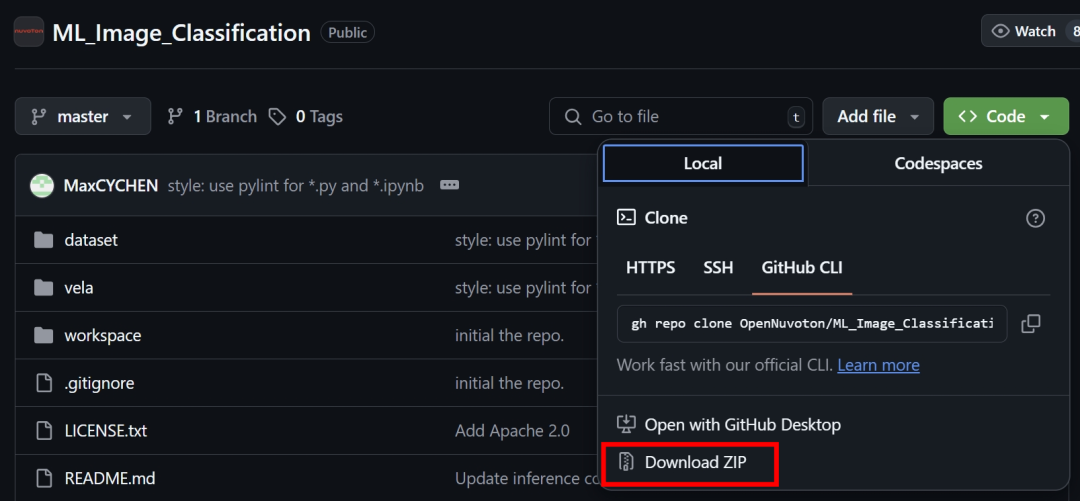
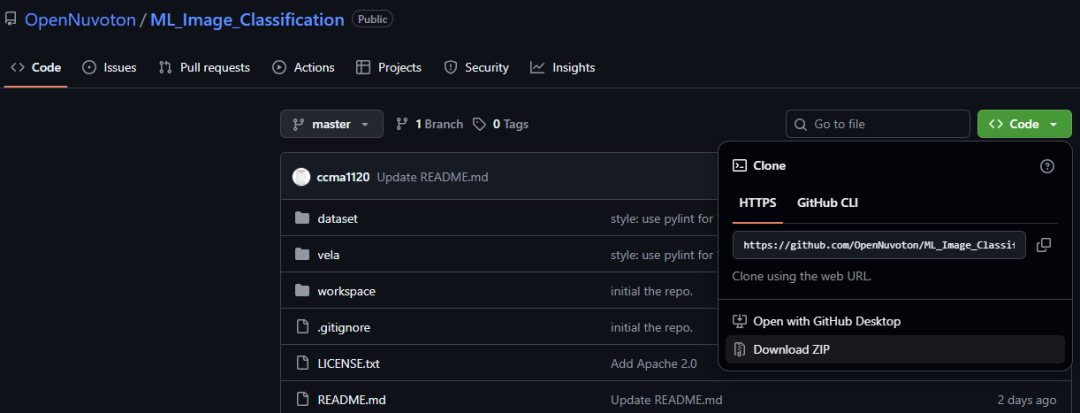
And download the sample code for image classification
https://github.com/OpenNuvoton/ML_Image_Classification
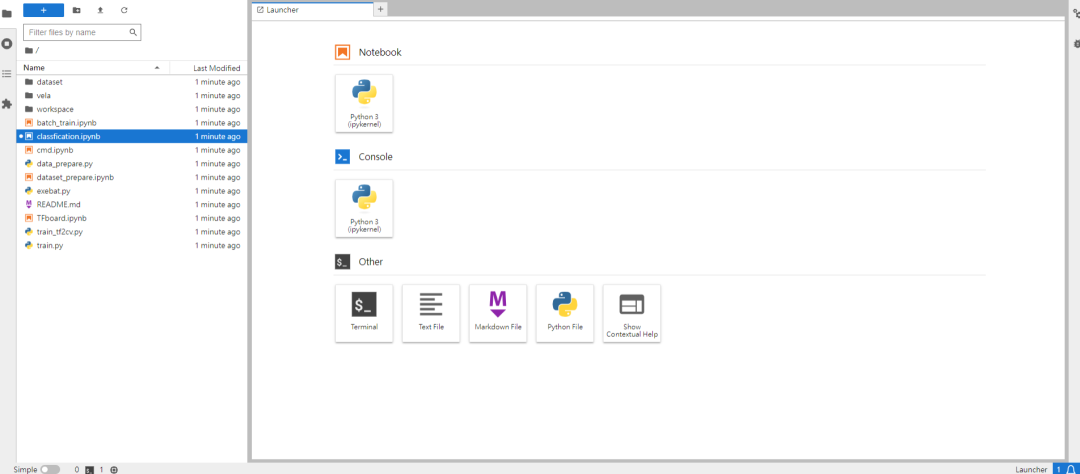
The NuEdgeWise interface after the environment setup is complete
Import the prepared cat and dog images as training materials
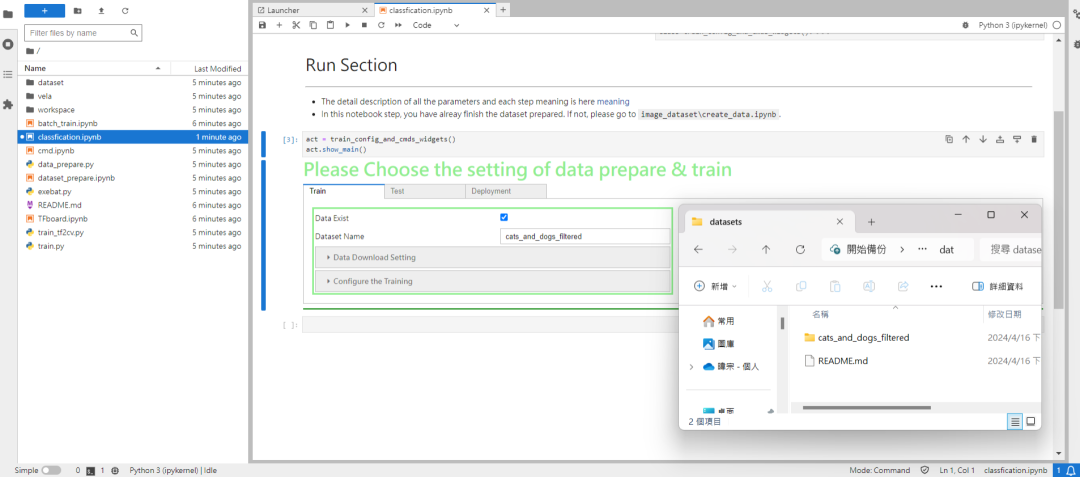
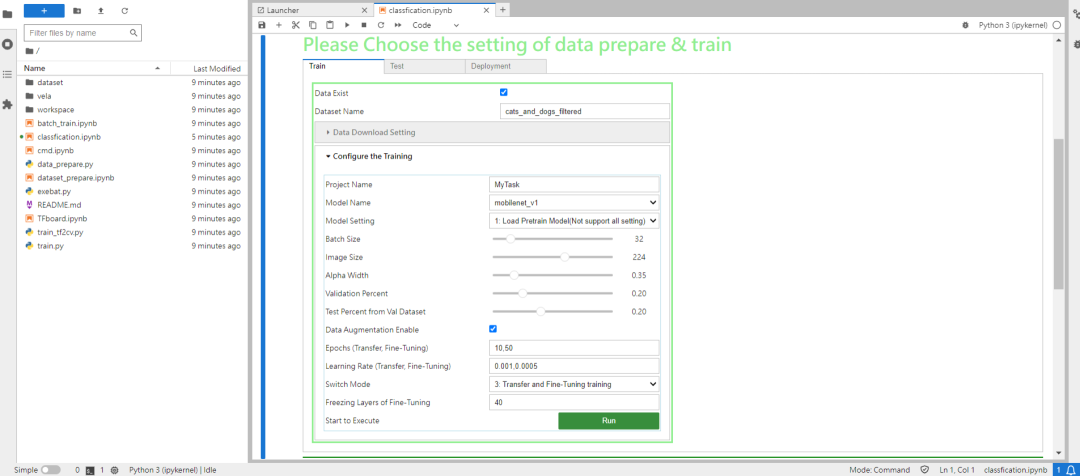
Next, set the relevant parameters for training, and click RUN to start training
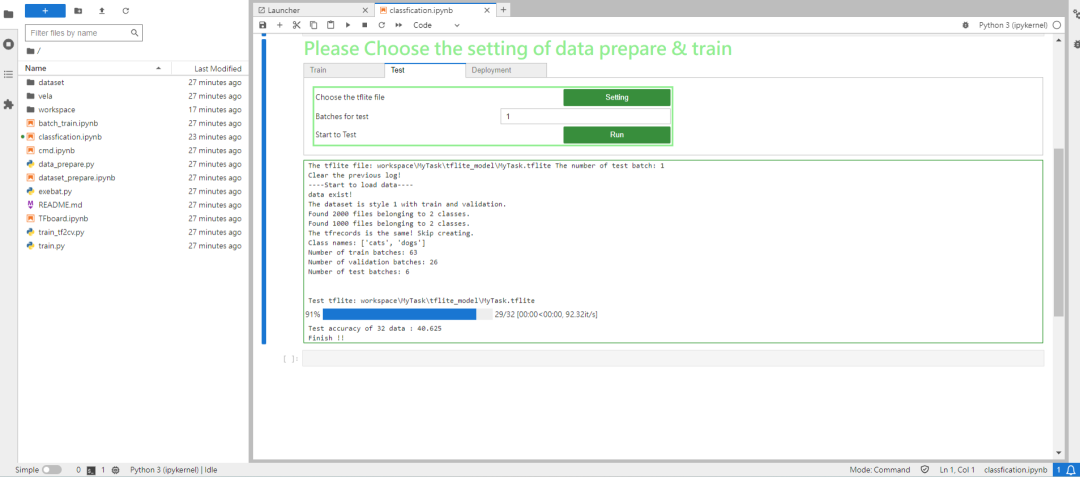
Then use the Vela compiler to convert the TFLite model into instructions for Ethos-U55 to execute on the NPU
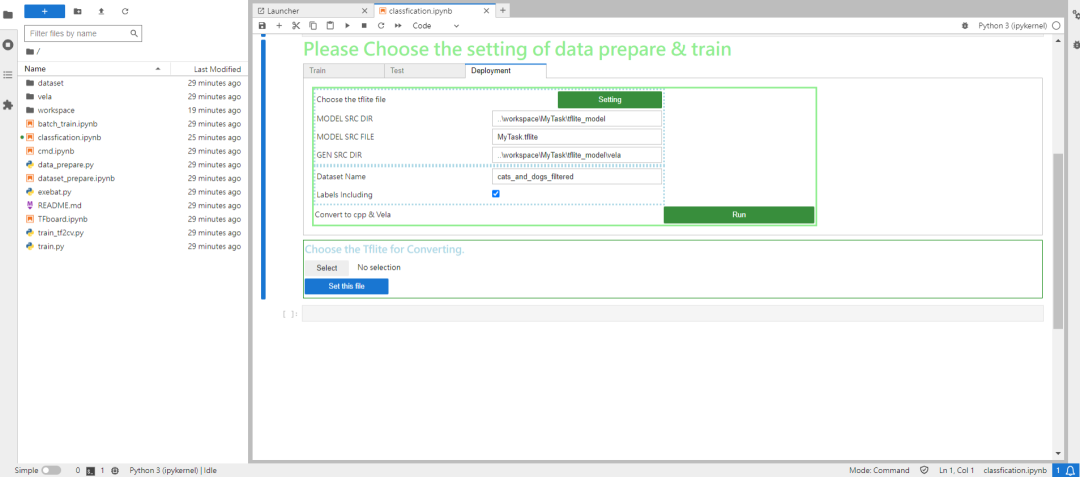
Finally, the corresponding files will be generated
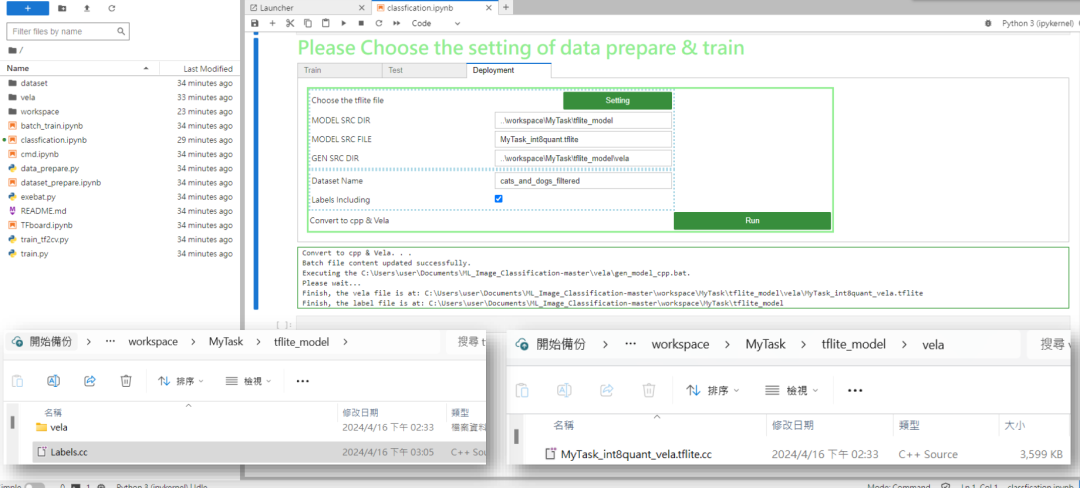
Copy the data to the originally downloaded project
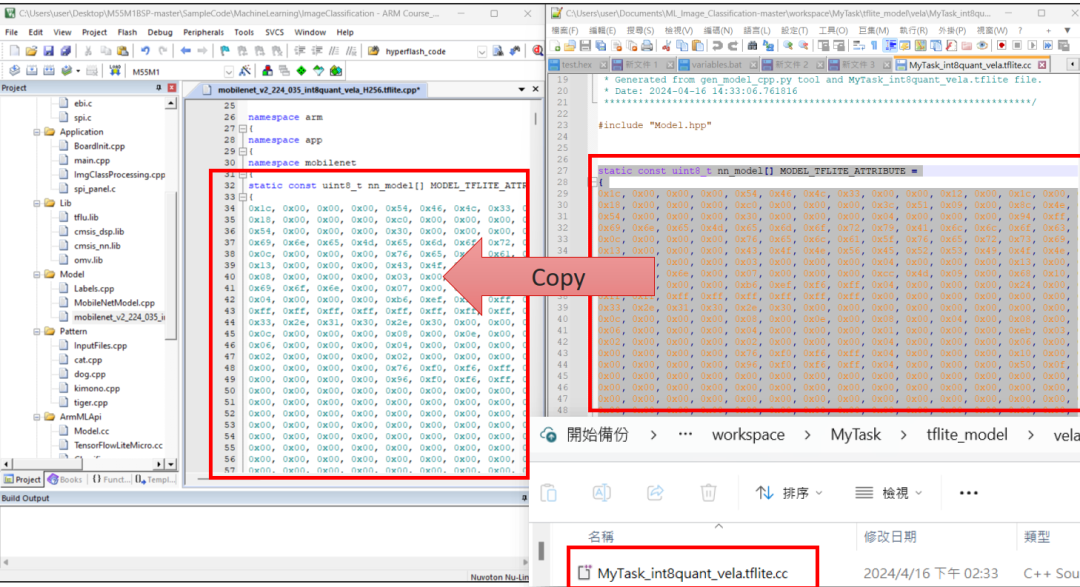
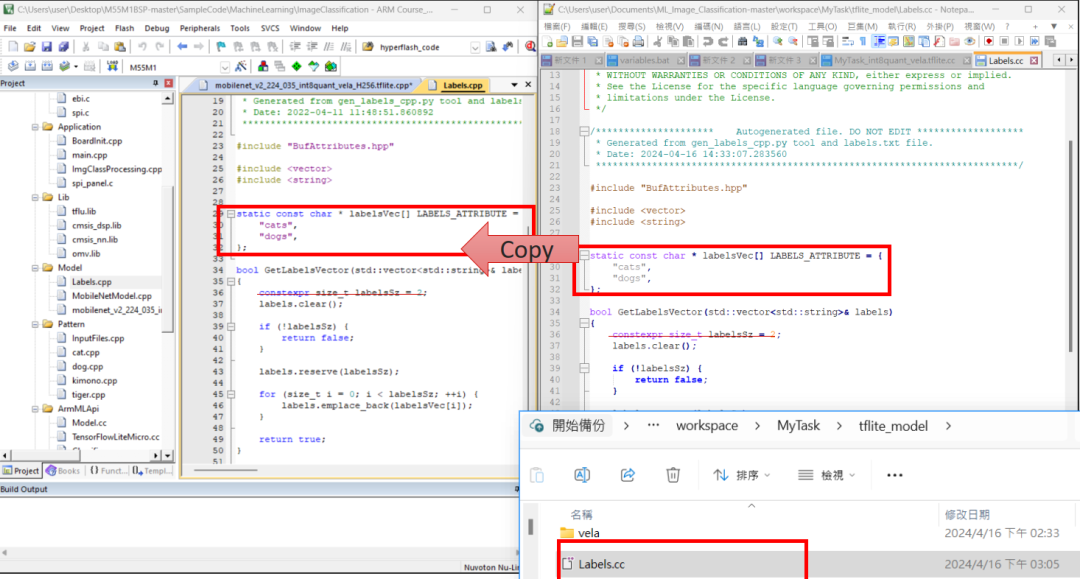
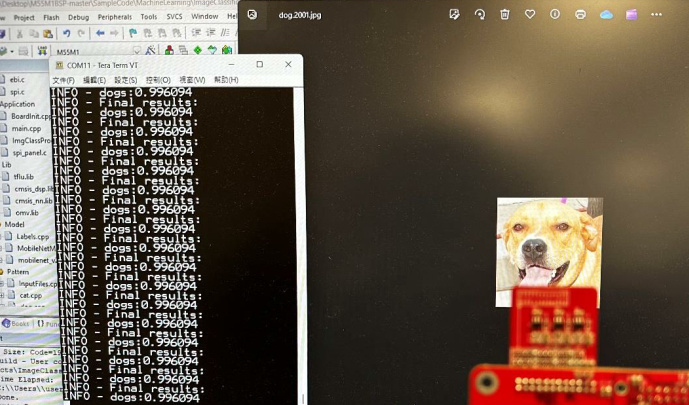
After burning, execute it, and you can see the recognition results and recognition rate on the terminal
4. Application Extensions
Through the architecture of NuEdgeWise, not only can it recognize cats and dogs, but it can also be extended to:
-
Face recognition
-
Vehicle classification
-
Defect detection
-
Industrial equipment monitoring
Display Board Photo
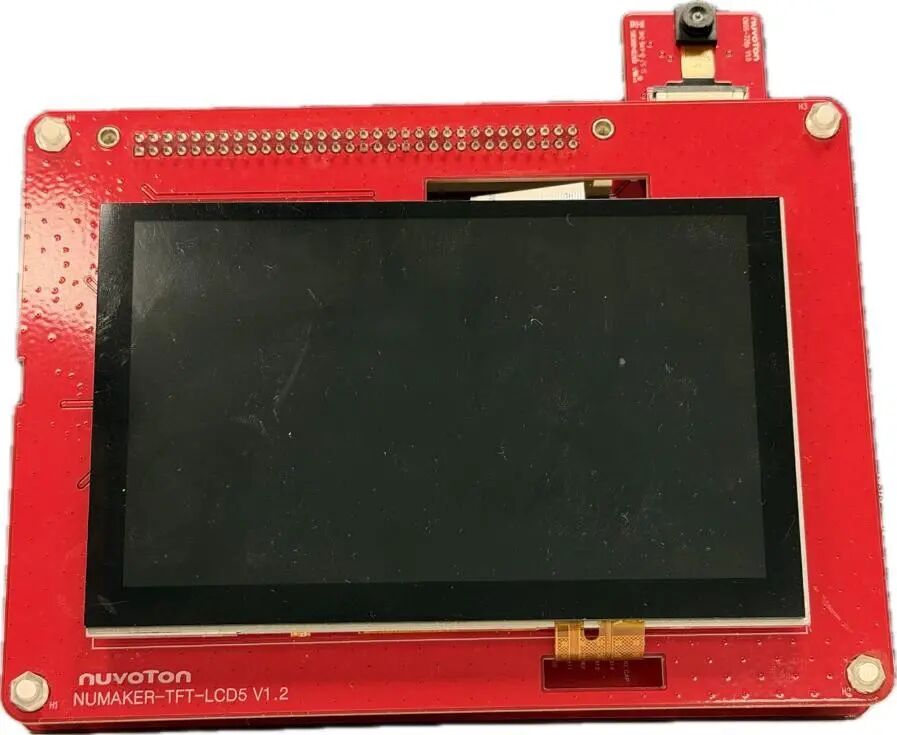
Solution Block Diagram
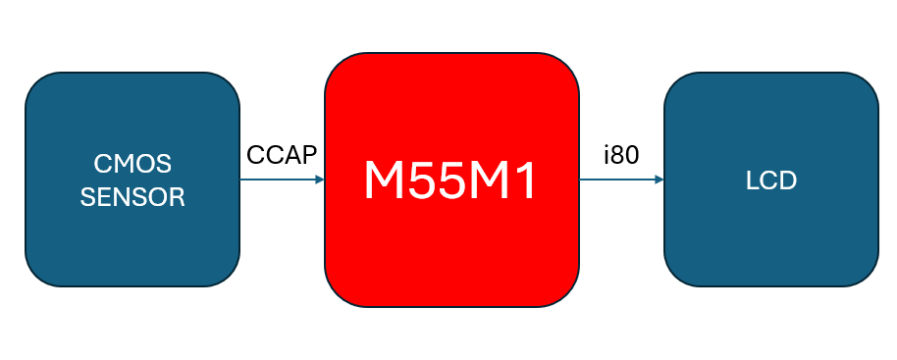
Core Technical Advantages
1. Arm Cortex-M55 + Ethos-U55 architecture: The top combination supporting AI computation at the MCU level, providing up to 3 GOPS performance, suitable for executing CNN neural networks.
2. Helium vector instruction set (MVE): Efficient image and data processing capabilities, significantly enhancing preprocessing performance such as RGB conversion, image scaling, etc.
3. TensorFlow Lite for Microcontrollers: Using the open-source TFLM + CMSIS-NN inference engine, models can be converted to .h format for embedding in MCUs.
4. Integration of NuEdgeWise toolchain: Provides a one-stop process from data preprocessing, model training, quantization conversion, to deployment compilation, greatly reducing development barriers.
5. Support for low-power AI mode: Supports hardware wake-up technologies such as Motion Detection, Acoustic Energy Detection, Smart Wakeup, extending battery life.
6. Modular design and rich I/O: Onboard sensors include CMOS cameras, microphones, MPU6500, WiFi, MicroSD, etc., suitable for integration into various terminal applications.
Solution Specifications
Edge AI recognizes objects, the M55M1 MCU supports neural networks in TFLite format, models are trained using the TensorFlow framework, and the neural network weights are quantized to INT8 format through the LiteRT (formerly TensorFlow Lite) tool, and the TFLite model is converted into instructions for Ethos-U55 to execute on the NPU using the Vela compiler.
5. Conclusion
The integration of NuEdgeWise and M55M1 provides developers with a complete and powerful machine learning platform. Whether for education, maker projects, or low-power smart devices, this tool can realize the vision of AI on Edge.
Image sources for this article: GitHub repository & Nuvoton


ClickRead the original text to learn more details!

Like
Collect
Share