 01TCAN1051
170℃ Burn-Proof + 5000kbps High-Speed Communication! What Makes the Texas Instruments TCAN1051 Chip Used in Xiaomi SU7 So Special?
 TCAN1051 features a “silent mode” (activated via the S pin), in which the CAN driver is disabled while the high-speed receiver remains active, allowing the chip to continuously monitor CAN bus communication and relay relevant information to the RXD output pin. This flexible operating mode enables the TCAN1051 to intelligently adjust its working state according to different scenario requirements.
The TCAN1051’s data transmission performance is outstanding, complying with the ISO 11898 – 2:2016 physical layer standard, which ensures stability and accuracy of data transmission in complex network environments.
All models support 2Mbps CAN FD, with the “G” suffix version achieving transmission rates of up to 5Mbps. Additionally, it optimizes transmission delay characteristics, achieving a typical TXD to RXD loop delay of 110ns, allowing the chip to maintain signal integrity even at 5Mbps rates.

Overview of TCAN1051 (Image source: IPBrain platform)
 170℃ Burn-Proof + 5000kbps High-Speed Communication! What Makes the Texas Instruments TCAN1051 Chip Used in Xiaomi SU7 So Special?
Platform Expert:
The core module of the TCAN1051 chip encompasses data transmission and reception, mode switching, thermal shutdown, and undervoltage protection functions. It connects to external networks via the CAN bus interface, with power and grounding circuits ensuring operation. All modules work together to achieve reliable CAN data transmission, communication management, and chip protection. Such reliability is why it is a chip used in the Xiaomi SU7!
02AD9172
AD9172: Leading the Technological Revolution in High-Speed Digital-to-Analog Conversion

AD9172 is ADI’s flagship DAC chip, utilizing 28nm CMOS technology, integrating a current steering core, supporting a sampling rate of 12.6GSPS and 16-bit resolution. Its mixed-signal architecture achieves a spurious-free dynamic range of 70dBc at 6GHz output, and the digital predistortion engine enhances signal linearity.
The chip interface system adopts the JESD204C standard, supporting ultra-high-speed serial data transmission at 24.75Gbps, saving 80% of wiring resources compared to traditional parallel interfaces.
The unique dual-channel NCO design allows independent control of frequency synthesis within ±6.3GHz, combined with 2x/4x/8x programmable interpolation functions, providing design flexibility for complex modulation scenarios. When multiple chips work together, they can achieve sub-picosecond precision synchronization, meeting the needs of phased array and other system-level applications.
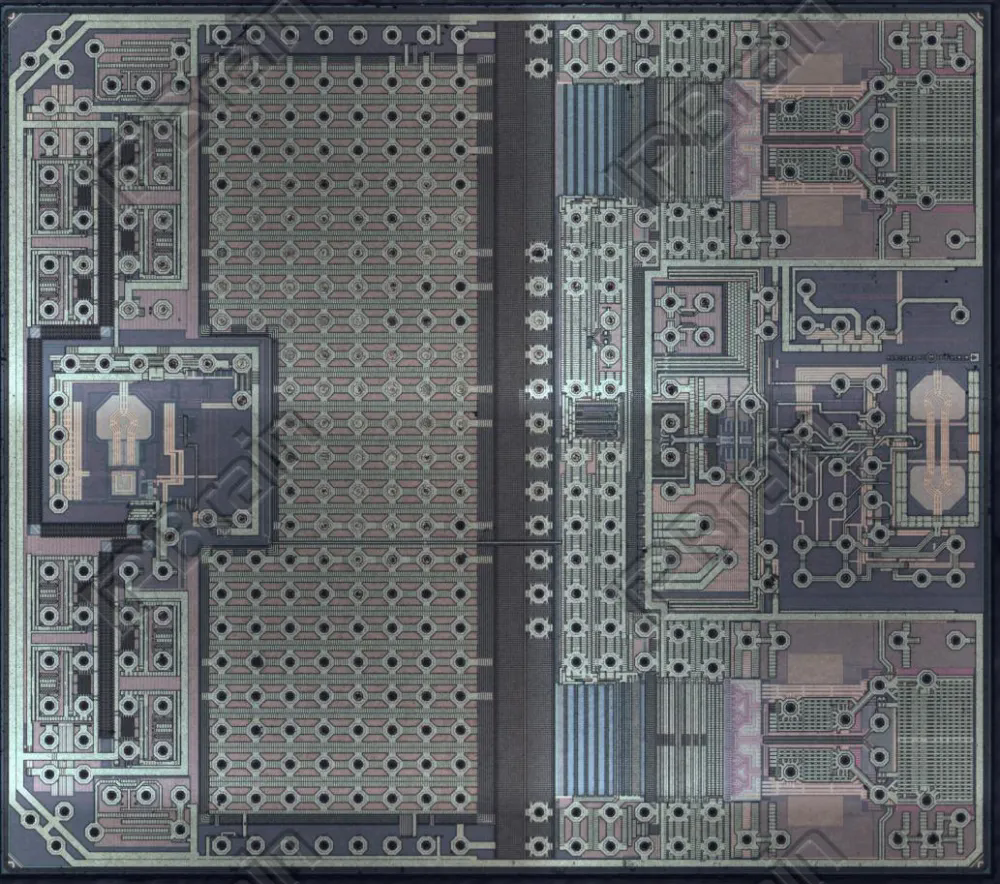
Overview of AD9172 (Image source: IPBrain platform)
 AD9172: Leading the Technological Revolution in High-Speed Digital-to-Analog Conversion
Platform Expert:
As the research on 5G Advanced and 6G progresses, this technology continues to evolve. Next-generation products are expected to adopt FinFET technology to reduce power consumption, potentially integrating Σ-Δ modulators and RF power amplifiers for higher system integration. The introduction of machine learning algorithms will make adaptive linearization smarter, supporting emerging fields like quantum communication and becoming a core device that breaks traditional system performance bottlenecks in digital transformation.
03ADRV9009
Priced in the Thousands, Performance in the Ten Thousands: How the ADRV9009 RF Chip from Analog Devices Can Transform Wireless Communication

ADRV9009 is a highly integrated RF transceiver from ADI, providing dual-channel transmitters and receivers, integrated frequency synthesizers, and digital signal processing capabilities.
This chip employs an advanced direct conversion architecture (zero intermediate frequency architecture), eliminating the intermediate frequency stage in traditional superheterodyne architectures, directly converting RF signals to baseband or down-converting to low-frequency ranges for processing, making communication systems more reliable and stable..
Additionally, it features unique multi-chip phase synchronization technology, allowing synchronization of RF local oscillator (LO) phases and baseband clocks between multiple chips. The chip integrates a phase-locked loop (PLL) and uses a clock tree structure to maintain overall system frequency and phase synchronization.
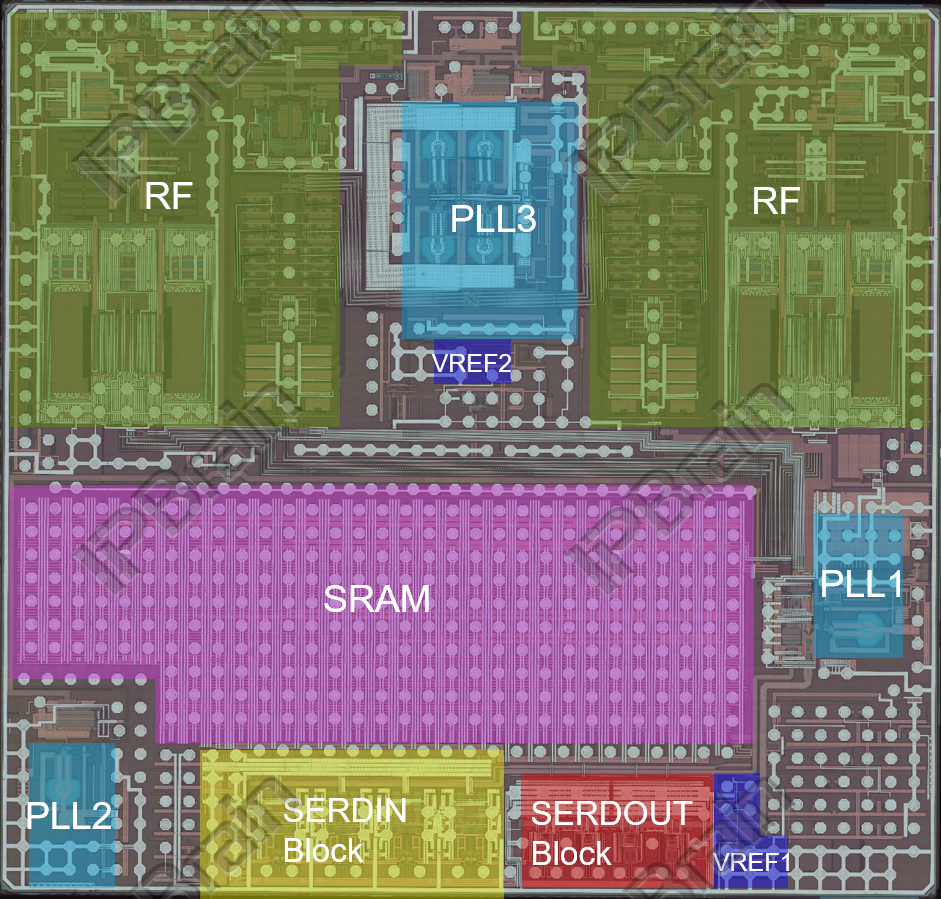
Overview of ADRV9009 (Image source: IPBrain platform)
 Priced in the Thousands, Performance in the Ten Thousands: How the ADRV9009 RF Chip from Analog Devices Can Transform Wireless Communication
Platform Expert:
The ADRV9009 RF transceiver addresses core pain points in traditional RF systems for broadband, multi-channel, and dynamically reconfigurable applications through groundbreaking high integration and advanced architectural design. It is a key technology driving the deployment of 5G and post-5G communication networks, enabling radio and radar systems, and developing advanced test instruments.
04DAC161S997
Industrial Core Tool! How DAC161S997 Achieves High-Precision Current Output?

In process control systems, sensor transmitters collect data such as pressure, temperature, flow, and liquid levels, sending this information to programmable logic controllers (PLC) or distributed control systems. These transmitters rely on 4-20mA signals to send data to controllers. Despite the emergence of standards like IO-Link and Profibus, the 4-20mA signal provides long-distance recovery, reliability, noise immunity, and universal compatibility with each PLC system.
The DAC161S997 is a chip with ultra-high precision, low power consumption, and low noise, typically consuming only 2.5mW at 3.3V supply voltage, and it outputs low noise density. At the same time, it features high integration, requiring only a few external components to achieve an industrial 4-20mA transmitter.
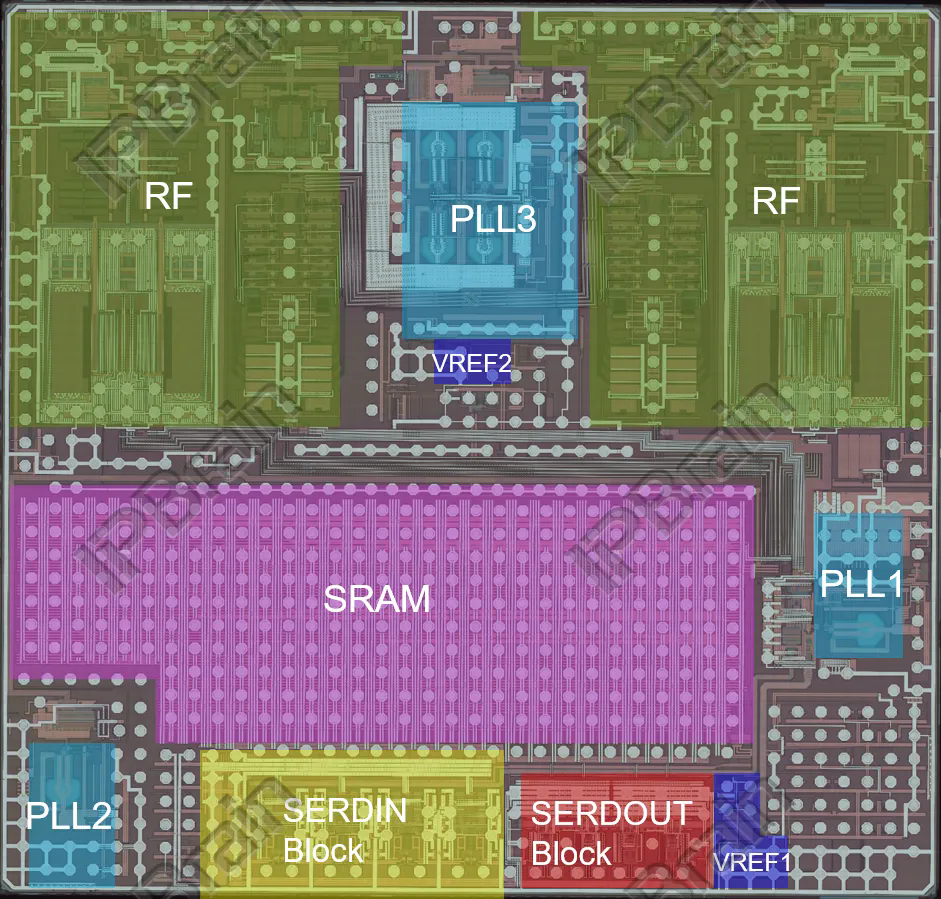
Overview of DAC161S997 (Image source: IPBrain platform)
 Industrial Core Tool! How DAC161S997 Achieves High-Precision Current Output?
Platform Expert:
For the DAC161S997 chip, the biggest highlight is the DAC module. This DAC converts the 16-bit input code from the DACCODE register into an equivalent current output, demonstrating exceptional application value across multiple fields.
05AD1674
12-Bit Resolution + 100kSPS: Decoding the AD1674 Chip, a Classic ADC’s Long Standby Path

The AD1674 chip is a 12-bit analog-to-digital converter from Analog Devices, utilizing 12-bit successive approximation conversion technology, with an integrated sample-and-hold circuit, enabling high-precision digitization of analog signals.
This chip features a 12-bit resolution, capable of distinguishing 2^12=4096 different voltage levels, with a conversion time of only 10μs, making it very friendly for many scenarios requiring real-time data processing. It also supports a sampling rate of up to 100kSPS, easily handling rapidly changing signals.
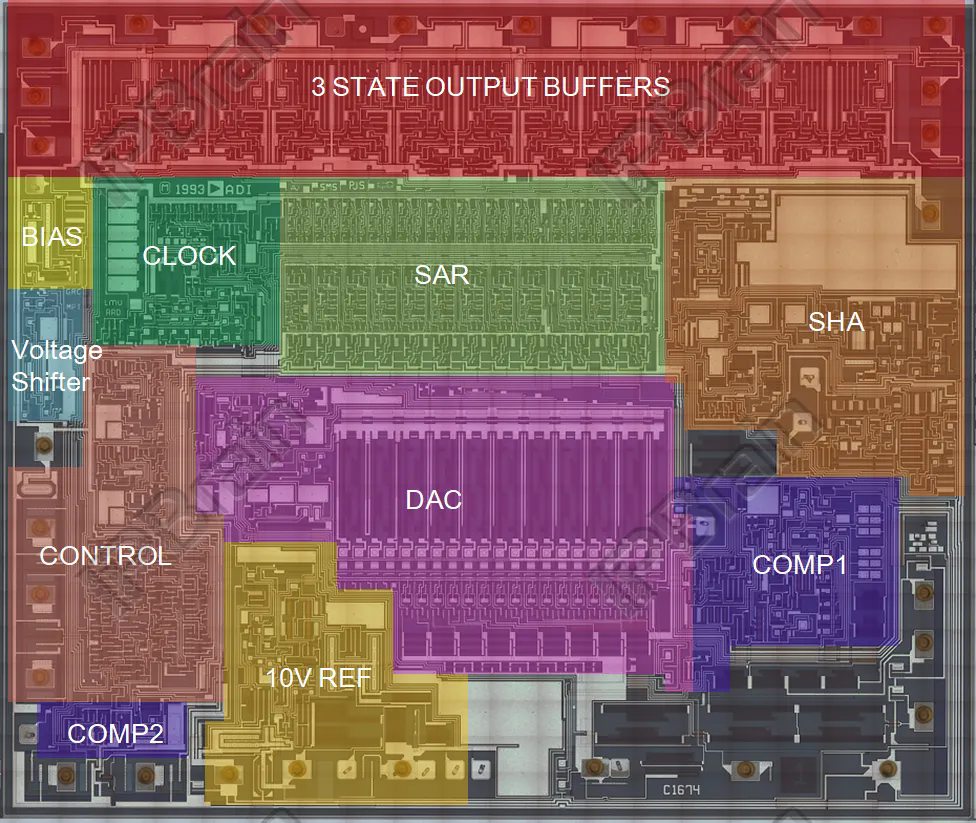 Overview of AD1674 (Image source: IPBrain platform)
 12-Bit Resolution + 100kSPS: Decoding the AD1674 Chip, a Classic ADC’s Long Standby Path
Platform Expert:
In the ever-evolving field of electronics, analog-to-digital converters serve as the bridge connecting the analog world with the digital world, remaining a focal point of research and application.
In industrial automation, they accurately capture signals to ensure production line stability; in medical scenarios, high precision data recording safeguards human health; in communication devices, they assist in the digitization of signals. Over the past thirty years, the AD1674 has consistently empowered industry innovation with its outstanding performance.
June Hot Chip Rankings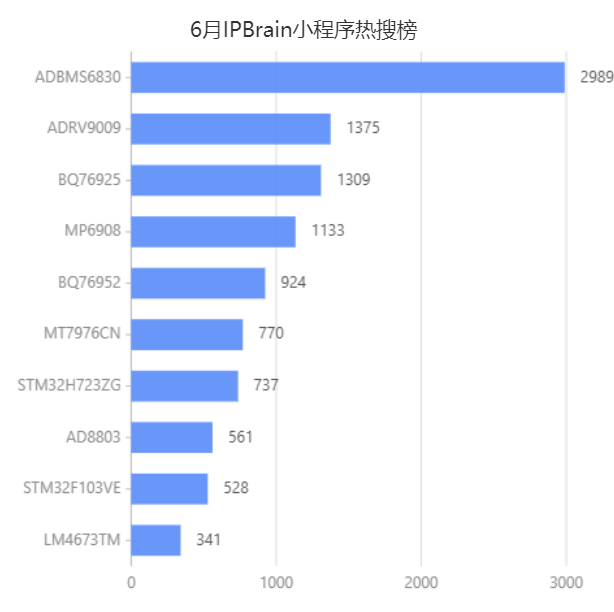 Previous Recommendations >Previous articles
 Which chip design companies made big profits last year? How fast are ADI’s ultra-high-speed operational amplifiers? Intel’s patent infringement compensation to the Chinese Academy of Sciences Microelectronics amounts to 200 million yuan!
 Chips priced at only 1 yuan; DACs priced close to the iPhone 16; zero-latency architecture ADCs at hundred-yuan levels and ADCs that may rise to 20,000 yuan at any time; versatile components in the analog circuit field.
 Say goodbye to traditional potentiometer voltage dividers; the AD8803 with 8-channel TrimDAC opens a new era of digital control.
 New regulations on power battery safety; will incidents of new energy vehicles catching fire no longer occur? ADA4097-2: I can handle this question, directly “grasping” it!