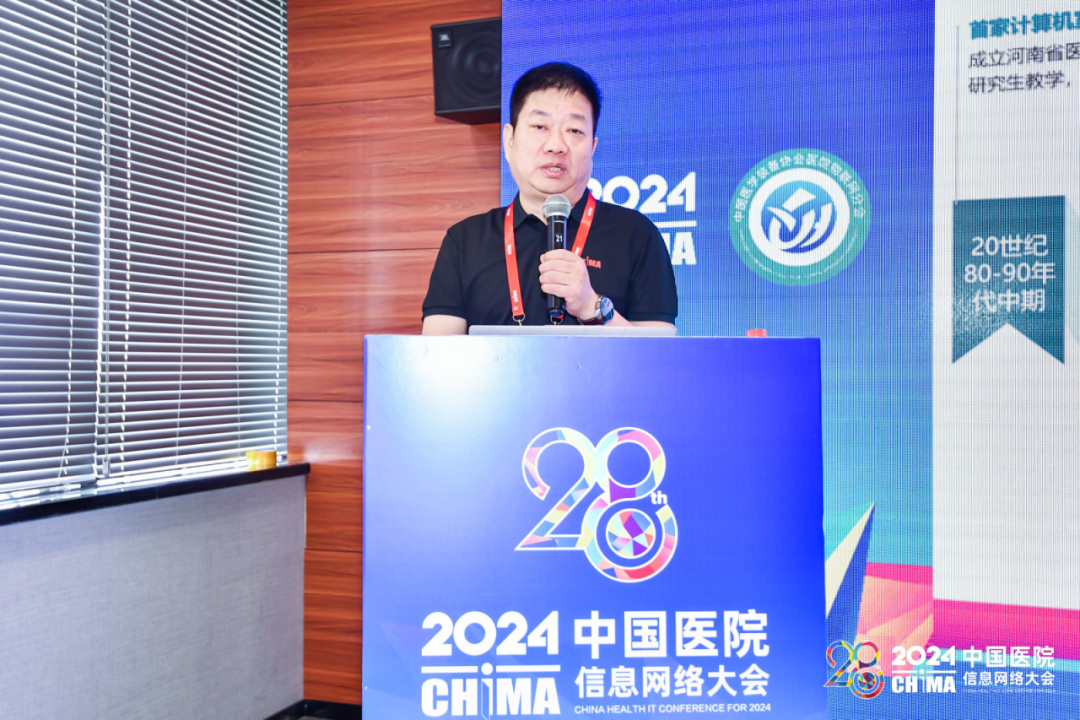
The 2024 China Hospital Information Network Conference and the Forum on the Application Inspiration and Innovation Exploration of the Internet of Things in the Hospital Field was held on May 19 in Nanjing. Li Yuhong, Director of the Information Department of the First Affiliated Hospital of Zhengzhou University, Vice President of the Hospital IoT Branch of the China Medical Equipment Association, and a senior professor-level engineer, delivered an excellent speech titled “Exploration and Practice of Smart Hospital Construction Under IoT Trends—Intelligent IoT Platform and Smart Critical Care Construction Practice.”
With the rapid development of medical informatization, the First Affiliated Hospital of Zhengzhou University (hereinafter referred to as Zhengda First Hospital) has achieved significant accomplishments in the construction of smart hospitals, especially in the field of smart critical care, setting a new benchmark for the medical industry through innovative practices.
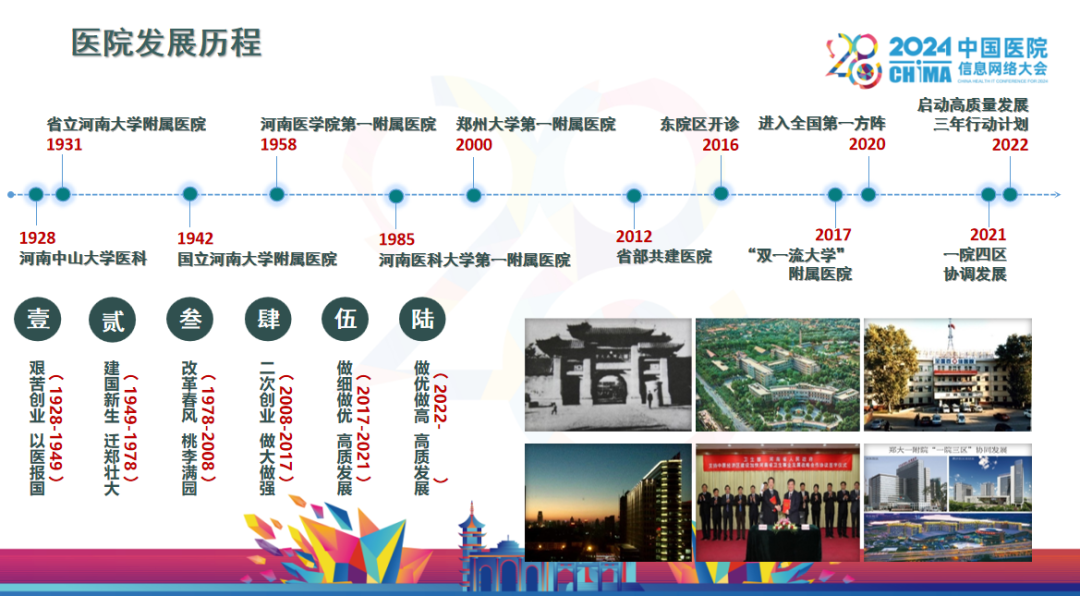
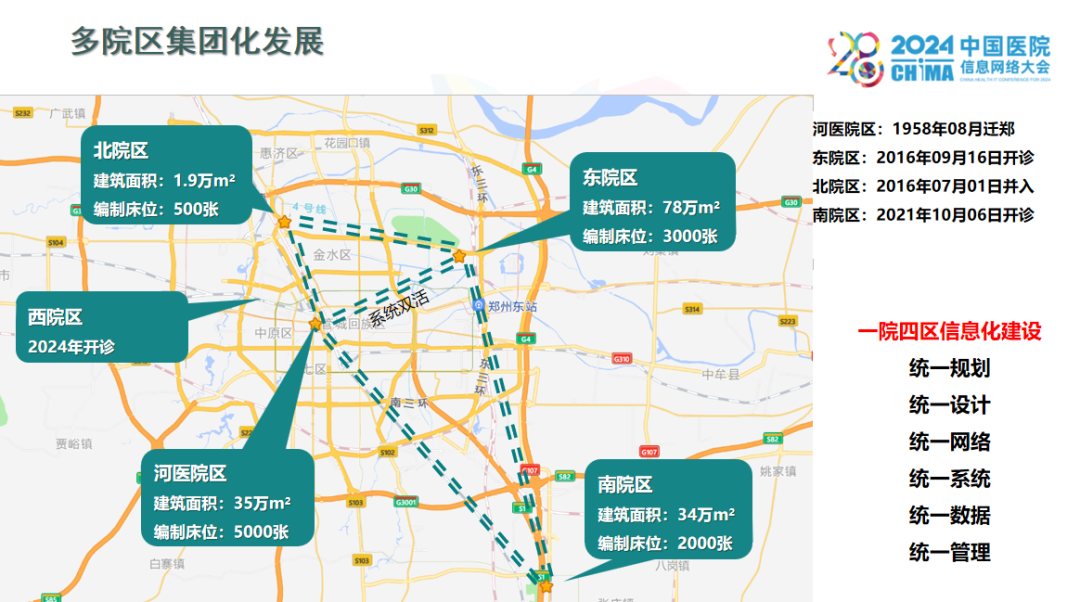
Zhengda First Hospital, which has a history of over 90 years, has not only witnessed the development of China’s medical career but has also been at the forefront of informatization construction nationwide. The hospital leadership highly values informatization construction, achieving a “six unifications” information system architecture, namely unified systems, unified data, unified management, unified standards, unified planning, and unified design, providing strong technical support for the hospital’s efficient operation.
In terms of smart hospital construction, Zhengda First Hospital actively responds to national policies, achieving a six-level rating for electronic medical records and a three-level rating for smart services, marking an important milestone in the hospital’s promotion of smart healthcare. The informatization construction of the hospital not only improves the quality of medical services but also greatly enhances work efficiency and reduces the workload of medical staff.
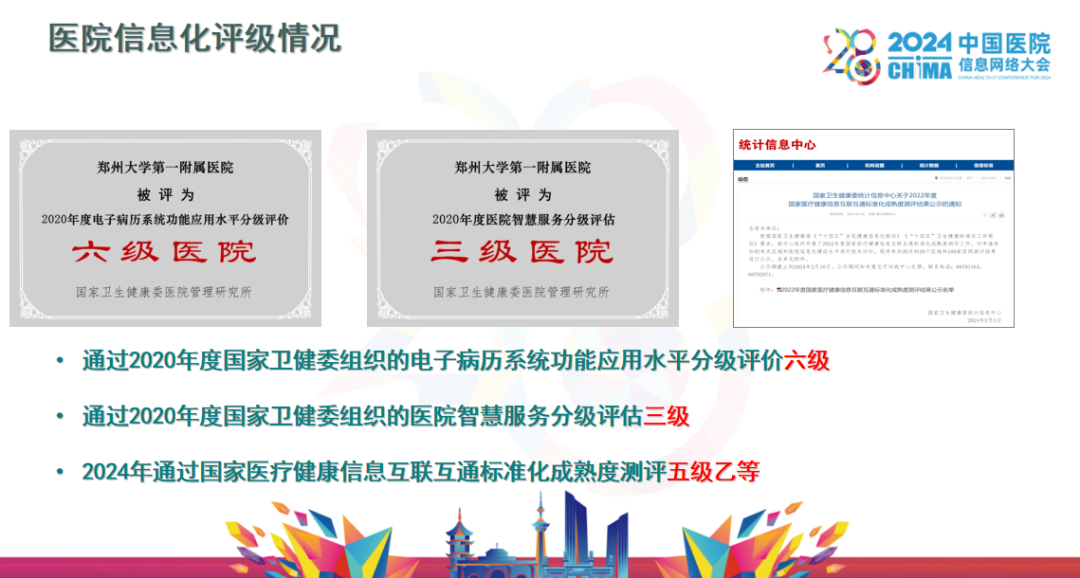
In 2020, the hospital passed the sixth-level evaluation of the functionality application level of the electronic medical record system organized by the National Health Commission; in 2020, it passed the three-level evaluation of hospital smart services organized by the National Health Commission; and in 2024, it passed the second-grade level five maturity assessment of the national medical health information interoperability standards.
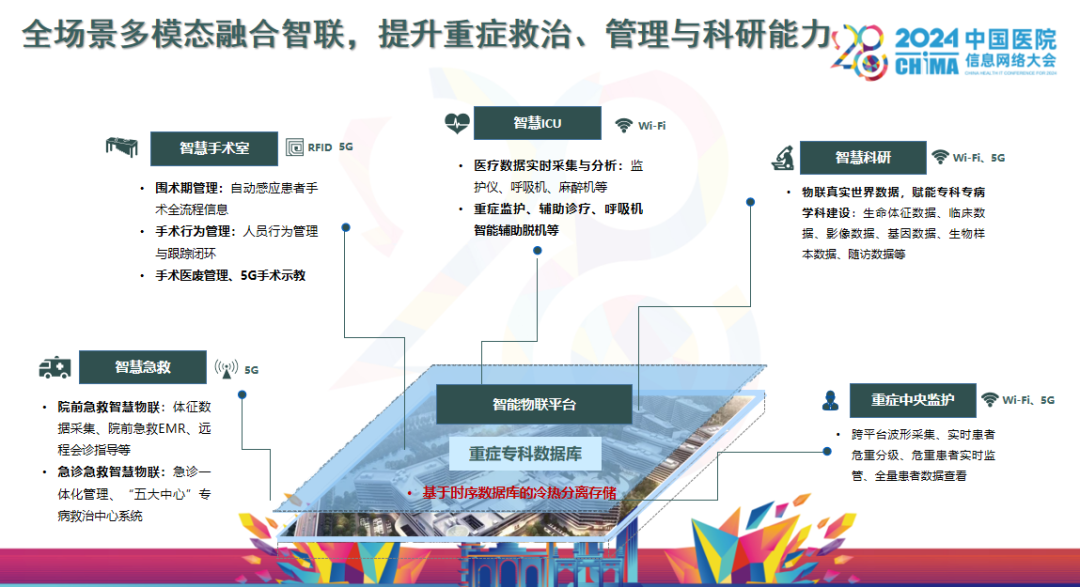
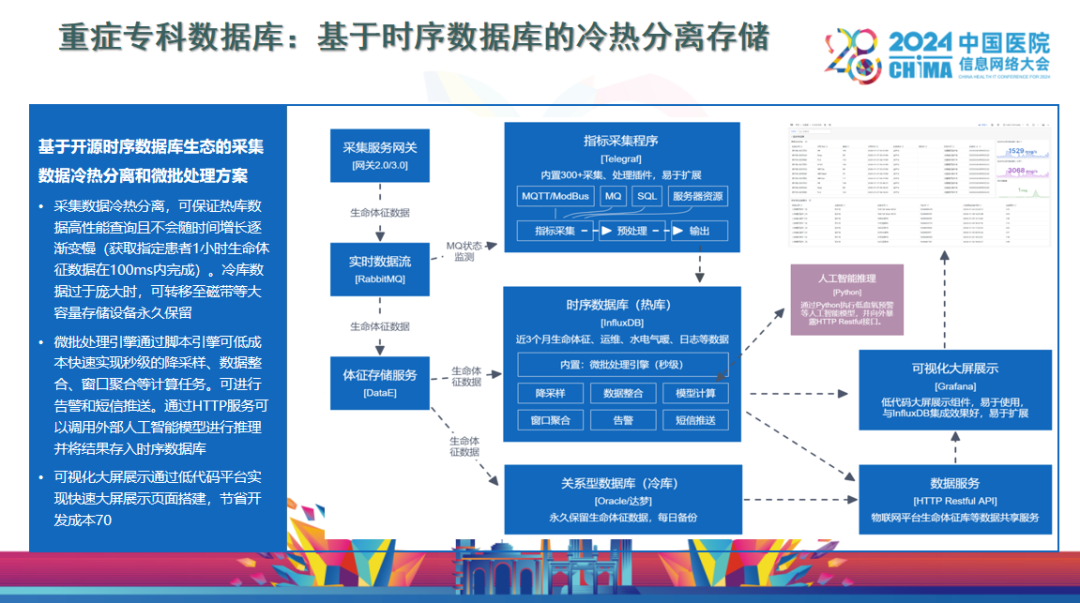
The construction of smart critical care, as an important component of Zhengda First Hospital’s informatization construction, utilizes IoT technology to achieve automatic data collection and real-time monitoring of critical care equipment, significantly enhancing the rescue capabilities and management levels of critical medicine. The hospital has established a cold and hot separation storage system based on a time-series database, optimizing data management and providing strong data support for clinical decision-making.
In the field of critical medicine, Zhengda First Hospital has reached a total of 866 beds, demonstrating the hospital’s emphasis and investment in critical care. Through informatization means, the hospital has successfully reduced the workload of medical staff, improved work efficiency, especially in aspects such as automatic generation of critical scoring, handover records, and special care records, significantly enhancing the work efficiency of medical staff.
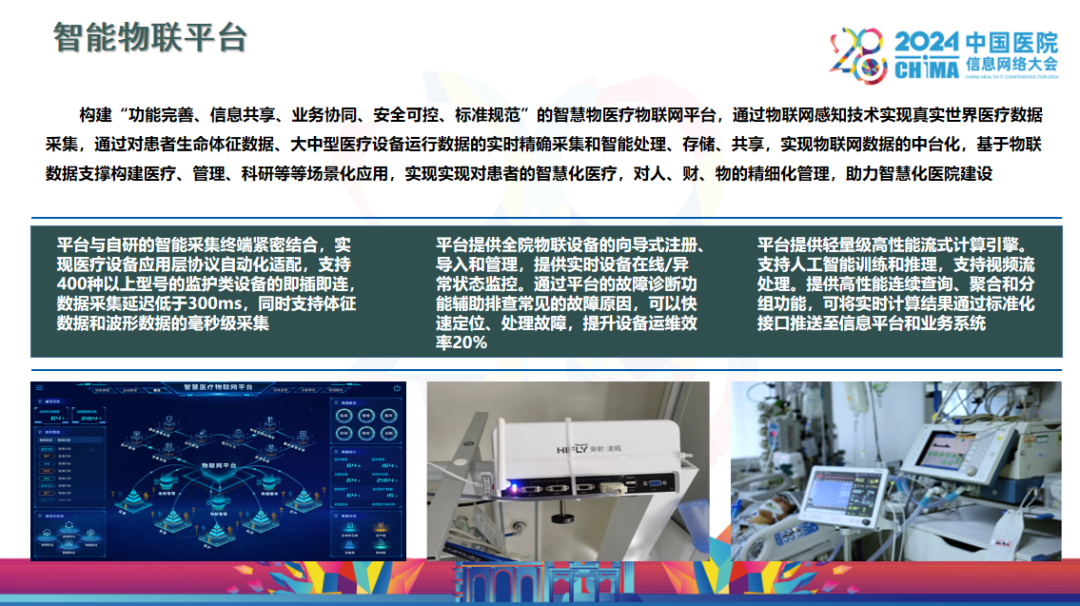
Moreover, Zhengda First Hospital has also achieved full-cycle closed-loop monitoring of patients’ vital signs during the perioperative period through the intelligent IoT platform, providing more precise and safe medical services for surgical patients. The hospital’s central monitoring system can achieve real-time supervision of critically ill patients, enhancing the level of medical safety.
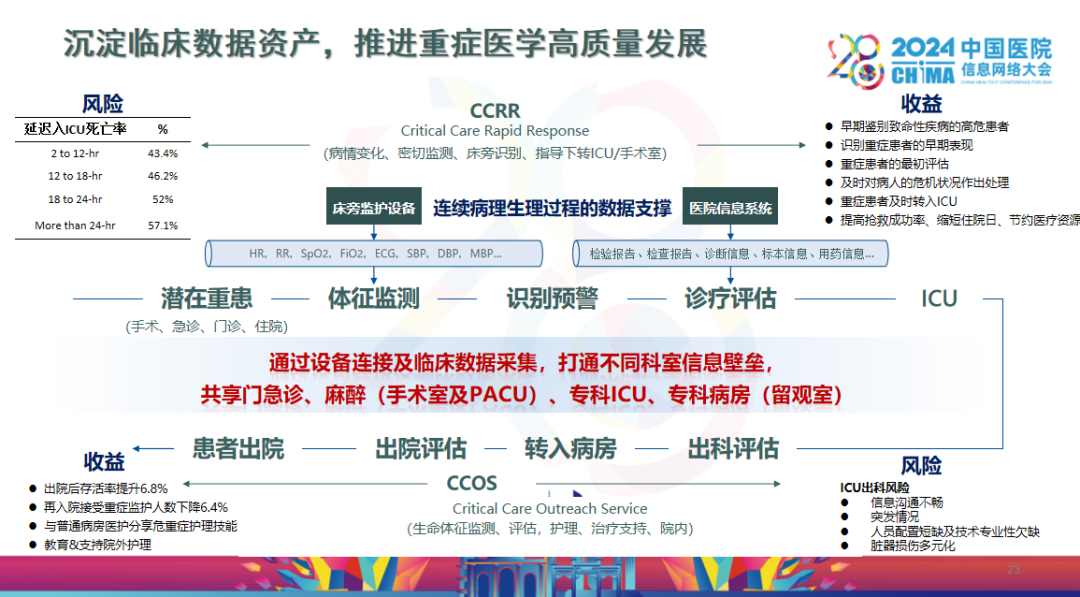
In terms of scientific research, Zhengda First Hospital has accumulated rich clinical data assets through informatization construction, promoting the high-quality development of critical medicine. The connection between the hospital information system and bedside monitoring equipment has broken down information barriers between different departments, achieving data sharing and providing valuable data resources for scientific research.
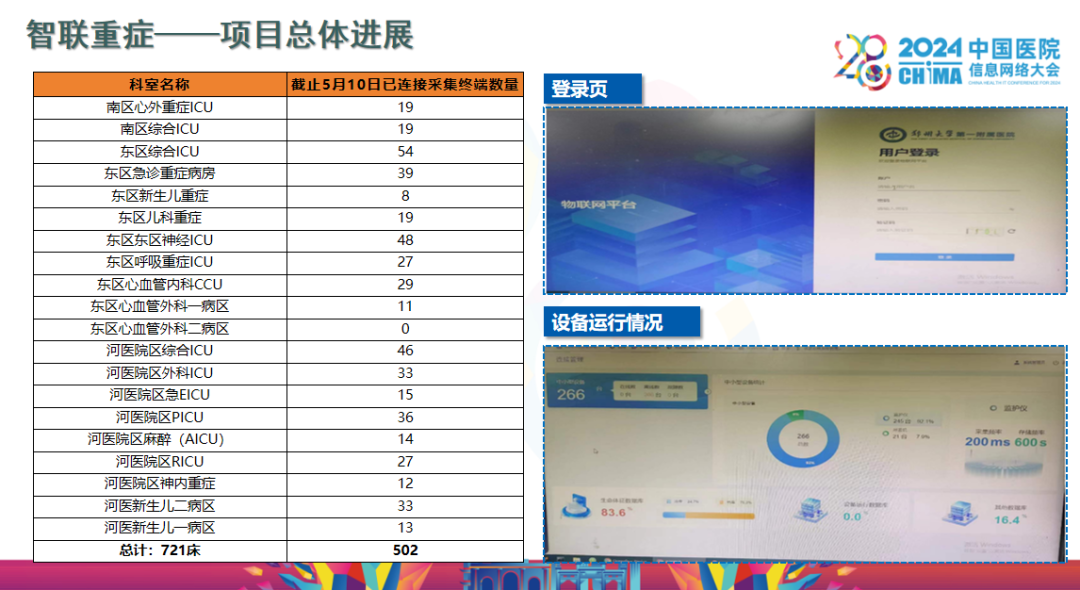
With the continuous advancement of the smart critical care project, Zhengda First Hospital has achieved remarkable results in informatization construction. As of now, the number of connected collection terminals has reached 502, covering multiple critical departments, greatly improving the quality and efficiency of medical services.
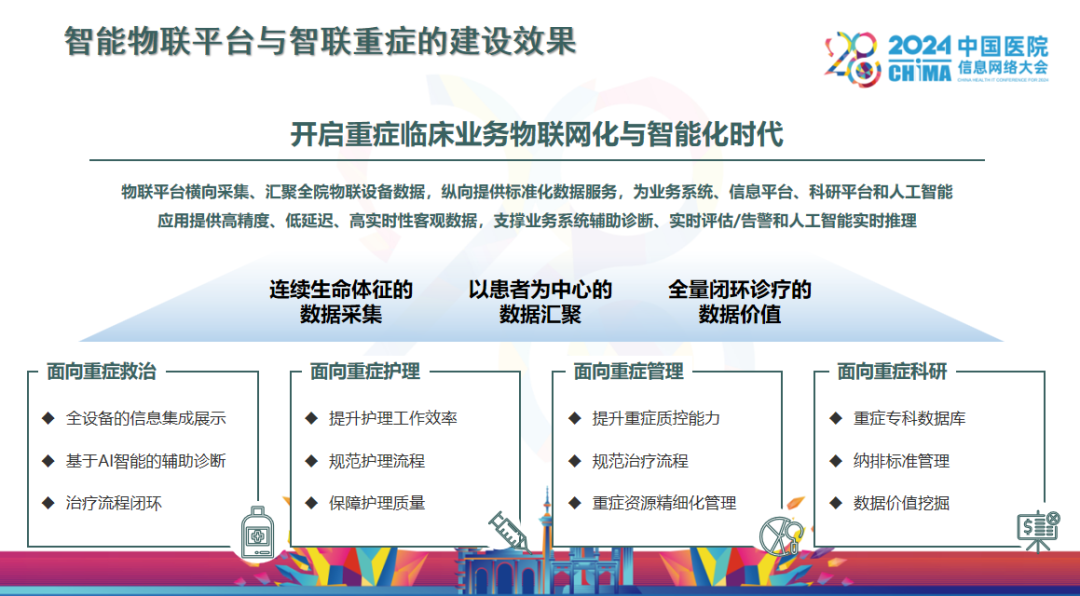
The successful practice of informatization construction at Zhengda First Hospital not only provides patients with higher quality medical services but also creates a more efficient working environment for medical staff, offering valuable experience and insights for the informatization development of the medical industry. With the continuous development and innovative application of information technology, we have reason to believe that Zhengda First Hospital will continue to play a leading role in the new era of smart healthcare, making greater contributions to the development of the medical industry.