Construction and Application of Cloud Platform Virtual Computer Laboratory
Du Ping, Ma Xiaodong, Wang Jianmei
Tsinghua University Basic Industrial Training Center
Beijing 100084
Author Introduction
Du Ping, PhD in Engineering, Lecturer. Deputy Director of the Teaching and Research Office at Tsinghua University’s Basic Industrial Training Center, Senior Member of the Chinese Mechanical Engineering Society. He obtained his bachelor’s and master’s degrees from the Department of Mechanical Engineering at Tsinghua University and his PhD from Boston University. He has worked at Medtronic and Western Digital, with extensive project experience in mechanical product design and simulation. Since 2018, he has been engaged in teaching and research at the Basic Industrial Training Center, teaching courses such as “Mechanical Manufacturing Practice”, “Intelligent Manufacturing Practice”, and “3D Printing Creative Design and Production”. His main research directions include intelligent manufacturing, 3D printing, and robotics. He has participated in several projects including the National Science Foundation of the USA and China’s National Key Technology R&D Program.
Ma Xiaodong, Bachelor of Engineering, Engineer.
Wang Jianmei, PhD in Engineering, Senior Engineer.
Article Structure

Abstract
With the continuous development of information technology, conventional computer laboratories can no longer meet the new demands of teaching and research, gradually transitioning to cloud platform-based virtual computer laboratories. By utilizing distributed technology, virtualization technology, and network technology, computing resources are combined for sharing, with virtual machines managed and maintained uniformly through the cloud platform. This not only greatly reduces teaching costs but also improves resource utilization, allowing students to access operations remotely without being constrained by time and space. Taking the industrial cloud platform of Tsinghua University’s Basic Industrial Training Center (iCenter) as an example, this paper details its hardware resources, platform system configuration, and application software for virtual machines based on Windows and Linux systems. The cloud platform has been in operation for over two years, widely applied in related practical courses at the center, achieving good teaching results.
Keywords
Cloud Platform; Virtual Machine; Infrastructure as a Service; Practical Teaching
As the main carrier and tool of the information age, computers play an important role not only in people’s daily lives and work but have also gradually become a basic teaching resource in relevant courses at universities. In addition to information-related professional courses, many engineering and science majors have begun to extensively utilize computers for Computer Aided Design (CAD), Computer Aided Engineering (CAE), and Computer Aided Manufacturing (CAM). In recent years, with the rapid development of big data, cloud computing, and artificial intelligence technologies, the application of computers is bound to increase.
Early construction of computer laboratories invested heavily in hardware devices, software, and network support. However, these hardware devices age quickly with usage, and the rapidly developing electronic and computer technologies render their existing functions unable to satisfactorily meet the demands of new disciplines, causing significant difficulties in teaching and training. How to optimize teaching experimental equipment while saving costs to meet the needs of new eras, new technologies, new disciplines, and new skills has become a pressing issue for universities.
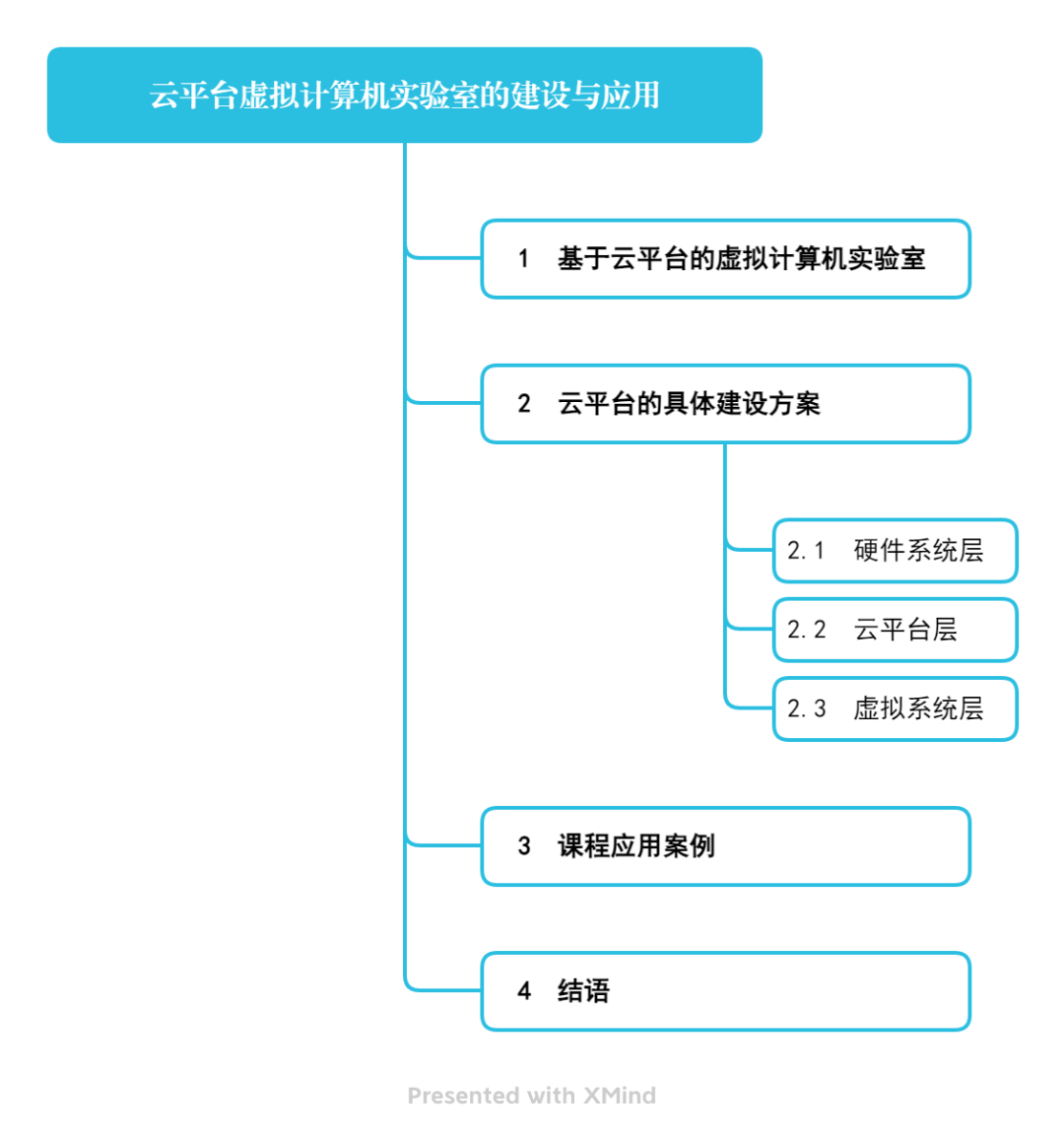
1 Cloud Platform-Based Virtual Computer Laboratory
The cloud platform-based virtual computer laboratory (referred to as the cloud platform) utilizes distributed technology, virtualization technology, and network technology to combine computing resources, allowing students to perform remote access operations without being constrained by time and space. Its advantages are mainly reflected in the following aspects: first, low construction costs. The cloud platform integrates the virtualization of computing, networking, storage, and security resources, forming an elastic resource pool for data centers, significantly reducing construction and maintenance costs while improving resource utilization. Second, simplified management. Management shifts from hardware-focused to software-focused, where administrators only need to manage servers and virtual machines through the cloud platform. Third, high security. Virtualization technology creates logical isolation for virtual machines, ensuring that if any virtual machine fails, other virtual machines on the same physical machine are unaffected. Different operating systems can also achieve heterogeneity. Fourth, high utilization. It can meet various teaching needs; virtual machines and their corresponding systems, environments, and software can be reinstalled, enabling operations across time and locations through the internet. Fifth, coexistence of multiple systems. Multiple systems (Windows or Linux) can be virtualized as needed, enhancing practicality and operability.
This paper takes the iCenter-Cloud industrial cloud platform constructed by Tsinghua University’s Basic Industrial Training Center as an example, introducing the hardware system layer, cloud platform layer, and virtual system layer, explaining the selection of hardware resources for constructing the cloud platform, platform system configuration, installation of virtual machine software based on Windows and Linux systems, and showcasing actual application cases in courses.
2 Specific Construction Plan of the Cloud Platform
The iCenter-Cloud industrial cloud platform adopts the 2Cloud Pack enterprise-level private cloud, with the overall system architecture shown in Figure 1. Specifically, the cloud platform is divided into three levels: the hardware system layer consisting of physical hosts, storage, networks, etc.; the cloud platform layer consisting of infrastructure services (Infrastructure as a Service, IaaS), application deployment, etc.; and the virtual system layer composed of various operating systems and their applications.
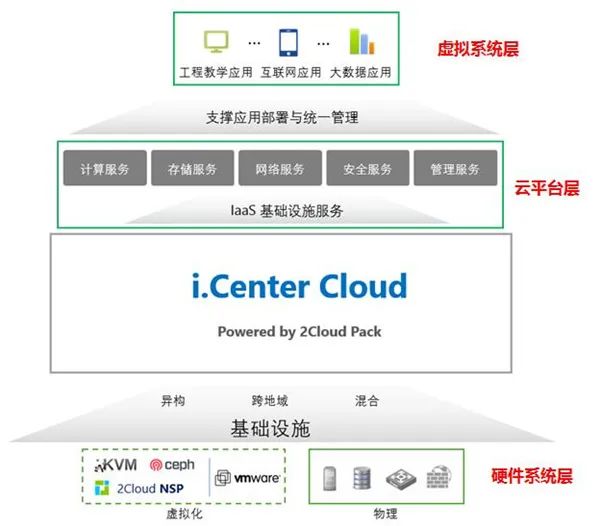
Figure 1 Overall System Architecture of the iCenter-Cloud Industrial Cloud Platform
2.1 Hardware System Layer
The iCenter-Cloud industrial cloud platform is built on the data center infrastructure of iCenter, consisting of six cabinets, including the cloud platform management area, virtualization resource area, and physical resource area, as shown in Figure 2. The specific hardware configuration is as follows: first, servers. Four cabinets in the virtualization resource area are equipped with 40 Dell PowerEdge R730 rack servers, each configured with dual Intel Xeon E5-2650 8-core processors, 192G memory, and 20T hard drives. Second, network devices. These include one Arista DCS-7050SX-64 SDN 10 Gigabit access switch, multiple Huawei S5700-24TP-SI-AG Gigabit access switches, and S5700S-28P-LI-AC Gigabit out-of-band switches, used to build the cloud platform local area network and connect to the external network. Third, security devices. According to national standards, the power distribution capacity of the machine room is 120A, and it is equipped with a 60kVA UPS power failure protection system that can guarantee operation for 1 hour, anti-static flooring, ventilation ducts, and air conditioning to ensure internal environment monitoring and physical security.
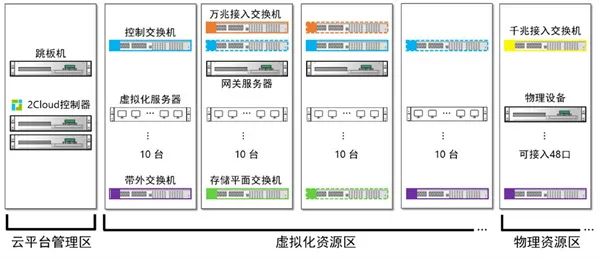
Figure 2 Hardware Equipment of the Data Center
2.2 Cloud Platform Layer
The 2Cloud Pack cloud platform is centered around Software Defined Network (SDN) technology, providing full-stack IaaS services. IaaS is the lowest layer of cloud services, mainly providing computing infrastructure services, including processors, memory, storage, and networks. Users can deploy and run any software, including operating systems and applications.
The iCenter-Cloud industrial cloud platform can achieve rapid deployment of iCenter’s business, providing logically isolated VPC (Virtual Private Cloud) resources on demand for teachers, students, and innovation teams. In the VPC, users can access virtualization, physical, security (AV/IPS/Firewall, etc.), storage, and professional software resource services. Currently, the industrial cloud platform supports multiple applications, such as the iCenter website, smart access control system, monitoring system, course wiki, internet tools, virtual reality, GitLab code sharing, etc.
2.3 Virtual System Layer
Virtualization technology abstracts and transforms various physical resources (processors, memory, storage, networks, etc.) into multiple logical units, breaking the indivisibility barrier between physical structures, achieving maximized resource utilization and optimized management. Currently, mainstream virtualization technologies include VMware, KVM, Hyper-V, etc.
Based on teaching needs, an appropriate number of servers are selected for different operating systems, virtual machines are created using virtualization software, and CPU, memory, hard disk, I/O devices, and network resources are dynamically allocated. The required software and its environment are installed and configured into the virtual machines, and using the system’s image management function, they are made into templates, which are quickly projected to the corresponding virtual machines, as shown in Figure 3. Finally, switches, routers, and servers enable operations between students’ personal computers and virtual machines.
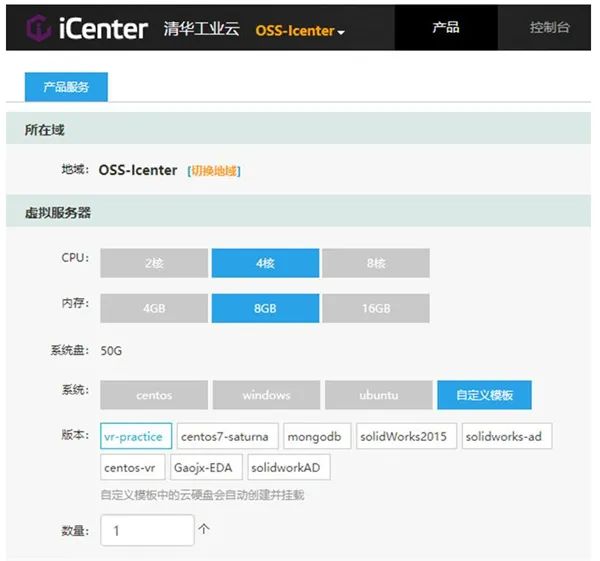
Figure 3 Management System of the iCenter-Cloud Industrial Cloud Platform
The 2Cloud Pack utilizes KVM virtualization technology, which includes virtual machines with various operating systems, including Windows and Linux.
First, the Windows virtual machine uses Windows Server 2012, a next-generation server-specific operating system that can quickly build, deploy, and expand applications and websites. Windows systems primarily use graphical interfaces, so this type of virtual machine can be accessed remotely via RDP (Remote Desktop Protocol), and the remote desktop client is usually included by default in most Windows systems, making it very convenient to use.
Second, the Linux virtual machine uses two versions: CentOS 7 and Ubuntu 14. The Linux operating system is free and open-source, with stable performance, high security, and efficiency, widely used in big data, cloud computing, the Internet of Things, and artificial intelligence fields. The application of Linux systems mainly relies on command-line interfaces, and end users can access them remotely via SSH (Secure Shell) protocol. However, as applications for artificial intelligence and robotics have risen, the demand for graphical interfaces in Linux has gradually increased, with VNC (Virtual Network Console) being the main software for providing graphical remote access in Linux systems.
Third, the iCenter-Cloud industrial cloud platform also has one server based on VMware virtualization technology that can support the installation of user-customized operating systems. VMware is software used to simulate one or more virtual computers on a single physical computer. Each virtual computer has a complete hardware system and can perform various tasks, with functionalities for accessing network resources and storing data. For instance, to meet specific course requirements, a teacher can first install and configure the operating system and application development environment using VMware Workstation, export this virtual machine as an OVF (Open Virtualization Format) image file, and then import it into a server running VMware ESXi. ESXi is VMware’s enterprise-level application version that can effectively improve virtual machine performance by directly accessing and controlling underlying resources. ESXi servers can be centrally managed via vCenter Server, allowing for quick batch copying and deployment of virtual machines, as shown in Figure 4.
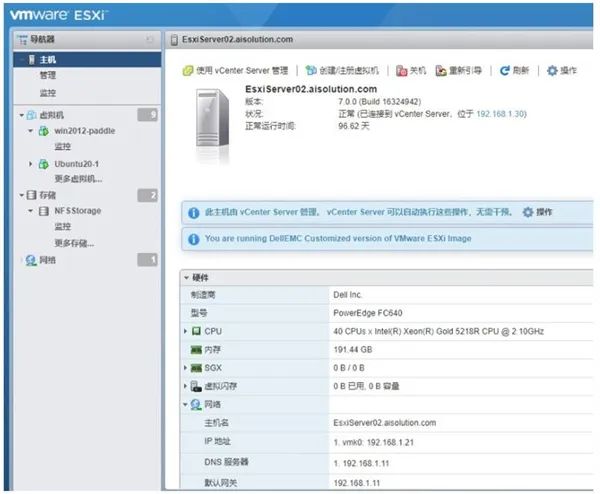
Figure 4 Management Platform of VMware Virtual Machines
3 Course Application Cases
The iCenter-Cloud industrial cloud platform, after more than two years of construction, has played an important support role in various courses such as metalworking practice, electronics practice, manufacturing engineering experience, and intelligent manufacturing practice. Teachers pre-install and configure some common large industrial software or complex development environments in the virtual machines, significantly reducing the difficulty for students to install them on their own computers. Through the system’s rapid batch deployment of virtual machines, it breaks the constraints of time and space, enabling students to access remotely via the network anytime and anywhere.
Currently, the entire system can support 50 people using it online simultaneously. The Windows virtual machines mainly have design simulation software for mechanical and electronic fields, such as JDSoft SurfMill, Fusion 360, SolidWorks, Altium Designer, etc., as shown in Figure 5. The Linux virtual machines are mainly used for robotics project development, using Ubuntu 18 and ROS Melodic robot operating systems, and have deployed related supporting tools such as 3D data display Rviz and robot kinematics simulation Gazebo, as shown in Figure 6.
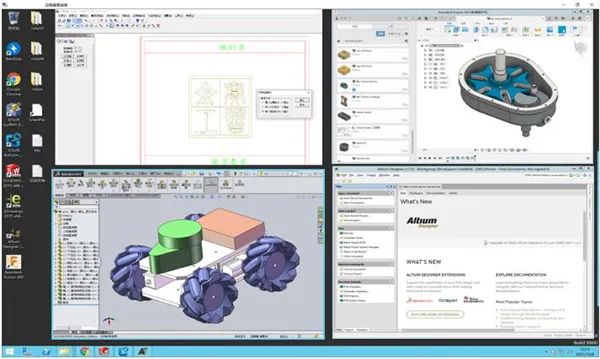
Figure 5 Example of Windows Virtual Machine Application
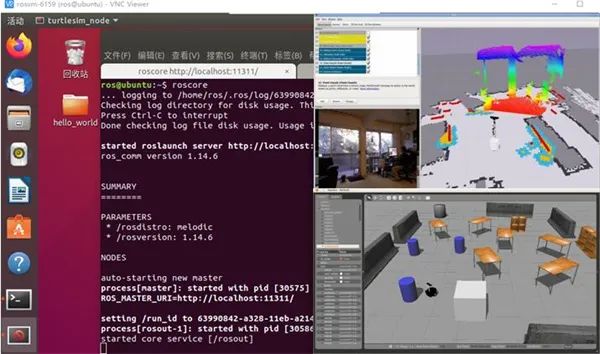
Figure 6 Example of Linux Virtual Machine Application
4 Conclusion
This paper provides a detailed introduction to the exploration and experiences gained in the construction of virtualized computer laboratories at our center. By utilizing increasingly mature and improved information technology and internet technology, a cloud platform-based virtual computer laboratory has been established. Applying cloud computing technologies and methods to university teaching and laboratory construction can fully leverage the advantages of open sharing of the cloud platform and integrate high-quality network information resources from universities, reducing teaching costs. The cloud platform serves the course teaching and innovation practice system, innovating practical teaching content and methods, meeting students’ needs for independent research and innovation practice, and improving undergraduates’ comprehensive quality and innovative abilities. The system plan adopted by the author and the experiences gained can provide references for similar computer laboratory upgrades and renovations in sister institutions.
References
[1] Jia Linke, Xiong Wenyu. Research on the Construction of Virtual Machine Laboratory Based on Cloud Platform[J]. Technology and Market, 2019, 26(3): 109, 111.[2] Yao Jiamin, Wen Wu, Qiu Kairun, et al. Exploration of Cloud Computing Virtual Laboratory Construction[J]. China Modern Education Equipment, 2019(7): 27-30.[3] Jin Yongxia, Ding Haijun, Sun Ning. Construction and Innovative Practice Teaching of Cloud Computing Laboratory[J]. Experimental Technology and Management, 2017, 34(6): 223-227.[4] Jia Hongyan. Research on Mobile Internet Talent Cultivation Based on Cloud Platform Virtual Practice Teaching[J]. Computer Enthusiast, 2018(1): 125.[5] Yang Jianzhao. Construction and Application Cases of Cloud Platform in University Laboratories[D]. Shanghai: Donghua University, 2014.[6] Wang Feng, Huang Gang. Construction of Computer Experiment Teaching Center Based on Cloud Platform[J]. Experimental Technology and Management, 2014, 31(12): 121-123, 143.[7] Zhao Shaoka, Li Liyao, Ling Xiao, et al. Design of Construction and Scheduling Scheme for Tsinghua Cloud Platform Based on OpenStack[J]. Computer Applications, 2013, 33(12): 3335-3338, 3349.[8] Guo Yongxiang. Exploration of Cloud Computing Platform Architecture Based on Virtualization Technology[J]. Electronic World, 2020(15): 97-98.[9] Cui Zeyong, Zhao Huiqun. Research and Application of Virtualization Based on KVM[J]. Computer Technology and Development, 2011, 21(6): 108-111, 115.[10] Zhang Zhipeng. Design and Research of Linux Practice Course Based on Cloud Platform[J]. Information and Computer (Theory Edition), 2020, 32(23): 144-147.[11] Zhang Songlin, Gao Jian, Li Shubo. Application of Virtual Machine VMware in Teaching Management of Linux Operating System[J]. Modern Information Technology, 2019, 3(24): 123-125.
Funding Project: Tsinghua University Undergraduate Education Reform Project “Construction of Intelligent Manufacturing Practice Course for Cross-Border Innovative Talent Cultivation” (No: 53412280121).
This article was published in the May 2022 issue of China Modern Education Equipment. Please indicate the source if reprinted.
Editor | Zhang Sai, Guo Xifeng
Typesetting | Zhang Xin
Review | Wu Shuhua
Release | Zhang Xin