Recently, have you often seen the following images?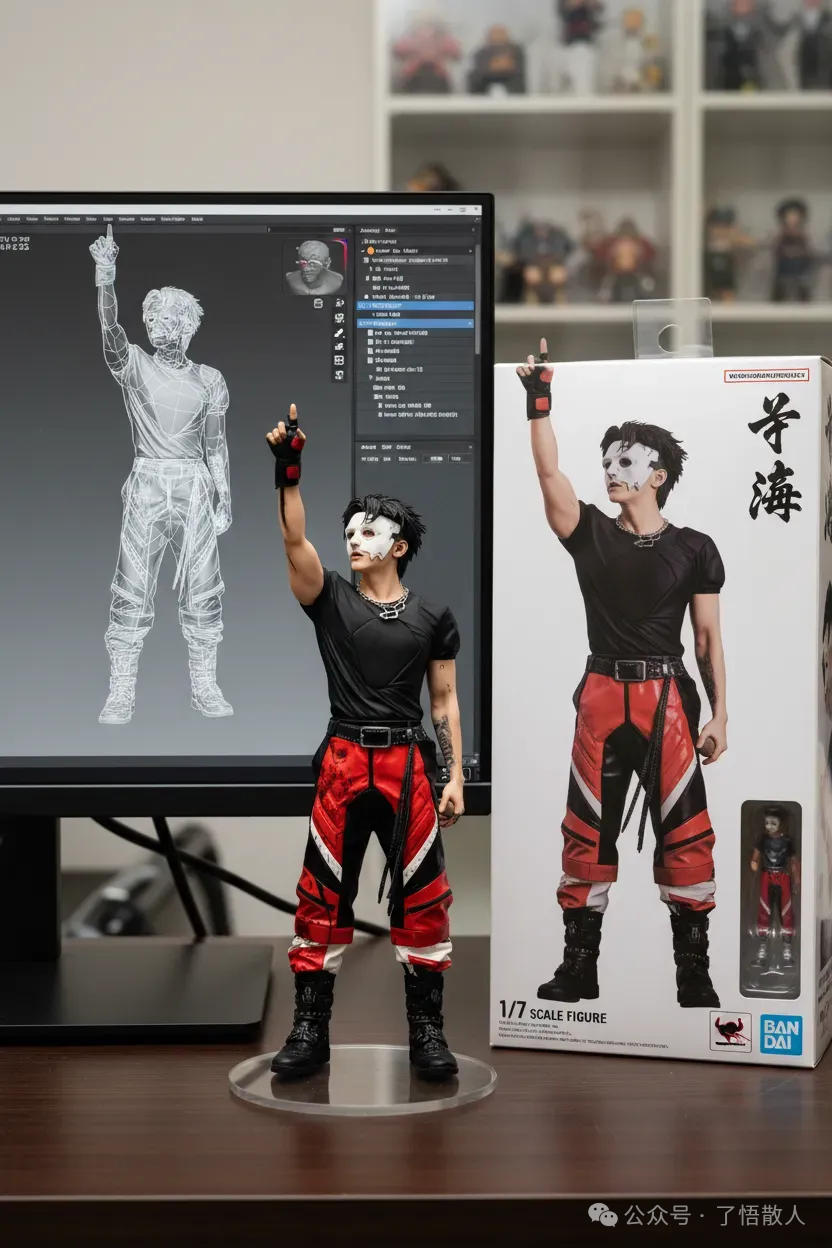
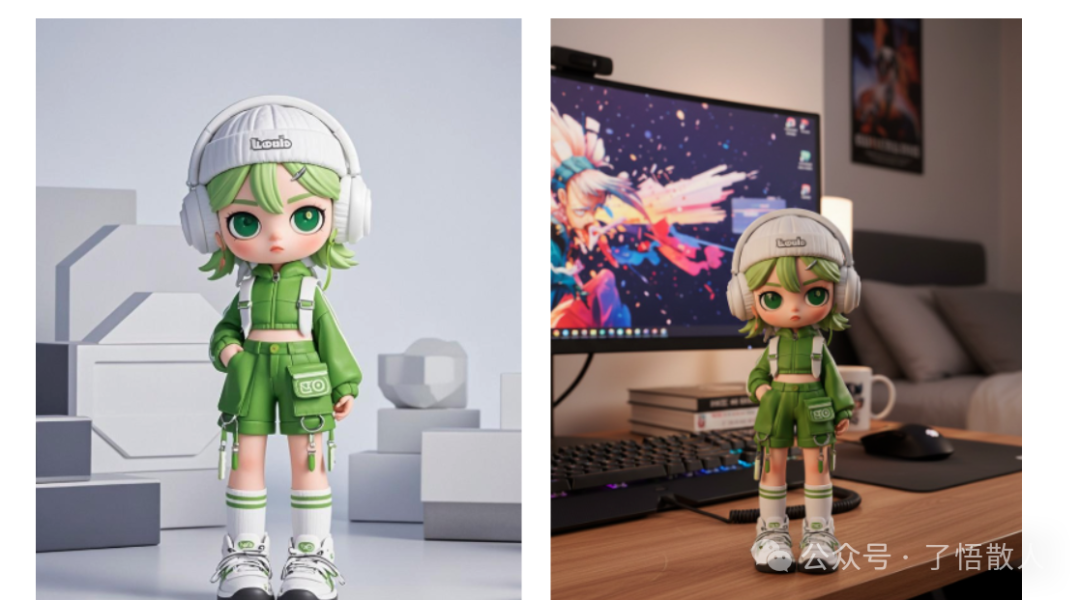
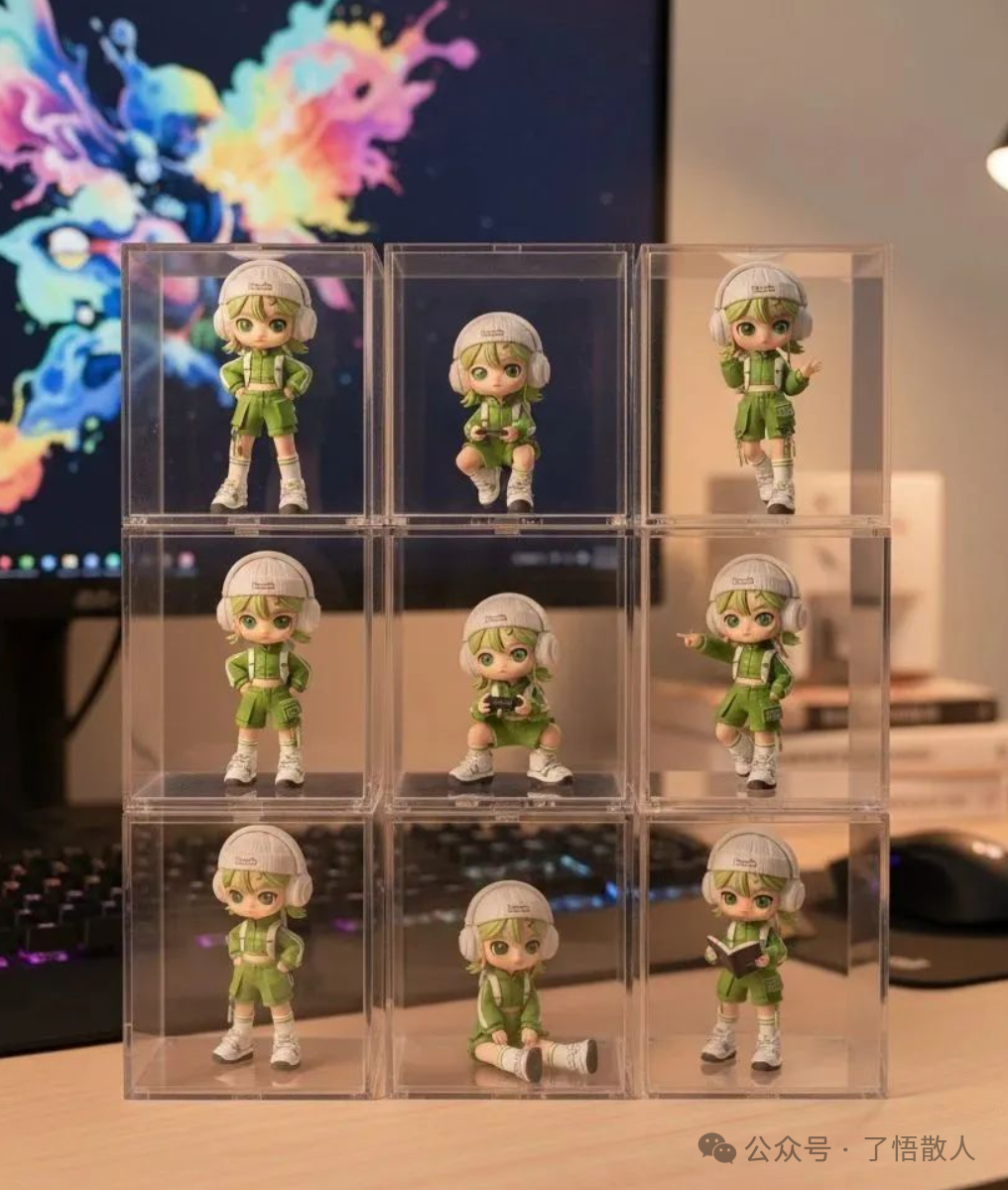
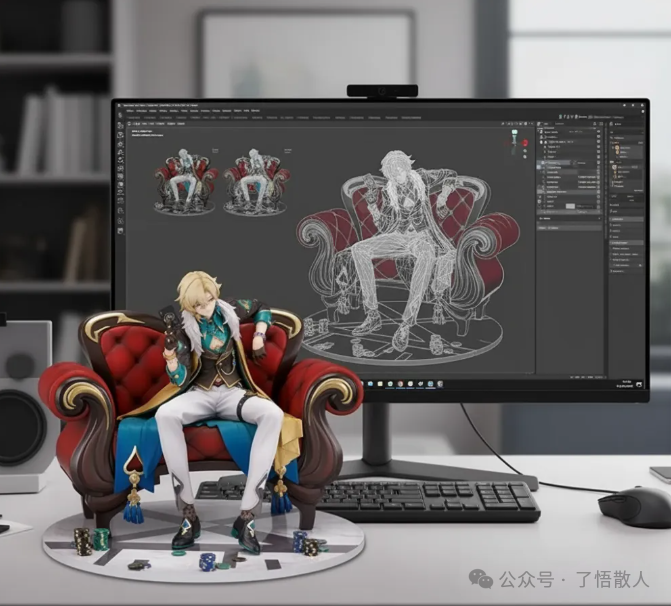
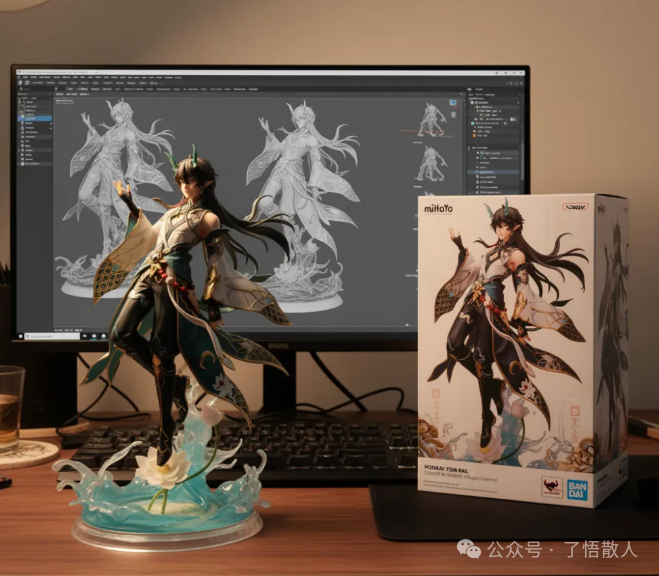
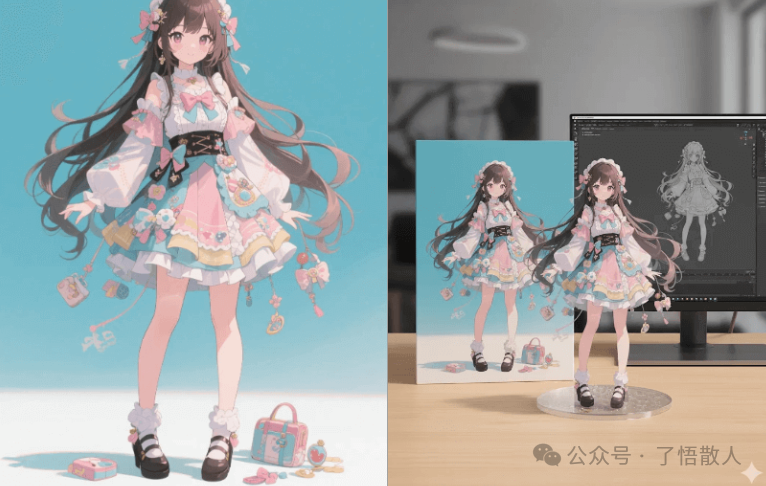
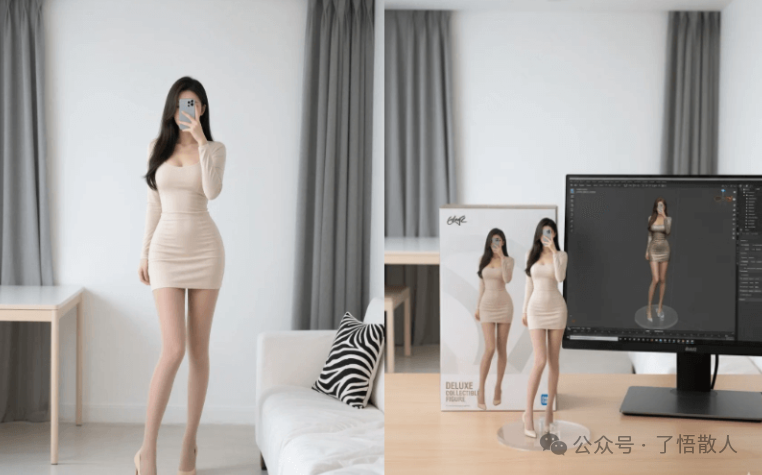
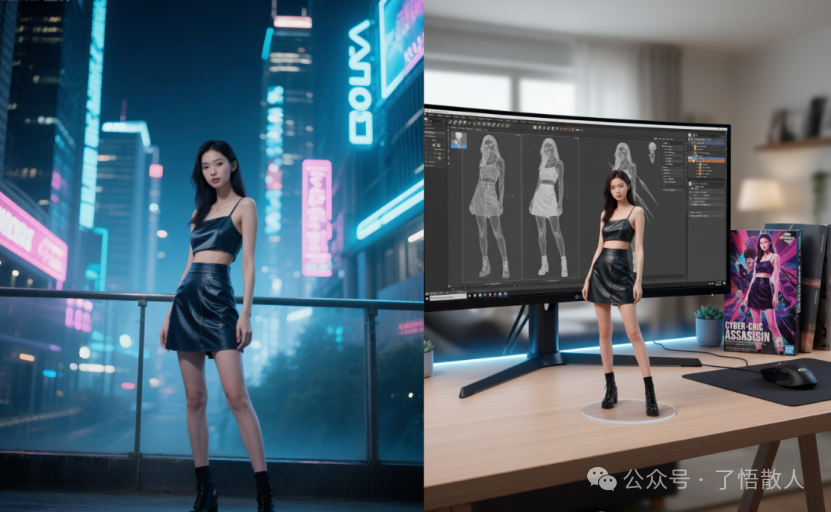 Most of these images come from Google’s large modelNano Banana (commonly referred to as Banana). Some people are selling them for a few dollars or even over ten dollars per photo, but what is its cost? Let’s take a look!
Recently, Google launched Nano Banana (officially named Gemini 2.5 Flash Image) which is a lightweight multimodal model focused on image generation and editing. Its core technological breakthroughs and application scenarios have attracted widespread attention in the AI community. Below, we will analyze it from three dimensions: technical features, application value, and industry impact:
1. Technical Features: Balancing Lightweight and High Precision
-
Extreme Compression and Edge Computing CapabilityNano Banana compresses model parameters to a level that can run on mobile devices throughpruning + quantization techniques, reducing file size by dozens of times. At the same time, it inherits the visual understanding capabilities of large models throughknowledge distillation, achieving300ms-1.2s generation latency on mid-range GPUs or smartphones. For example, its basic version supports generation at a maximum resolution of 1024×1024, while the advanced version can reach 2048×2048 resolution, with a consistency error of characters/objects ≤3%.
-
Interleaved Generation TechnologyThe model adopts atext-image alternating processing architecture, allowing users to gradually optimize images through multiple rounds of natural language instructions. For example, a user can first request “change the room background to a light gray gradient,” and then further adjust by saying “add a warm yellow floor lamp.” Each modification can accurately maintain the original elements’ light and structure. This step-by-step processing capability has led to a 47% increase in user satisfaction compared to Midjourney V6 in LMArena’s 5 million blind tests.
-
Multimodal Deep FusionThe model integrates Gemini’s world knowledge with Imagen’s image generation capabilities, supportingreference images + structured prompts as mixed inputs. For example, after uploading a model image in a snow suit, users can specify through JSON format prompts to “retain the clothing shape and logo position,” generating multi-size materials suitable for e-commerce platforms. Additionally, its built-inLoRA fine-tuning interface allows platforms to pre-train exclusive style packs (such as “National Style E-commerce” and “American Trend Brand”), enabling merchants to quickly generate visual content that aligns with their brand tone by simply uploading 3-5 reference images.
2. Application Scenarios: Bridging the Gap from Laboratory to Business Frontlines
-
Efficiency Revolution in E-commerce and AdvertisingIn e-commerce scenarios, after merchants upload product photos, Nano Banana can generate pure white background images, contextual model images, festive atmosphere images, and other 12 commonly used formats in seconds, automatically adapting to 8 platform sizes such as app main images and search page thumbnails. A certain cross-border e-commerce company in Shenzhen has seen an 8-fold increase in new product listing speed and a 91% reduction in visual production costs after adopting this tool. The advertising industry can also utilize itsreal-time preview feature to quickly respond to trending events, such as generating a “Back to School Season Promotion Poster” in just 10 seconds.
-
Creative Design and Personalized Content ProductionIndependent designers can achieve full-process automation through Nano Banana, from “text instructions – dynamic scenes – multi-platform adaptation.” For example, inputting “transform the chibi figure in the reference image into a 1/7 scale model, with no text on the base, and the environment being a computer desk (including a Zbrush modeling interface screen),” the model can generate a high-precision rendering image that meets the requirements. Additionally, itsphoto-to-figurine feature supports transforming real photos into 3D model style images with metallic textures and clothing folds, creating a sensation on social platforms.
-
Enterprise-Level Real-Time Interactive SolutionsGoogle provides developers with a complete API interface and SDK toolchain, supporting multi-language calls such as Python and JavaScript. For example, by sending a request containing reference images and JSON prompts using the
<span>requests</span>library, one can obtain a base64 encoded generated image within 5 seconds, with latency controlled between 300ms-800ms. This low-latency feature makes it an ideal choice for real-time interactive scenarios such as customer service systems and live streaming platforms.
3. Industry Impact: Redefining the Paradigm of AI Image Generation
-
From Computing Power Monopoly to Inclusive ImplementationTraditional image generation models (such as Stable Diffusion XL) rely on A100-level GPUs, with a single image computing cost reaching several dollars, while Nano Banana compresses the cost to$0.039/image (approximately ¥0.27), and does not require cloud dependency. This economic efficiency allows it to cover small and medium-sized businesses, independent creators, and other long-tail users, promoting the popularization of AI visual tools.
-
Breakthroughs in Consistency and RealismTo address the common “uncanny valley effect” in traditional models, Nano Banana achieves character consistency in multi-round editing throughcharacter feature anchoring technology. For example, users can modify clothing, backgrounds, or poses multiple times, while facial features and body proportions have an error of less than 3%. In LMArena’s blind tests, the proportion of generated portraits mistaken for real photographic works reached as high as 89%.
-
Innovative Practices in Ethics and TransparencyAll generated images are embedded withSynthID invisible watermarks, and visible markers are added to the Exif information to clearly distinguish AI-generated content from real images. This design responds to the industry’s regulatory needs for deep fakes, providing technical assurance for compliant use.
Currently, it is something that Doubao and Jiemeng cannot achieve, looking forward to the brilliance of our domestic large models!Nano Banana current pricing: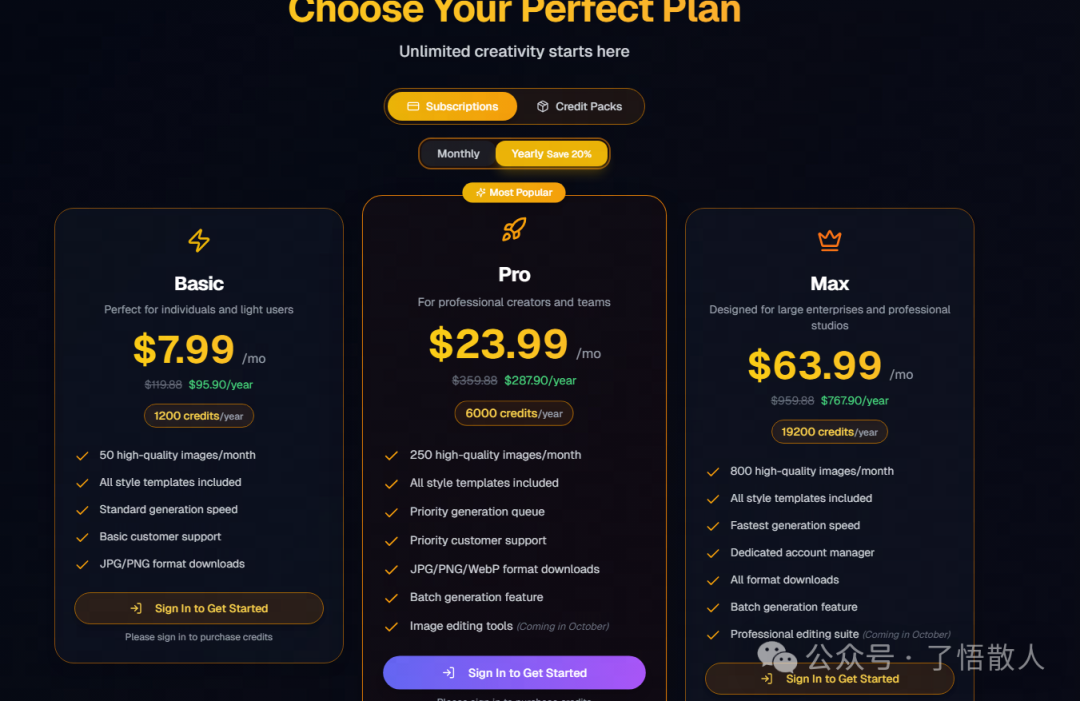 API address:
Gemini Official Website (Application entry):https://gemini.google.com
Google AI Developer Platform (API & Pricing Documentation):https://ai.google.dev/gemini-api
Currently free platforms available in China:
https://jiaotuai.cn
Breaking the Uncanny Valley Effect, Accurately Restoring Character Features
In the field of AI image generation, the “uncanny valley effect” has always been a challenge for many developers and users. Simply put, when the generated image is too similar to a real human figure but has slight differences, it creates a strange and uncomfortable feeling. However, Nano Banana has successfully bypassed this “minefield.”
From user feedback, whether editing figurine models or modifying real human images, Nano Banana can accurately maintain the consistency of character features.
For example, when a user wants to change a hairstyle in a character photo, it does not produce distorted facial features or disproportionate facial ratios, but can naturally and smoothly present the new hairstyle in perfect harmony with the original character features. This outstanding performance has made it stand out among many competitors, becoming one of the preferred tools for users in image editing.
Above is theNano Banana generated videoNano Banana’s five major gameplay and prompts:
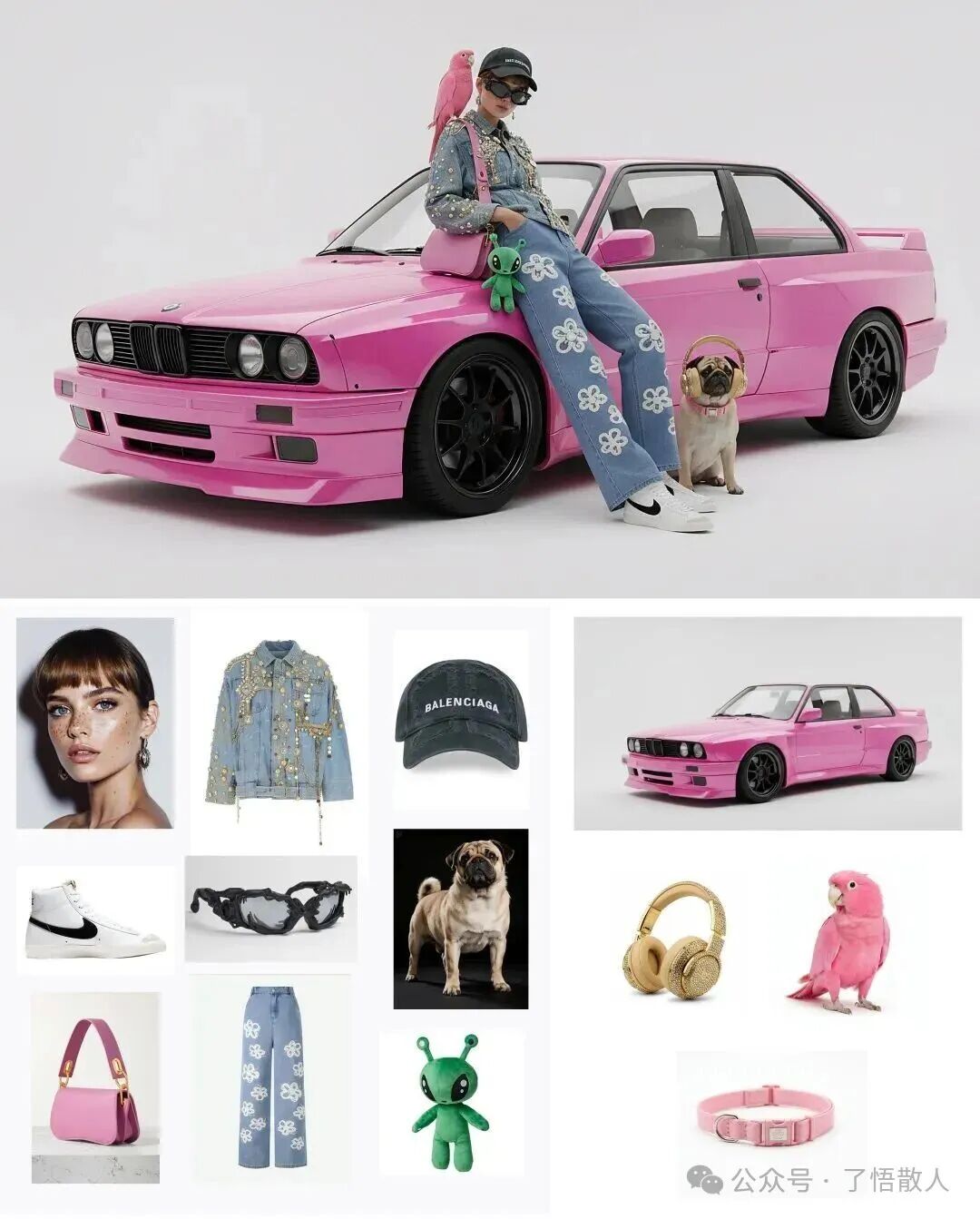
Gameplay 1: Character Outfit Change
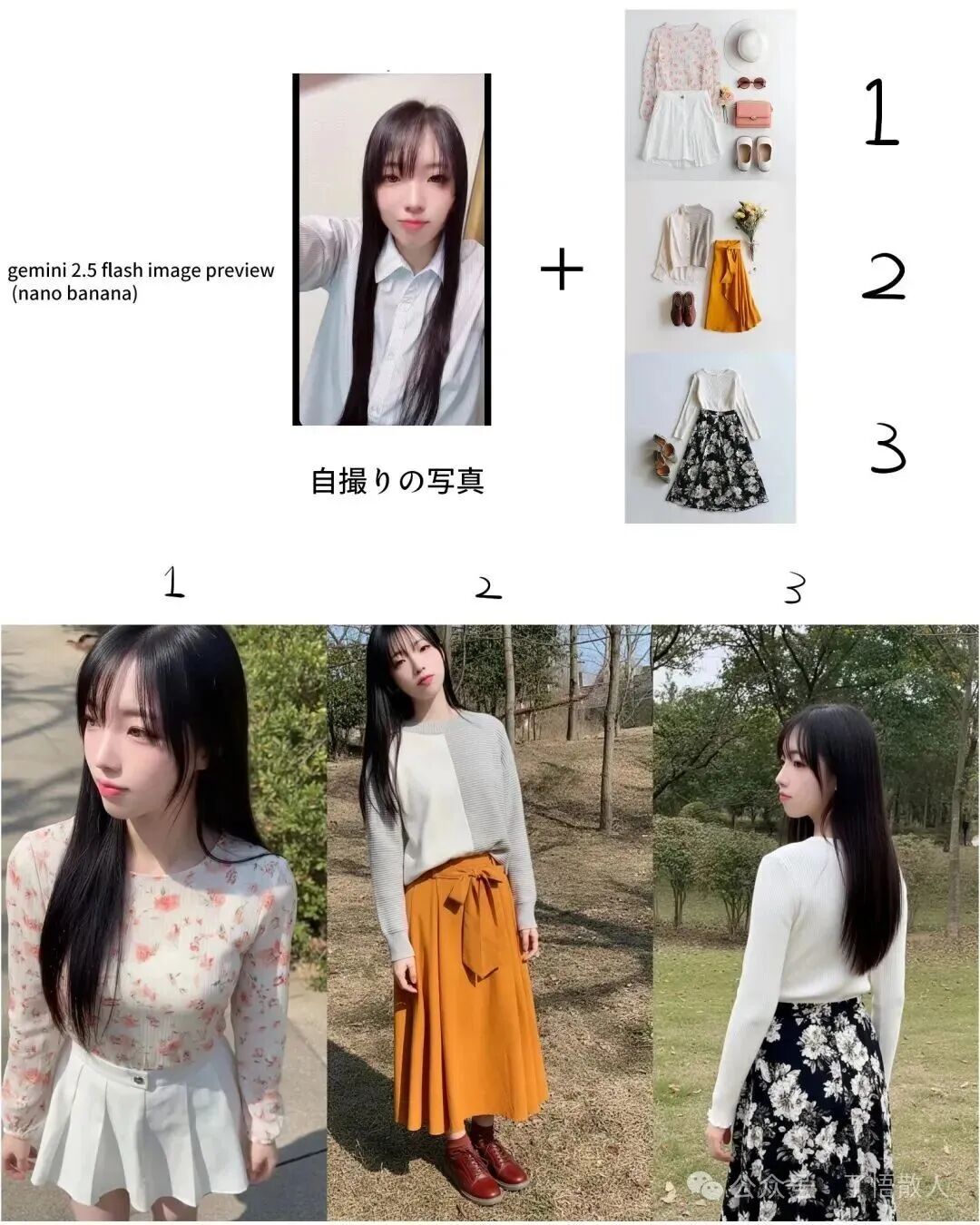
Prompt: Transfer the outfit from image 2 to the woman in image 1
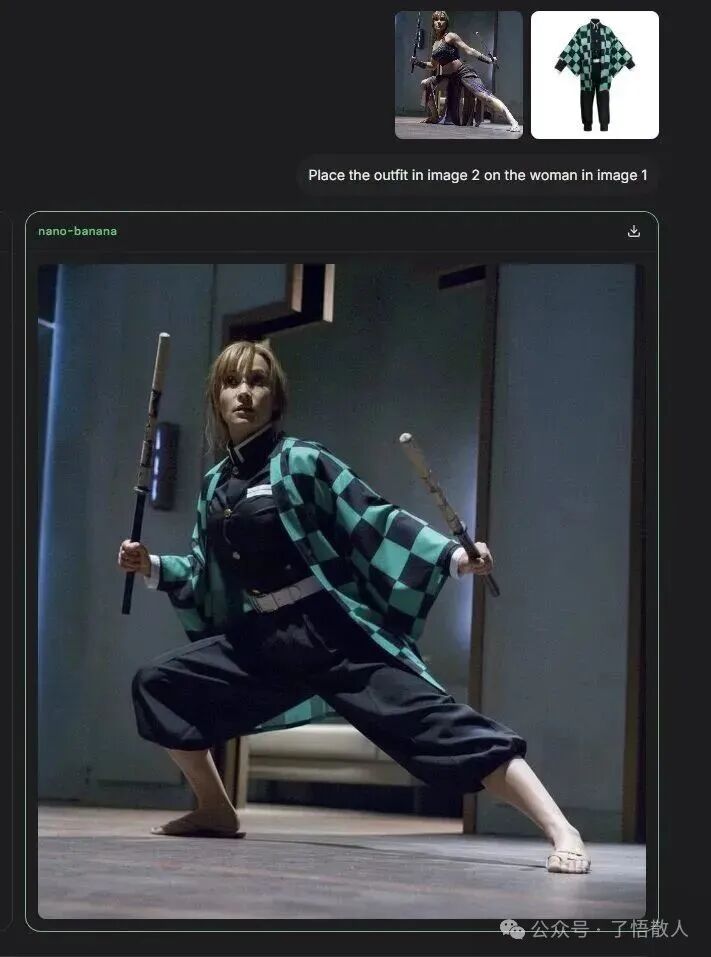
If you are a girl, you can even useNano Banana to adapt your outfits every day
Gameplay 2: E-commerce Product Image Display
Prompt:Put the joy from image 2 into the hands of the woman in image 1.
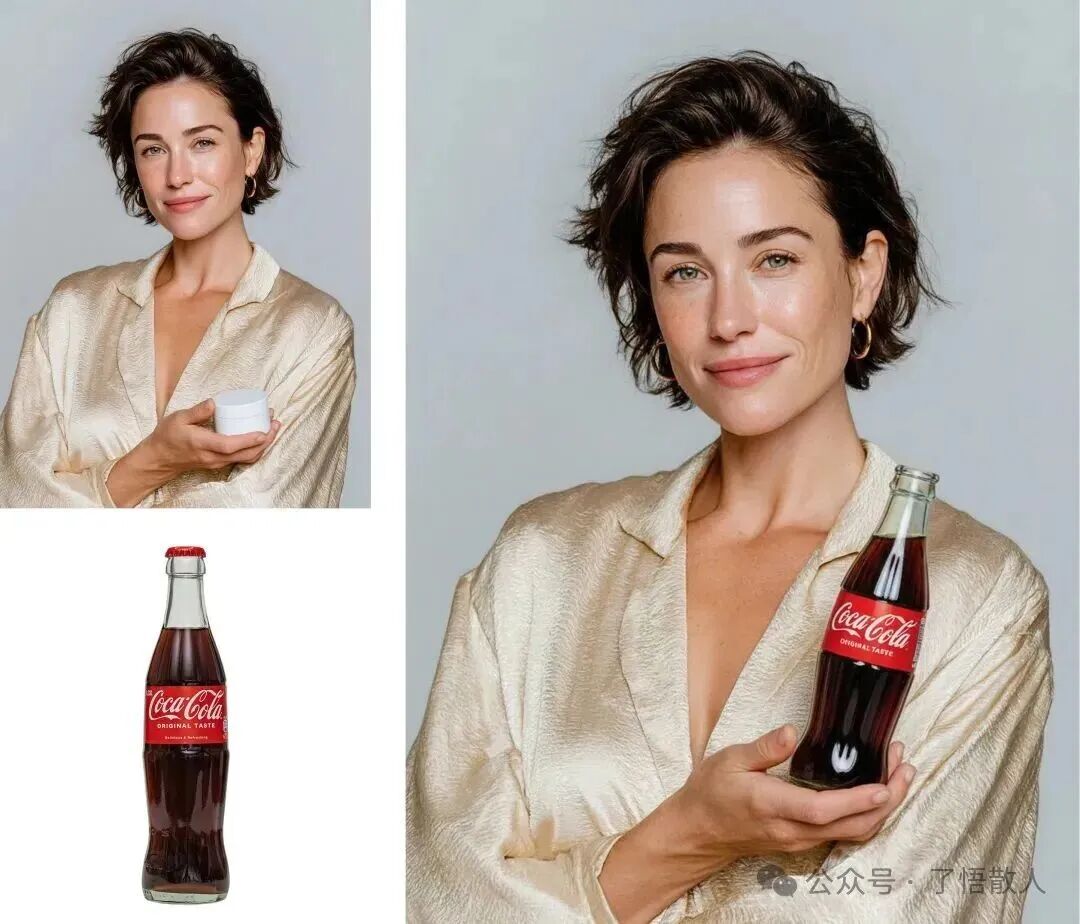
Moreover, the Nano Banana AI image editor can perfectly blend multiple unrelated images together while ensuring character consistency!
It even considers elements like reflections, lighting, and environmental colors, achieving results that are more professional than those of professional retouchers. How impressive is that!
Someone even conducted an experiment, putting 13 different items into one image, and the result was still perfect. This technology is truly a bit “magical”.
Gameplay 3: Post-Effects
Prompt: A lightning bolt strikes the racing car, sparks flying
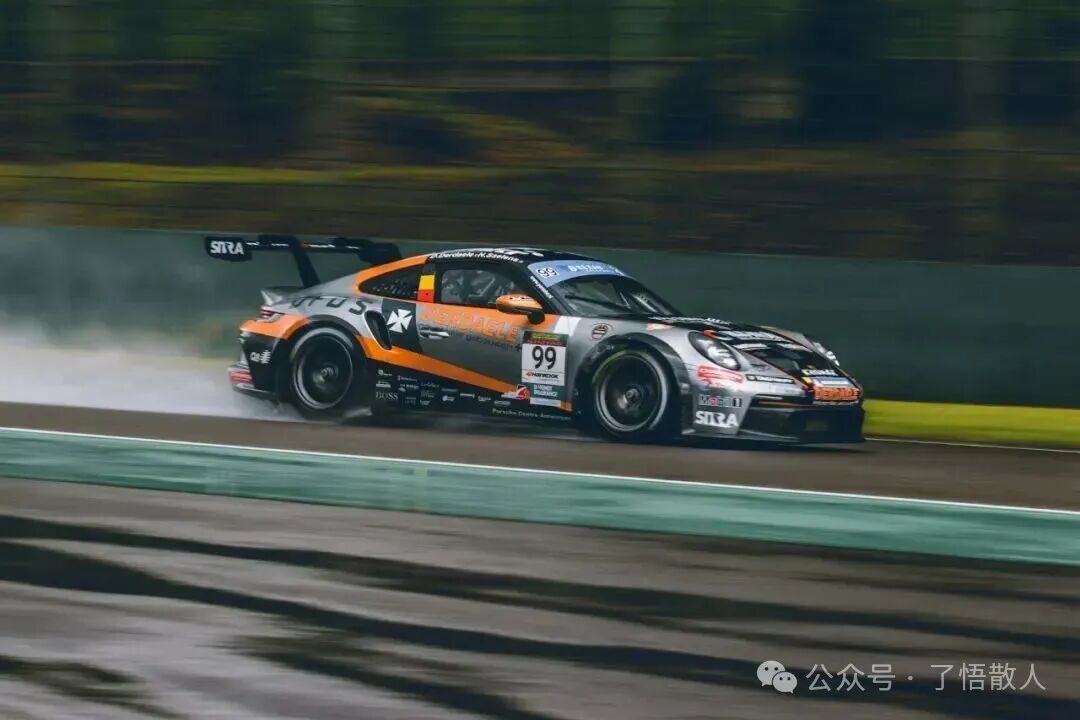
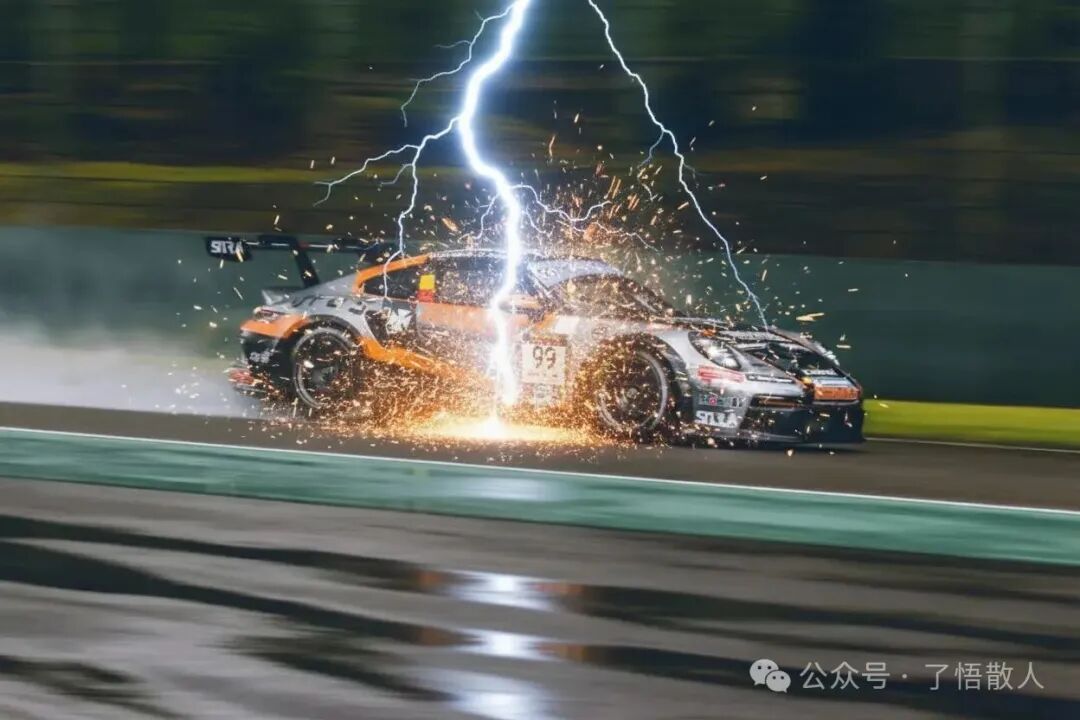
We can see the details of the sparks generated when lightning strikes the car are very realistic.
Haha, in the future, we can first generate effect images, and then combine them with AI video models like Keli AI or Jiemeng AI to directly generate various film effects! The effect will be maximized!
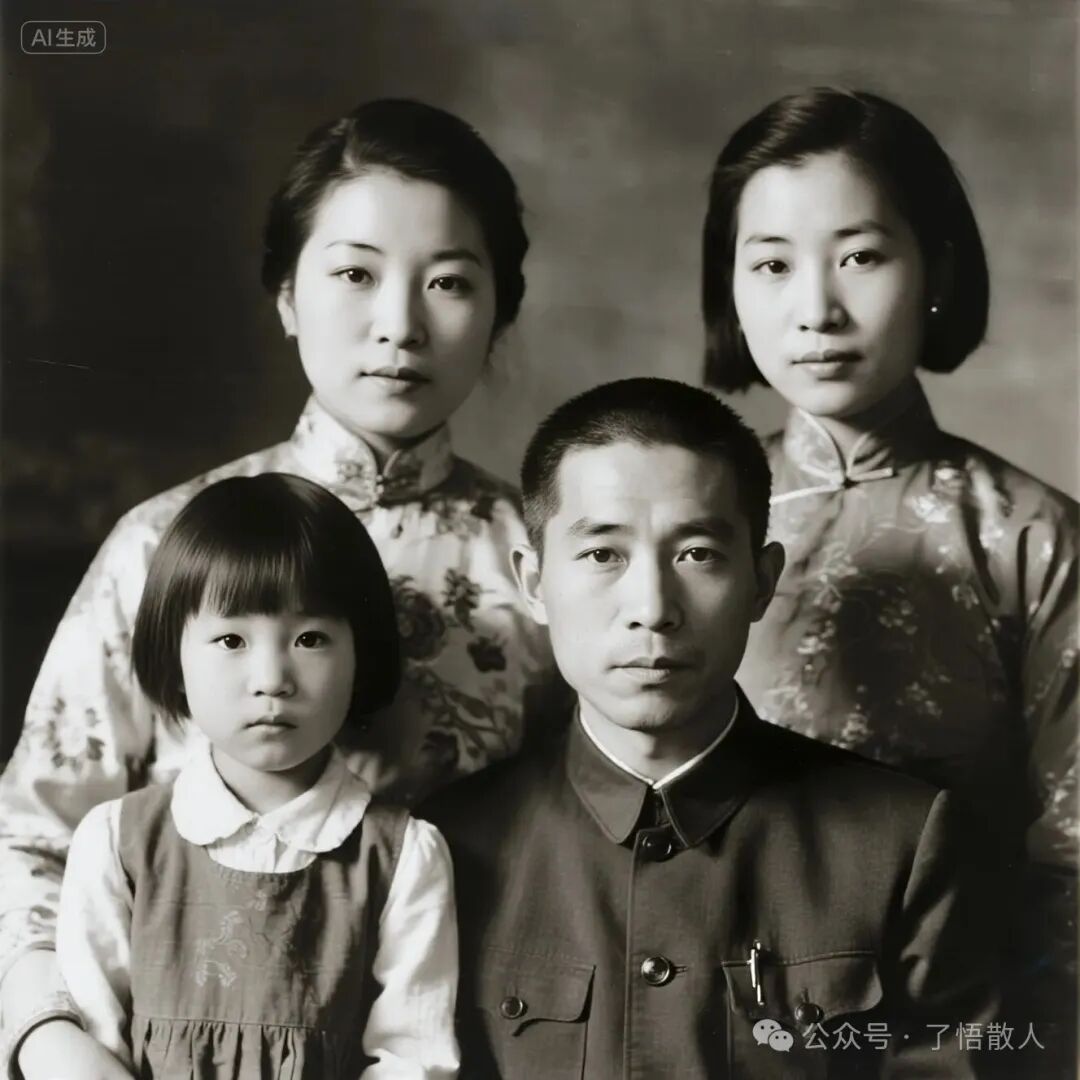
Gameplay 4: Old Photo Restoration
Prompt:Restore and colorize this image
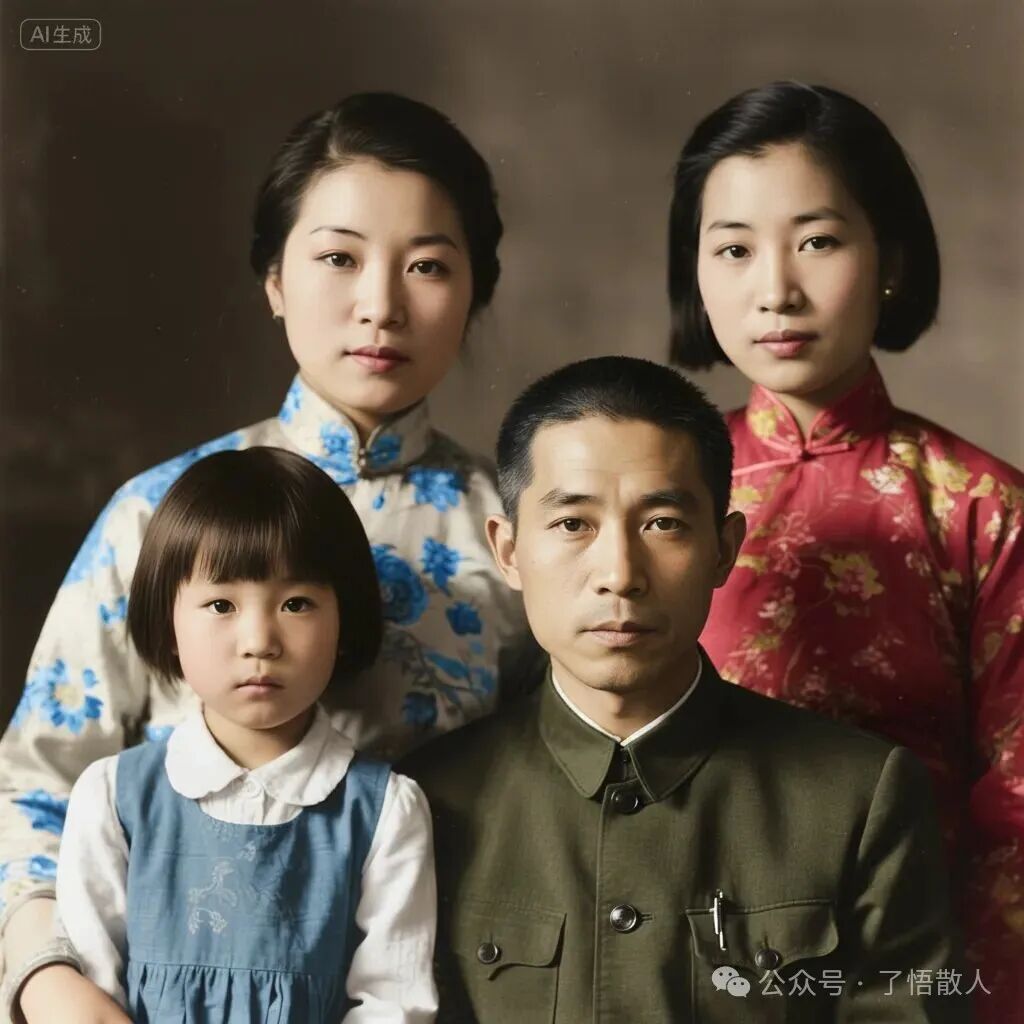
Gameplay 5: Generating Realistic Figurine Images (Core Gameplay)
Prompt:
In a realistic environment, create a 1/7 scale commercialized figurine of the character in the image, in a realistic style. The figurine is placed on a computer desk. The figurine has a round transparent acrylic base, with no text on the base. The content on the computer screen is the Zbrush modeling process of this figurine. Next to the computer screen is a BANDAI-style toy packaging box printed with the original artwork, featuring two-dimensional flat illustrations. Maintain consistency with the image.
Friendly Reminder:
Prompt composition: theme figurine style + background environment + packaging box style + material base (can be changed according to personal preference)

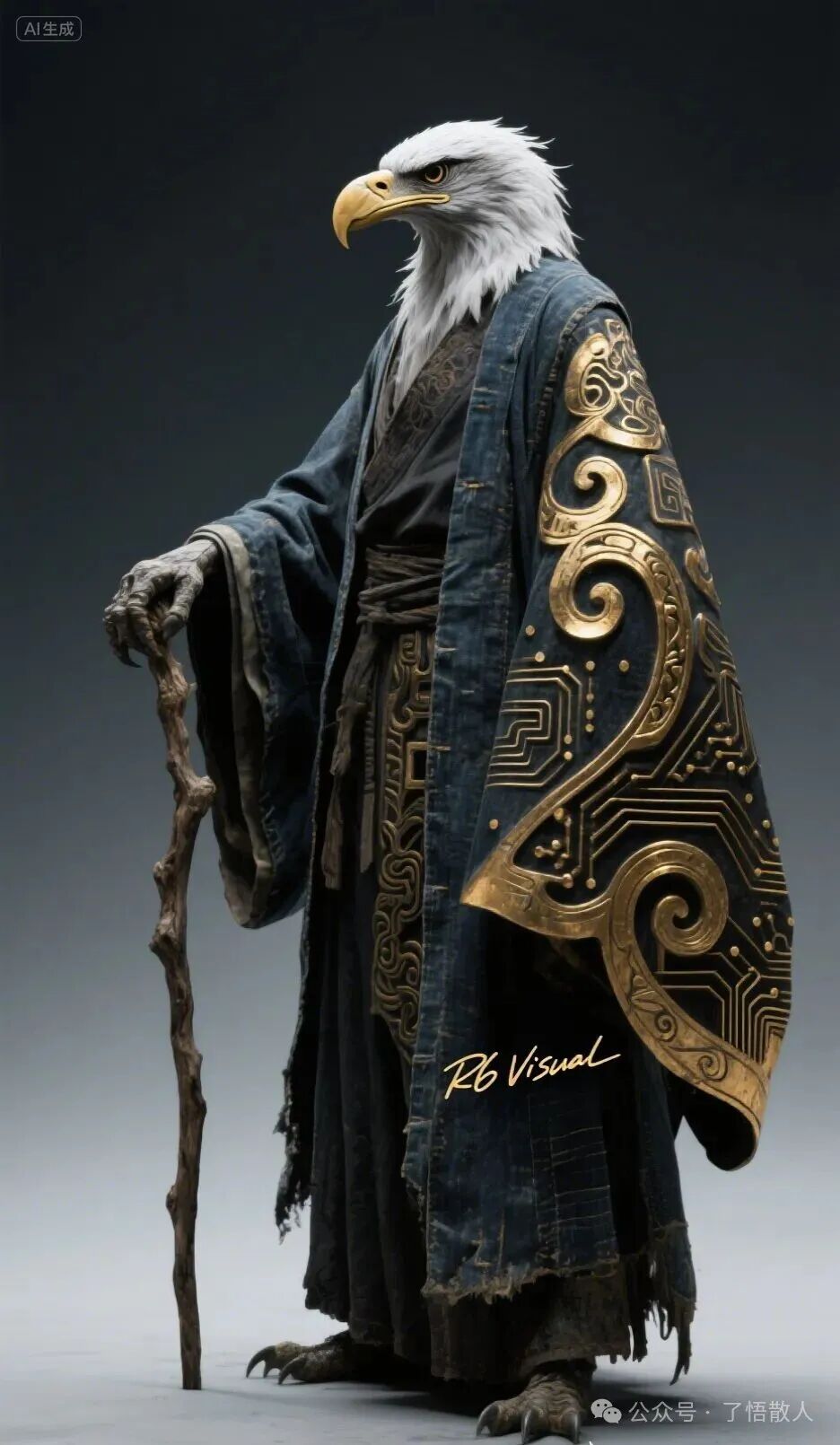
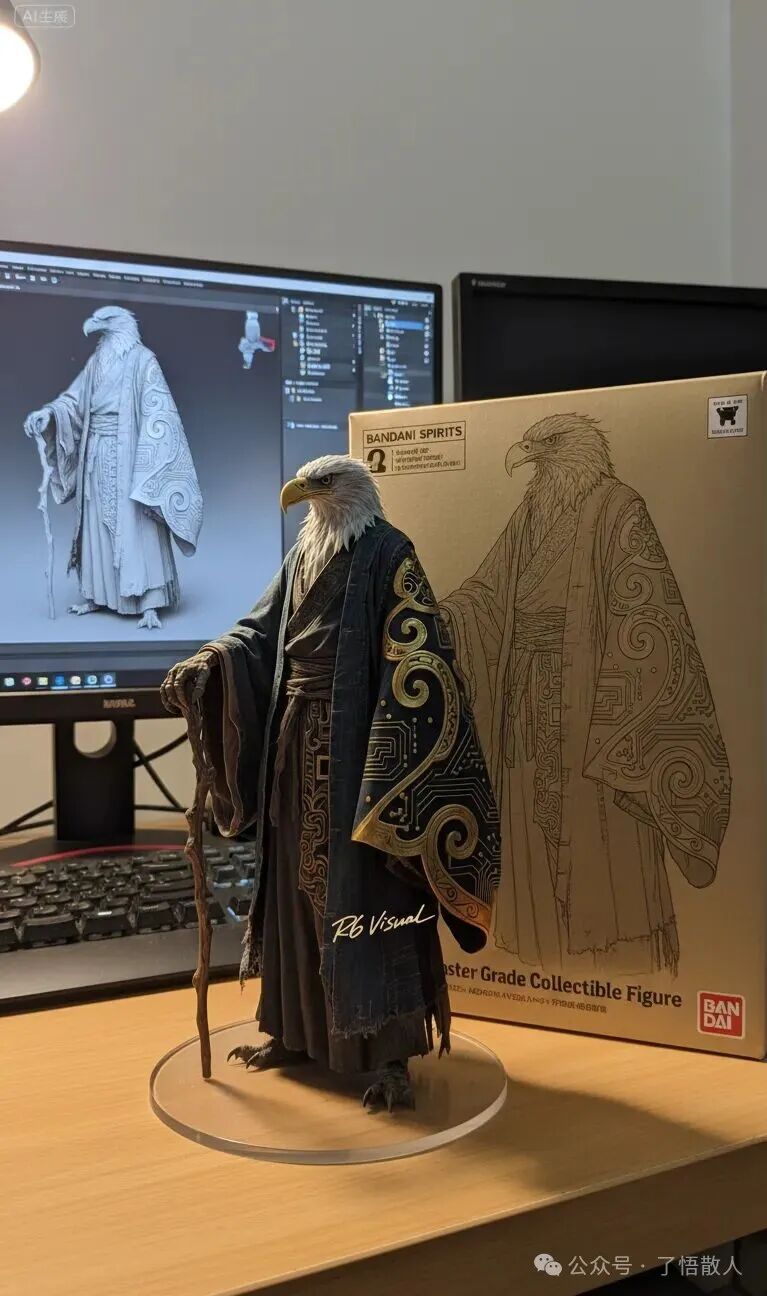 Figurine instruction template 1:create a 1/7 scale commercialized figurine of the characters in the picture, in a realistic style, in a real environment. The figurine is placed on a computer desk. The figurine has a round transparent acrylic base, with no text on the base. The content on the computer screen is the Zbrush modeling process of this figurine. Next to the computer screen is a BANDAI-style toy packaging box printed with the original artwork. The packaging features two-dimensional flat illustrations. Maintain consistency with the image.Figurine instruction template 2:Using the nano-banana model, create a 1/7 scale commercialized figurine of the characters in the picture, in a realistic style, in a real environment. The figurine is placed on a computer desk. The figurine has a round transparent acrylic base, with no text on the base. The content on the computer screen is the Zbrush modeling process of this figurine. Next to the computer screen is a BANDAI-style toy packaging box printed with the original artwork. The packaging features two-dimensional flat illustrations.
Practical Reminders: 2 Pitfalls for Beginners to Avoid
- Copyright Issues: Generating original character figurines (such as your own designed OC) is fine, but do not generate “infringing IP” (such as unauthorized popular anime characters for commercial use). For personal sharing, it is acceptable, but for commercial use, copyright confirmation is required;
- Printing Adaptation: If you want to use it for 3D printing reference, be sure to increase the resolution and figurine size content in the prompts, such as “figurine size: height 15cm, base diameter 8cm,” to facilitate proportion adjustments during printing.
 Next time, I will try to share the domestic API interface with everyone!