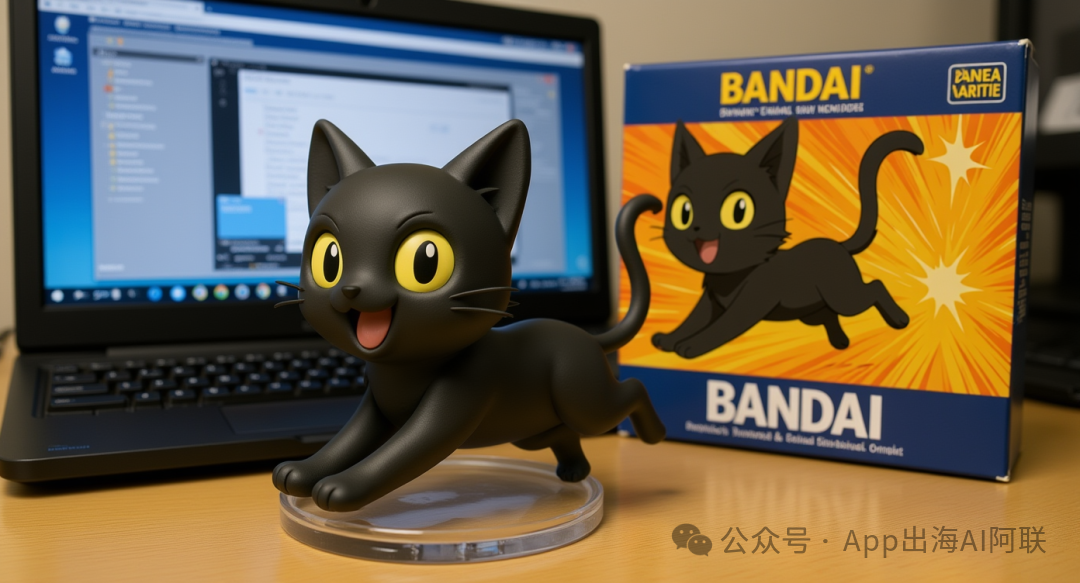
Did you also come across many images of figurines last week? At first, it was hard to tell if they were real or AI-generated, the popularity was reminiscent of the time when Studio Ghibli was trending. These are actually AI-generated figurine renderings created using the LMArena.ai platform with the Nano Banana model. I have been experimenting with it for a few days, testing various styles of images, and I was truly amazed.
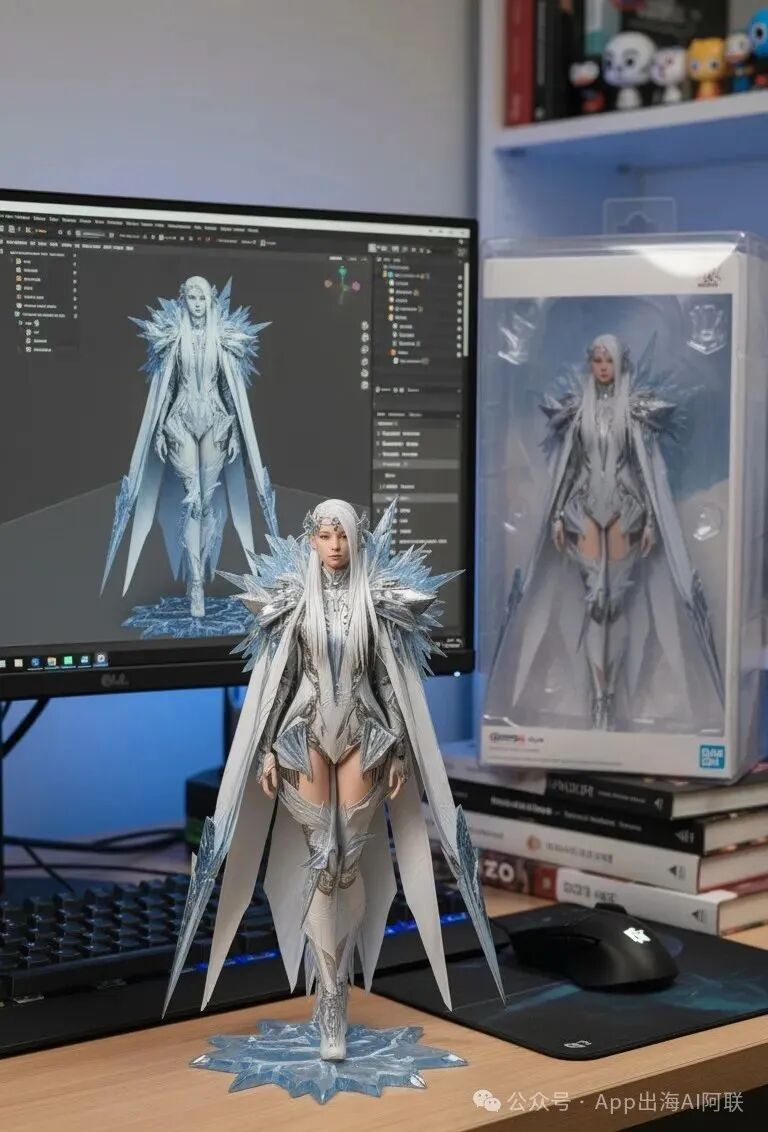
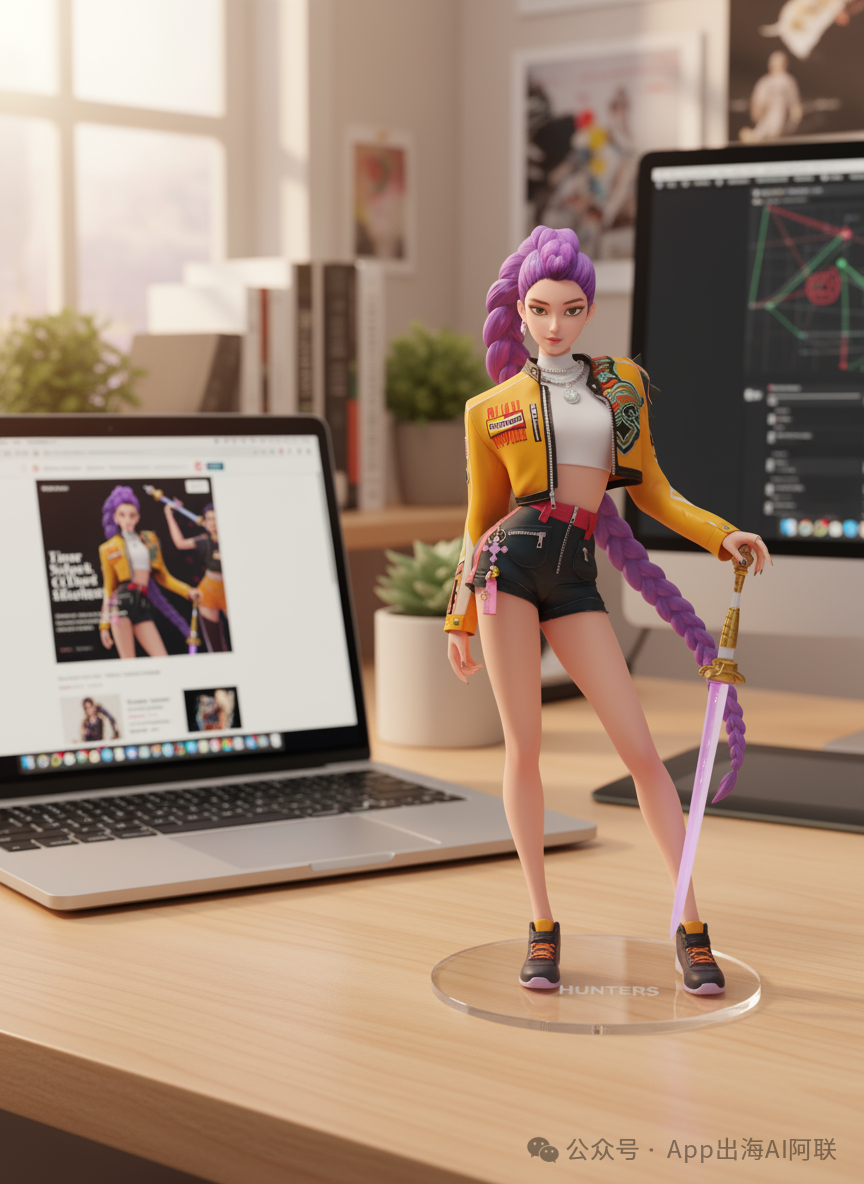
This model has recently gained attention largely because it represents a new breakthrough in AI image generation technology regarding character consistency and realistic style implementation, aligning with the current market demand for personalized and emotional consumption. Additionally, it benefits from the development of AI technology itself, the dissemination through social media, and the maturity of the surrounding industrial chain, which greatly satisfies the sharing desires of some collectible enthusiasts.
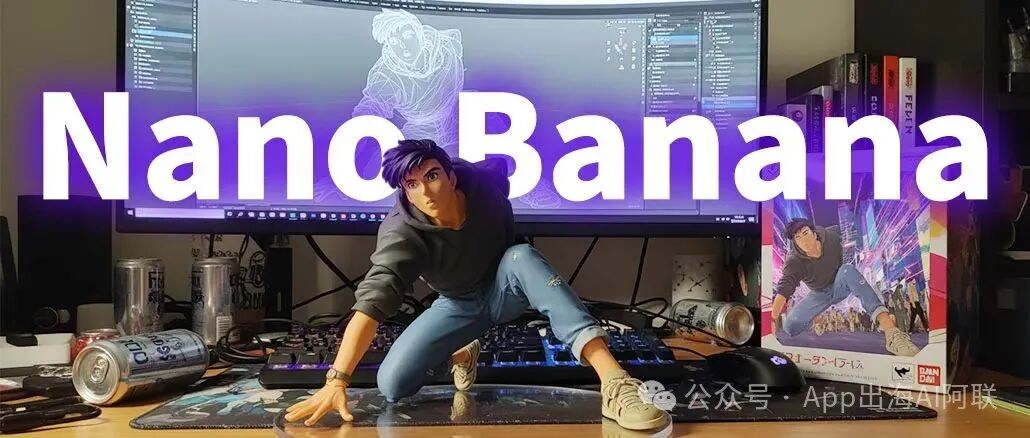
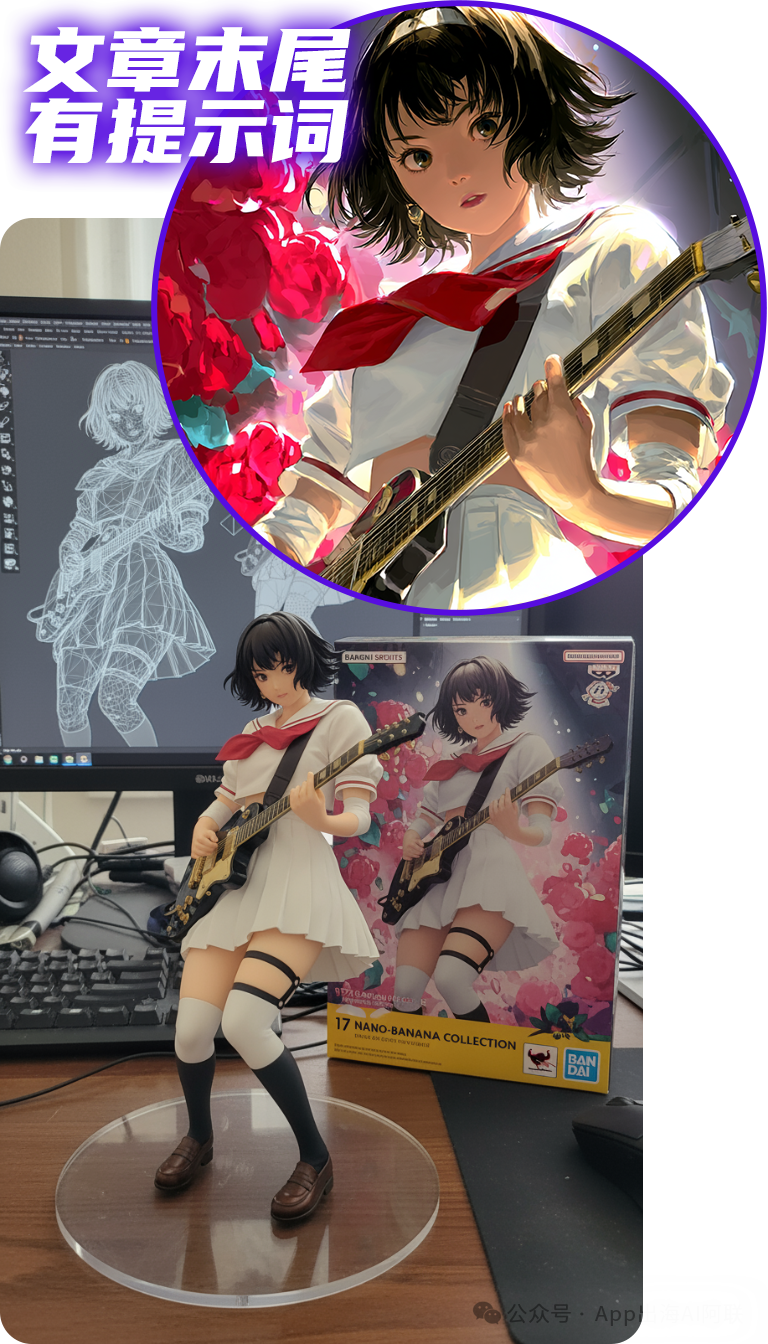
The Mysterious Nano Banana
Nano Banana is currently regarded as an exceptionally performing model in the field of AI image generation, particularly in terms of character consistency and detail control, and has become widely popular for AI-generated figurine renderings.
It was not officially released by a large tech company but was encountered in a “blind test” manner through the LMArena.ai model battle platform in a “blind box” format. Currently, it cannot be used directly or stably. Even drawing ten times may only yield it two or three times. Some platforms speculate that Nano Banana might be Google’s next-generation image generation model.
Experience it here:lmarena.ai
Don’t miss the prompt reference at the end of the article
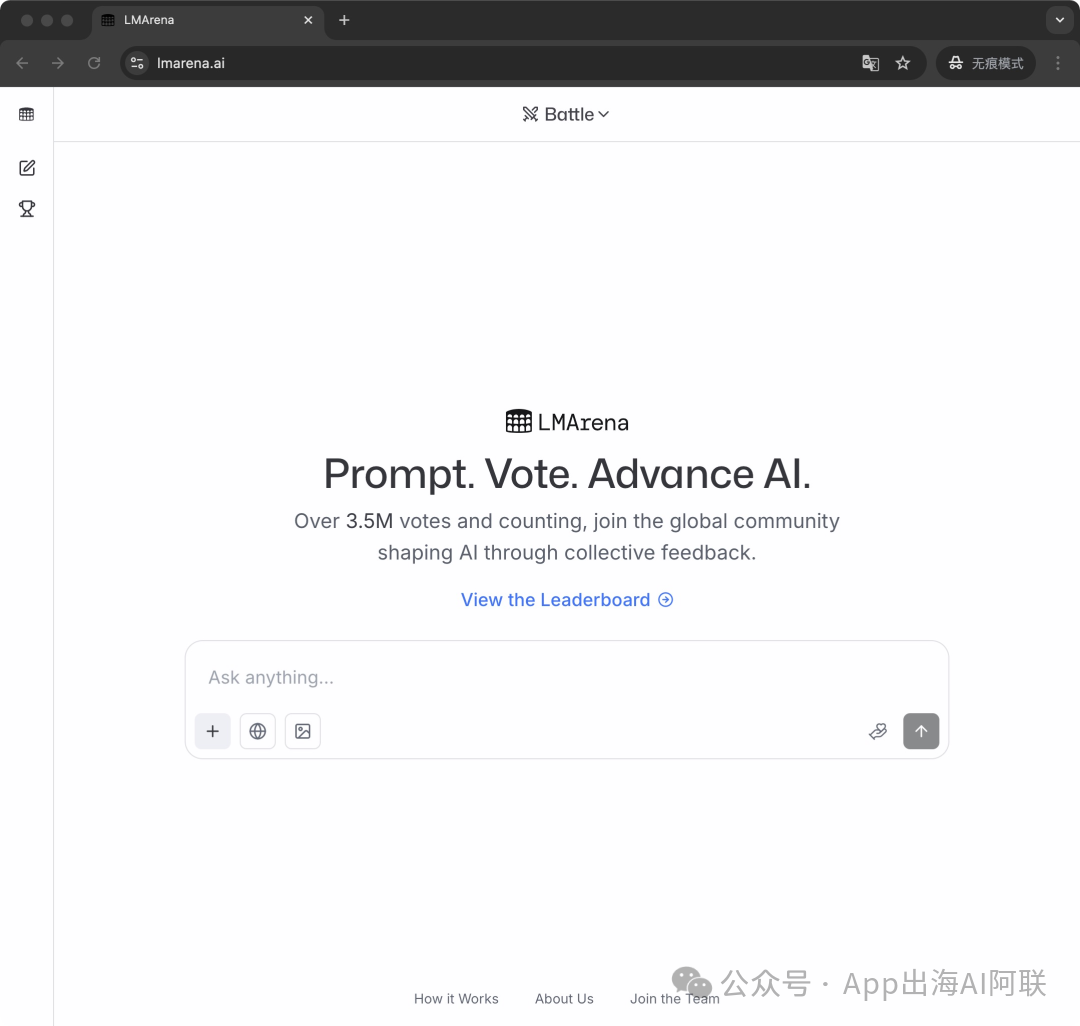 The website can be used without registration
 Select the image generation mode
 Select the image you want to turn into a figurine. The prompt structure should be “model name used, figurine style, scene description, details.” Note that you must include “using the Nano Banana model” in the prompt for the system to call this mysterious model. It is indeed mysterious!
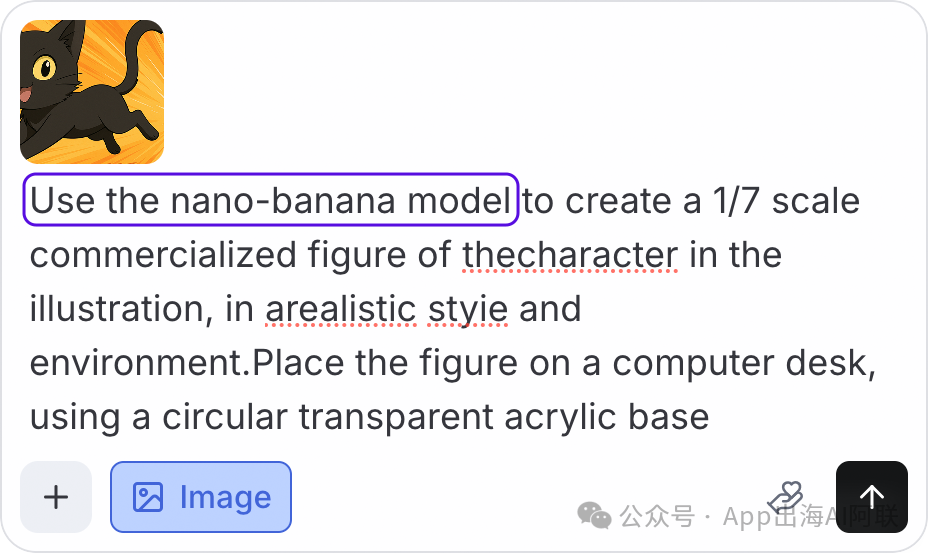 Click “Generate”; the generation process is quick, and it defaults to giving two results. Since it is currently in “Battle” mode, you must choose one as the winner, or select that both are good, or that both are bad. After making your selection, it will tell you which models were used for the two images. This time, besides the emphasized use of Nano Banana, the other image used flux1. Both results were quite satisfactory, but comparing them, the nano-banana effect should be the best, especially in handling realistic characters.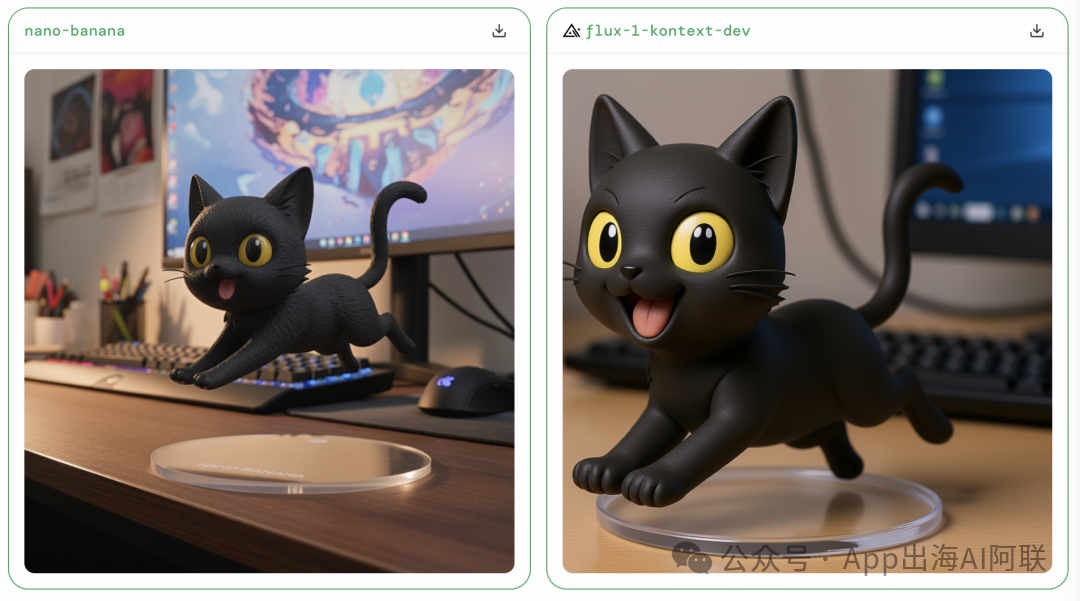
 The original image
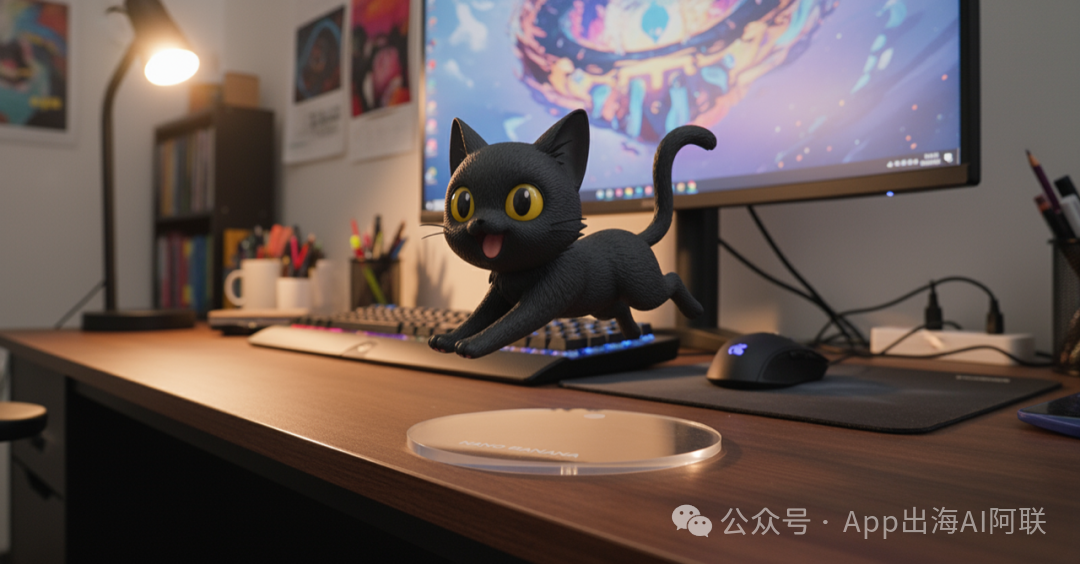 nano banana
Prompt Optimization
The basic prompts are already numerous and can satisfy any image, but if you want the generated figurine to appear high-end and expensive, the environmental description in the prompt becomes very important.
After testing, it was concluded that the character consistency and lighting detail of nano banana exceed most image generation models, and the scene detail generation is also exceptionally refined, including mirror reflections, with a high restoration degree of the prompts.
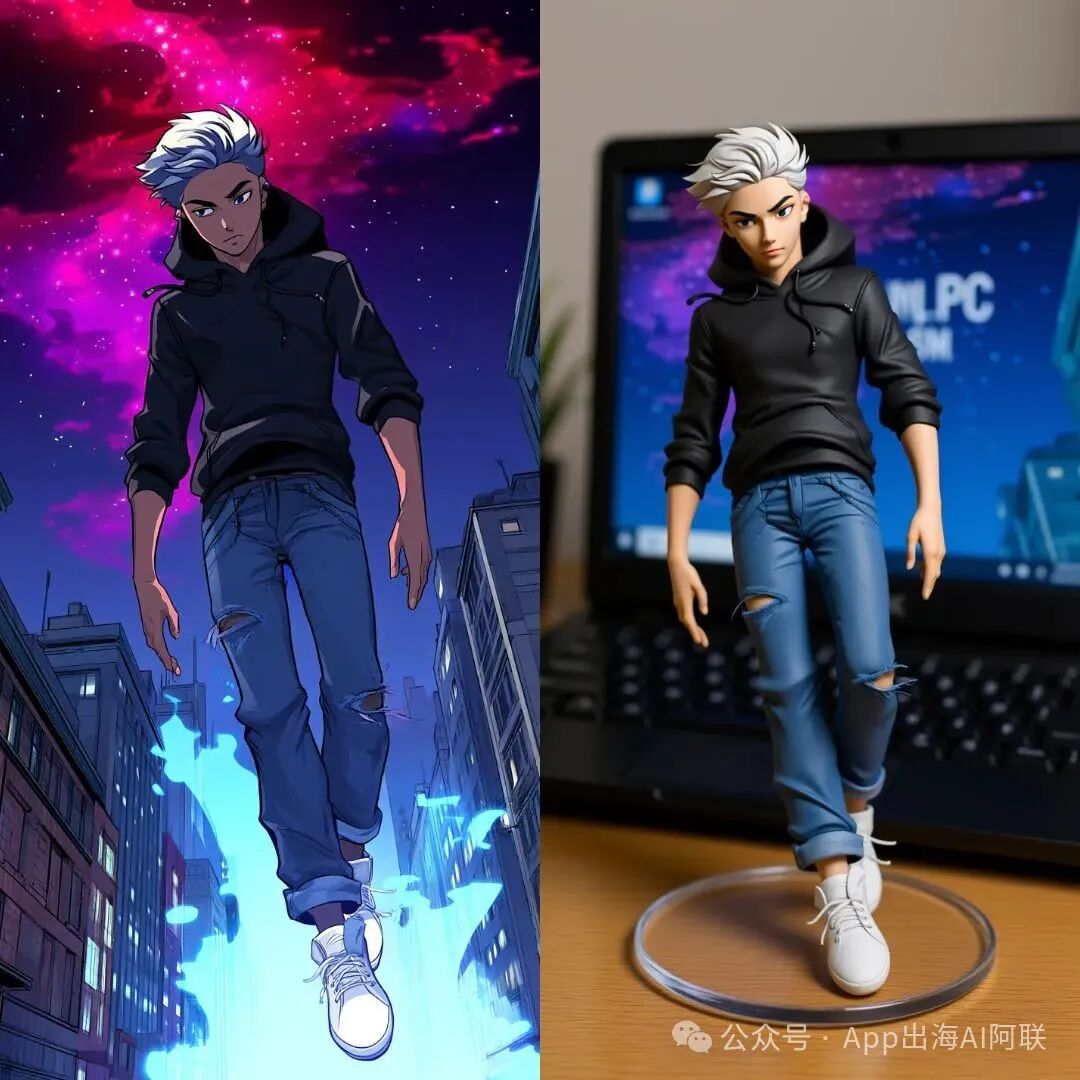
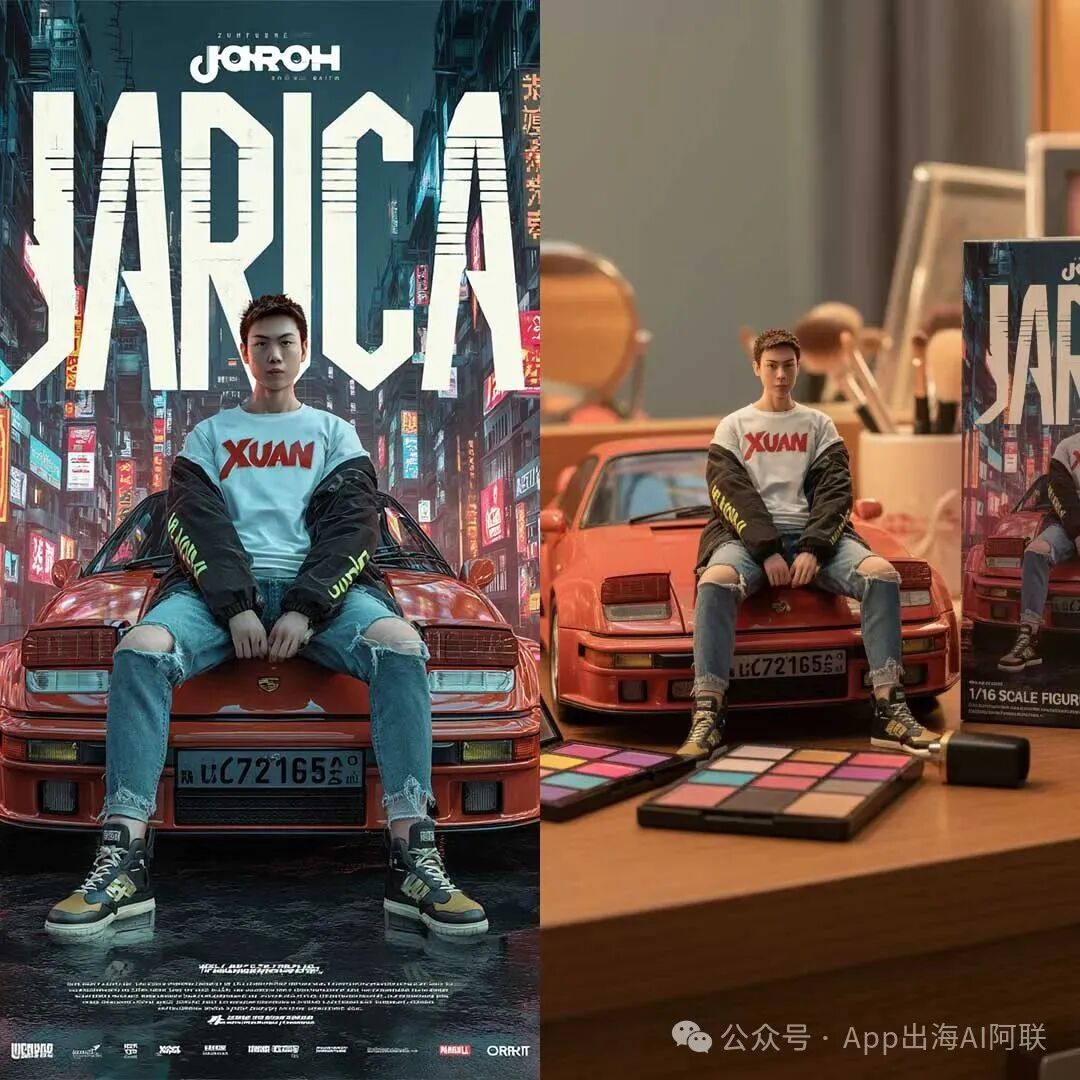
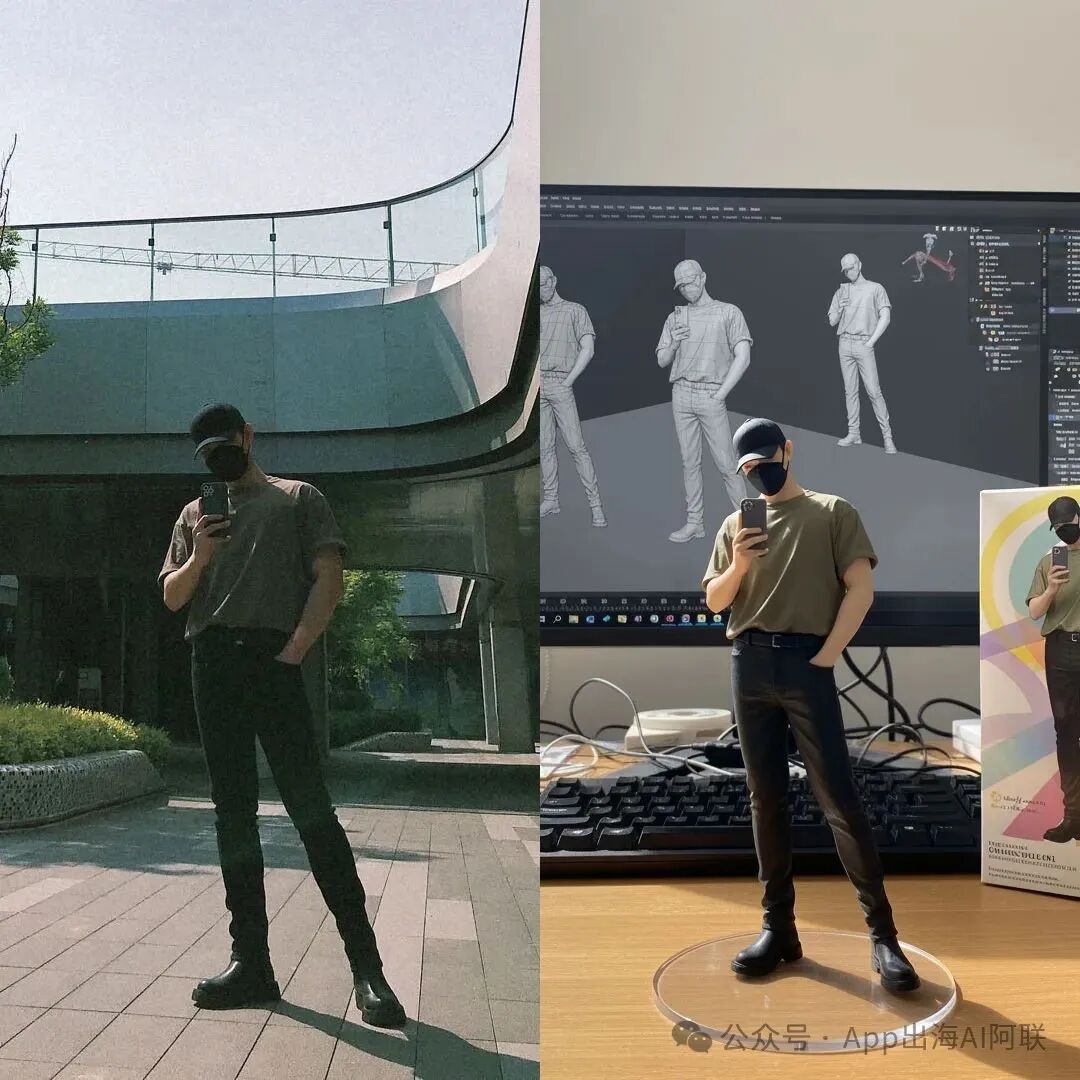
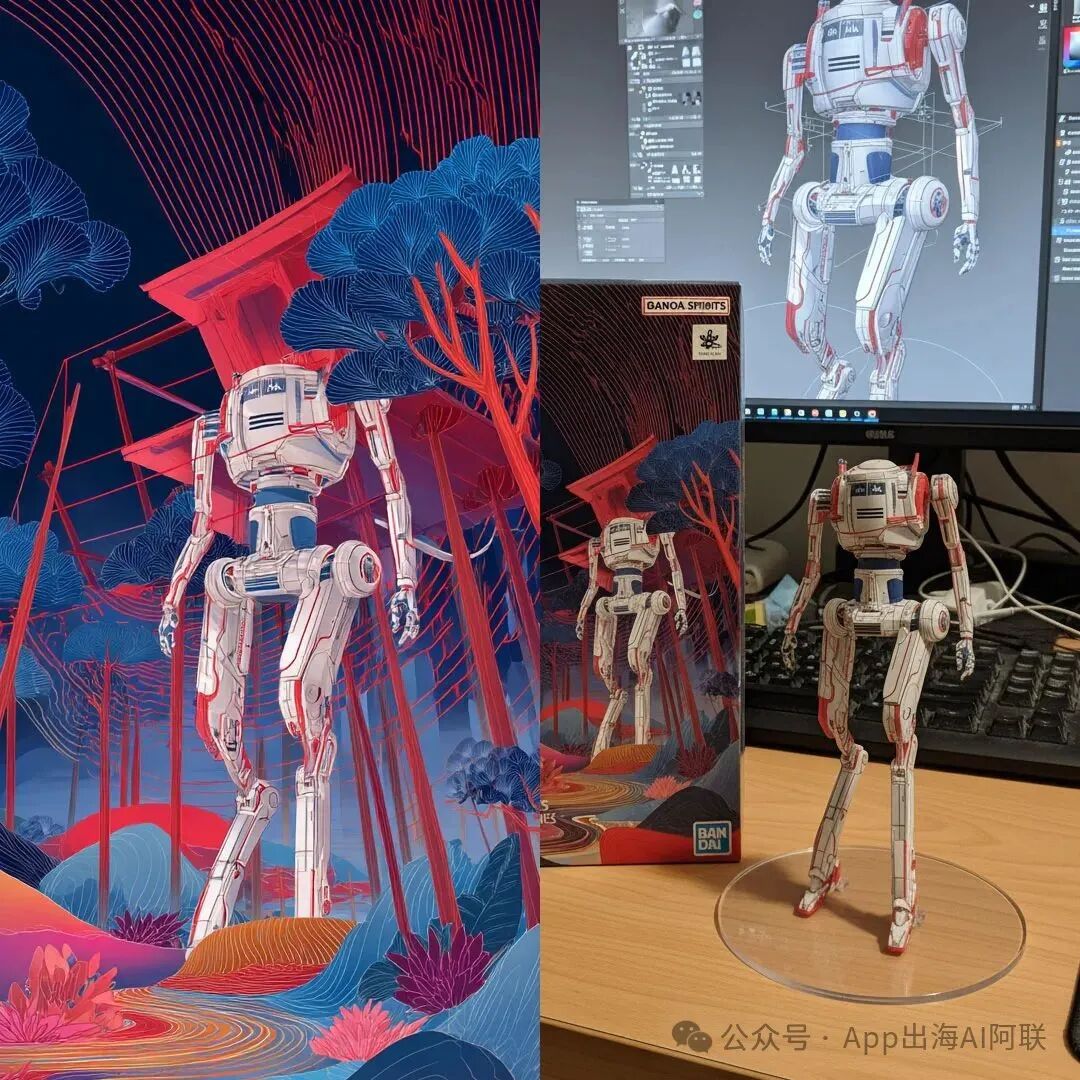
Here are some prompt suggestions for you to try:
Chinese Keyword 1:
Use the nano-banana model to create a character from the image, a 1/7 scale commercial figurine, in a realistic style, in a real environment, placed on a computer desk, with the computer screen displaying the modeling process of the figurine.
Chinese Keyword 2:
Use the nano-banana model to create a character from the image, a 1/7 scale commercial figurine, in a realistic style, in a real environment, placed on a computer desk, with a circular transparent acrylic base, no text on the base, and the computer screen displaying the Zbrush modeling process of the figurine, with a BANDAI-style toy packaging box printed with the original artwork beside the computer screen.
Chinese Keyword 3 (the watermark on the base can be changed to your own design):
Use the nano-banana model to generate a commercial 1/7 scale figurine, with the character from the image, in a realistic style, in a real environment, placed on a clean desk, with a MacBook beside it, the screen browsing a magazine website showing a large image of the original image, in a warm light design studio, with a circular transparent acrylic base, with a faint watermark “MFF” on the base.
English Keyword 1:
Use the nano-banana model to create a 1/7 scale commercialized figure of the character in the illustration, in a realistic style and environment. Place the figure on a computer desk, using a circular transparent acrylic base.
English Keyword 2:
Using the nano-banana model, create a 1/7 scale commercial figure of the character in the image, in a realistic style and authentic environment. The figure is placed on a computer desk, with the computer screen displaying the C4D modeling process of the figure. Beside the screen, there is a BANDAI-style plastic toy packaging box printed with the original artwork. On the computer desk, there are also tools for making the figure, such as brushes, paint, a knife, etc.