
Click the blue text above to follow us
C-reactive protein is abbreviated as CRP, and high-sensitivity C-reactive protein is abbreviated as hsCRP. So what are the differences between the C-reactive protein test and the high-sensitivity C-reactive protein test?

Experts point out that there is no chemical difference between C-reactive protein and high-sensitivity C-reactive protein; they are the same substance. The only difference is that the testing methods for high-sensitivity C-reactive protein have lower limits than those for C-reactive protein. The laboratory uses immunoenhanced turbidimetric methods and other techniques to significantly improve the sensitivity of the analysis (lower detection limit is 0.005 to 0.10 mg/L). The C-reactive protein measured by these methods is referred to as high-sensitivity C-reactive protein.
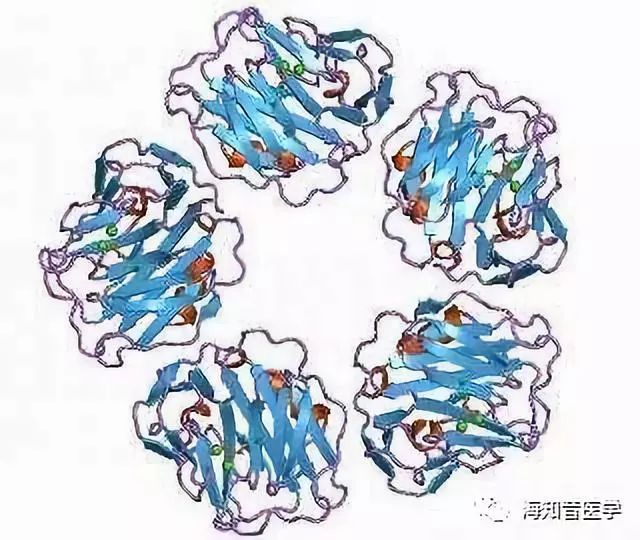
C-reactive protein testing is mainly used for screening, monitoring, evaluating conditions, and judging efficacy in cases of bacterial infections, various inflammatory processes, tissue necrosis, and tissue damage (such as post-surgery) and during recovery. It is a preferred indicator for distinguishing between bacterial or viral infections.

In distinguishing between bacterial or viral infections, C-reactive protein is more accurate than white blood cell count and differential count, especially in children and the elderly, where immune system responses may decrease, and infections may occur without clinical signs such as fever or elevated white blood cells. At this time, testing for C-reactive protein helps detect bacterial infections, while C-reactive protein does not increase in viral infections, thus helping to identify the nature of the infection and guide clinical treatment, effectively preventing antibiotic misuse. For newborns suspected of sepsis, dynamic monitoring of C-reactive protein within 24 to 48 hours can serve as a reliable basis for whether to stop antibiotic treatment. Dynamic testing of C-reactive protein during antibiotic treatment for bacterial infections is necessary, as it provides earlier alerts for complications and assessments of treatment efficacy than clinical signs. For example, the misdiagnosis rate for acute appendicitis is typically high, around 15% to 25%. In patients with perforated appendicitis, C-reactive protein often exceeds 100 mg/L, while in non-perforated cases, C-reactive protein is slightly elevated, above 20 mg/L. If both the white blood cell count and C-reactive protein concentration are normal, the likelihood of acute appendicitis is low, making C-reactive protein testing a useful auxiliary diagnostic indicator for acute appendicitis, helping to reduce unnecessary surgeries.

High-sensitivity C-reactive protein testing is mainly used for diagnosing and predicting the occurrence and development of cardiovascular events.
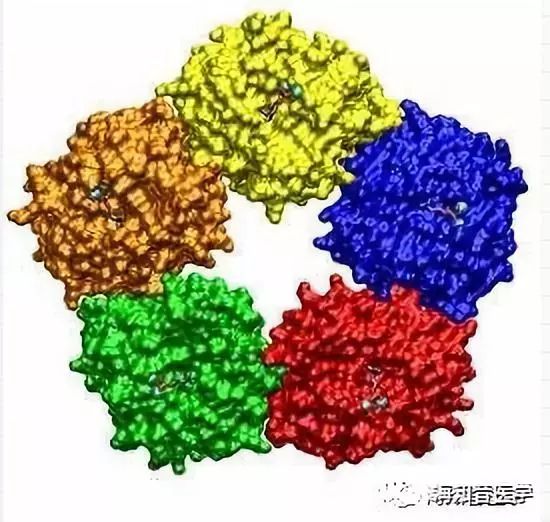
In the past decade, more than 20 prospective cohort studies have indicated that the concentration of high-sensitivity C-reactive protein is independently related to the risk of future myocardial infarction, stroke, metabolic syndrome, and type 2 diabetes. High-sensitivity C-reactive protein can be used to monitor the efficacy of statin medications, with the ideal treatment effect being to reduce both LDL-C and hsCRP to below 700 mg/L and 2 mg/L, respectively. Thus, this “dual-target” treatment concept has been introduced into clinical practice for cardiovascular diseases. The cost of high-sensitivity C-reactive protein testing is much lower than that of other cardiovascular disease testing items, making screening for high-sensitivity C-reactive protein highly effective. Some clinical physicians in the United States have included high-sensitivity C-reactive protein testing as part of annual health check-ups. In primary prevention, analyzing HDL-C, LDL-C, TC, and high-sensitivity C-reactive protein together, especially in conjunction with LDL-C or TC/HDL-C, is recommended. In secondary prevention, high-sensitivity C-reactive protein is tested alongside cTnT, particularly suitable for emergency patients with chest pain but normal cTnT. At this time, elevated high-sensitivity C-reactive protein indicates an increased risk of short-term and long-term morbidity. High-sensitivity C-reactive protein is an effective predictor of cardiovascular events in healthy populations or patients with angina (or myocardial infarction), serving as an independent risk factor beyond lipid levels. High-sensitivity C-reactive protein should be tested alongside lipid metrics, as incorporating high-sensitivity C-reactive protein into routine cholesterol screening can improve cardiovascular risk prediction levels, rather than relying solely on LDL-C (low-density lipoprotein) predictions. Elevated levels of high-sensitivity C-reactive protein can identify asymptomatic individuals with normal cholesterol levels but at high risk of future cardiovascular events.Experts have reported that patients with high-sensitivity C-reactive protein levels >5 mg/L upon admission have a 50% to 330% increased mortality risk from any cause, indicating an increased risk of death. If the high-sensitivity C-reactive protein level is >10 mg/L upon admission, the risk of death increases exponentially. As a unique marker for stratifying death risk, high-sensitivity C-reactive protein testing should be routinely conducted upon patient admission, using the results to identify high-risk patients who require special monitoring.

For more exciting content, please follow Haizhi Medical

90% of people do not understand the urinalysis, it turns out like this…
Causes and countermeasures for thrombocytopenia, a must-read for lab personnel!!!
Happiness index ranking of various hospital departments, how about the lab? The 5th is the worst!
Article sourced from: Inspection HomeImage source: Internet
Article source: China Medical Laboratory Network(www.labweb.cn)
Submission email: [email protected]
Website: http://hzyyxkj.com
This issue’s editor: Sansan
Reading is a form of cultivation, sharing is a virtue
 Time should be devoted to reading and sharing
This article is for exchange and learning purposes only, and the copyright belongs to the original author. If there are errors in source attribution or if your rights have been infringed, please contact this public account, and we will delete it immediately.