
Currently, the commonly used infection markers in clinical practice mainly include C-reactive protein (CRP), procalcitonin (PCT), serum amyloid A (SAA), and interleukin 6 (IL-6). However, what are the similarities and differences among these four infection markers? What are their unique characteristics? What role do they play in clinical differential diagnosis?
Today, we will take a look at the characteristics and clinical significance of these four markers, hoping to help everyone understand them better.
1. C-Reactive Protein CRP is one of the acute phase response proteins and is one of the most commonly used indicators for assessing infection. It is synthesized by the liver and mediated by cytokines. It can bind to ligands (such as phosphorylcholine on cells or bacteria), activating the complement and mononuclear phagocyte systems to clear pathogens or pathological cells carrying the ligands, thereby maintaining homeostasis in the body. 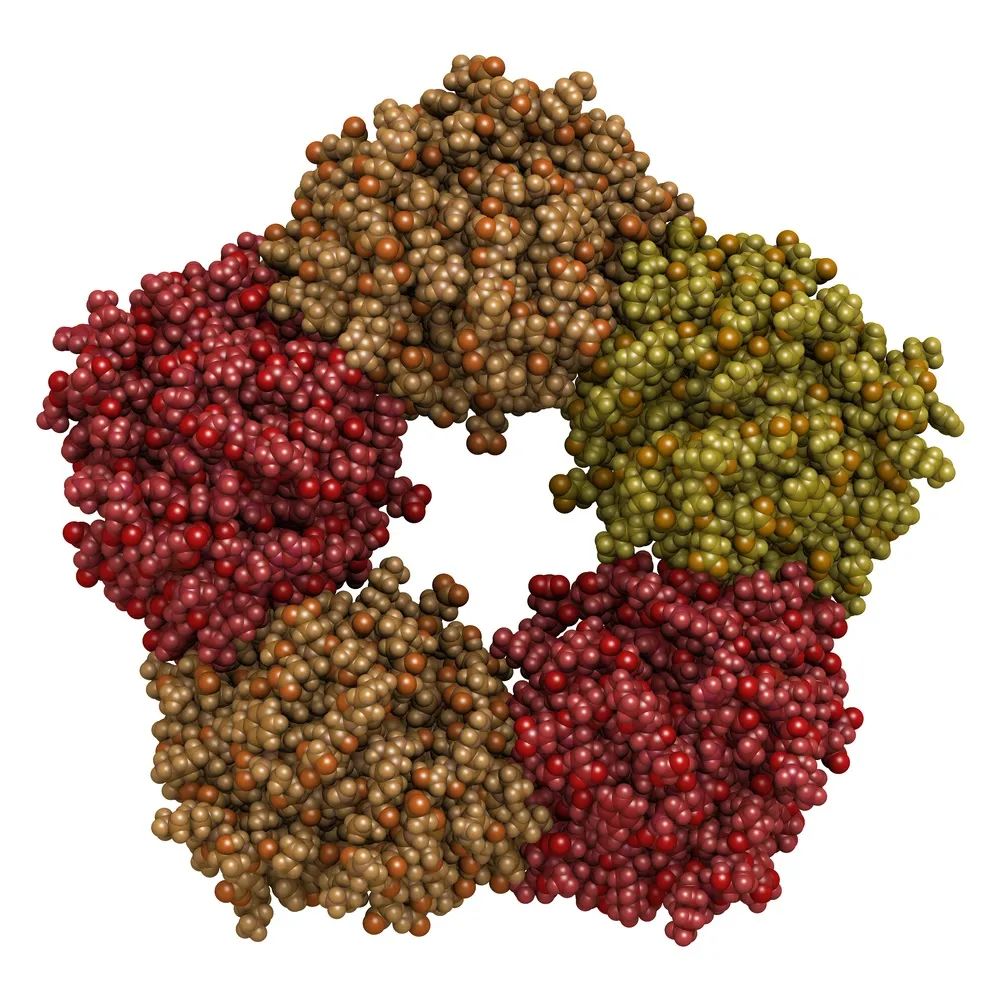 Image source: Zhanku Hai Luo PlusTypically, CRP begins to rise 6-8 hours after the onset of infection, peaking at 24-48 hours, reaching several hundred times higher than normal levels; at the same time, the increase in CRP is positively correlated with the severity of the infection. Due to this correlation, clinicians usually monitor the dynamic changes of CRP during antibiotic treatment for bacterial infections, as CRP can provide earlier alerts for complications and assess treatment effects compared to other clinical signs. However, CRP usually does not increase during viral infections (except for some severe invasive viruses that cause tissue damage, such as adenovirus and herpesvirus), thus, CRP can also serve as a differential diagnostic indicator for bacterial and viral infections. Some studies have indicated that persistent mild elevation of CRP suggests ongoing inflammation, which can be used to predict the occurrence of atherosclerosis, playing a significant role in the prevention and treatment of atherosclerosis. 2. Procalcitonin PCT is a non-hormonal precursor substance of calcitonin, which itself has no hormonal activity, while calcitonin lowers blood calcium levels. Under normal physiological conditions, PCT is secreted only by the C cells of the thyroid and neuroendocrine cells in the lungs; however, during microbial infection, almost all parenchymal cells can synthesize PCT.
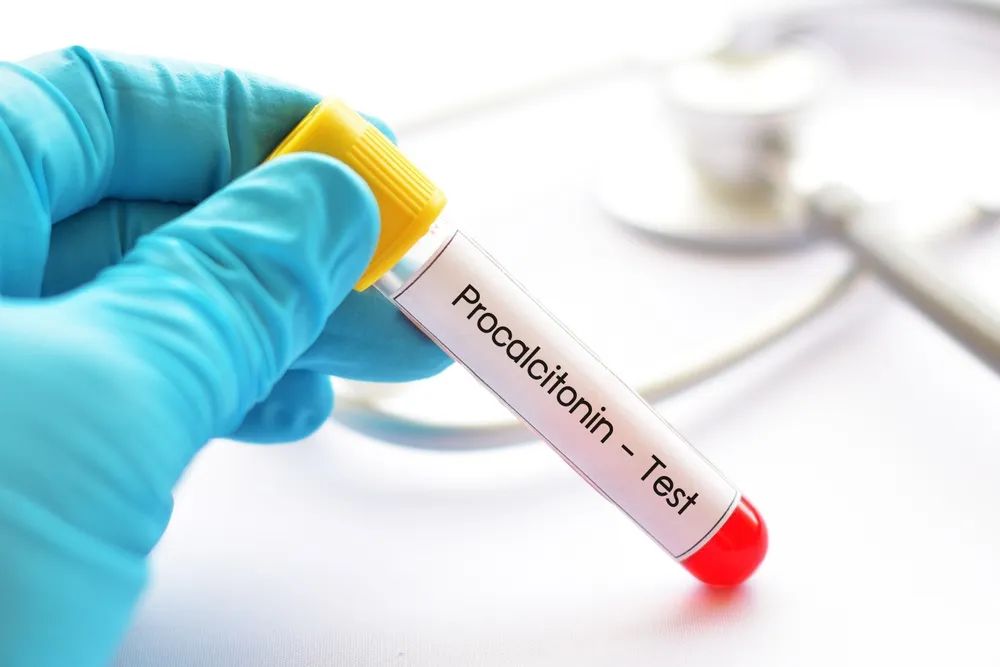 Image source: Zhanku Hai Luo PlusTherefore, under inflammatory stimulation, especially in severe bacterial infections or septic states, various tissues and cell types can produce PCT and release it into the bloodstream, resulting in a significant increase in its plasma levels. The expert consensus published in September 2012 on the clinical application of procalcitonin (PCT) in emergency medicine also pointed out that the PCT levels in septic patients are significantly higher than those in non-septic patients, and the elevation of PCT is highly specific for bacterial infection-induced sepsis, serving as abiomarker for diagnosing sepsis and differentiating severe bacterial infections. Similar to CRP, PCT does not increase or only slightly increases during viral diseases, thus, PCT can also serve as a differential diagnostic indicator for bacterial and viral infections. Additionally, PCT has higher sensitivity and specificity than traditional markers like CRP and erythrocyte sedimentation rate when differentiating viral diseases. 3. Serum Amyloid A SAA is a precursor substance of tissue amyloid A and a sensitive acute phase response protein synthesized in the liver by activated macrophages and fibroblasts. Unlike the first two, SAA increases not only during bacterial infections but also significantly during viral infections, although the increase is greater during bacterial infections. Additionally, SAA is a sensitive early indicator of infection, with higher sensitivity than CRP, and typically, a negative SAA can rule out infection. Moreover, SAA also has the characteristic of rapid increase and decrease; within 4-6 hours after infection, it can increase about 1000 times; after the pathogen is cleared, it can quickly return to normal levels, making it a sensitive indicator reflecting the body’s infection status and the effectiveness of anti-inflammatory treatment.
  Image source: Zhanku Hai Luo PlusIn 2019, the expert consensus published in the Chinese Journal of Laboratory Medicine, Issue 3, stated: 1.Detecting SAA is of significant value for assisting in diagnosing viral infections. If SAA levels persistently exceed 10 mg/L but remain below 100 mg/L, the likelihood of viral infection is high; 2.SAA levels during the acute phase of bacterial infections are significantly higher than those during the acute phase of viral infections, and SAA levels persistently exceeding 100 mg/L are strongly indicative of acute bacterial infections. Additionally, SAA has high negative predictive value for diagnosing neonatal sepsis; 3.SAA can serve as an independent factor for assessing the severity of infectious diseases and inflammation caused by bacteria, viruses, etc. Levels greater than 500 mg/L indicate severe conditions; 4.In the early diagnosis of infectious diseases, the combined detection of SAA and CRP can facilitate the early identification of viral and bacterial infections: when both SAA and CRP are elevated, it suggests the possibility of bacterial infection; if SAA is elevated while CRP is not, it suggests the possibility of viral infection. 4. Interleukin 6 IL-6 is a cytokine and a type of interleukin produced and secreted by fibroblasts, monocytes/macrophages, T lymphocytes, B lymphocytes, epithelial cells, keratinocytes, and various tumor cells.
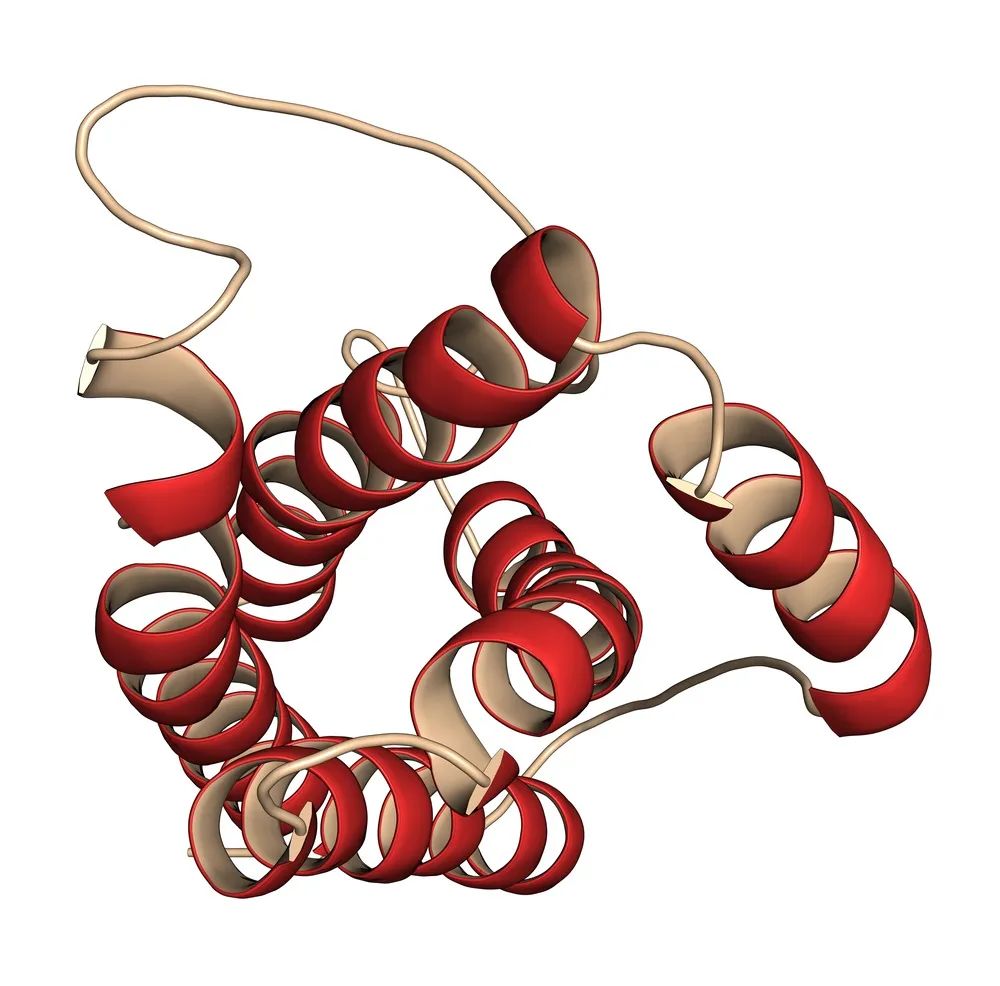 Image source: Zhanku Hai Luo Plus IL-6 is an important member of the cytokine network, playing a central role in acute inflammatory responses, mediating the liver’s acute phase response, and inducing the production of CRP and PCT. Therefore, it appears earlier than CRP and PCT. Typically, after bacterial infection, IL-6 rises rapidly, PCT increases after 2 hours, while CRP only rises rapidly after 6 hours, which is an advantage of IL-6 detection. Due to the early elevation of IL-6 during inflammatory responses compared to other indicators and its longer duration, it can assist in the early detection and diagnosis of acute infections. Additionally, IL-6 has a shorter half-life than CRP and PCT, allowing for a quicker response to the effectiveness of anti-infection treatments. Therefore, dynamically observing IL-6 levels can also help understand the progression of infectious diseases and the response to treatment. In summary, each of the four has its strengths CRP is a common test item for detecting inflammation in outpatient and emergency settings, but it does not increase during viral infections; PCT can vary with the severity of the disease, and it has high specificity for diagnosing sepsis; SAA is an extremely sensitive inflammatory marker, with a negative result ruling out inflammatory infection, characterized by rapid increase and decrease, and it also increases during viral infections; IL-6 is a traditional inflammatory marker, appearing early with high sensitivity. Although each has its advantages, in actual clinical applications, the best approach is still a combined detection of all four, as this can complement each other’s strengths and weaknesses, enabling a quicker diagnosis and monitoring of treatment for infected patients! Submission: [email protected]

References:
1. Azoulay E, Echeverria P, Kett D. Candida prophylaxis and therapy in the ICU. Seminars in Respiratory and Critical Care Medicine 2011;32:159e73.
2. Expert Consensus Group on Procalcitonin Clinical Application. Expert consensus on the clinical application of procalcitonin (PCT) in emergency medicine [J]. Chinese Journal of Emergency Medicine, 2012, 21 (9): 944-951.
3. The Professional Committee of Laboratory Medicine of the Chinese Association of Integrative Medicine. Expert consensus on the clinical application of serum amyloid A in infectious diseases [J]. Chinese Journal of Laboratory Medicine, 2019, 42 (3): 186-192.