
When student feedback through the principal’s mailbox is transformed into systematic research data using professional technology, and the programming and data analysis knowledge learned in class becomes a practical tool for addressing campus pain points—students from Jinzhong Information College’s simulated political consultative conference association are innovatively exploring a new model of “professional technology + campus governance”. Centered around Python programming, they deeply mine the value of publicly available data from the school’s “immediate response” channels, forming a series of precise proposals and governance suggestions that inject youthful wisdom and professional strength into campus optimization and upgrades, showcasing the distinct characteristics of students participating in public affairs and practicing their responsibilities as stakeholders.
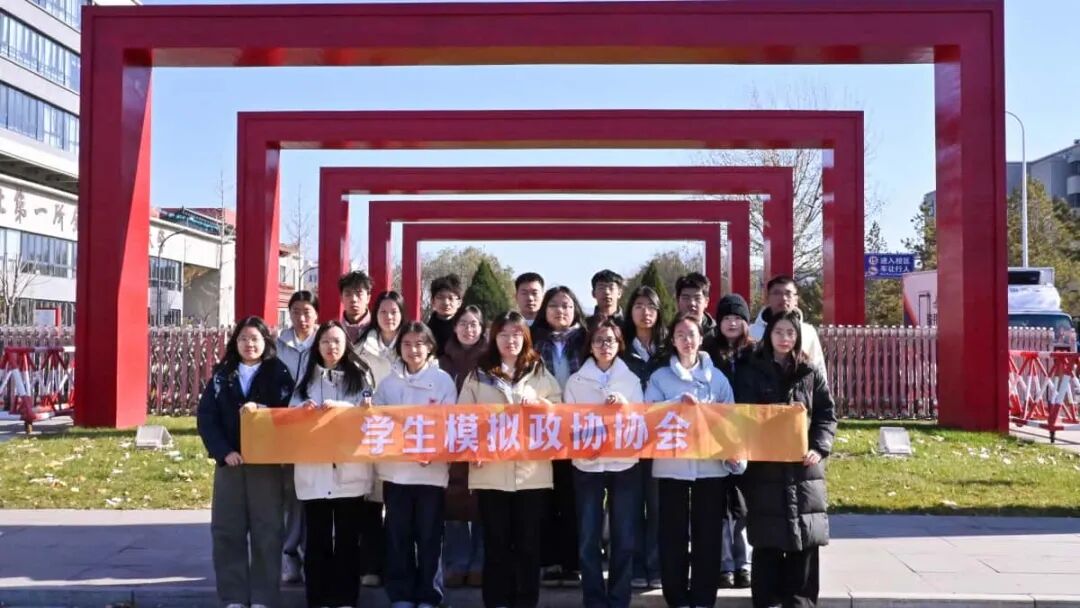
Empowering Technology: Building a Precise Identification System for Campus Appeals
The principal’s mailbox serves as a core channel reflecting students’ voices and gathering campus appeals, with its vast amount of public feedback data containing key pain points for campus governance. The student simulated political consultative conference association did not stop at merely browsing and summarizing; instead, they directly transformed the knowledge from their courses in Python programming, data mining, and big data analysis into powerful tools for solving real problems, establishing a standardized and efficient data analysis system.
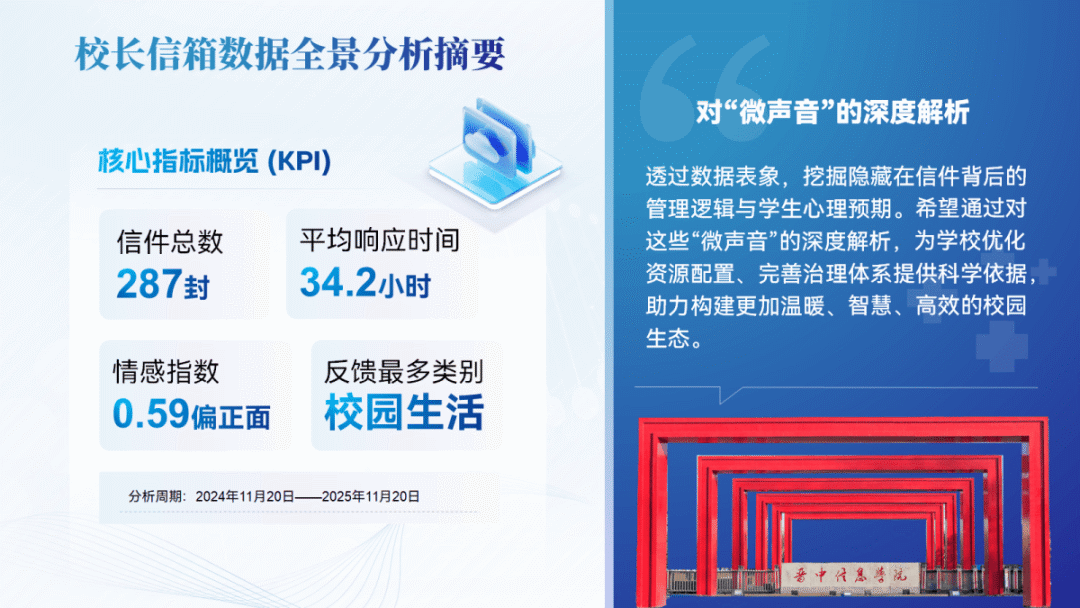
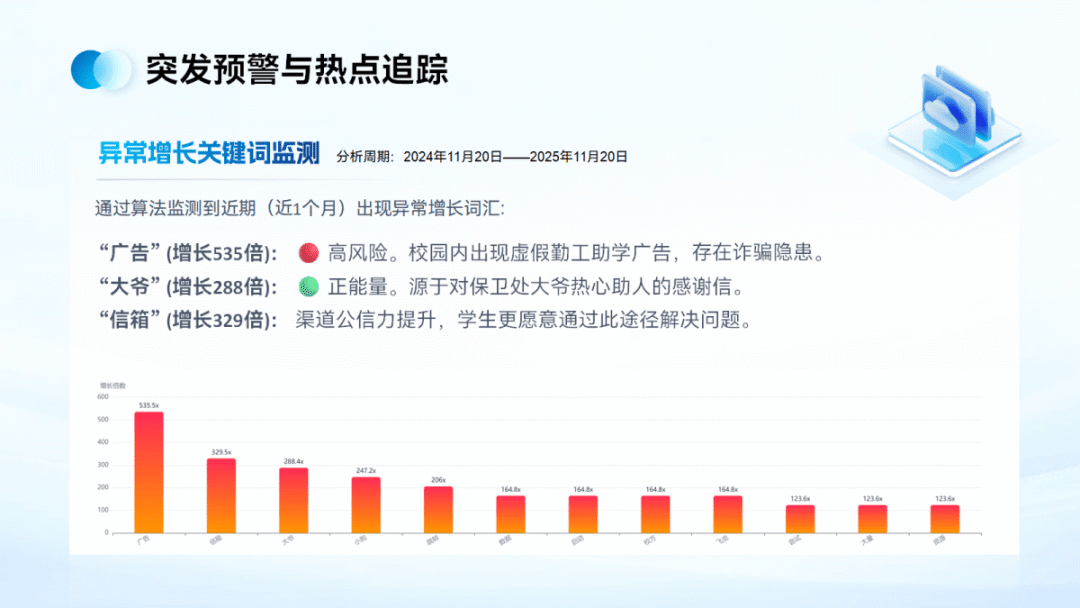
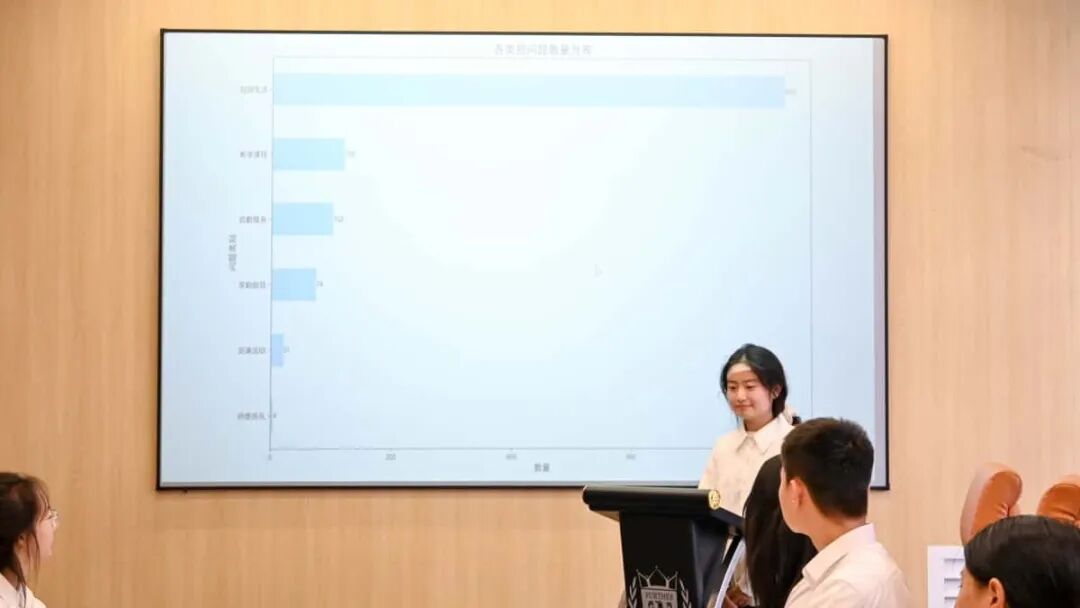
Association members innovatively built a data analysis model and created automated collection scripts to systematically aggregate and structure the data from the school’s “immediate response” channels, effectively solving previous issues of low organization efficiency and easy omissions. In the data analysis phase, they introduced NLP (Natural Language Processing) technology, using Jieba word segmentation and the TF-IDF algorithm to accurately extract high-frequency keywords from unstructured text, and then applied the K-Means clustering algorithm to scientifically summarize core topics such as “management of public learning spaces on campus”, “optimization of the course selection mechanism for renowned teachers”, and “construction of a smoke-free campus”. This not only freed the research direction from the blind “guesswork” but also ensured that each topic precisely addressed students’ daily concerns.
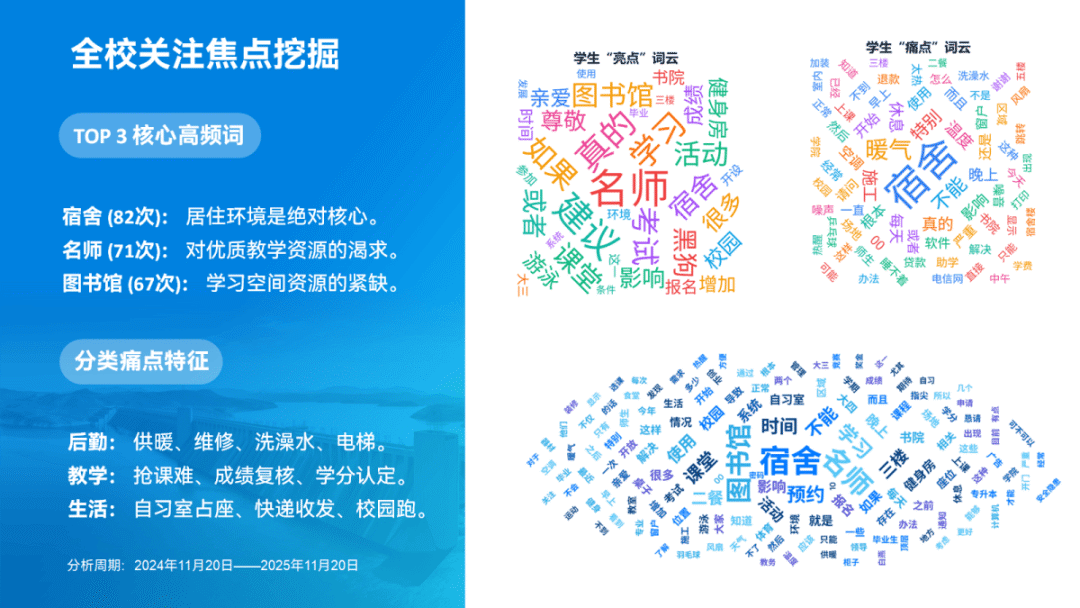
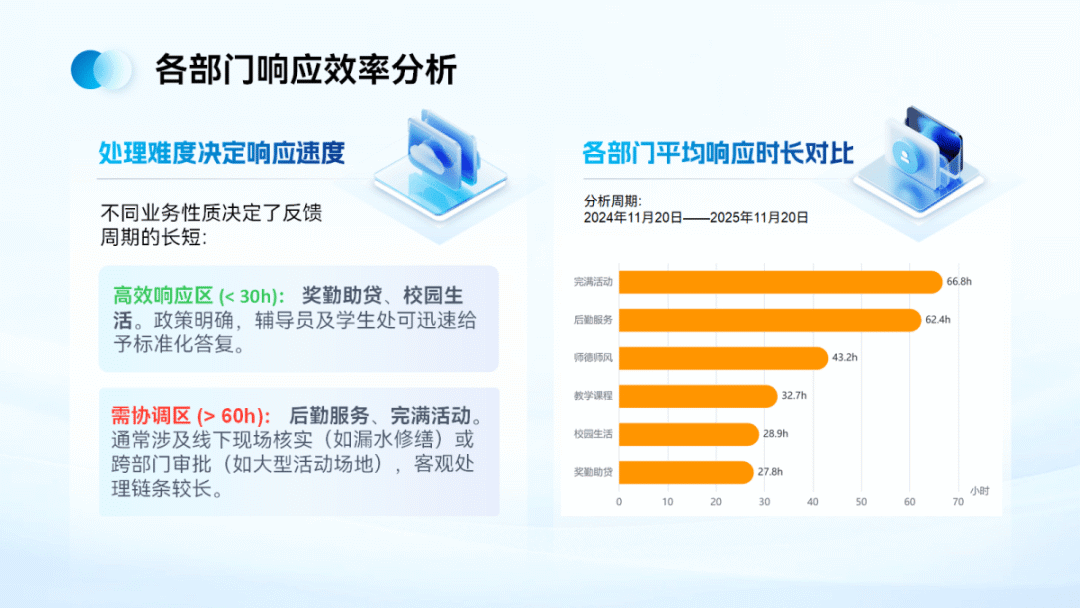
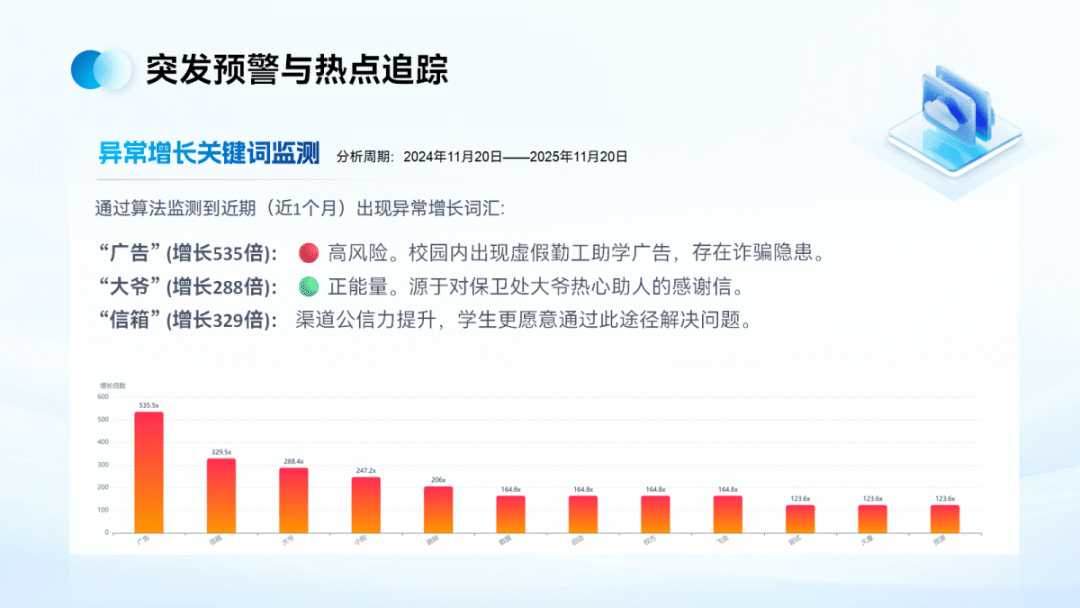
To further enhance the value of the data, the team utilized the SnowNLP sentiment analysis model to quantify the intensity of student appeals, combined with Pandas time series analysis to explore the periodic patterns of problem outbreaks. Ultimately, they generated dynamic charts through ECharts data visualization technology, transforming scattered appeal data into intuitive and traceable analytical evidence, providing solid technical support and data foundation for subsequent proposal writing. This model of “technological decoding of appeals” shifted campus problem identification from “experience-based judgment” to “data-based evidence”, highlighting the core advantages of the association’s professional empowerment.
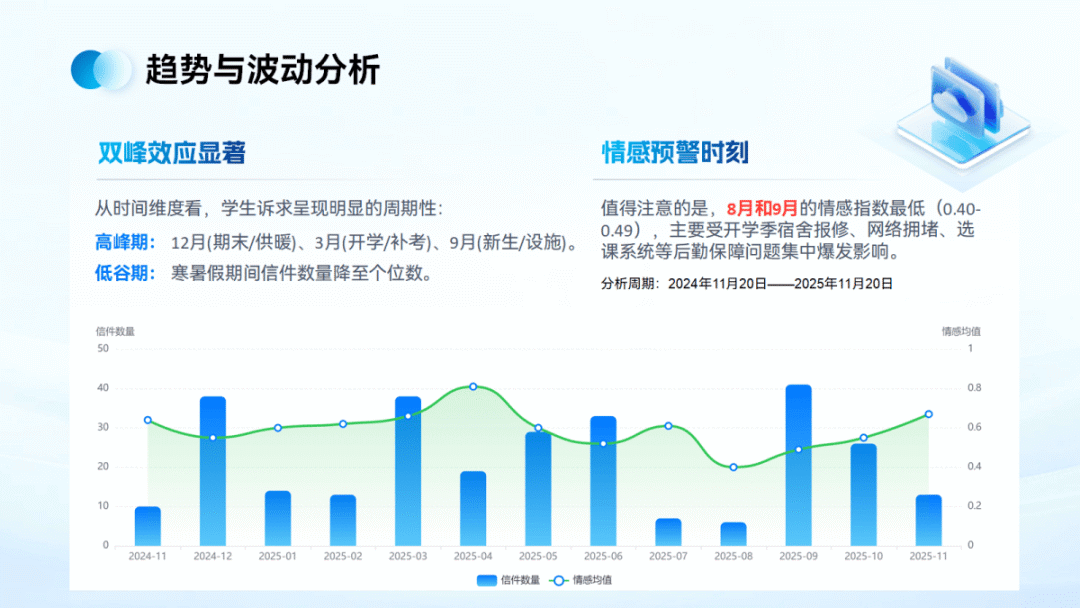
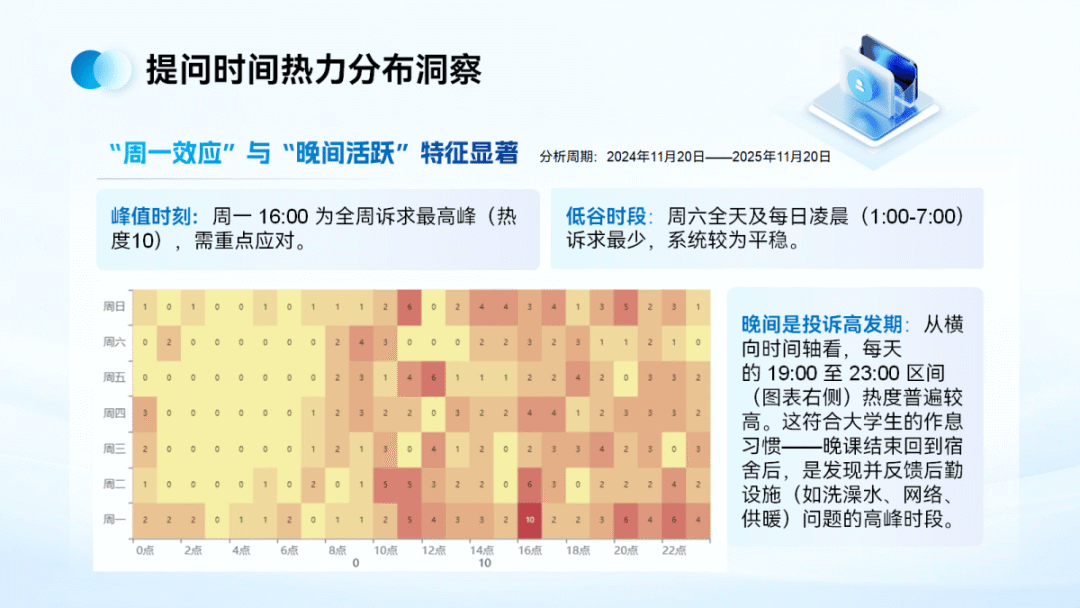
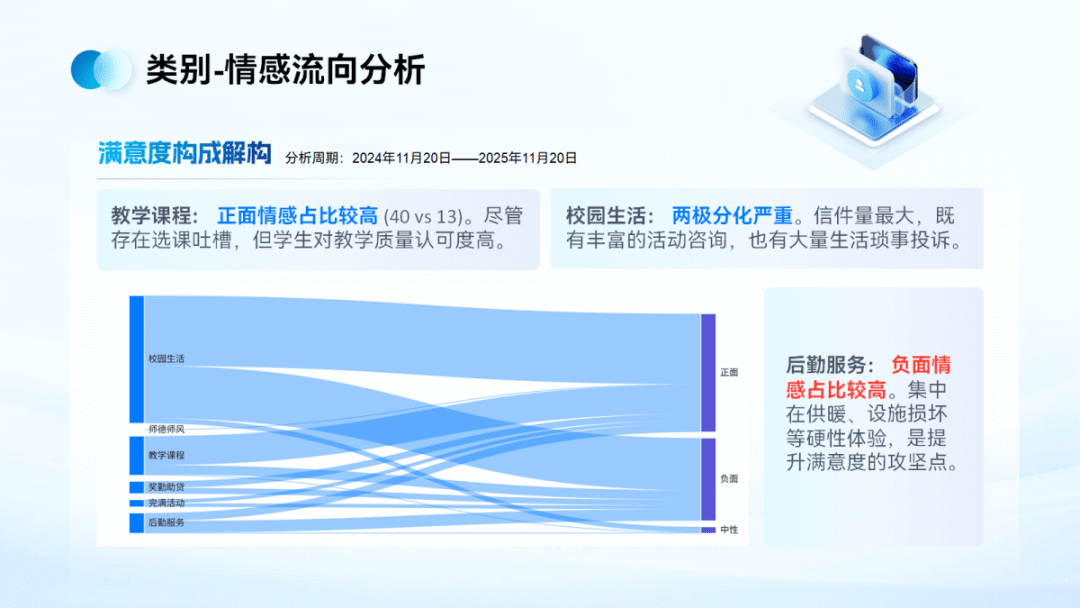
Empirical Research: Solidifying the Precise Connection Between Data and Appeals
Based on the core topics filtered through Python technology, the student simulated political consultative conference association conducted comprehensive and multidimensional empirical research, achieving a deep integration of technical analysis and on-site appeals. The research team visited key areas such as public learning spaces, teaching areas, and dormitory surroundings, systematically collecting feedback from teachers and students through standardized questionnaires and structured interviews to verify and supplement the conclusions drawn from technical analysis.
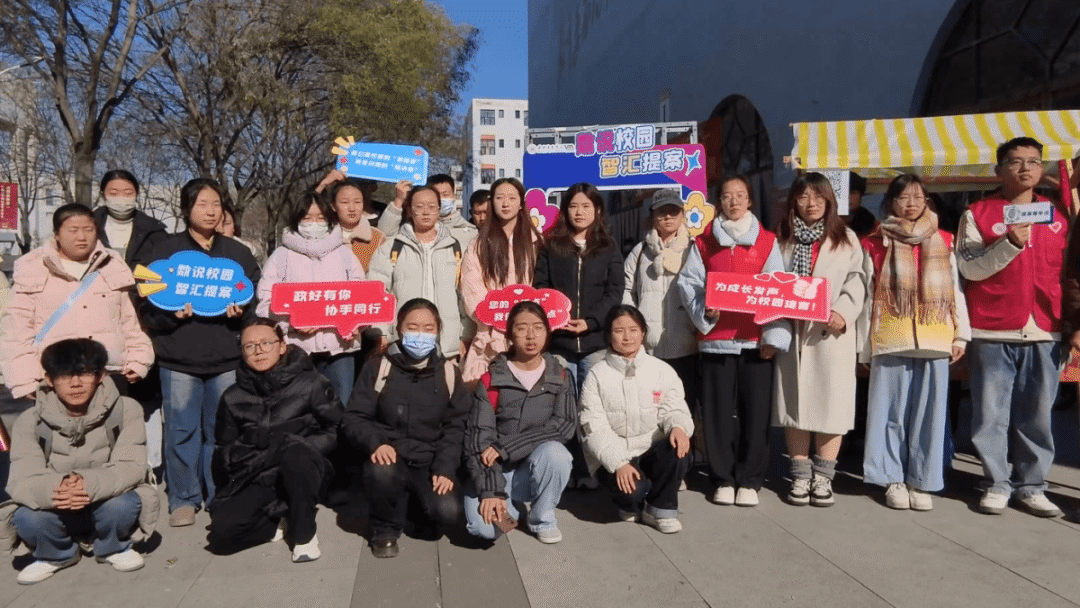
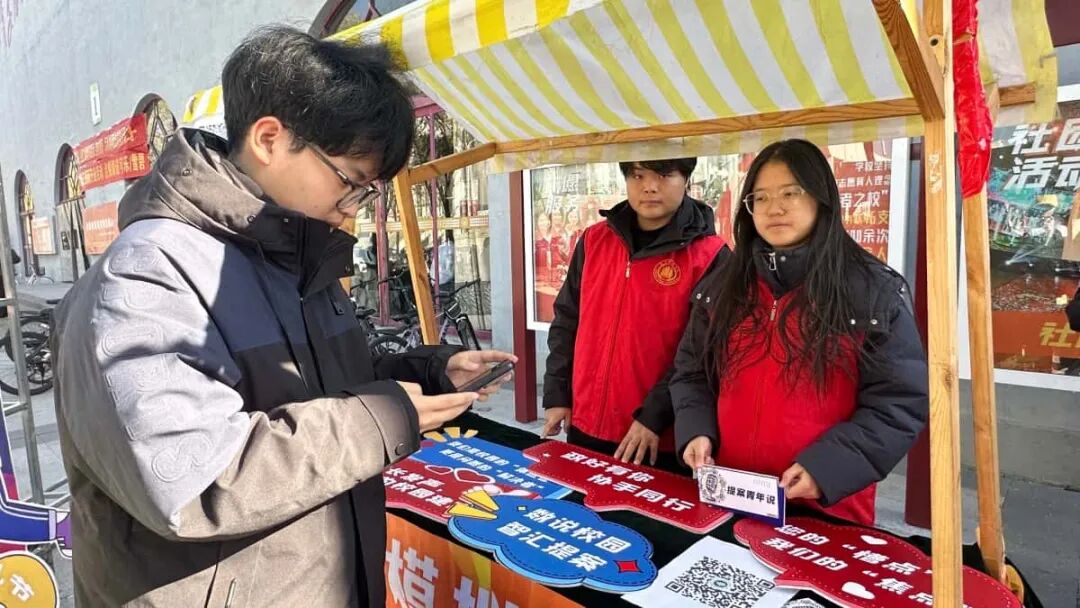
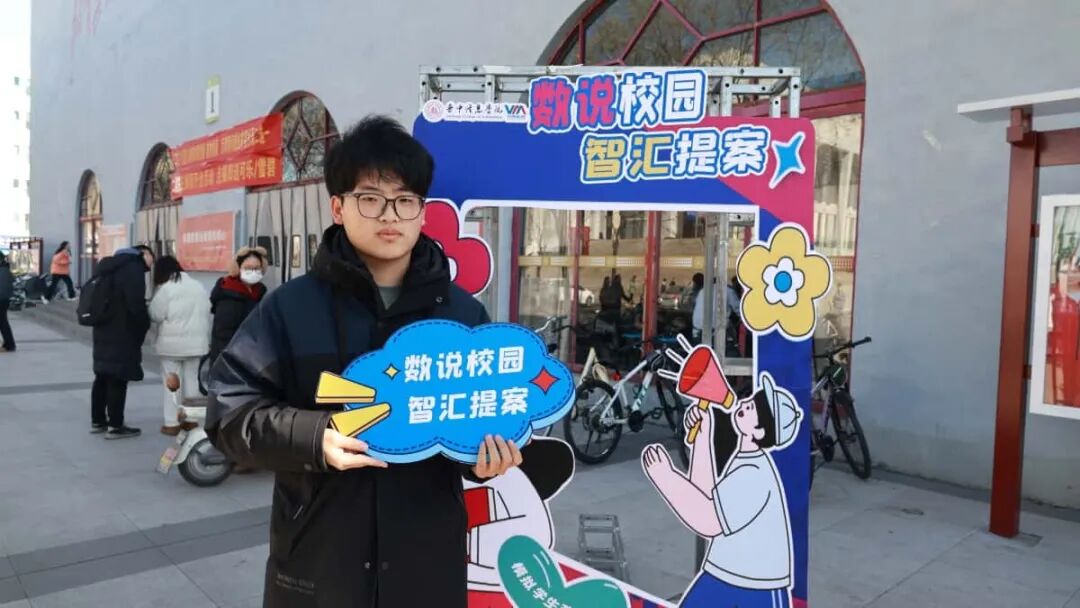
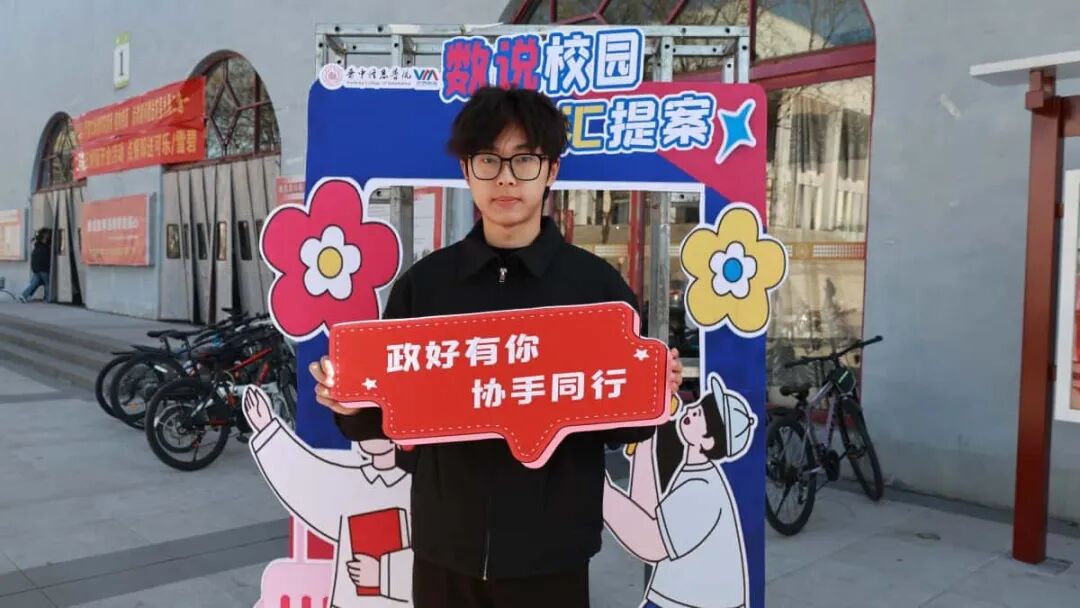
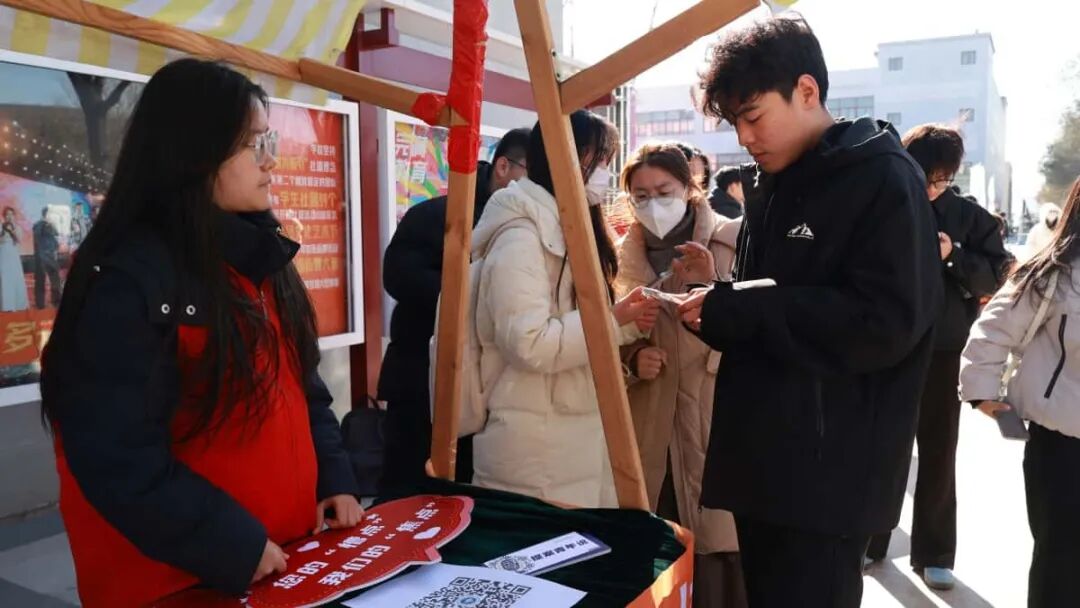
In the public learning space research, the team focused on core dimensions such as seat management, facility configuration, and environmental assurance, collecting targeted appeals regarding timely cleaning of reserved items, increasing desktop sockets, and optimizing Wi-Fi signals, which resonated with the core conclusion of “insufficient resource utilization in public learning spaces” from the technical analysis. In the course selection mechanism research, they identified actual pain points such as quota gaps, system stability, and timeliness of course selection, providing detailed empirical support for the technical analysis topic of “optimization of the course selection mechanism”. In the smoke-free campus construction research, feedback was collected on the distribution of smoking phenomena, impact range, and control suggestions, further clarifying the root causes of insufficient publicity and inadequate supervision mechanisms.
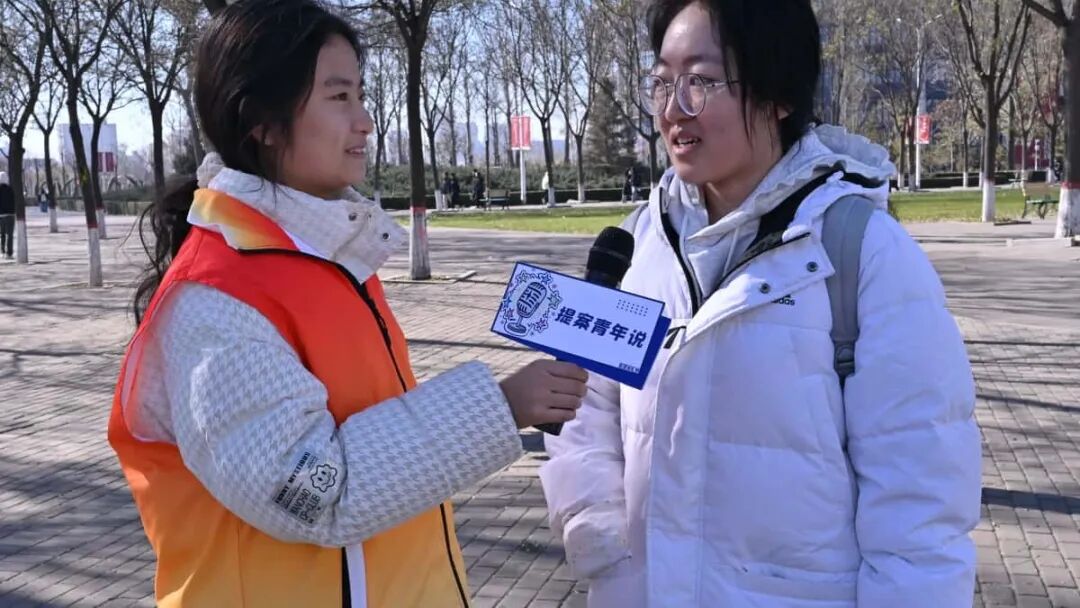
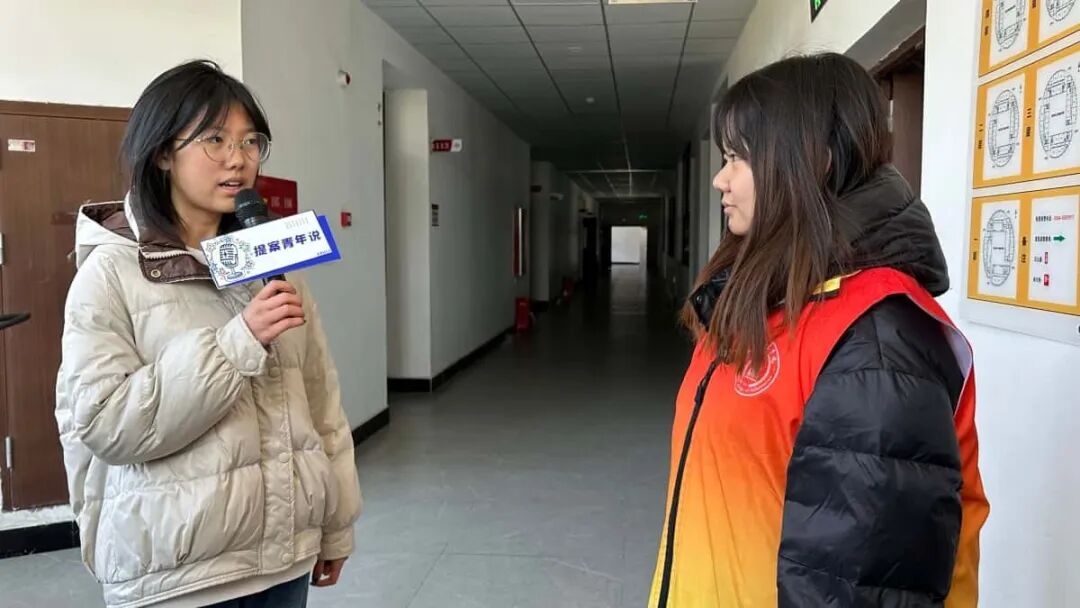
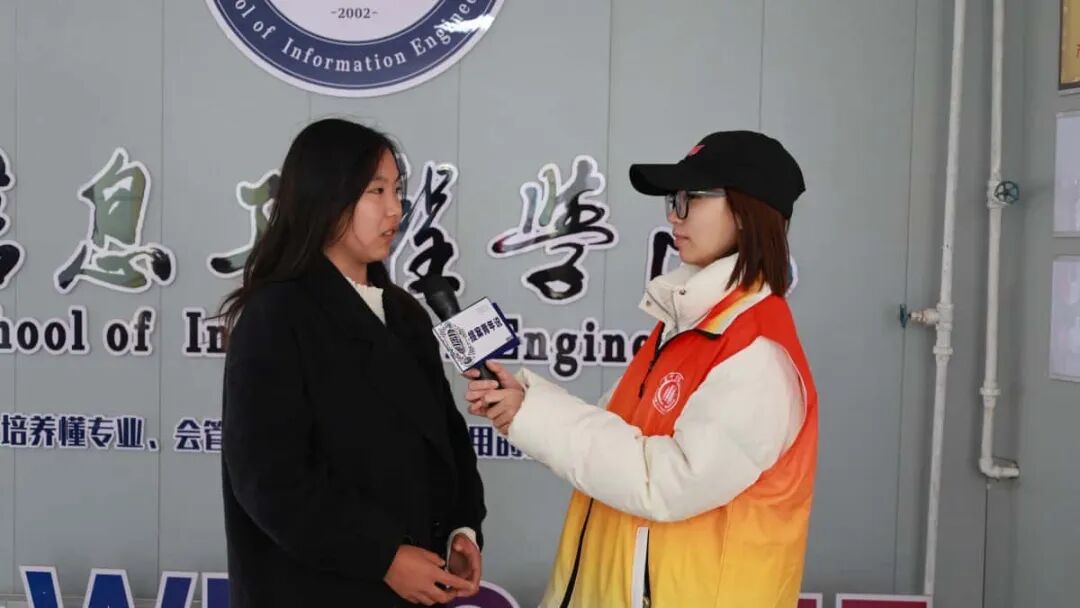
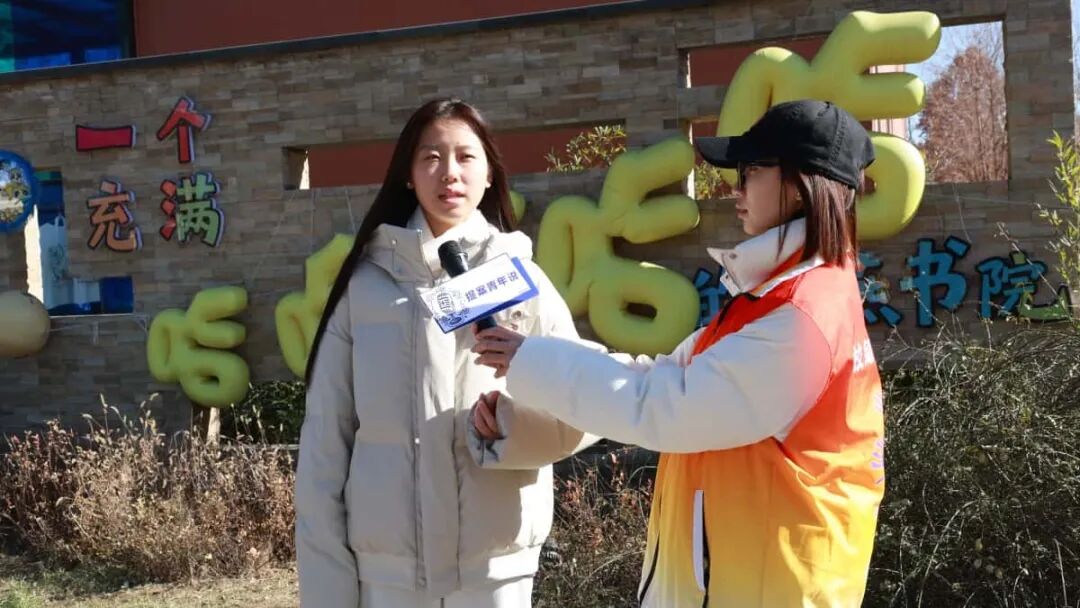
As of now, the team has collected a total of 487 valid questionnaires and organized 156 structured interview records. All research data has undergone secondary verification using Python data analysis tools, forming a complete work chain of “technical topic selection—on-site verification and supplementation—data closed-loop demonstration”, ensuring that every conclusion is data-supported and every suggestion aligns with actual needs.
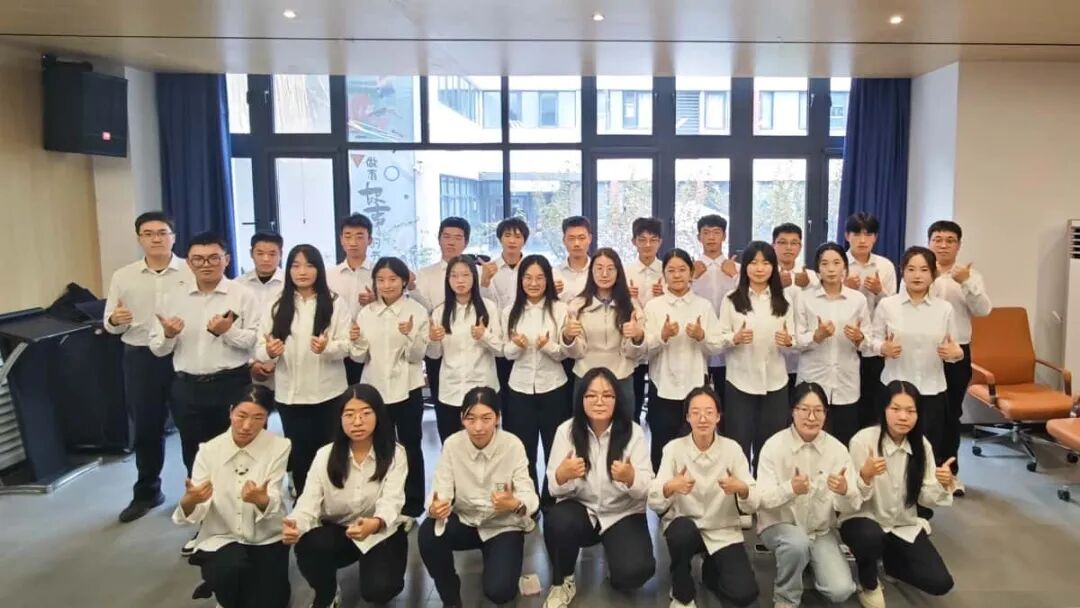
Outcome Transformation: Supporting Campus Governance with Professional Proposals
Leveraging Python technology and empirical research support, the data research and analysis team took the lead in entering the questionnaire data into the system, filtering out invalid information, and using visualization tools to intuitively present results, transforming the collected “public opinion” into clear “data conclusions”. They have formed three highly targeted simulated proposals, converting technical analysis results into practical campus governance solutions.
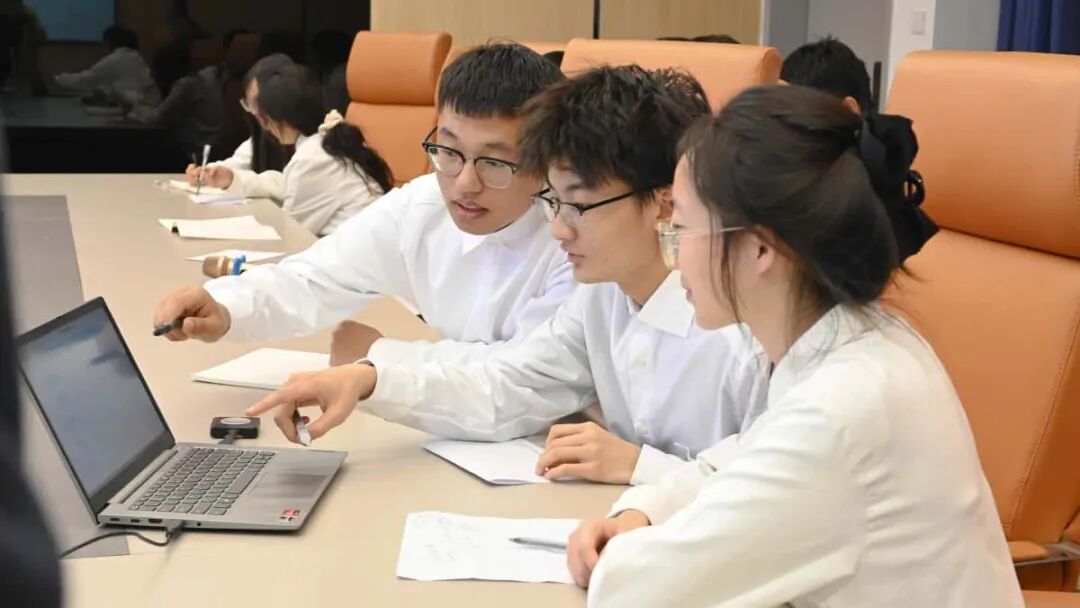
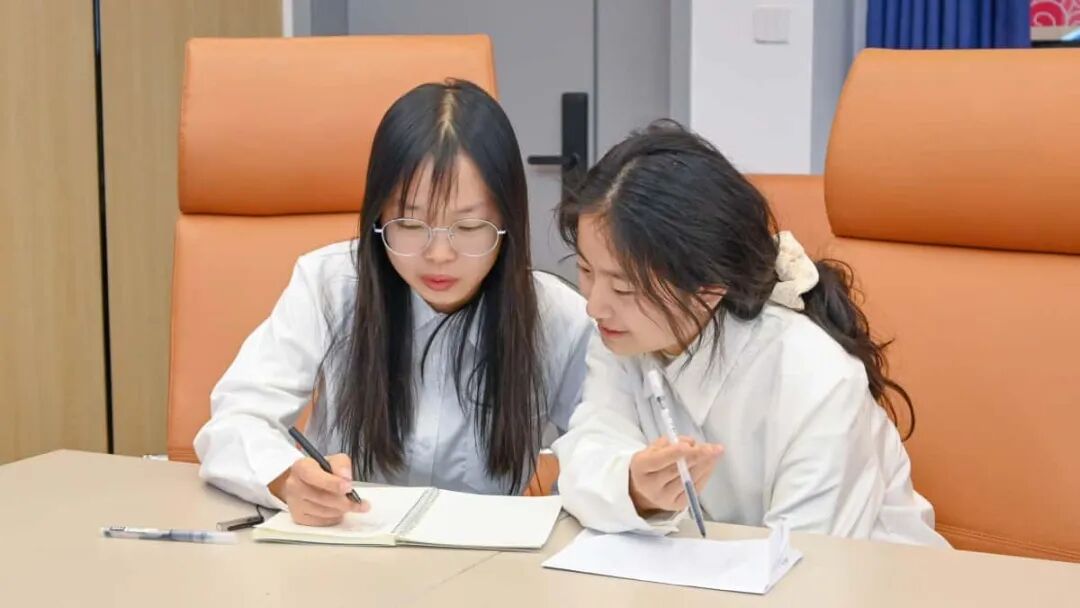
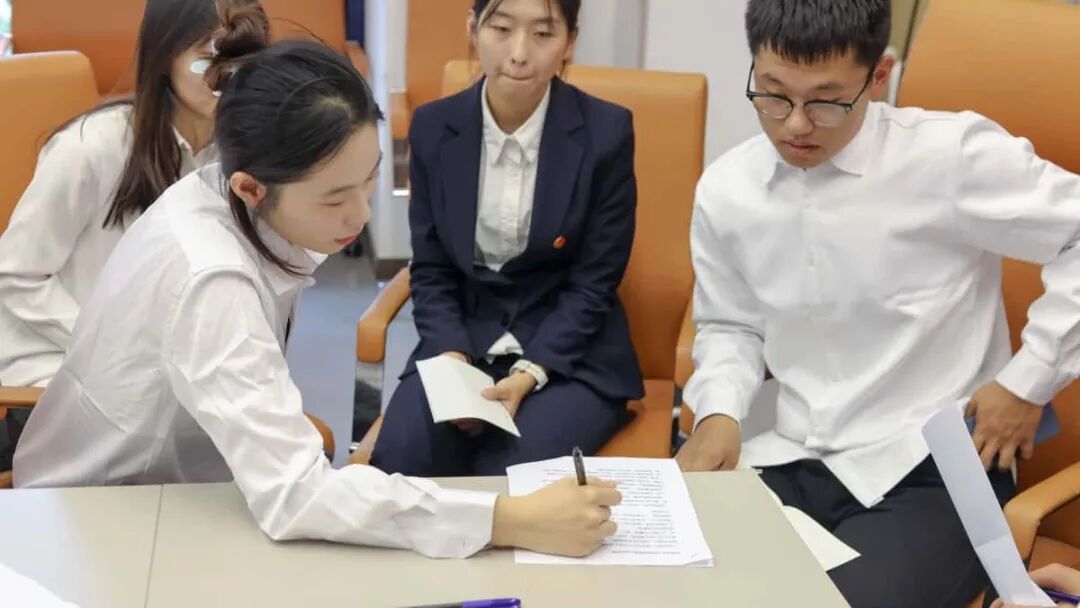
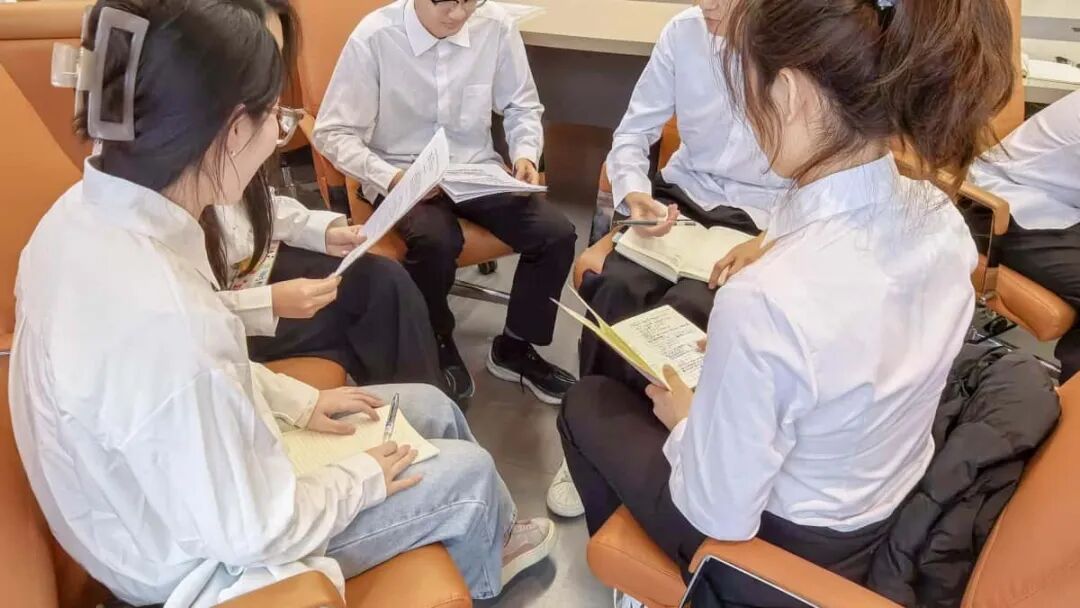
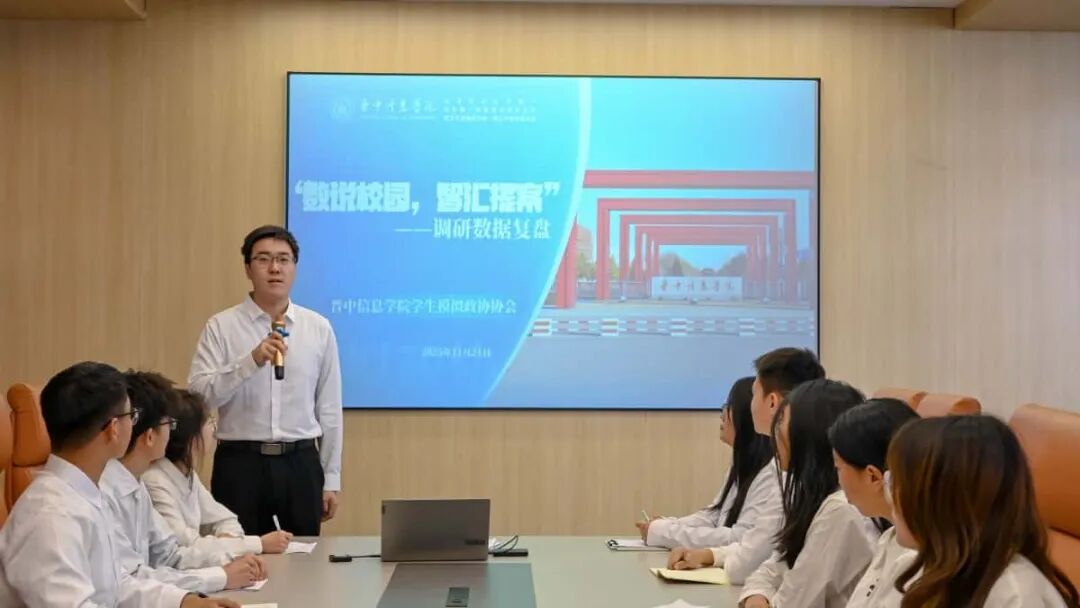
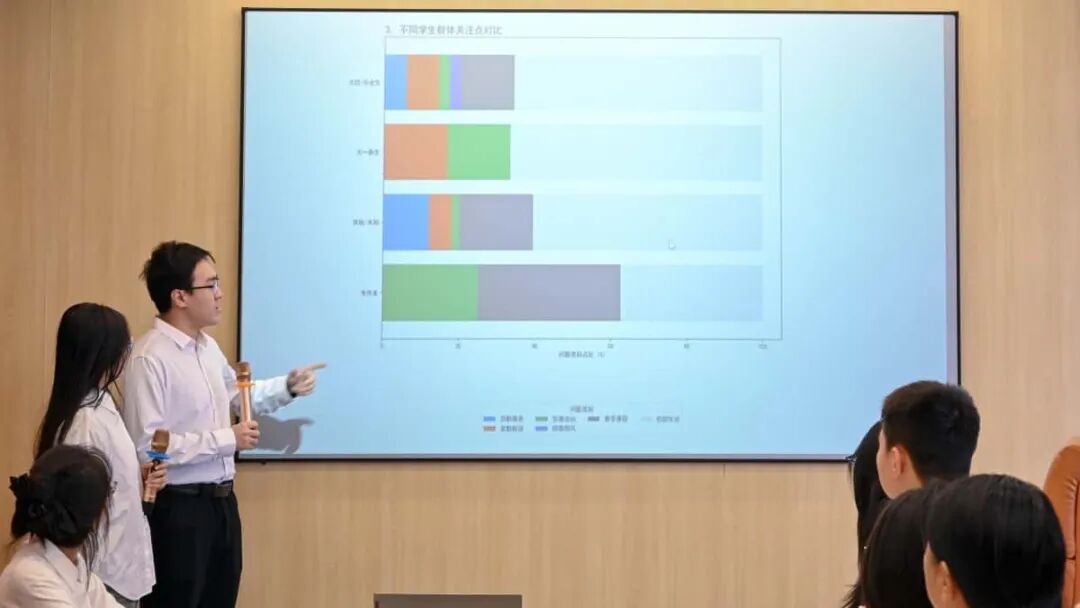
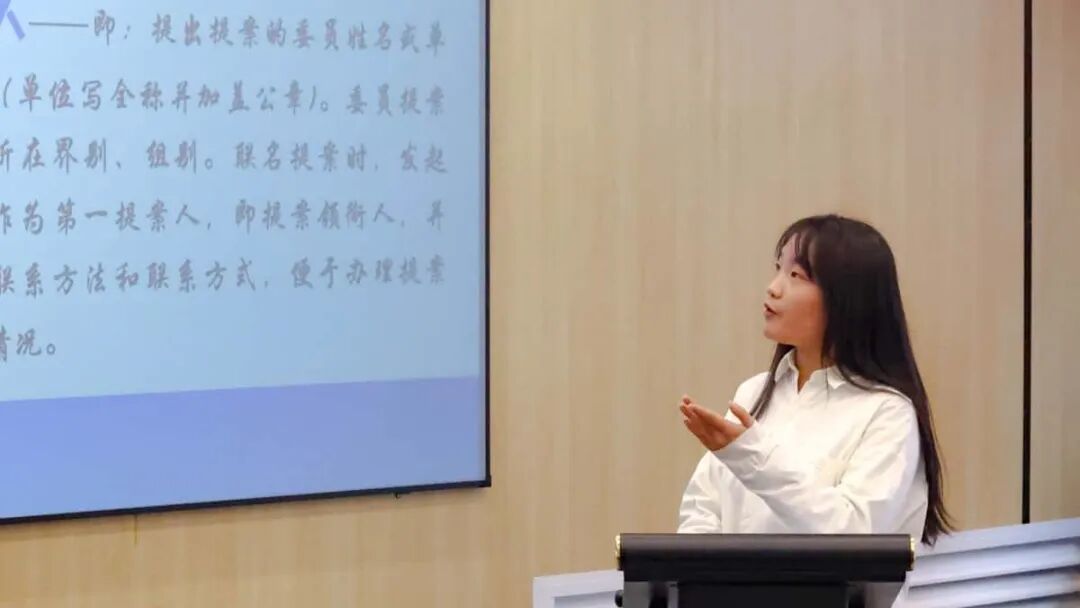
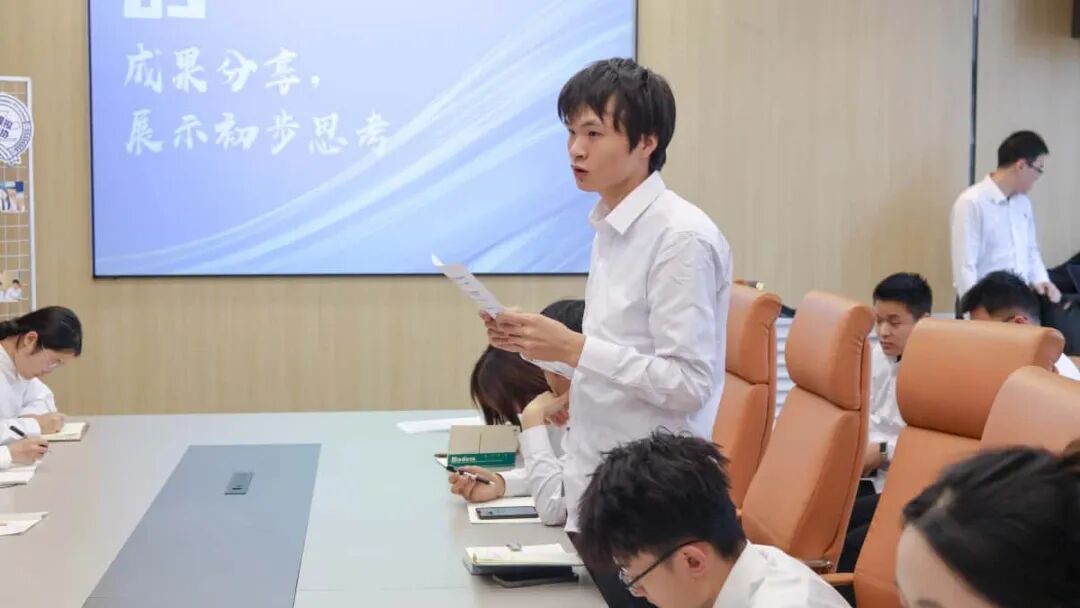
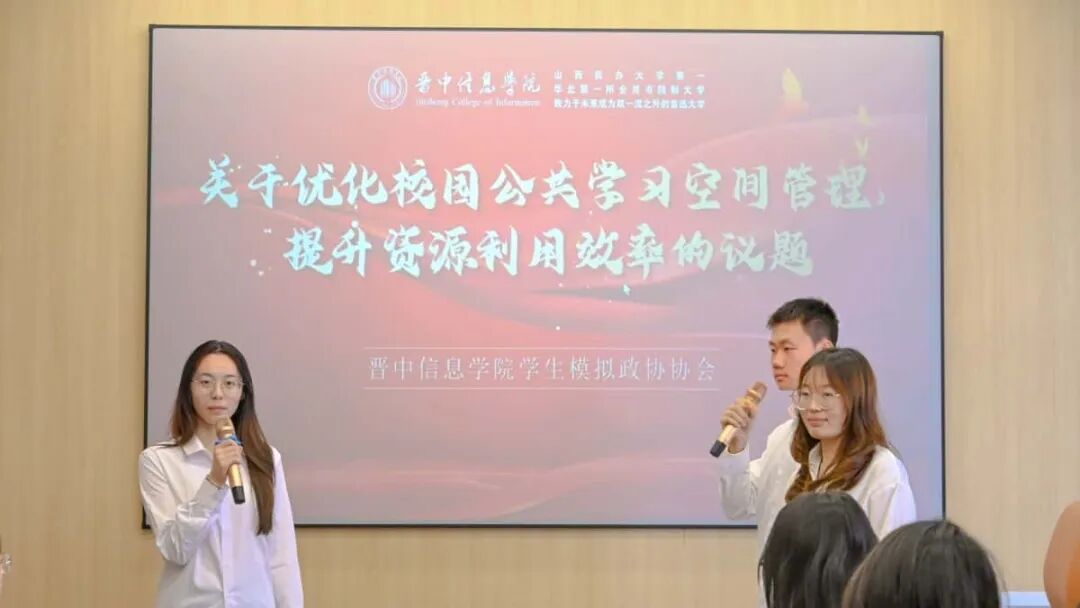
For the issue of “seat reservation chaos” in public learning spaces, the proposal innovatively suggests a “digital management model of online reservation + timeout release”, paired with a “circuit breaker mechanism” for unified cleaning during closure, to regulate the order of space usage through technical means. Focusing on the fairness of the “renowned teacher” course selection, a dual strategy of “graded course selection” and technical countermeasures against course grabbing is constructed, ensuring that the course selection needs of students from different grades are met while curbing illegal course grabbing behaviors through technical means. Regarding the construction of a smoke-free campus, a “grid-based supervision system of technical defense + human defense” is planned, incorporating “smoke detection monitoring + anonymous reporting + comprehensive assessment deduction” to achieve precise control and humane guidance of smoking behavior on campus.
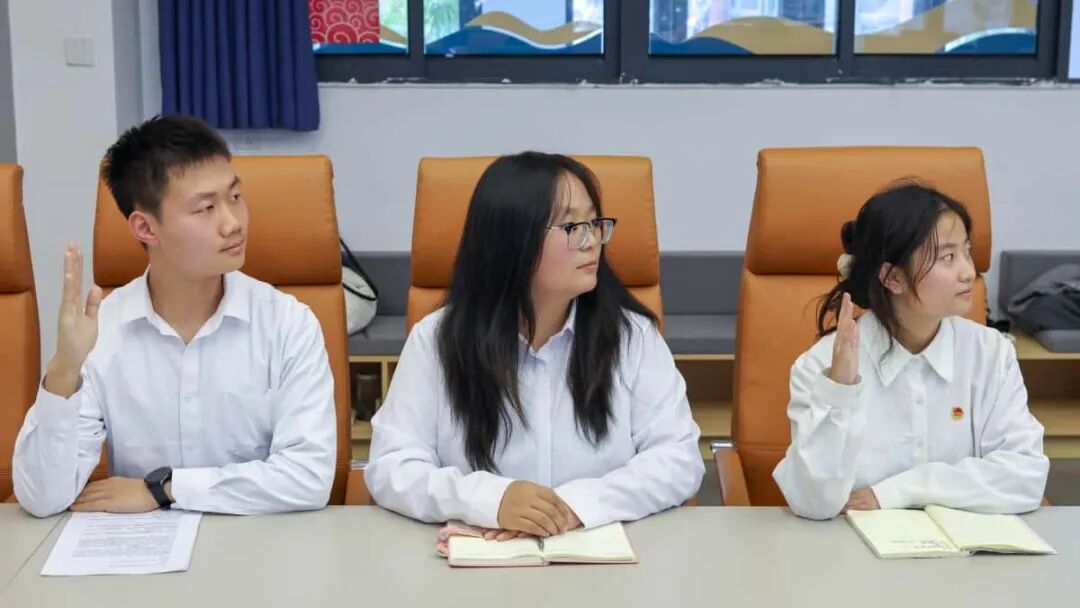
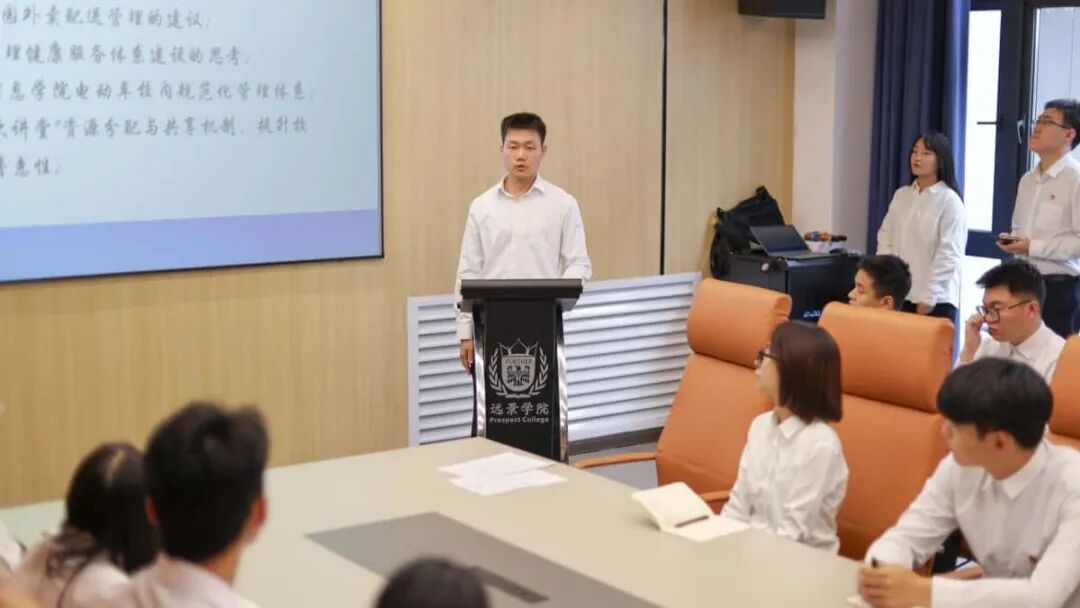
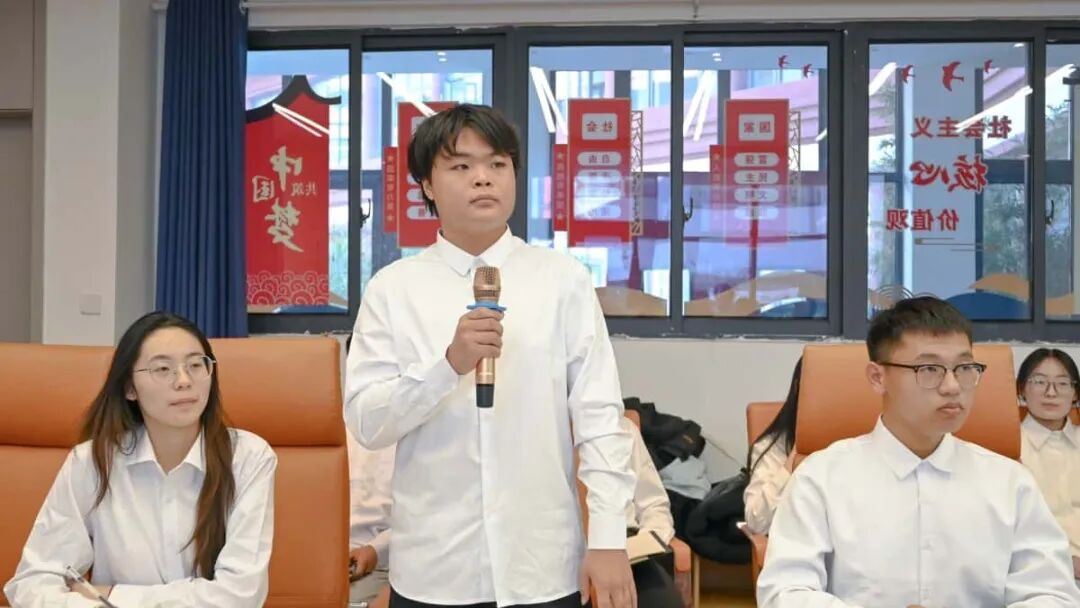

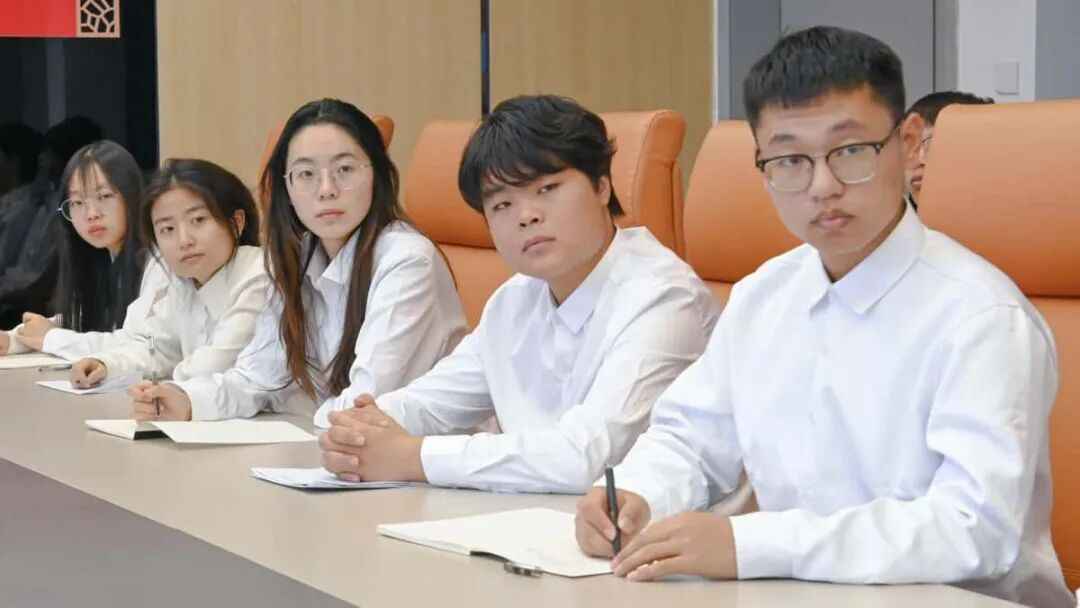
“Report on Special Research and Governance Optimization Suggestions for Key Livelihood Issues on Campus” can be accessed by clicking the original text at the end.
These proposals are all based on data from the principal’s mailbox, supported by Python technology analysis, and grounded in empirical research, highlighting the core feature of “professional empowerment in governance”. The core advantage of the Jinzhong Information College student simulated political consultative conference association lies in deeply integrating professional technology with campus livelihood appeals, establishing a full-process work mechanism of “appeal collection—data analysis—proposal generation—governance feedback” through Python programming, allowing students to contribute suggestions from “identifying problems” to “precisely addressing issues”, from “emotional expression” to “rational argumentation”, and from “scattered suggestions” to “systematic solutions”.
Value Demonstration: Youth Power Writing a New Chapter in Campus Governance
The innovative practice of the student simulated political consultative conference association not only breaks the dilemma of “theory and practice being two separate things” but also enhances students’ core abilities in data processing, teamwork, and logical argumentation while using Python technology to solve real problems. It further strengthens the awareness of being “stakeholders” on campus, providing a replicable and promotable practical path for a wide range of students to participate in campus governance.
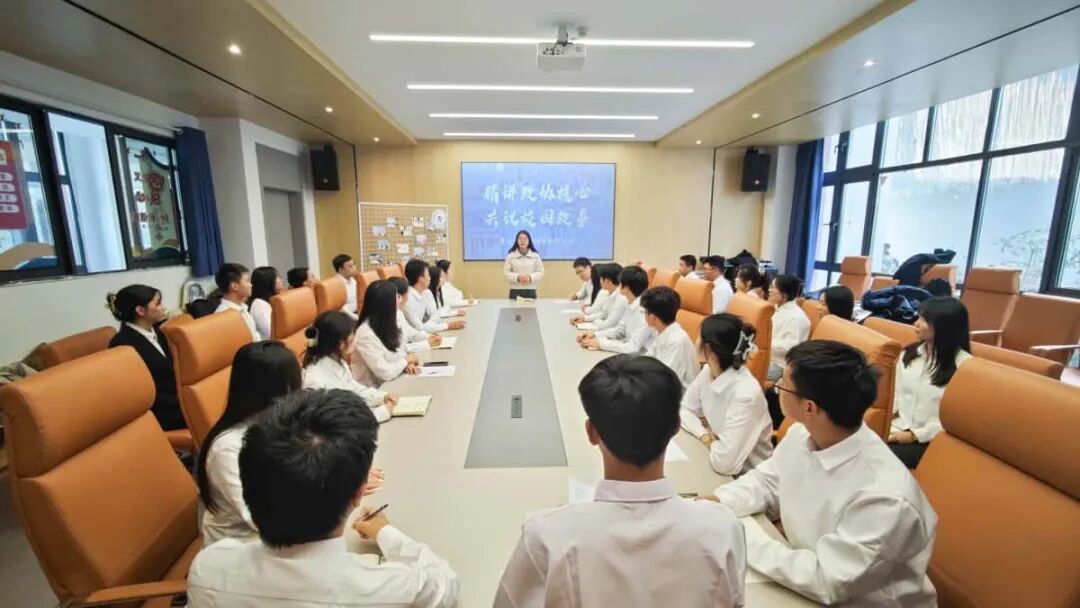
The guiding teacher stated that the association’s innovative exploration centered on “professional skills + public affairs” makes campus governance more precise and efficient. In the next step, the association will continue to optimize the Python data analysis model and promote the establishment of a “functional department docking mechanism” to achieve a virtuous cycle of “student participation—data support—department response—campus improvement”, ensuring that the governance results empowered by technology truly take effect.
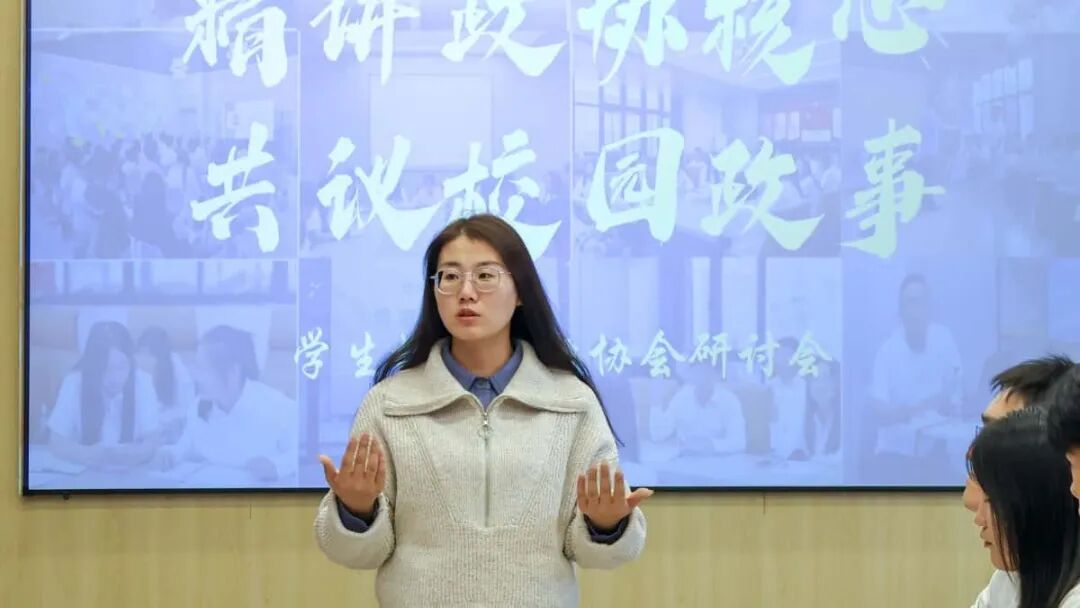
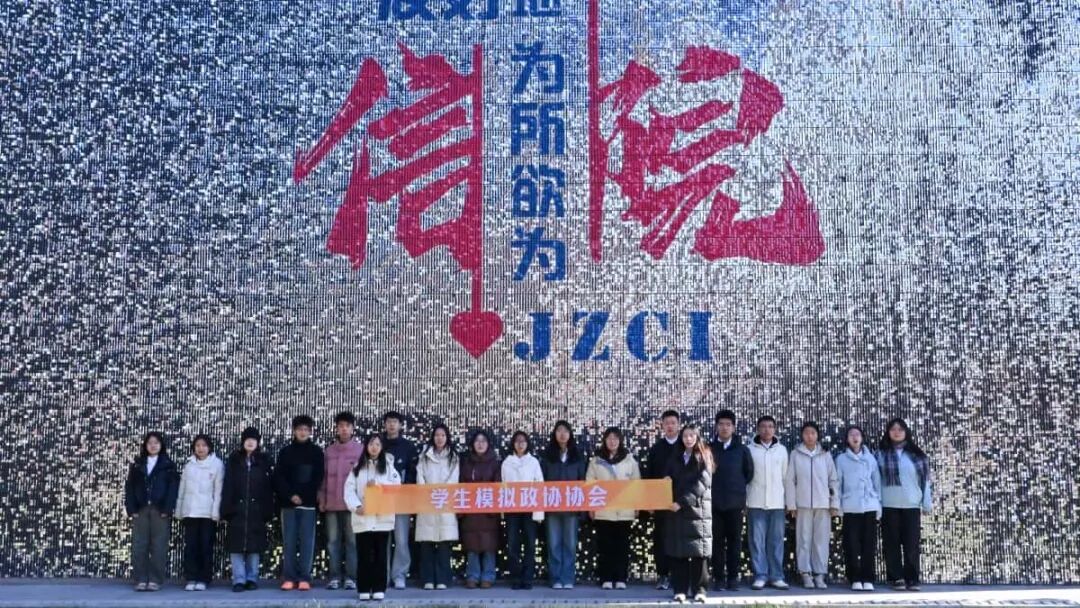
From decoding the principal’s mailbox appeals with Python technology, to empirical research solidifying governance foundations, and finally to professional proposals supporting campus optimization, the Jinzhong Information College student simulated political consultative conference association has carved out a unique path for participation in campus governance, based on professionalism and data. In the future, the association will continue to deepen the integrated practice of “professional technology + campus livelihood”, transforming more youthful wisdom into tangible results for campus development, contributing to the construction of a more humane and efficient civilized campus.
 – Previous Highlights –
 (Heard you still haven’t found a solution! Don’t run around, let us guide you through the student service center~)
 (Leadership Insights | Discussion on the Feasibility of Systematic Empowerment of Community Aesthetic Education: Based on the Practical Logic of College Platforms)
 (Good news! The Innovation and Entrepreneurship Pioneer Class won 6 national awards at the National Business Elite Challenge)Reprinted / Brand Marketing and News CenterEditor / Yang Zihao Gao KuoFinal Review / Guo YuProduced by / Student Recruitment and Employment Volunteer AssociationSubmission Email / [email protected]