Four Steps of Business Evaluation: 1. First, assess whether the “cake” is worth grabbing: Analyze the inherent attractiveness of the category 🚩 To determine if a business is worth investing in, you must first understand its “foundation.” Evaluate the attractiveness of the category from five dimensions to avoid blindly following trends:

– Market Size: Is this track large enough? Can it accommodate new players? – Growth Rate: Is it an expanding blue ocean or a slowing red ocean? – Gross Margin: How much profit potential is there? Will it fall into low-price competition? – Industry Structure: Is it monopolized by leading companies or is there fragmented competition? Do new entrants have opportunities? – Supply Chain Conditions: Are upstream resources easily accessible? Are logistics and costs controllable?
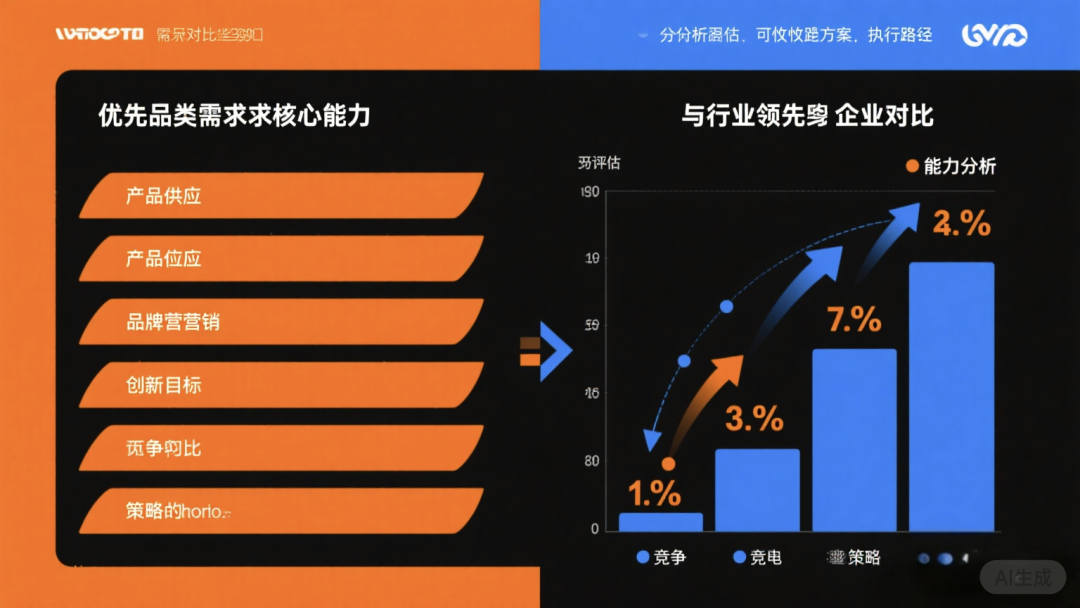
Key Point: Let data speak! By conducting research and quantifying these dimensions, draw a “category attractiveness radar chart”; the category with the largest “radar area” should be prioritized. 2. Clarify the “key to winning”: Identify the success factors of prioritized categories 🚩 Knowing which category is good is not enough; you must understand “why you can win.” Each category has its own core capability thresholds, such as: – Fast-moving consumer goods may compete on supply chain efficiency and channel penetration; – Technology products may rely on R&D innovation and patent barriers; – Luxury goods depend on brand premium and capturing consumer mindset. Benchmark your capabilities against industry leaders; for example, if you want to benchmark against Perfect Diary in beauty, examine whether their private domain operations and KOL collaborations are your weaknesses.
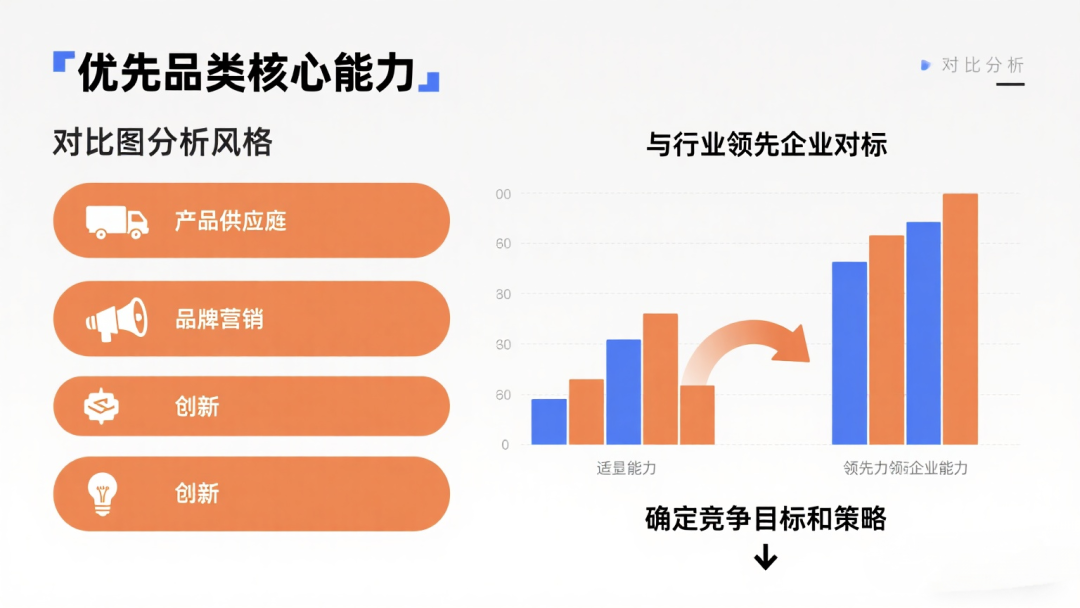
Key Point: Don’t be greedy! Focusing on 1-2 core capabilities is more effective than trying to cover everything. 3. Set achievable goals: Determine the attainability of objectives 🚩 Once the right direction is chosen, you must find the right path to achieve it. If organic growth is too slow, acquisitions may be a shortcut, but you must first filter the targets:
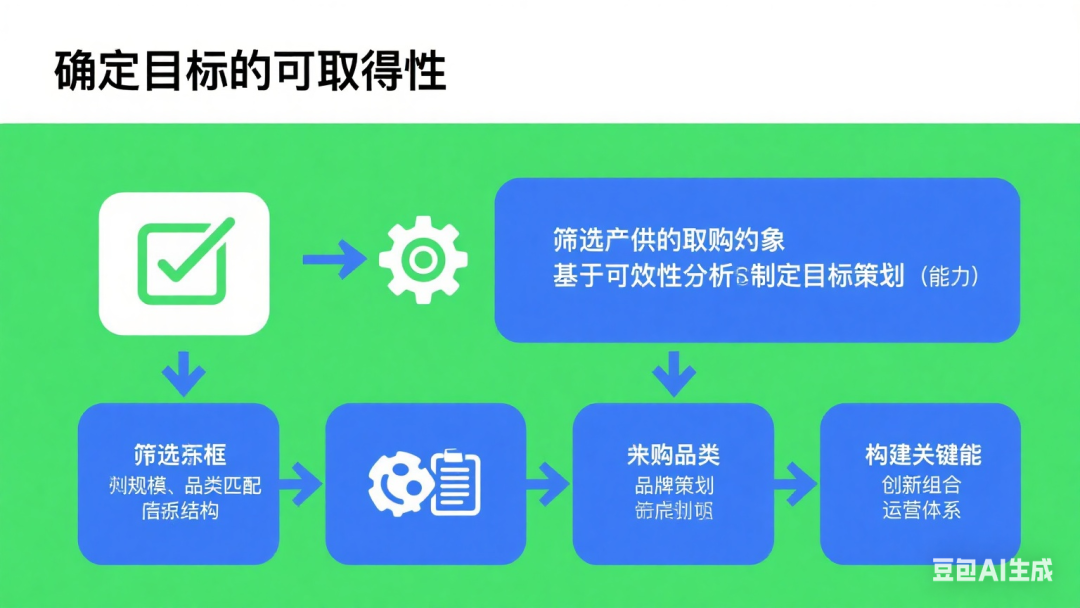
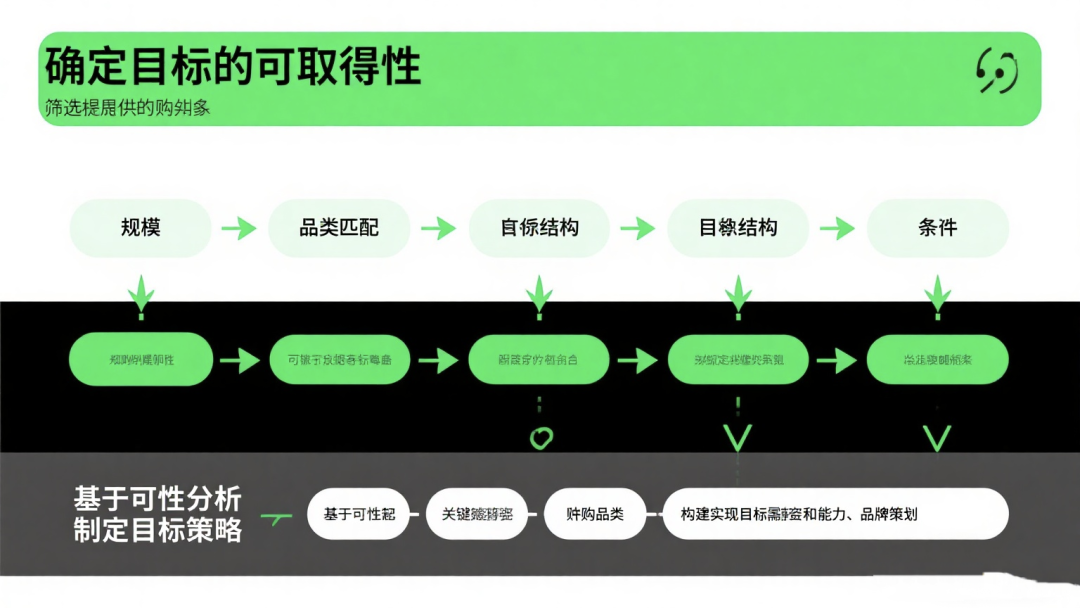
– Scale Matching: Don’t aim too high; the size of the acquisition target should match your resources; – Category Complementarity: Can it fill your business gaps? For example, a tea brand acquiring a coffee brand to broaden its market; – Ownership Structure: Does the other party have a clear intention to sell? Will there be equity disputes? After filtering, use a “target feasibility analysis table” to list key factors: for example, how to integrate brands post-acquisition, optimize the supply chain, and build an operational system to ensure the target is not just a pipe dream.
4. Stay on track: Align business with strategic vision 🚩 All business decisions must ultimately align with the company’s overall direction. For example, if your vision is to “become the number one in a niche market,” you cannot diversify into unrelated areas; if you want to “quickly seize market share,” you must prioritize investing in categories with strong explosive potential.

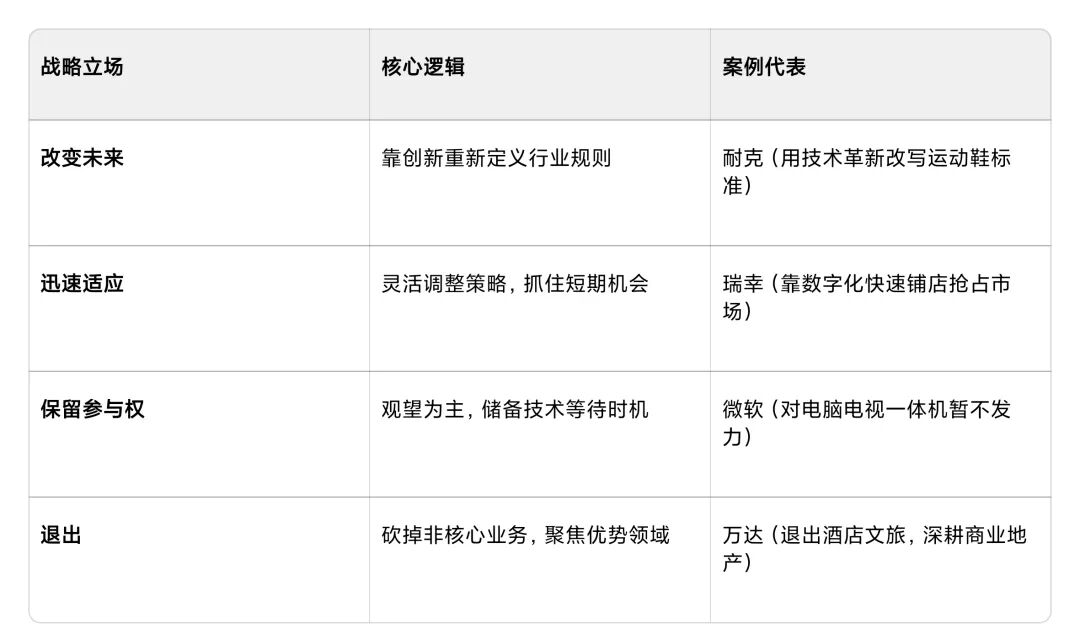
The key to this step is the “resource allocation table”: allocate human, material, and financial resources towards categories that match the strategy, while building corresponding operational systems—such as strengthening e-commerce and user operations for B2C businesses; focusing on major client services for B2B businesses. Extension: Four Strategic Positions, Choosing the Right One Can Save You Three Years of Detours ✨ After business evaluation, clarify your strategic position. There are four common directions; see which one suits your company:
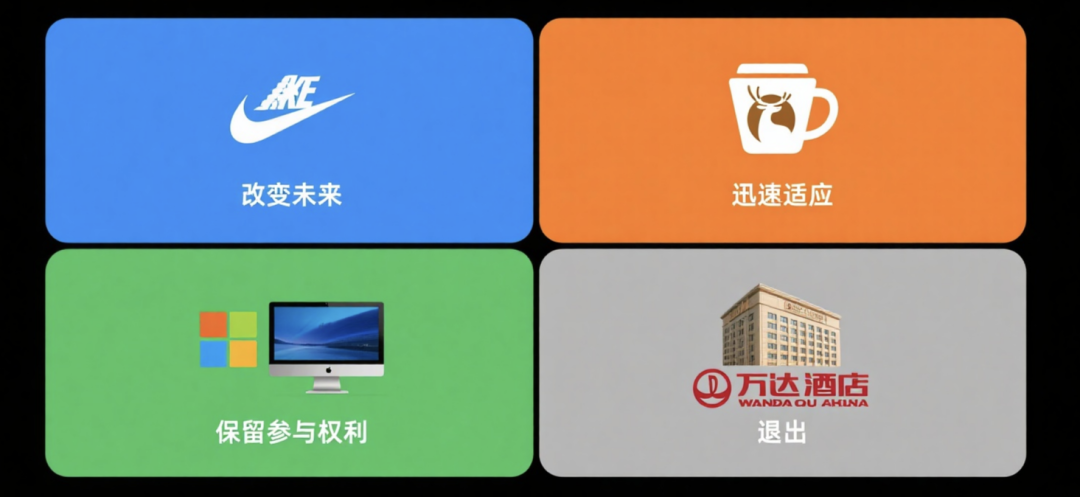
Strategic Position Core Logic Case Representation Change the Future Rely on innovation to redefine industry rules Nike (using technological innovation to rewrite sneaker standards) Quickly Adapt Flexibly adjust strategies to seize short-term opportunities Luckin (rapidly expanding stores through digitization to capture market) Retain Participation Primarily observe, reserve technology for future opportunities Microsoft (not focusing on integrated computer TV for now) Exit Cut non-core businesses and focus on advantageous areas Wanda (exiting hotels and tourism, deepening commercial real estate)
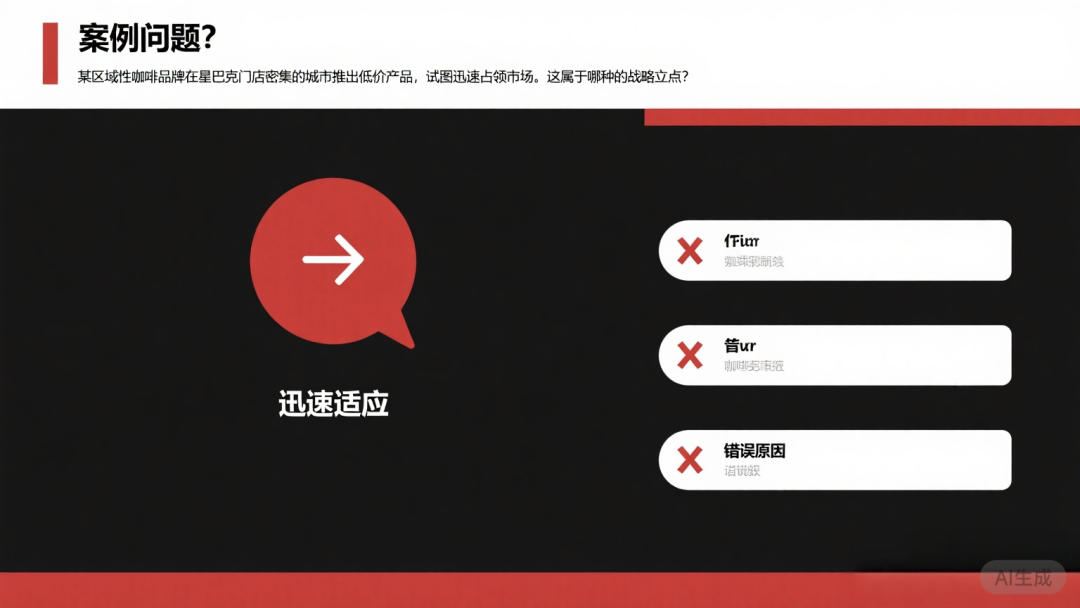
Interactive Test: Which Strategic Position Does This Case Belong To? Scenario: A regional coffee brand launches low-priced products in a city crowded with Starbucks, aiming to quickly capture market share. Answer: Quickly Adapt! Analysis: It did not attempt to change industry rules (such as inventing a new coffee category) but used a low-price strategy to flexibly respond to competition, which is a typical example of “quickly seizing market gaps.” ❌ Why not other options? – Change the Future: Requires disrupting industry rules (like Nike’s air cushion technology), which is not innovative here; – Retain Participation: This is “observing” rather than “actively attacking,” which does not fit; – Exit: Clearly the opposite action.
Summary: The priority of business evaluation is essentially about “calculating accounts, finding the right path, controlling effectively, and staying on track.” The four steps + four strategic positions help you allocate resources effectively, avoiding the pitfall of “looking lively but not making a profit!”