Intelligent Wireless, Internet of Everything

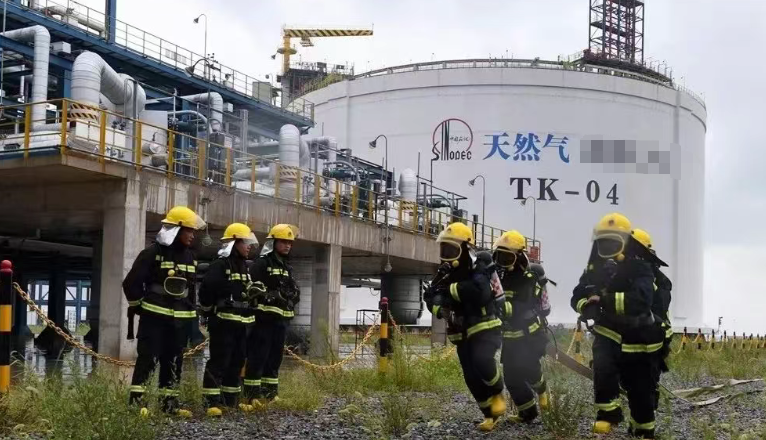
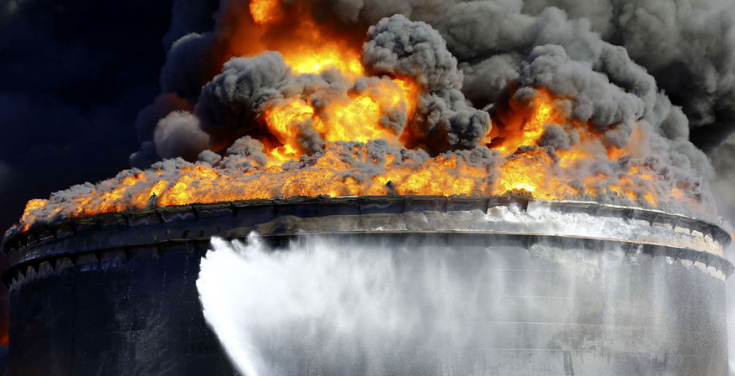
When the thick smoke from a chemical plant carries toxic gases, and high-temperature pipelines are at risk of explosion, the noise and intermittent commands from traditional walkie-talkies have been the biggest pain points for rescue command.
Now, wireless broadband self-organizing network technology is becoming the “key player” in solving communication challenges in hazardous materials rescue, building a “zero-latency command link” for decision-makers with its robust performance.


Three Major Technical Advantages Addressing Pain Points in Chemical Plant Rescue
Non-Line-of-Sight Transmission Capability
This is a “breakthrough tool” in such scenarios.
The reaction towers and storage tanks in chemical plants can cause severe signal obstruction, while self-organizing network devices using COFDM modulation technology can allow signals to diffract and penetrate complex structures, ensuring that firefighters can maintain contact with the command center even deep within the facility—this means commanders can grasp the location of each assault team and the progress of the disaster in real-time.

100Mbps High-Speed Transmission
Has rewritten the information dimension of emergency communication.
Previously, walkie-talkies could only transmit voice; now, through self-organizing networks, thermal imaging cameras worn by firefighters can transmit images back, and the command center’s electronic map can mark key information such as leak points and fire areas in real-time.
More importantly, this transmission is based on a decentralized network architecture, meaning that even if a relay node is destroyed due to an explosion, the network will automatically switch paths, avoiding “cliff-like interruptions” in communication.
Interference-Resistant Design
Provides “double insurance” for communication in extreme environments.
Electromagnetic devices, high-frequency signals, and the dense use of radios at rescue sites in chemical plants can all cause interference.
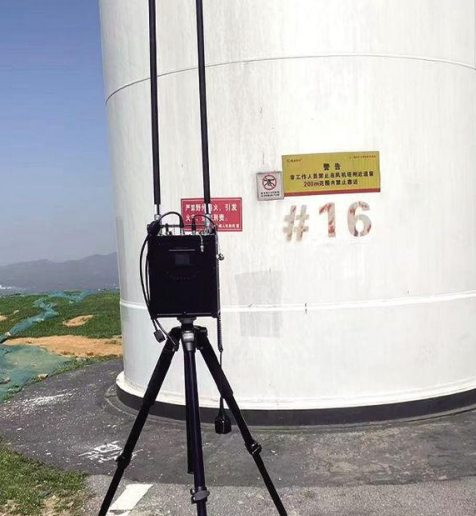
The self-organizing network device’s adaptive frequency hopping technology (with a hopping speed of up to 2000 hop/s) can avoid interference bands like “smart navigation,” ensuring that commands reach their destination accurately in a noisy electromagnetic environment.
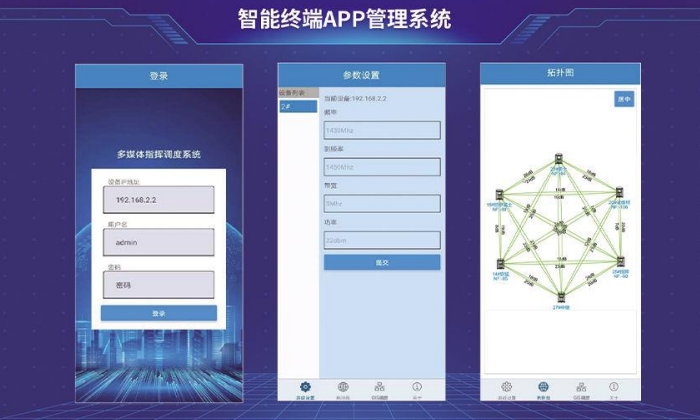
From “Blind Rescue” to “Intelligent Rescue,” Reconstructing Command Logic
In past chemical plant rescues, communication issues often led to the “three difficulties”:
Difficulty in tracking the location of assault teams, difficulty in synchronizing changes in disaster conditions, and difficulty in unifying coordination among multiple teams.
Wireless broadband self-organizing networks solve these problems through dynamic multi-node networking:
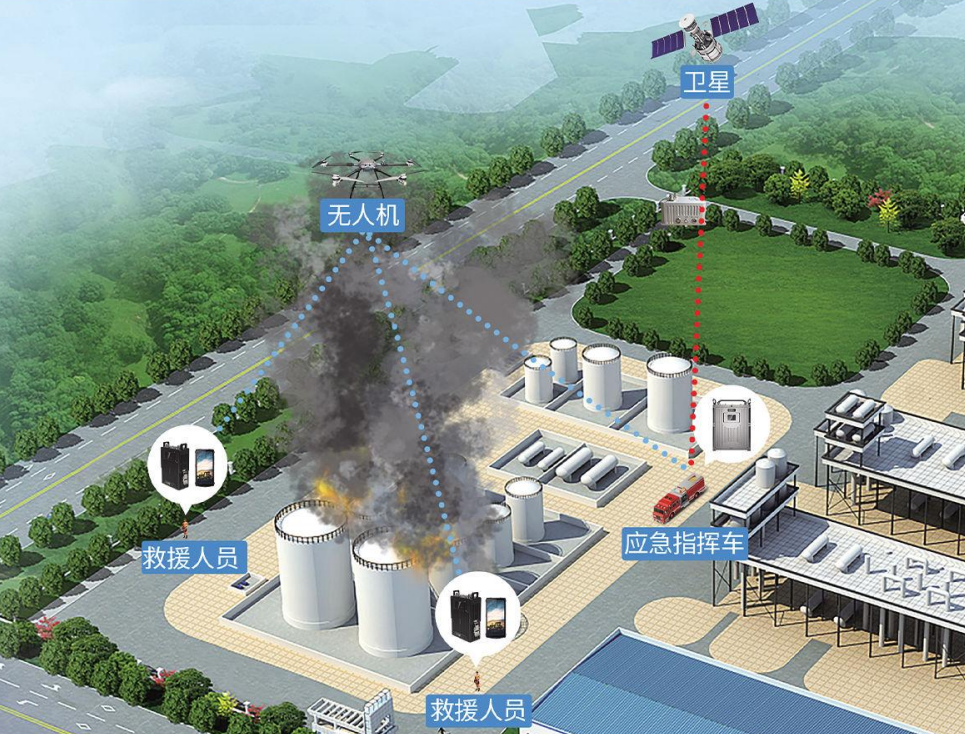
The forward team can quickly set up a temporary network with portable terminals, achieving “networking from the moment they get out of the vehicle” within 5 minutes;
After drones equipped with relay devices take off, they can expand the communication coverage to the entire plant area, allowing rear commanders to conduct “remote reconnaissance” through real-time video;
Voice, data, and location information from various rescue teams are integrated and transmitted within the same network, achieving “one map command and integrated operations.”
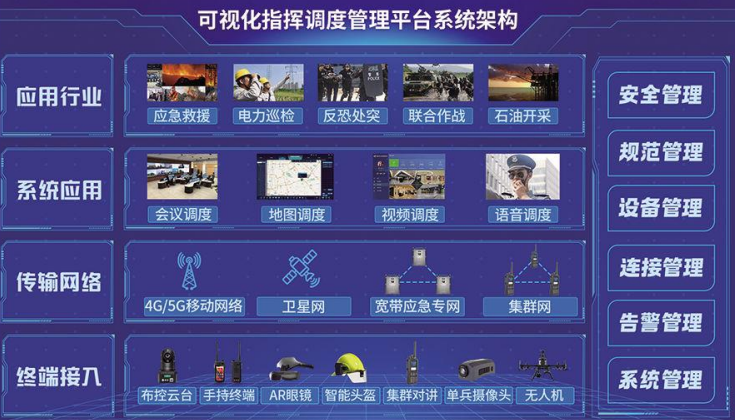
For decision-makers, the core value of this technology lies in upgrading “experience-based command” to “data-driven command.”
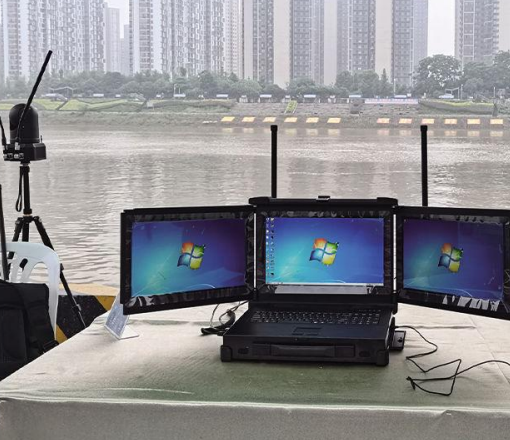
When the status of each valve, the concentration of each leak, and the route of each team’s movement can be presented in real-time, the adjustment of rescue plans will be more precise and efficient—this is the “intelligent defense line” that wireless broadband self-organizing networks build for chemical plant rescue.

Contact Number丨15735979040
Beijing Hanxun Technology丨Self-organizing network equipment manufacturer