
1. Introduction
Summarizing and organizing the technical issues discussed in the group recently, hoping to help more friends.
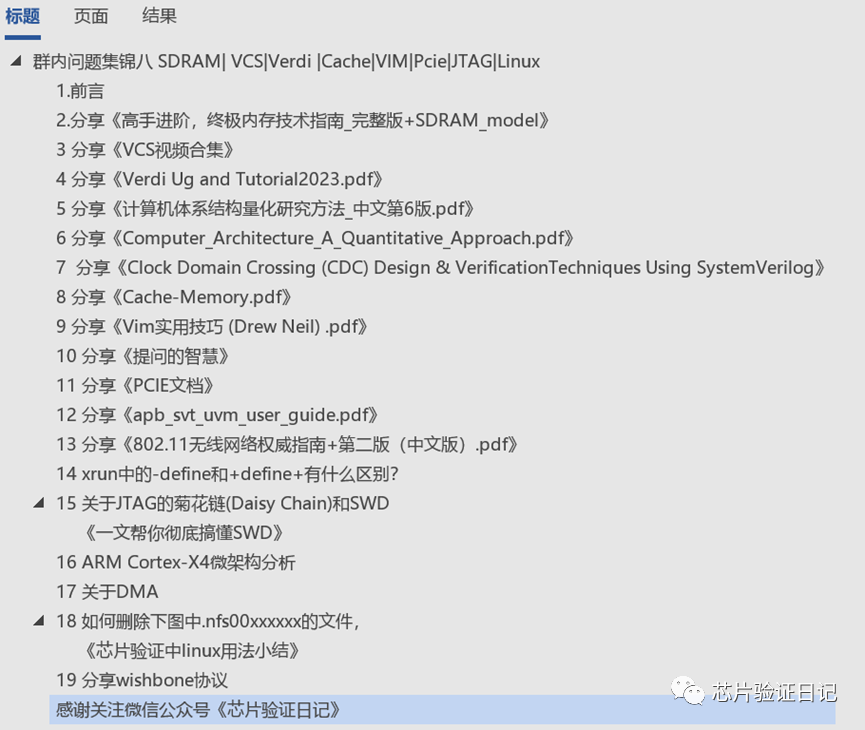
2. Sharing “Advanced Skills, Ultimate Memory Technology Guide_Full Version + SDRAM_model”
This is a rare reference material for learning SDRAM. Follow the WeChat public account “Chip Verification Diary” and reply “sdram202308” to obtain it. Refer to the screenshot below:

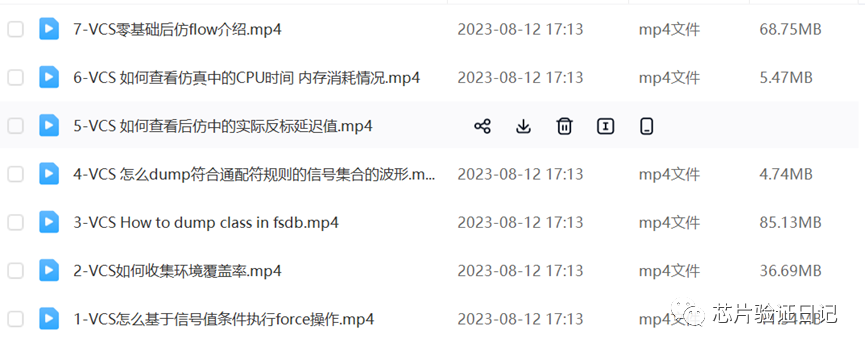
3. Sharing “VCS Video Collection”
Follow the WeChat public account “Chip Verification Diary” and reply “vcs202308” to obtain it. Refer to the screenshot below:
4. Sharing “Verdi UG and Tutorial 2023.pdf”
Follow the WeChat public account “Chip Verification Diary” and reply “verdi202308” to obtain it. Refer to the screenshot below:

5. Sharing “Computer Architecture Quantitative Research Method_Chinese 6th Edition.pdf”
Follow the WeChat public account “Chip Verification Diary” and reply “computer202308” to obtain it. Refer to the screenshot below:

6. Sharing “Computer_Architecture_A_Quantitative_Approach.pdf”
Follow the WeChat public account “Chip Verification Diary” and reply “computer202308en” to obtain it. Refer to the screenshot below:

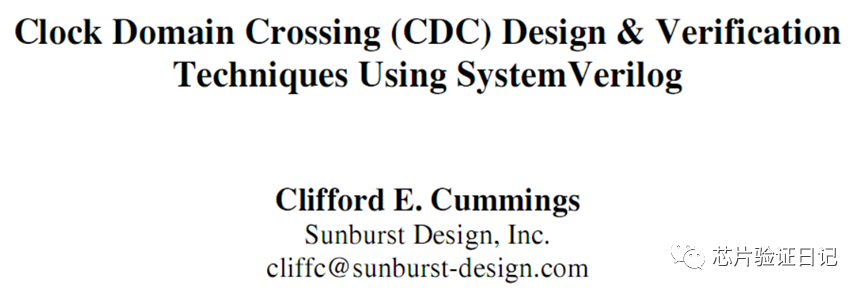
7. Sharing “Clock Domain Crossing (CDC) Design & Verification Techniques Using SystemVerilog”
Follow the WeChat public account “Chip Verification Diary” and reply “cdc202308” to obtain it. Refer to the screenshot below:
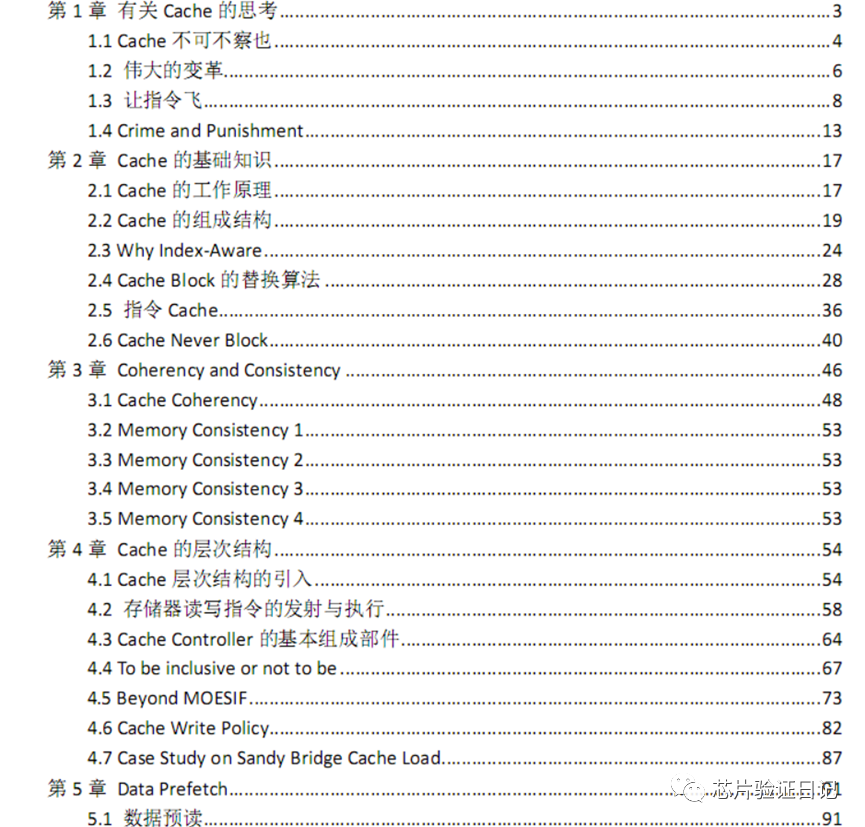
8. Sharing “Cache-Memory.pdf”
Follow the WeChat public account “Chip Verification Diary” and reply “cache202308” to obtain it. Refer to the screenshot below:

9. Sharing “Vim Practical Skills (Drew Neil).pdf”
Follow the WeChat public account “Chip Verification Diary” and reply “vim202308” to obtain it. Refer to the screenshot below:

10. Sharing “The Wisdom of Asking”
Follow the WeChat public account “Chip Verification Diary” and reply“ask202308” to obtain it. Refer to the screenshot below:

11. Sharing “PCIE Documents”
Follow the WeChat public account “Chip Verification Diary” and reply “pcie202308” to obtain it. Refer to the screenshot below:

12. Sharing “apb_svt_uvm_user_guide.pdf”
Follow the WeChat public account “Chip Verification Diary” and reply “apbsvt202308” to obtain it. Refer to the screenshot below:

13. Sharing “802.11 Wireless Network Authority Guide + Second Edition (Chinese Version).pdf”
Follow the WeChat public account “Chip Verification Diary” and reply “wifi202308” to obtain it. Refer to the screenshot below:

14. What is the difference between -define and +define+ in xrun?
The effect is the same, no need to get entangled.
15. About JTAG Daisy Chain and SWD
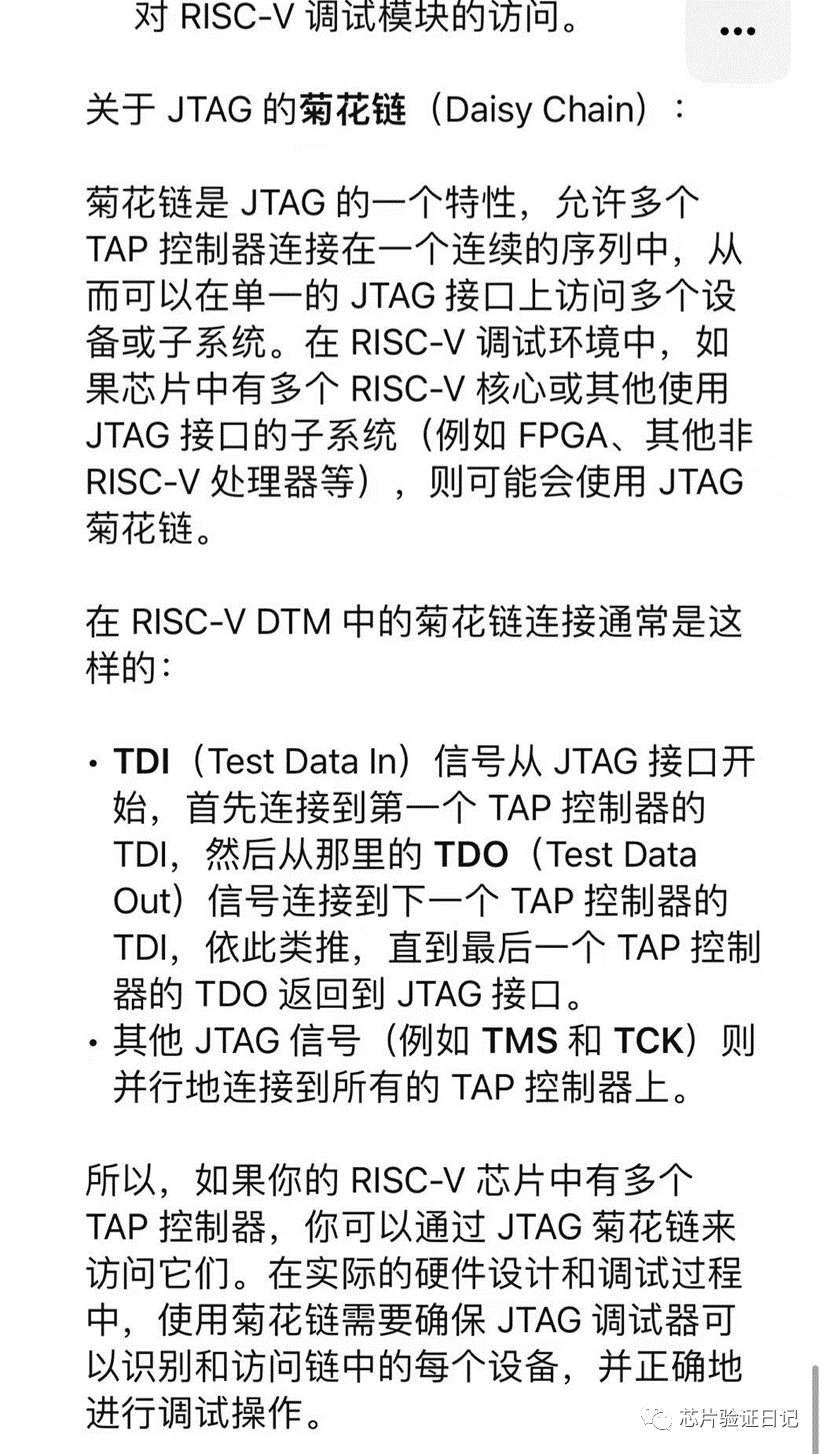
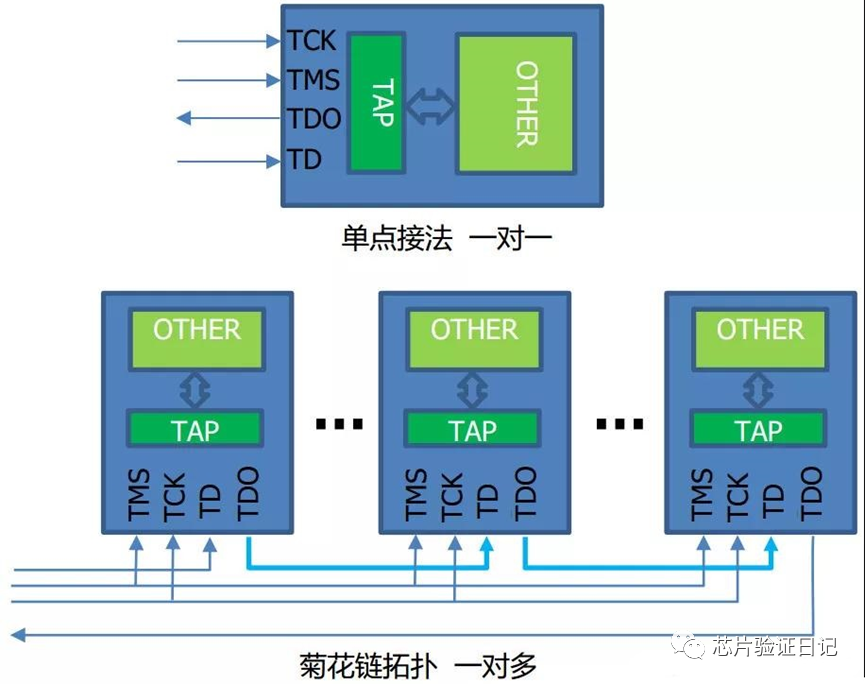
In the JTAG interface, the most commonly used signals are four: TCK/TMS/TDO/TDI. The JTAG interface can be used one-to-one, or can form a daisy chain one-to-many topology. The two topologies are shown in the figure below. In multi-core chips, the internal chips have already been connected in a daisy chain form.
Additionally, for SWD, please refer to the classic article below:
One article helps you thoroughly understand the ARM Debug Interface SWD.
16. Analysis of ARM Cortex-X4 Microarchitecture
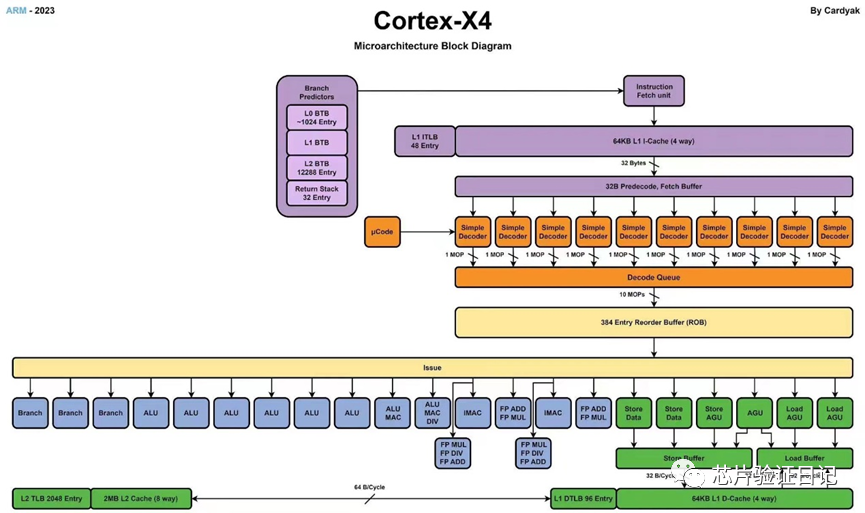
The code name of Cortex-X4 is Hunter-ELP, the figure below is the microarchitecture diagram of X4. The first impression is that it has become “larger”. The core of X4 has become larger and larger, and everyone should feel that this microarchitecture design is increasingly resembling another industry-leading processor. Different paths lead to the same destination; the best designs often have only one choice. We will analyze this year’s core changes in detail below.
17. About DMA

18. How to delete the files .nfs00xxxxxx shown in the figure below,
BTW, using rm -rf cannot delete the two files shown in the figure below.

Using the method shown in the figure below, I found that kill can do the job.
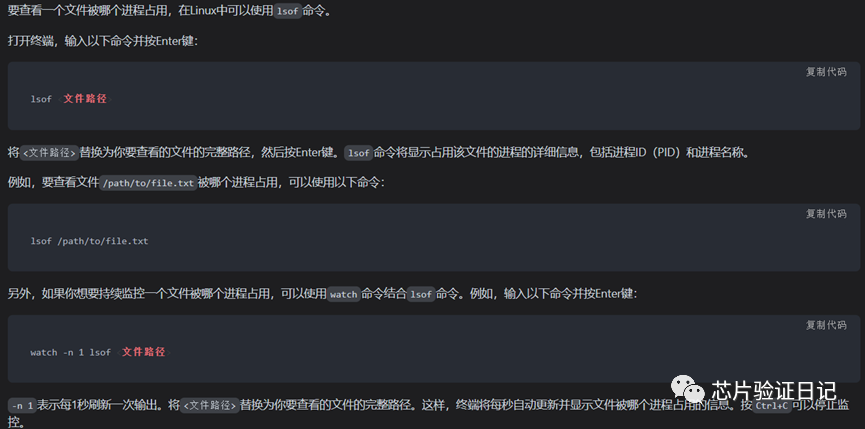
For more usage tips, please refer to the article below:
Summary of Linux Usage in Chip Verification
Sharing “Summary of Linux Usage in Chip Verification” PDF document
19. Sharing Wishbone Protocol
Follow the WeChat public account “Chip Verification Diary” and reply “wishbone202308” to obtain it. Refer to the screenshot below:

[End of Full Text]
Finally, due to TX modification rules, to not miss subsequent content, welcome to join the QQ group,
-

Additionally, since the WeChat group has exceeded 200 people, add the editor’s WeChat to pull you into theWX Study group.

Last but not least, thank you for following the WeChat public account “Chip Verification Diary“. If you find it helpful, please give a thumbs up; more content will follow.