Identifying the Cause of Interference
When there is interference on the bus, experienced engineers can quickly locate the issue, but it can be troublesome for beginners.
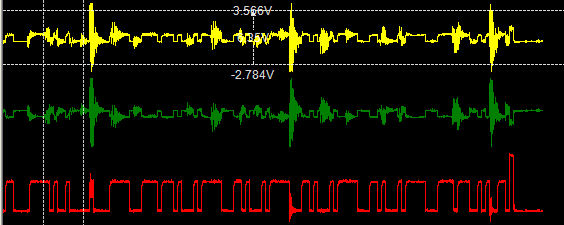
There are many causes of bus interference, such as electromagnetic radiation coupling into communication cables, improper grounding of shielded wires, and isolation of communication without isolating the power supply. From the diagram below, we can deduce that the interference is not coming from electromagnetic radiation, and the vehicle’s network is also not interfered with, so it can be concluded that the interference is due to poor isolation of the CAN communication from the motor driver.
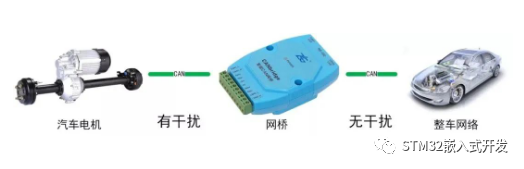
Figure 1 Identifying the Cause of Interference
Methods to Eliminate Delay Errors
To reduce delay, increase communication distance, and lower communication error rates, we can take the following measures:
-
Use a magnetic isolation CTM1051 scheme to design the interface transceiver circuit;
-
Replace thin wires with thicker ones, with a standard of 1.5 cable (delay of 5ns/m);
-
Use gold-plated or silver-plated cables;
-
Increase the communication distance with CANBridge relay devices;
-
Use fiber optic transmission, such as the CANHUB-AF1S1 from Zhiyuan Electronics, which can double the communication distance at the same baud rate.
Signal Ground (CAN-GND)
1 Concept of Signal Ground
Signal ground, also known as isolated ground, is used to provide a unified reference potential for electronic devices during operation, avoiding interference from harmful electromagnetic fields, ensuring stable and reliable operation of the devices. The signal circuits within the devices share a common reference ground, namely CAN-GND.
2 Handling of Signal Ground
In many practical applications, designers often directly connect the reference ground of each node to the local earth as the return ground for signals. This seemingly normal and reliable practice poses significant risks!
The correct connection methods for signal ground (CAN-GND) are mainly divided into two types:
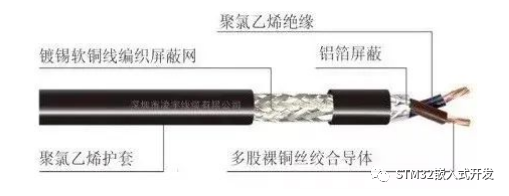
Single-shielded cable: If the cable is single-shielded, the ideal connection method for the signal ground is to use a dedicated signal wire to connect all node signal grounds, serving as a reference ground. However, if the signal ground wire is missing, all node signal grounds can also be connected to the shield layer, but this will compromise the shielding effect.
As shown in the diagram below, with shielded twisted pair.
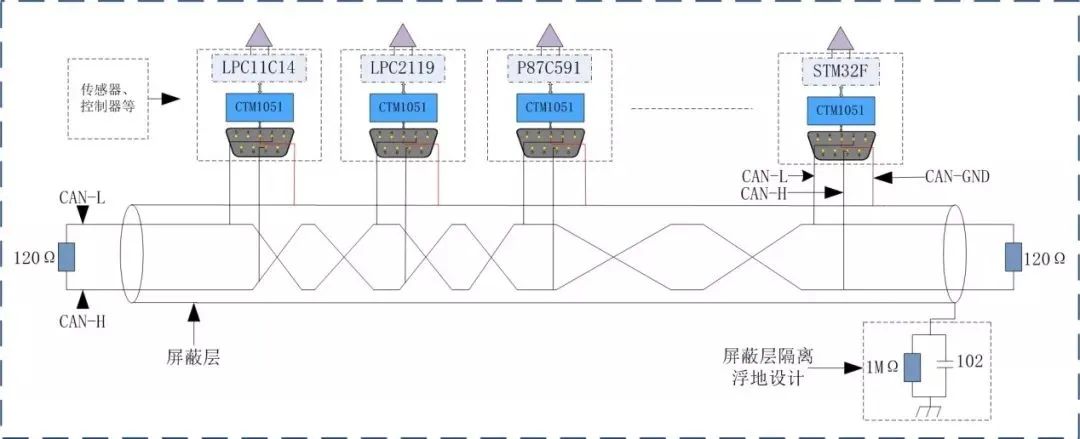
As shown in the diagram below, the connection method of twisted pair with signal ground wire.

The diagram below shows the connection method of signal ground to the shield layer.
Double-shielded cable: When using double-shielded cables, all node signal grounds need to be connected to the inner shield layer. If unshielded wires are used for data transmission, please keep the signal ground pin floating.
The diagram below shows the handling method of signal ground for double-shielded cables.
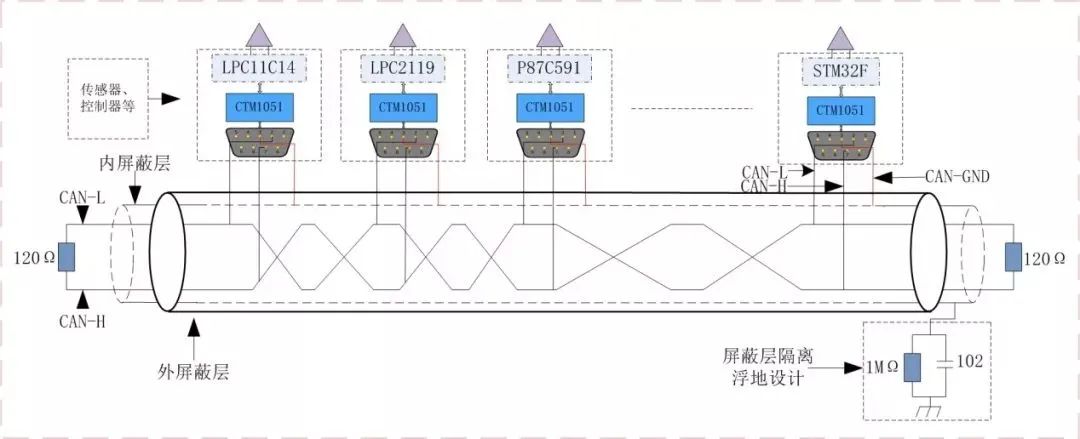
After connecting all node signal grounds to the shield layer or the inner layer of the double shield, the handling method of the shield layer should be single-point grounded, and multiple grounding points should be avoided; otherwise, ground loops will form on the signal ground line.
Additionally, when using single-point grounding, to increase the isolation resistance between the power ground and the signal ground, preventing electromagnetic interference caused by common ground impedance circuit coupling, it is important to use an isolated floating ground design, isolating the shield layer from the shell through resistive-capacitive methods. As shown in the diagram below, the message without single-point grounding treatment is affected by electromagnetic interference.