
Five years ago, when the United States implemented its chip blockade policy against China, it likely did not foresee this outcome:
In the autumn of 2025, a CEO of an American AI company candidly admitted in public that the initial blockade was a “serious misjudgment.”
This statement sounds like an admission of defeat, but in reality, it reveals a quiet shift in global technological power.
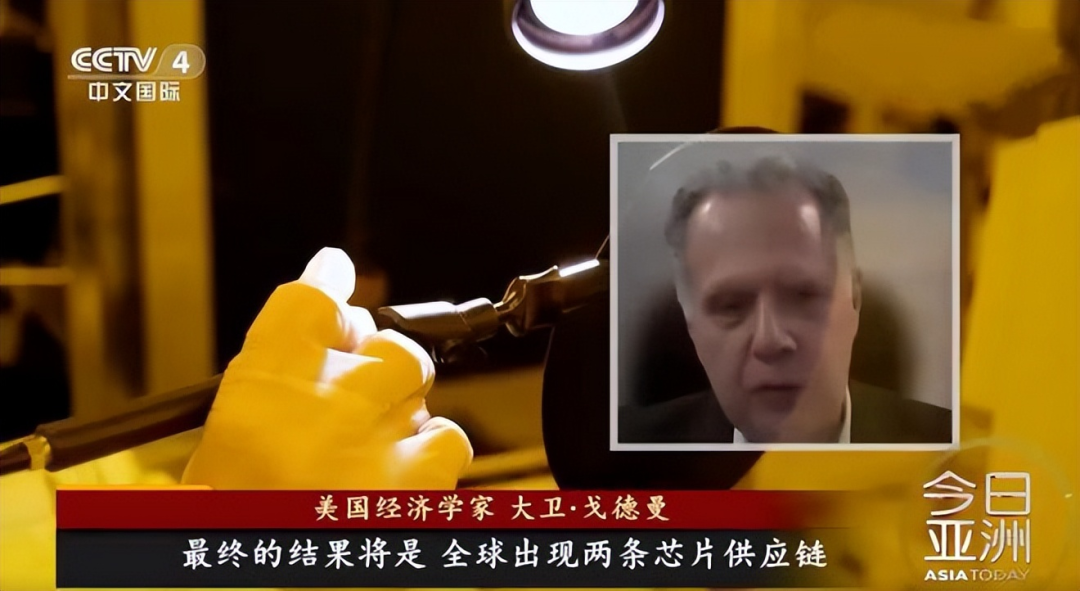
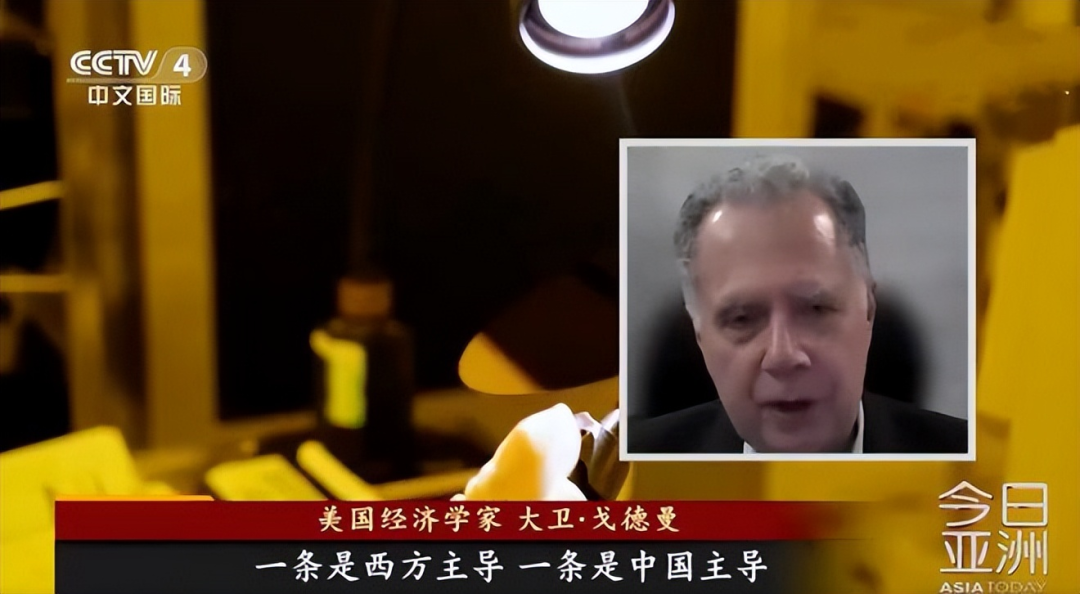
🔍 Did the blockade instead become a “ripening agent” for Chinese chips?
In 2020, the Trump administration attempted to restrict China’s high-tech industries represented by “chips,” prohibiting the sale of high-end chips, disallowing foundry services, and even banning the use of equipment with American technology…
A series of so-called “comprehensive measures” indeed put Chinese companies like Huawei in a difficult position for a time.
But just like a child who is denied candy will find ways to get it—eventually even learning to make candy themselves.
Five years later, China’s self-sufficiency rate in AI chips has soared from 31% to 49%, nearly half of the market. Meanwhile, the US had hoped to continue profiting from “crippled” chips (like Nvidia’s H20), but due to performance degradation, doubled prices, and numerous safety concerns, these products have been returned by the Chinese market.
💡 Huawei Takes an Unconventional Path: Not Competing on Individual Points, but on the System!
American chips have always pursued “extreme performance,” like sprinters striving to break the 100-meter record. What if China cannot keep up? Simply change the track—switch to a relay race.
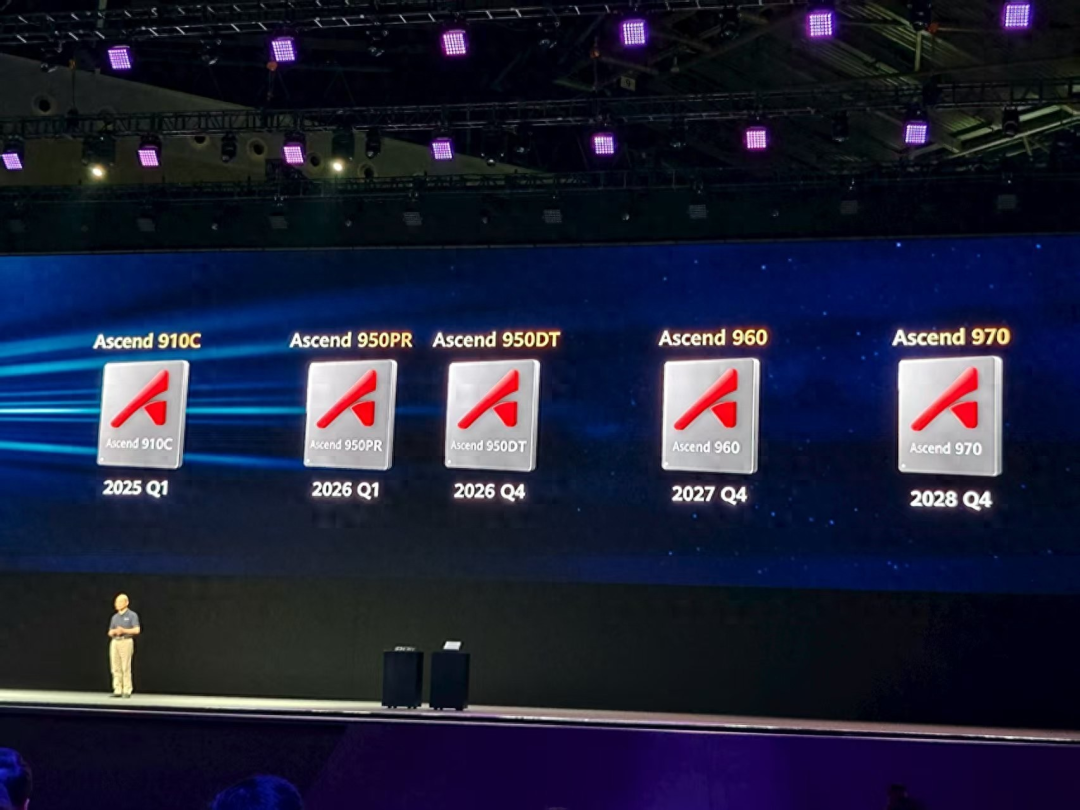
The new generation of Ascend chips released by Huawei on September 18 is a typical example. Instead of blindly pursuing the top process for a single chip, it achieves overall performance breakthroughs through flexible architecture design and cluster optimization.
Specifically:
– Performance increased by 2 times, while costs decreased by 30%
– Self-developed HBM memory capacity reaches 128GB, with a bandwidth of 1.6TB/s
– Built a full-stack system from chips to platforms, applications to ecosystems
This is like building a building not just by laying a single brick, but by directly creating an entire community with complete property and commercial street facilities.
🌍 Who is Setting the New Game Rules?
The market’s choices are the most honest. JPMorgan also predicts that within three years, China’s self-sufficiency rate in AI chips will exceed 80%, and the “cluster computing architecture” proposed by China has become an international standard topic.
What makes the US even more anxious is that chip trade within the RCEP region is forming a new economic circle that bypasses the US. The EU, Japan, and Germany are all adjusting their technology policies, which on the surface is defensive, but in reality is a reactive response to China’s technological rise.
Even OpenAI executives admit that their (Trump administration’s) estimates of China’s technological development contain “systematic errors.” In other words, they underestimated the adaptability and speed of the Chinese people.
🚀 What Insights Does This Chip War Provide Us?
1. Technological hegemony will eventually backfire; the US aimed to delay China’s development through blockades, but it forced the emergence of a more autonomous system;
2. Ecosystems are more important than individual technologies; China has broken the traditional logic of performance supremacy with its “chip + platform + application” full-stack model;
3. The global technological order is being restructured; the future will no longer be dominated by the US alone, but rather a new pattern of multipolarity, openness, and cooperation.
Therefore, the script of this game has already changed direction. Perhaps looking back in ten years, we will be grateful for this blockade, as it has forced Chinese chips to navigate the most challenging path and has shown the true value of technological autonomy to the world.