I am the head of Luoyang Jiao’ao Agricultural Technology Co., Ltd. Our company has long focused on the planting, deep processing, and brand sales of Sichuan pepper, and we are currently facing the dual dilemma of “rising customer acquisition costs” and “experience loss with personnel turnover.” When we were troubled by issues such as technical difficulties in Sichuan pepper planting, price pressure from distributors, and brand awareness in the terminal market, the solution proposed by Beijing Space Chain Technology, centered around “AI companion robots,” was like a ray of light piercing through the fog of our traditional business thinking. This is by no means an ordinary technology product, but a “golden key” that has the potential to completely reconstruct the growth model of agricultural enterprises.
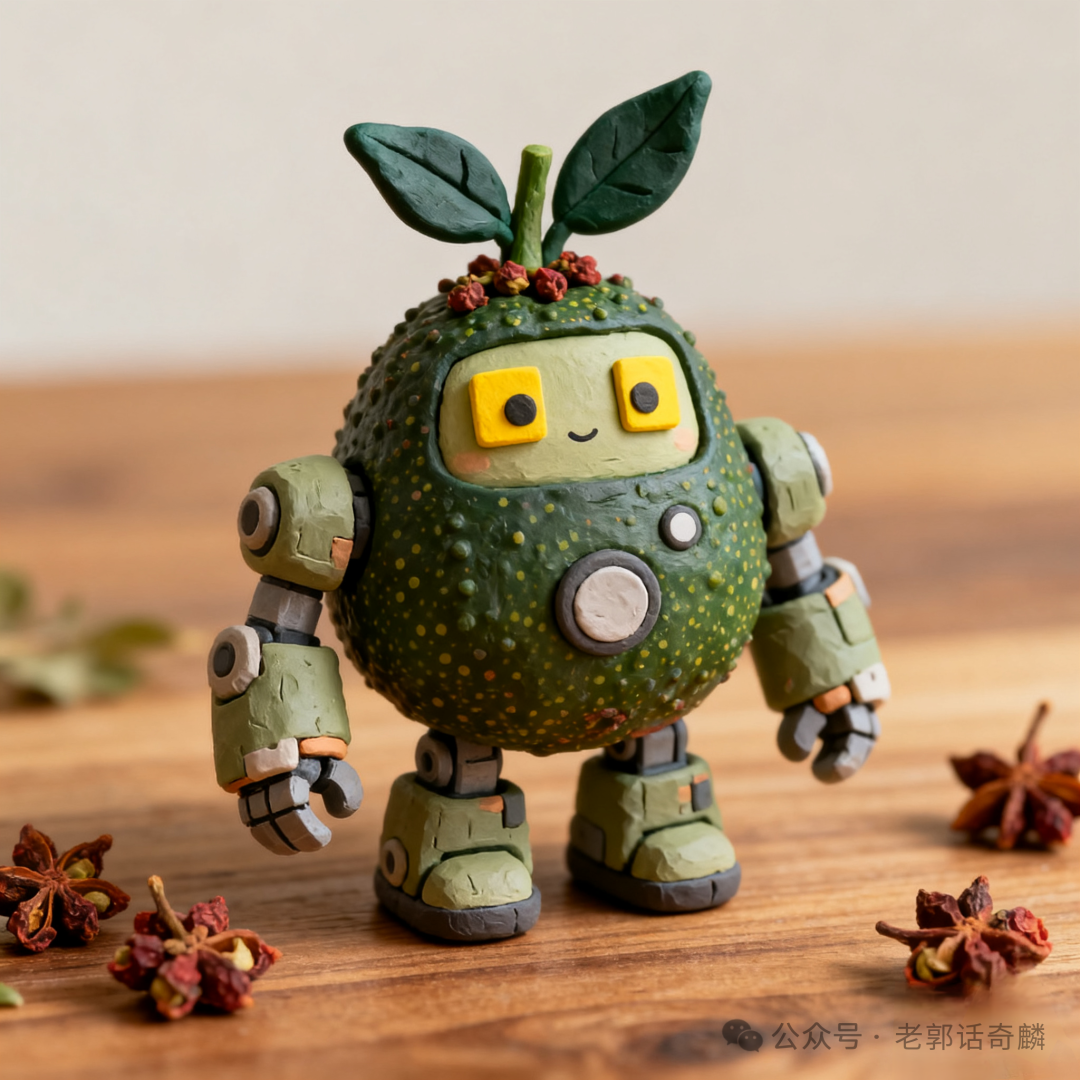
Before delving into specific applications, we need to clarify a key concept: what is an AI companion robot? It is by no means a simple voice response device. From a comprehensive perspective, it is a service terminal that integrates various AI technologies such as Natural Language Processing (NLP), Machine Learning (ML), Knowledge Graphs, and Affective Computing. Its core value lies in “human-like interaction” and “data intelligence”—it can simulate human conversation, provide warm emotional connections, and tirelessly learn, accumulate, and reuse data and knowledge, ultimately becoming the company’s “digital employee” and “everlasting asset warehouse.”
So, how does this “golden key” unlock the growth dilemma of Jiao’ao Agriculture? I will elaborate on my views from three dimensions: breaking the deadlock, establishing fundamentals, and challenges.
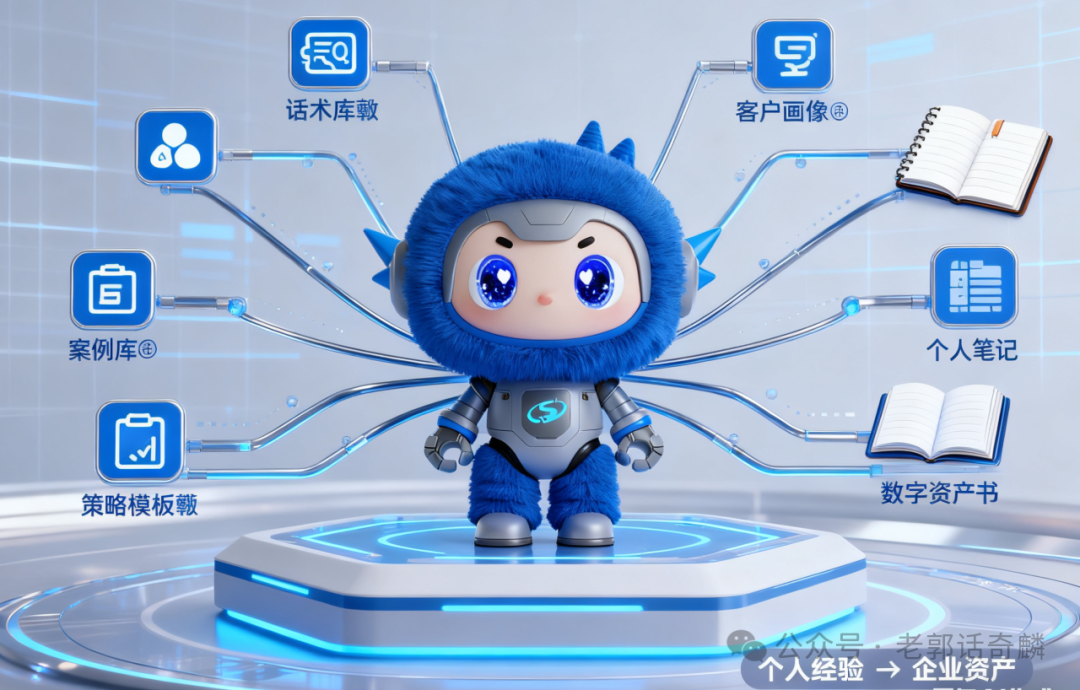
1. Front-end Breakthrough: Dressing “Sichuan Pepper Specialties” in “Smart New Garments” to Create an Ultimate Experience Traffic Entrance
Agricultural enterprises, especially brands like ours engaged in the deep processing of Sichuan pepper, face the biggest pain point in customer acquisition: the difficulty in intuitively presenting product value and effectively conveying brand stories. No matter how good our Sichuan pepper powder and oil are, what customers see at exhibitions, stores, or online is just packaging and images. Traditional sampling and flyer distribution methods are inefficient and cannot accumulate effective data.
The AI companion robot can become our most advanced “super sales consultant” and “brand experience officer.”
1. “Scan to Experience”: Establishing a Trust Link with Zero Friction
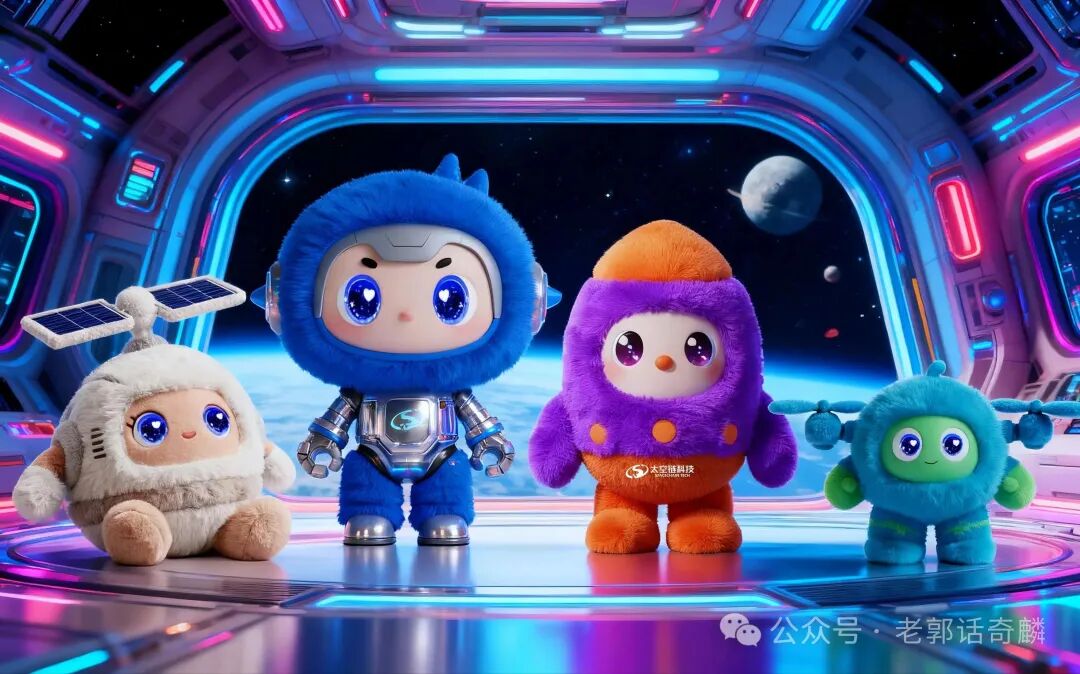
Imagine that at a large agricultural product expo, our booth is no longer just filled with products, but stands a cute AI robot shaped like a “Sichuan Pepper Fairy.” Past distributors and consumers are attracted by its unique appearance and can simply scan a code to enter a dialogue interface with the “Jiao’ao Little Fairy.” No app download is required, and they can instantly embark on an immersive journey about “Jiao’ao Sichuan Pepper”: it can voice-introduce the planting history of our Sichuan pepper, the geographical characteristics of core production areas, our organic planting philosophy, and even tell an interesting story about Sichuan pepper. This nearly frictionless interaction transforms traditional “hard selling” into “soft experience”; we are not selling a bag of Sichuan pepper powder, but a solution about health, flavor, and culture.
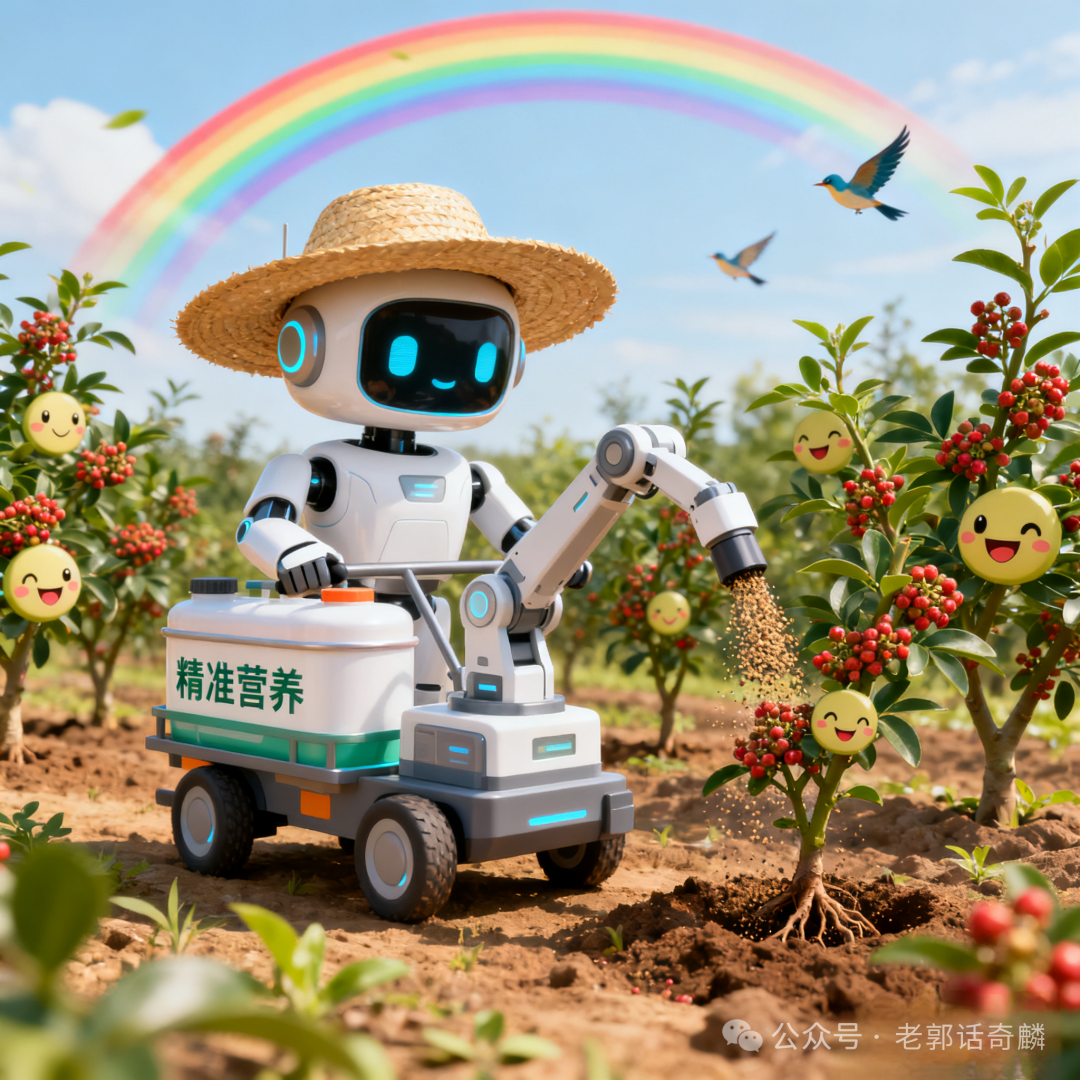
2. Boundless Knowledge Base: Responding to Massive, Professional Terminal Inquiries
Our customers range from star-rated restaurant chefs to housewives, and their questions are varied: “What is the spiciness level of this Sichuan pepper? Is there a specific measurement standard?” “Are there any preservatives in the ingredients?” “What dishes is it suitable for? Can you give me some recipes?” Even the best salespeople cannot be online 24/7 and remember all the answers. The dynamic knowledge engine behind the AI robot can answer all questions in real-time, accurately, and consistently, supporting the push of graphic and even video recipes. It instantly elevates Jiao’ao’s brand professionalism to a new height, becoming a food consultant that is always online, greatly enhancing purchasing confidence.
3. Precise Recommendations and Seamless Conversions: Shortening the Distance Between “Desire” and “Purchase”
Through initial interactions, the system can quickly determine the user profile: is it a professional buyer or an individual consumer? Are they a heavy spice lover or a mild spice preference? Based on this, it can dynamically recommend the most suitable products: pushing wholesale discount plans and OEM cooperation manuals to buyers; pushing our “special grade” Sichuan pepper products to heavy spice lovers, and directly popping up purchase links or adding to the shopping cart. The decision-making path is greatly shortened, maximizing the conversion rate of impulse purchases.
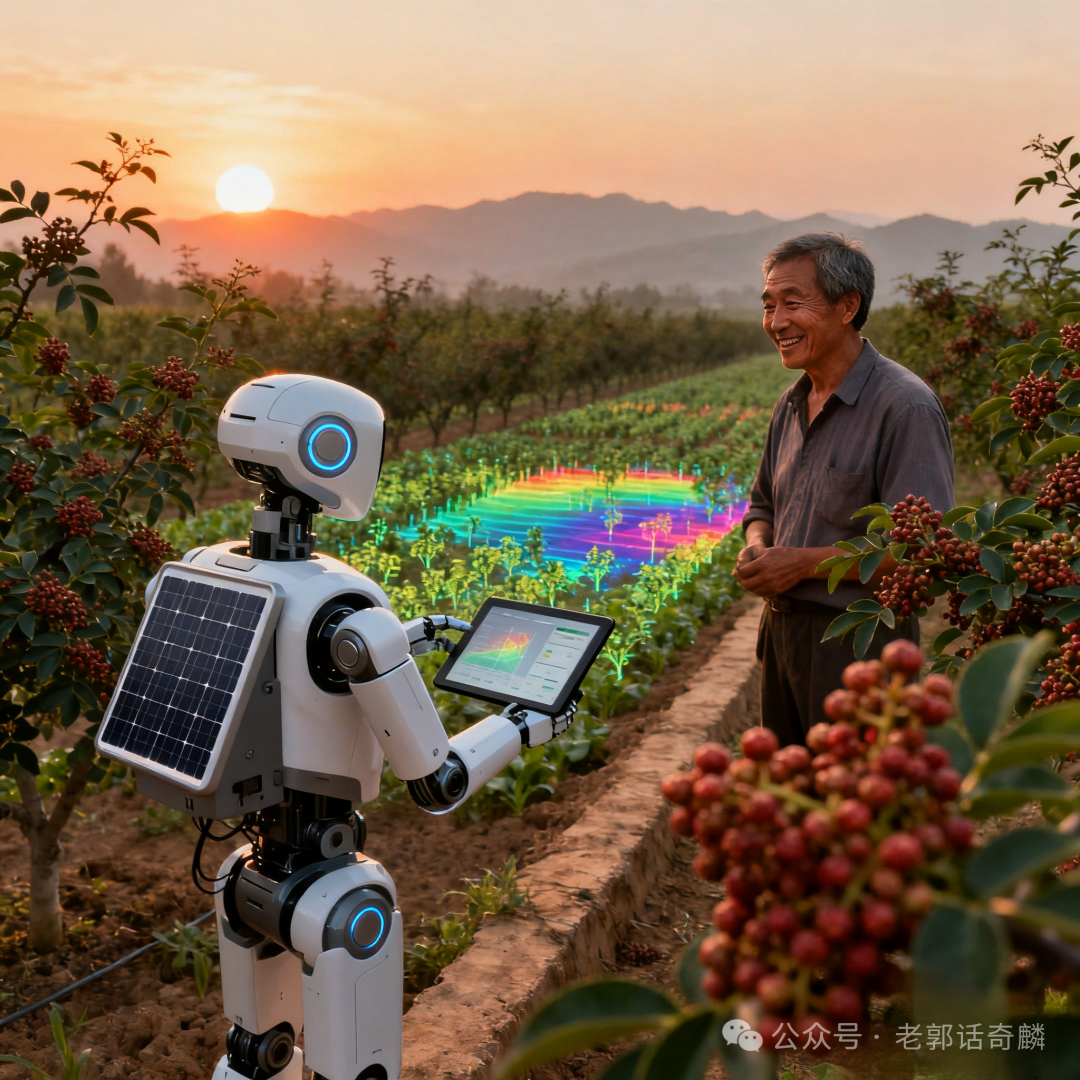
2. Back-end Establishment: Transforming Field Experience into the Company’s “Digital Gene”
The core assets of agricultural enterprises, besides land and factories, lie in those “tacit knowledge” that can only be understood but not articulated. How do experienced workers judge the ripeness of Sichuan pepper? How does our top salesperson impress picky distributors in three sentences? This knowledge may truly disappear with the retirement or departure of personnel. The AI robot’s “digital memory bank” function directly addresses this pain point, and its value may even exceed that of front-end traffic generation.
1. Solidifying the “Top Sales” Approach, Enabling Newcomers to Quickly Get Started
We will require the robot to automatically review and accumulate high-conversion scripts, core pain points of customer concerns (is it price? Is it supply stability? Or customized packaging?), and the final transaction plan after each successful business negotiation. These cases will be classified, tagged, and stored in the company knowledge base. In the future, when new sales face a large chain supermarket’s procurement, they can quickly learn from successful cases of similar clients through AI, obtaining a “strategy” instead of blindly “bumping into walls.” This directly transforms individual capabilities into organizational capabilities, significantly reducing the training and trial-and-error costs of the team.
2. Binding Customers to the Company, Preventing Resource Loss
In the past, the departure of a core salesperson could take away an entire book of customer resources. Through the AI robot, all customer interactions occur within the “company-exclusive service window.” Customers have become accustomed to interacting with the “Jiao’ao Little Fairy” to check orders, provide feedback, and obtain the latest promotional information. Even if the original salesperson leaves, the new colleague can immediately understand the complete history and preferences of that customer through the system, achieving seamless service continuity. Regular “emotional care” initiated by AI (e.g., “Your last purchase of Sichuan pepper oil is running low, right? There’s a discount this week for members!”) continuously strengthens the connection between customers and the ‘Jiao’ao’ brand, rather than with a specific person, fundamentally eliminating the risk of customer resource loss.
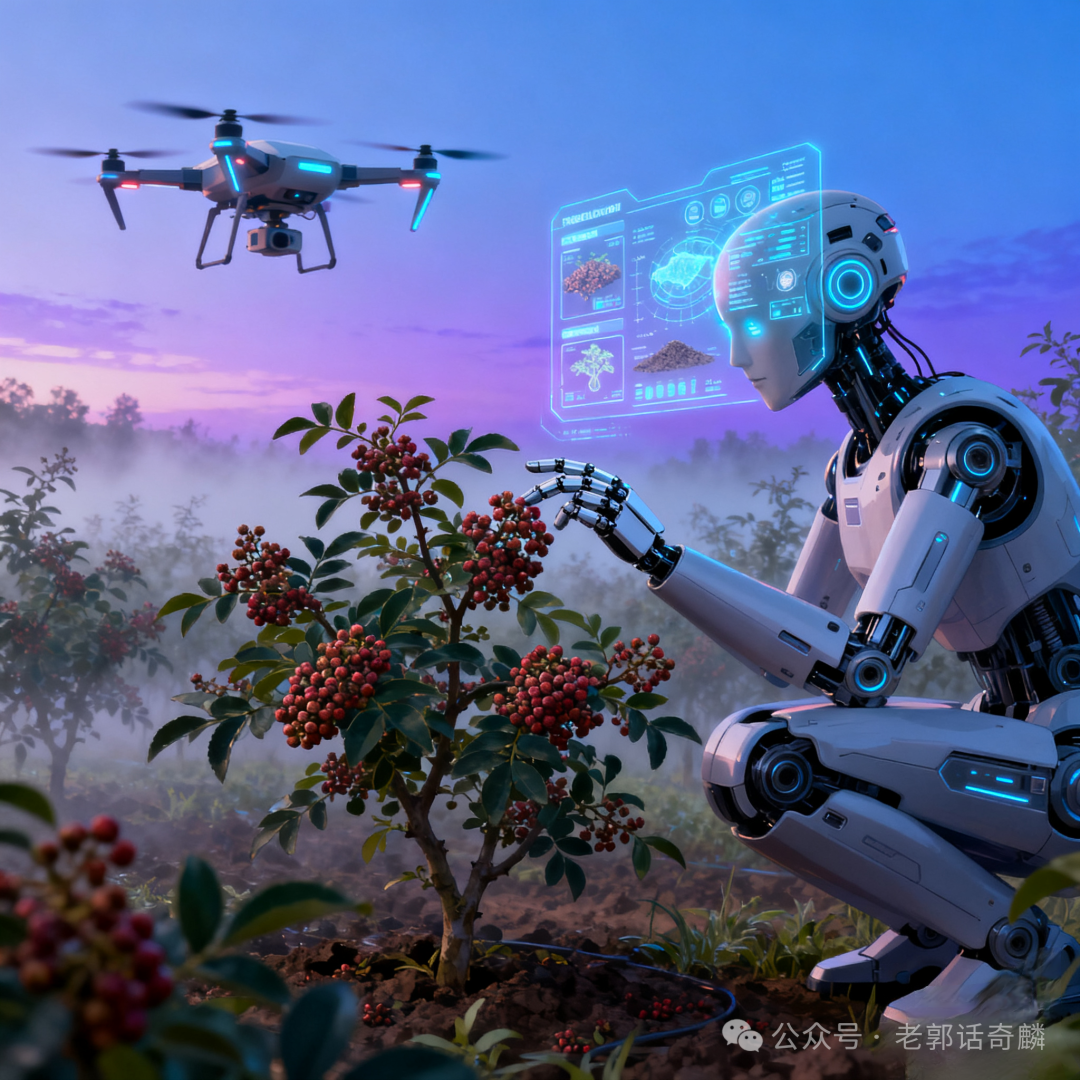
3. Sharp Outlook and Cold Reflection: Agriculture + AI is Not Simply “1 + 1”
Although the prospects are exciting, as the head of a pragmatic agricultural enterprise, I must remain calm. For the AI companion robot to truly play the role of a “golden key” in Jiao’ao Agriculture, it must overcome the following hurdles:
1. “Digital Divide”: Adapting to Traditional Customer Groups
Among our customers and partners, there are many traditional channel wholesalers and older consumers. How high is their acceptance and trust in new technologies? Will they think that a cold machine is not as good as a warm human touch? This requires the robot’s interaction design to be extremely simple, friendly, and even have a touch of “local flavor” warmth, rather than a flashy technological feel.
2. “Knowledge Gap”: Deeply Feeding Industry Data
The wisdom of AI depends on the data fed to it. To make it a “Sichuan pepper expert,” we need to invest significant effort in building a vast knowledge graph covering planting, processing, cooking, and marketing. This is not a task that can be accomplished overnight; it requires long-term, in-depth co-creation with technology companies, rather than simply delivering a standardized product.
3. “Cost Gap”: Accurately Calculating Input and Output
For agricultural enterprises with already low profits, this is an investment that needs careful weighing. We must calculate: can the brand premium, conversion rate increase, labor cost savings, and customer churn rate reduction it brings cover its R&D, deployment, and maintenance costs within an acceptable period? It must prove that it is not a cost but an asset that can generate high returns.
Conclusion
The AI companion robot from Beijing Space Chain Technology precisely meets the digital needs of Jiao’ao Agriculture. It is not just a customer acquisition tool but also a repository of corporate wisdom, a connector of brand emotions, and a driver of growth momentum. For us, embracing AI is not simply about “buying equipment”; it is a comprehensive transformation: requiring us to upgrade in data management (sorting Sichuan pepper planting and sales data), organizational structure (forming a cross-departmental AI implementation team), and mindset (shifting from “relying on experience” to “relying on data”). If we can successfully combine the “richness of Sichuan pepper” with the “intelligence of AI,” Jiao’ao Agriculture can not only sell better Sichuan pepper but also build a resilient and sustainable modern agricultural brand. We look forward to partnering with technology companies like Space Chain to explore a “warm and efficient” path to intelligent agricultural growth—this “golden key” is something Jiao’ao Agriculture is willing to fully try.