Now let’s further reflect on the topic mentioned above.
Previously, we discussed the classic and modern versions of the “Blind Men Touching an Elephant” story, illustrating how perceptions and the world can confine one to the same place throughout life, akin to blind men feeling only one part of an elephant, which is of no benefit. Only through broader exposure and deeper understanding can one approach the truth of the world and maximize the realization of life’s value.
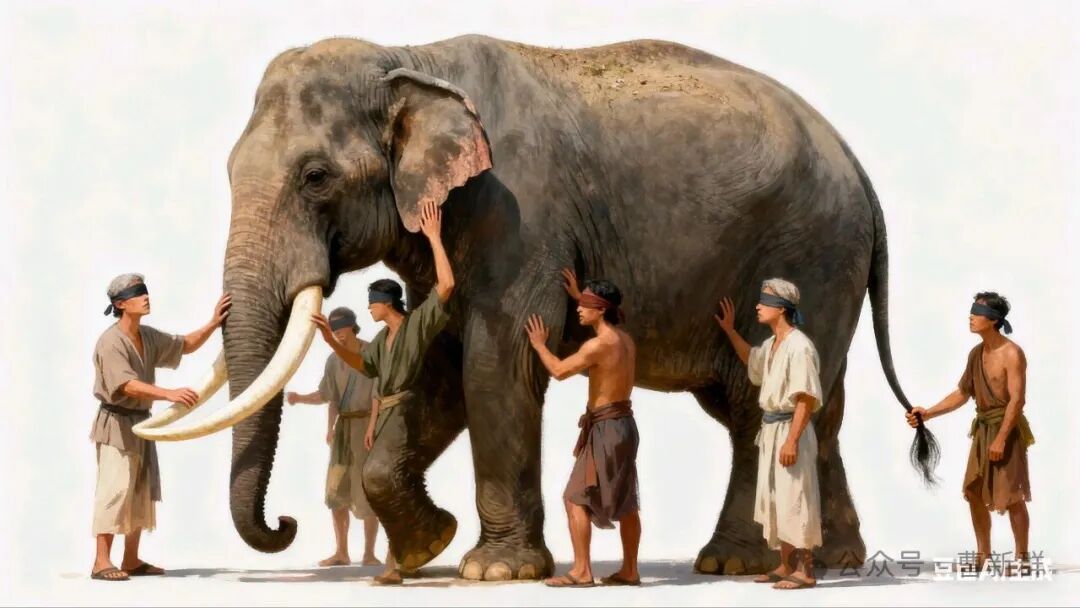
Classic version of Blind Men Touching an Elephant (the so-called “I understand, I am correct”)
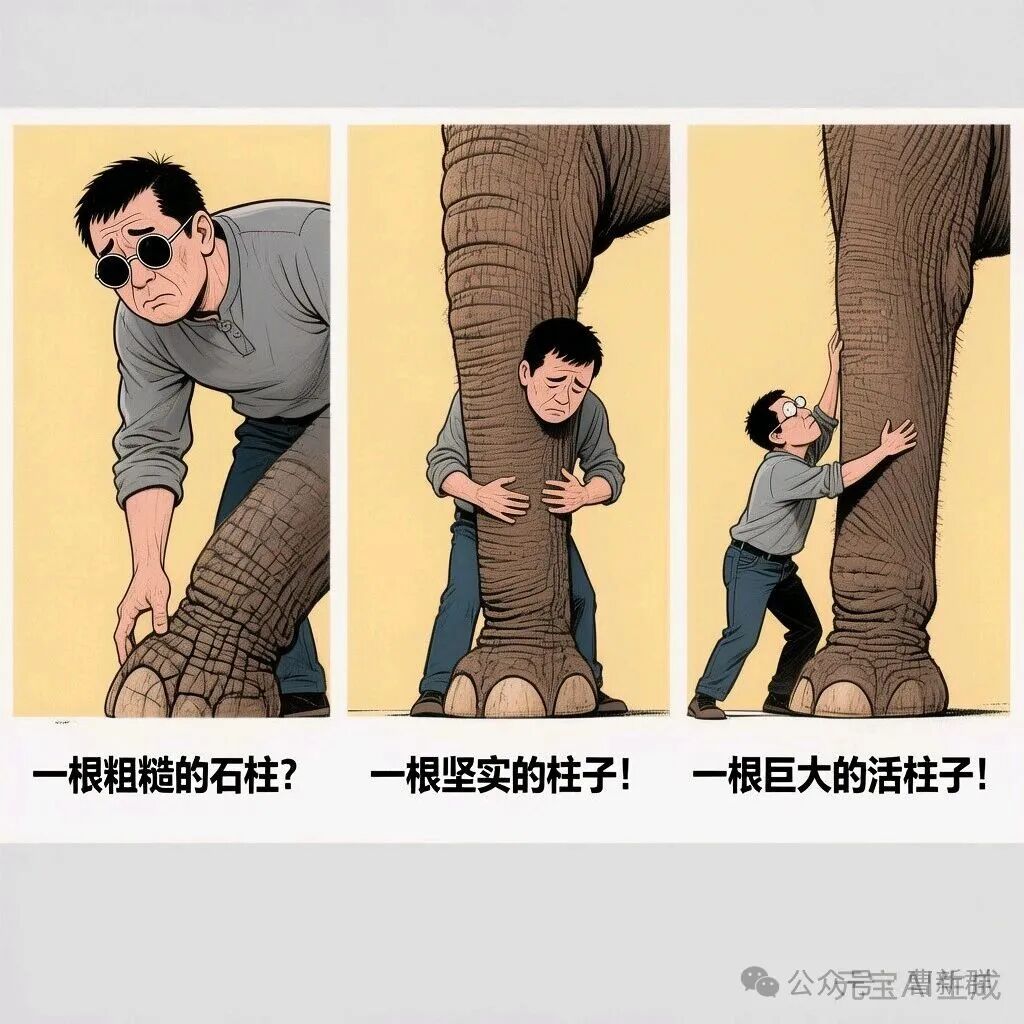
New group version of Blind Men Touching an Elephant (the so-called “experts”)
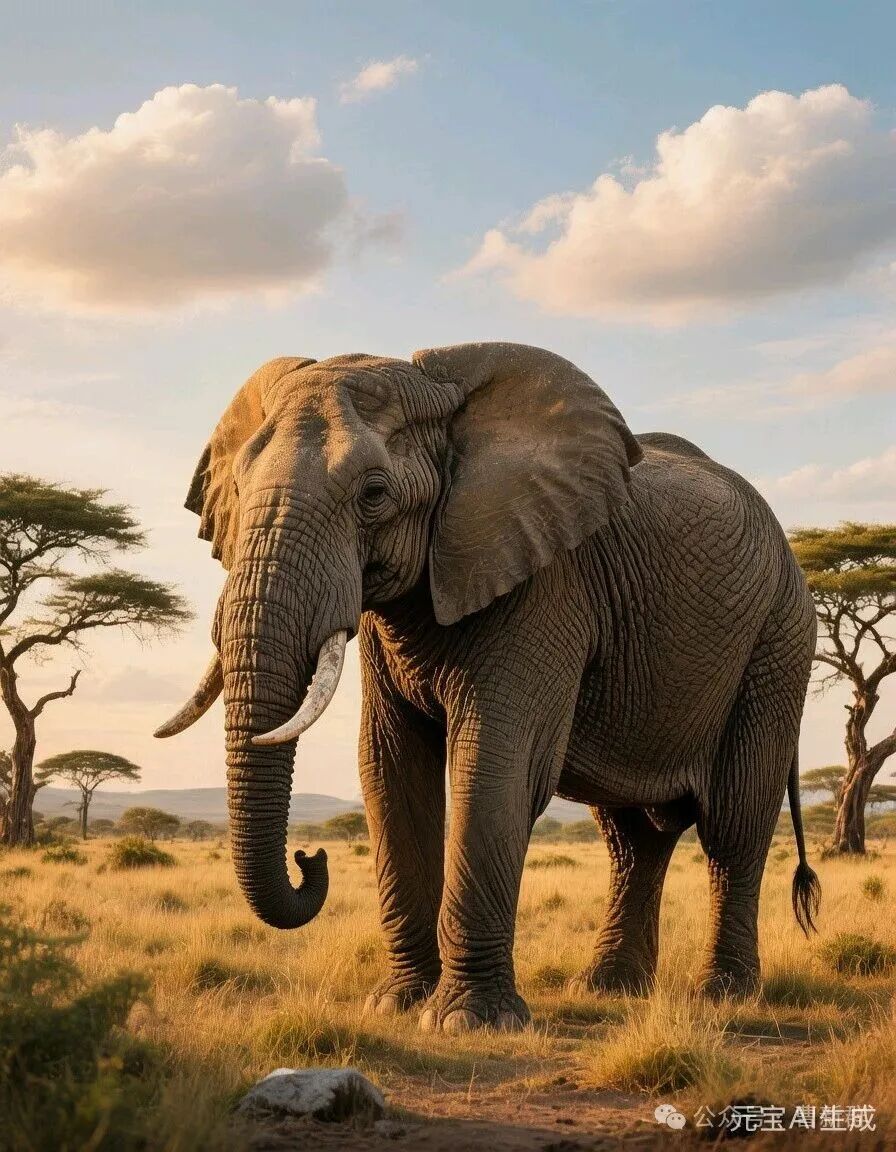
The elephant
Today we discuss AI and robotics, focusing on how these two technological advancements impact us and the future development trends of humanity.
We have connected these three concepts. Humanity has developed to this point, and our understanding is that the world is composed of matter. Our understanding of matter forms our spirit. Matter and spirit represent the external world we face and our inner world.
The existing knowledge in human society can be roughly divided into two major categories based on disciplines: one is the humanities and social sciences, and the other is the natural and engineering sciences. Of course, there are also interdisciplinary fields now.
The humanities and social sciences study human society, cultural phenomena, and cognitive activities, integrating interpretive and empirical methods (such as literature, history, sociology, economics, law, etc.). The humanities and social sciences explore the spiritual world, addressing the question of where we should go, providing us with direction.
The natural and engineering sciences consist of two parts. The natural sciences focus on the material forms and laws of motion in the natural world, relying on empirical and quantitative methods (such as physics, chemistry, biology, astronomy, etc.), corresponding to the “natural” in “natural and engineering sciences”; engineering technology sciences focus on the practical application and technological innovation of natural laws, emphasizing practicality and applicability (such as mechanical engineering, computer technology, civil engineering, etc.), corresponding to the “engineering” in “natural and engineering sciences.” The natural and engineering sciences explore the material world, providing us with strength.
Human exploration of the material world has undergone the following changes from the perspective of tools. From stone tools in primitive society, iron tools in agricultural society (such as hoes for production and swords for warfare), mechanical tools in industrial society (such as electric hammers for processing iron tools, trains, and cars in transportation), to computers and the internet in the information society (various connected computers and smartphones), and now we are beginning to see the widespread application of artificial intelligence (AI) and robotics in the future.
Each stage of development does not completely abandon the previous stage but rather builds upon its usefulness. After the advent of iron tools, stone tools still existed and remained useful; after the introduction of machinery, iron tools could be utilized more effectively; after the emergence of computers and information technology, robots (including robotic arms) became more precise and efficient under the drive of artificial intelligence (AI).
Artificial intelligence (AI) is reshaping the humanities and social sciences. Robots powered by AI are redefining the natural and engineering sciences. Musk predicted at the All-In Summit this September that AI will surpass the intelligence of a single human by 2026 and the total intelligence of all humanity by 2030. Musk also revealed that Tesla is about to showcase a prototype of a flying car, stating, “This will be an unforgettable product demonstration.” Currently, people are still debating whether a certain piece of writing is their own, but in the future, 95% of such tasks will be completed by AI.
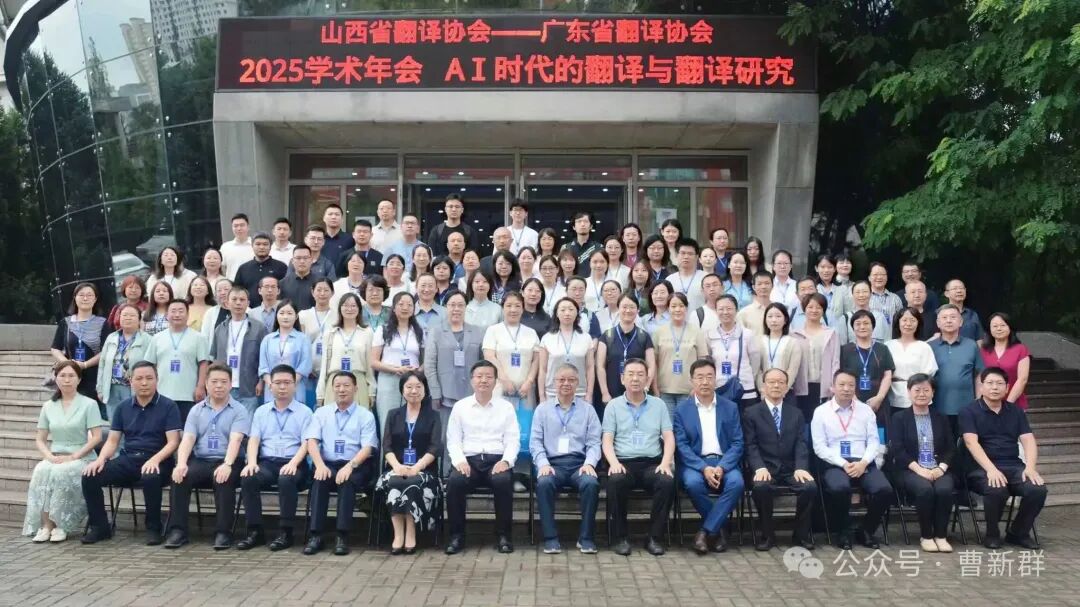
Regarding the development and application level of AI technology, in July of this year, the “2025 Academic Annual Conference of the Shanxi Translators Association and the Guangdong Translators Association” was held in Datong, Shanxi, with the theme “Translation and Translation Studies in the AI Era,” discussing cutting-edge topics in the field of translation. An expert stated that the latest version of ChatGPT, as a representative of AI tools, has capabilities equivalent to that of a PhD in any discipline (I am paraphrasing, not verifying the recorded speech, but this is roughly the idea). I attended this conference in Datong as an observer, and when I heard the expert say this, I wholeheartedly agreed. The future is promising, and the world is moving towards unity. In 2025, at this conference in Datong, I encountered this consensus. This is a very interesting matter.
In the near future, if you ask a writer whether a piece of written material is their own, it will be akin to asking a modern farmer (someone who uses technology in agricultural production) whether the rice produced in the field was grown using a hoe.
In my view, in the next 5 to 10 years, the vast majority of humanities and social science workers will have their current job content completed by AI. Robots powered by AI will replace most of the work done by professionals in the natural and engineering sciences.
This morning, at the recently concluded Meisha Forum, two tech giants, Musk and Jensen Huang, shared the stage, a rare occurrence. One is the wealthiest person globally, and the other heads the largest company. Clickbait titles claim this is a dialogue between the richest and the smartest. Musk stated that in the next 10 to 20 years, work will become purely a hobby, and the key point is that money will become useless. AI and robots will greatly enrich material wealth, and at that time, work will not be necessary for survival. This aligns closely with my view, and I believe this is possible.
If someone asks whether the world is changing that quickly, today is Monday, traditionally a workday, the first working day of the week, and the busiest time. At this moment, if you go to a park in Beijing, you will find that during traditional working hours, such as 10 AM, not only are there retired elderly people, but the proportion of young people is likely no less than one-third.
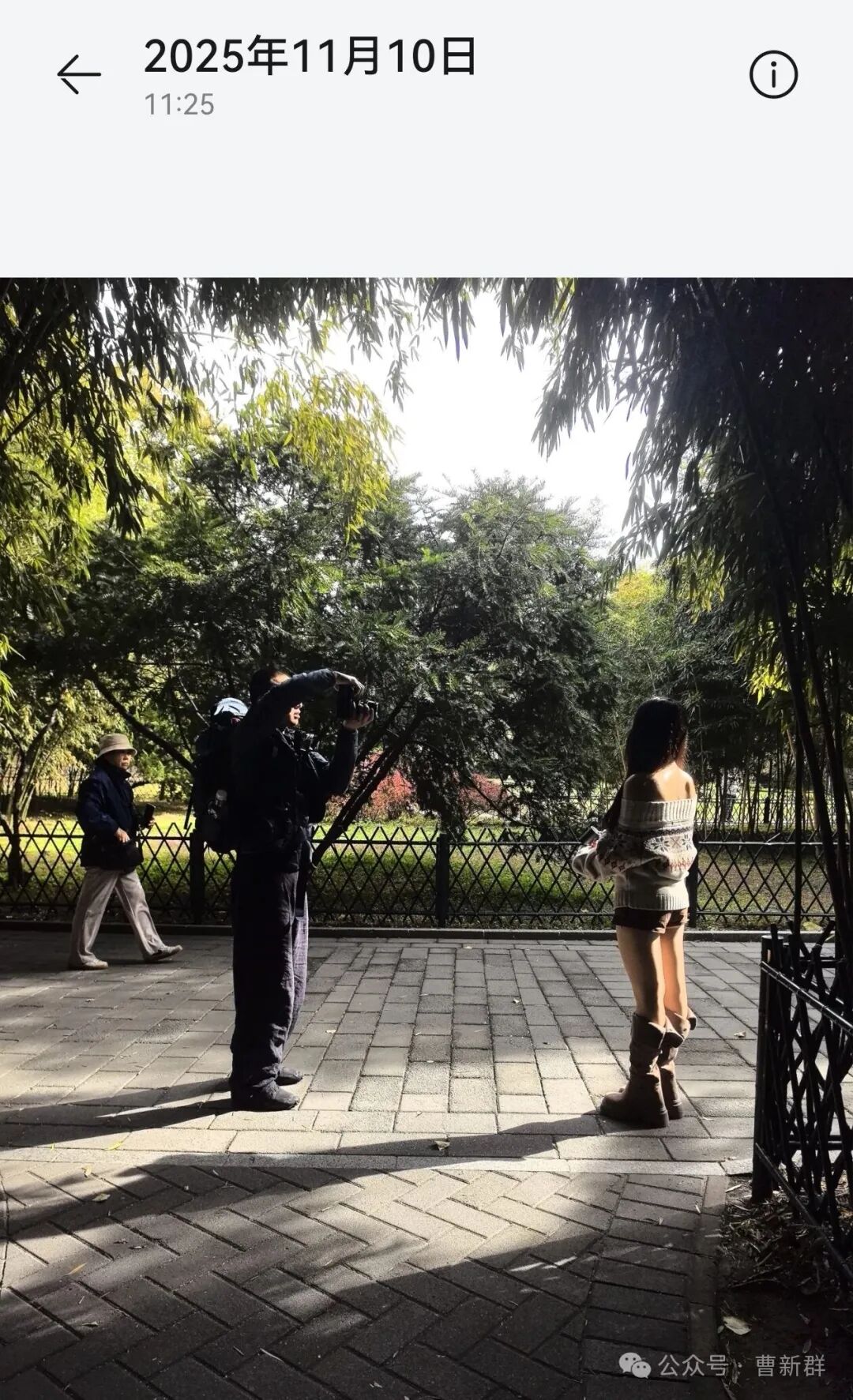
Why are so many people not working?
Another fact that addresses this confusion is that today, Dong Yuhui, a teacher from an English tutoring institution, has transitioned to the self-media sales field, and his annual income compares favorably with that of an entrepreneur from a large traditional manufacturing enterprise. Who earns more? Today, how many of the wealthiest individuals in China come from traditional manufacturing? How many are from the internet? Jack Ma, Pony Ma, Zhang Yiming, Liu Qiangdong, Ren Zhengfei, Lei Jun—none of these wealthy new elites come from traditional agriculture or manufacturing.
The future has arrived; many people around us may just not be accustomed to it. That’s okay; when the times abandon anyone, they won’t even say goodbye. Isn’t that so?
Attached is a chat I had with a marathon friend, a doctor.
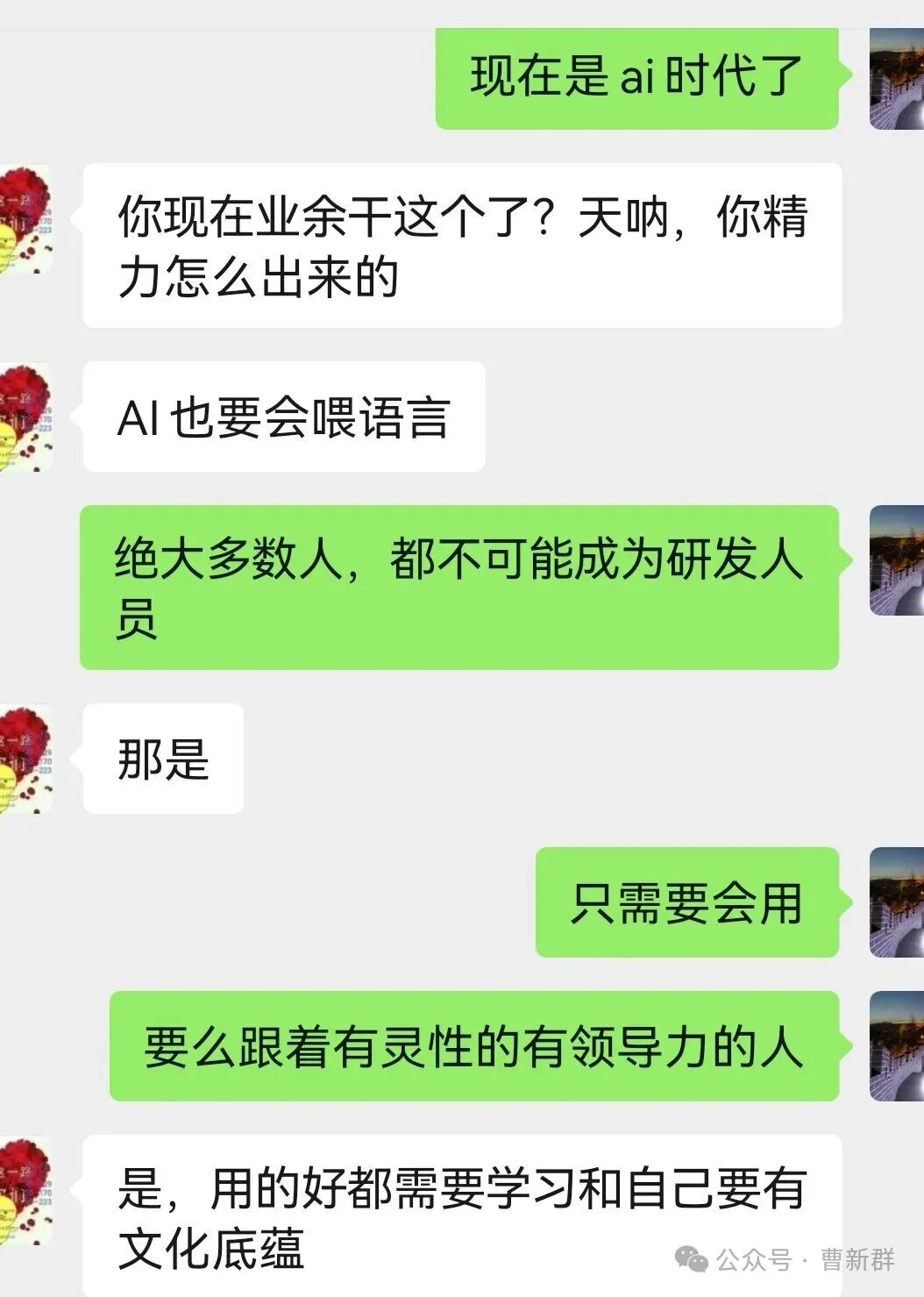
Writing while thinking, rambling without proofreading; if you don’t like it, please skip. Thank you!
A song with lyrics that say, “We were all drifting, yet we talk about freedom…”
November 24, 2025, 8 AM
After the Jinggangshan Marathon
Written at the Jinggangshan Hotel in China