 Research Background
In fields such as aerospace, environmental monitoring, wearable devices, and intelligent robotics, the ability to sense large-area airflow is crucial for flight perception, environmental disturbance monitoring, and tactile sensing. Traditional airflow sensors often suffer from issues such as structural rigidity, low sensitivity, and slow response times, along with complex manufacturing processes and high costs, severely limiting their application in large-area and curved environments. In recent years, flexible airflow sensors have gained widespread attention due to their excellent conformability and adaptability, but they still face challenges such as insufficient sensitivity, slow response times, and significant flow field interference.
Article Overview
On September 9, researchers Xie Yingxi from South China University of Technology and Luo Yongchao from Guangzhou City Polytechnic published a study titled “Hair‐Like Flexible Airflow Sensor for Large‐Area Airflow Sensing” in Advanced Science. Inspired by the airflow perception mechanism of human hair, the team developed a hair-like flexible airflow sensor based on laser direct writing and electrostatic flocking technology. This sensor features high sensitivity (5.25% s m⁻¹), fast response time (39.83 ms), a wide detection range (3.48–18.36 m s⁻¹), and minimal interference from the airflow field, enabling real-time monitoring of airflow speed, direction, and incident points in large-area and curved environments.
Article Title:
Hair‐Like Flexible Airflow Sensor for Large‐Area Airflow Sensing
Original Link:
https://doi.org/10.1002/advs.202510741
(Scan the QR code at the end of the article to receive the PDF original)
Research Content01Bionic Design and Fabrication Process
Inspired by the structure of human skin and hair, the research team designed a composite structure sensor consisting of a laser-induced graphene (LIG) conductive layer, a bonding layer, and a carbon fiber fluff layer. Using electrostatic flocking technology, carbon fibers were vertically implanted into a flexible substrate, forming a hair-like sensitive structure with excellent flexibility and conformability.
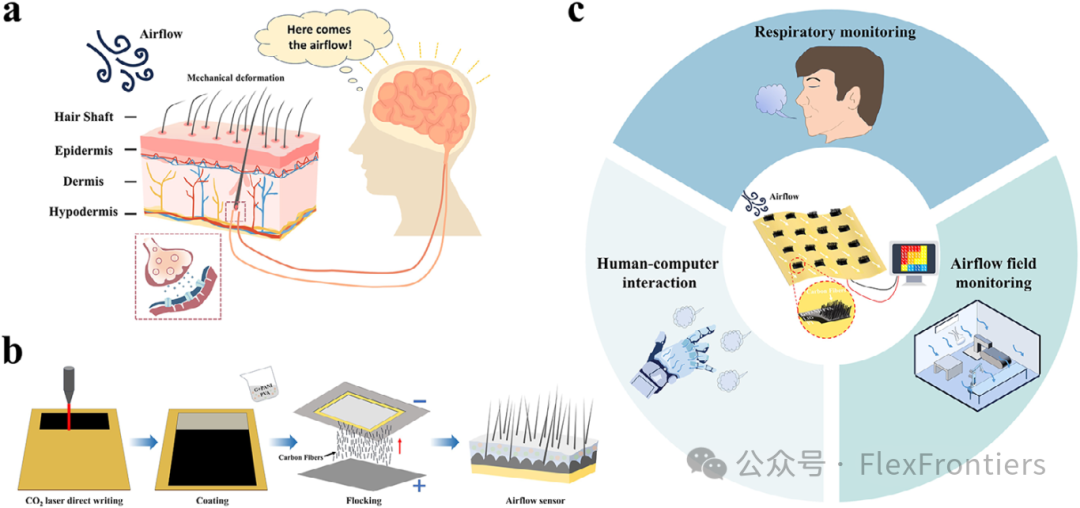
Figure 1. Human hair sensor system and hair-like flexible airflow sensor array design
02
Characterization of Sensor Morphology and Structure
Visual evidence confirmed the successful fabrication of the sensor and its core features. The physical photo and optical microscopy image in Figure a vividly demonstrate the hair-like micro-morphology of the sensor surface, which is fundamental to its functionality. The cross-sectional SEM image in Figure b is crucial as it clearly reveals the multi-layer composite structure of the sensor (PI substrate, LIG conductive layer, bonding layer, and carbon fiber layer), providing a physical basis for understanding its conductive pathways and sensing mechanisms. Figure c captures the vibration state of the carbon fibers in airflow, visually demonstrating its working dynamics similar to real hair. Figure d showcases the flexible integration effect of the sensor array, providing visual support for its claims of “large-area” and “conformable” applications.
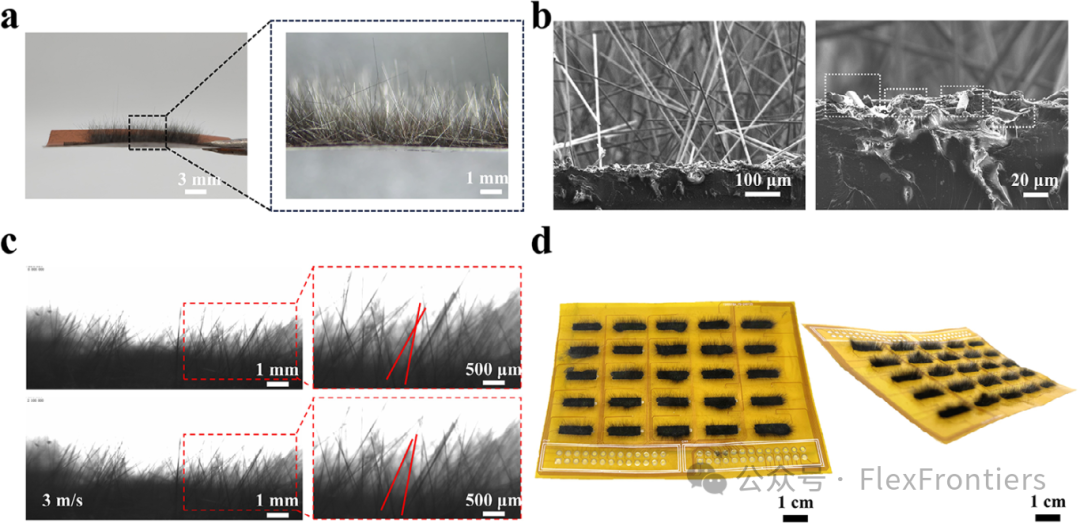
Figure 2. Morphologies and characterization of the airflow sensor.
03Comprehensive Performance Evaluation of the Sensor
Through schematic diagrams of the testing platform (a), response curves (b), sensitivity curves (c), response/recovery times (d,e), and cyclic stability tests (f), data demonstrated that the sensor possesses key advantages such as high sensitivity, fast response, wide detection range, and excellent reliability. Figures g and h strongly validate the accuracy of its measurement results and applicability on complex surfaces through comparative experiments with the gold standard in the field (commercial sensors) on flat and curved surfaces. The radar chart in Figure i compares the performance of this work with previous studies, highlighting its leading position in comprehensive performance and reinforcing the innovation of the research.
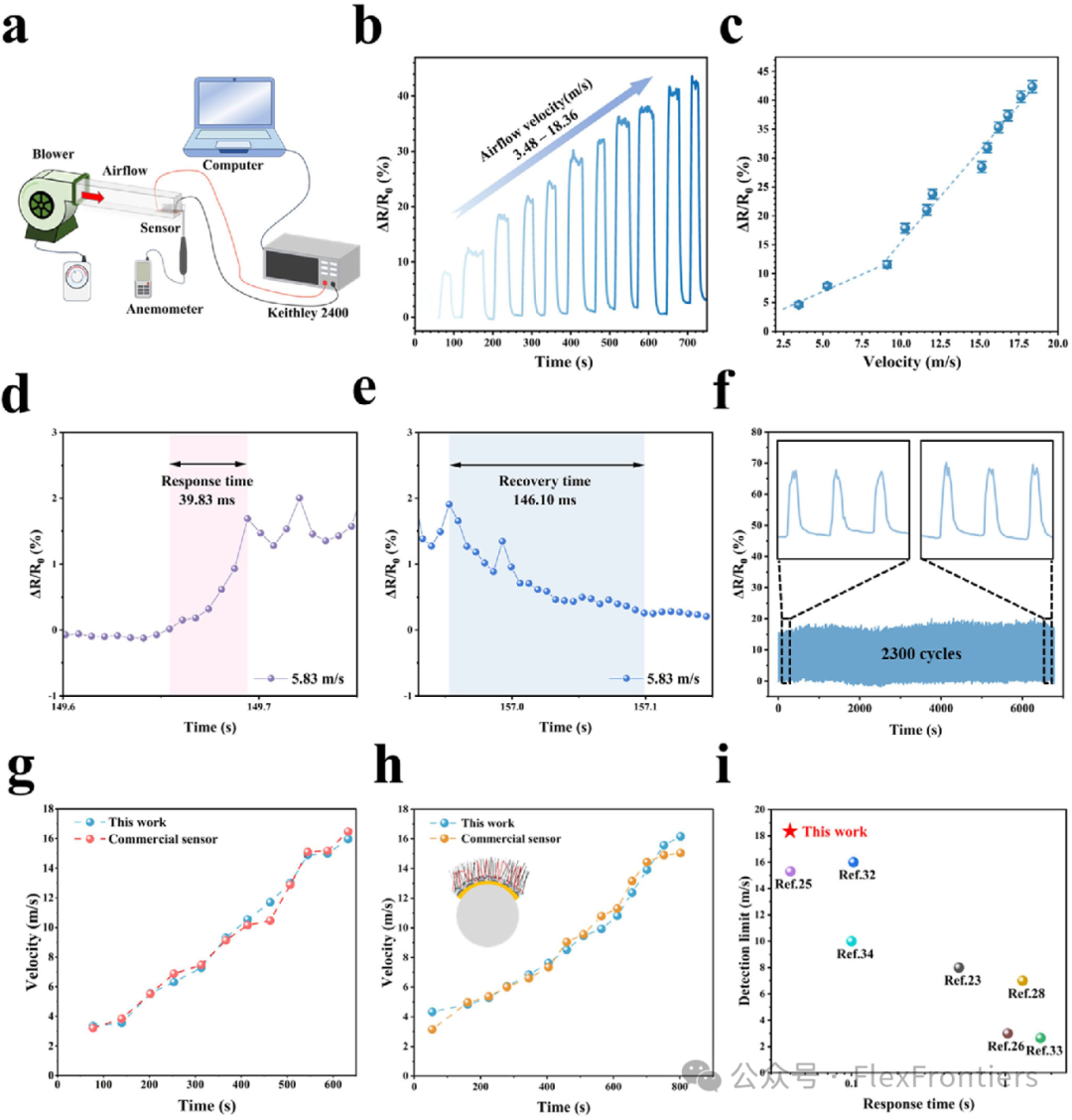
Figure 3. Performance of the airflow sensor.
04In-Depth Exploration of Working Mechanism
This section elaborates on the physical principles and electromechanical mechanisms behind the sensor. By establishing mechanical models of the carbon fibers (a), schematic diagrams of the separation state (b), conductive network models (c), and equivalent circuit models (d), it theoretically explains the observed experimental phenomena (such as resistance changes and segmented sensitivity). A series of experimental data in Figures e-g systematically study the effects of parameters such as airflow angle, sensor size, and flocking density on performance, providing direct guiding principles for the sensor’s optimization design. The bending test in Figure h demonstrates its mechanical robustness, which is key evidence supporting its “flexible” and “wearable” characteristics.
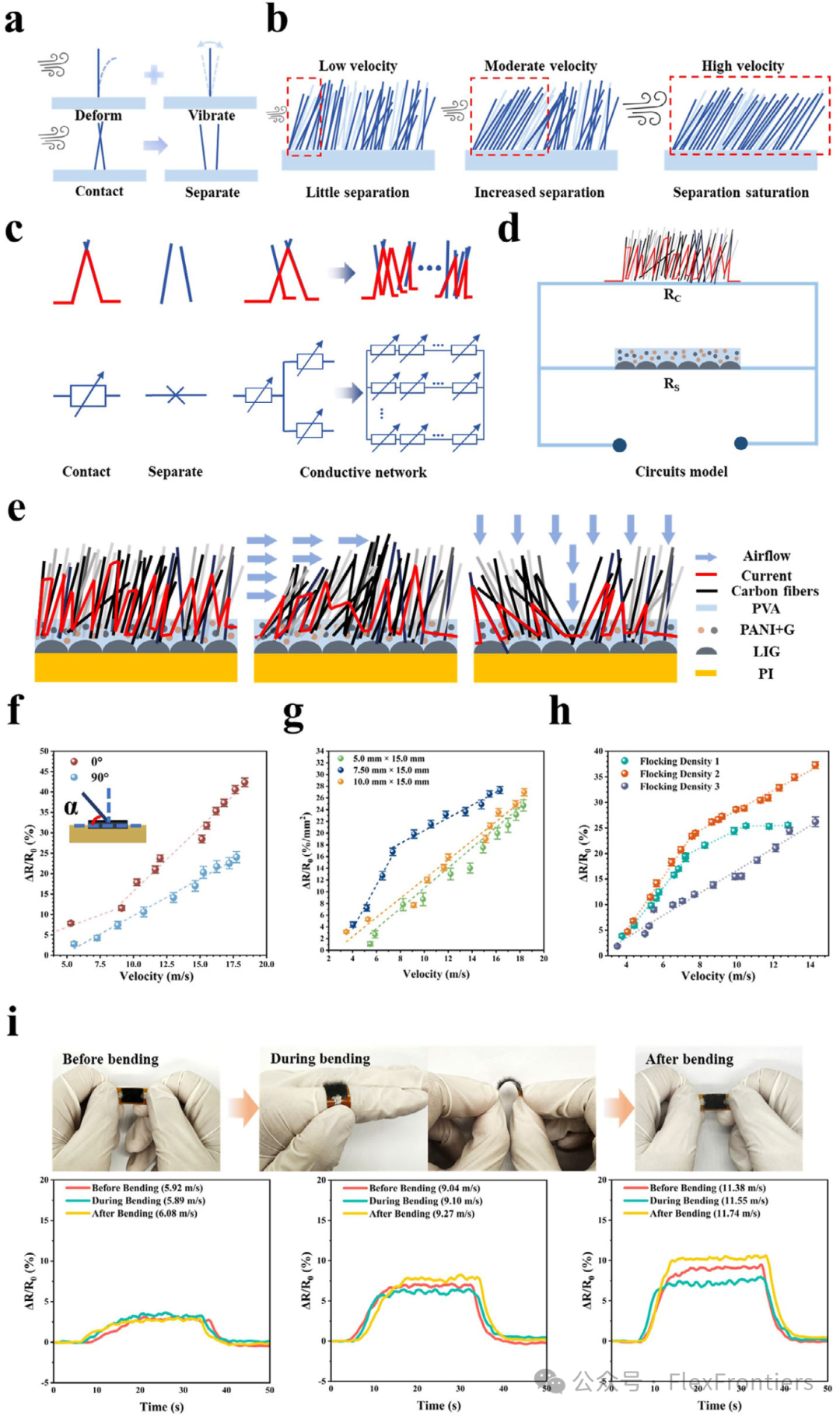
Figure 4. Working mechanism of the airflow sensor.
05Application Demonstration in Real Scenarios
Integrating all the excellent performances and characteristics presented earlier, the core goal of “large-area airflow sensing” is achieved, completing a closed loop from basic research to application validation. Figures a and b construct a complete real-time monitoring system. Figure c convincingly demonstrates that the array can accurately reconstruct complex two-dimensional airflow field distributions through smoke visualization and sensor readings in a wind tunnel, even identifying flow field changes caused by obstacles. Figure d applies it to the surface of an aircraft wing, showcasing its potential in high-end fields such as aerodynamic prototype testing. Finally, Figure e integrates it into gloves, achieving proof of concept in wearable devices, indicating its practical future in human-computer interaction and rehabilitation medicine.
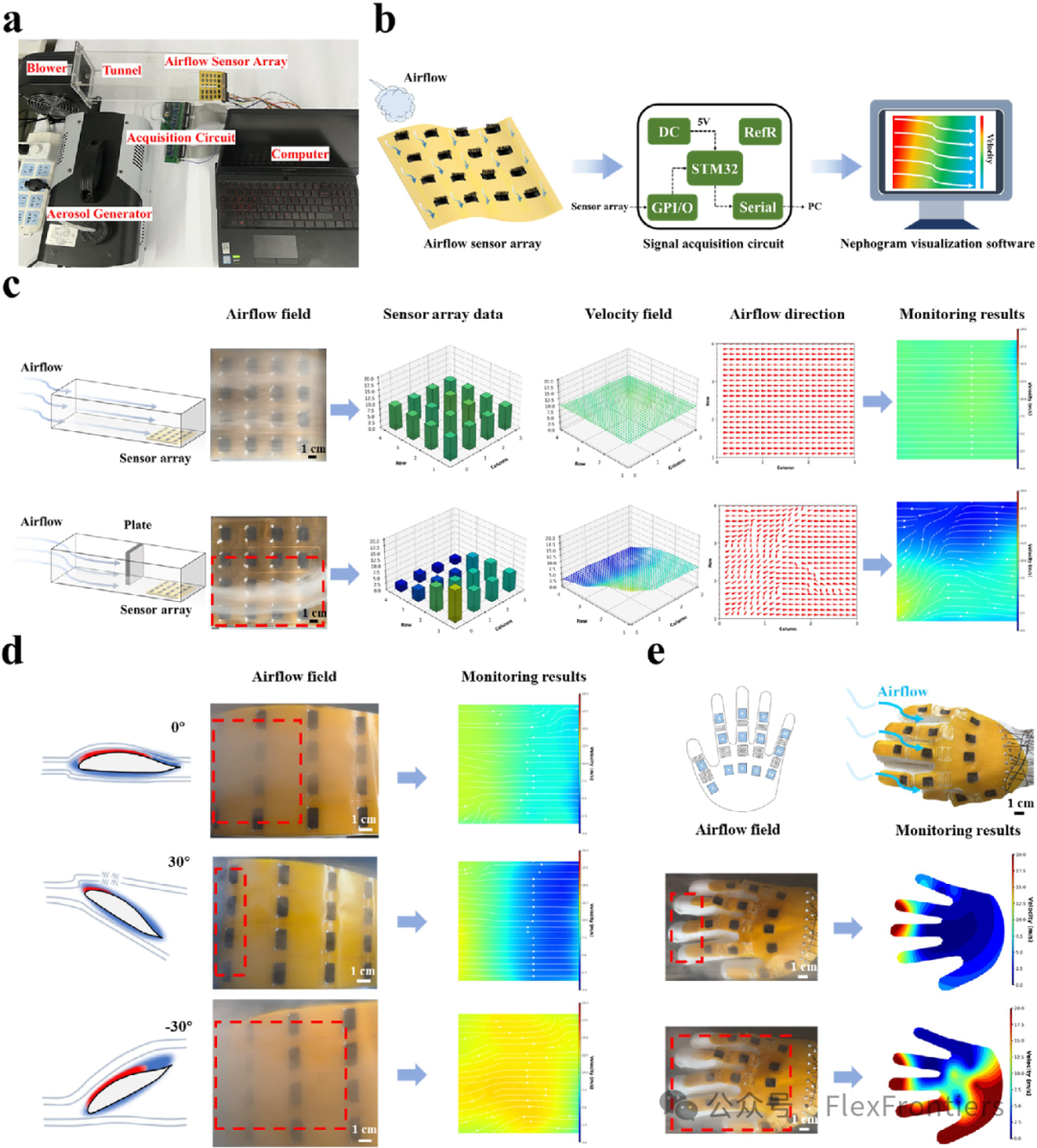
Figure 5. Applications of the airflow sensor array.
Conclusion and OutlookThe study successfully developed a hair-like flexible airflow sensor based on bionic structures, addressing the challenges of traditional sensors that cannot balance high sensitivity, fast response, large-area monitoring, and flexible integration. This technology not only has broad application prospects in environmental monitoring, intelligent robotics, and wearable devices but also provides new ideas and technical pathways for the design of future large-area airflow sensing systems.
Disclaimer: The literature sharing has indicated the authors and sources. If there is any infringement, please contact the backend for deletion within 24 hours!The translator’s level is limited; if there are errors or inappropriate parts, please feel free to correct them in the comments!
For submissions, recommendations, recruitment, business cooperation, and technical exchanges, please scan the QR code below to contact the editor, and please note:Name + Organization + Request

 Scan to receive the original text
Communicate with hundreds of people in related fields, and welcome to exchange with the Flexible Electronics Laboratory~
 Like and Share