Currently, silicon carbide has become the next-generation core material in the semiconductor field, receiving comprehensive investment and support from global tech giants such as Huawei and NVIDIA.
In particular, NVIDIA’s Rubin processor will utilize a new generation of CoWoS packaging technology that employs silicon carbide as an intermediate substrate, replacing traditional silicon materials.
This transformation has garnered widespread attention from TSMC, which is striving to push major manufacturers to follow suit in technology.
Additionally, Huawei recently released two patents related to silicon carbide heat dissipation technology, involving thermal conductive compositions and their applications, aimed at enhancing the thermal conductivity of electronic devices using silicon carbide.
The Chinese government has also introduced relevant policies in 2025, explicitly listing silicon carbide as a core material for third-generation semiconductors, accelerating standard formulation, promoting large-scale applications, and further fostering technological innovation and industrial development.
The market applications of silicon carbide span multiple high-tech fields, including data centers, AI chips, robotics, automotive, smartphones, and commercial aerospace.
The projected market space derived from silicon carbide is expected to reach trillions, and with technological advancements and policy catalysis, silicon carbide is set to become an important strategic material, experiencing explosive growth in the coming years.
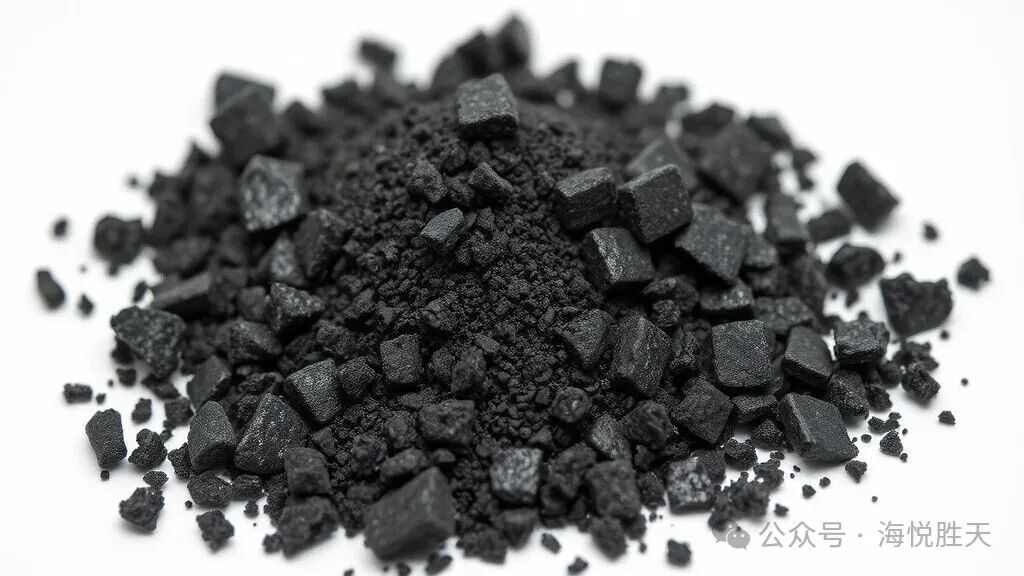
Here are several companies that have achieved outstanding accomplishments in the field of silicon carbide:
1. Tianyue Advanced: The first company in the world to achieve mass production of 12-inch silicon carbide substrates, with a yield of over 70% for 8-inch conductive substrates, and a 40% cost reduction compared to 6-inch substrates. Additionally, the liquid-phase preparation technology has improved the yield of 8-inch substrates to 85%, and a single piece of 12-inch optical-grade substrate can support the production of 3-4 pairs of AR glasses, seizing new opportunities in AI and AR.
2. Luxiao Technology: Focused on the mass production of 6-inch conductive substrates, achieving a yield of 65%, which is 30% lower than international peers; the yield for 8-inch substrates is 60%, with plans to achieve automotive-grade mass production by 2026. The company plans to build a base in Hefei, with a production capacity of 240,000 pieces/year, and future expansion to 500,000 pieces/year in the second phase.
3. Jingsheng Electromechanical: Holds over 50% of the global market share for silicon carbide crystal growth furnaces, covering the entire industrial chain of crystal growth, cutting, and epitaxy equipment. The company’s synergistic development in equipment and materials allows it to seize the technological lead in large-size materials.
4. Dongni Electronics: Holds over 35% market share in silicon carbide cutting lines and conductive materials, with a 30% improvement in cutting efficiency. Currently, it has provided related equipment and materials to leading companies such as Tianyue Advanced and Sanan Optoelectronics.
5. Saiwei Electronics: The company has a production capacity of 5,000 pieces/month for 6-inch silicon carbide epitaxial wafers, with a yield exceeding 90%. Additionally, 8-inch epitaxy equipment is in the debugging stage, with mass production expected by 2026.
6. China Resources Microelectronics: Has a production capacity of 2,500 pieces/month for 6-inch silicon carbide epitaxial wafers, with a yield exceeding 95% for automotive-grade products, having entered the supply chains of major manufacturers like Tesla and NIO. By 2025, the Chongqing 12-inch production line is expected to achieve a monthly output of 30,000 pieces.
7. Zhongwei Company: Its ICP etching equipment has achieved technological breakthroughs in silicon carbide device manufacturing, validated by clients such as Silan Microelectronics and China Resources Microelectronics, with new orders expected to exceed 500 million yuan by 2025.
8. Sanan Optoelectronics: Achieved full-process manufacturing of “substrate – epitaxy – device” in the silicon carbide field, being the only IDM company in China capable of covering the entire process. The 8-inch automotive-grade production line, jointly invested with STMicroelectronics, is expected to begin mass production in the fourth quarter of 2025. With technological breakthroughs, Sanan Optoelectronics has broken the monopoly of international giants like Wolfspeed and Rohm, and through joint R&D with Huawei, further solidified its leading position in automotive-grade SiC devices and optical communication chips.
Risk Warning: Any opinions or data mentioned in this article are sourced from the internet for reference only and do not constitute any investment advice, commitment, or guidance. Investment carries risks; please proceed with caution.