“Doctor, these gout medications are not effective.”
Two middle-aged men insisted, both having self-medicated for gout, yet their symptoms still persisted, seeking an explanation from the doctor.
Despite being strangers, their mutual skepticism towards gout medications and their prior choice of DIY treatments quickly bonded them as comrades in the same trench.
Observing the two men enthusiastically agreeing, a family member accompanying them turned away: “Isn’t ‘having a confidant across the seas’ precisely this?”
Both men came to our hospital for examination and treatment due to recurrent joint swelling and pain.
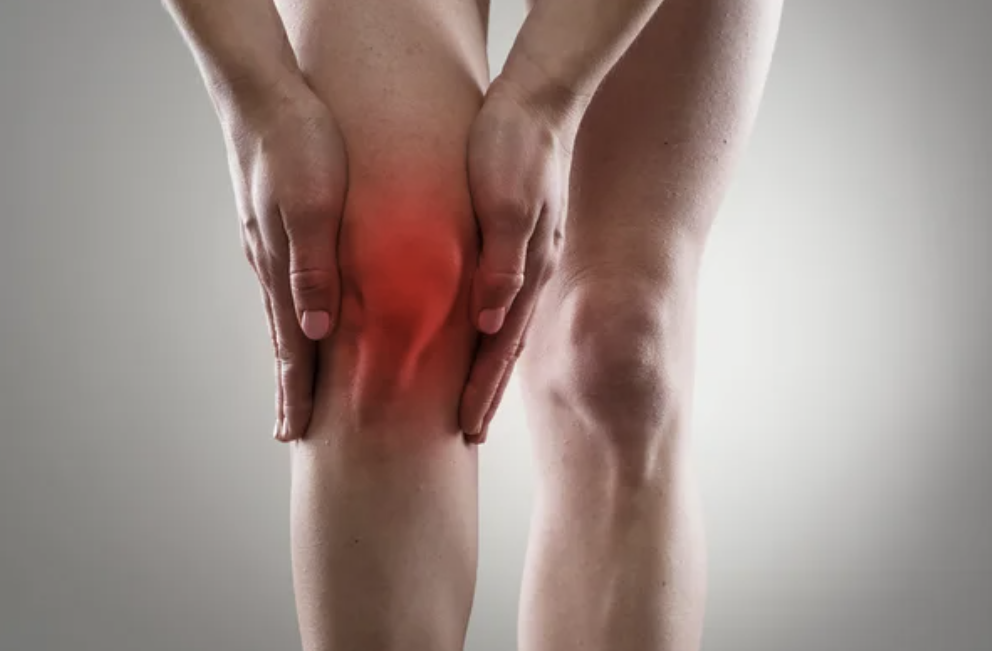
According to Director Huang Jianlin, Chief Physician of the Internal Medicine and Rheumatology Department, Man 1 is busy with work and social engagements, slightly overweight, and has suffered from recurrent knee joint swelling and pain for over five years. This time, the knee pain has persisted for 10 days, whereas previously it would ease in 3-7 days.
This man has repeatedly been informed during health check-ups that his blood uric acid levels are high, and he knows that high uric acid can lead to gout, so he attributes his joint pain to gout. Whenever he experiences joint pain, he goes to the pharmacy to buy febuxostat (a uric acid-lowering medication) and diclofenac. Concerned about side effects, he stops taking them after a few days when the swelling subsides. Upon admission, his blood uric acid level was nearly 600 μmol/L, and his creatinine (a marker of kidney function) had exceeded the normal upper limit.
Man 2 is a middle manager in his company, has many friends, and often faces unavoidable business dinners. Years ago, a company health check revealed high blood uric acid levels, peaking at 640 μmol/L. He has experienced recurrent foot joint pain for over three years, taking colchicine and diclofenac during painful episodes. In the past year, the frequency of his joint pain has increased, and he has dared not stop taking colchicine, adding diclofenac during severe pain for relief. What troubles him more is the appearance of nodules on his feet and fingers.
“Why does gout persist?” “Despite continuously taking colchicine, why hasn’t the condition been controlled?” When the doctor made rounds, both men posed their questions to Huang Jianlin.
Huang Jianlin pressed his temple: “The similarities and differences in your questions are notable. The biggest commonality is that both of your DIY treatments are wrong.”
Huang Jianlin explained that Man 1 believes he doesn’t need to take medication when there is no joint pain, which seems reasonable from a layman’s perspective. However, gout treatment does not work that way.
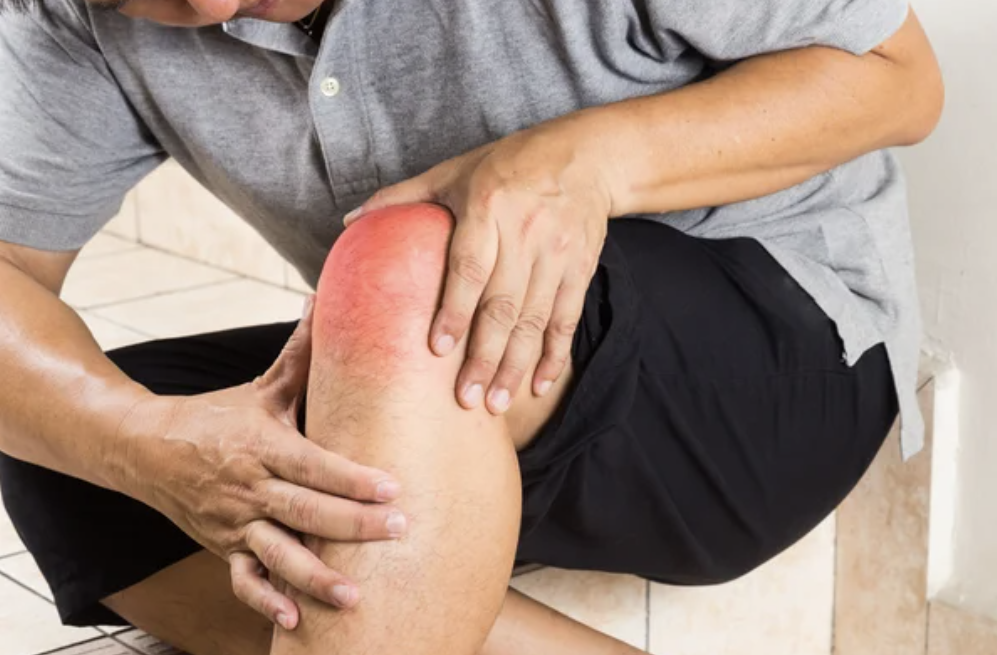
In the early years of gout, many people only experience 1-2 attacks per year and can self-relieve without medication, like a breeze passing without leaving a trace. During an acute gout attack, anti-inflammatory and pain relief treatment is crucial, requiring the inflammation to subside. The main medications during this time include non-steroidal anti-inflammatory drugs (such as celecoxib, etoricoxib, diclofenac, meloxicam) and colchicine. If neither can be tolerated, corticosteroids like prednisone can be chosen. Once the joints are no longer swollen or painful, these medications can be discontinued.
After the joint pain subsides, the patient enters the remission phase of gout. During this stage, lowering uric acid is most important. As uric acid levels decrease, the frequency of joint pain attacks will gradually reduce, and the severity will also lessen. If uric acid levels are not addressed during the remission phase, future attacks may occur, sometimes with increasing severity.
“It is advisable to start uric acid-lowering treatment two weeks after joint pain subsides. Lowering uric acid is a long-term process, requiring consistent treatment to meet standards.” Huang Jianlin added.
As for the DIY plans of both men—previously, Man 1’s use of diclofenac during attacks was correct. However, it is important to note that this medication may harm the stomach, so it should be taken with stomach-protecting drugs. Moreover, Man 1 started uric acid-lowering treatment too early, mistaking febuxostat or benzbromarone for pain relief medications, and only taking them short-term, which understandably could not achieve therapeutic effects. Lowering uric acid is a long-term endeavor, and considering genetic, physical, and dietary factors, the body struggles to maintain uric acid within normal ranges without medication to help stabilize it.
For Man 2, who repeatedly suffers from gout, taking colchicine for anti-inflammatory treatment and short-term use of non-steroidal anti-inflammatory drugs for pain relief was correct. However, he mistakenly believed that colchicine can lower uric acid, hence he kept taking it. In other words, he incorrectly used acute phase anti-inflammatory and pain relief medications as uric acid-lowering drugs, continuing their use during the remission phase. Without uric acid-lowering treatment, blood uric acid levels remained high, leading to a situation where even long-term use of colchicine could not control the condition, resulting in repeated gout attacks and significant suffering.
Huang Jianlin reminded: Early treatment of gout is not complicated; the key is to treat it correctly. Anti-inflammatory and pain relief treatment during the acute phase, uric acid-lowering treatment during the remission phase, and maintaining long-term standards are essential. “Many patients, being non-medical professionals, inevitably misjudge DIY gout treatments. It is recommended to regularly visit the hospital for treatment under professional guidance. Additionally, gout may involve complications such as hypertension, diabetes, kidney stones, and renal dysfunction, which require specialized treatment from doctors to avoid delaying the condition.”
Guiding Expert of This Article
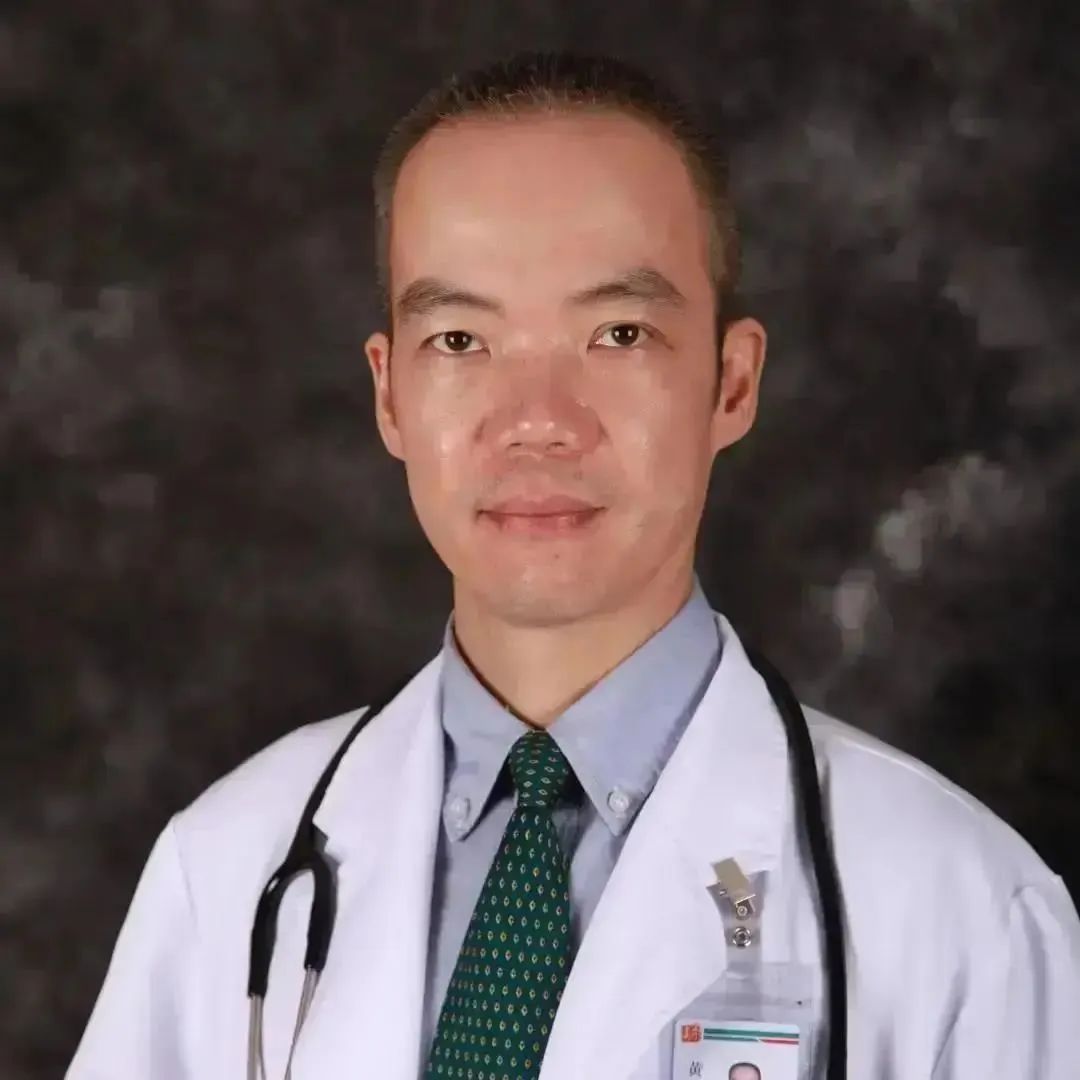
Director of Internal Medicine and Rheumatology Department Huang Jianlin, Chief Physician
Professor, Chief Physician, Medical Doctor, PhD Supervisor, currently serving as the Director of Internal Medicine, Rheumatology, and Infectious Diseases, concurrently serving as Vice Chairman of the Rheumatology Branch of the Guangdong Medical Association, Chairman of the Rheumatology Specialty Committee of the Guangdong Grassroots Medical Association, Vice Chairman of the Rheumatology Specialty Committee of the Guangdong Hospital Association, Vice Chairman of the Rheumatology and Immunology Specialty Committee of the Guangdong Geriatric Health Association, Standing Committee Member of the Rheumatology Physician Branch of the Guangdong Physician Association, Standing Committee Member of the Rehabilitation Medicine Association of Guangdong, Standing Committee Member of the Precision Medicine Association of Guangdong, and Standing Committee Member of the Gout Management Committee of the Guangdong Association of Integrative Medicine. Recognized as “China’s Good Doctor”, “Lingnan Famous Doctor”, “Good Doctor of Yangcheng”, and “Good Doctor by the People”.
Specializes in the diagnosis and treatment of rheumatic diseases such as rheumatoid arthritis, systemic lupus erythematosus, immune infertility and recurrent miscarriage, ankylosing spondylitis, psoriatic arthritis, gout, Sjögren’s syndrome, dermatomyositis/polymyositis, systemic sclerosis, Behçet’s disease, osteoporosis, osteoarthritis, etc., with rich experience in diagnosing and treating complex and severe rheumatic diseases.
Consultation Times: Monday and Thursday afternoons, Wednesday mornings, Saturday mornings; Tuesday mornings (VIP clinic).
Editor: Tang Xiaoyu
Initial Review: Dai Xian
Audit: Le Yuying, Jian Wenyang
Approved for Release: Li Hanrong
Content Source: Zhongshan Sixth Hospital
Image: Tuwo Creative
✦
Recommended Reading
✦
► Having Taken Over the Aid to Xinjiang Baton, Dare to Do Good and Go Again! Zhongshan Sixth Hospital Sends Off Aid Xinjiang Cadres

► Exciting! The Second “Shouzheng Cup” Science Popularization Ability Competition Finals Concluded!
► What Changes After Kidney Removal?