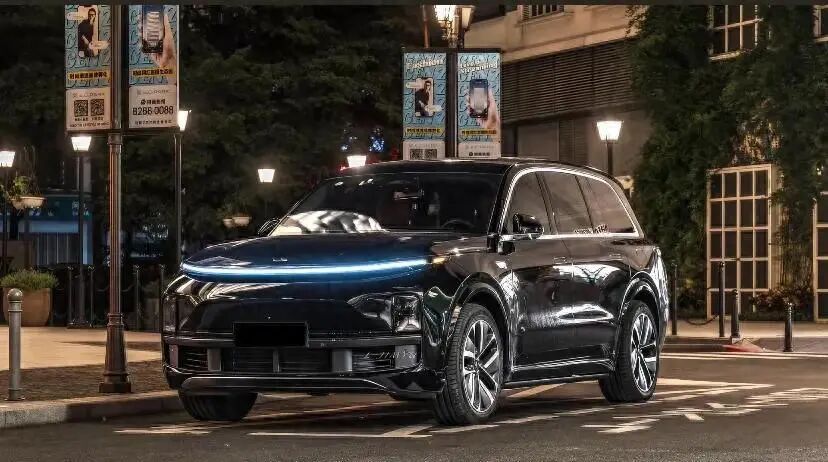
Everyone is talking about how impressive the intelligent driving of the Li Auto L9 is, but who has noticed the recent supply chain liquidation announcement? Yes, it’s that small factory supplying the Li Auto L9 with the Aurora radar module, which entered bankruptcy proceedings two weeks ago. 😂
1. This Overlooked Detail
In the official documentation for the Li Auto L9, the section for the laser radar supplier has suddenly become vague, only retaining “Hesai Technology,” while last year’s bidding documents clearly listed two other supporting suppliers. Now, the latest business updates available indicate that one of these companies has already been completely liquidated in a creditors’ meeting. Mainstream automotive media are touting “domestic intelligent driving surpassing Tesla,” but no one is digging into this most vulnerable component supply chain.
2. Two Major Potential Risks
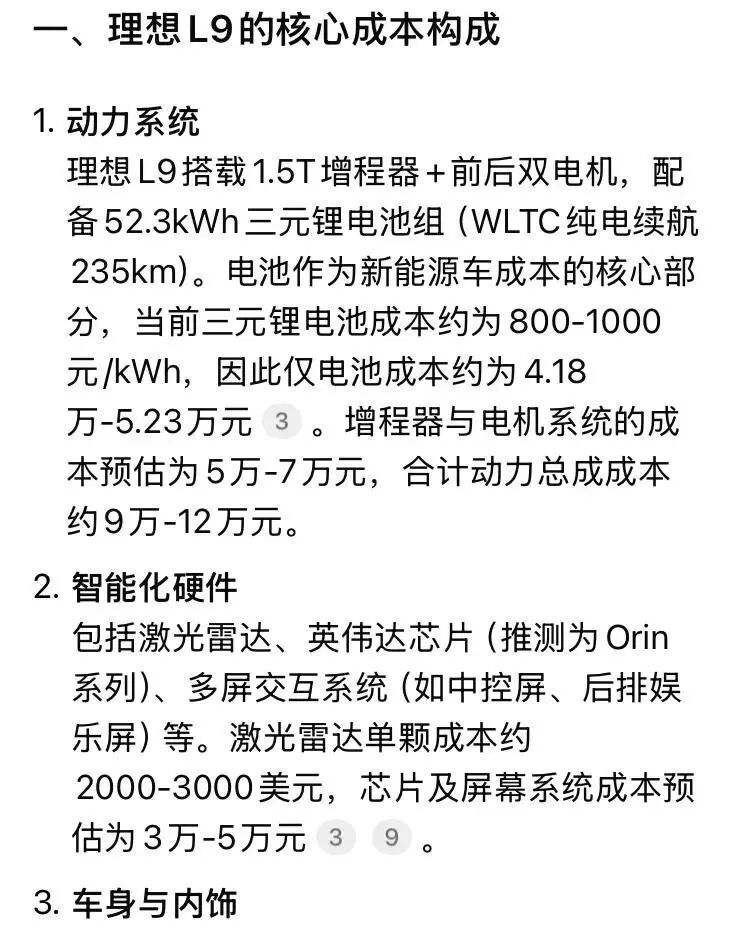
- The risk of supply chain disruption is severely underestimated. Laser radar cannot be replaced by just any factory, especially for a customized version like the Li Auto L9 with 128 lines, which has a long calibration and adaptation cycle and high replacement costs. Even if Hesai can hold on, the redundancy backup system is essentially non-existent.
- The pace of future OTA feature upgrades will be slowed down. The Li Auto L9 is still promoting that “urban NOA is about to launch,” but everyone knows that behind algorithm updates, there is a significant amount of hidden work related to hardware adaptation and sensor calibration. If there is an irreversible break in hardware supply now, the speed of new feature rollout in the future will likely be significantly lower than that of the Wuling M9, which has a complete Huawei self-developed solution.
3. Reverse Prediction: Sales Ceiling Approaching Quietly
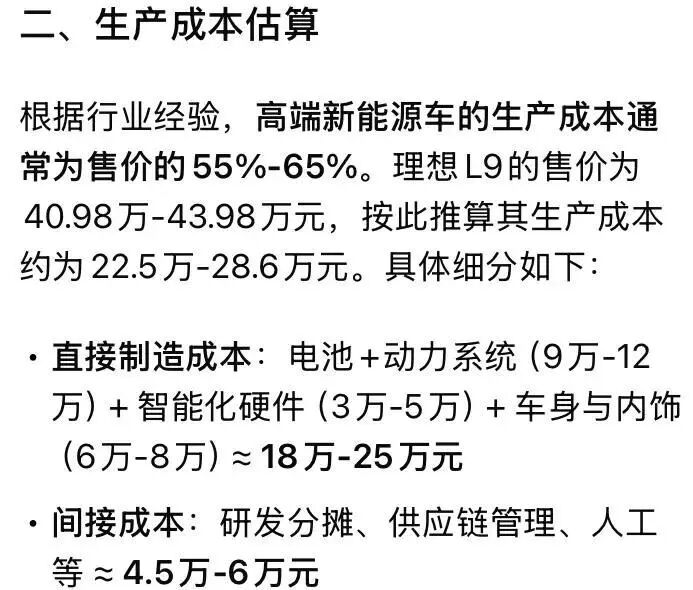
I bet that by Q4 2025, the monthly sales of the Li Auto L9 will drop below 4,000 units, and the integration of “highway + urban NOA” intelligent driving will not keep pace with the Wuling M9. The mainstream narrative is that “the Li Auto L9 has plenty of stock and its intelligent driving is on par with the Wuling M9,” but this conclusion is based on the premise of a healthy supply chain. Once hardware supply is cut off, even if OTA updates are pushed, the coverage will be fragmented, and the experience will inevitably lag behind.
4. Wuling M9’s “Targeted Strike”
The next steps for the Wuling M9 are simple:
-
Launch a lower-spec “laser radar simplified version” to directly level the costs.
-
Strengthen the “Huawei fully self-developed” label and aggressively compare it to the Li Auto’s “supply chain disruption risk.”
At that point, as long as public opinion continues to ferment (coupled with a few minor intelligent driving accidents to stir the pot), the premium capability of the Li Auto L9 will be precisely targeted, and it may even enter a price-cutting spiral ahead of time.
5. Calm Conclusion and “Whispers”
At this point, you might think I am being overly pessimistic. Yes, the Li Auto L9 has sufficient stock in the short term, and the experience is not significantly flawed. But the truth is: a high-end intelligent driving SUV without a redundant sensor supply chain is like dancing on the edge of a knife.
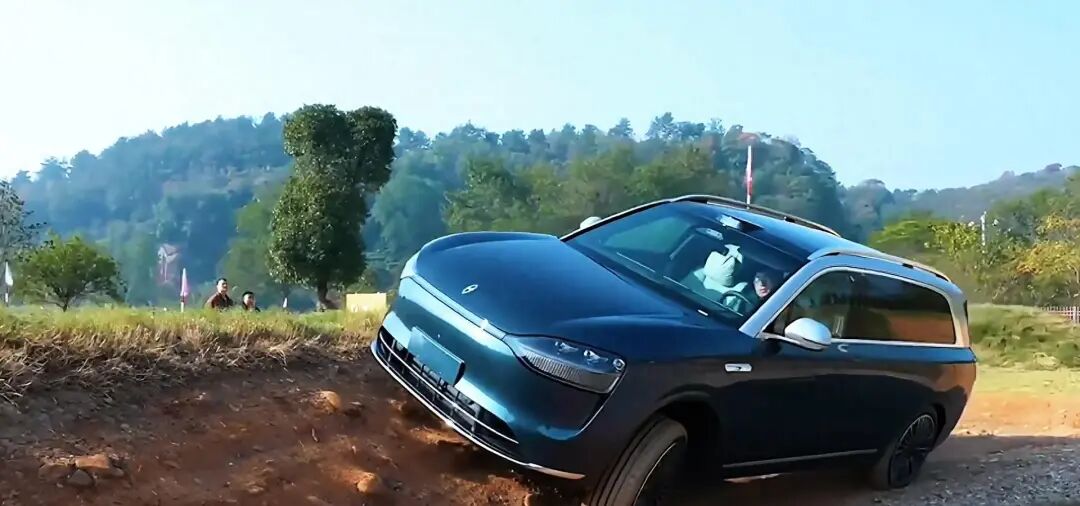
Whispers—ordinary consumers should not impulsively buy the high-spec L9 intelligent driving version, and investors should not imagine Li Auto as the Chinese Tesla. The collapse of small supply chain factories is an early signal for the future market.
Of course, who knows, maybe this is just me overreacting, and the manufacturers can temporarily fill the gap this year. 😂 But I must say, this is my most genuine judgment at this moment.