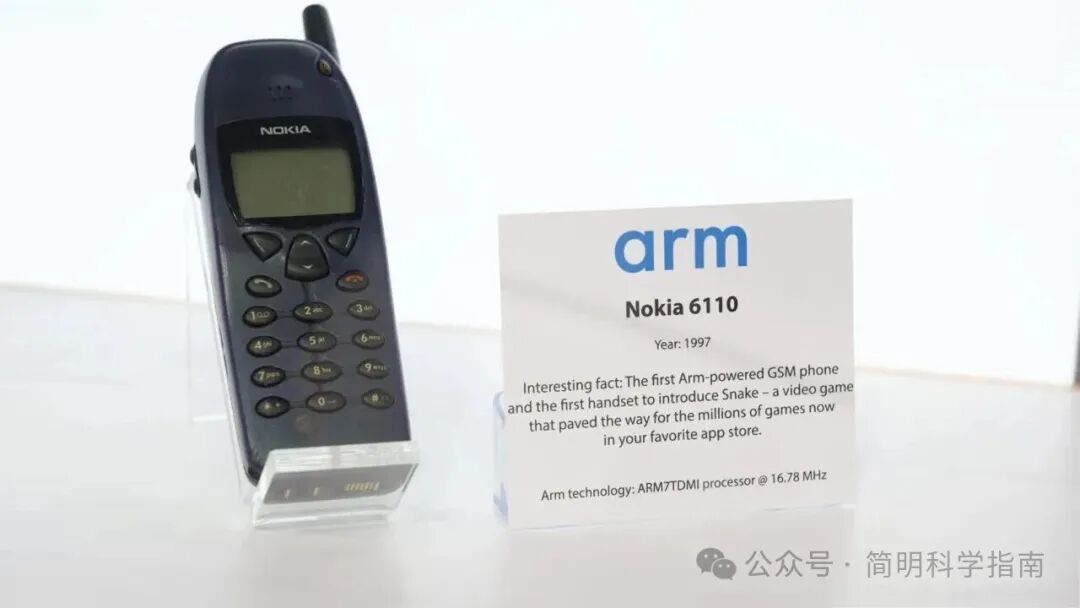
For nearly fifty years, Intel’sx86 architecture has dominated the computing field, providing core computing power for various devices ranging from entry-level laptops to top-tier data center servers. However, a quiet revolution has been brewing behind the scenes: the Arm architecture, which originated in the smartphone era—specifically, the ARM7 TDMI that powered the Nokia 6110 in 1997—marked Arm’s official entry into the mobile device sector (allowing phones to play Snake). Today, Arm is making groundbreaking advancements in mainstream computing, and the dominance of x86 seems to be beginning to wane.
In 2020, Apple fully transitioned to the Arm architecture with its M-series Apple Silicon chips, officially kicking off this architectural transformation; in 2023, Microsoft and Qualcomm made another push to promote Windows on Arm + Snapdragon X combination—this is actually the third attempt by both parties to bring Arm into the PC space: the 2012 Windows RT with Snapdragon S4 and the 2018 Windows 10S with Snapdragon 835, both of which failed to succeed, yet they have never given up on this goal.
All major players, except Intel, are betting onArm
The most direct signal of Arm’s rise is the continuous expansion of the chip manufacturing camp. In the x86 field, the mainstream players are now only Intel and AMD (domestic companies like Zhaoxin and Haiguang have the capability to develop x86 processors but currently survive mainly on internal orders); in contrast, the Arm ecosystem has gathered a large number of chip design companies, and tech giants are rushing to invest in high-performance Arm processor development: Apple, as mentioned earlier, has completely replaced Intel CPUs in its Macs with M-series chips; Qualcomm has developed a dedicated X-series chip for Windows on Arm; even Amazon has developed Graviton Arm chips for cloud computing servers.
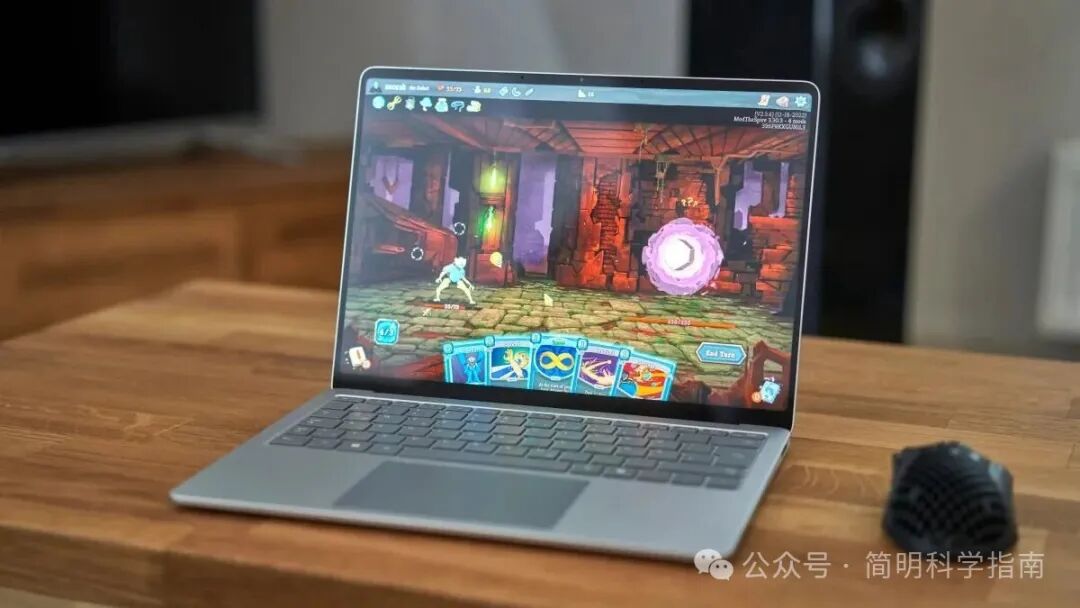
In fact, even AMD, another giant in the x86 space, is not exclusive; as early as 2014, it launched its first processor based on the Arm architecture: the Opteron A1100 series; in 2016, it also released the Opteron A processor based on the Arm Cortex-A57 core. NVIDIA, even after recently acquiring 5% of Intel and promising to launch x86 SoCs with built-in RTX chips, has long been deeply involved in the Arm field: its Tegra series chips are used in gaming consoles and automotive autonomous driving. NVIDIA even attempted to acquire Arm a few years ago, and its Grace processor for servers also adopts the Arm architecture.
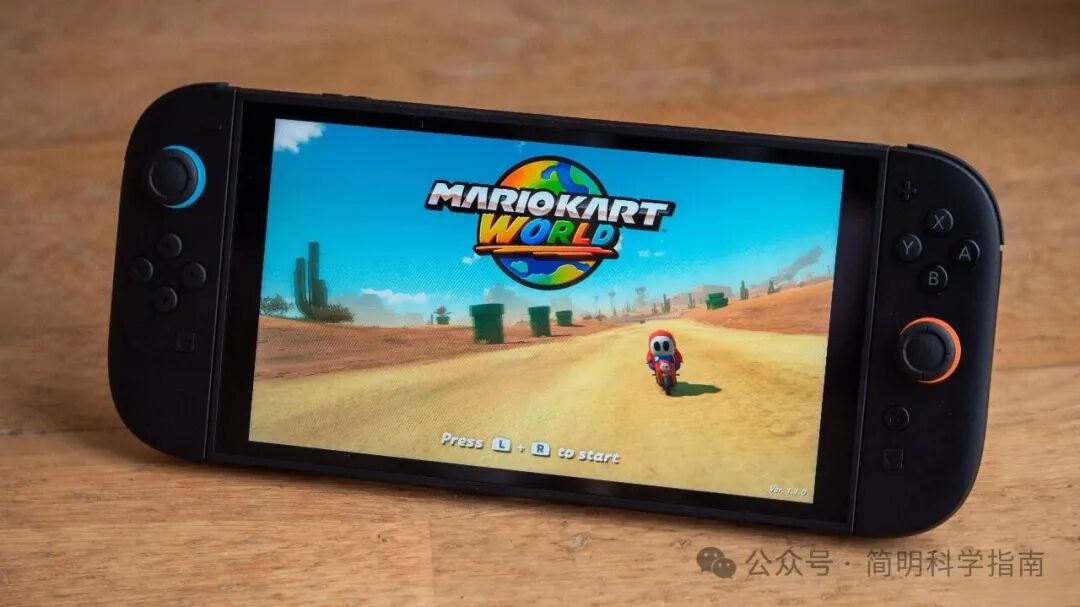
Interestingly, the architectural choices in the gaming console field also clearly reflect the division between the two camps. Nintendo’s Switch and Switch 2 are both equipped with Arm-based NVIDIA chips, and since the GBA era, Nintendo handhelds have consistently adopted the Arm architecture; the subsequent NDS to 3DS saw some chips manufactured by third parties, while others were directly developed based on Arm licenses; meanwhile, Sony’s PlayStation and Microsoft’s Xbox still use customized x86 processors.
The closed nature of x86 has become an opportunity for Arm
The core limitation of x86 lies in its closed nature—essentially an exclusive club; in contrast, Arm’s licensing model allows any company to design proprietary chips based on Arm’s instruction set architecture (ISA). As a co-founder of Arm, Apple already has an advantage in Arm intellectual property (IP) licensing negotiations, which is why it became a pioneer in the transition from x86 to Arm. After the Mac series adopted Arm processors, it achieved a qualitative leap in energy efficiency and thermal performance.
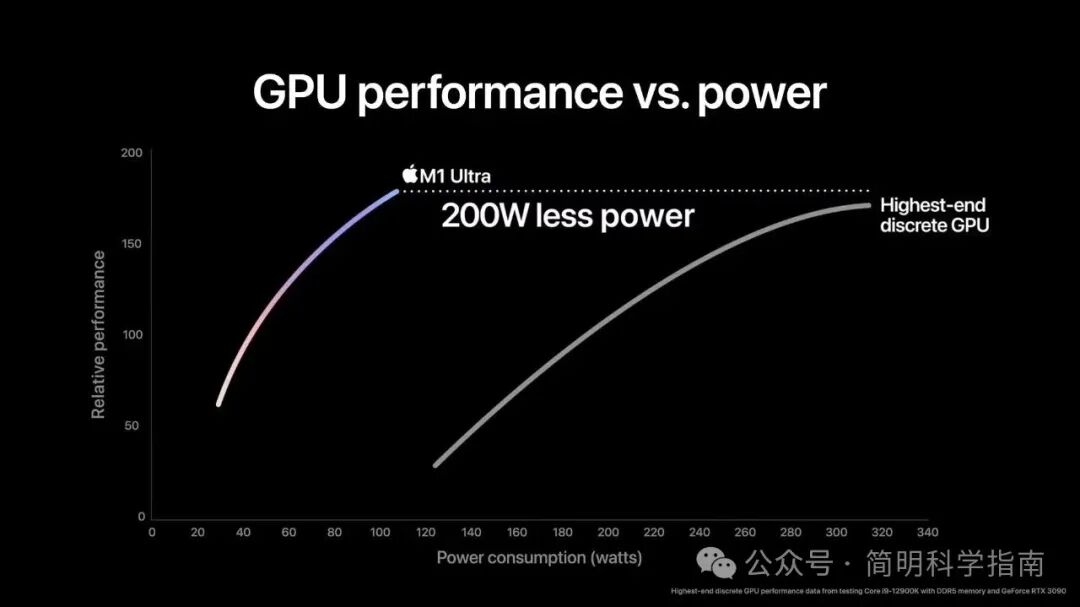
Qualcomm is closely following Apple’s footsteps, acquiring the startup Nuvia for $1.4 billion (founded by a team of former Apple chief chip designers) and developing the Snapdragon X series processors based on its core technology. Nowadays, the industry’s top chip design talents are increasingly gravitating towards the Arm field rather than sticking to the x86 camp.
Application compatibility is no longer a barrier
When developers compile software, they need to define the target platform, which is the hardware environment where the code will ultimately run. Since the high-level code written by developers must be compiled into assembly language recognizable by the corresponding architecture to be executed by the processor, andthe CPU instruction sets of Arm and x86 are incompatible, Arm’s exclusive instructions cannot run on x86 processors, and vice versa.
When Windows on Arm was first launched with Windows 10 in 2018, most mainstream applications had no native versions and could only run through instruction translation—real-time converting x86 application instructions into Arm instructions, but this method was not only slow but also only supported 32-bit applications. Microsoft had attempted earlier: the 2012 Windows RT, which performed even worse. It was released simultaneously with Windows 8, designed specifically for Arm devices (the first device was the Surface RT tablet), but it only supported running applications from the Microsoft Store and had no instruction translation capability at all. At that time, most applications were not optimized for Arm, making it difficult for this system to gain popularity. This was the reason for the failure of Microsoft’s and Qualcomm’s previous two attempts.
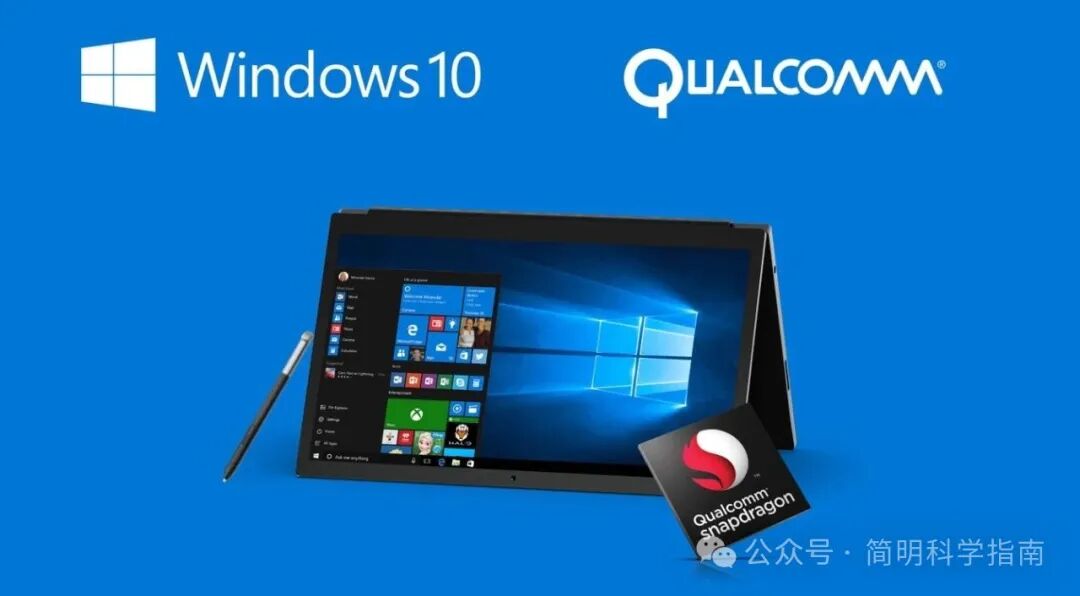
Apple’s strategy, however, was much more mature: on one hand, the industry conditions were not mature during Microsoft’s early attempts, while the timing chosen by Apple (in 2020) was more appropriate; on the other hand, its technical path differed from Microsoft’s. Apple pre-installed the Rosetta 2 translator for Macs based on the M1 chip, supporting hardware-accelerated conversion from x86 instructions to Arm instructions from the day the device was launched. Users experience almost no latency when using x86 applications that are not natively adapted, resulting in a very smooth experience. Subsequently, developers quickly followed suit, and the number of native Arm applications rapidly increased—effectively completing a seamless transition of architecture within two years.
Microsoft later adjusted its direction: the upgraded Windows on Arm in 2023 not only significantly optimized instruction translation efficiency but also added support for 64-bit applications. Now, mainstream software such as the Microsoft Office suite, Adobe Photoshop/Lightroom, Chrome, and Firefox have all released native Arm versions; some gaming platforms have also begun to adapt, and even for a few applications that do not have native support, they can run normally through the improved emulation features. Only a few legacy software or special drivers still have compatibility issues, but most can be resolved through alternative solutions.
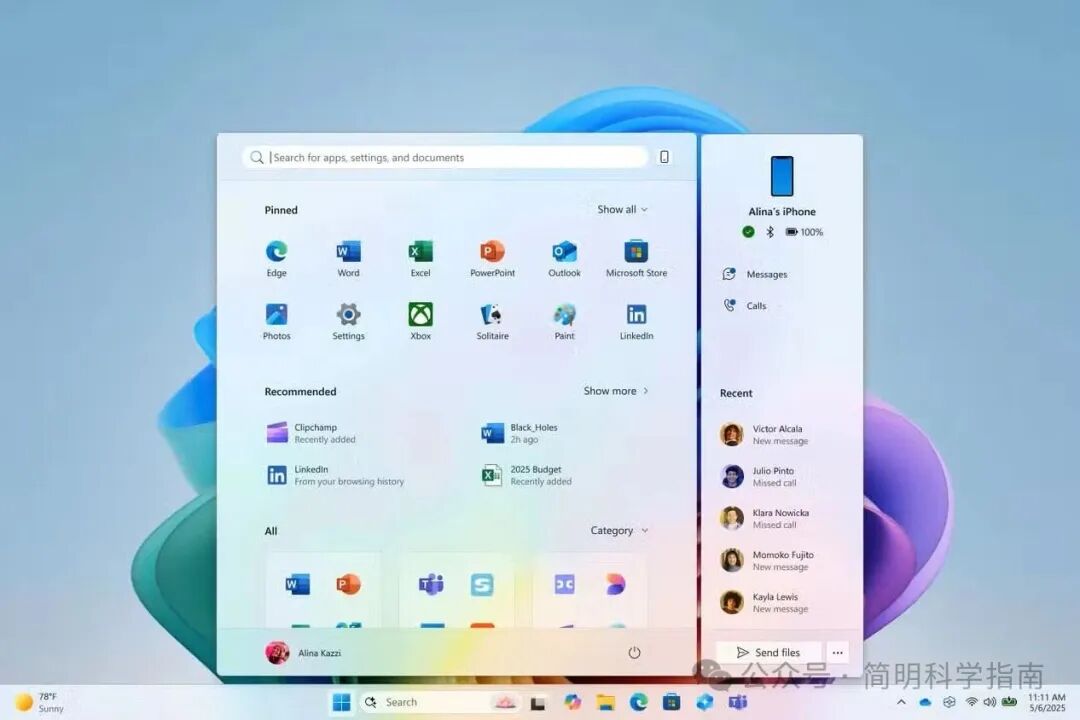
Arm’s promotion once faced the“chicken or egg”dilemma: developers needed to see enough Arm device users before they were willing to invest resources in developing native Arm applications; however, users were reluctant to choose Arm devices due to the lack of Arm applications. Even in the gaming field, the main obstacle today is the lack of Arm versions of anti-cheat support for competitive games, but this is not an inherent flaw like Linux; rather, it stems from hardware architecture differences: most anti-cheat solutions require deep adaptation to hardware, protecting through memory scanning and process monitoring, while the hardware logic of Arm and x86 differs, and can be resolved with targeted optimizations.
The overall industry trend is leaning towardsArm
Today, almost all tech industry giants have ventured into the Arm field, with some companies making full bets. Apple’s transition to Arm directly proves the feasibility of the Arm architecture in the PC field; Qualcomm’s investment in Windows on Arm is particularly aggressive: Qualcomm and Arm’s CEO predicted last year that the proportion of computers based on Arm architecture could reach as high as 50% within the next five years. Although this goal seems ambitious, it reflects both parties’ confidence in Arm’s prospects. Additionally, Microsoft had signed an exclusive cooperation agreement with Qualcomm for Windows on Arm, which reportedly expires in 2024—this means that more manufacturers may participate in the development of Windows on Arm chips in the future.
NVIDIA’s recent collaboration with Intel, while bringing some variables to Arm’s advancement in the PC field, also indirectly proves that even within the x86 camp, high-integration, energy-efficient SoCs are an inevitable trend. Although the prospects for the rumored N1X chip aimed at Windows on Arm remain unclear, NVIDIA’s AI server devices built on Arm CPU and GPU combinations have already formed a stable layout and will not be abandoned in the short term.
Moreover, MediaTek has publicly collaborated with NVIDIA on the GB10 Grace Blackwell project; there are also reports that both parties are privately advancing the aforementioned N1X chip project. If Arm is indeed the future trend as most companies expect, AMD will certainly not be excluded from the competition for Windows on Arm.
x86 will not disappear, but Armis unstoppable
The architectural transformation in the computing field has already begun, and its pace has been accelerating in recent years; this transformation has been brewing for more than twenty years. From gaming handhelds and smartphones to laptops and data centers,Arm’s application scenarios continue to expand, and it has now become a mainstream computing platform alongside x86: Amazon’s Graviton server chips, Tesla’s infotainment and autonomous driving systems, and even the smart control modules of LG refrigerators are all built on the Arm architecture.
It is important to clarify thatx86 will not quickly exit the stage, nor will it completely disappear. Even today, there are still companies running IBM’s decades-old mainframe architecture in their server rooms; the vitality of ancient architectures far exceeds our imagination. x86 has been the dominant architecture for decades, with a deeply rooted ecosystem, and will naturally not exit the stage easily.
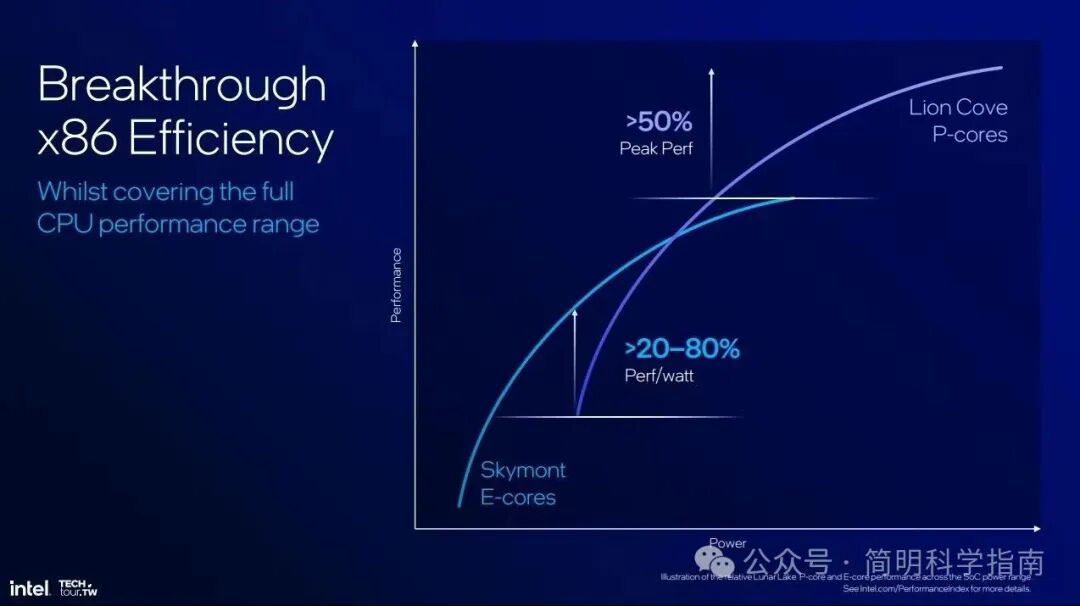
However, it is undeniable thatArm’s advancement in various fields is accelerating, and the trend in the consumer desktop market typically does not lag behind other industry sectors for too long. Intel and AMD have responded to Arm’s competition, and while they have made some progress in energy efficiency optimization, they still cannot match the performance of Arm architecture’s Apple Silicon, with Apple’s performance in battery life and thermal control being remarkable.
Today, competitive pressure is forcing Intel and AMD to continuously enhance their technical capabilities, which is undoubtedly good for consumers; in the future, we may even see more customized designs of processor cores. Additionally, there is another architecture worth paying attention to: RISC-V. As an open-source instruction set architecture, RISC-V may pose challenges to Arm and x86 in the future, but it currently faces issues of ecological fragmentation and low market penetration. In ten years, the industry may enter an era of competitive architecture among RISC-V, Arm, and x86.
While x86 still maintains an advantage in large-scale numerical computing, Arm has opened up a viable, powerful, and efficient alternative path in almost every conceivable computing scenario. As the history of the tech industry has proven: once the momentum of a technological trend shifts, it is almost impossible to reverse. And right now, this momentum is clearly leaning towards Arm.