Click AiPao Technology to follow us Those who pay attention to the digital industry should know that due to the US sanctions, TSMC has been unable to supply chips to Huawei since September 14. After the self-developed Kirin 9000 was cut off from its source, it is now a case of selling one less.
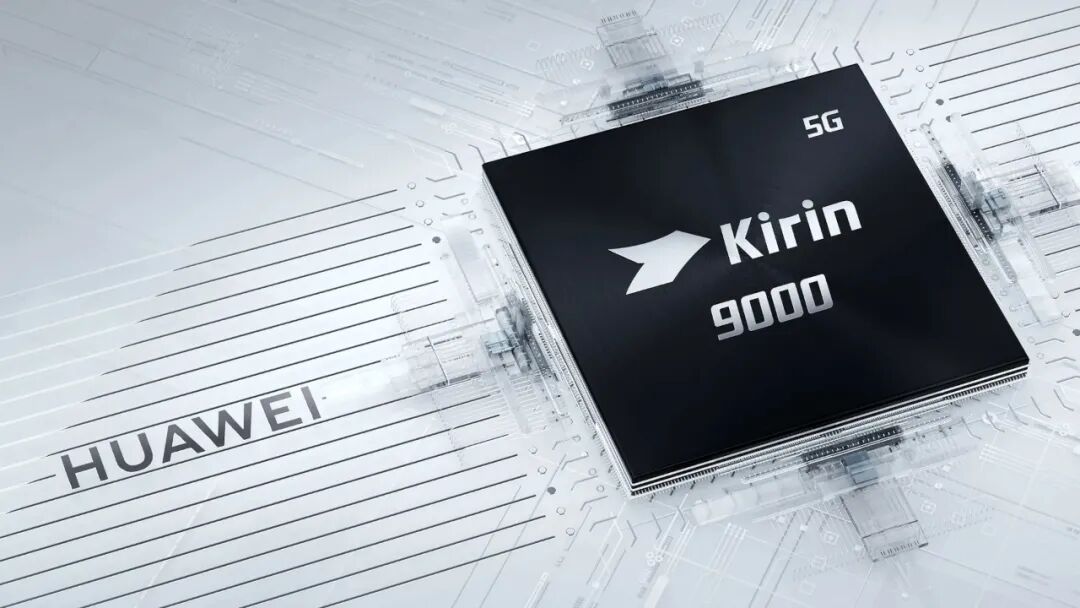 Therefore, we can see that the recently released Mate40 series faced severe shortages right after its launch, with scalpers selling it for nearly ten thousand yuan on various platforms, which is almost 1/3 more than the official website price… No wonder, after all, it may be the last generation of Kirin chips…
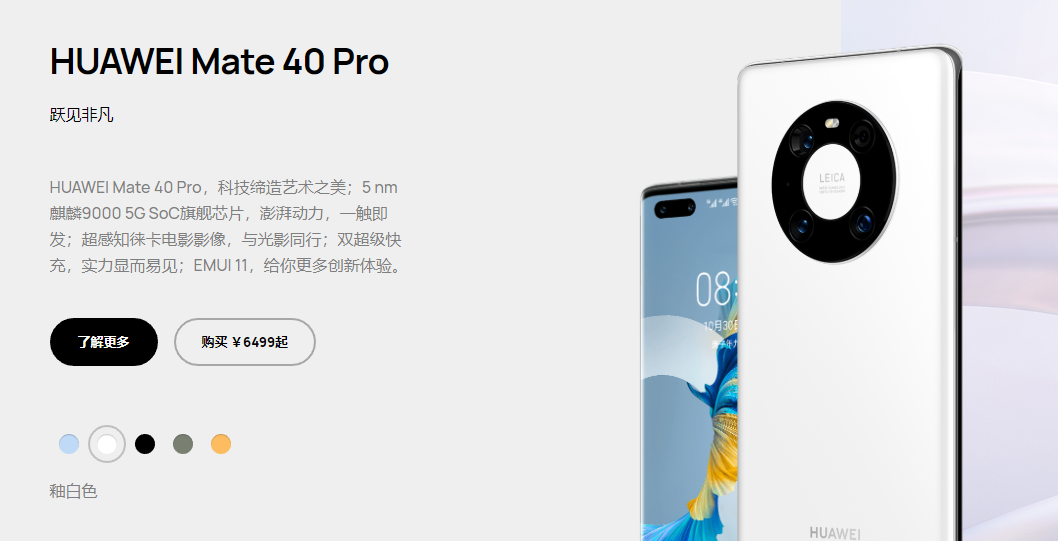
/ Official price (but out of stock)However, recently, there seems to be a turnaround in the bleak future of Huawei’s mobile business.Initially, suppliers like Intel, Qualcomm, Sony, and Samsung have obtained permission from the US Department of Commerce to continue supplying Huawei.Yesterday, according to reports from the Russian Satellite News Agency, TSMC has also been approved to resume supplying Huawei. Does this mean Huawei’s mobile business is about to return to normal?Not so simple. In fact, for supplies like Samsung screens and Sony lenses, even if they are sanctioned, we have alternatives. Domestic companies like BOE, OFILM, and Sunny Optical can provide components that are not inferior in quality. The core issue that Huawei is facing is still the chips.
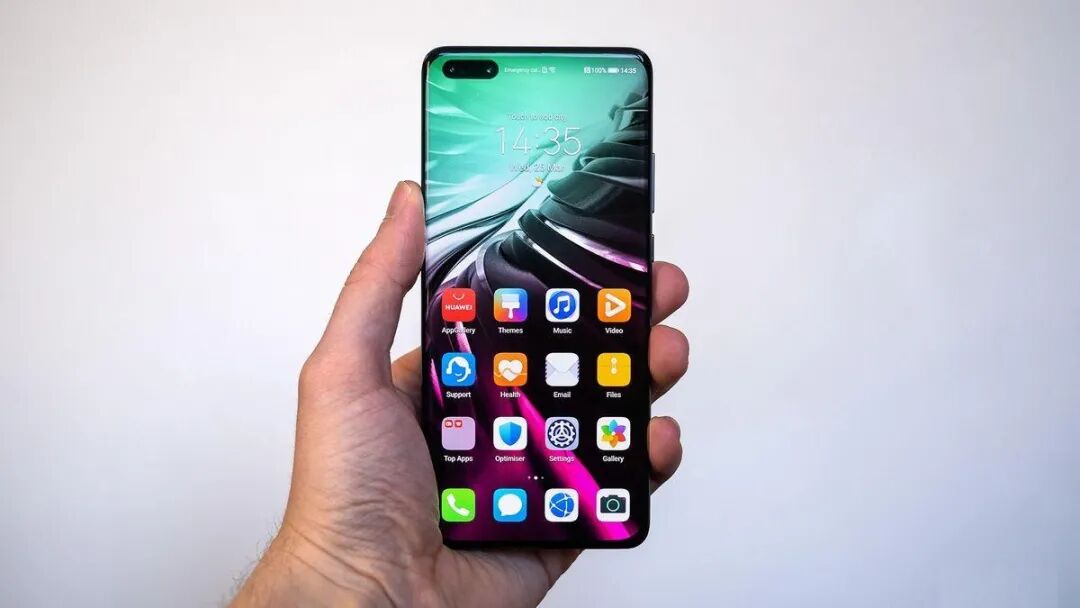
/ Some Huawei models have adopted BOE screensSome may ask, didn’t we say that TSMC has resumed supply?Indeed, they have resumed supply, but with conditions: TSMC’s permission is for mature processes like 28nm, excluding advanced processes such as 16nm, 10nm, 7nm, and 5nm. This means TSMC still cannot manufacture the latest Kirin 9000 processors for Huawei, and production of Kirin 990 and Kirin 990 5G is also not allowed.

This resumption is essentially meaningless. The US’s intention is to force Huawei to purchase chips from the US and abandon self-research. If Huawei compromises at this time, it will fall into the trap set by the US and completely lose its future in self-research.Therefore, Huawei has begun to fight back: building factories in Shanghai to develop self-researched chips without using US technology.According to the Financial Times, Huawei plans to start manufacturing low-end 45nm chips, aiming to produce 28nm chips for IoT devices by the end of 2021, and 20nm chips for 5G telecom equipment by the end of 2022.
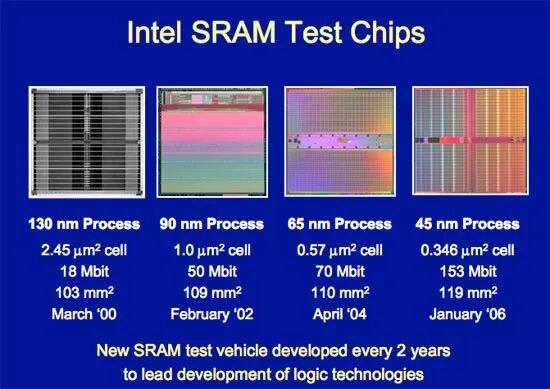
What does 45nm mean? This is a chip process that Intel has already used since 2007… Huawei was already using the 5nm Kirin 9000, and now it has regressed by more than a decade, which is quite tragic.But the semiconductor industry is like this; it requires step-by-step research and development. Huawei has the courage to refuse Qualcomm chips sold by the US because we understand that only by mastering core technologies and having our own production chain can we avoid being choked by others. In addition to hardware self-research, Huawei has also been well-prepared in software. It is said that Huawei’s self-developed HarmonyOS will start public testing in December. What will it look like? Let’s take a look at the concept video!Although the road of self-research is arduous and long,“Together, we can”
 Starting from zeroAre you willing to wait?