Current testing is an important branch of electrical and electronic engineering, involving the measurement, monitoring, and analysis of current in circuits, devices, or systems. This type of testing is crucial for ensuring the safety, reliability, and performance of electrical products, and it is also a key tool for fault diagnosis and preventive maintenance.
The current testing industry includes various types of testing equipment and technologies, such as clamp meters, current probes, resistive dividers, and Hall effect sensors. These tools can be used to measure direct current (DC) or alternating current (AC) and can be adapted to different current ranges and frequencies.
Current testing has a wide range of applications across multiple industries, including power generation and distribution, automotive manufacturing, electronics manufacturing, aerospace, medical devices, and any industrial processes that require precise current control. For example, in the power industry, current testing is used to monitor the load conditions of the power grid to ensure stable power supply; in manufacturing, current testing helps detect the performance of motors and transformers to prevent failures.
With advancements in technology, current testing equipment has become more intelligent and automated, capable of providing real-time data analysis and remote monitoring functions. Additionally, with the emphasis on energy efficiency and sustainable development, precise current measurement plays an increasingly important role in energy conservation and emissions reduction, as well as in the construction of smart grids.
The development trends in the current testing industry are mainly reflected in the following aspects:
1. Digitalization and Intelligence: With the development of Internet of Things (IoT) and Artificial Intelligence (AI) technologies, current testing devices are becoming more intelligent. These devices can automatically record current data and transmit it wirelessly to a central database or cloud platform for analysis, enabling remote monitoring and predictive maintenance.
2. High Precision and Reliability: As electronic devices evolve towards smaller sizes and higher performance, the demands for precision and reliability in current measurement are also increasing. Current testing devices need to provide more accurate measurement results to meet the needs of high-end manufacturing and precision electronics industries.
3. Multifunctional Integration: Modern current testing devices tend to integrate multiple measurement functions, such as voltage, power, and frequency, to provide comprehensive electrical parameter analysis. Such integrated solutions simplify the testing process and improve work efficiency.
4. User-Friendly Interfaces: To accommodate users with varying skill levels, the operation interfaces of current testing devices are becoming more intuitive and user-friendly. Features such as touch screens, graphical interfaces, and guided setups reduce operational complexity and enhance user experience.
5. Enhanced Safety: Current testing may involve high voltages and currents, making the safety of the equipment crucial. Manufacturers are continuously improving device designs, using advanced insulating materials and safety protection measures to ensure the safety of operators and equipment.
6. Environmental Protection and Energy Saving: With the growing global awareness of environmental protection, current testing devices are also evolving towards more environmentally friendly and energy-saving designs. This includes reducing the energy consumption of the devices themselves, using recyclable materials for manufacturing, and optimizing testing processes to minimize resource consumption.
7. Customization and Modularity: Different application scenarios may have specific requirements for current testing devices. Therefore, manufacturers are offering more customized products and modular solutions to meet the needs of specific industries or customers.
8. Standardization and Compatibility: With the increase in international trade, current testing devices need to comply with the standards and regulations of different countries and regions. Manufacturers are committed to enhancing the international compatibility of their devices to facilitate sales in the global market.
In summary, the development trends in the current testing industry reflect the combined impact of technological innovation, market demand, and social responsibility, indicating that the industry will continue to evolve towards greater efficiency, intelligence, and sustainability.
Magnetic modulation current sensors (also known as fluxgate current sensors) are high-precision current measurement devices that utilize the fluxgate effect to measure the current flowing through conductors. In the current testing industry, magnetic modulation current sensors have a wide range of applications, especially in scenarios that require high precision and reliability in measurements.
Here are some typical applications of magnetic modulation current sensors in the current testing industry:
1. Power System Monitoring: In power systems, magnetic modulation current sensors are used to monitor the current in transformers, generators, transmission lines, and distribution equipment. These measurements help assess system performance, prevent overloads, and ensure power supply stability.
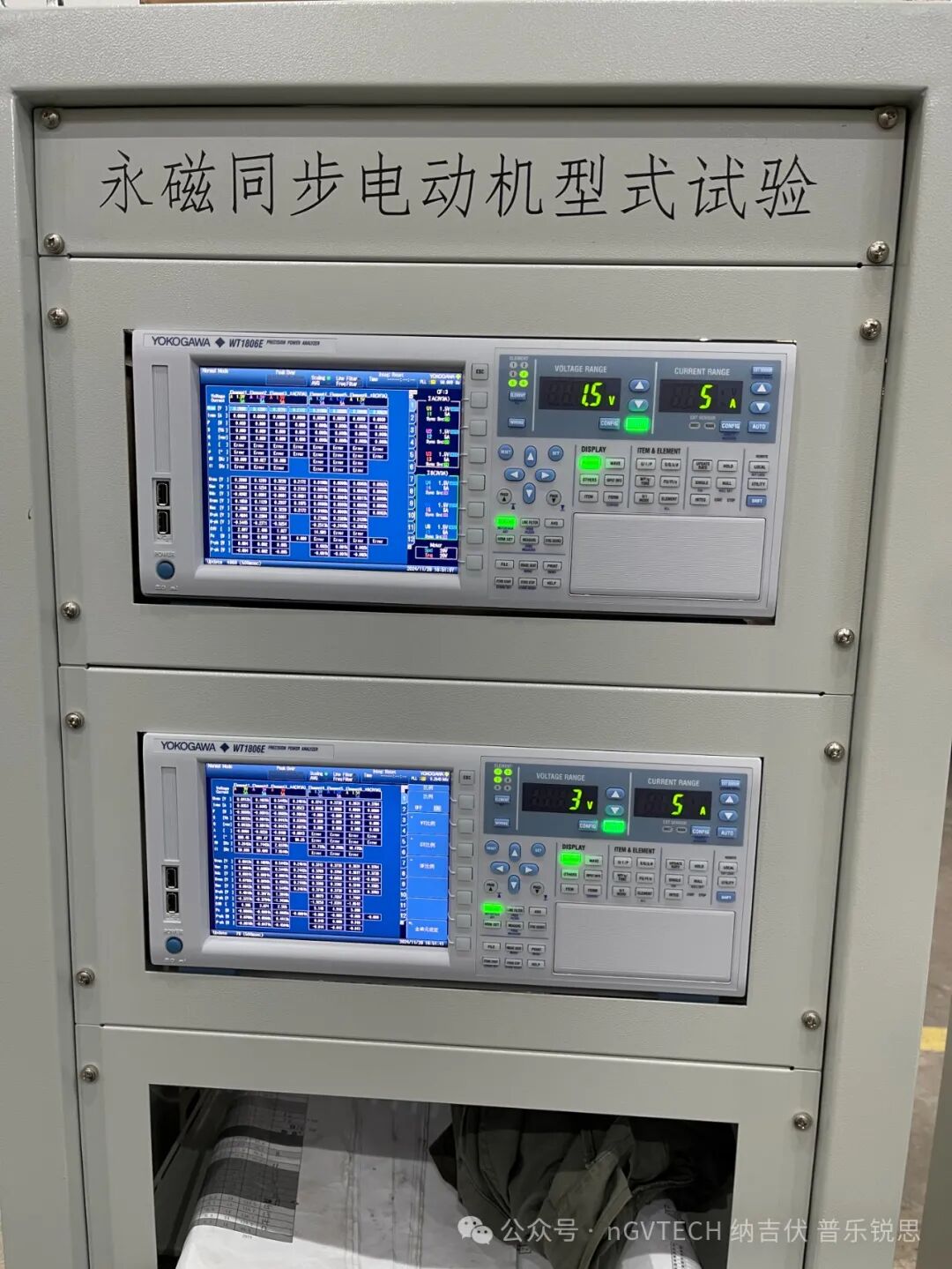
2. Motor Testing: During the manufacturing and maintenance of motors, magnetic modulation current sensors can accurately measure the input and output currents of the motors, thereby assessing their efficiency and performance. This is crucial for optimizing motor design and reducing energy consumption.
3. Renewable Energy: In renewable energy systems such as wind and solar energy, magnetic modulation current sensors are used to monitor changes in current to ensure stable operation of the systems and maximize energy collection.
4. Electric Vehicles: The battery management systems (BMS) of electric vehicles (EVs) require precise monitoring of the current during the charging and discharging processes. Magnetic modulation current sensors, due to their high precision and fast response characteristics, are ideal for this application.
5. Industrial Process Control: In many industrial processes, measuring current is very important for controlling and optimizing production processes. Magnetic modulation current sensors can be integrated into automation systems to provide real-time current data, helping to achieve process control and quality assurance.
6. Laboratory and Research: In laboratory research and scientific experiments, magnetic modulation current sensors are used for precise measurement of current in experimental setups, supporting high-precision data collection and analysis.
The widespread application of magnetic modulation current sensors in the current testing industry is due to their numerous advantages, including:
– High precision measurement, maintaining good performance even at low current levels.
– Wide frequency response range, capable of adapting to different current fluctuations and change rates.
– Non-invasive measurement, requiring no physical contact with the conductor being measured, reducing installation and maintenance complexity.
– Good electromagnetic compatibility, able to operate stably in strong magnetic field environments.
– Long lifespan and reliability, suitable for long-term continuous use.
In conclusion, magnetic modulation current sensors have become indispensable tools in the current testing industry due to their outstanding performance characteristics, especially in applications where measurement precision and reliability are critically important.