In today’s digital age, the rapid development of technology is reshaping our lives and the world at an unprecedented pace. The Internet of Things (IoT) and Artificial Intelligence (AI) are two core driving forces that are fundamentally changing the way we interact with our environment. From the early vision of ‘Internet of Everything’ to the current pursuit of ‘Intelligent Connection of Everything’, this transition is not only a technological upgrade but also a paradigm revolution with far-reaching implications.
When sensors in farmland can autonomously determine when to irrigate, coffee machines can automatically adjust coffee strength based on our sleep data, and urban traffic systems can proactively intervene before congestion occurs, these scenarios are no longer the stuff of science fiction but vivid portrayals of AIoT (Artificial Intelligence of Things) technology gradually integrating into reality by 2025. The International Data Corporation (IDC) predicts that by 2025, the global AIoT market will exceed $650 billion, with a compound annual growth rate of 28.3%. This data fully demonstrates the immense potential of AIoT as the most disruptive technological integration in the digital economy era.
To better understand the evolution from ‘Internet of Everything’ to ‘Intelligent Connection of Everything’, it is necessary to delve into the underlying technical architecture, applications in various vertical industries, and the challenges and development trends that lie ahead.
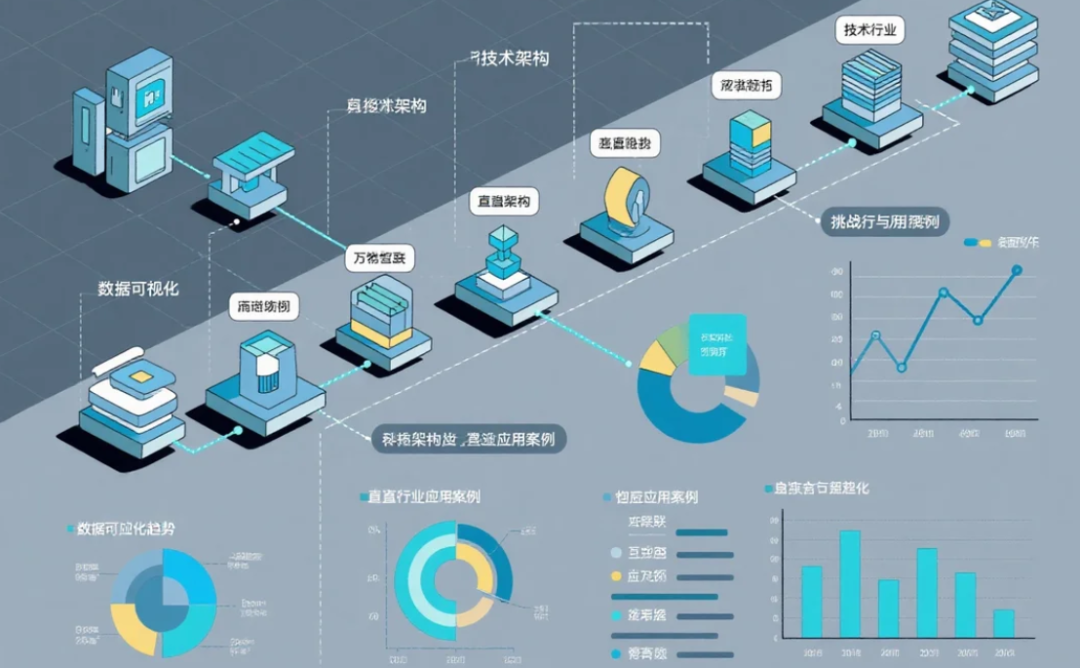
Technical Architecture: Three Core Engines Driving Intelligent Upgrades
Edge Intelligence Revolution
With the explosive growth of IoT devices, the pressure for data processing has also surged. Traditional cloud computing models have gradually revealed drawbacks such as high latency and significant bandwidth consumption when faced with the real-time data generated by massive devices. In this context, edge computing has emerged as a key force driving the intelligent upgrade of IoT.
The latest AI module 373Q released by China Mobile is equipped with up to 48 TOPS of computing power, providing strong support for high-performance terminals such as intelligent robots; while the 351A module is designed for lightweight devices, ensuring low power consumption while achieving multimedia processing capabilities. The strength of edge computing lies in its ability to reduce end-to-end latency to the level of 5ms, a breakthrough that is crucial for scenarios requiring high real-time response, such as factory quality inspection and autonomous driving. For example, in the factory quality inspection process, edge computing enables devices to detect and assess product quality within milliseconds, significantly improving production efficiency and product quality.
Moreover, the emergence of lightweight models (TinyML) further breaks through the intelligence bottleneck of resource-constrained terminals. TinyML can achieve AI inference of less than 100KB on microcontroller units (MCUs), allowing devices that were previously unable to achieve intelligence due to limited resources to now possess certain intelligent processing capabilities. This not only broadens the application range of IoT devices but also lays a more solid foundation for the realization of intelligent connection of everything.
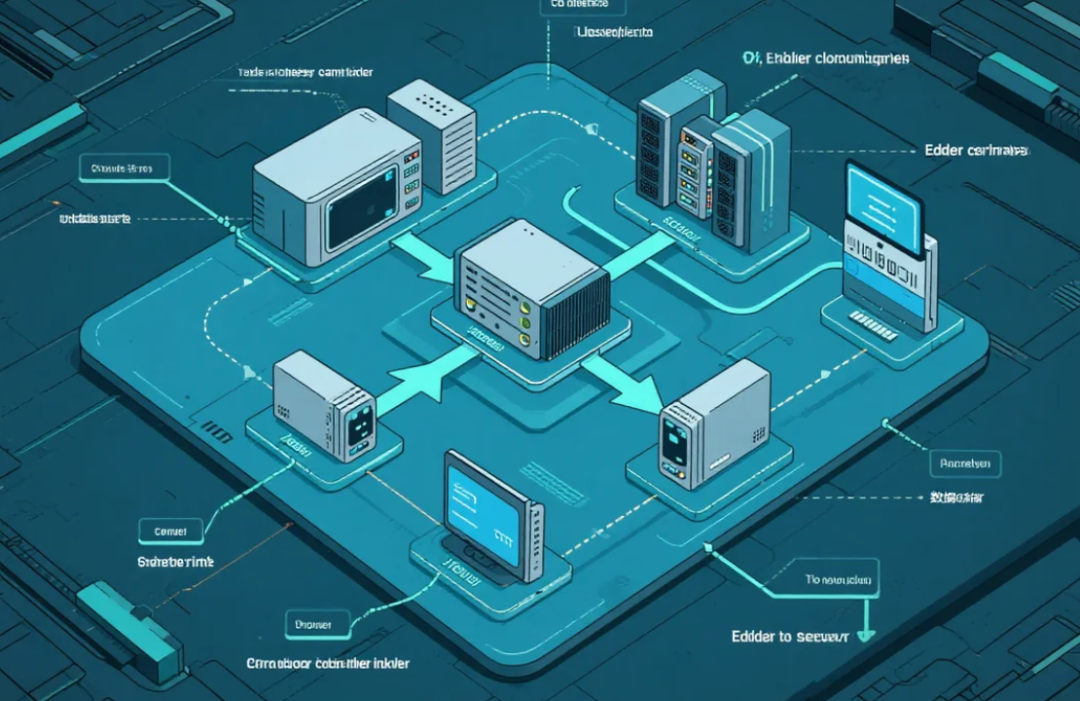
Breakthroughs in Connection Technology Standardization
In the early stages of IoT development, there were often issues of poor connectivity and incompatible communication protocols between devices of different brands and types, severely hindering the large-scale adoption and application of IoT. To address this challenge, the standardization of connection technology has become a pressing priority.
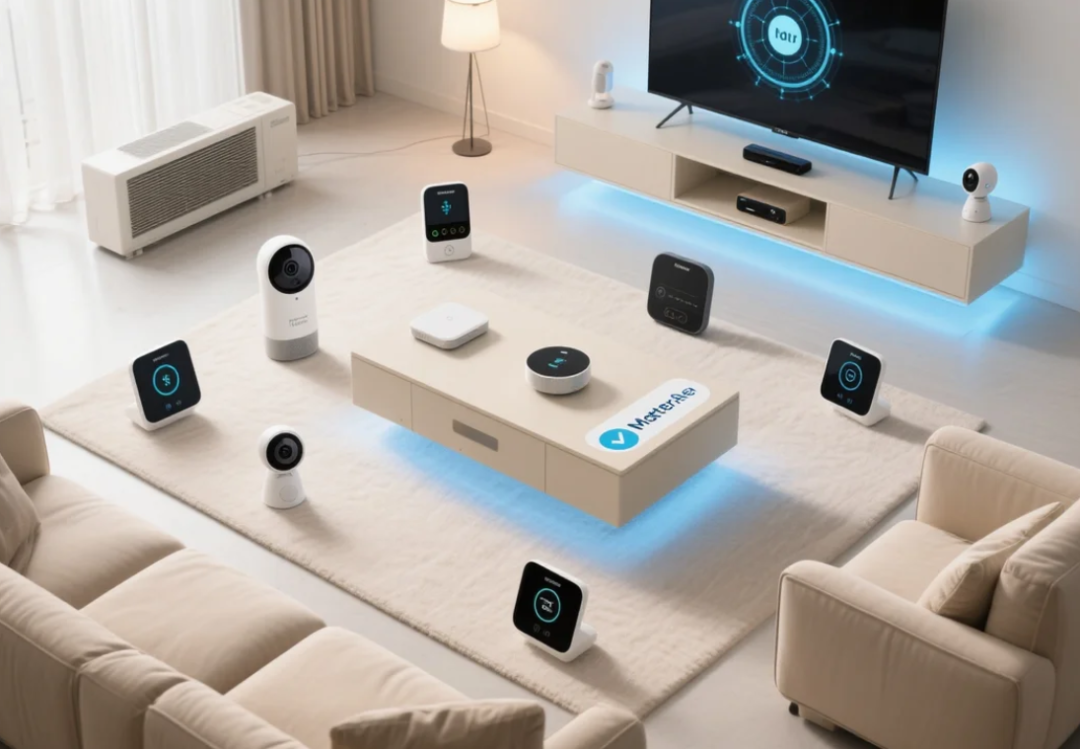
The birth of the Matter protocol is like a timely rain, breaking the long-standing ecological island situation. By unifying interconnection standards across brand devices, the Matter protocol has significantly increased the interactivity rate of smart home devices to 95%. Now, smart lighting, smart locks, and smart appliances in users’ homes, regardless of brand, can achieve seamless connectivity and collaborative operation within the framework of the Matter protocol, providing users with a more convenient and efficient smart home experience.
At the same time, the development of 5G-A (5G-Advanced) technology has brought a qualitative leap to IoT connectivity. Huawei’s concept of ‘full-scenario IoT’ constructs a three-dimensional network of air, land, and sea using lightweight technology and satellite blind-spot compensation methods. 5G-A not only provides gigabit uplink speeds but also achieves ultra-low latency, offering strong guarantees for data transmission between IoT devices. For example, in the field of remote healthcare, the high speed and low latency characteristics of 5G-A enable doctors to obtain real-time, high-definition physiological data from patients and perform remote diagnosis and surgical operations, greatly improving medical efficiency and quality.
In terms of domestic satellite direct connection chips, China Mobile has also made significant breakthroughs. The CM6650N/CM3510 chips and dual-mode module MU305A, based on the RISC-V architecture, achieve intelligent switching between cellular and satellite networks, successfully covering global signal blind spots. This means that IoT devices can achieve stable connections through satellite networks, regardless of whether they are in remote mountainous areas, vast oceans, or regions with weak signals, truly achieving ‘no dead zone in connectivity.’
Evolution of Autonomous Decision-Making Systems
In complex scenarios such as industrial manufacturing and urban management, traditional automation systems often operate according to preset rules and procedures, lacking real-time perception and autonomous decision-making capabilities in response to complex environmental changes. With the continuous development of AI technology, autonomous decision-making systems have emerged as a core force driving the intelligent transformation of various industries.
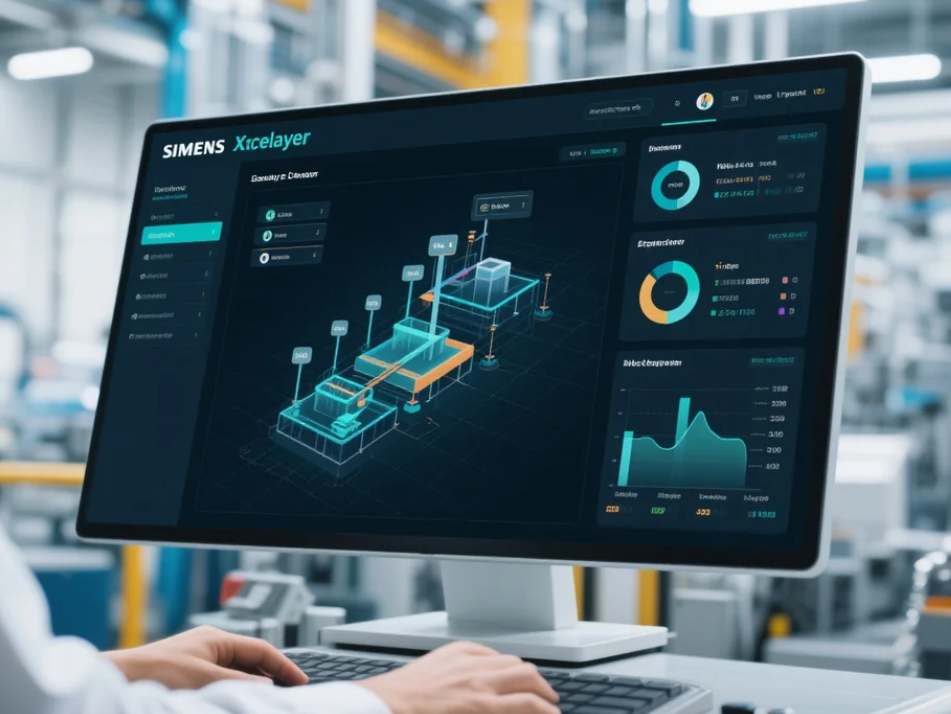
Siemens’ Xcelerator platform, through digital twin technology, can comprehensively and accurately simulate and optimize factory production processes. For example, with the help of this platform, FAW-Volkswagen successfully shortened the new car development cycle by 30%. Digital twin technology constructs a digital model that corresponds completely to the physical entity in virtual space, reflecting the status and operation of the physical entity in real-time, and analyzes and optimizes the model through AI algorithms, providing enterprises with more scientific and efficient decision-making basis.
Additionally, the emergence of federated learning technology provides an effective solution to data privacy and security issues. While ensuring data privacy, federated learning enables model collaboration and evolution among multiple participants, allowing different institutions and departments to jointly train more accurate and efficient AI models without sharing raw data. At the same time, the application of causal inference technology further enhances the interpretability of decisions, making the decisions made by AI systems more transparent and reliable, providing strong support for the transition of industrial systems from automation to autonomy.
Vertical Industries: Trillion-Level Scene Implementation Explosion
Smart Manufacturing
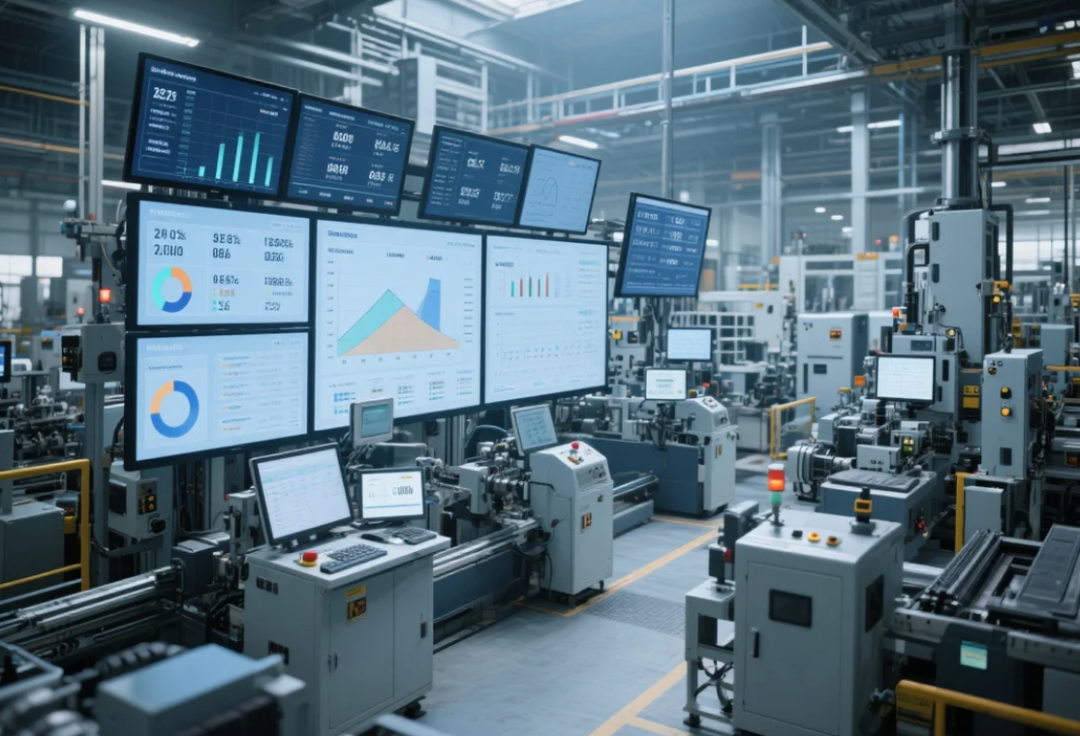
In the field of smart manufacturing, the application of AI + IoT technology is bringing about a profound transformation. By deploying a large number of sensors on production equipment to collect operational data in real-time and using AI algorithms to analyze and process this data, enterprises can achieve comprehensive monitoring and optimization of the production process.
For example, in predictive maintenance, Siemens has improved the accuracy of predictive maintenance to 92% through its advanced technical solutions. By monitoring and analyzing operational data in real-time, the system can predict potential equipment failures in advance and issue timely warnings, allowing enterprises to schedule maintenance plans in advance and avoid downtime losses caused by sudden equipment failures. Statistics show that after adopting predictive maintenance technology, enterprises have reduced equipment downtime by 45% and energy consumption by 25%, significantly improving production efficiency and economic benefits.
In the production quality inspection process, AI + IoT technology also plays an important role. For example, in some electronic manufacturing enterprises, by installing high-definition cameras and AI visual inspection systems on production lines, real-time and accurate inspections of product appearance, dimensions, and welding quality can be conducted. Once defects are detected, the system can immediately issue alarms and automatically sort defective products. This intelligent quality inspection method not only greatly improves inspection efficiency and accuracy but also effectively reduces the costs and errors associated with manual inspection.
 Smart Cities
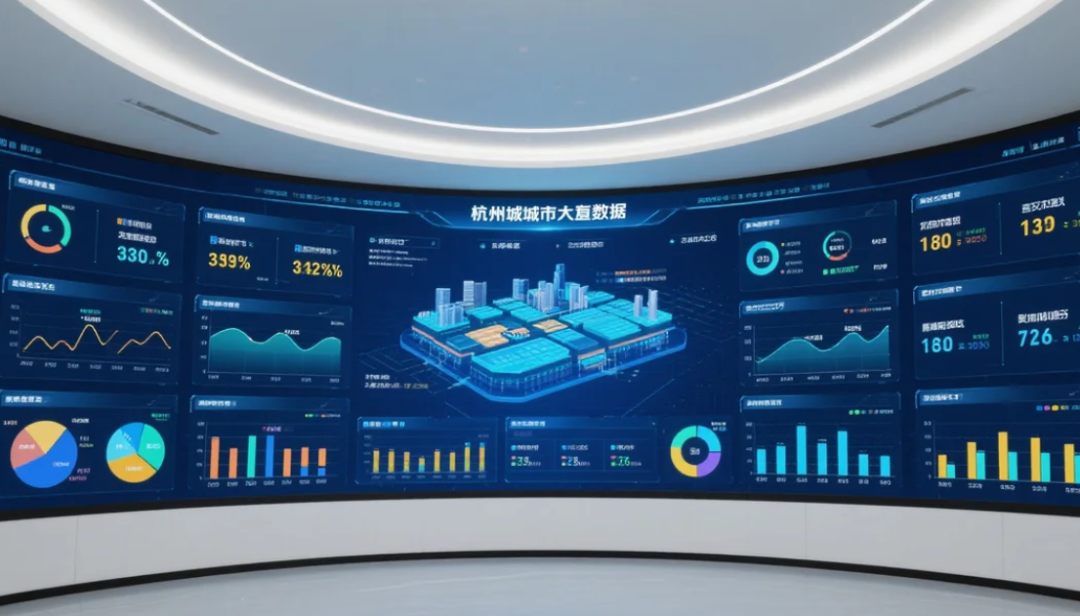
The construction of smart cities is another important area for the application of AI + IoT technology. By digitizing and upgrading various infrastructures and public service facilities in cities, and using IoT to achieve interconnectivity between devices, city managers can achieve refined management and intelligent decision-making through the analysis and processing of massive urban operation data using AI technology.
The ‘City Brain’ project in Hangzhou is a model of smart city construction. This project collects and analyzes data from over 5 million IoT nodes in real-time, achieving comprehensive perception and intelligent regulation across multiple fields such as urban traffic, energy, and environment. In traffic management, the ‘City Brain’ can intelligently optimize traffic light timing based on real-time road conditions, improving the traffic speed on urban roads by 15%. At the same time, in emergency medical rescue situations, by linking with the 120 emergency system, the ‘City Brain’ can plan the optimal driving route for ambulances and coordinate traffic lights along the way to create a green channel for ambulances, reducing their arrival time by 50%, thus winning valuable time to save patients’ lives.
Furthermore, in urban environmental monitoring, by deploying a large number of air quality sensors, water quality sensors, etc., to collect environmental data in real-time and using AI algorithms to analyze and predict this data, city managers can timely grasp the urban environmental status, issue early warnings for environmental pollution events, and take corresponding governance measures to create a more livable environment for citizens.
 Healthcare
In the healthcare field, the integration of AI + IoT technology is bringing new opportunities for health management and disease treatment. Through wearable devices, smart medical terminals, and other IoT devices, physiological data of patients, such as heart rate, blood pressure, blood sugar, and sleep quality, can be collected in real-time, and using AI algorithms to analyze and interpret this data, doctors can achieve real-time monitoring of patients’ health status and early warning of diseases.
Some advanced wearable devices have already achieved significant results in disease prediction, with an AUC (Area Under Curve, used to evaluate the performance of predictive models) value of 0.93. This means that these devices can accurately predict the risk of diseases that patients may develop, providing important basis for doctors to formulate personalized treatment plans.
In genomics research, the application of AI + IoT technology has also greatly accelerated the development of precision medicine. By collecting and analyzing patients’ genetic data in real-time, and combining it with patients’ clinical symptoms, medical history, and other information, AI algorithms can construct precise disease prediction models, allowing doctors to provide more accurate and effective treatment plans, improving the success rate of disease treatment.

Future Challenges and Trends for 2030
Current Core Challenges
Despite the enormous development potential of AI + IoT technology, it also faces numerous challenges during its development.
Security and ethical issues are paramount. With the widespread application of AI technology, algorithmic bias has gradually become prominent. For example, in facial recognition technology, there have been cases where the misidentification rate for Asian women was as high as 100 times, which not only affects the accuracy and fairness of the technology but may also trigger a series of social issues. Additionally, as the volume of data generated by IoT devices explodes, disputes over data sovereignty are also intensifying. How to ensure the security and privacy of data and ensure its legal use has become an urgent issue to be resolved.
Compatibility of heterogeneous architectures is also a major challenge. In the IoT environment, there are numerous devices of different types and brands, each with different hardware architectures, communication protocols, and operating systems. Achieving seamless compatibility and collaborative operation among them is key to realizing the intelligent connection of everything. At the same time, while edge devices pursue powerful computing power, they also need to consider energy consumption issues. Finding a balance between computing power and energy consumption is also one of the important challenges currently faced.
In terms of global deployment, cross-border data compliance issues are becoming increasingly complex. Different countries and regions have different laws and regulations regarding data storage, transmission, and use, such as the European Union’s General Data Protection Regulation (GDPR), which imposes strict requirements on enterprises’ data processing behaviors. Furthermore, with the global proliferation of IoT devices, the demand for eSIM (embedded SIM) management has surged, and how to achieve efficient management of eSIMs to ensure normal communication of devices worldwide is also a challenge that enterprises need to face.
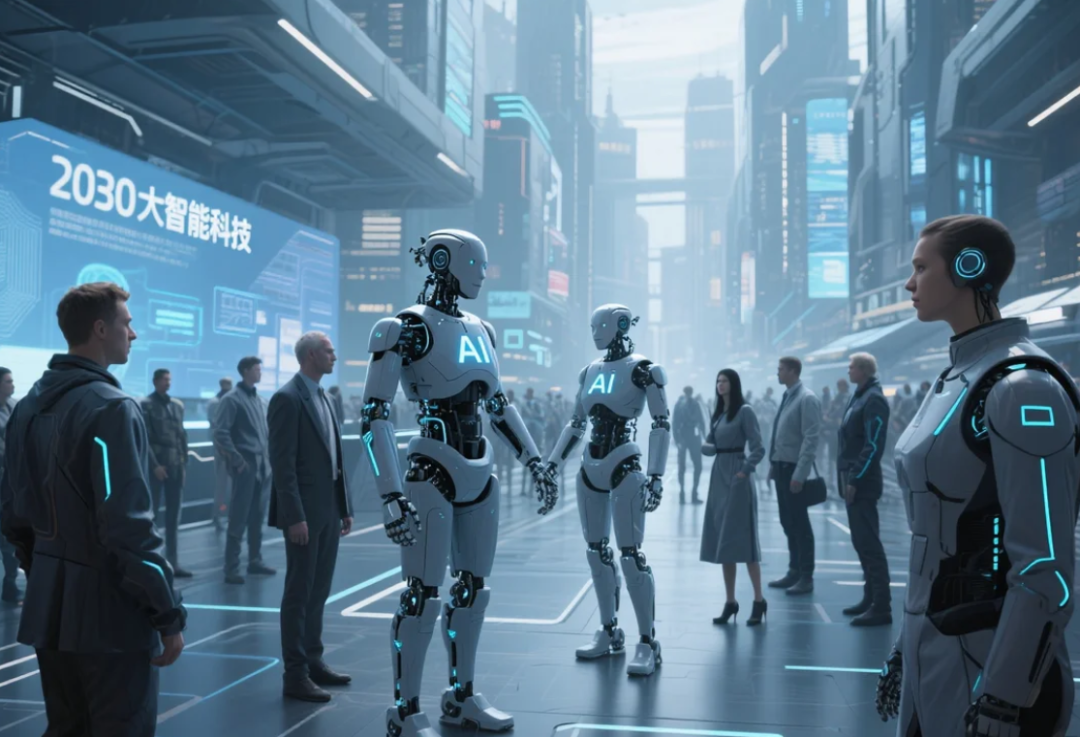
Looking ahead to 2030, AI + IoT technology will usher in a series of major breakthroughs and transformations.
In the field of cognitive intelligence, brain-like chips are expected to achieve commercial use. Brain-like chips can achieve more efficient and intelligent information processing by simulating the structure and working methods of human brain neurons. At the same time, multimodal large models will enable knowledge transfer across devices, allowing different types of IoT devices to share knowledge and experience, further enhancing the intelligence level of devices.
The development of 6G networks will bring new opportunities for AI + IoT. 6G networks will not only achieve sub-millimeter-level high-precision positioning but will also introduce semantic communication technology, increasing transmission efficiency by 10 times. This will provide more reliable support for application scenarios that require high positioning accuracy and communication efficiency, such as autonomous driving, smart logistics, and remote healthcare.
In terms of sustainable development, AI will be deeply integrated into the energy internet, achieving efficient management and optimal allocation of energy. By collecting and analyzing data from all aspects of energy production, transmission, storage, and consumption in real-time, and using AI algorithms for intelligent decision-making, the energy internet can maximize energy utilization, reduce energy consumption and carbon emissions. At the same time, carbon footprint tracking technology will cover the entire industry chain, accurately tracking and accounting for carbon emissions throughout the entire lifecycle of products from raw material procurement, production processing, transportation and sales to final consumption, promoting enterprises to achieve green production and sustainable development.