The main focus of today’s article is the Blue Fox NX1, which officially launched on June 3 on the JD platform. This is a very interesting smartphone, featuring a 4-inch ultra-mini display that is even smaller than a bank card. Despite its small size, it is fully functional and can handle tasks like playing PSP games or mobile games like Honor of Kings without any issues. I would describe it as a touchscreen media player or a device suitable for bicycle navigation. Theoretically, it is the most powerful smartphone in the ultra-small screen category, with the only downside being its less attractive price, as you can find stronger configurations in the second-hand market for the same price.
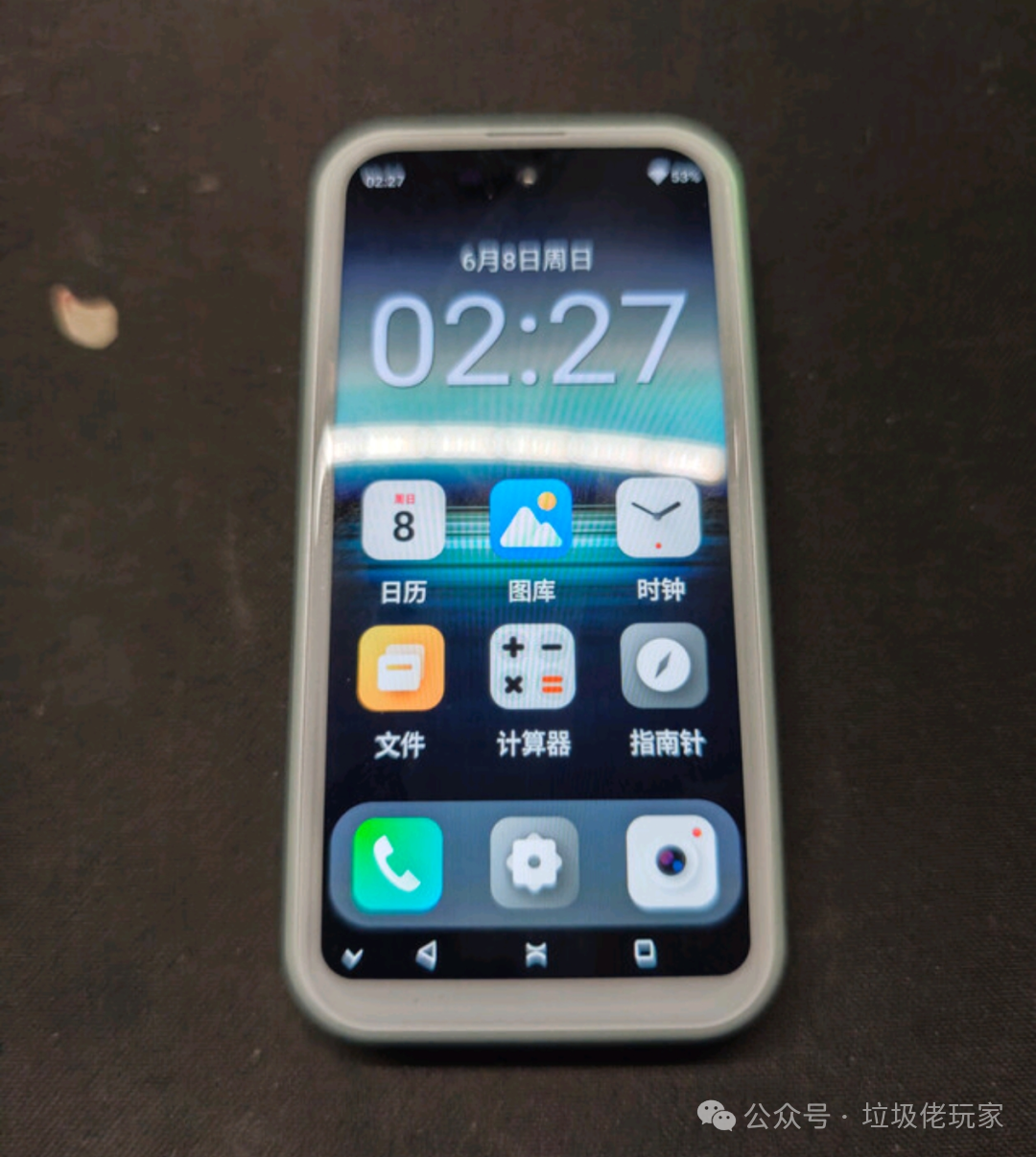
The design fully reflects the characteristics of a mini smartphone. The back and front are made of AG frosted glass, and the white front panel is now quite rare; even Meizu would feel nostalgic seeing it. Its overall dimensions are 100.6 x 49.3 x 12.5mm, and it weighs only 106g, making it not just a one-handed device but something you can easily play with in one hand, resembling a toy cartridge more than a smartphone.
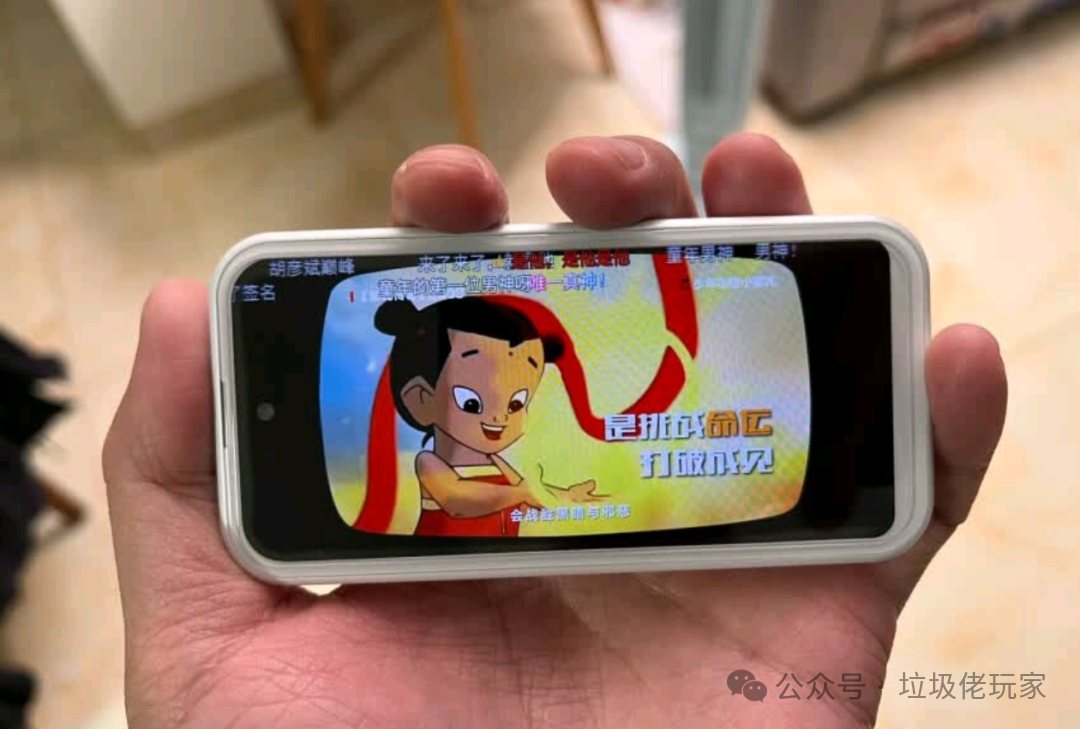
The device features a 4-inch IPS LCD punch-hole display with a refresh rate of 60Hz and a peak brightness of 500 nits. The resolution is 1168×540, and while many might be deterred by the low resolution at first glance, the ppi is actually 320, which prevents any blurriness.
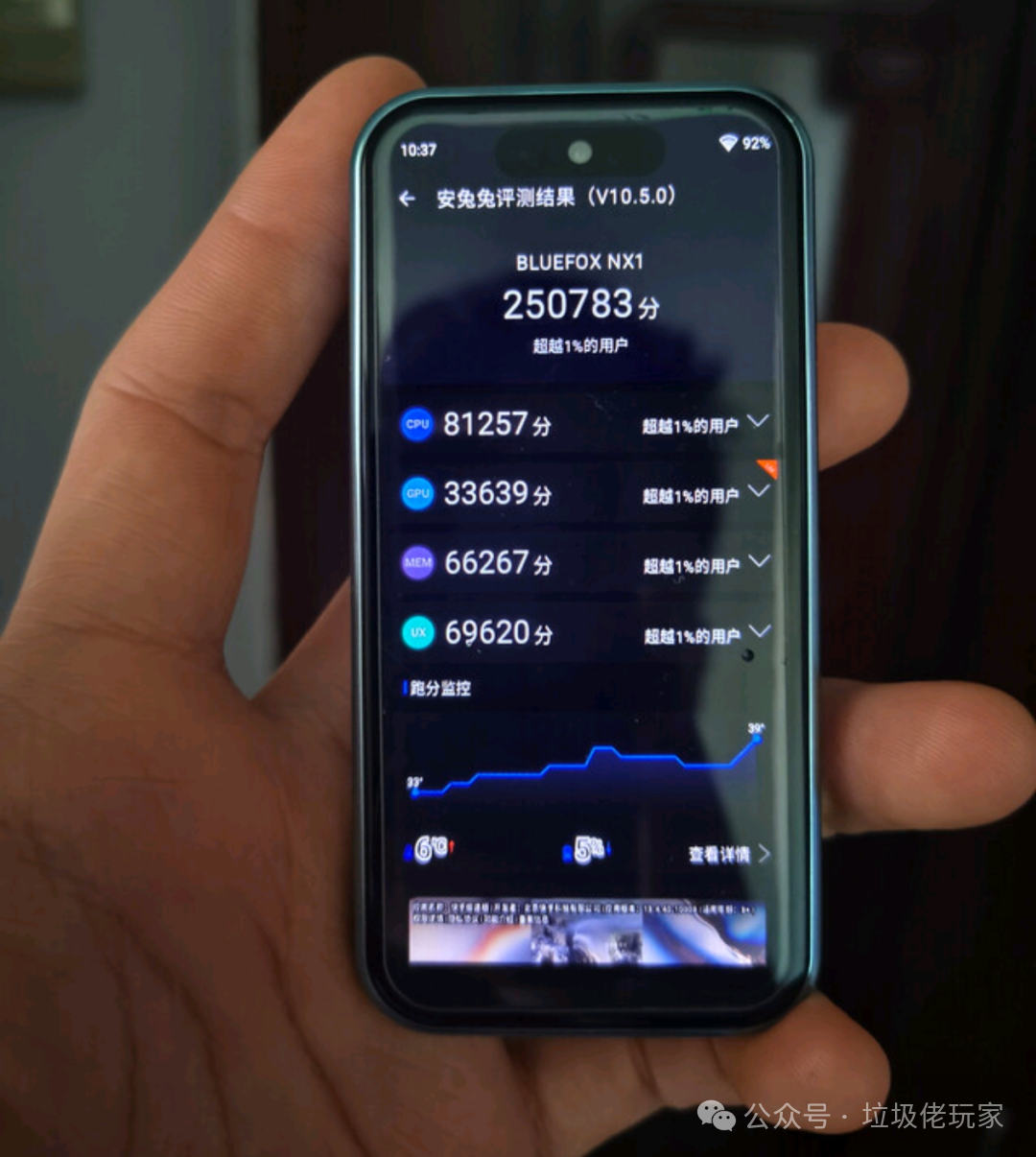
The system runs on a native Android 15 without ads. The processor is the MediaTek Helio G81, which is an entry-level 4G processor. While its performance and cost-effectiveness may not match some second-hand phones in the same price range, it is sufficient for daily use, covering basic needs like chatting, browsing the web, and watching videos. The main issue is that this processor only supports eMMC memory, which may lead to a decrease in speed after about two years of use.
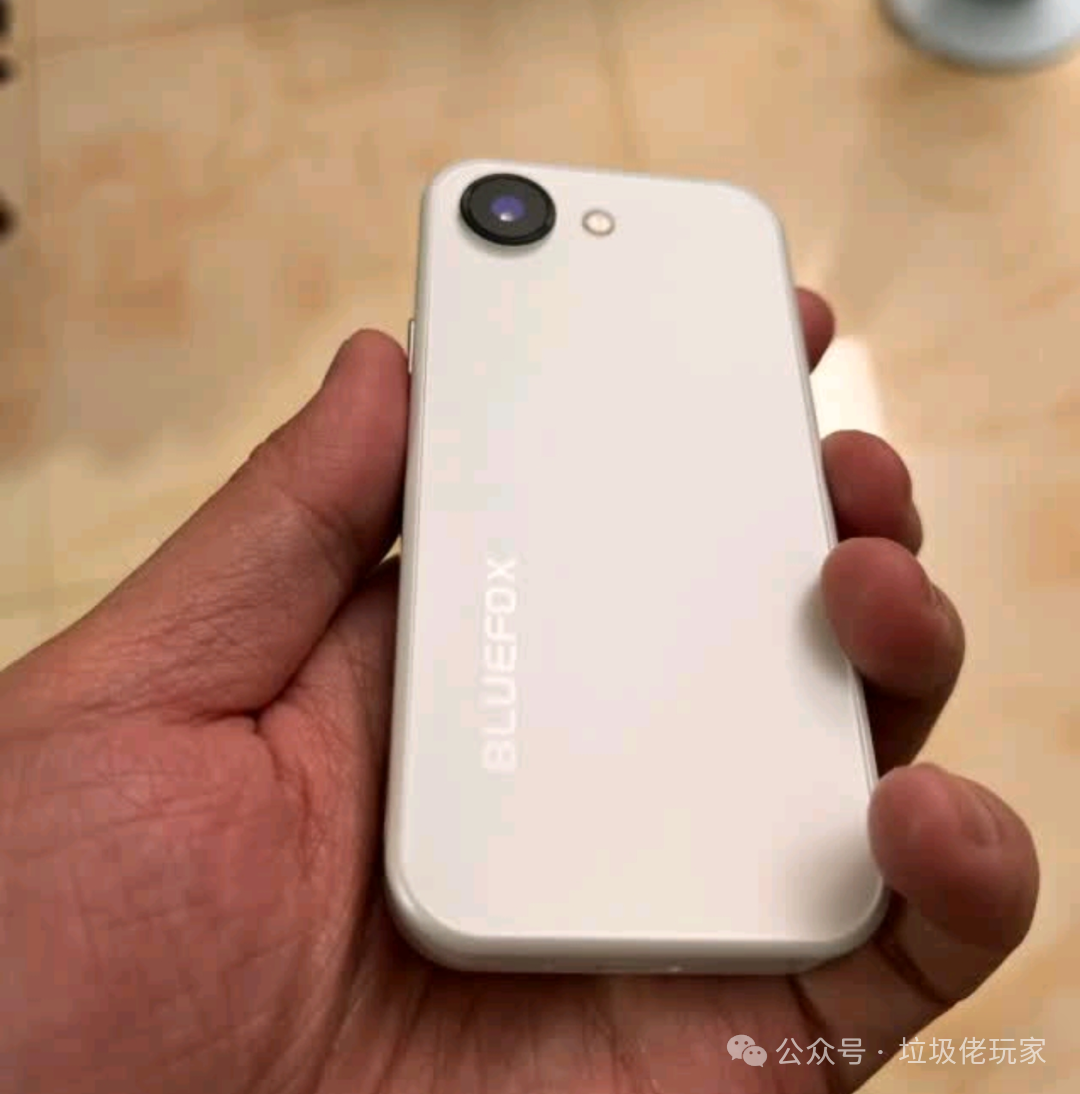
The camera setup is relatively simple, featuring a 21MP rear camera with a Sony IMX230 sensor and a 5MP front camera. According to internal developers at Blue Fox, due to the LCD screen and being a small manufacturer, the light and distance sensors cannot be placed under the screen, making it difficult to stack them in the top bezel. To avoid infringing on a certain manufacturer’s triple-camera design patent, they had to cover it with a black island.
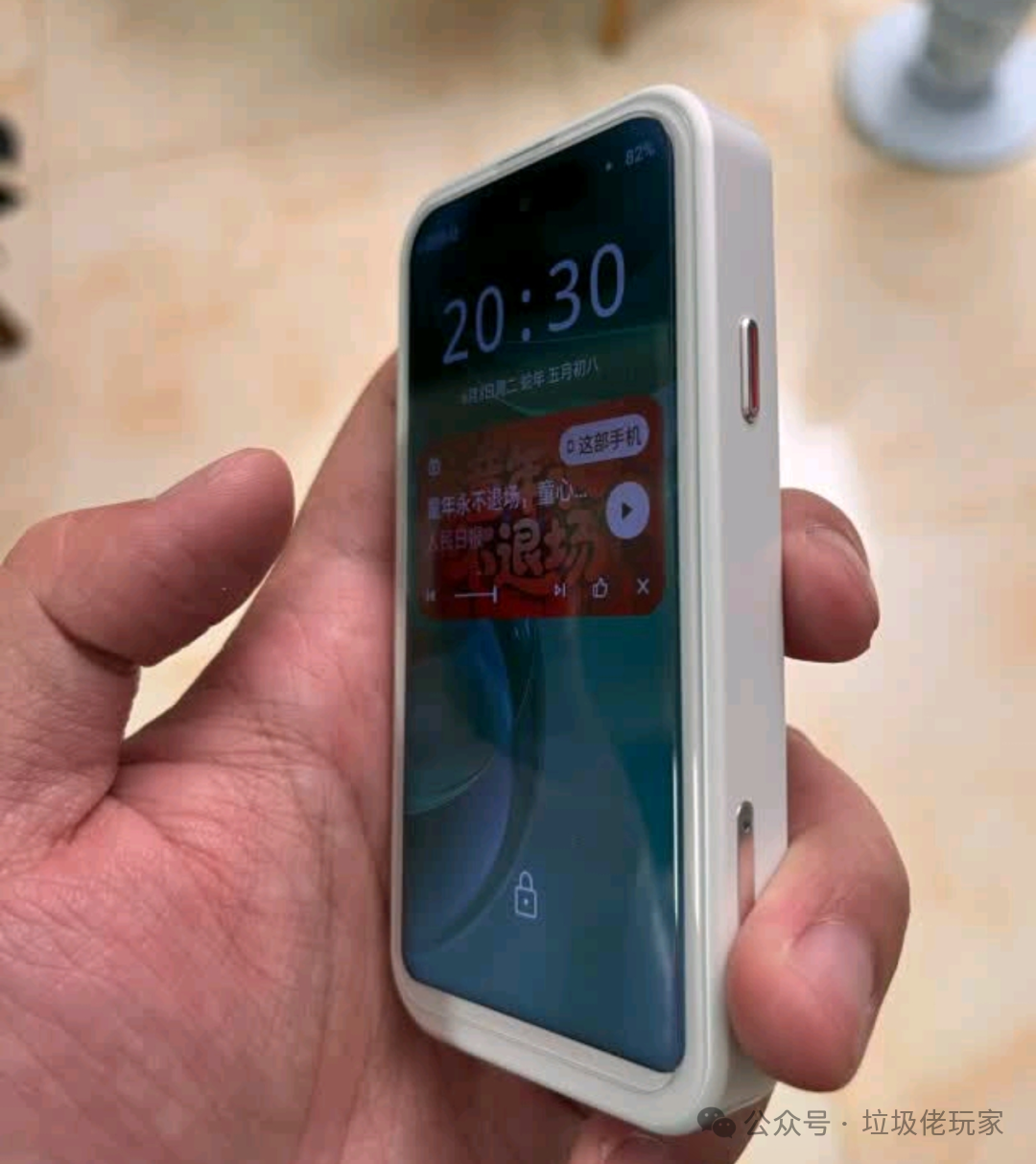
The low-power processor is paired with a 3000mAh battery, which should provide a full day of usage without issues, although the 10W charging speed is quite average. After all, you can’t have both long battery life and high performance, and costs are a factor as well. In terms of connectivity, it supports dual SIM cards and infrared remote control, with a maximum microSD card expansion of 2TB.
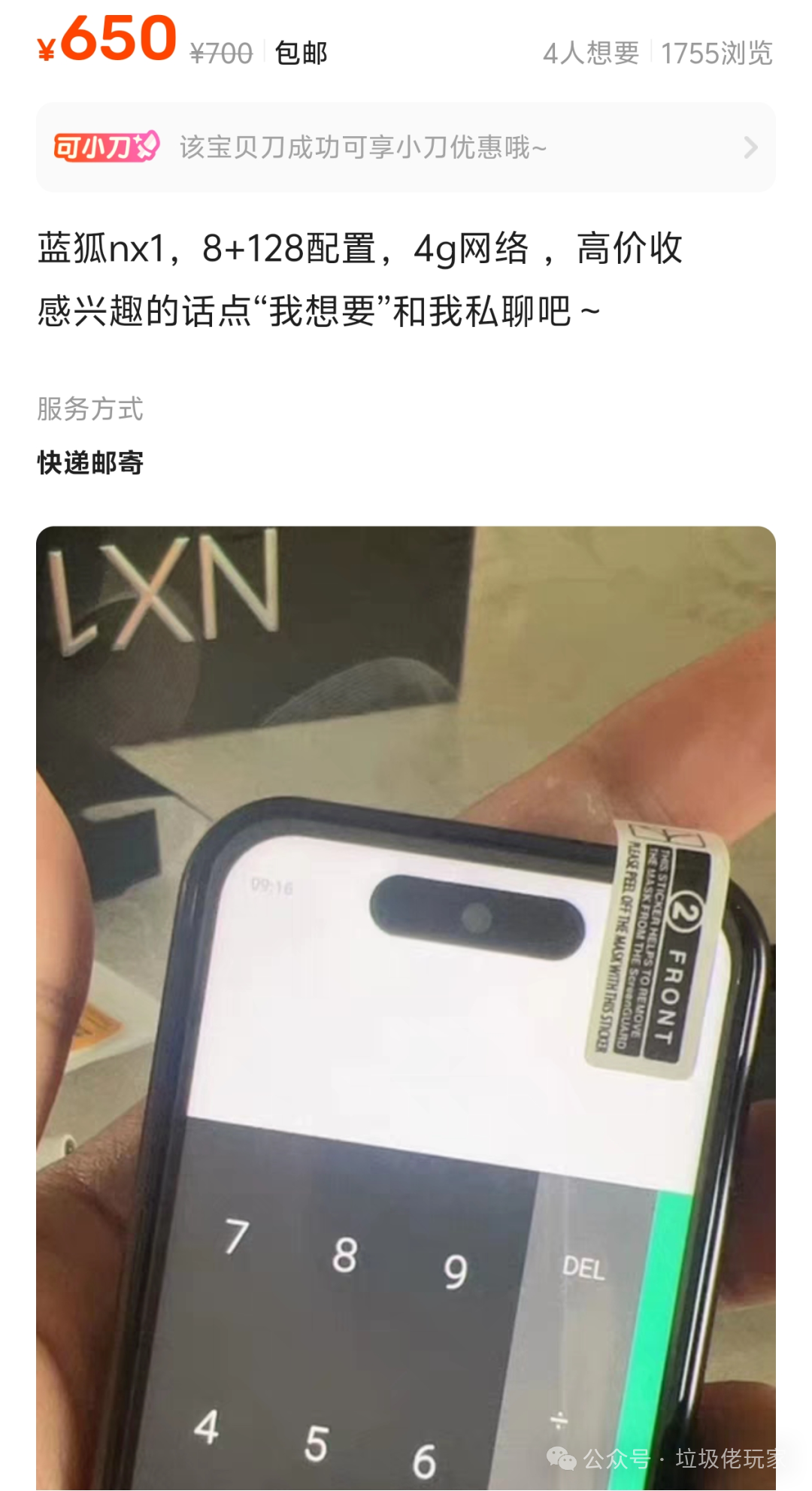
In terms of pricing, the 4G+64GB version is priced at 599 Yuan, while the 8G+128G version costs 799 Yuan. I took a look at the second-hand market, and while not many are available, there are plenty of buyers looking for them. The 64GB version is around 450 Yuan in the second-hand market, and the 128GB version is about 650 Yuan, which should be attainable. Logically, you could find second-hand phones with better cost-performance ratios at this price, but there is still a target audience for this device.