Click the blue text to follow us
3D Printing: Can It Really Create Organs? Three Shocking Scenarios Transforming Healthcare
When you think of 3D printing, what comes to mind first? Is it cool models and figurines, or precision parts for industrial production? In fact, this technology has quietly infiltrated the medical field, using its “magic” to solve countless patient pain points.
If we talk about the greatest advantage of 3D printing, it must be the ability to break free from the constraints of traditional assembly processes—those complex structures that once required welding, riveting, or gluing can now be directly formed through layer-by-layer “stacking.” This capability of “integrated manufacturing” shines the brightest in the medical industry.
Scenario 1: Dental Treatment, from “One Week Wait” to “Same Day Pickup”
“Seeing a dentist is hard, but waiting for dental work is even harder.” Many people have experienced this: getting a dental crown requires multiple visits for impressions, often taking a week. However, 3D printing is compressing this process to be completed in “one day.”
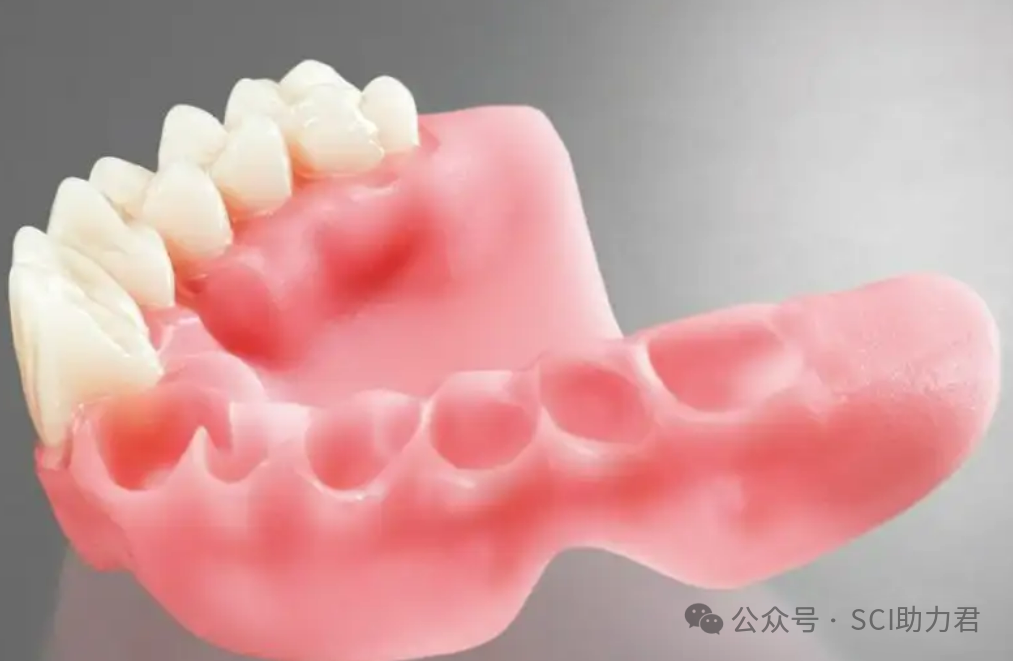
In today’s dental clinics, doctors can use 3D scanners to gently scan the mouth, generating a dental model accurate to 0.1 millimeters. Using specialized resin 3D printers, crowns, implants, and even dentures can be printed on-site. More importantly, these components are no longer “standard parts produced in bulk,” but rather “customized versions” that perfectly fit the patient’s oral structure.
For patients, this not only saves the hassle of multiple trips but also avoids issues like discomfort from traditional dentures. Data shows that patient satisfaction with 3D printed dental components has increased by over 40% compared to traditional methods—this is the “sense of happiness in healthcare” brought by technology.
Scenario 2: Prosthetics, Allowing Children to “Show Off” Their Arms
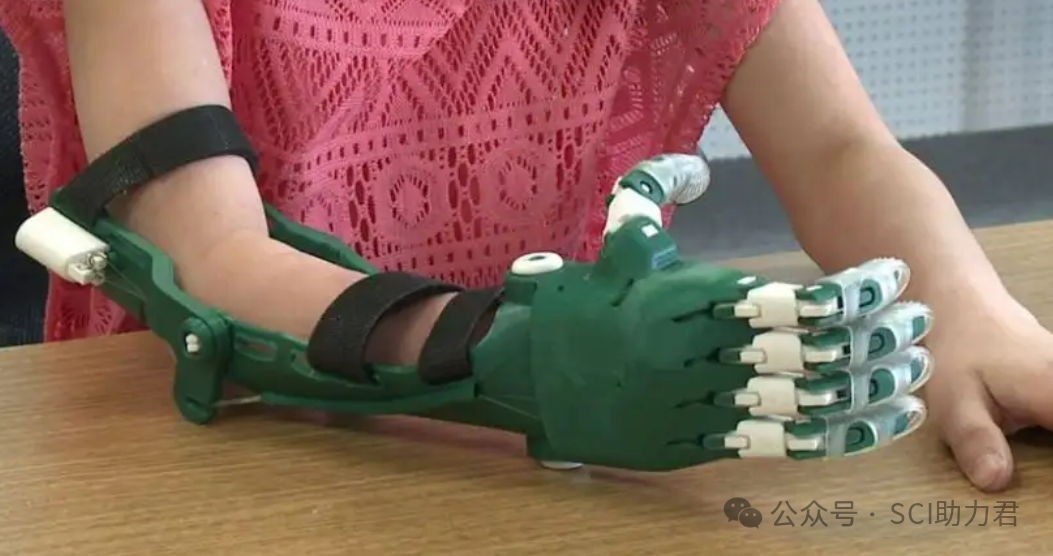
For children in need of prosthetics, traditional prosthetics are not only heavy and expensive but also make them feel “different.” However, 3D printing is changing all of this.
The non-profit organization Limbetless Solutions focuses on designing 3D printed prosthetics for children. They print prosthetics in cartoon shapes like Spider-Man or Frozen, tailored to the child’s preferences, and can adjust the size as the child grows—because the modeling files can be permanently saved, only parameter adjustments are needed to print an “upgraded version.”
In Guatemala, LifeNabled uses 3D printing to create prosthetics for people in impoverished areas. Founder Brent Wright, after seeing the poor conditions of local free clinics, discovered that the cost of 3D printed prosthetics is only 1/10 of traditional products, and the production cycle has been shortened from months to days. Now, more and more people who cannot afford prosthetics are standing up again through this technology.
Scenario 3: Printing “Living Organs” to End the Pain of Waiting for Transplants
Organ transplantation is the “last hope” for many seriously ill patients, but there is a severe shortage of organ donors worldwide. Statistics show that on average, 1 in 3 organ transplant patients loses their life due to rejection or prolonged waiting times. However, 3D bioprinting may be the “ultimate solution” to this problem.
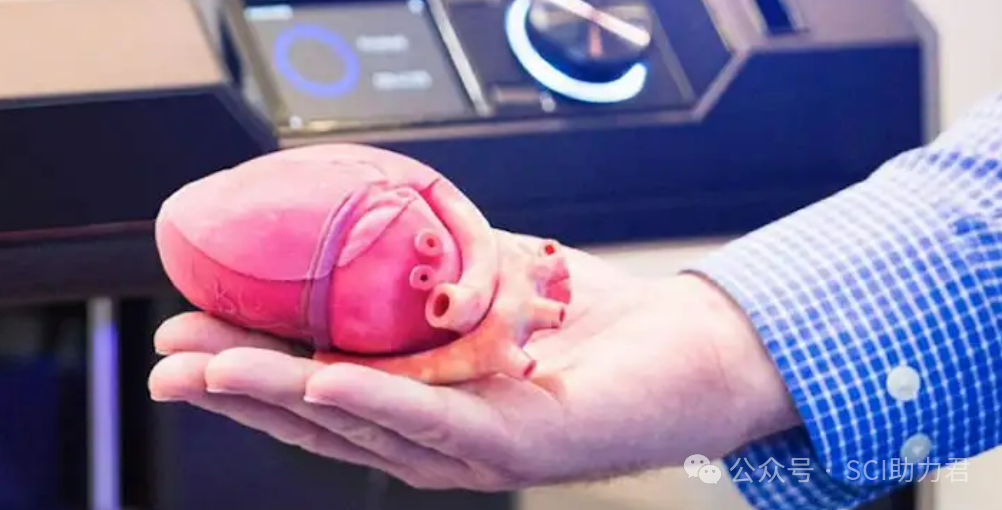
Unlike traditional organ transplants, 3D printed organs use the patient’s own cells—doctors extract cells from the patient’s body to print the organ as “bio-ink.” This way, the body does not produce a rejection response, significantly increasing the success rate of transplants.
Especially for kidneys, one of the most in-demand transplant organs, many patients have to wait 2-3 years to find a suitable donor. However, by the end of 2022, multiple studies indicated that cell-based bioprinted kidneys have made key breakthroughs, and in the coming years, “printing a usable kidney” will turn from a daydream into reality.
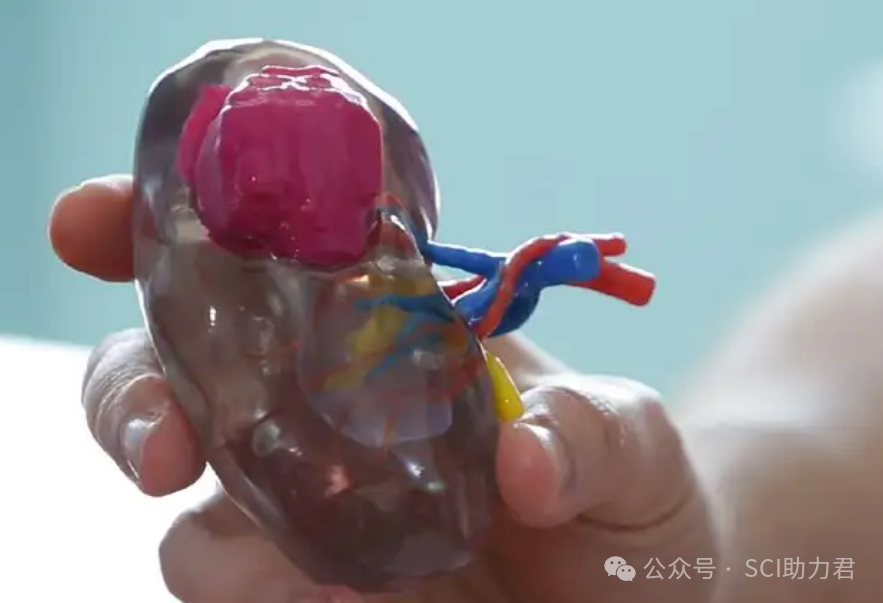
Of course, 3D printing in healthcare still has a long way to go—issues such as the stability of bio-ink and the long-term functionality of organs still need breakthroughs. But it is undeniable that it is redefining the future of healthcare with its characteristics of “precision, personalization, and speed.” Perhaps in the near future, “print whatever is needed” will become the norm in healthcare.

WeChat ID
xianzhengkan