
The PLC control system, or Programmable Logic Controller, is an electronic device designed for digital computation operations in industrial production. It uses a type of programmable memory to store programs internally, execute logical operations, sequential control, timing, counting, and arithmetic operations based on user instructions. It controls various types of machinery or production processes through digital or analog input/output, serving as a core component of industrial control.
Since the introduction of the Programmable Logic Controller (PLC) in the 1960s in the United States, which replaced traditional relay control devices, PLCs have rapidly developed and gained widespread application worldwide. At the same time, the functionality of PLCs has continuously improved. With the ongoing advancements in computer technology, signal processing technology, control technology, and network technology, along with increasing user demands, PLCs have added functionalities such as analog processing and motion control on top of their basic discrete control capabilities. Today’s PLCs are no longer limited to logical control; they also play a significant role in motion control and process control. Let’s take a look at these animations!
PLC Animation
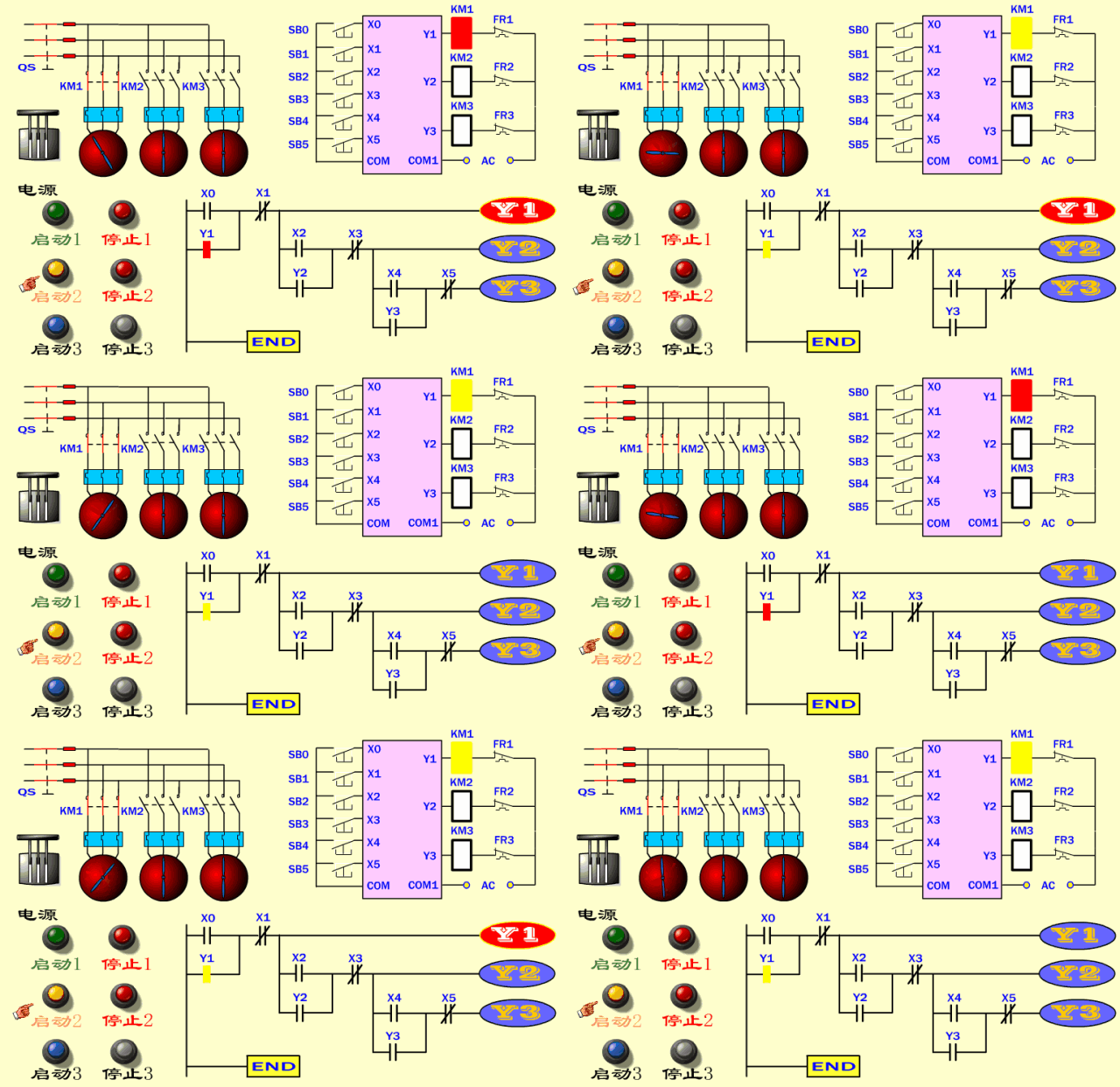
PLC Sequential Control
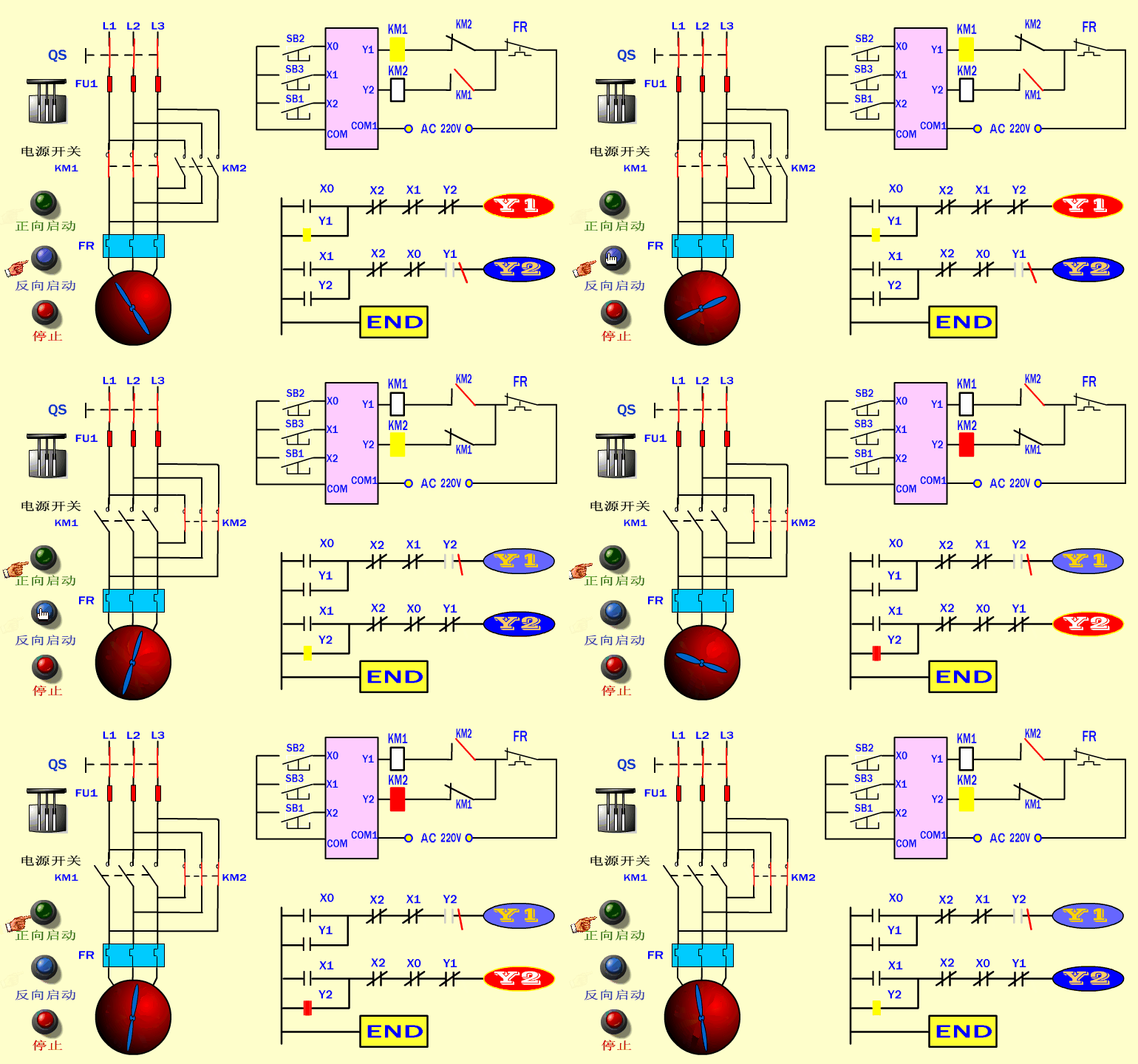
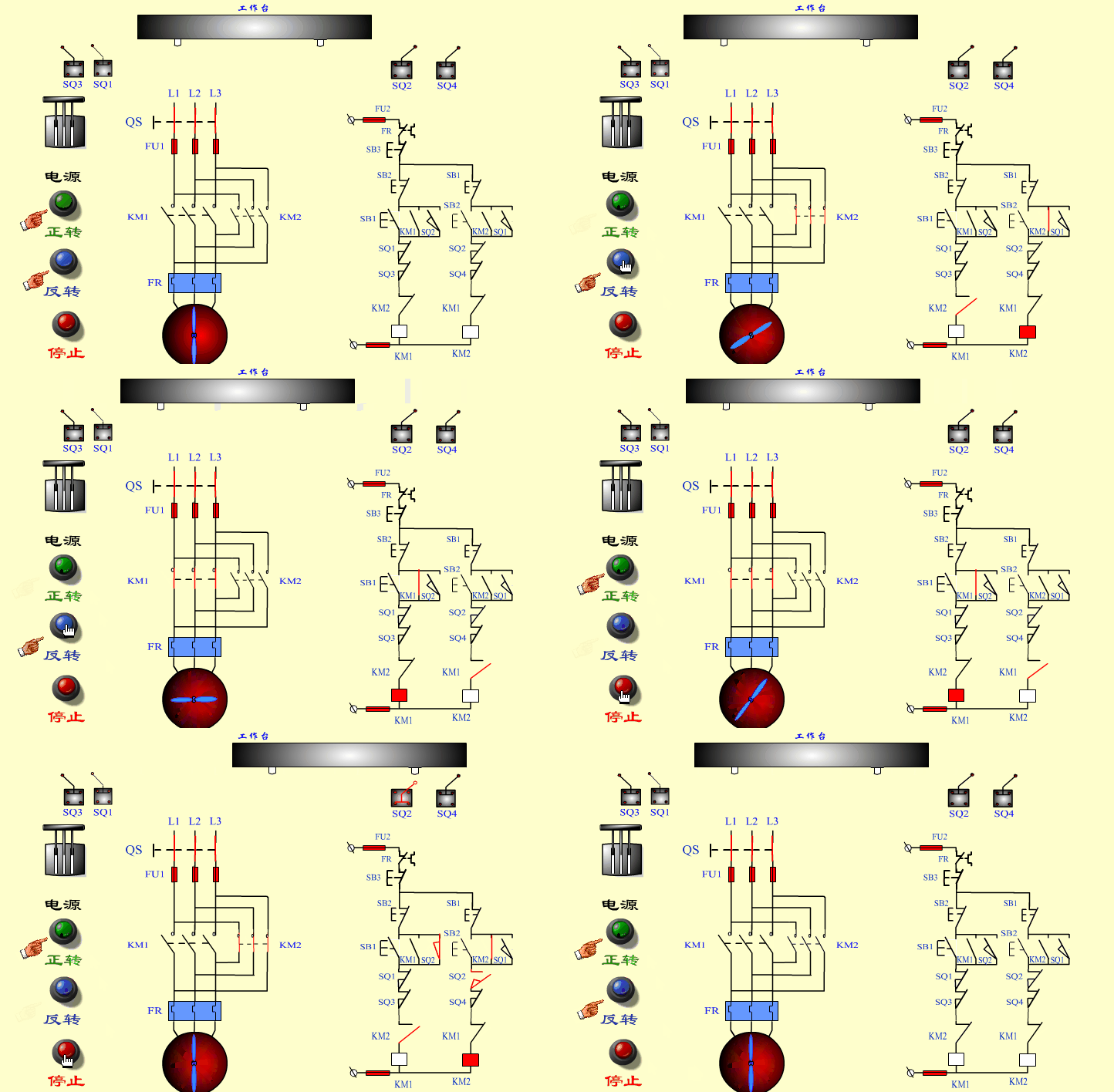
PLC Forward and Reverse Control
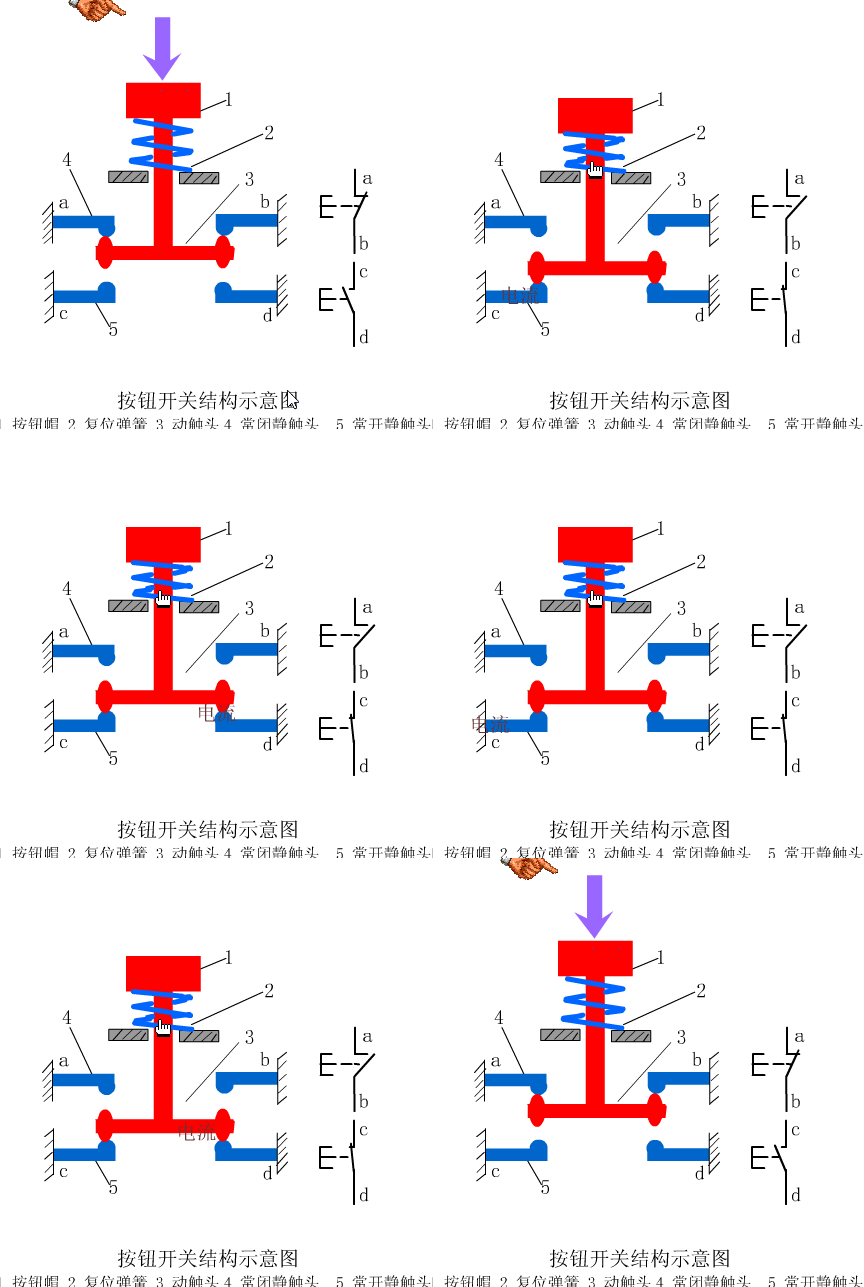
Button Switch
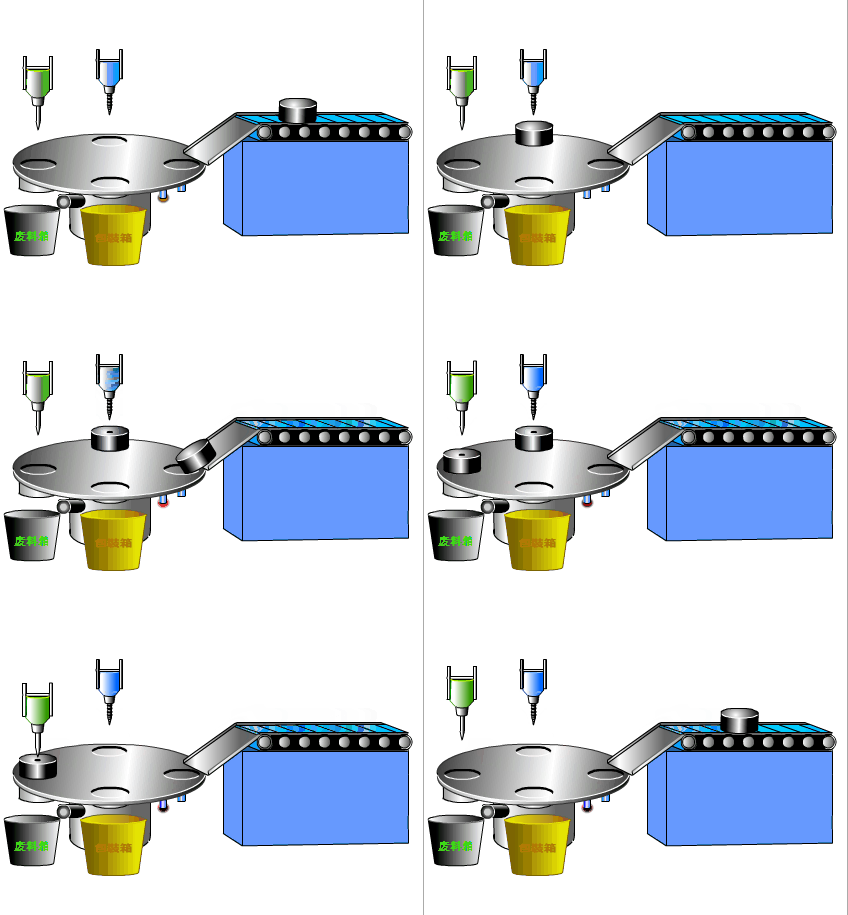
Punching Process
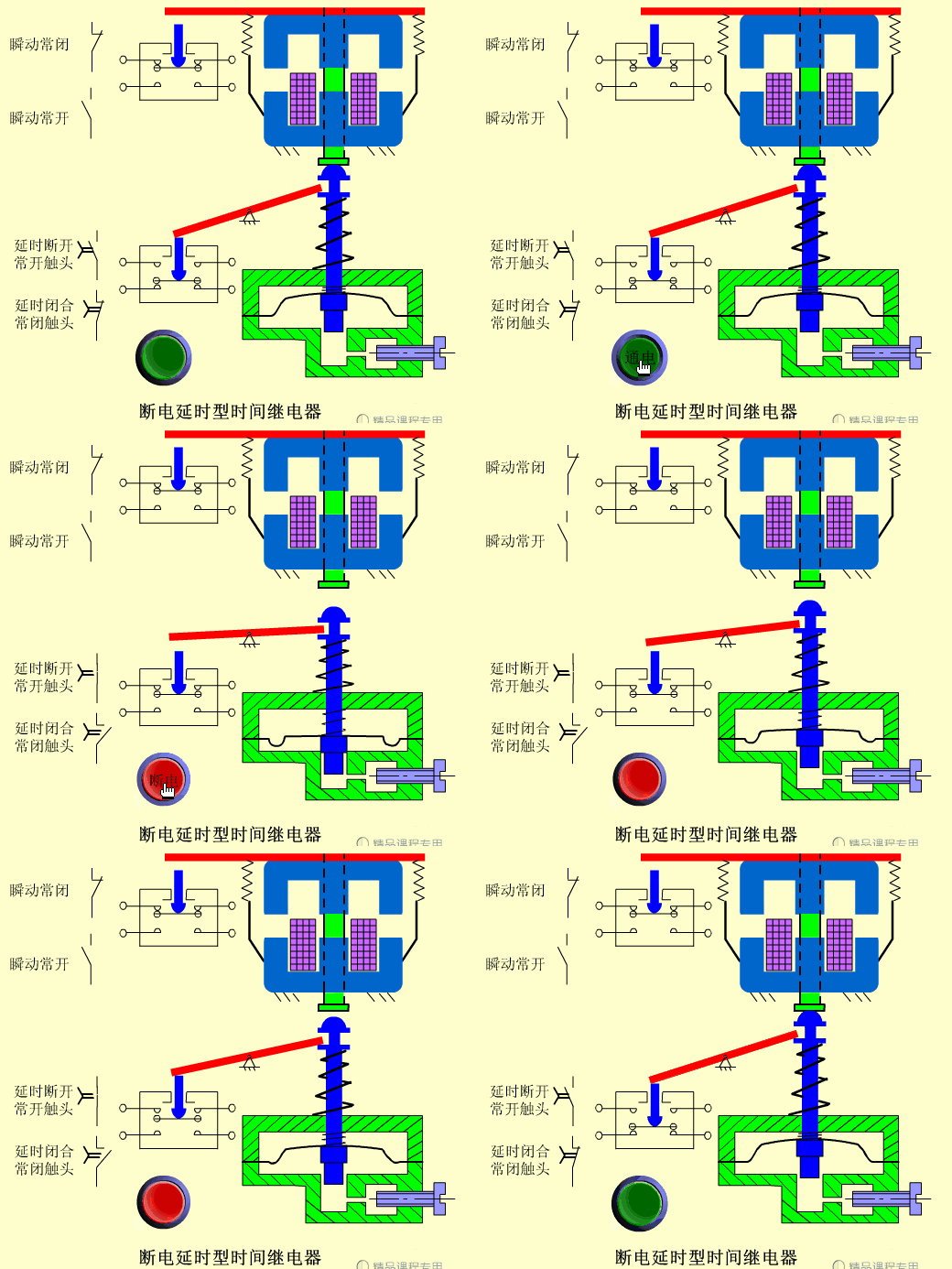
Power Off Delay Timer Relay
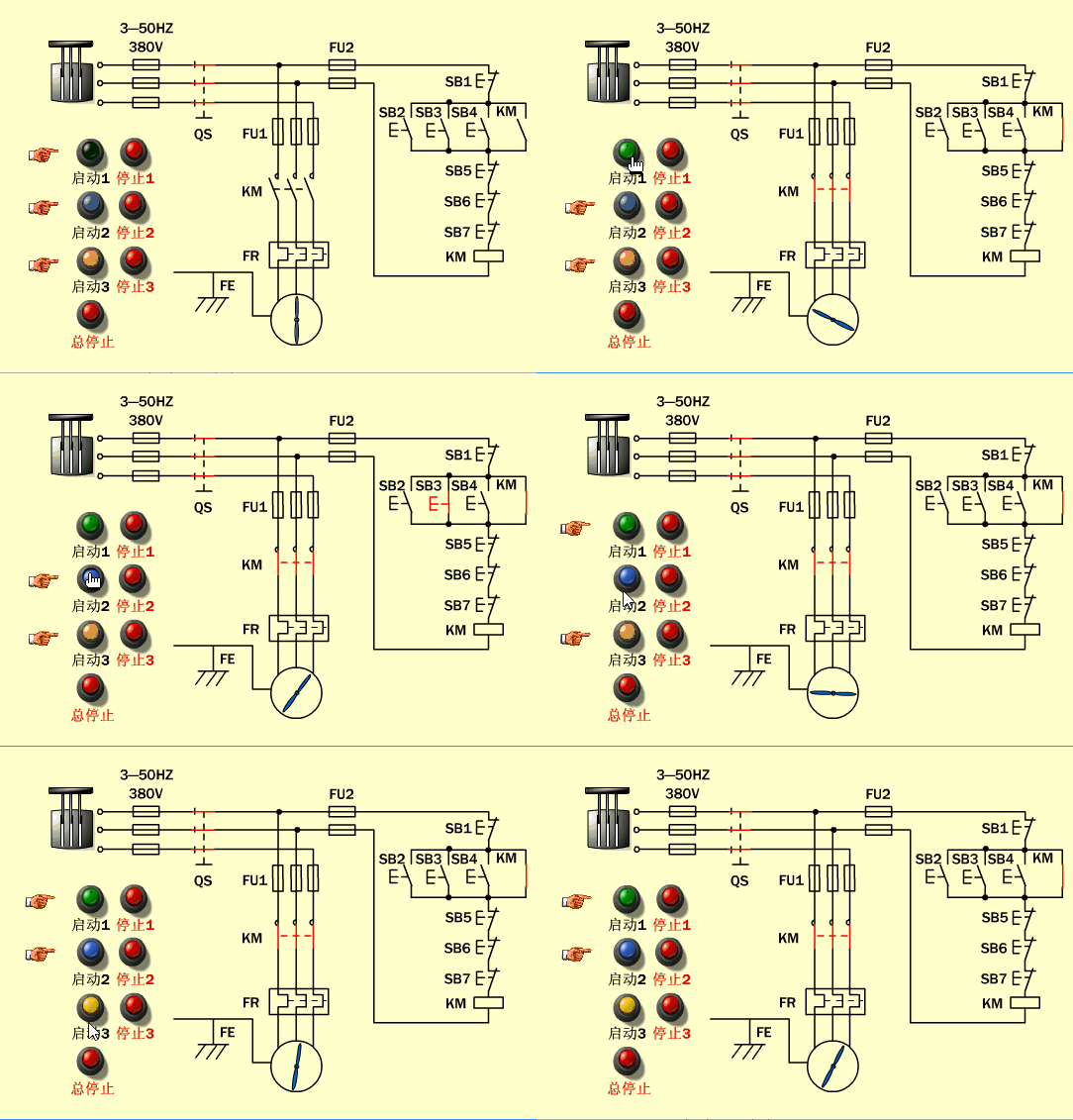
Multi-Point Control
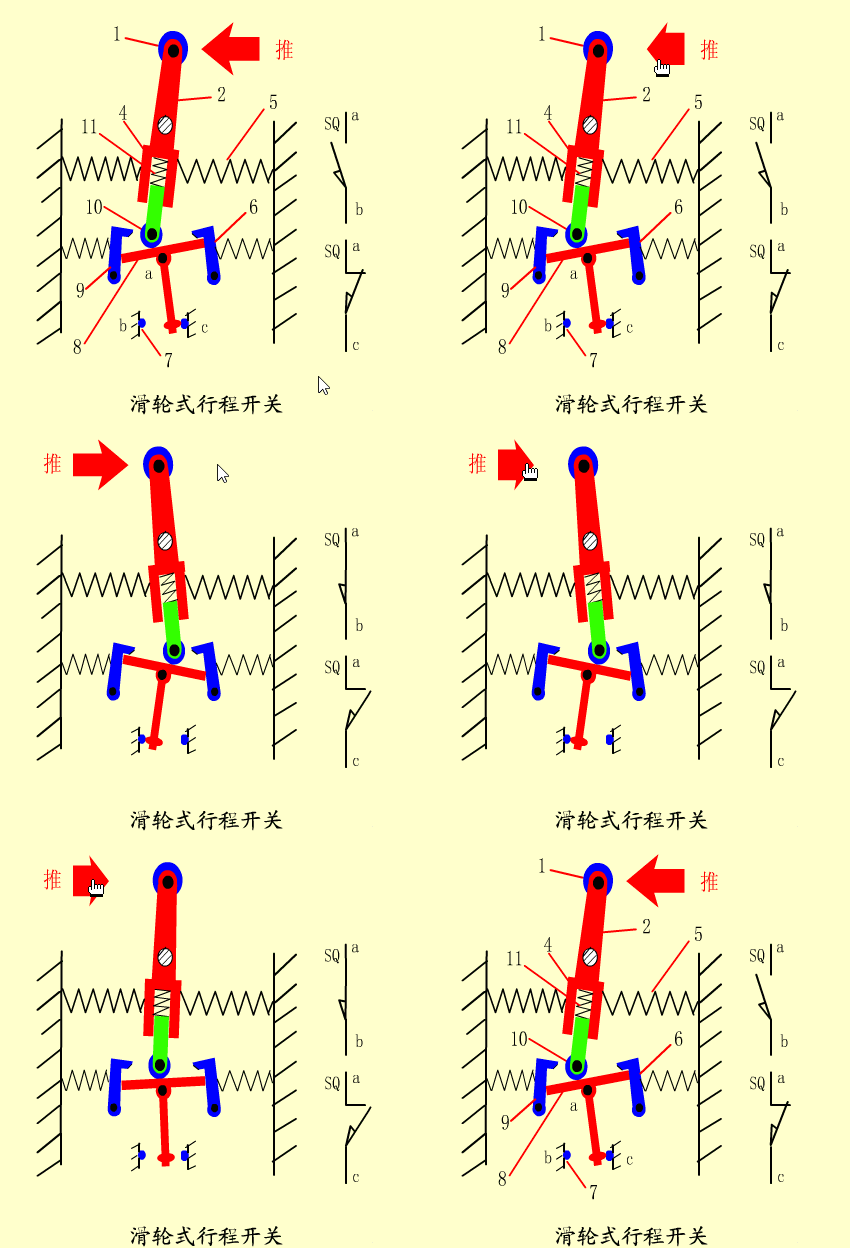
Roller-Type Limit Switch
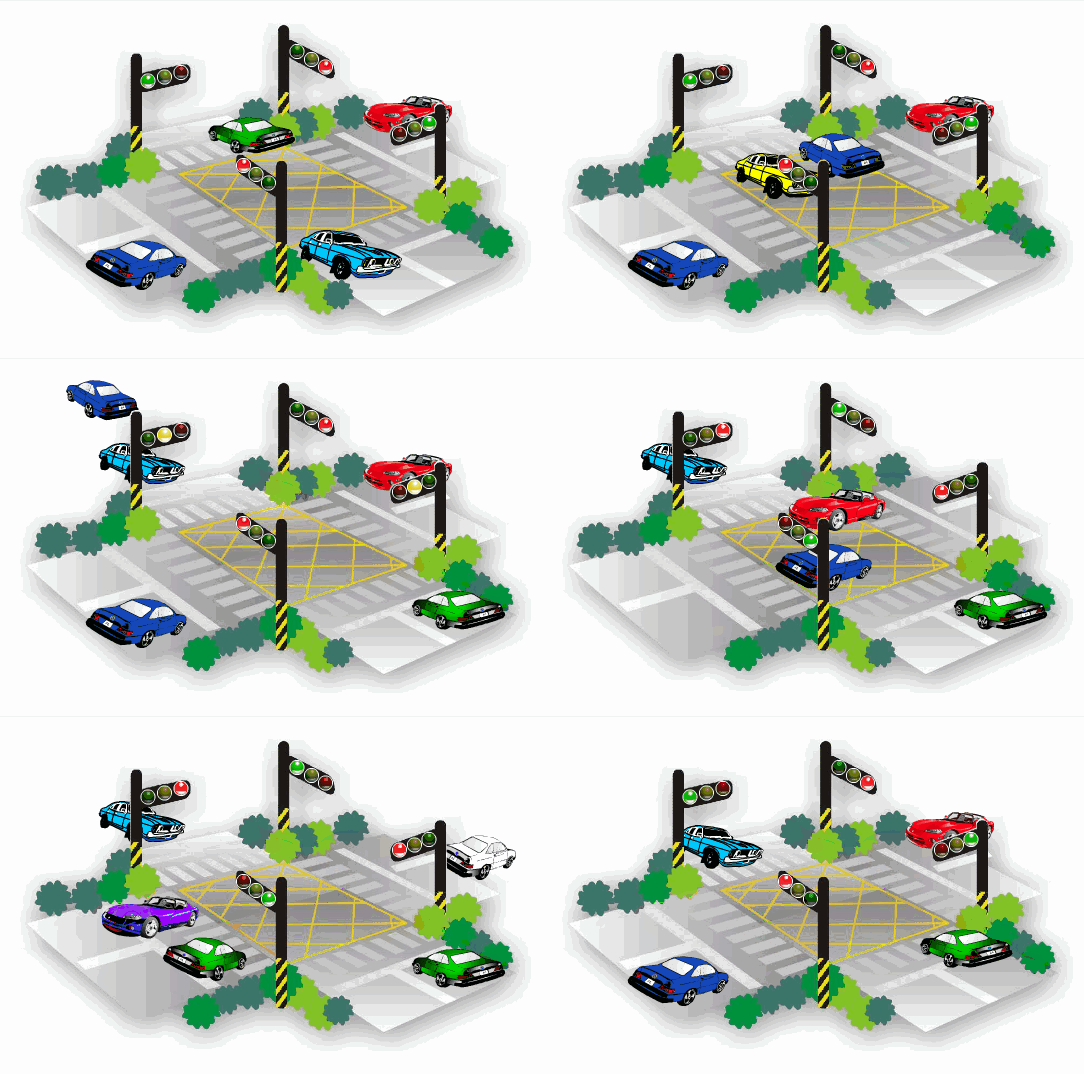
Traffic Light
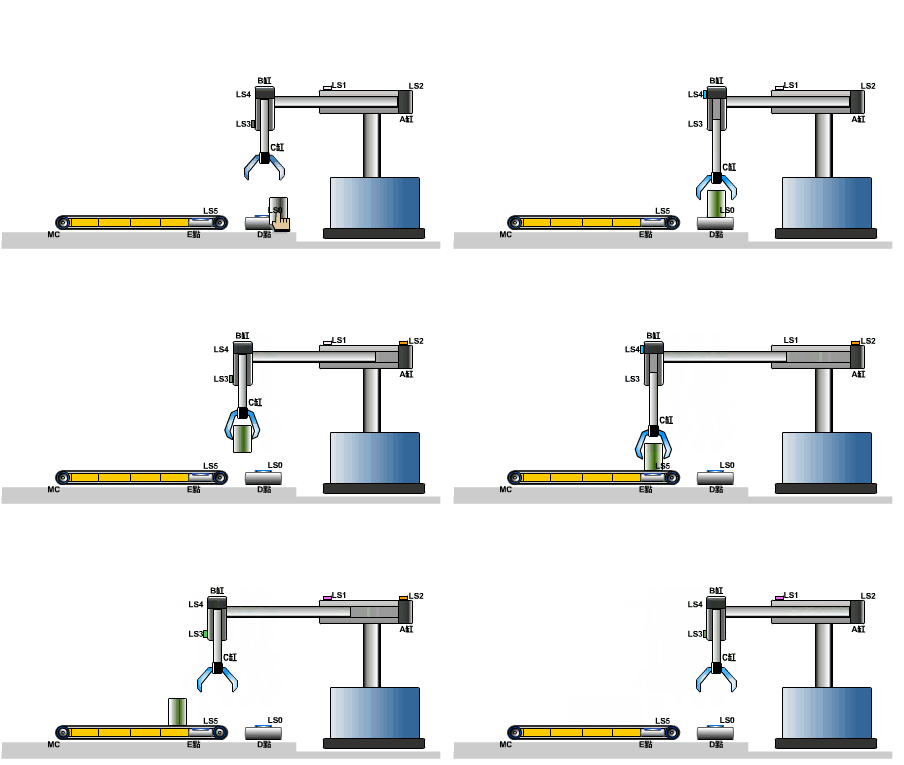
Robot Arm
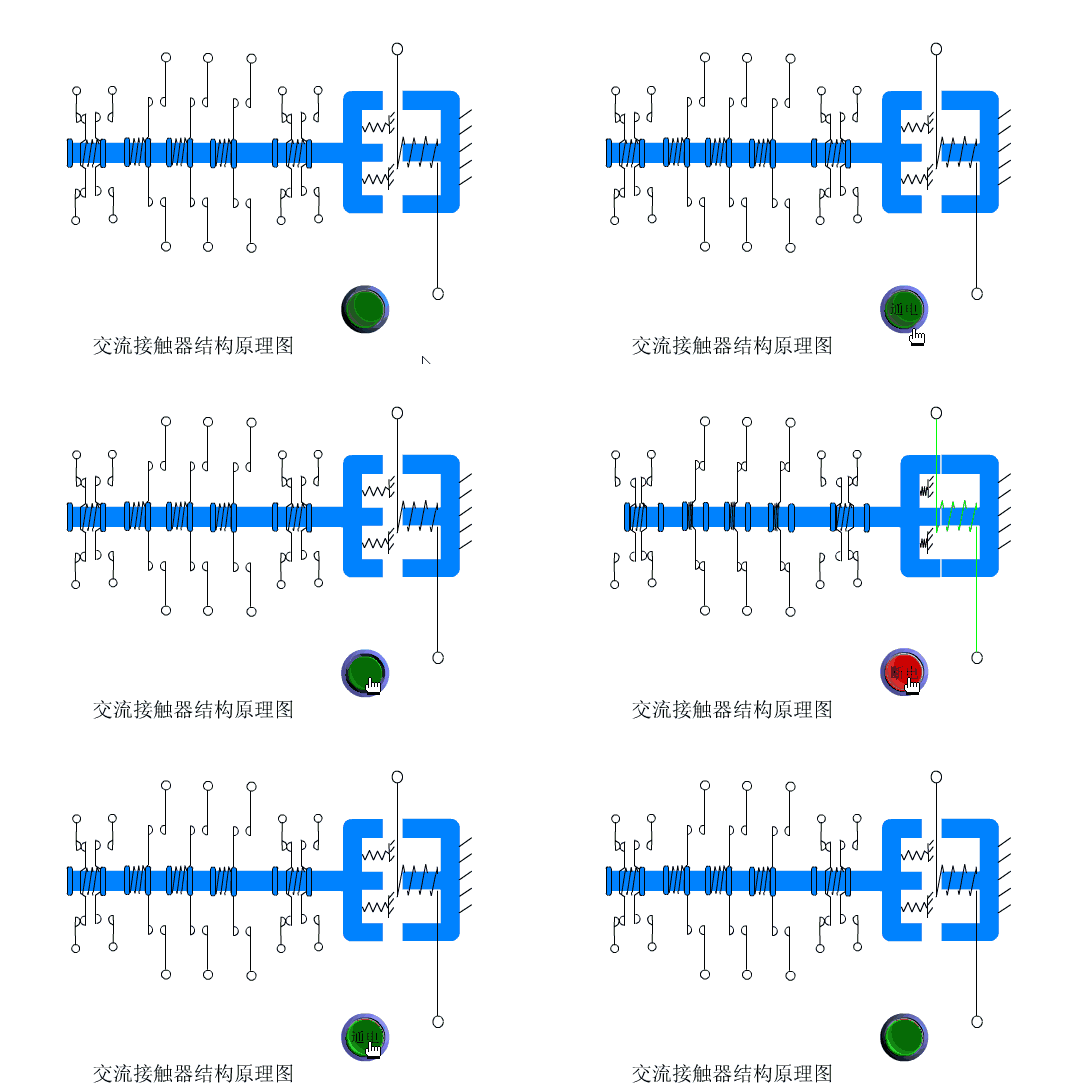
AC Contactor
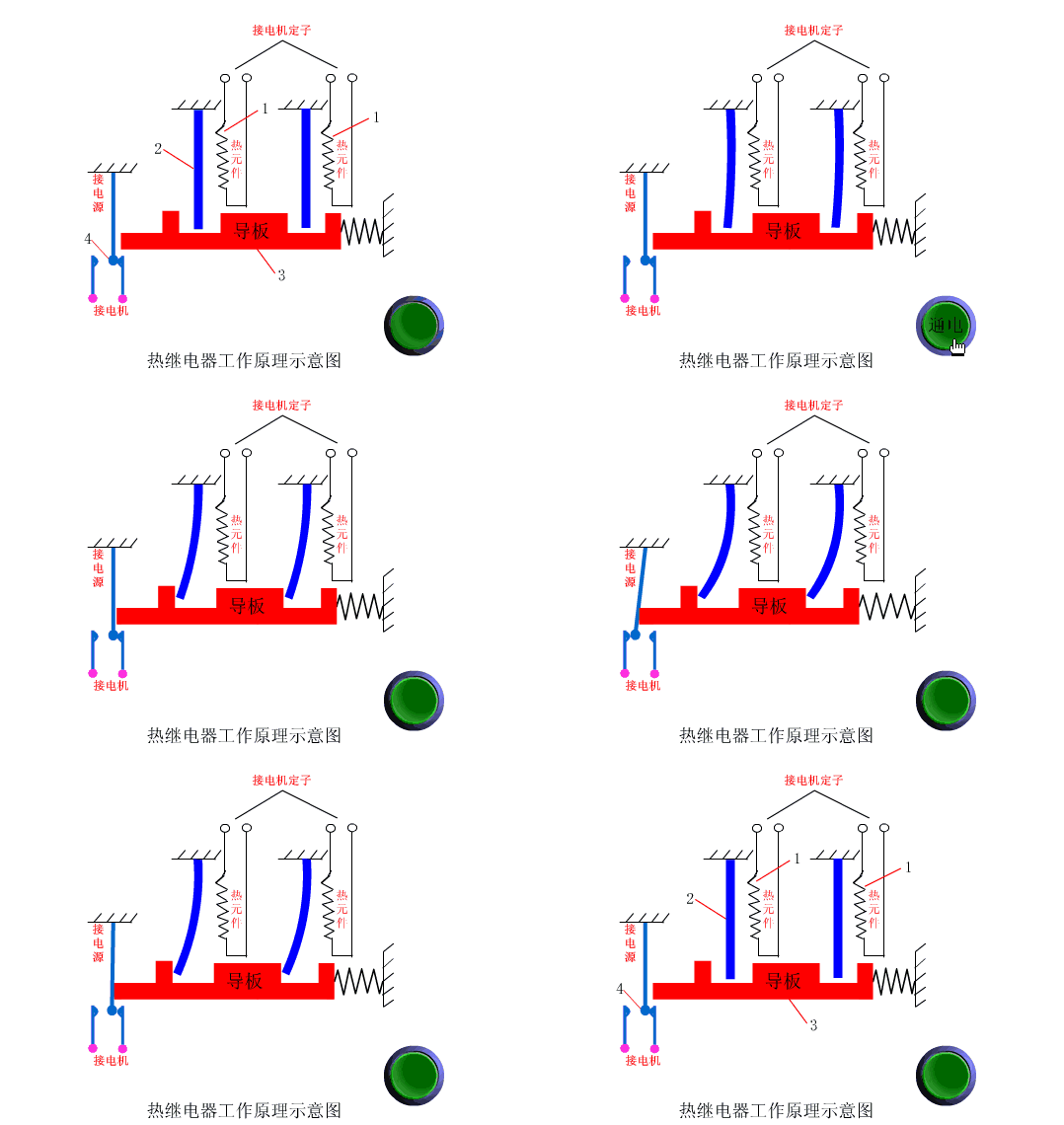
Thermal Relay
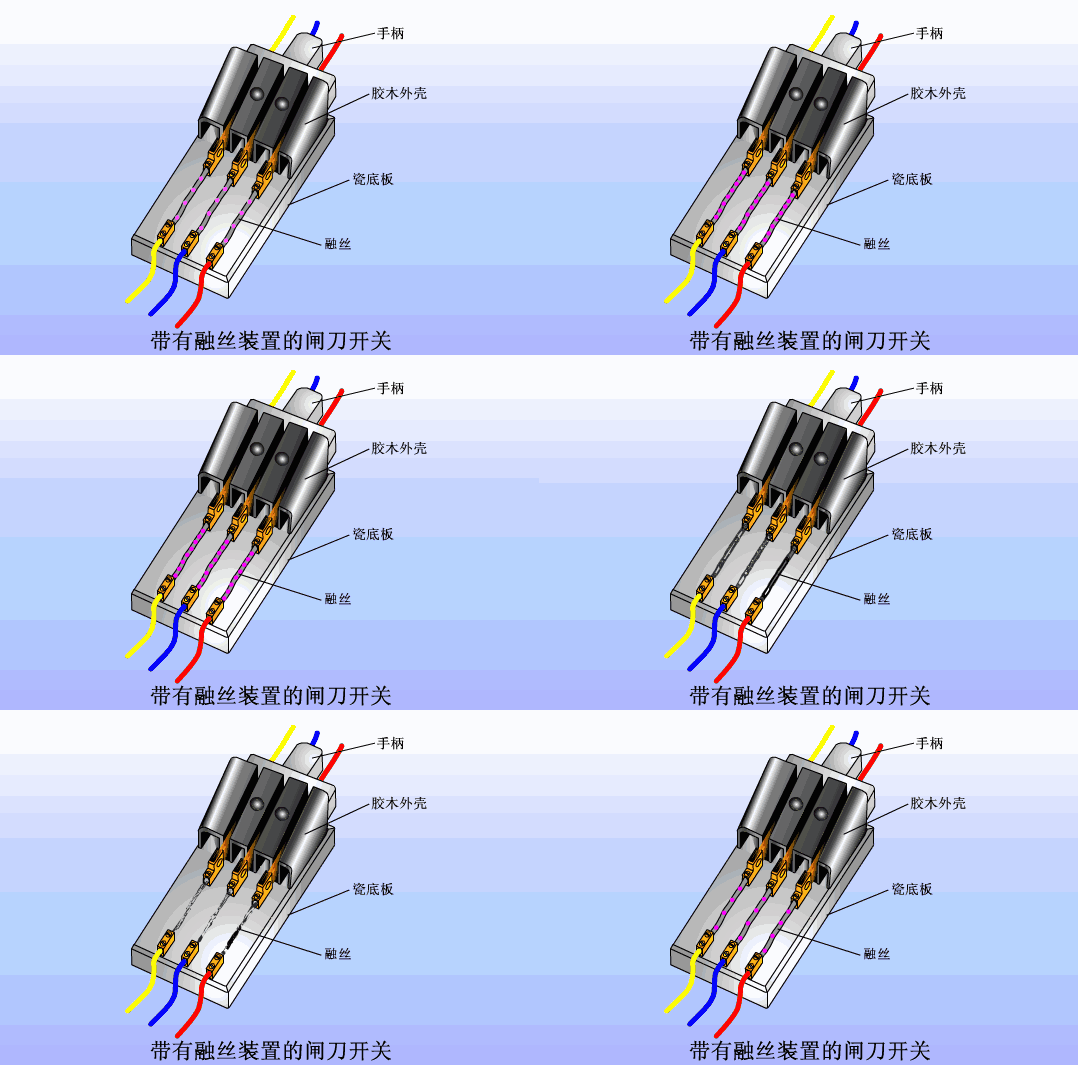
Three-Phase Knife Switch
Timer Relay
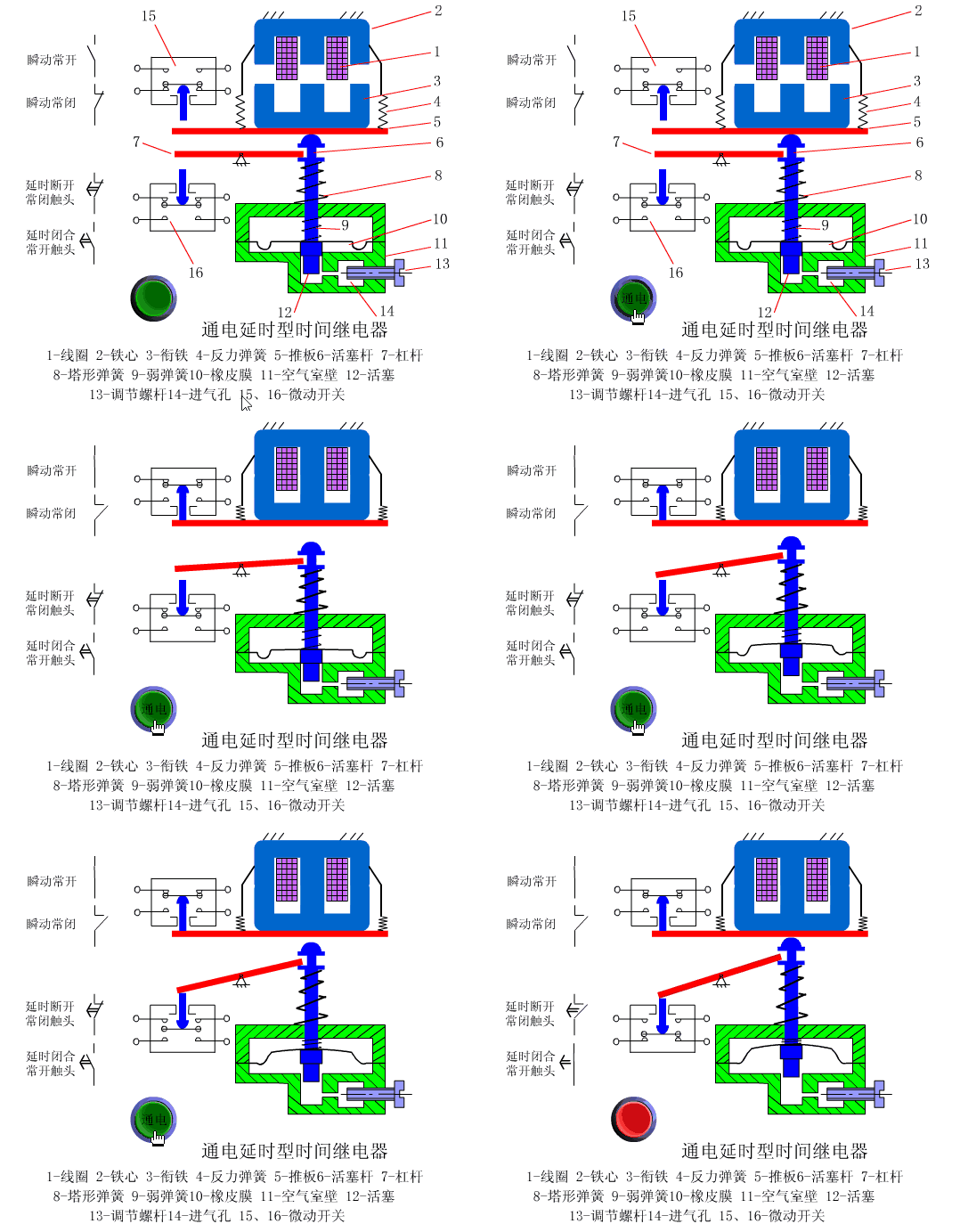
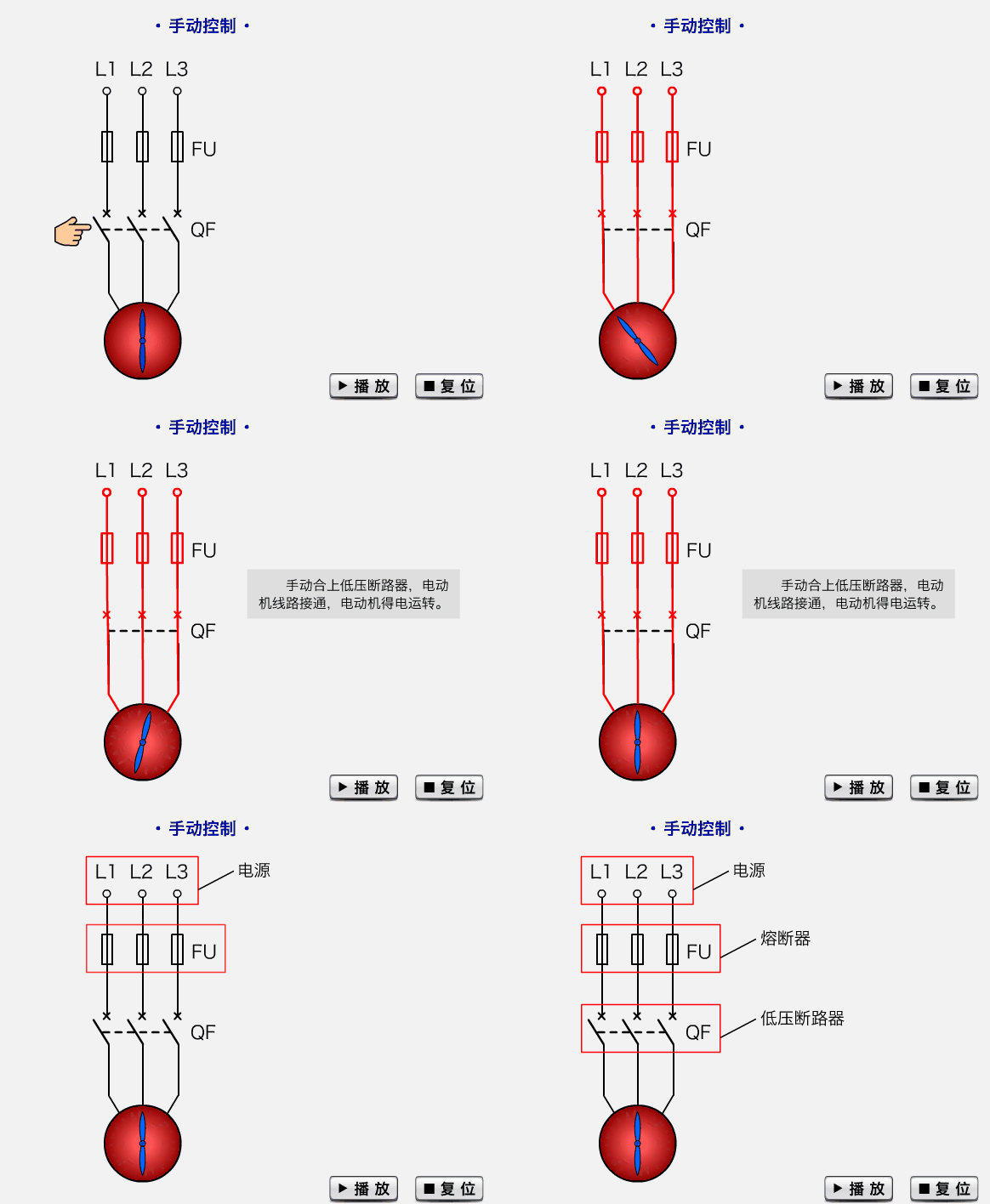
Manual Control
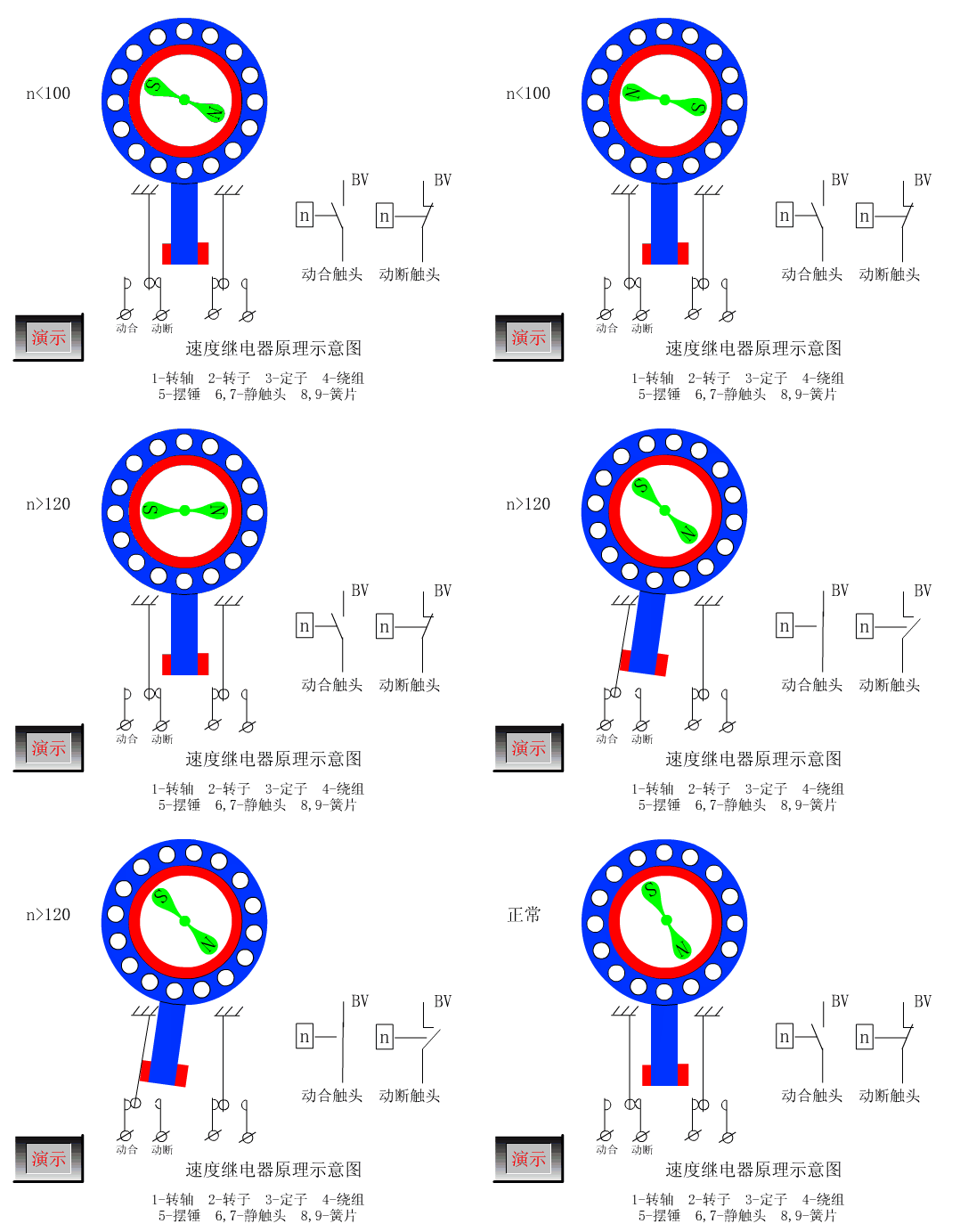
Speed Relay
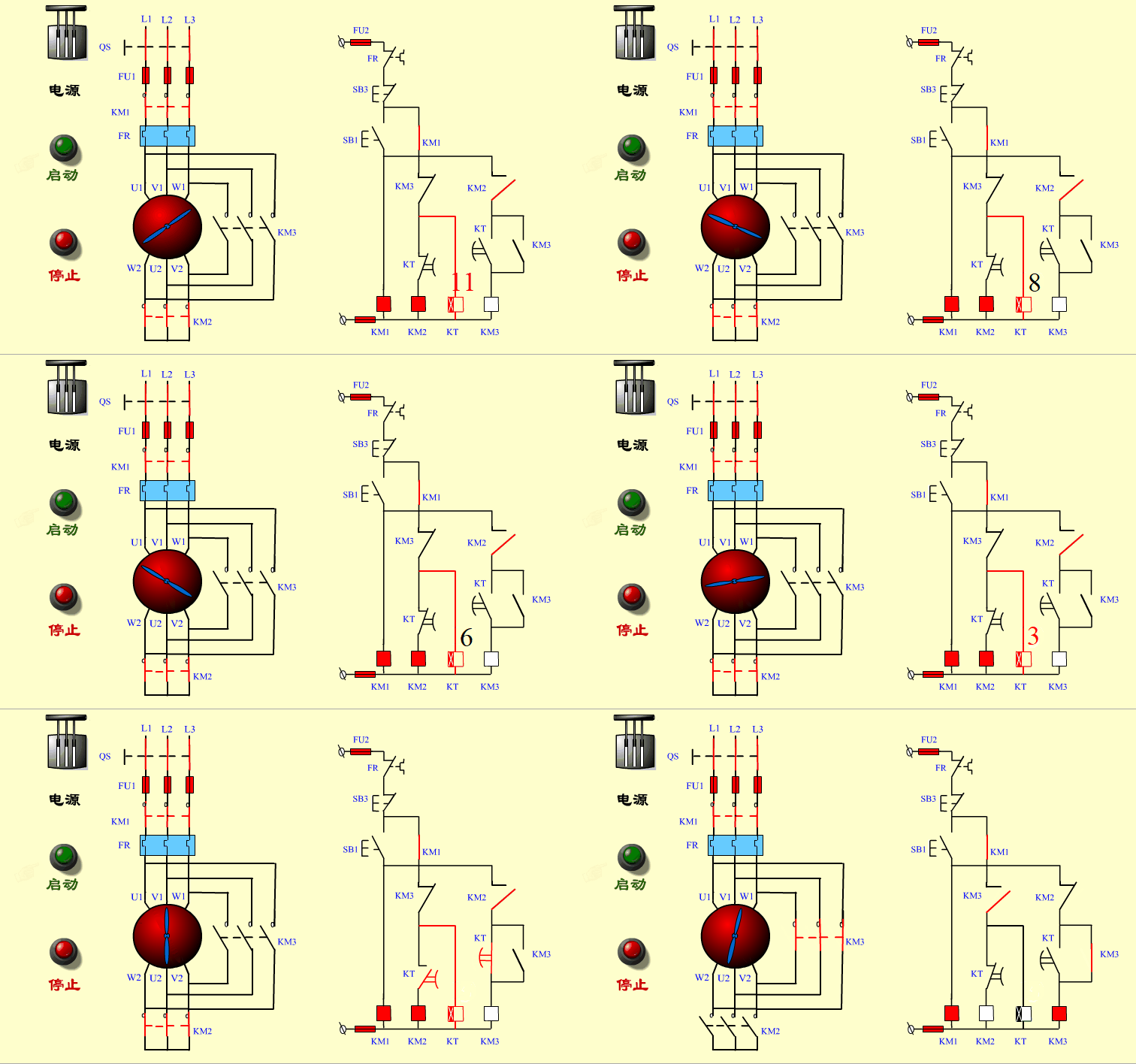
Star-Delta Start
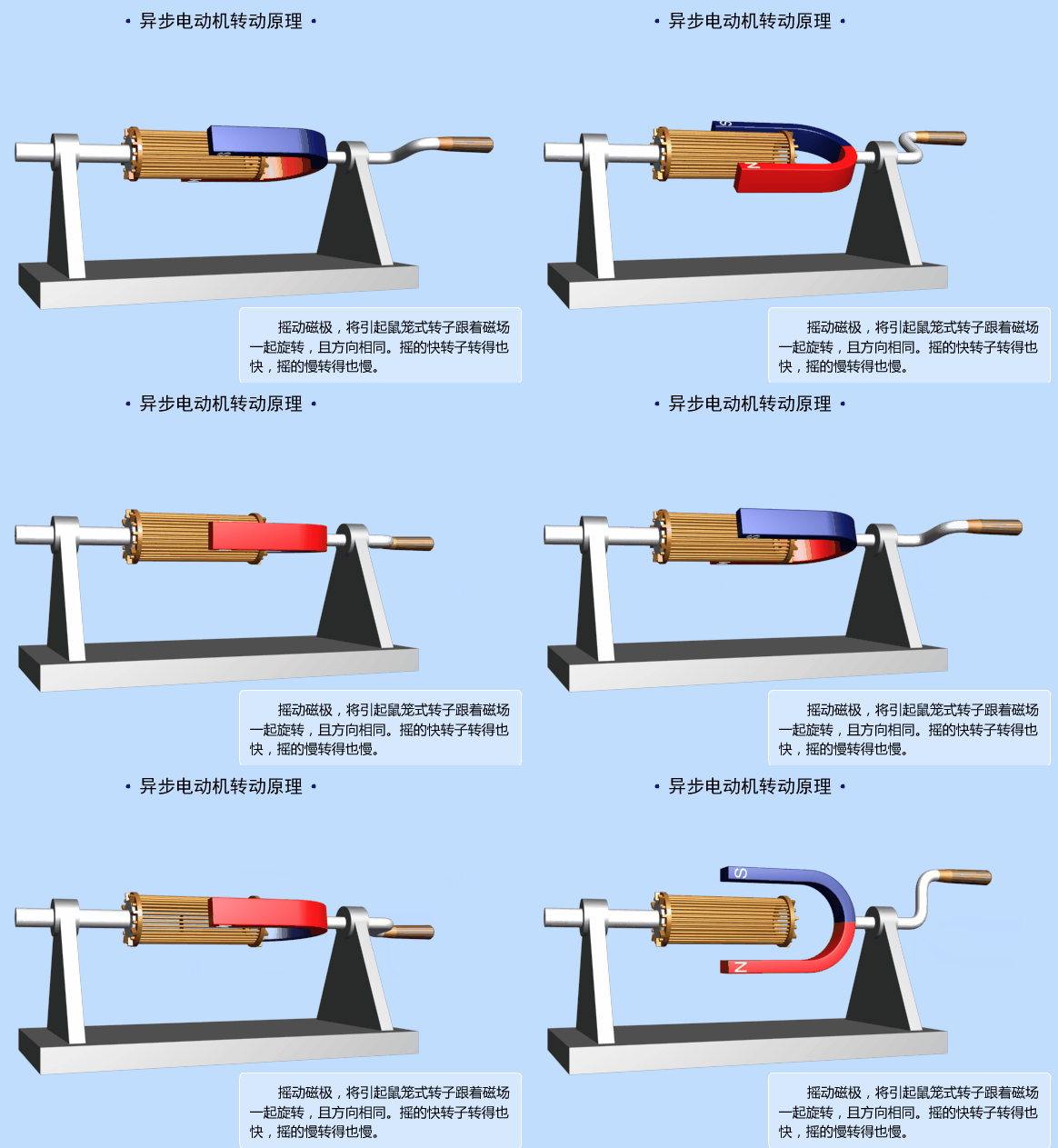
Asynchronous Motor Rotation Principle
Automatic Return Control
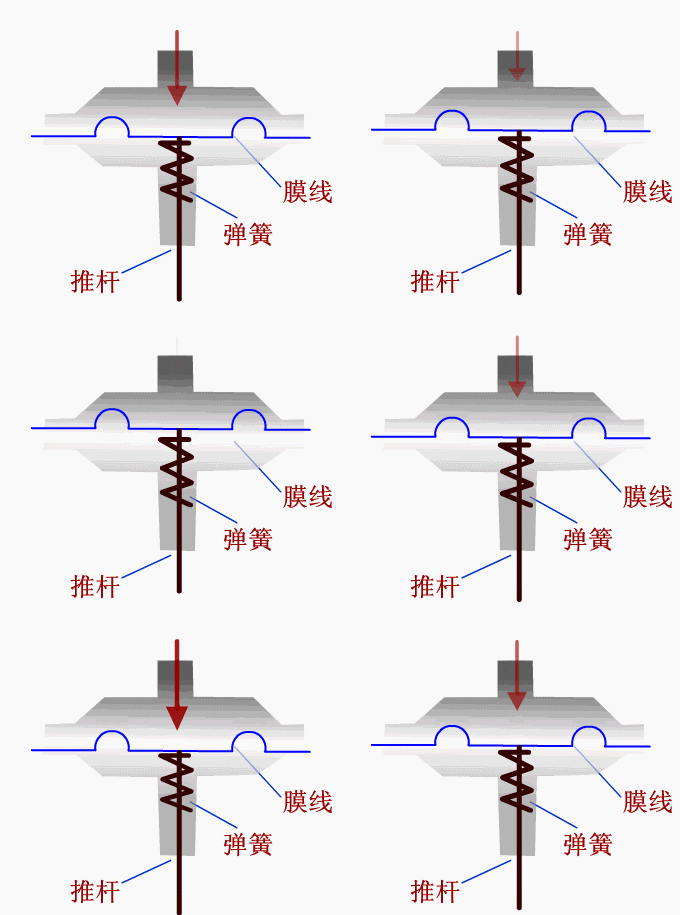
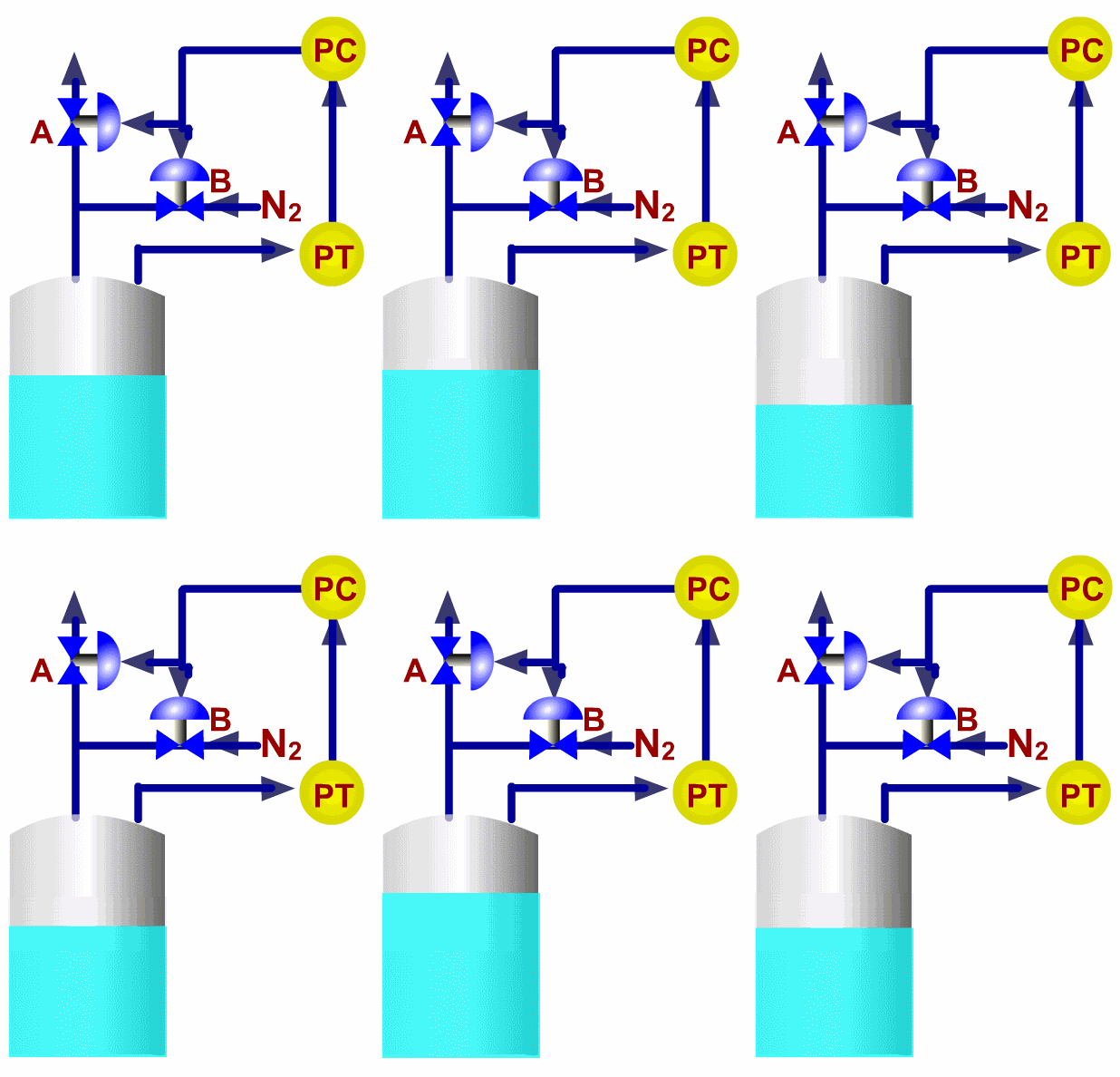
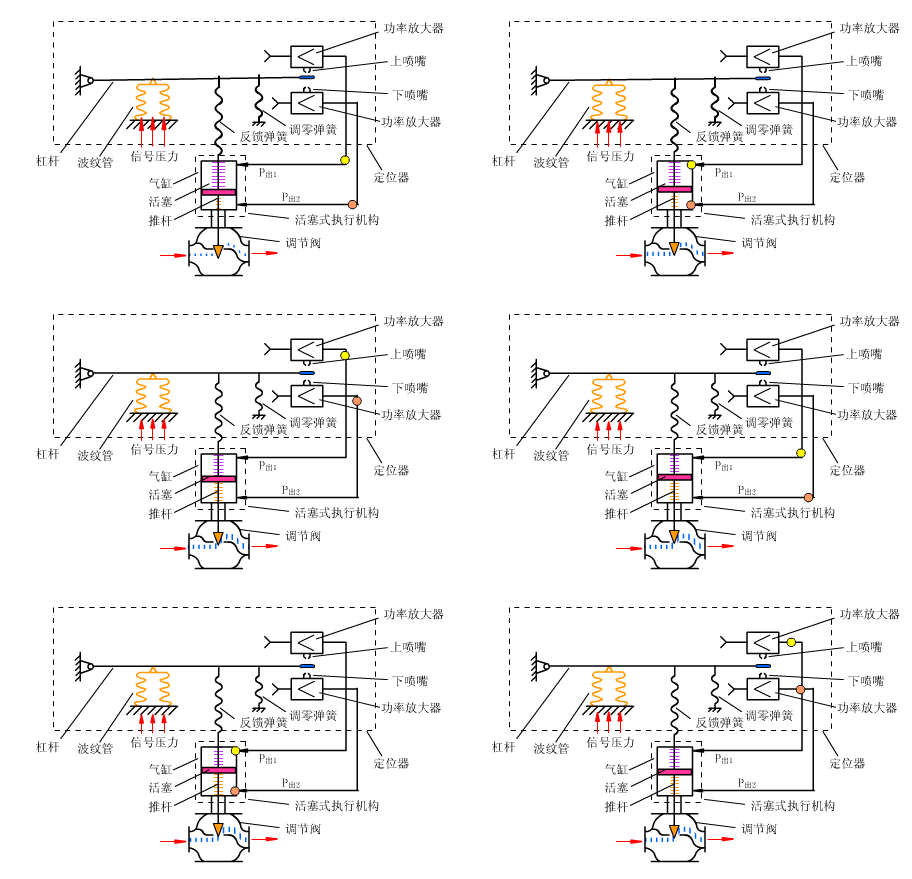
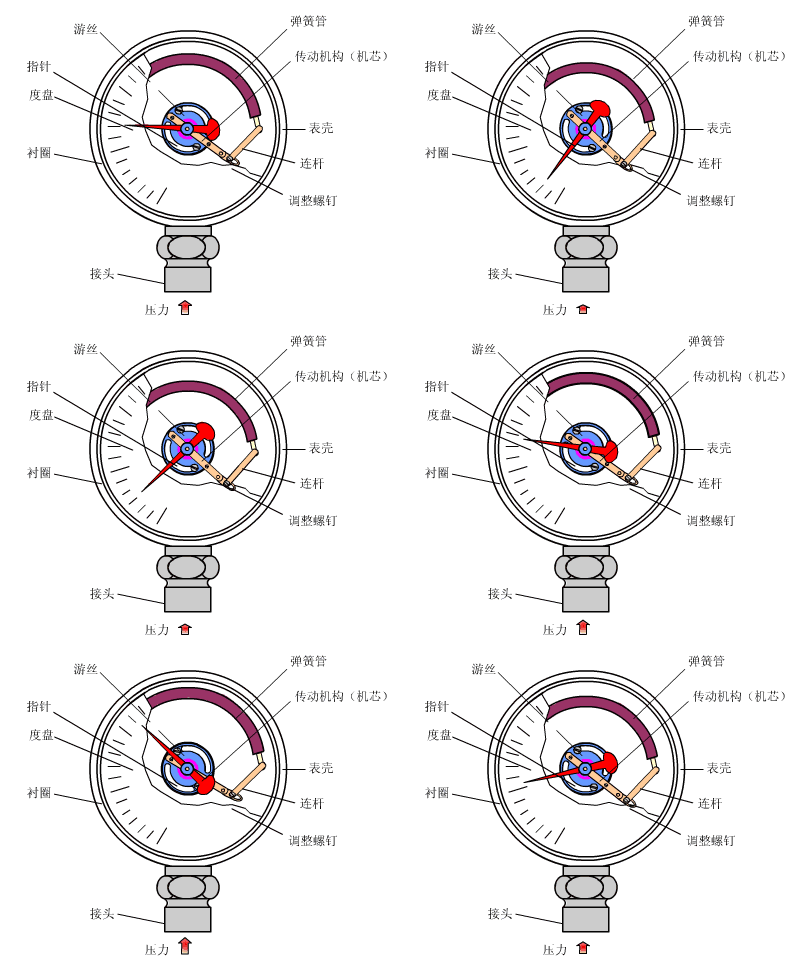
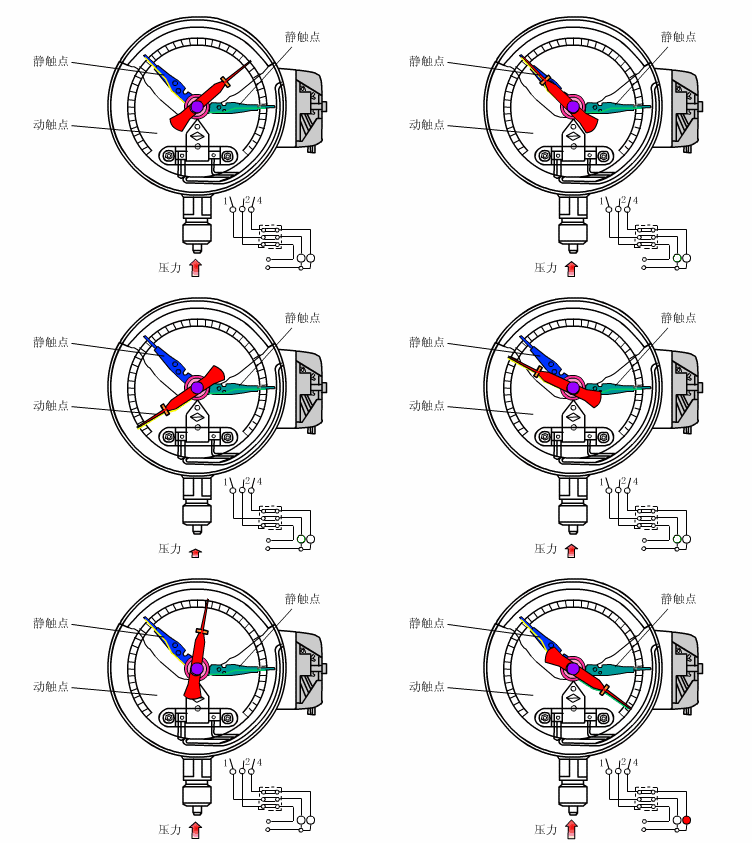
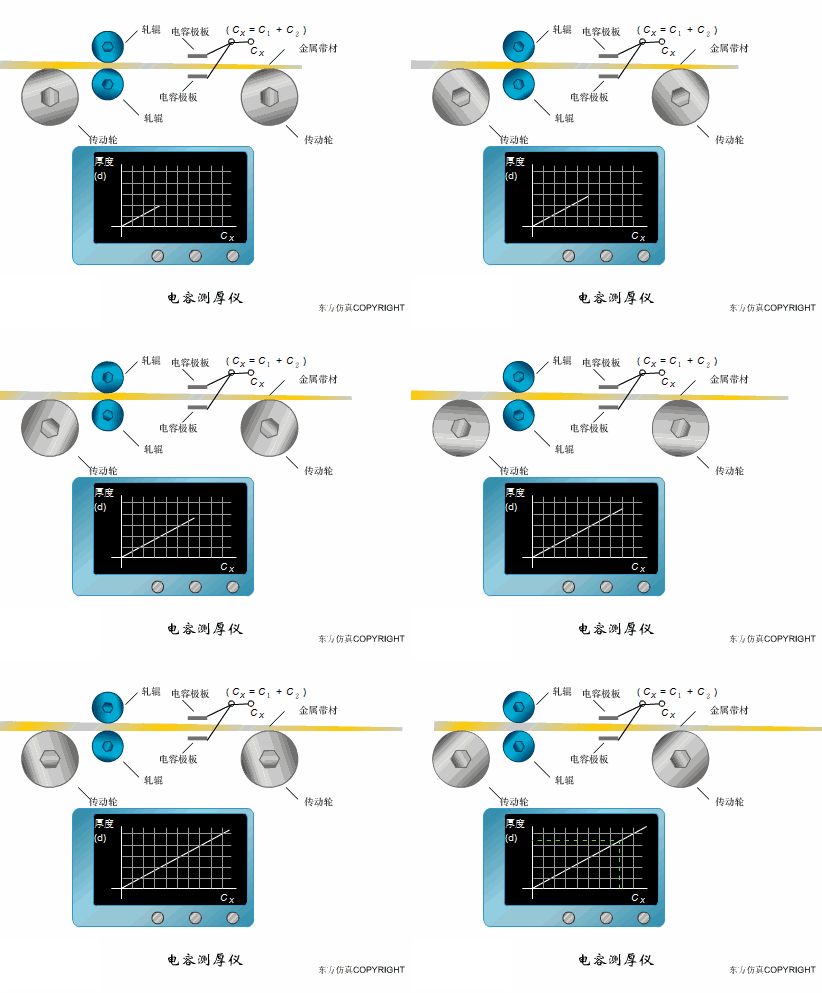
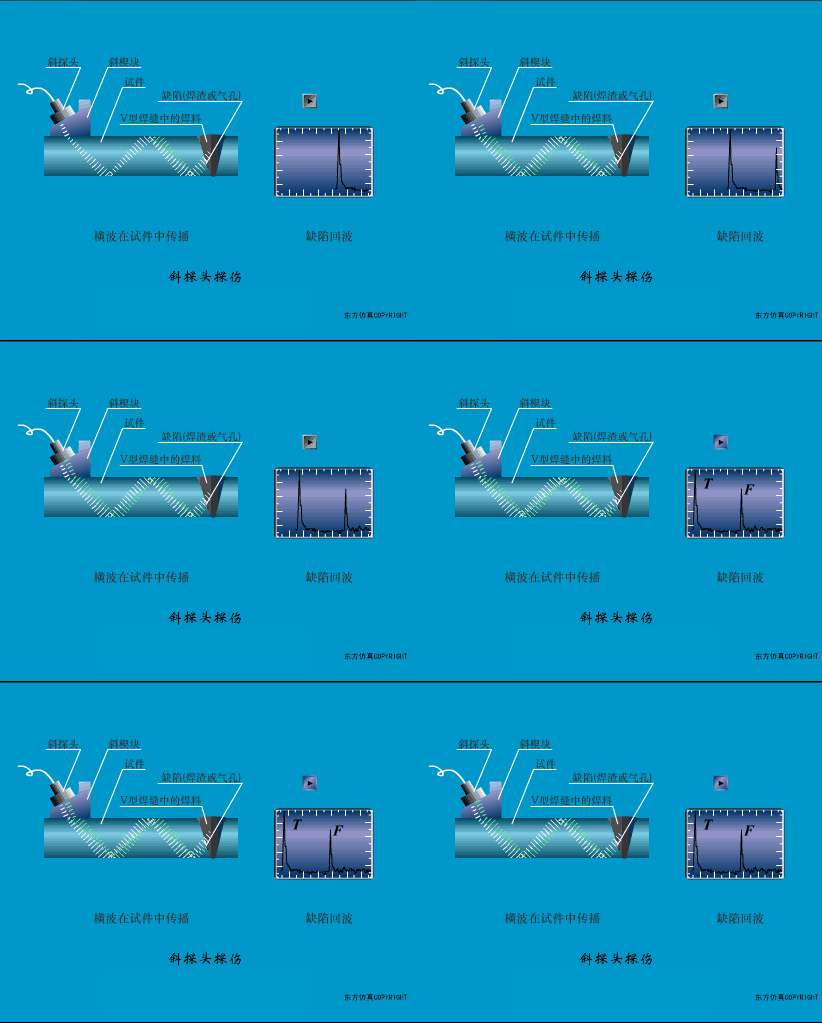
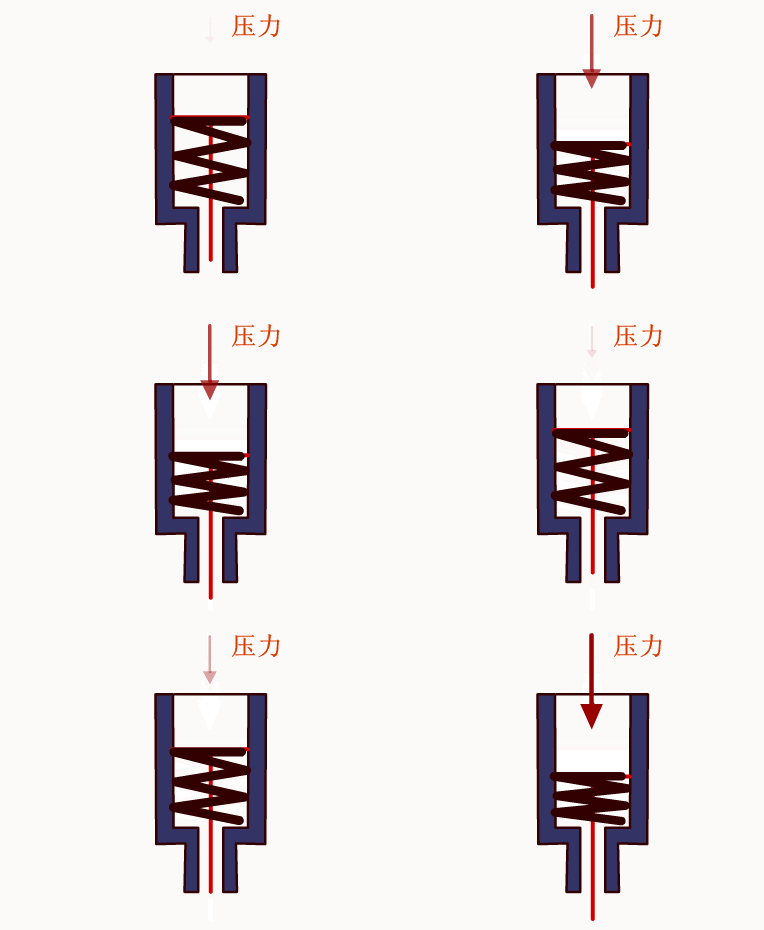
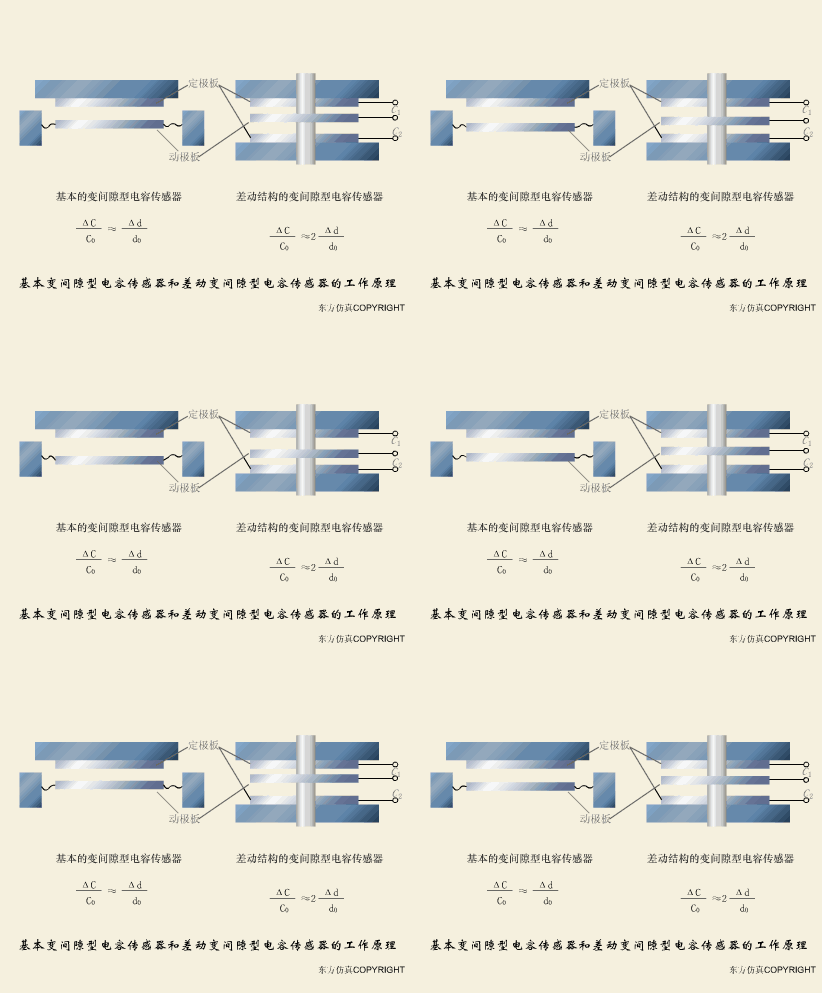
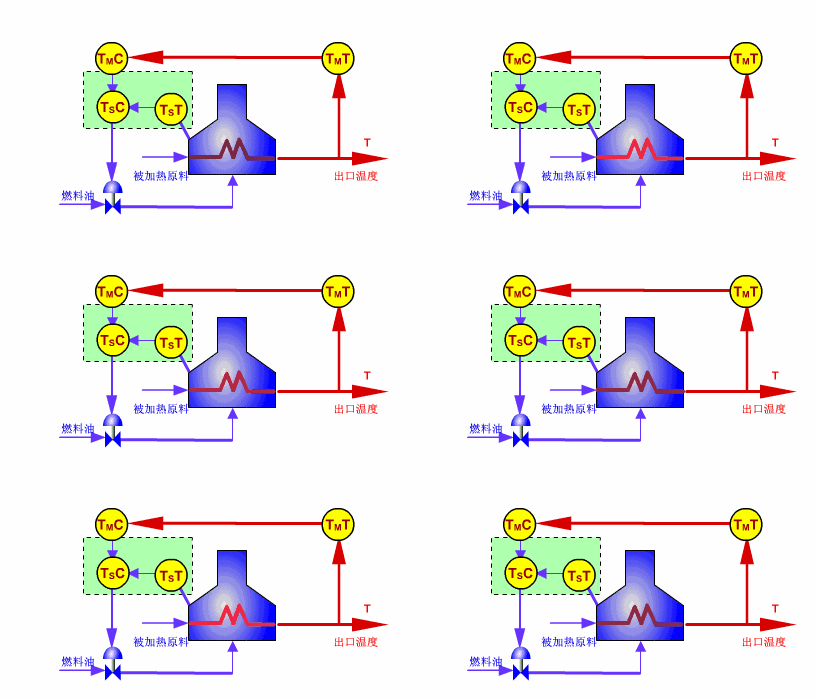
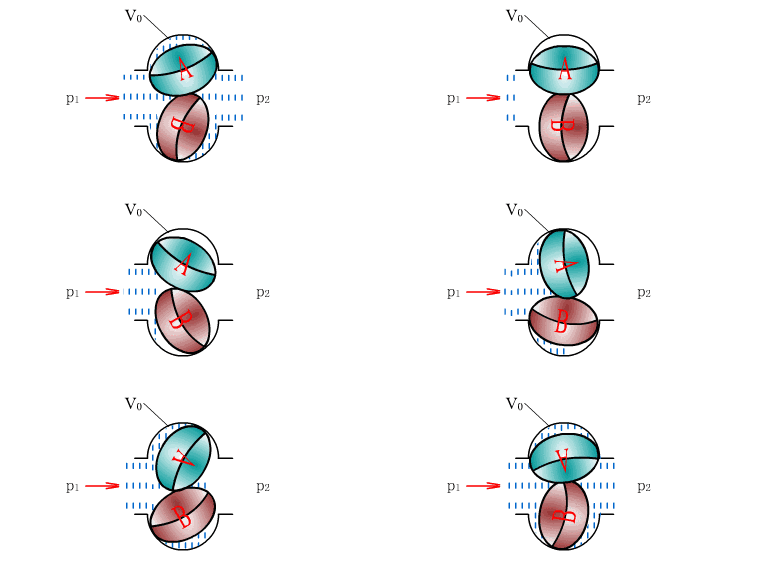
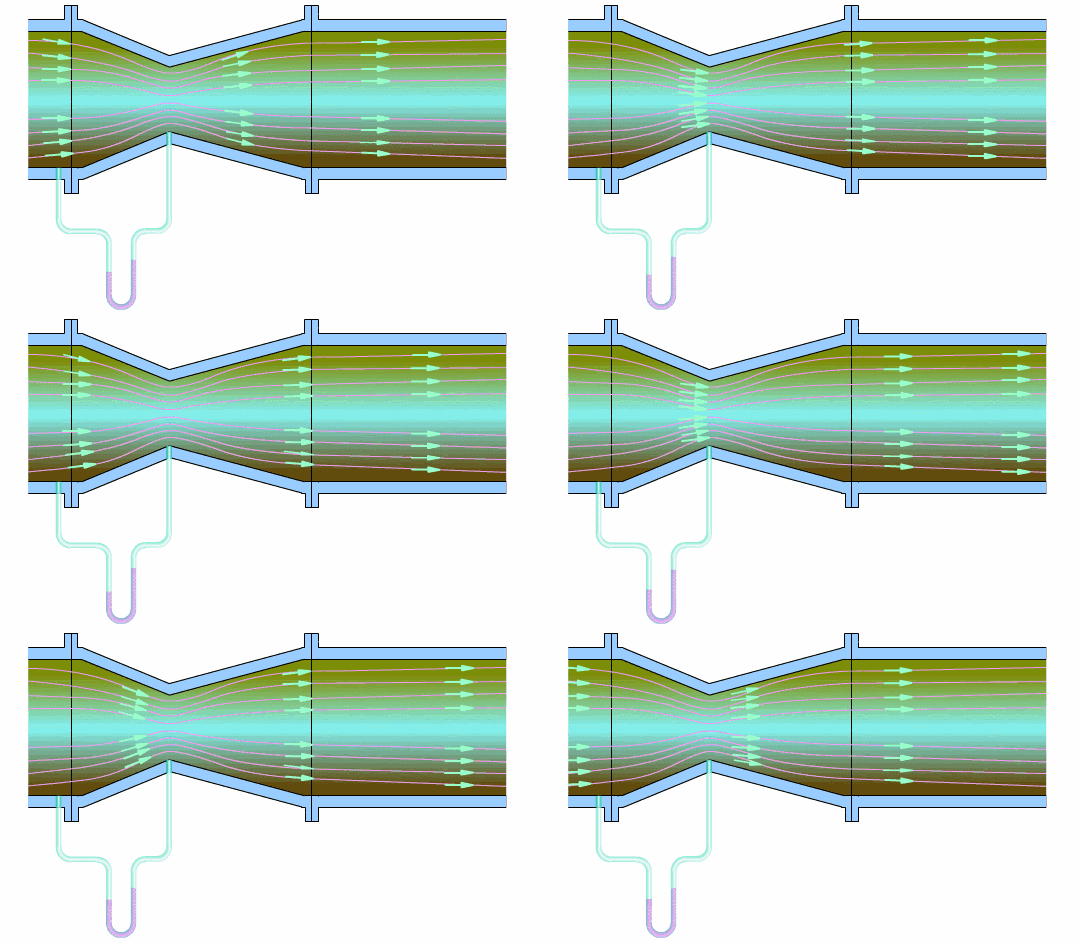
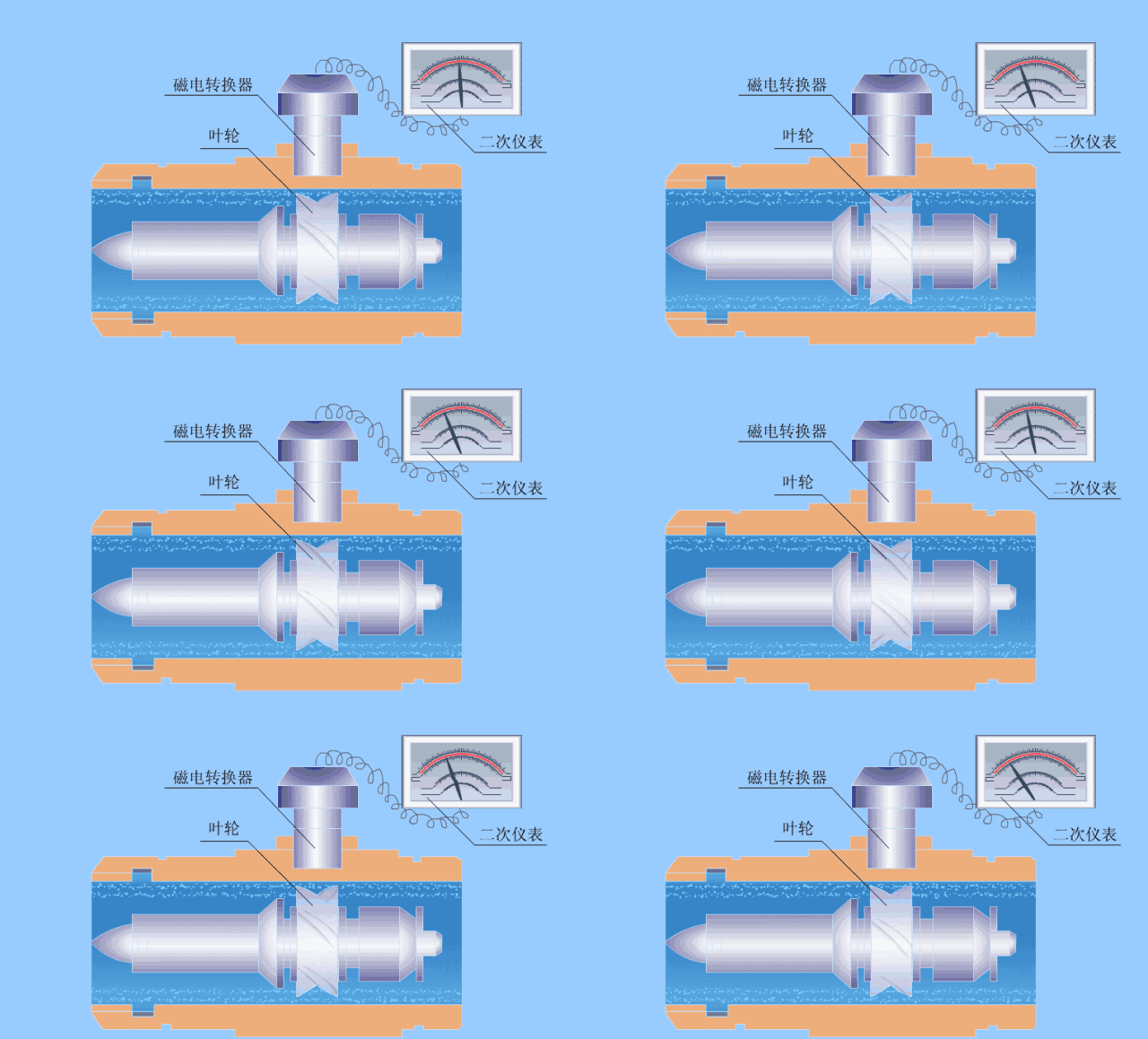
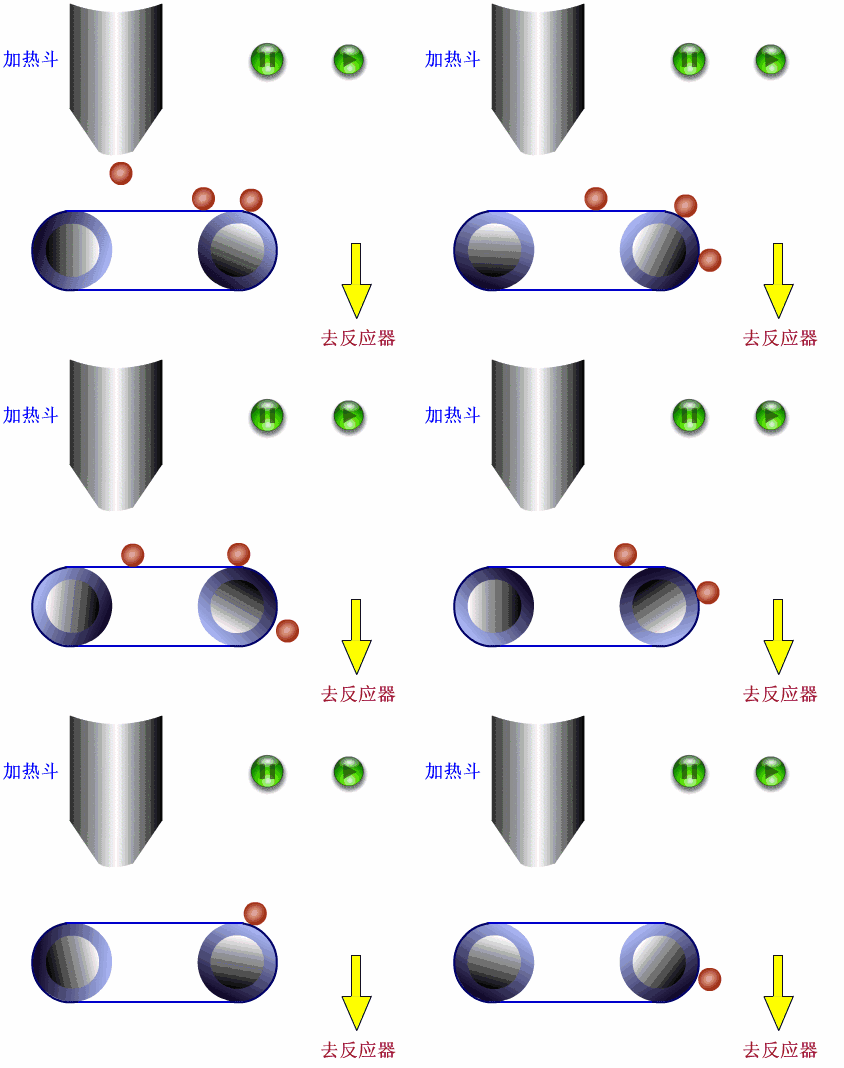
Sensor Working Principle Animations
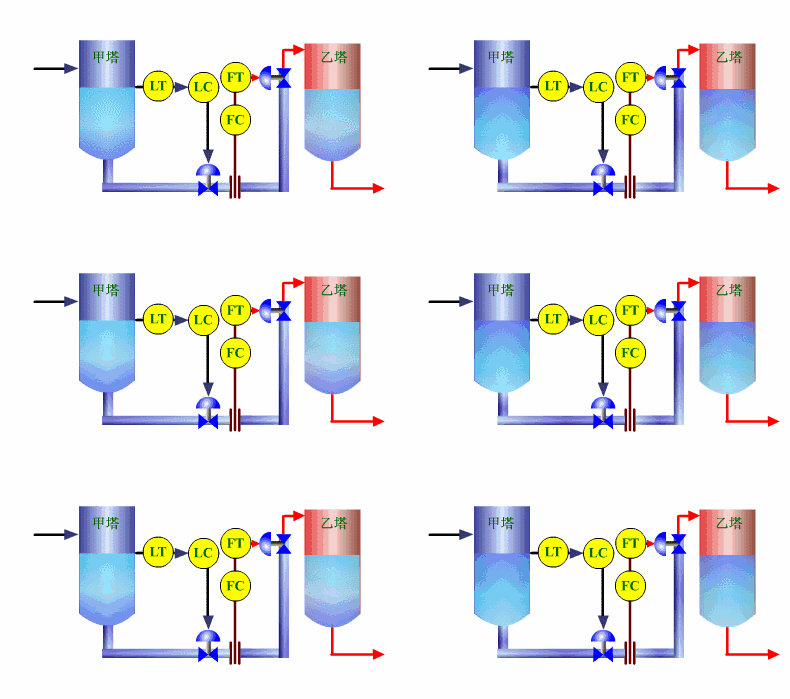
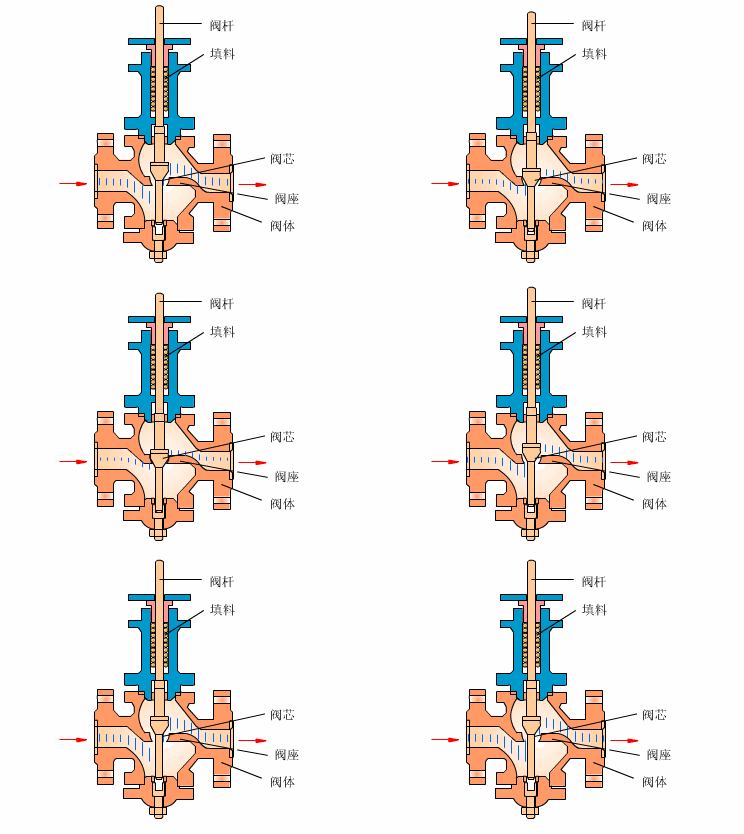
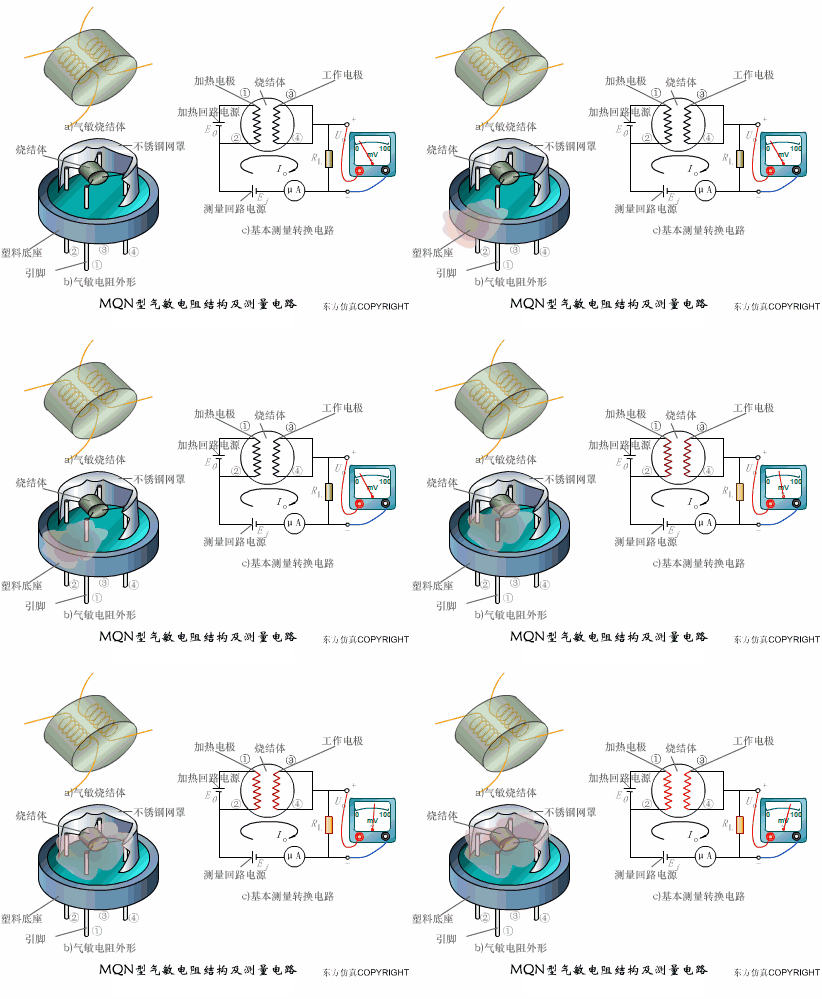
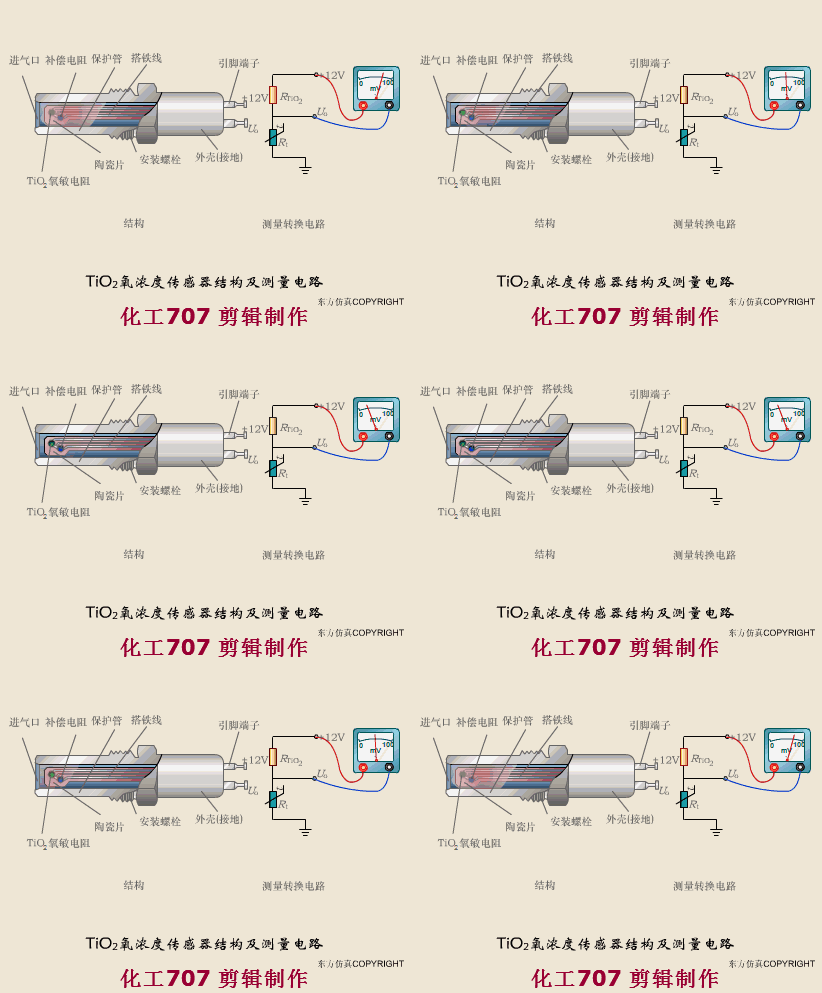
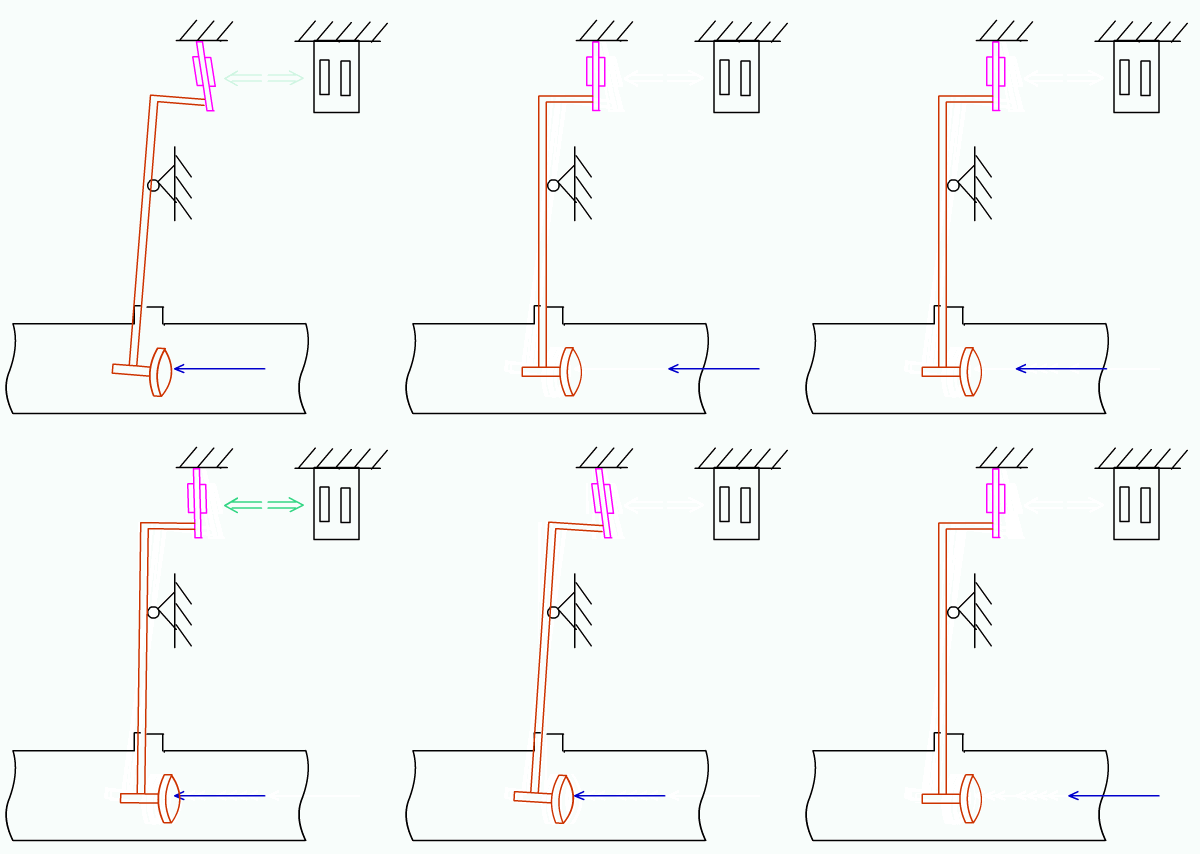
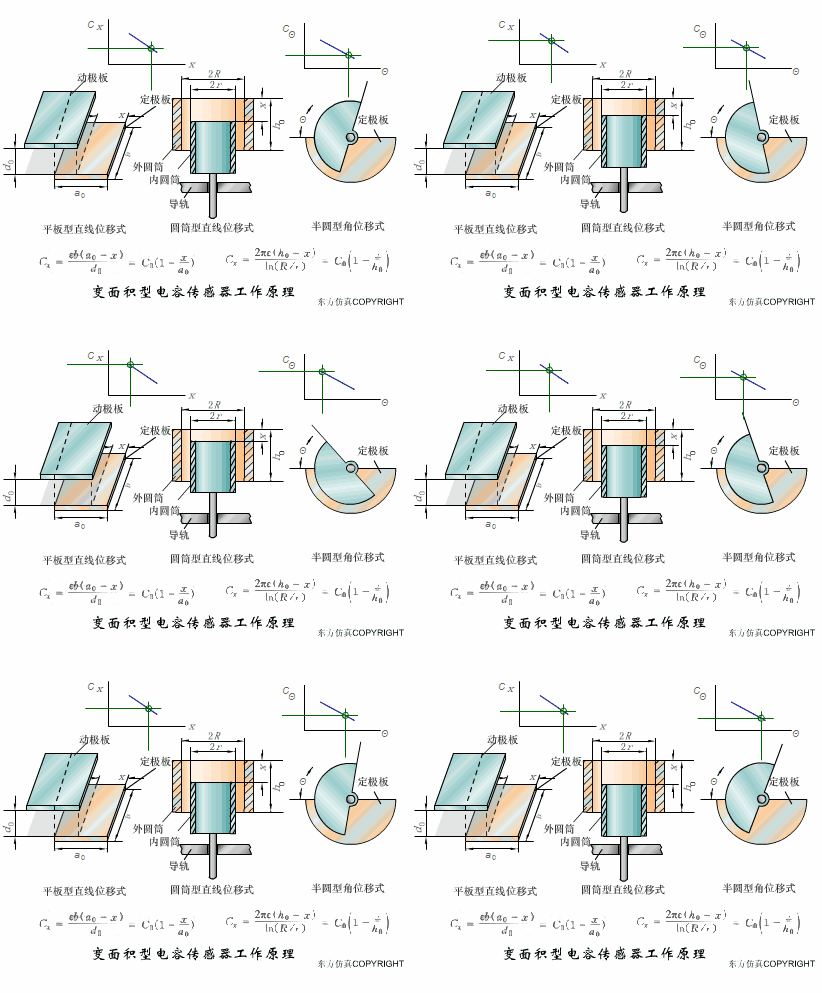
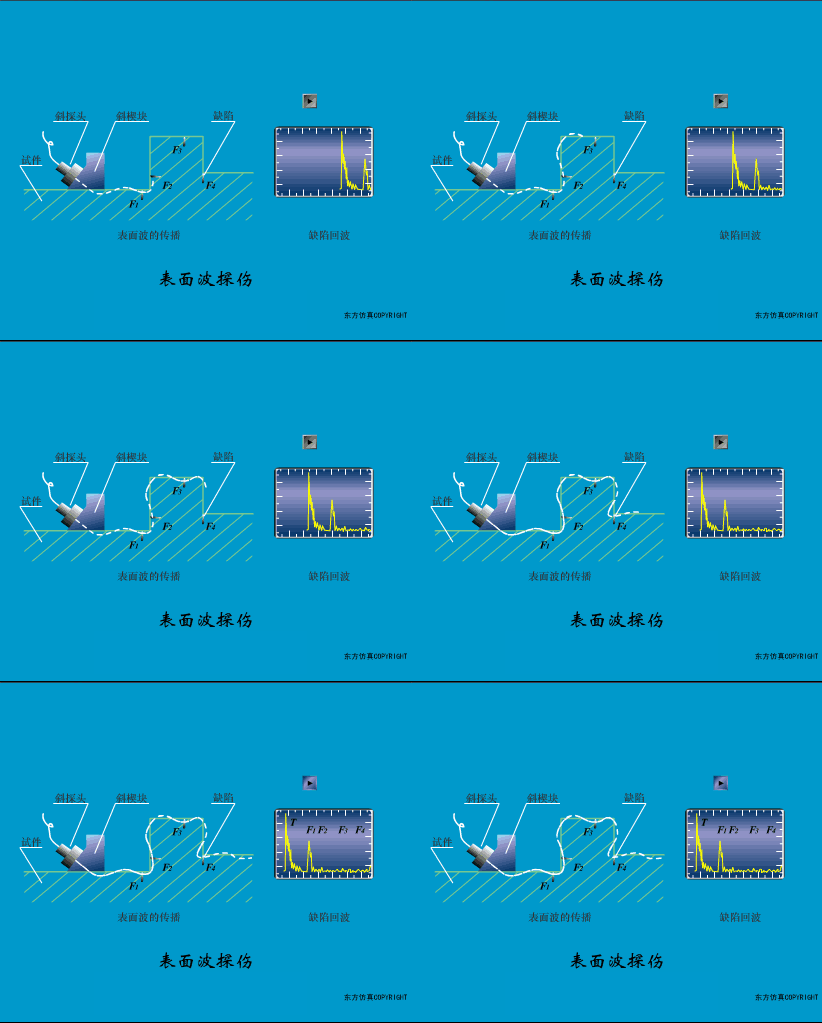
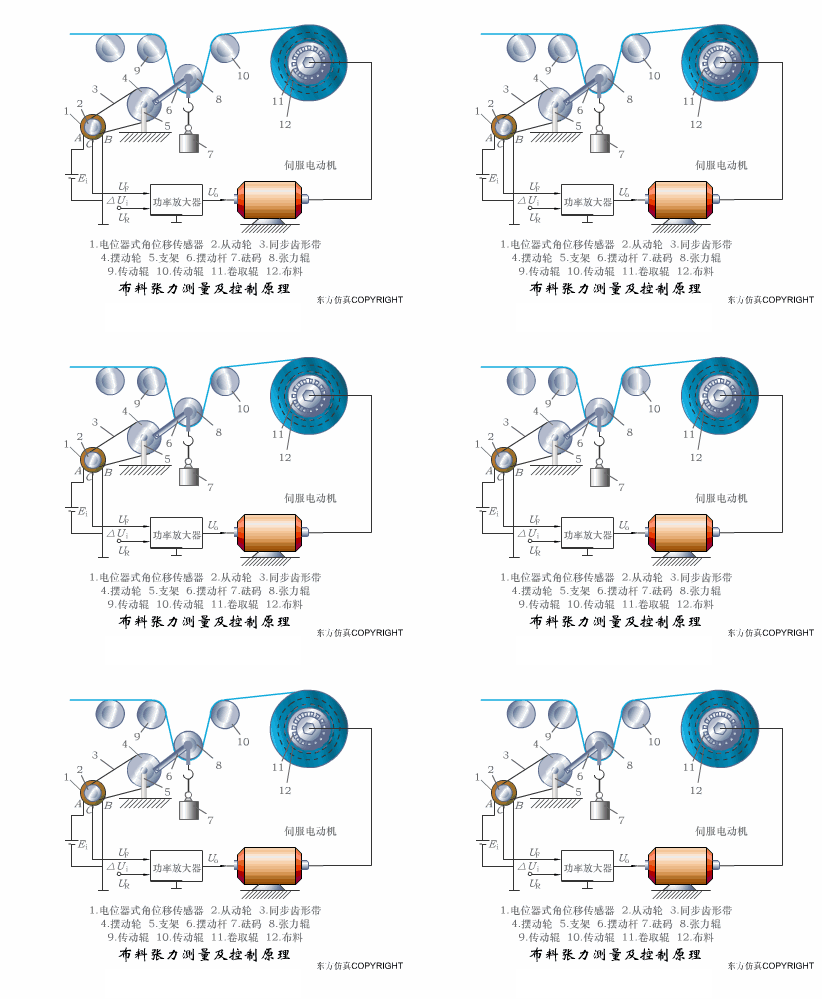
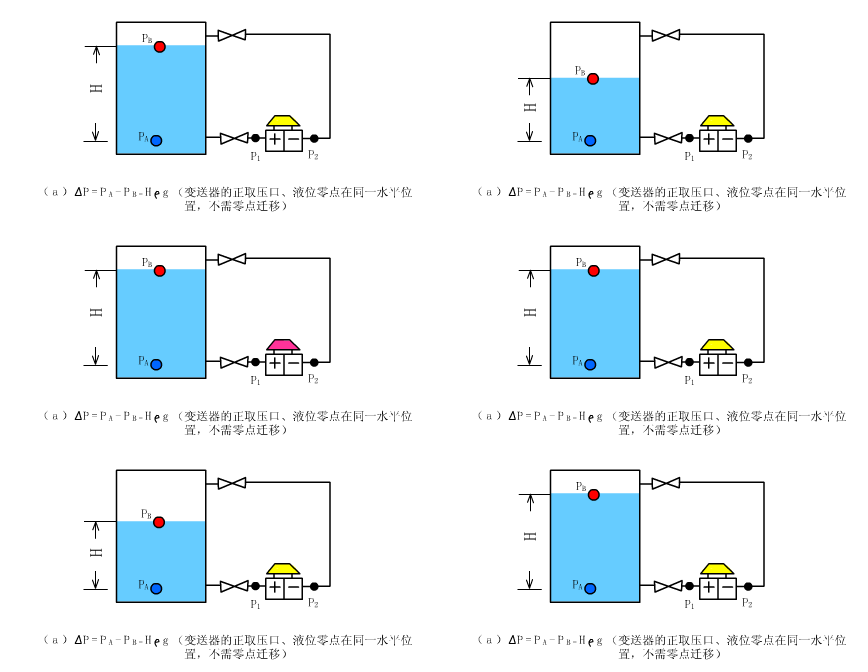
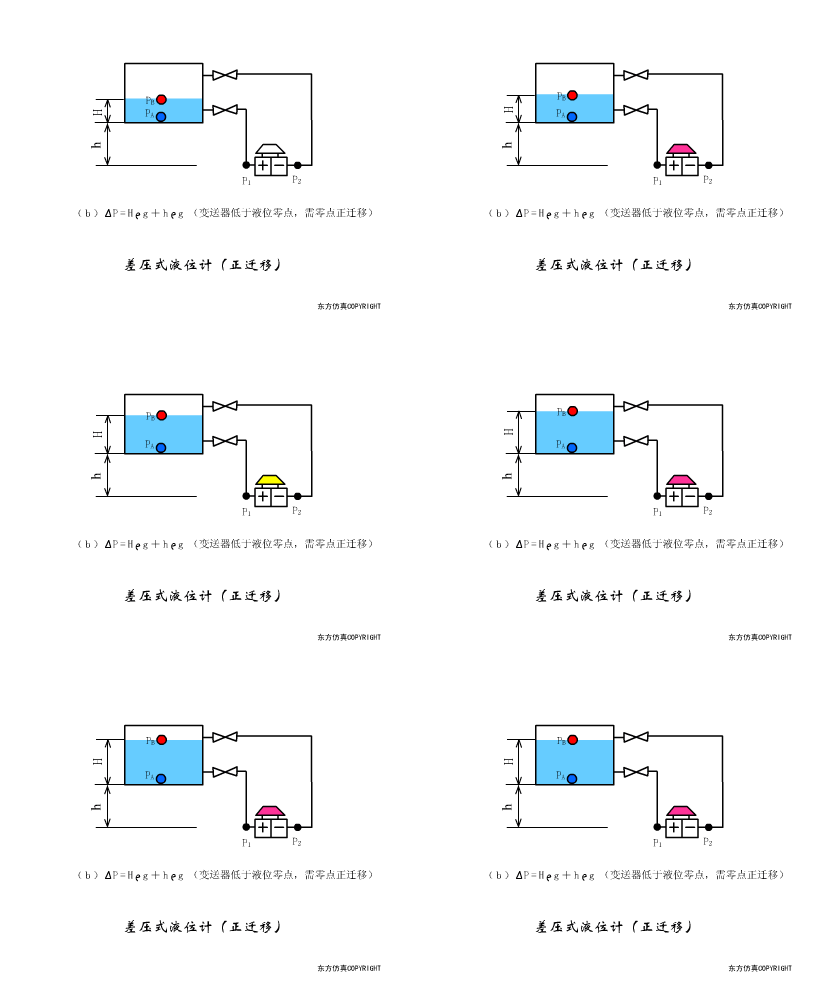
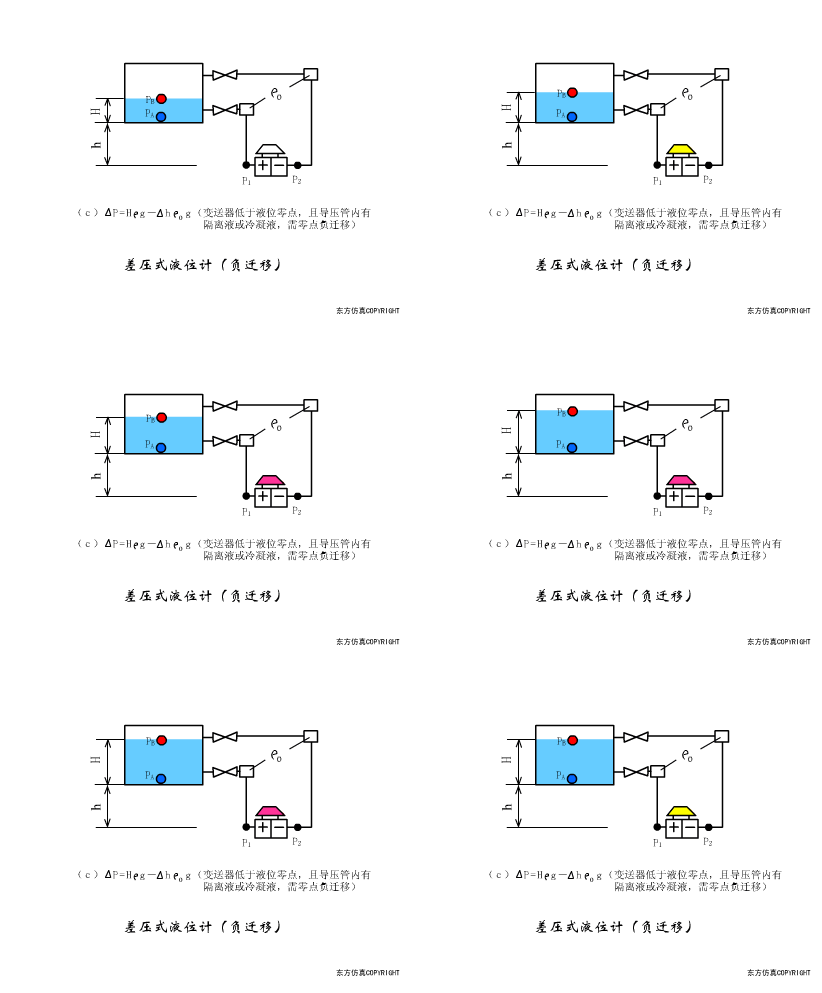
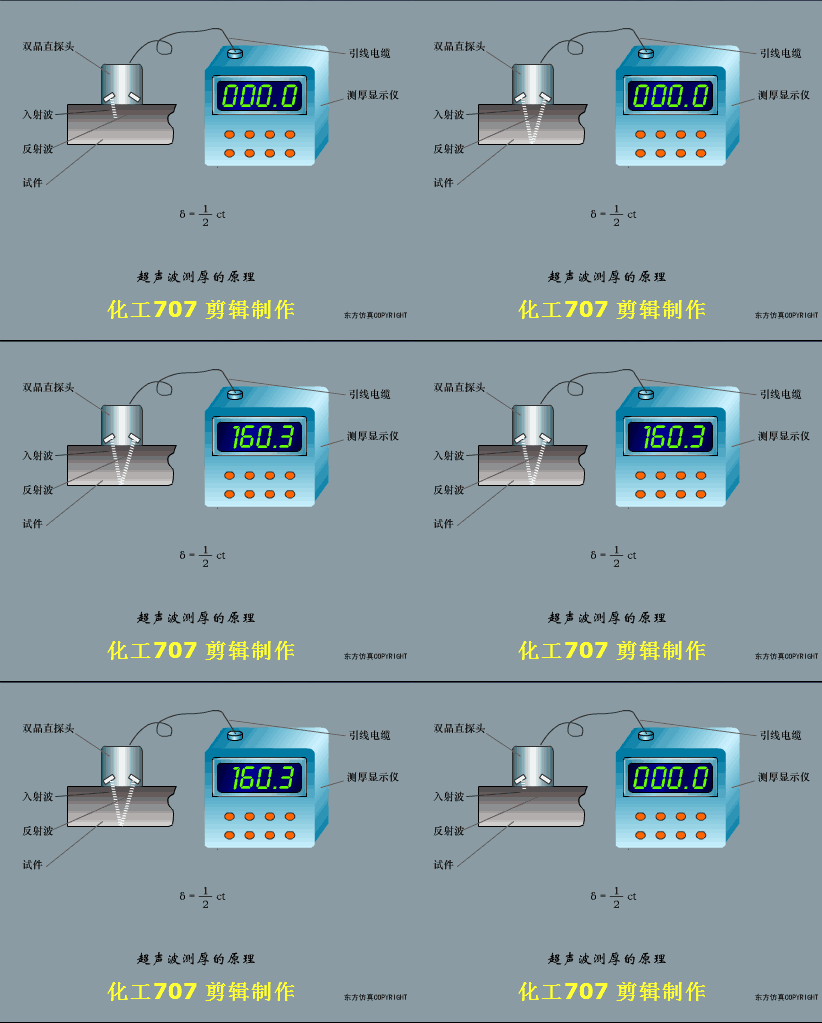
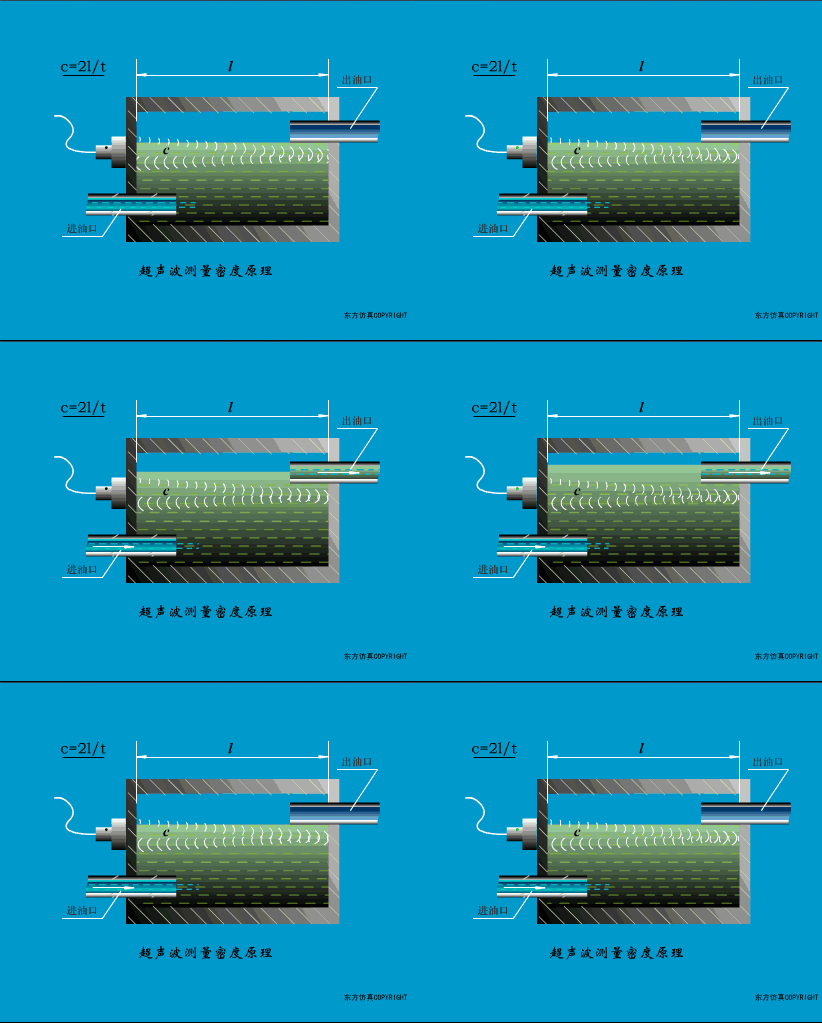
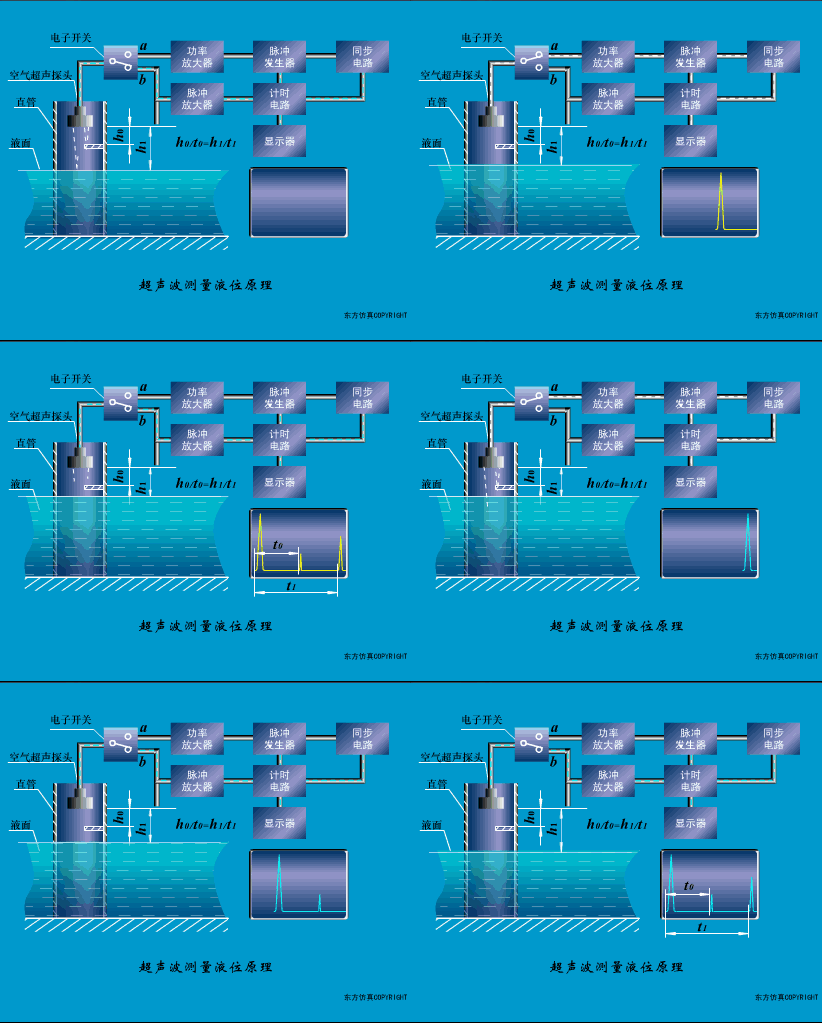
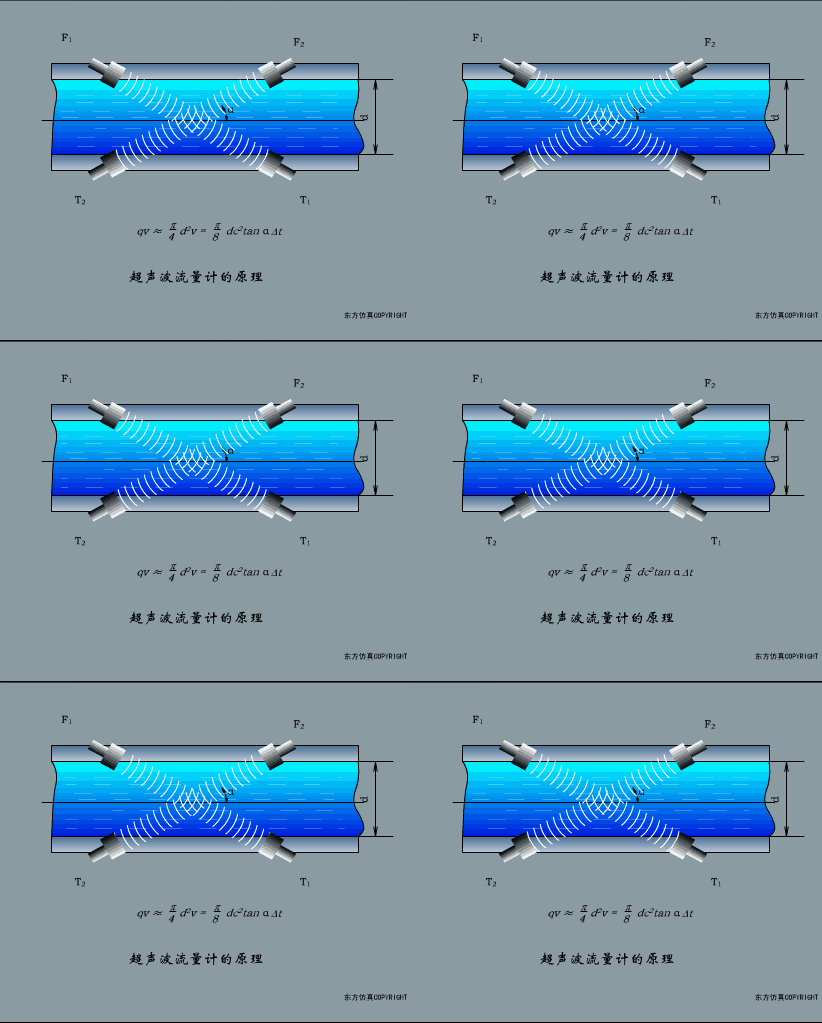
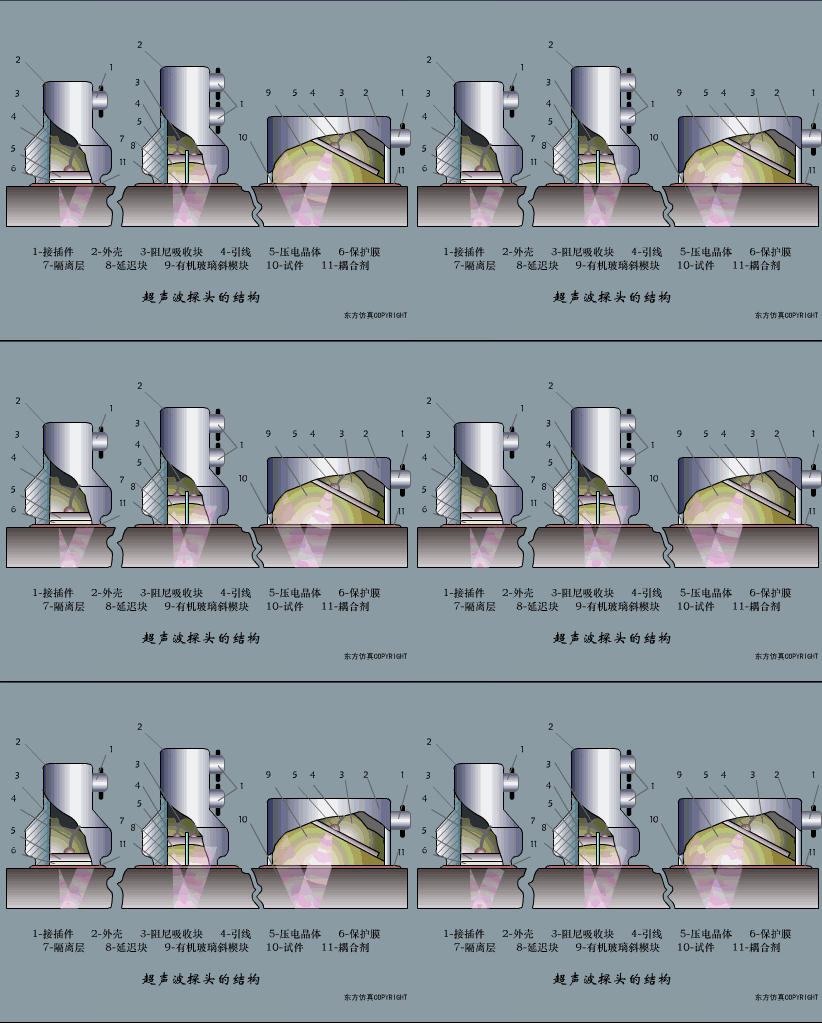
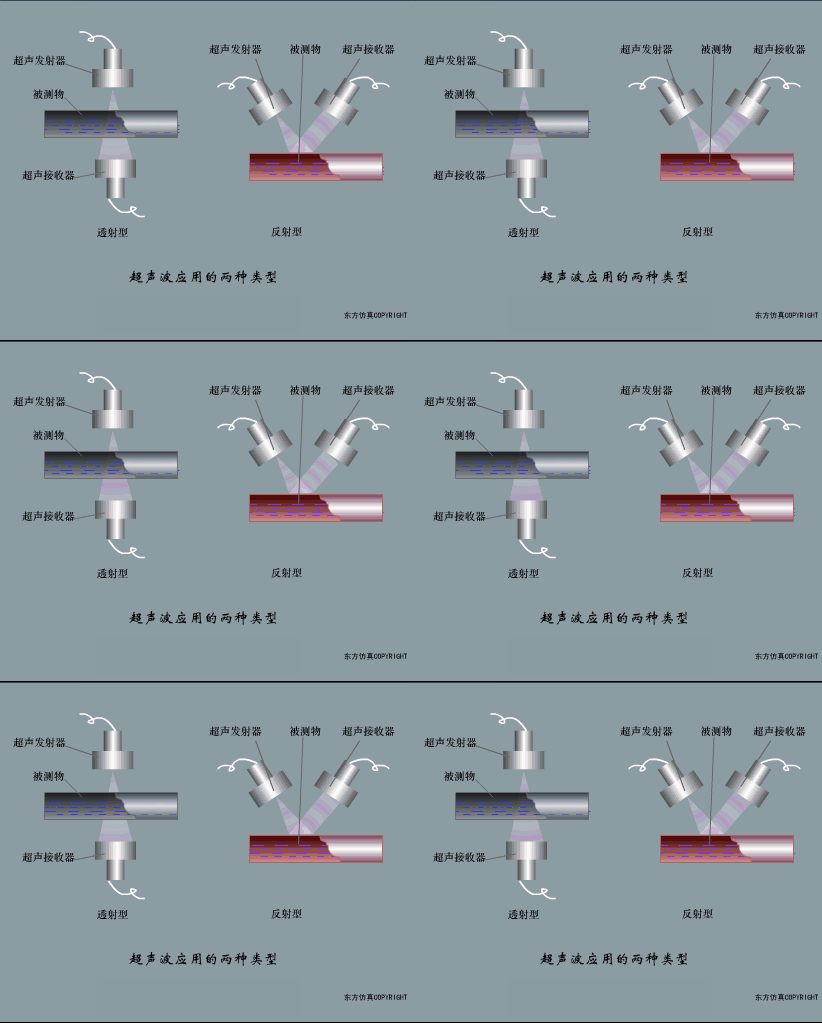
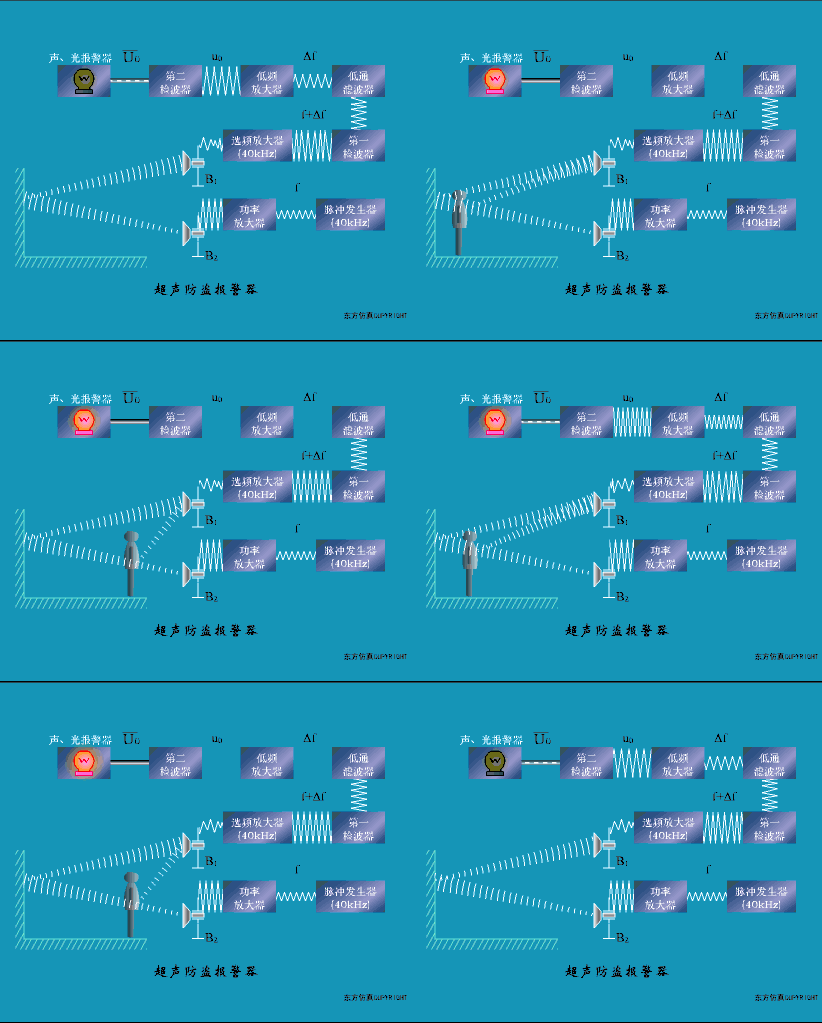
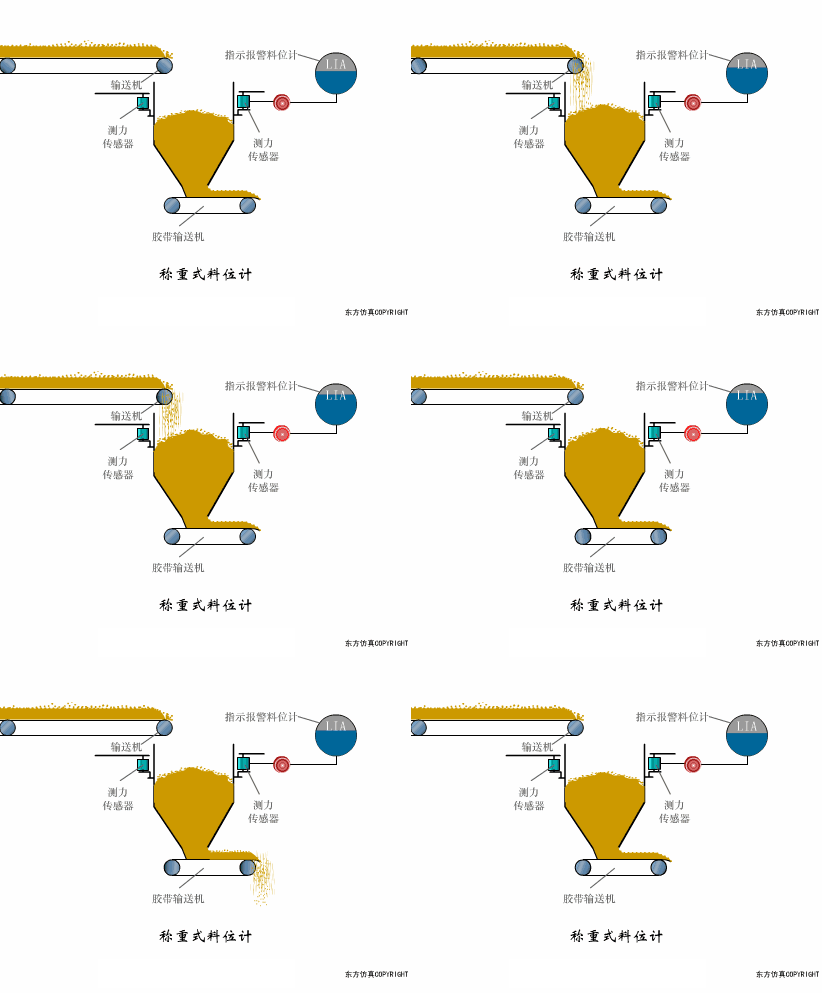
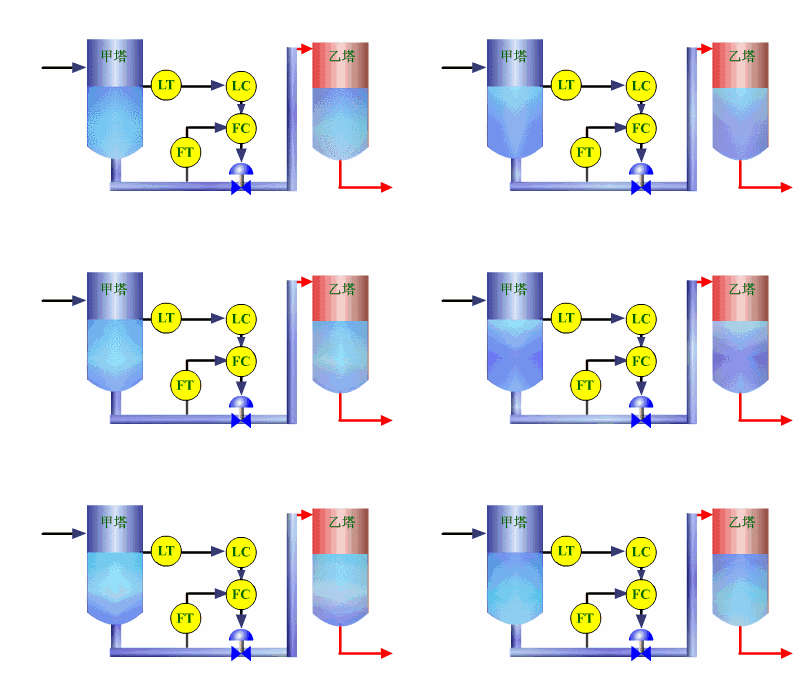
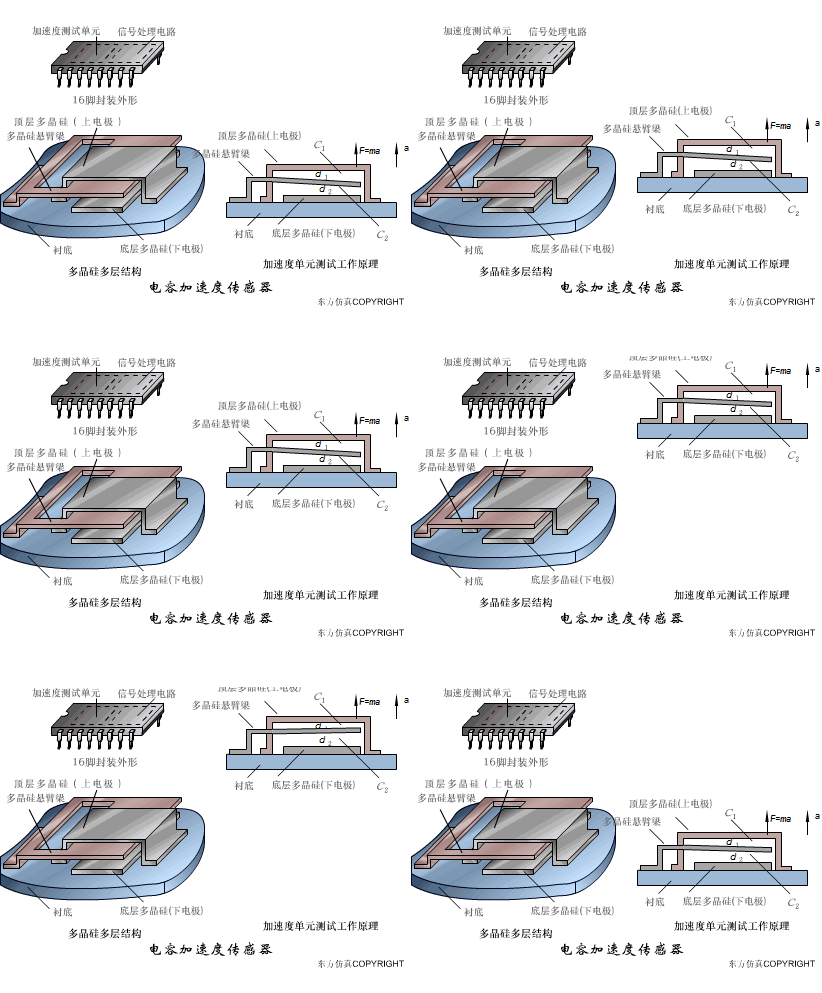
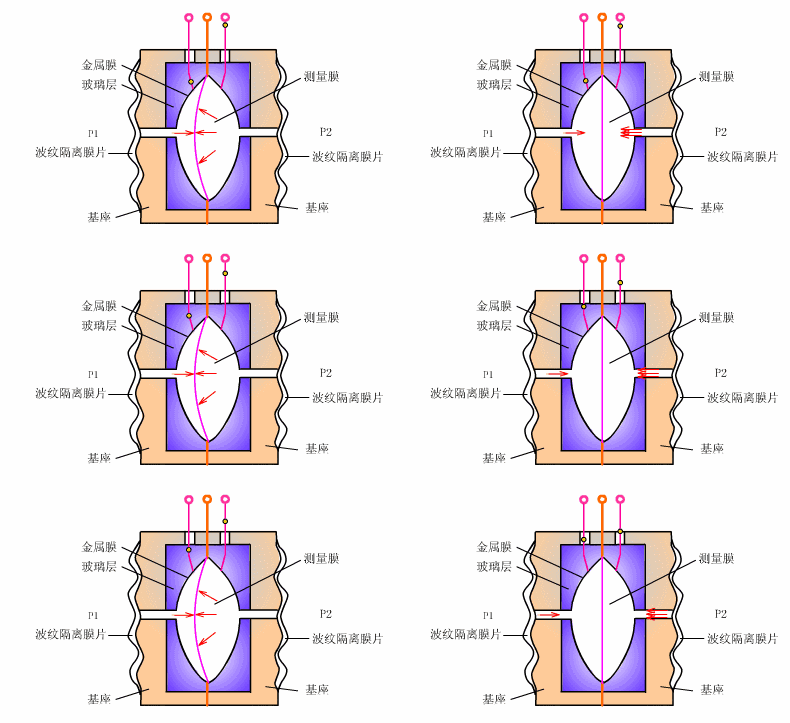
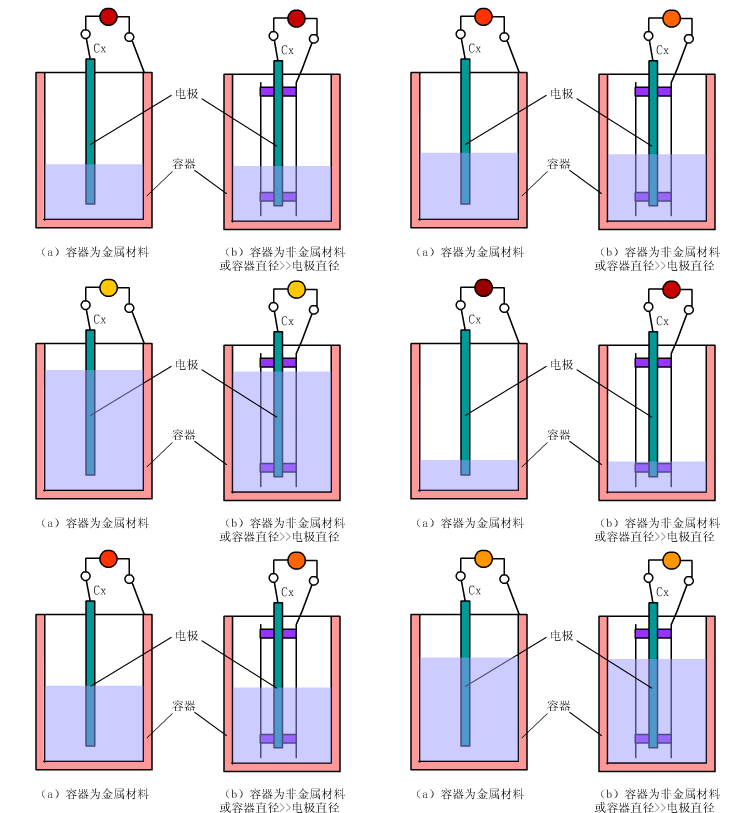
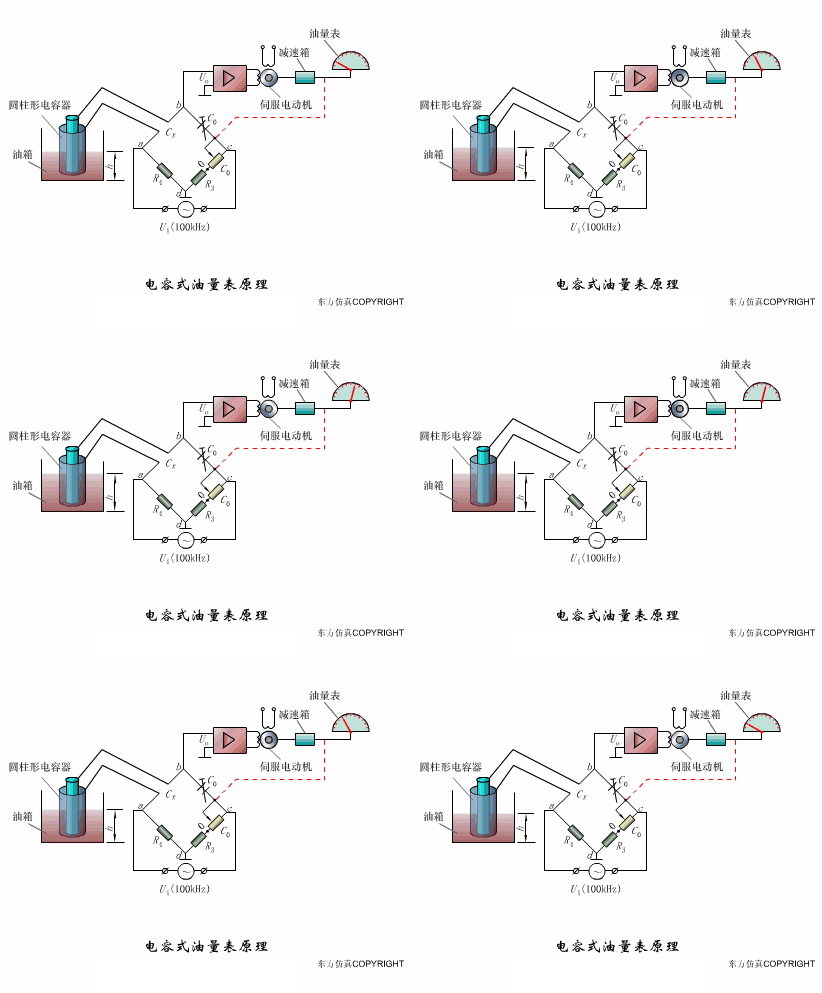
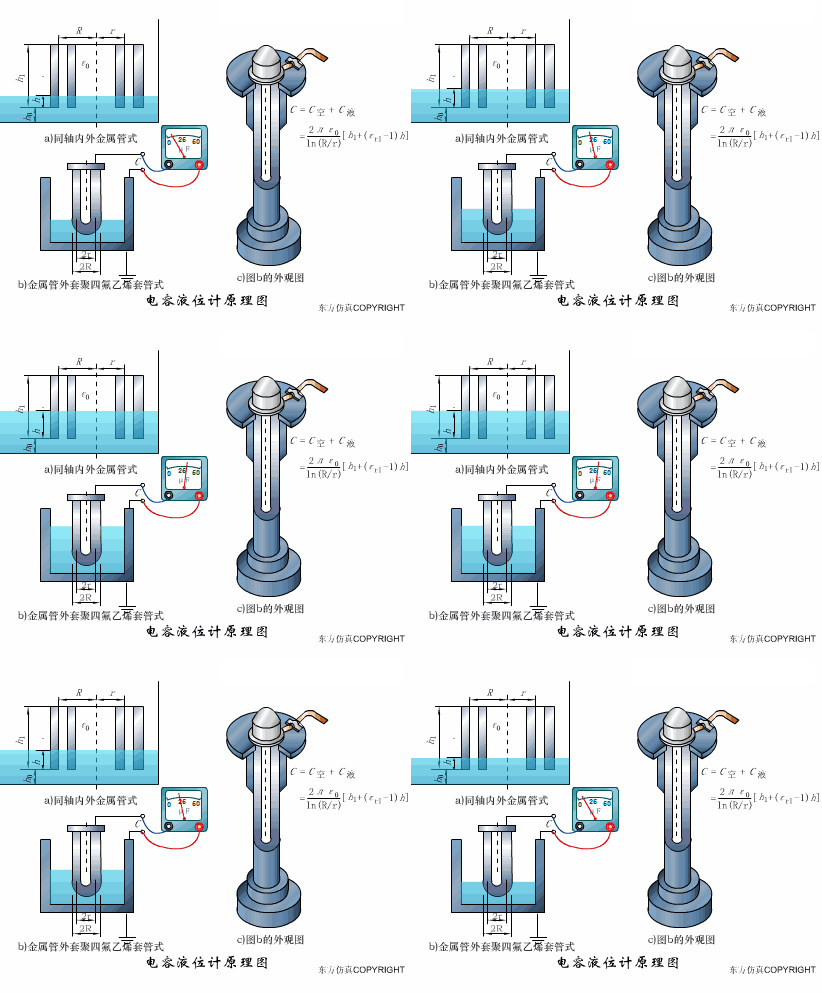
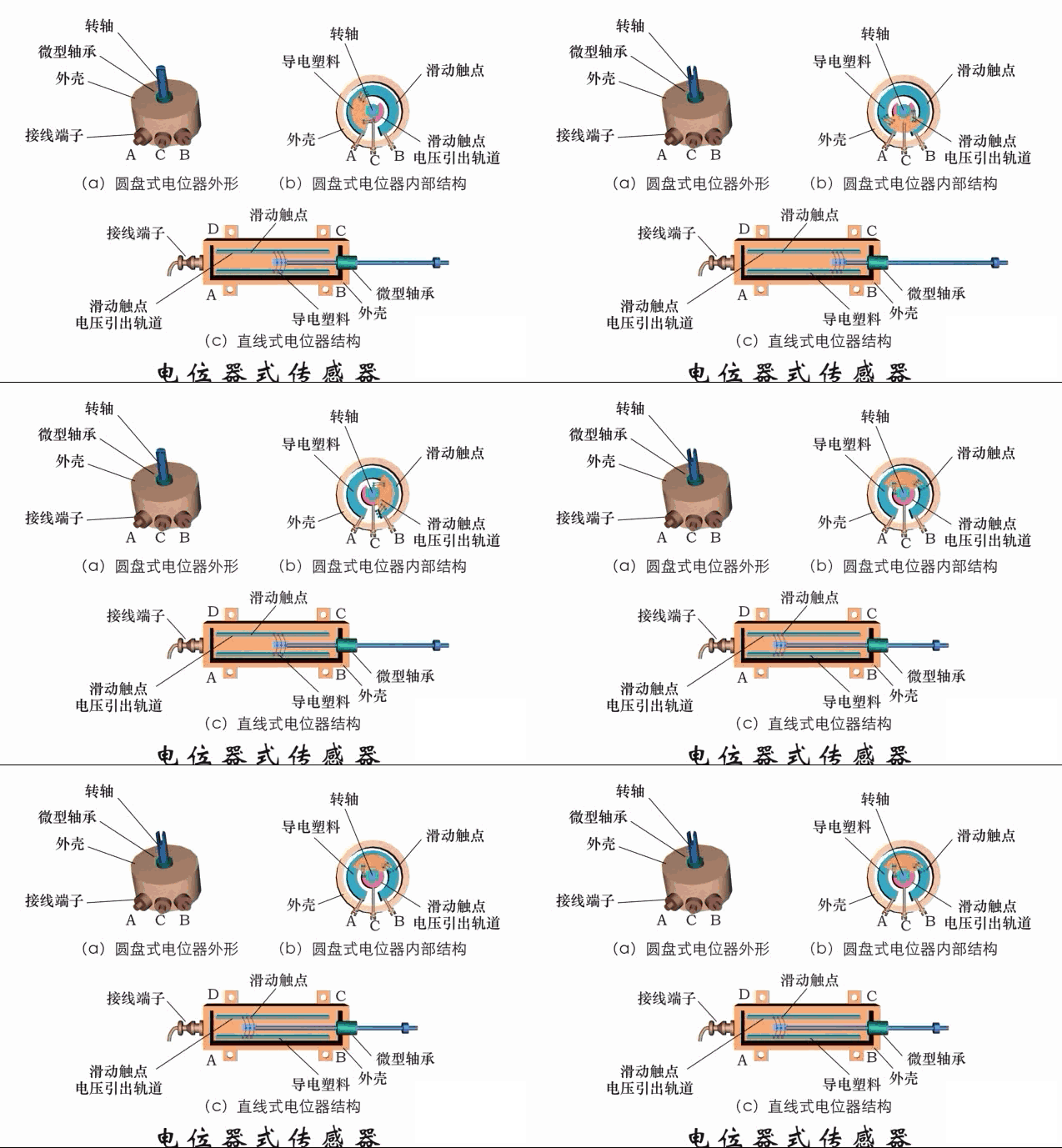
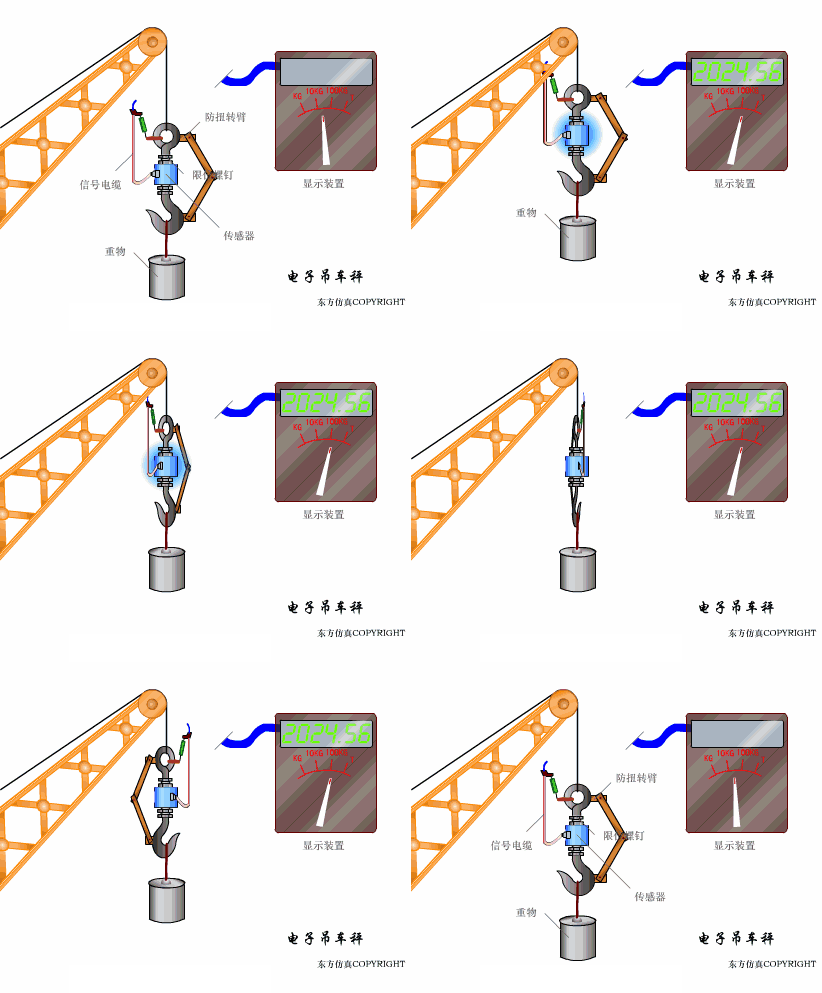
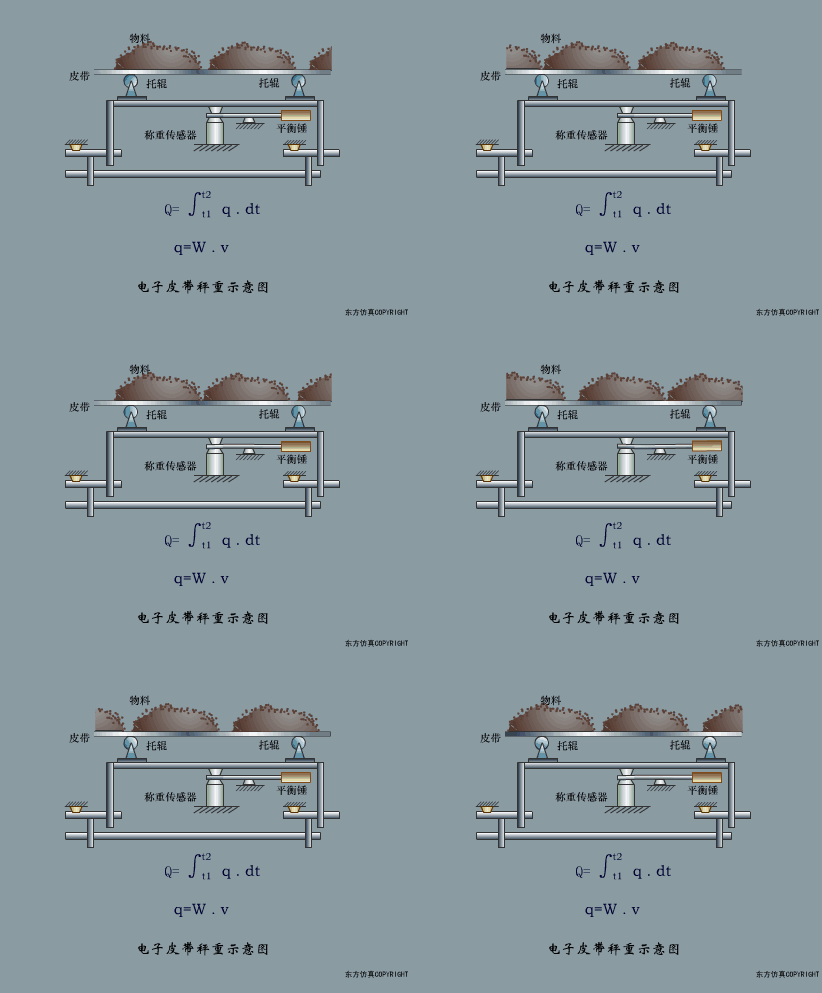
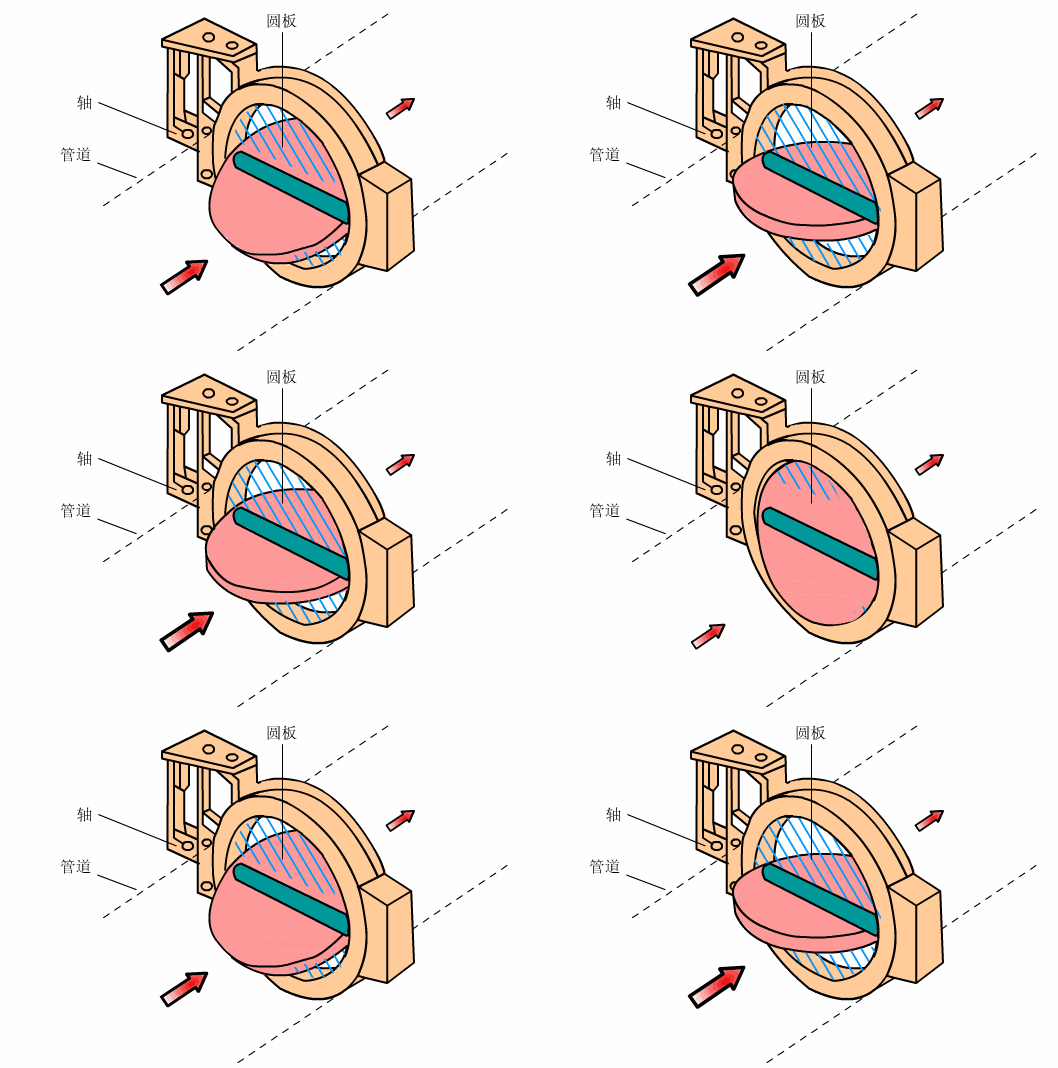
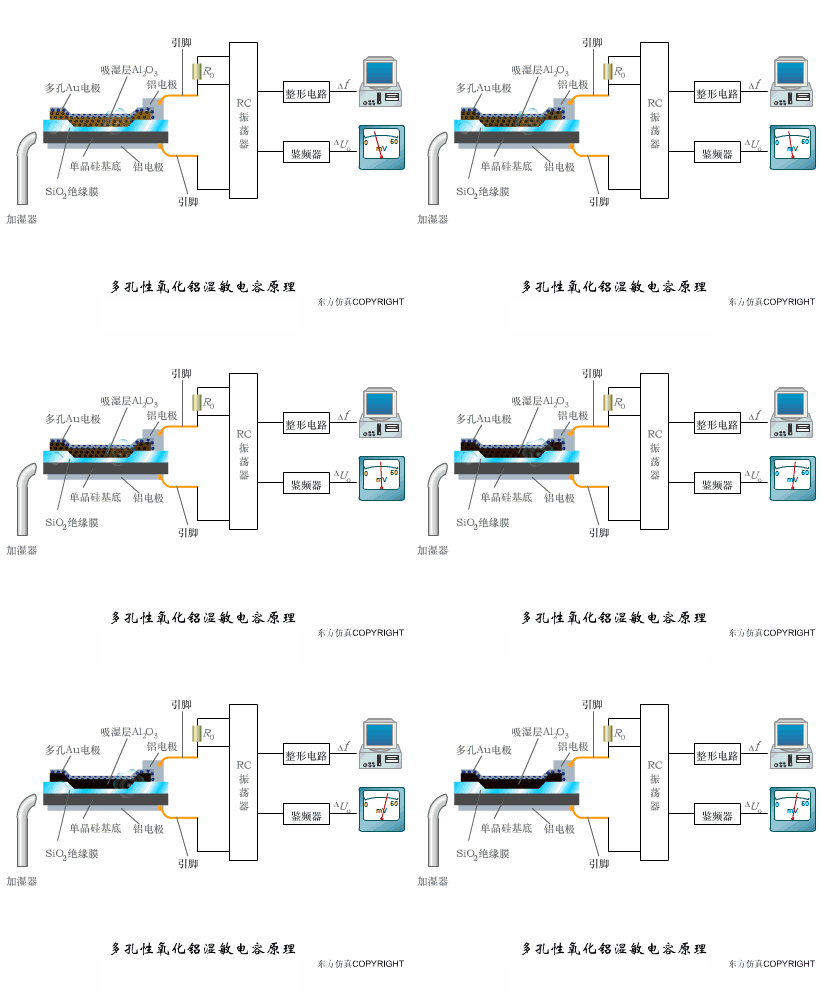
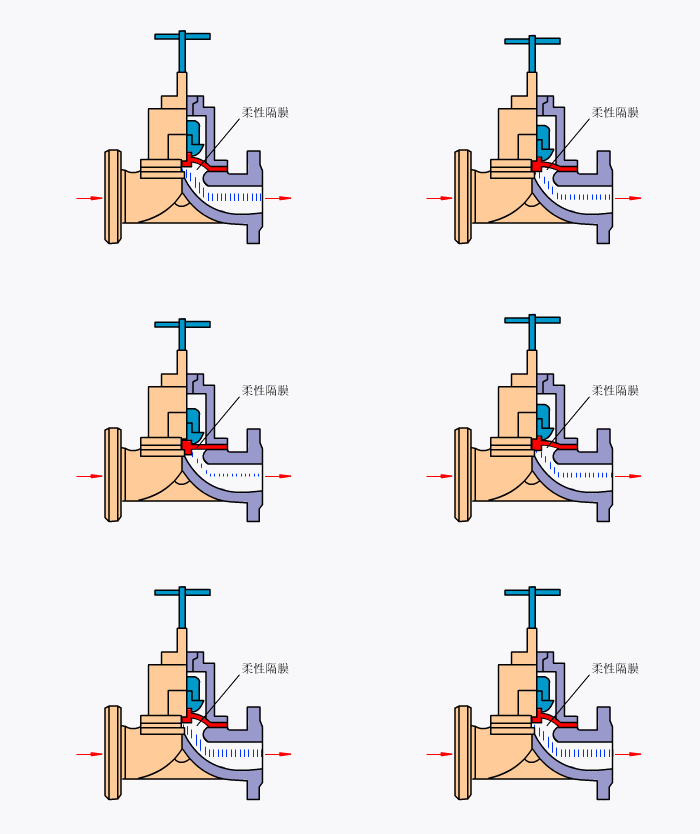
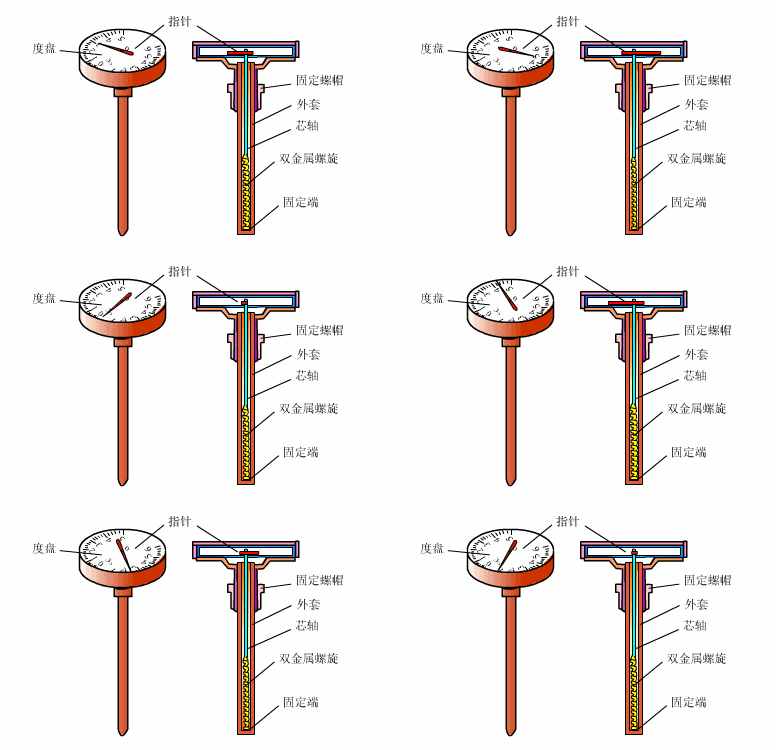
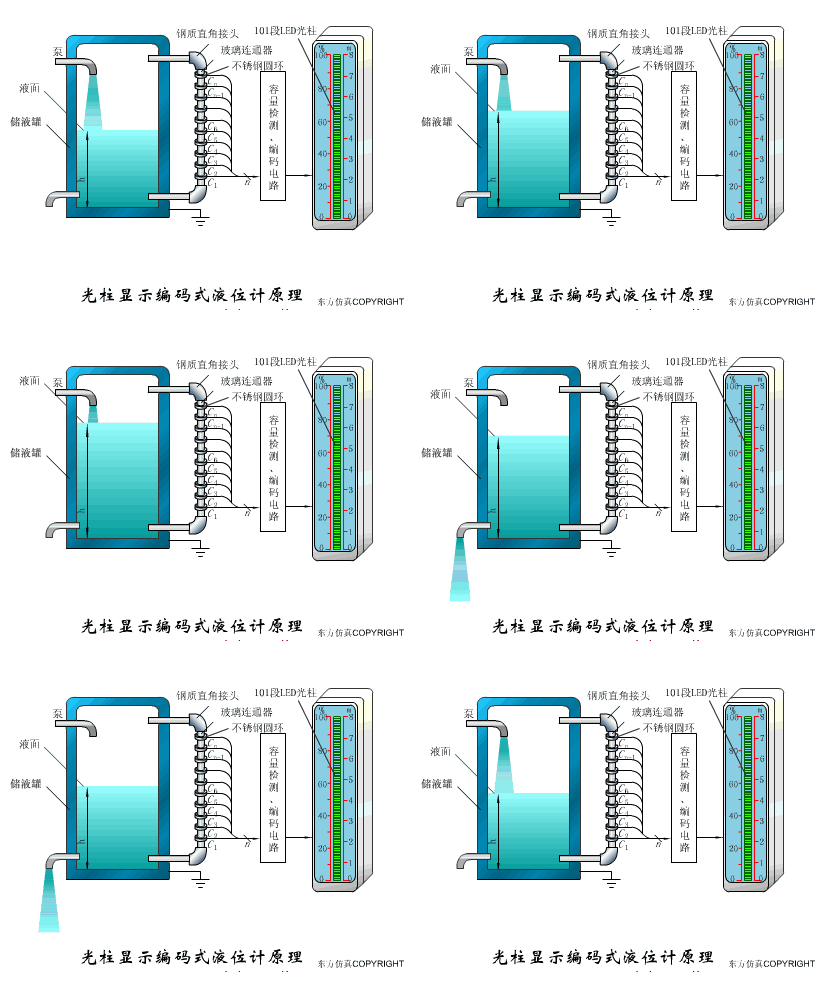
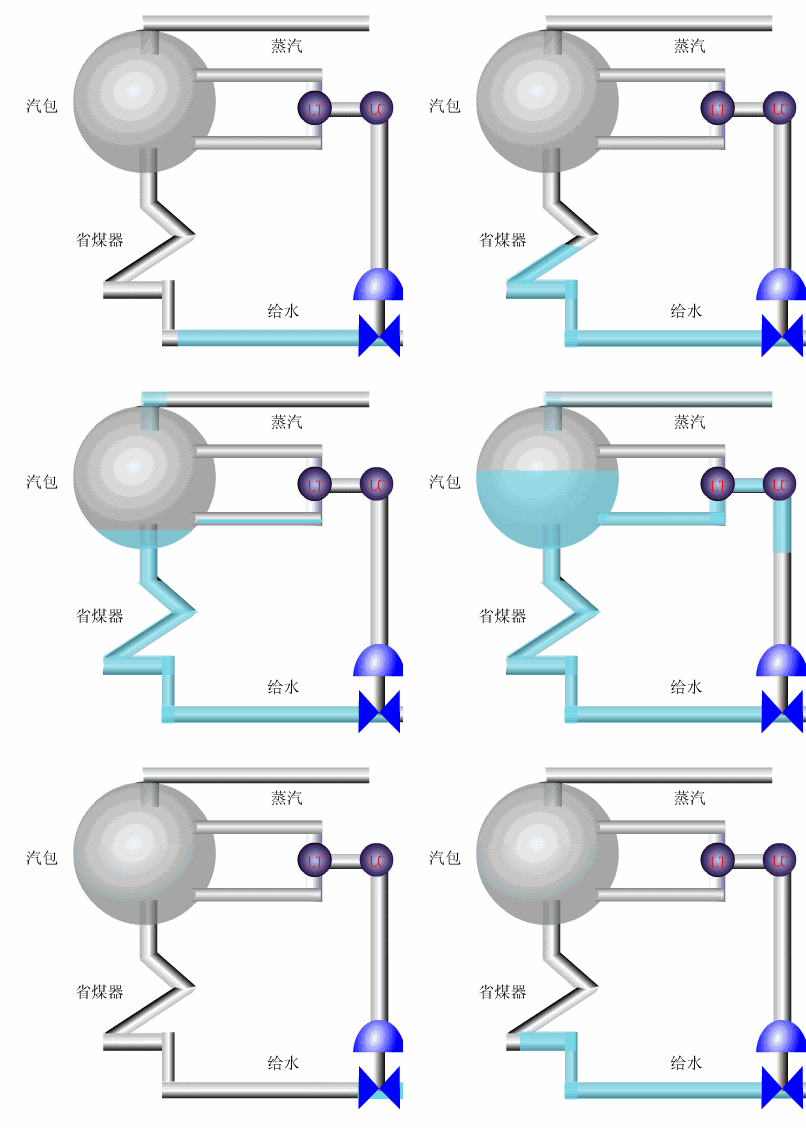
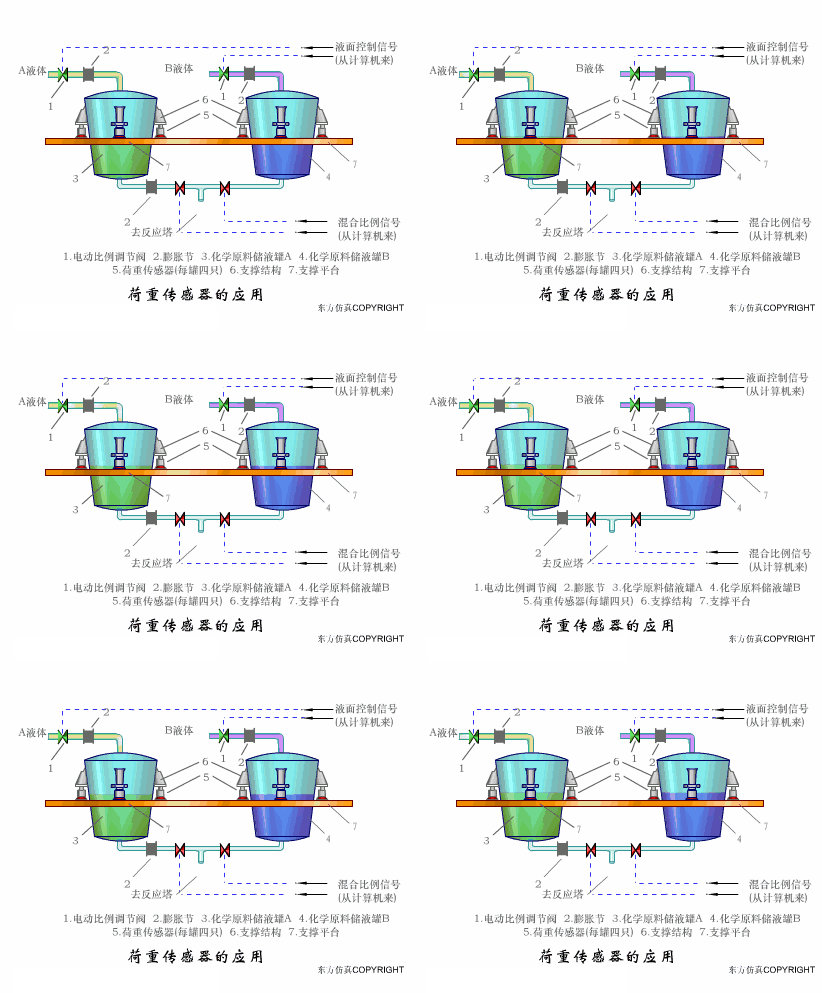
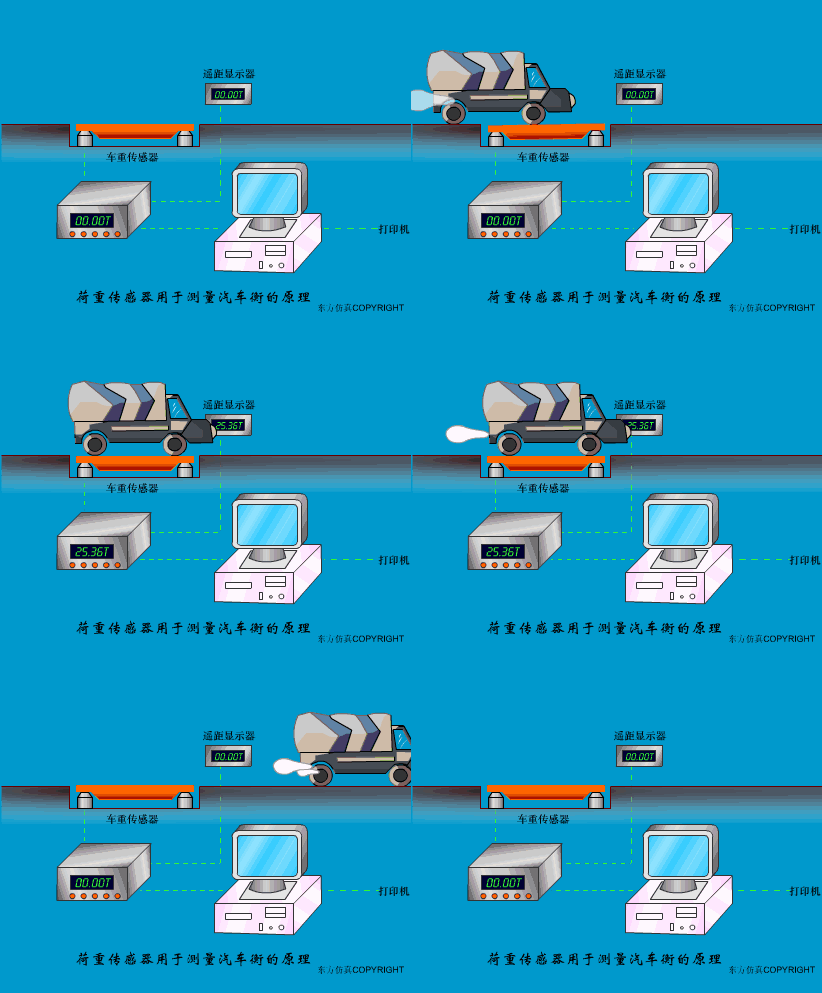
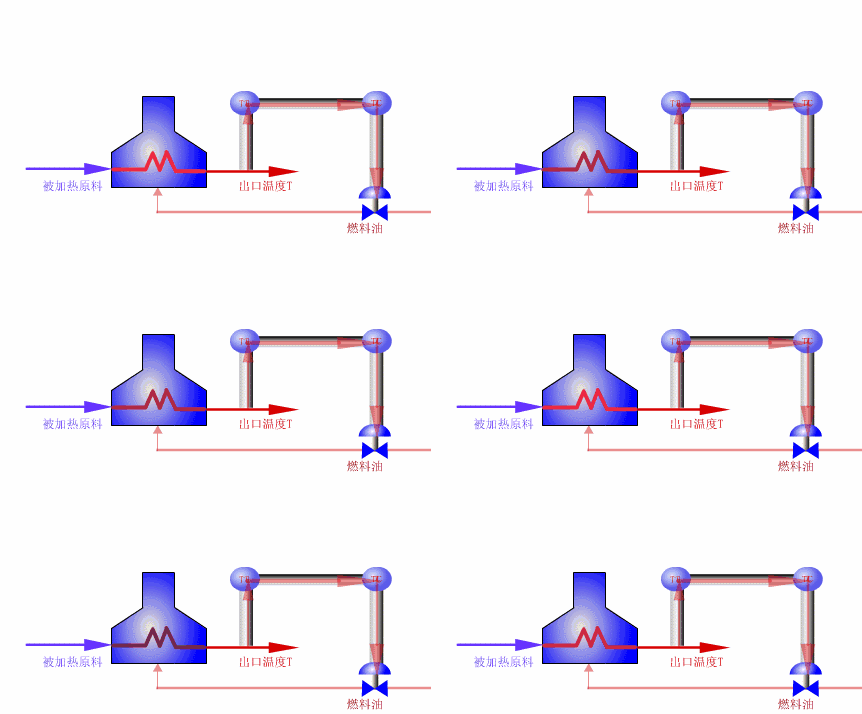
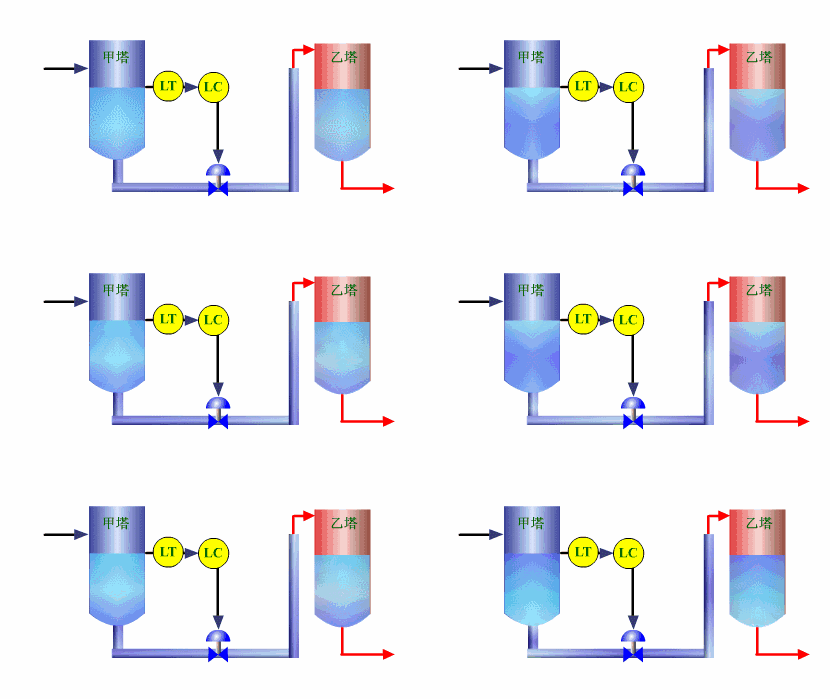
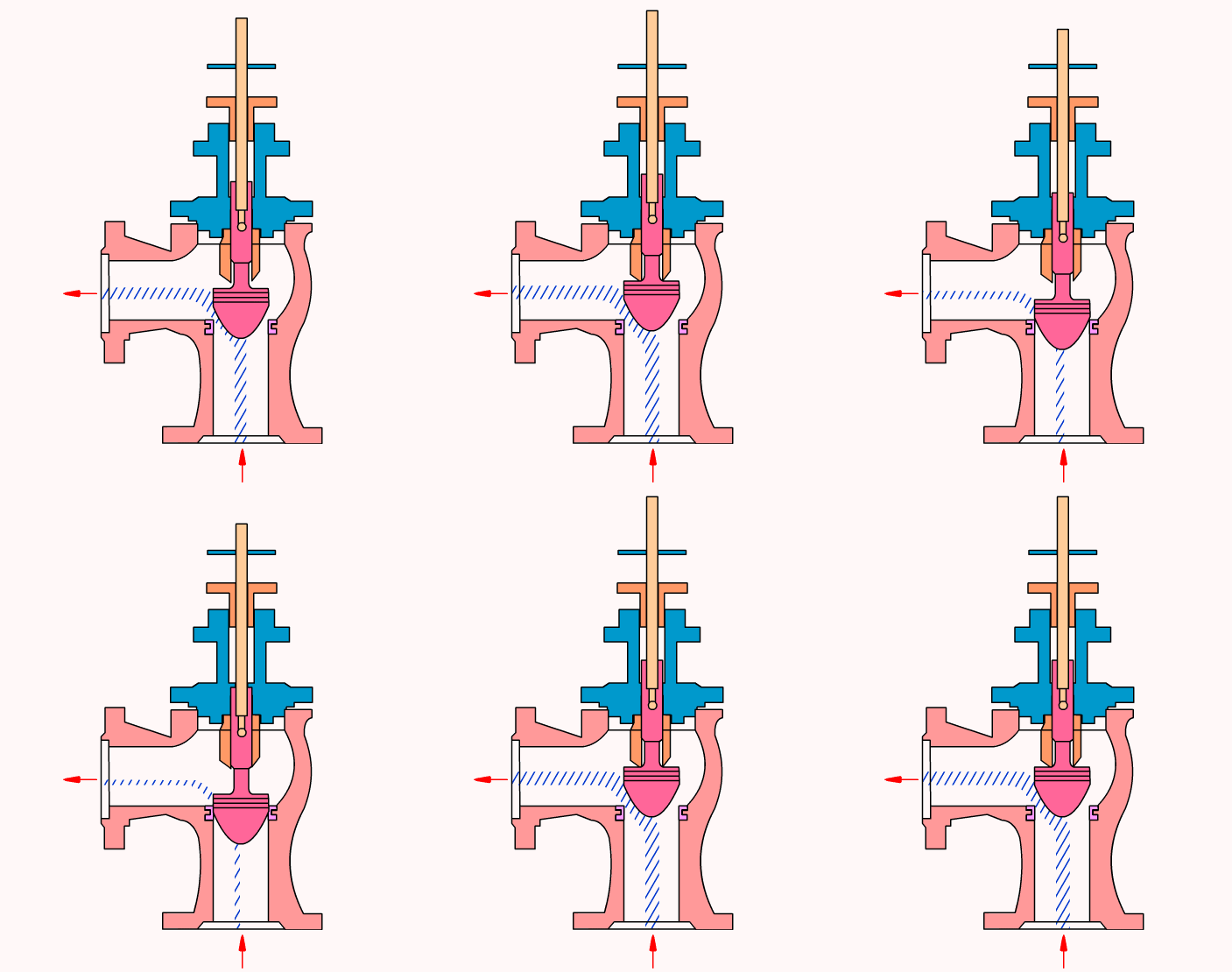
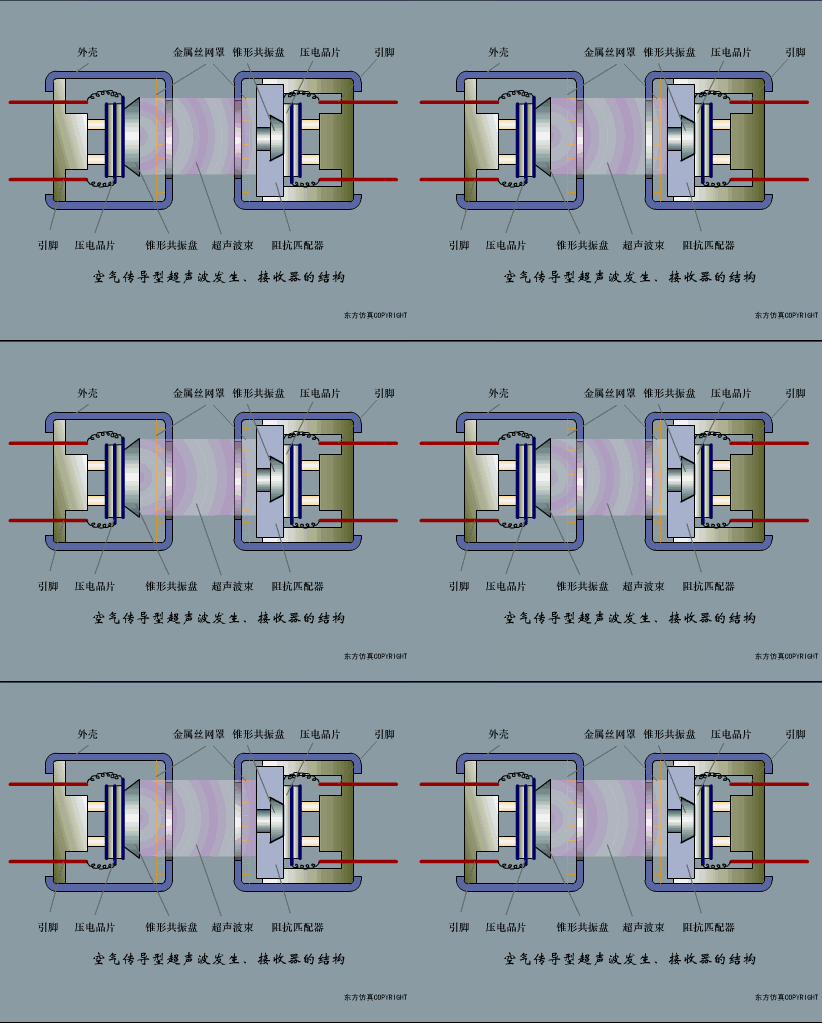
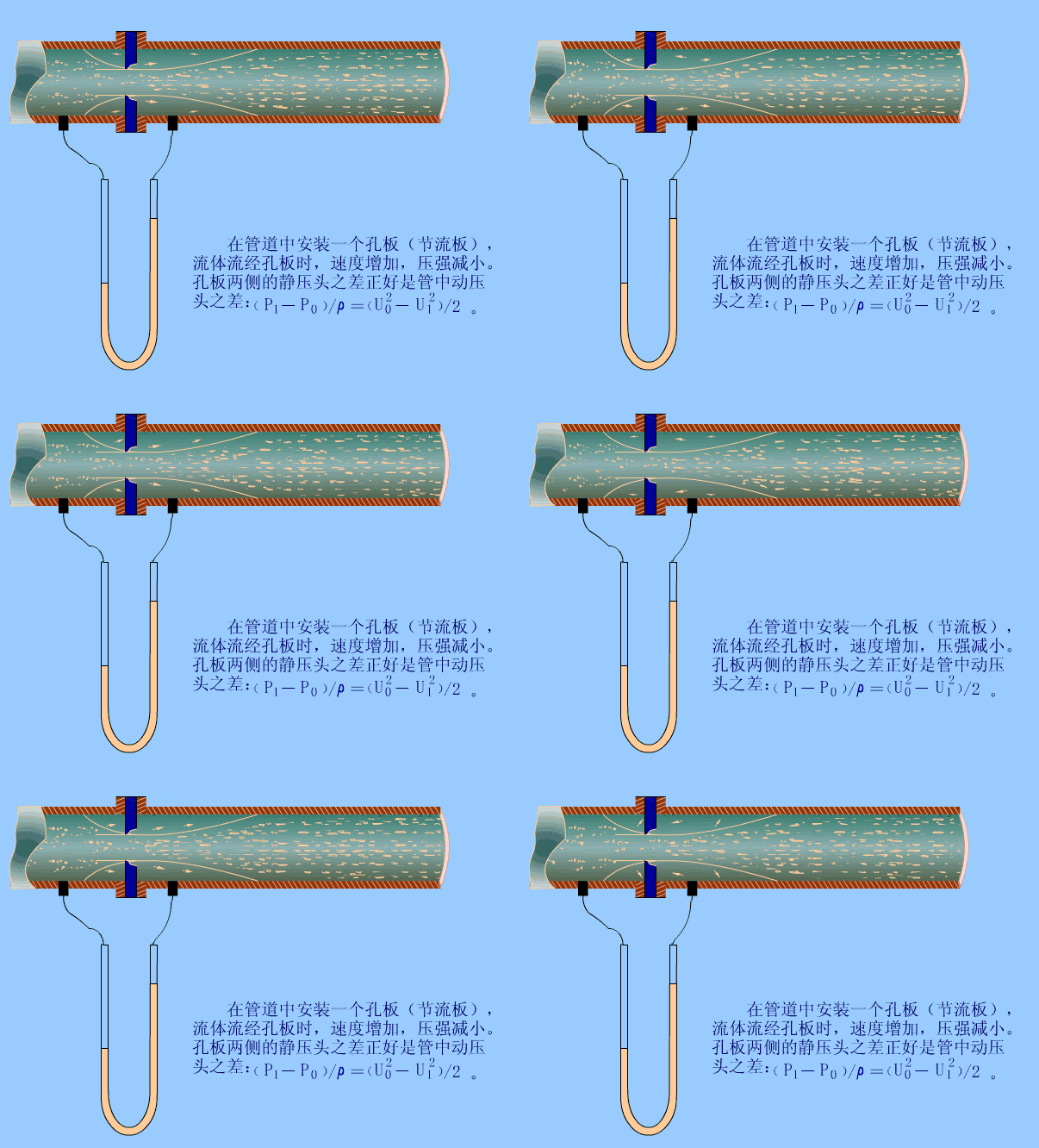
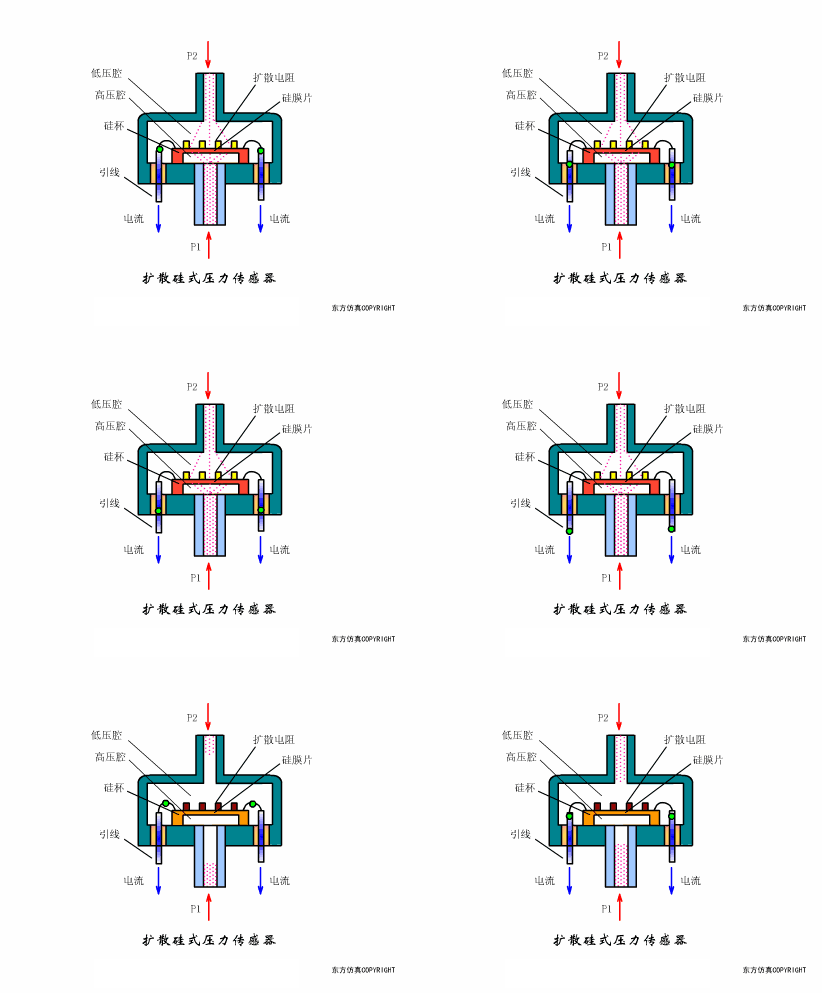
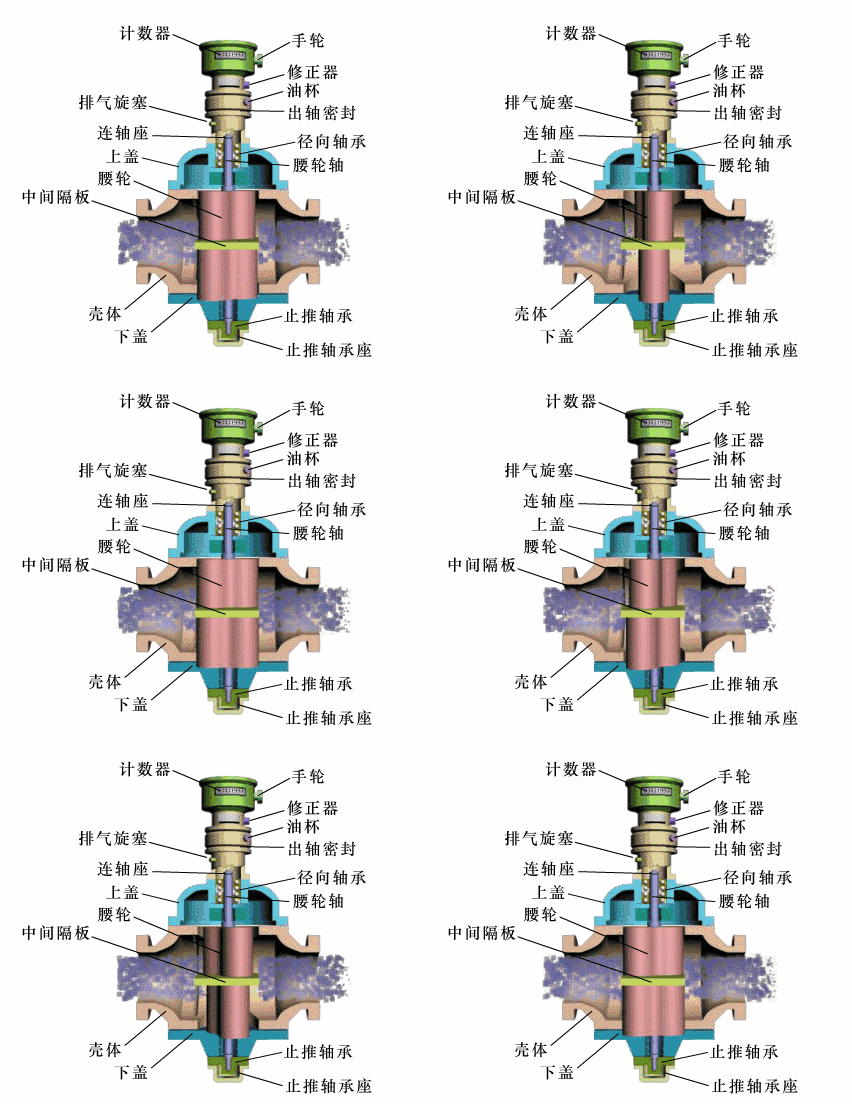
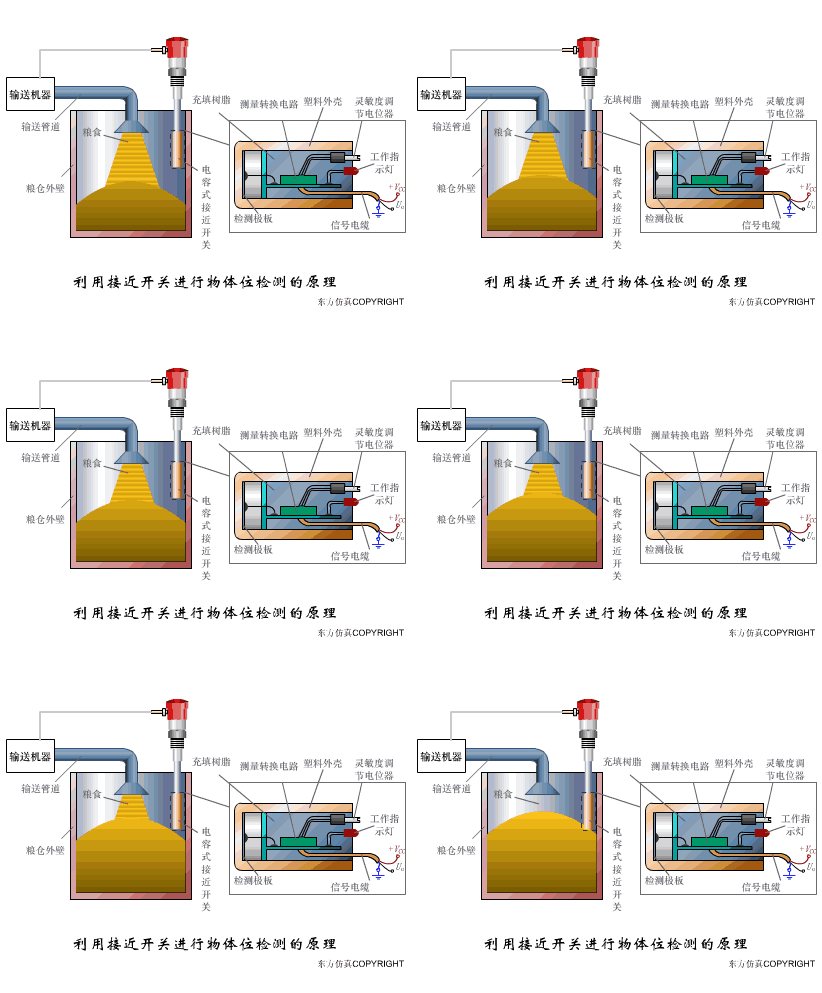
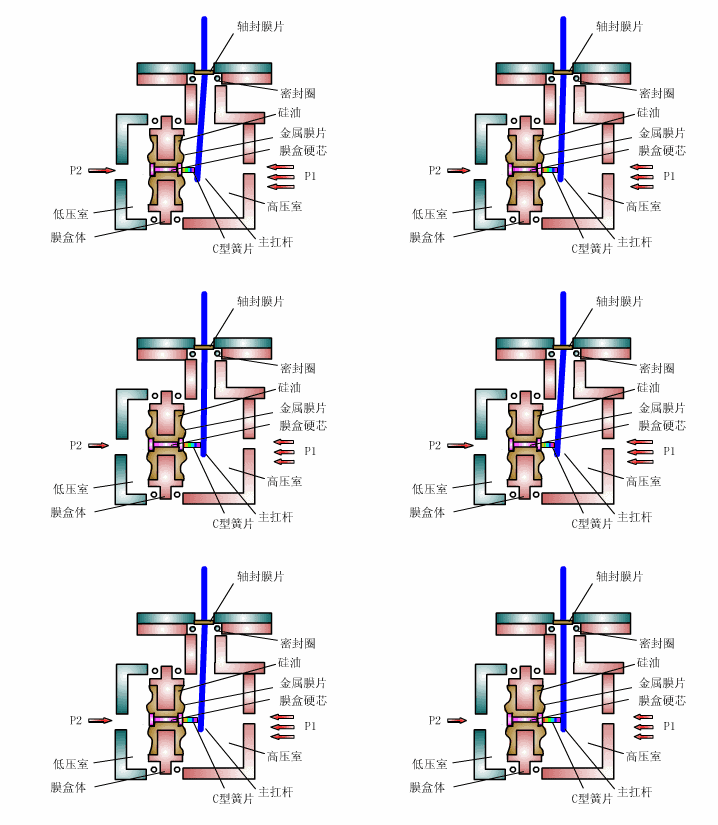
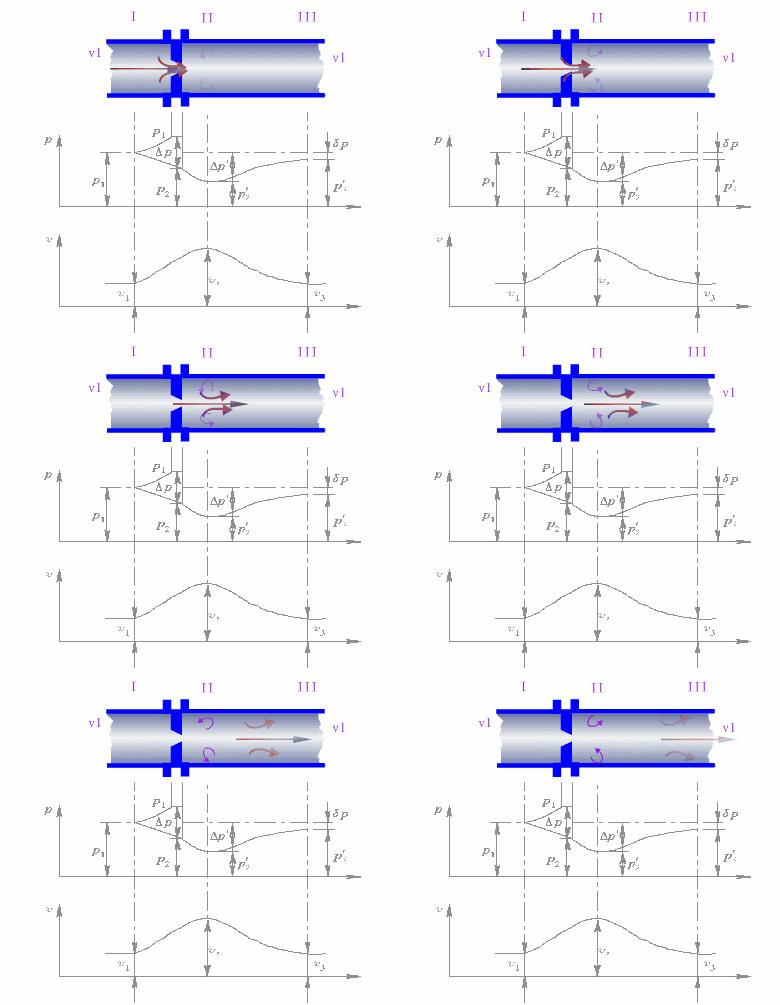
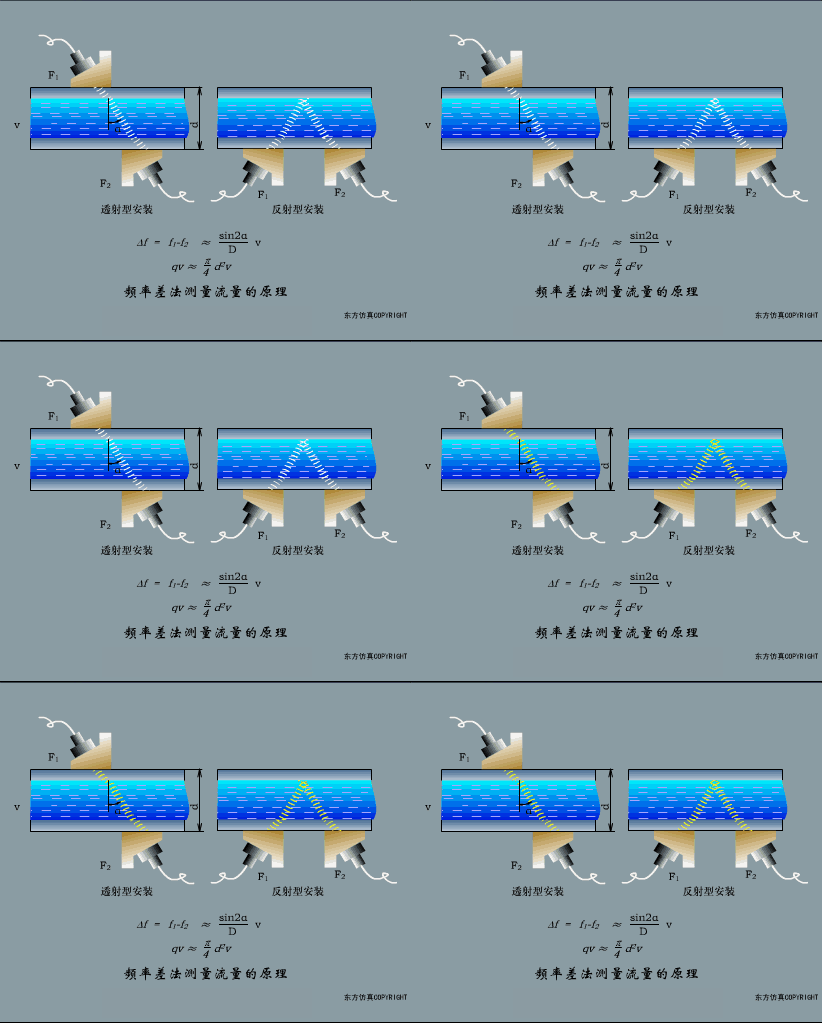
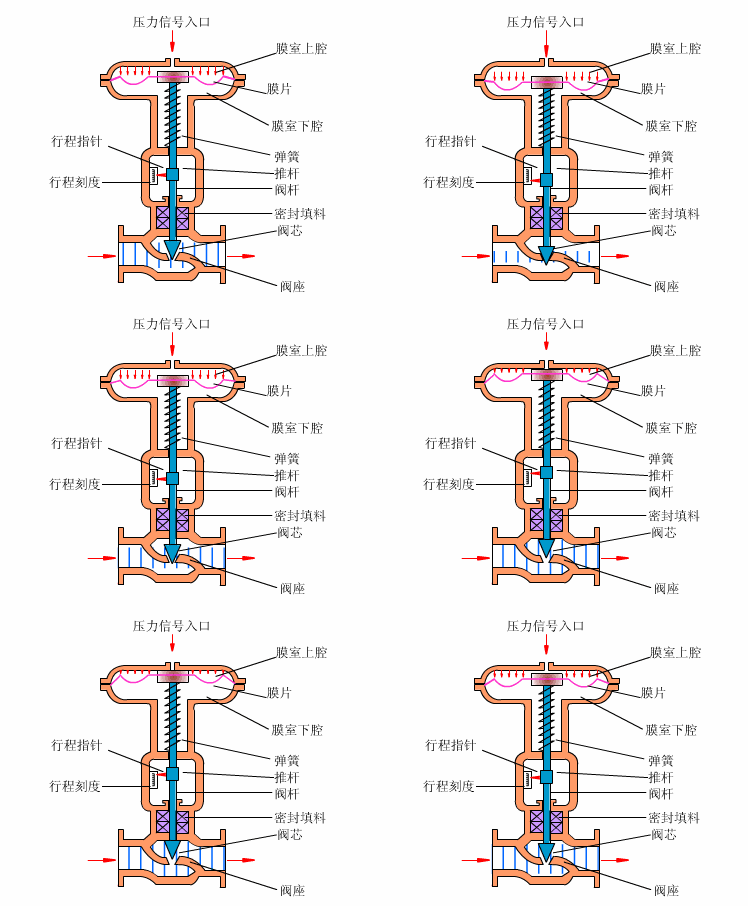
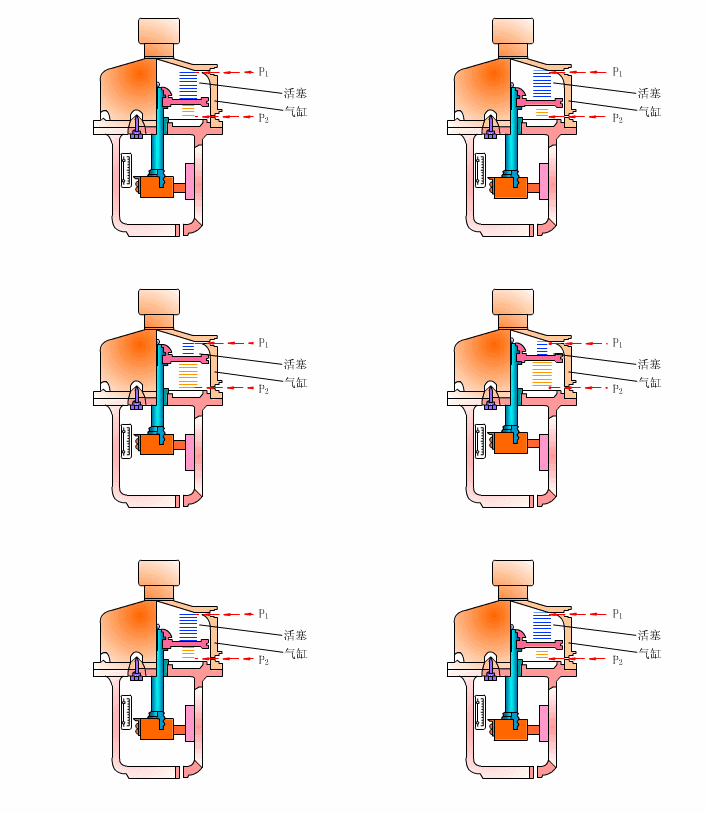
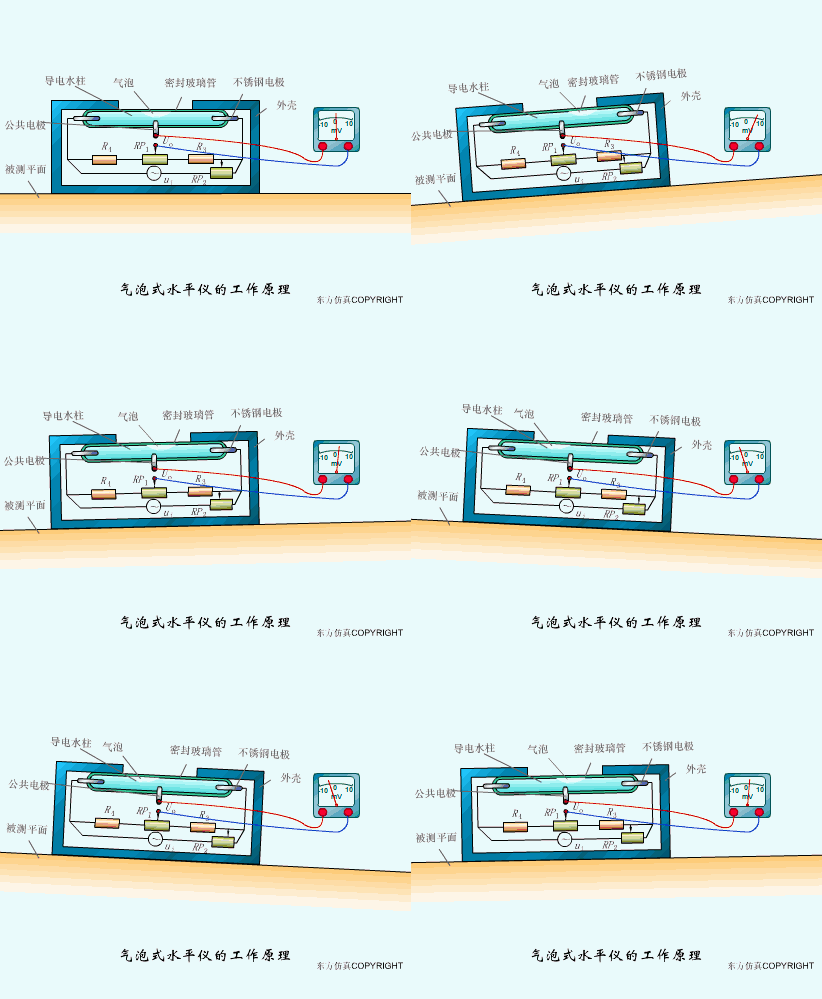
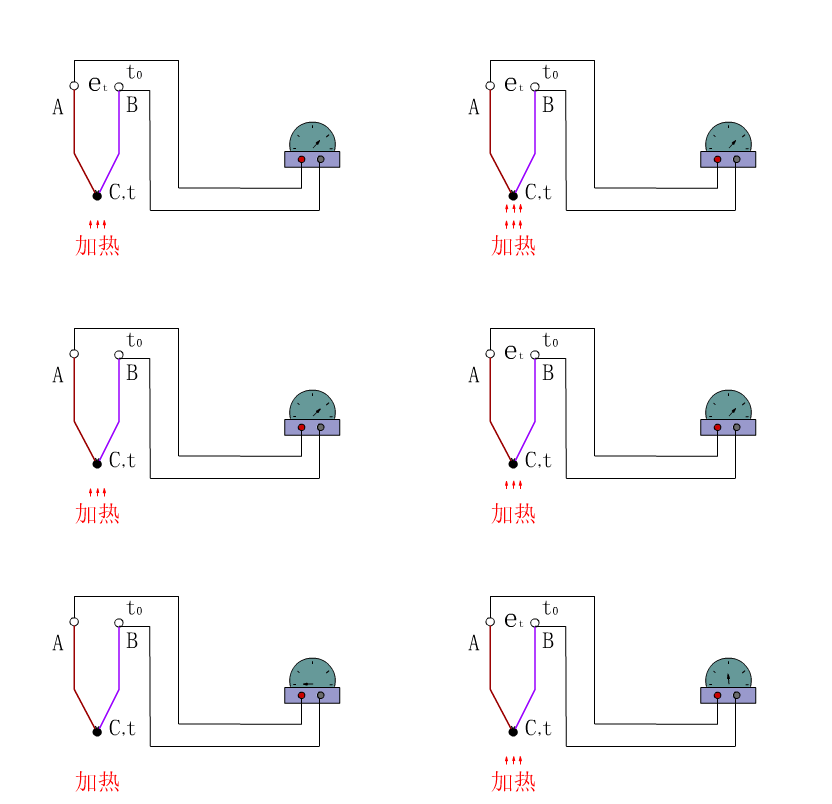
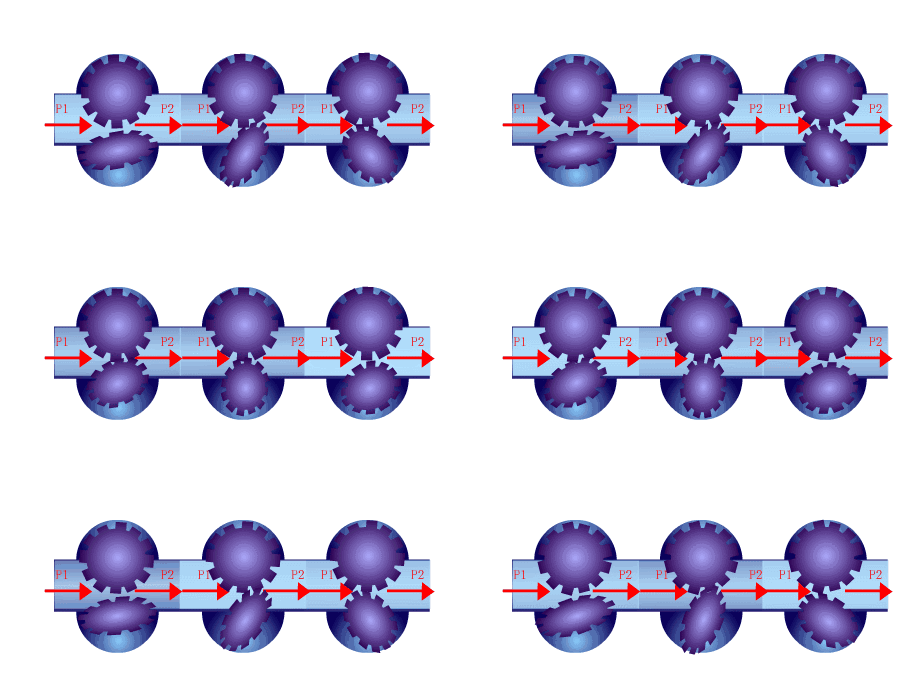
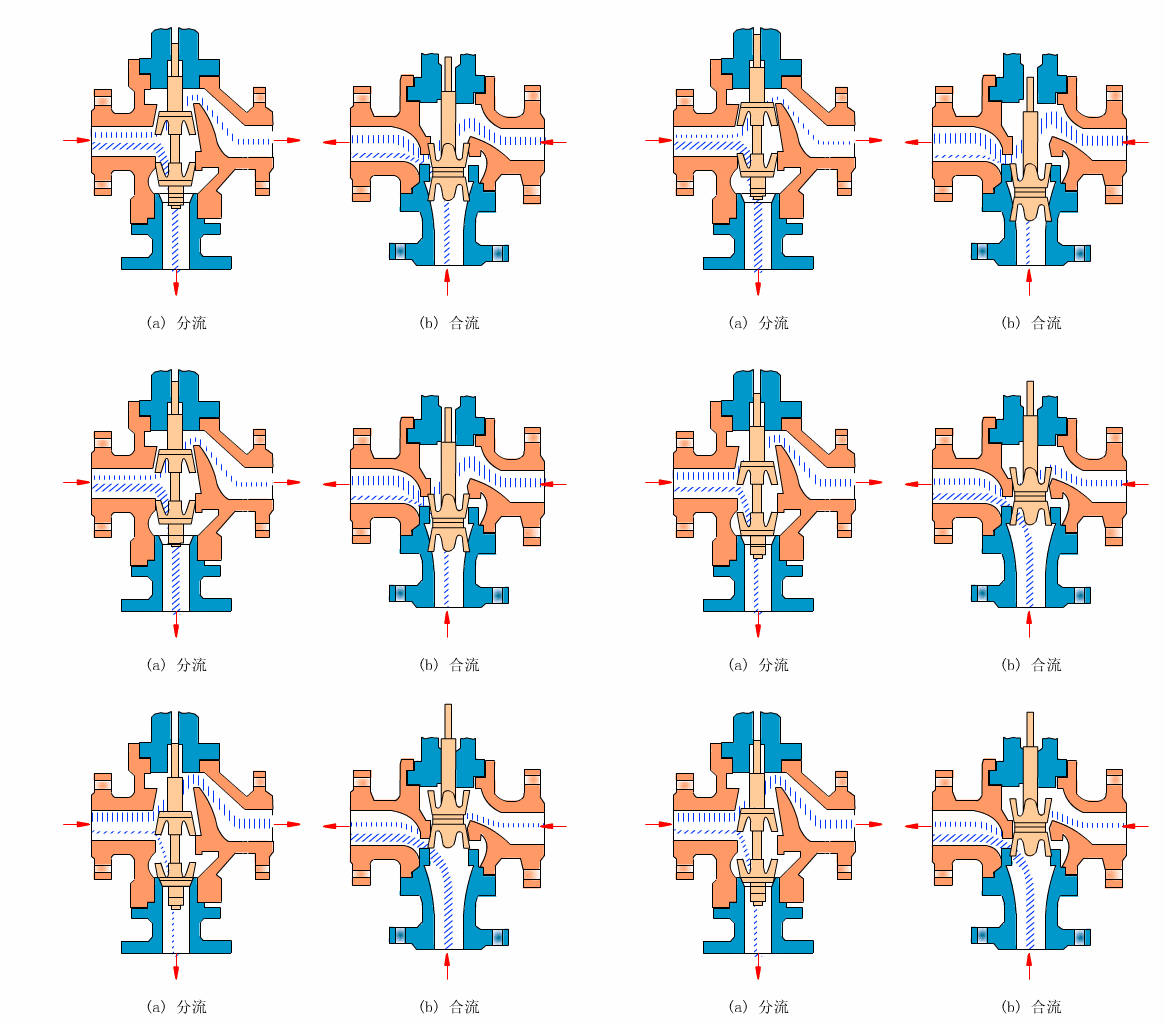
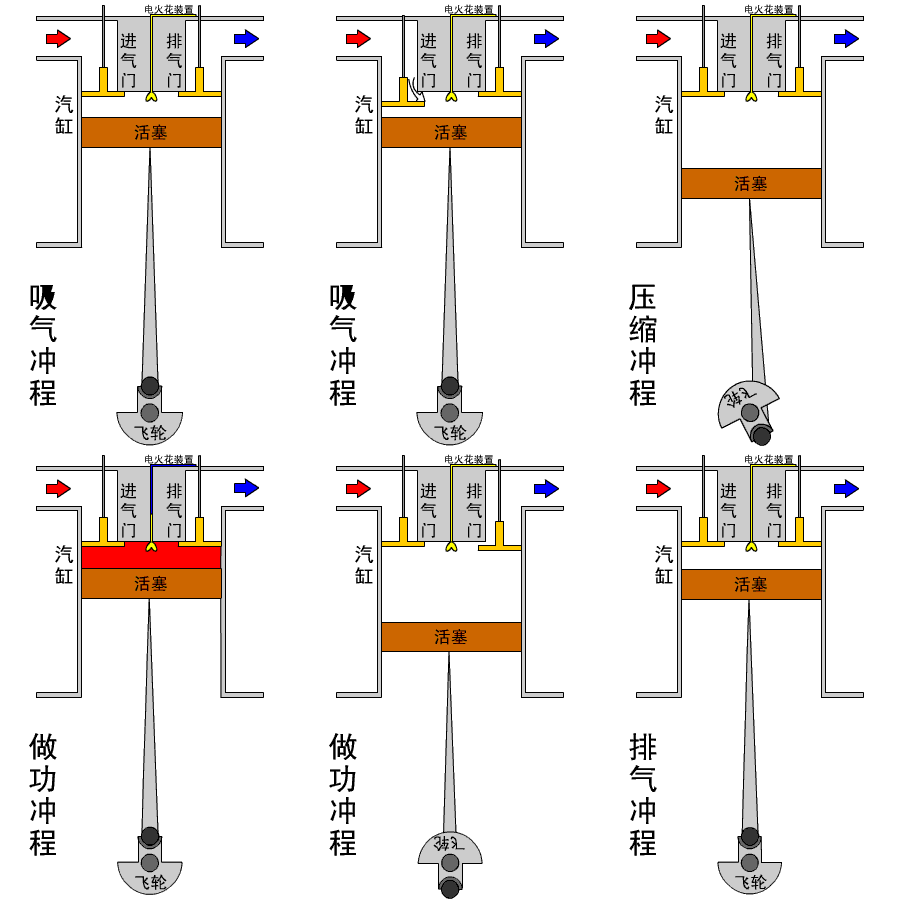
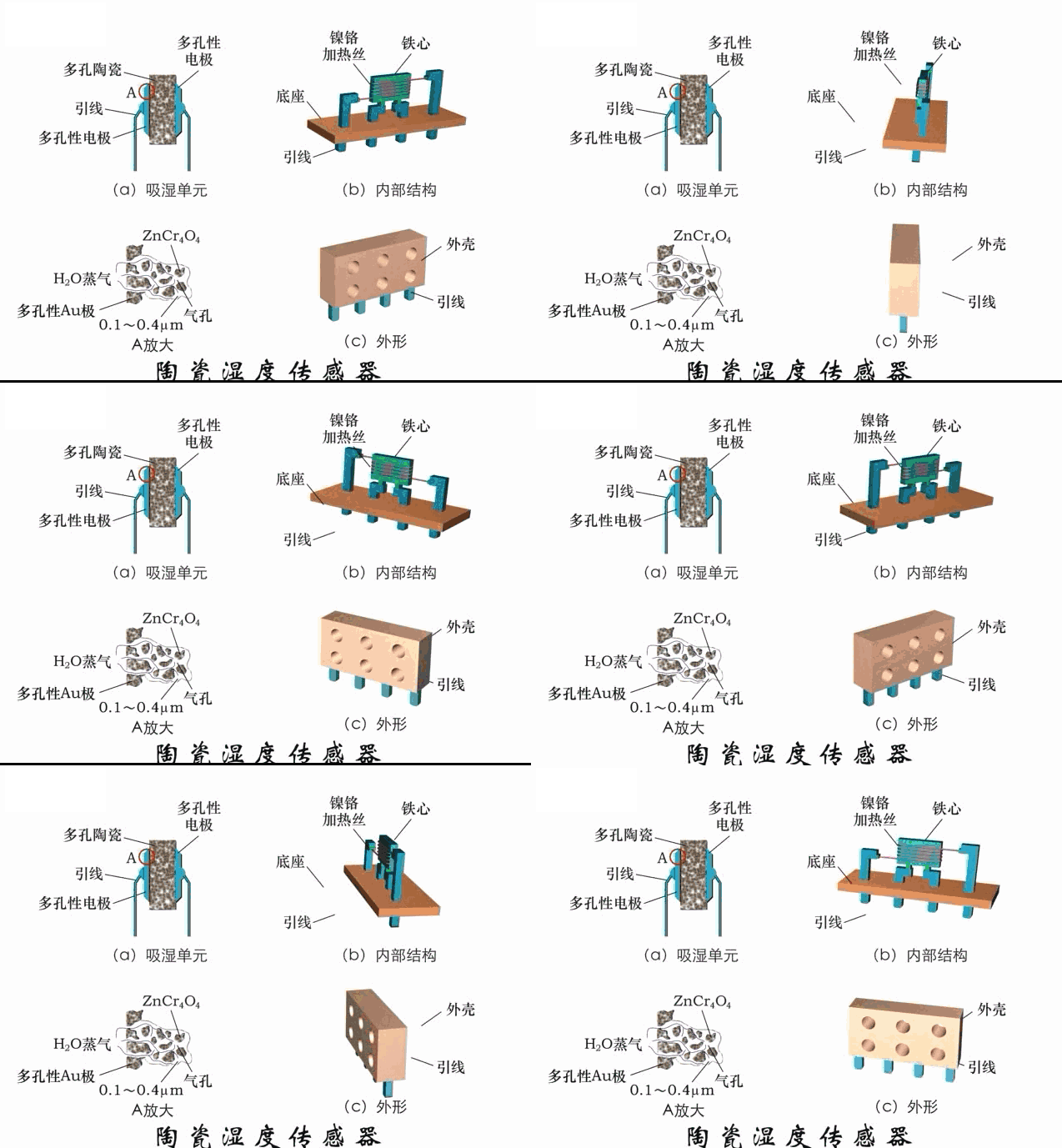
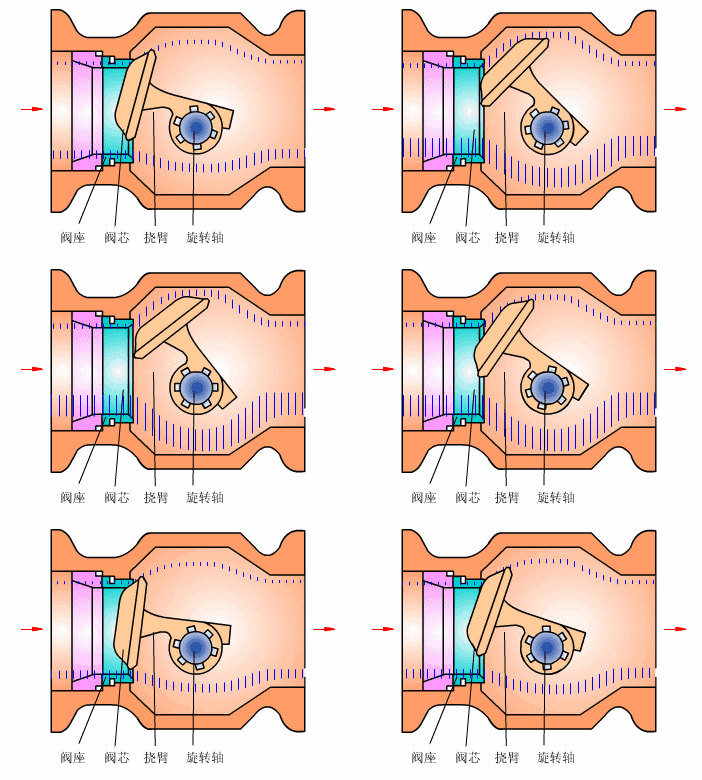
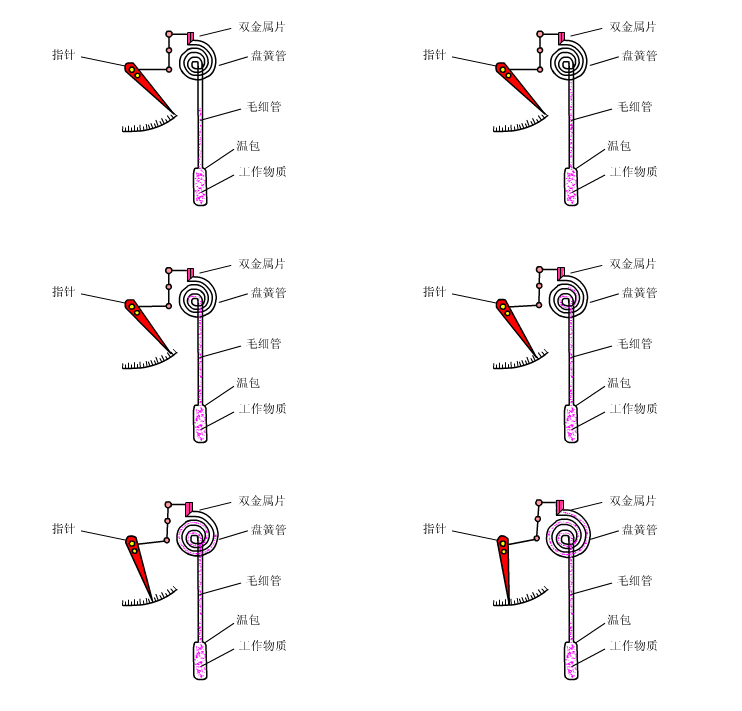
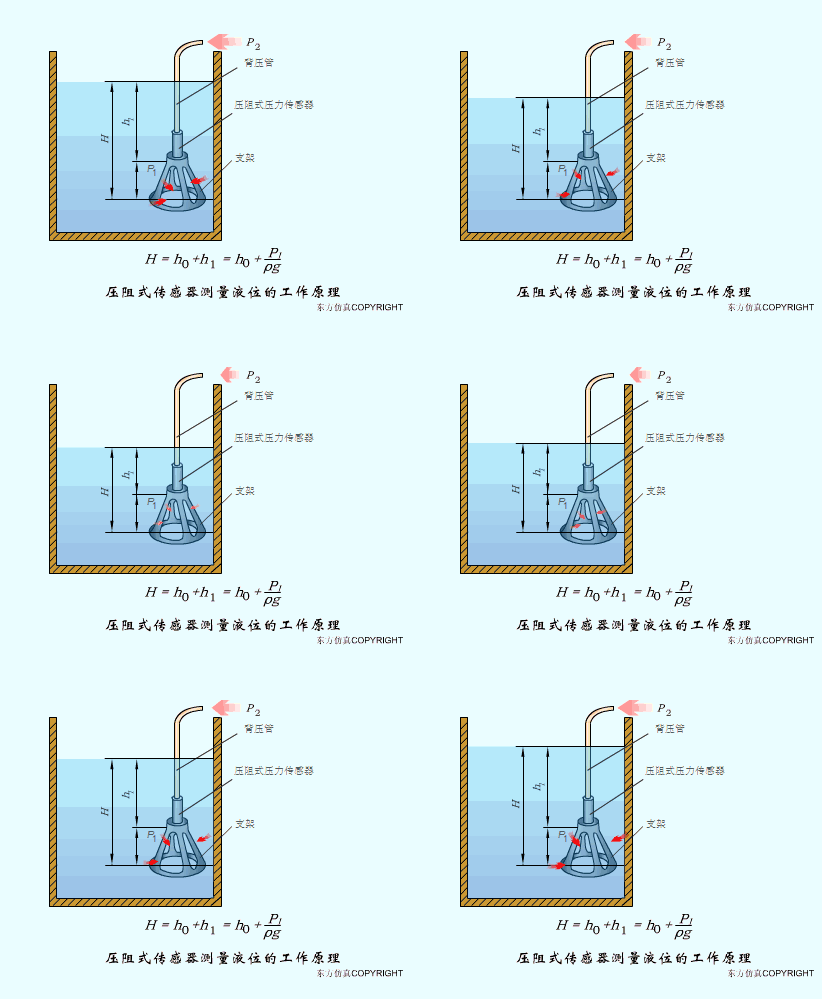
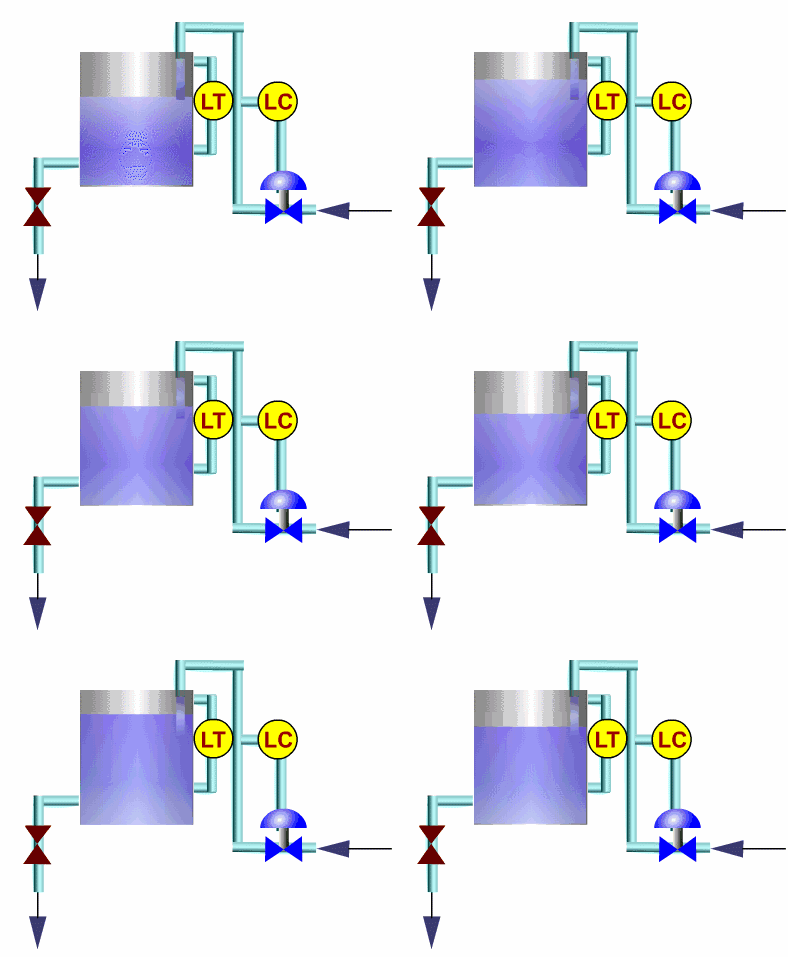
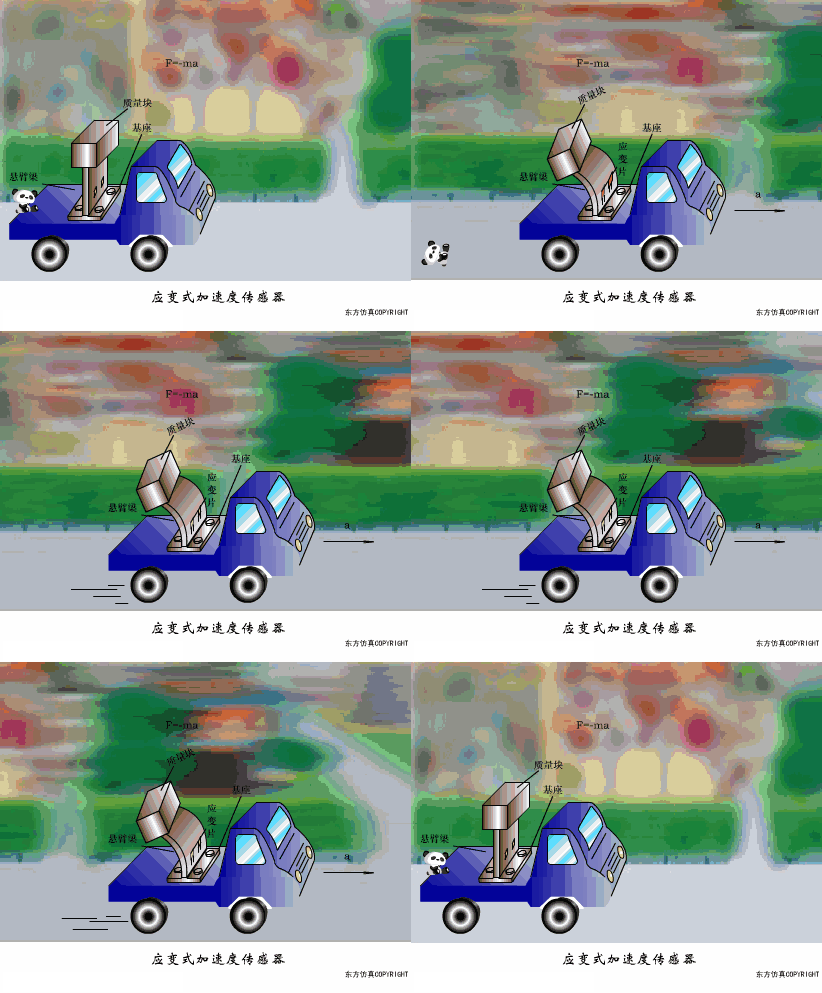
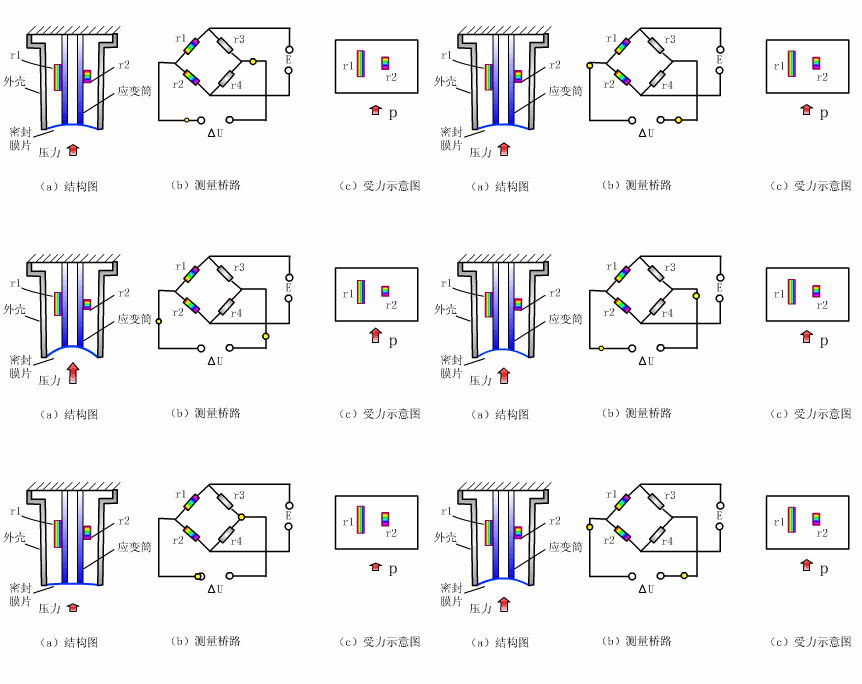
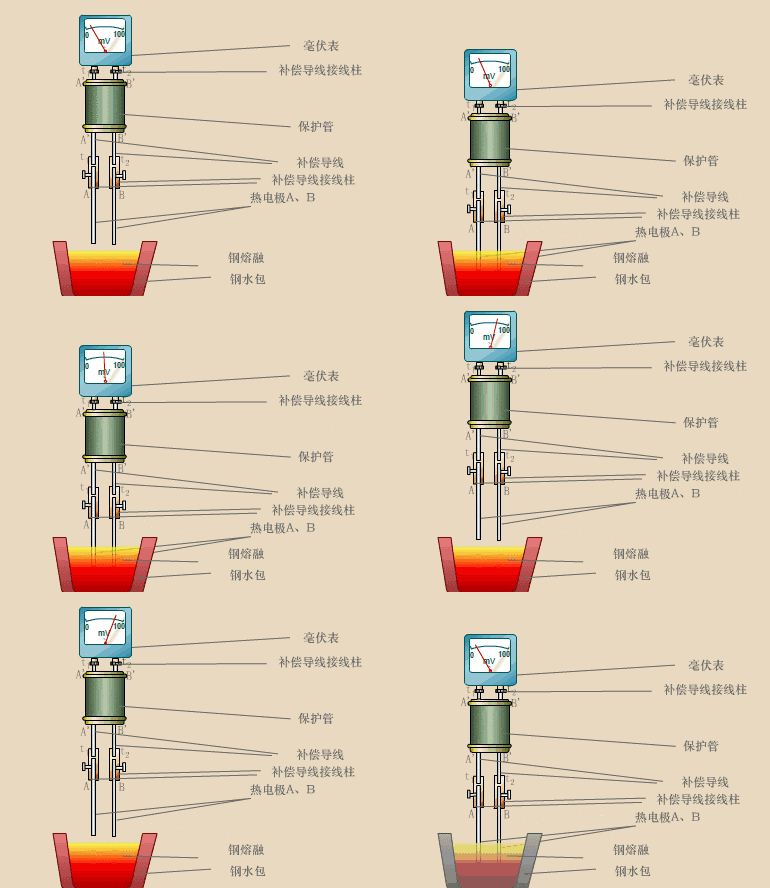
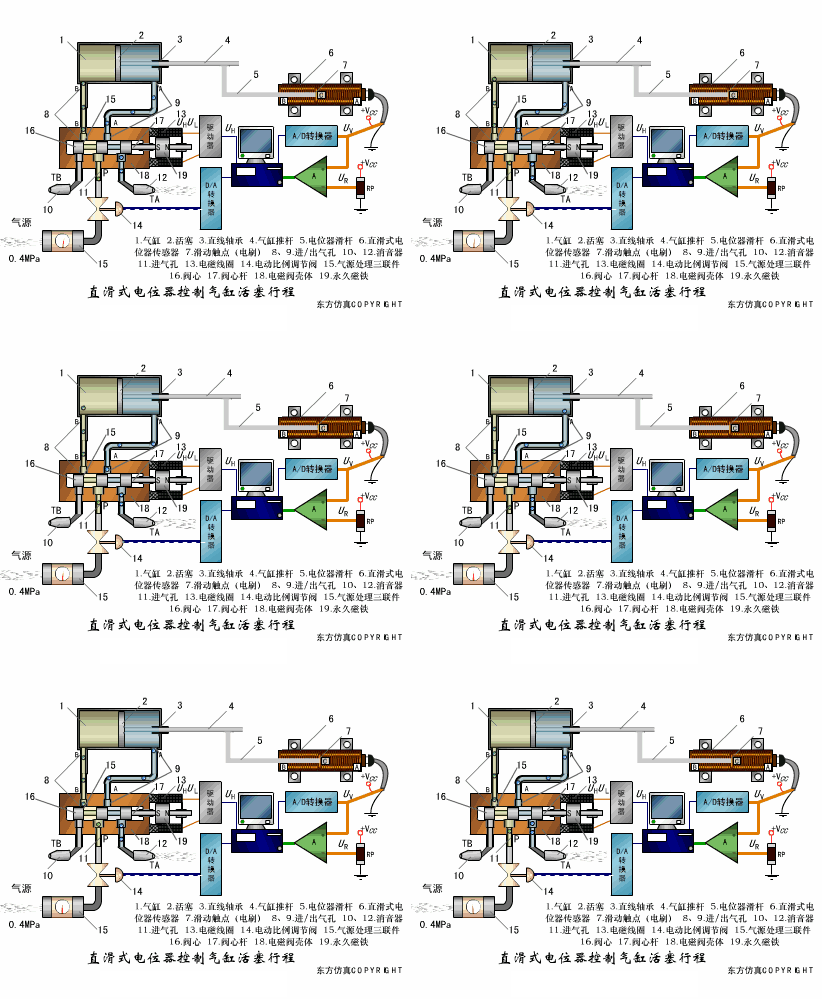
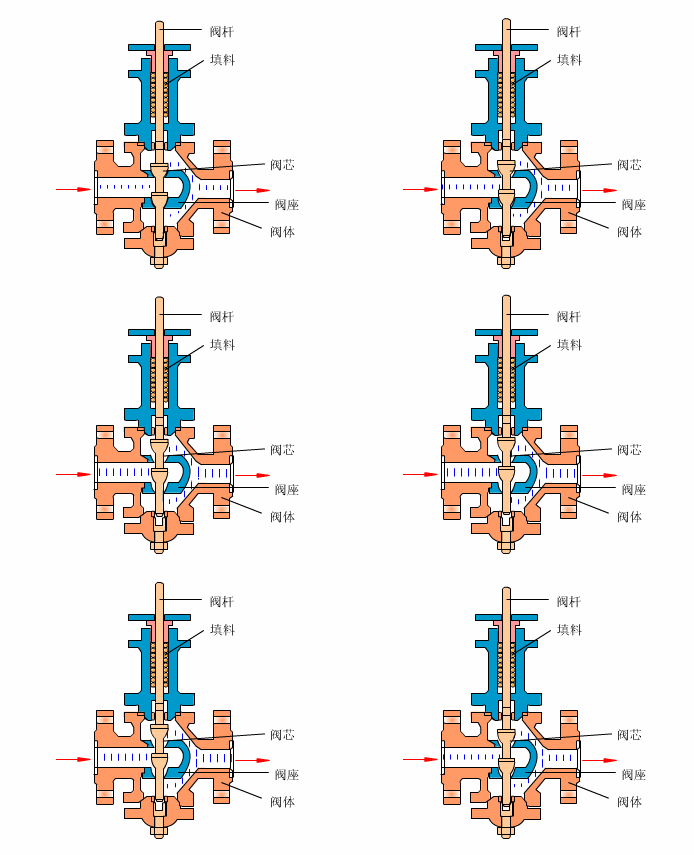
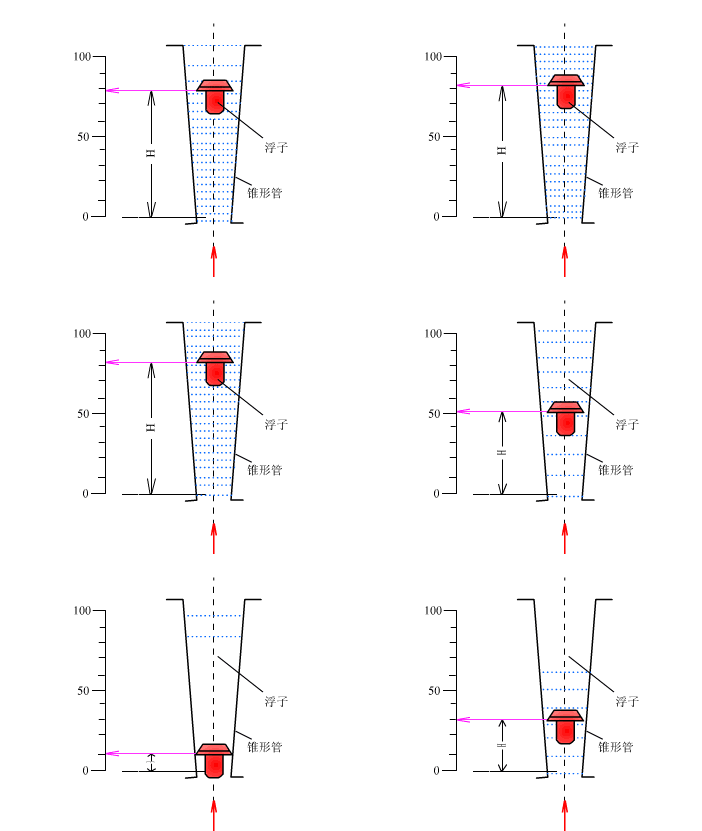
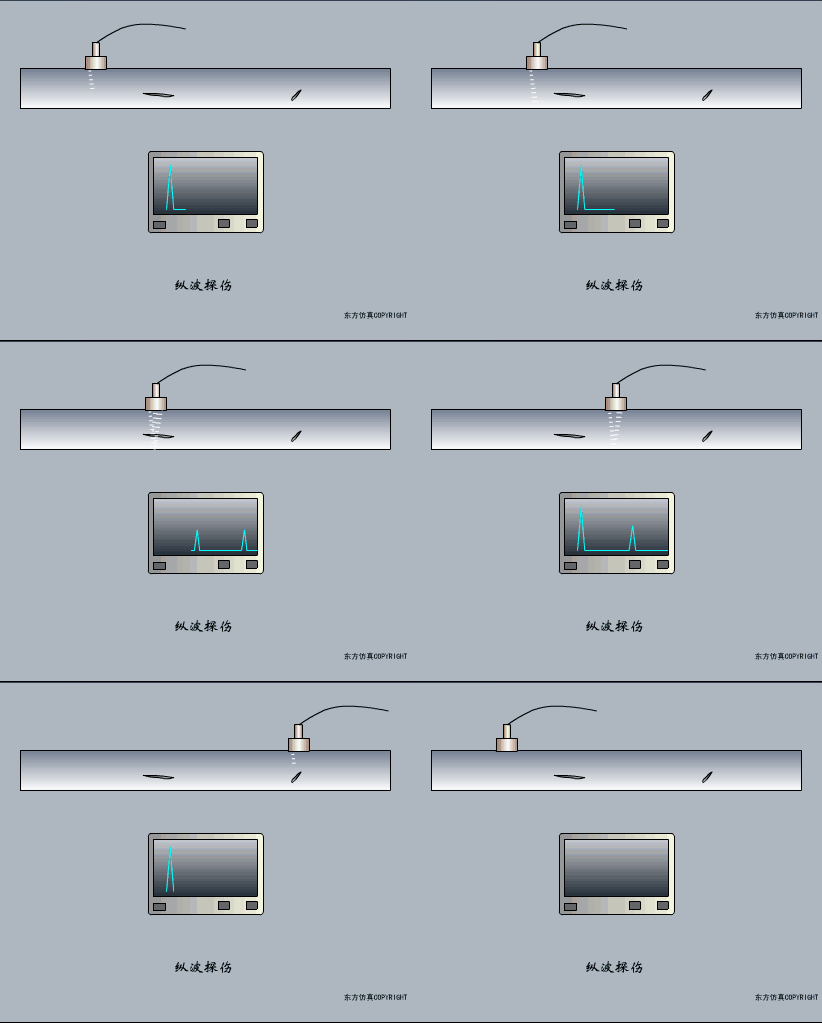
Source: Internet
Recommended Reading
Can You Learn PLC on Your Own?
Click to view
Get Beginner PLC Learning Materials
Revealing the Real Salaries of Electricians, How Low Are They?
Click to view
Get the Electrician Promotion and Salary Increase Secrets
 If you like, click here
 Learn PLC and Electrician Courses for Free, click to read the original text