 Focusing on Automation Training for 14 Years
 Technical Training NetworkHost Computer PART.01
The host computer refers to a computer that can directly issue control commands,
generally a PC/host computer/master computer/upper computer,which displays various signal changes (hydraulic, water level, temperature, etc.) on the screen.
Slave Computer PART.02
The slave computer is a computer that directly controls devices to obtain device status,generally a PLC/single chip microcomputer/slave computer/lower computer.
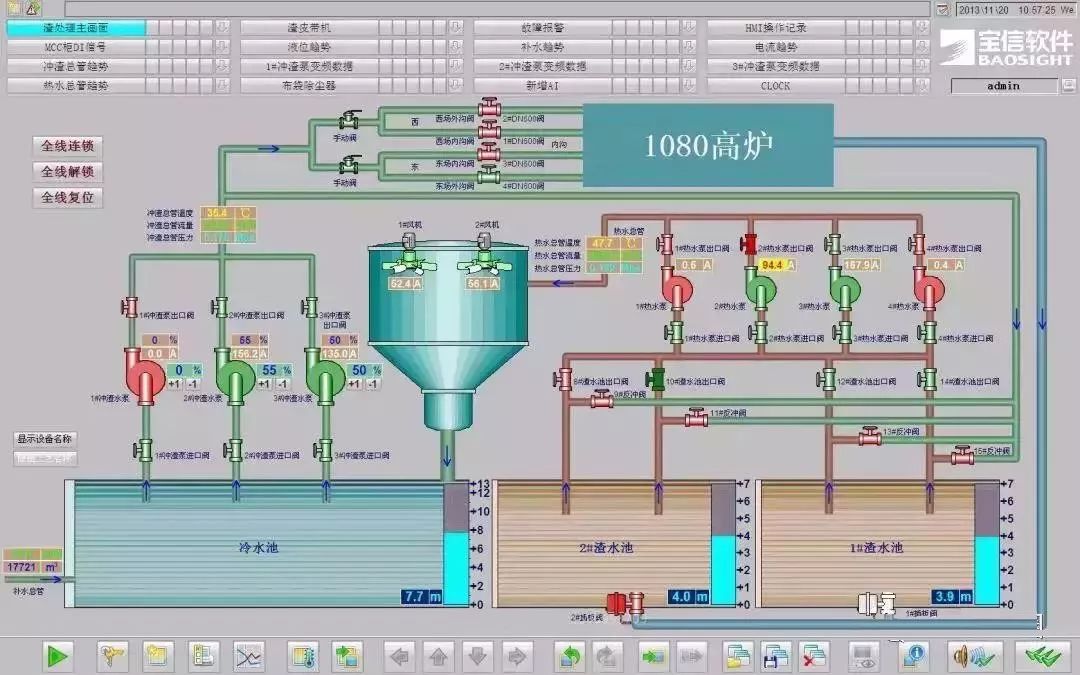
Tools/Materials:
One computer
Configuration King, PLC
Method/Steps:
Overview: The command issued by the host computer is first given to the slave computer, which then interprets this command into corresponding timing signals to directly control the relevant devices. The slave computer periodically reads the device status data (generally analog signals) and converts it into digital signals to feedback to the host computer.
Both host and slave computers require programming and have dedicated development systems.
Conceptually, the controller and service provider are the host computer, while the controlled and serviced are the slave computer. This can also be understood as the master-slave relationship, but the host and slave can be interchangeable.
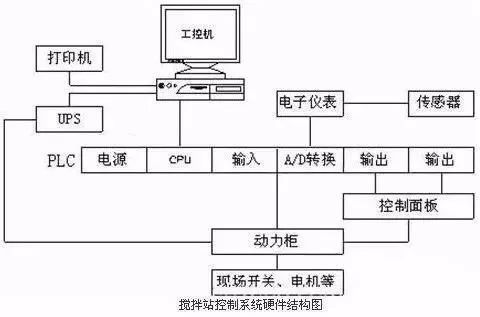
Working Principle:
How the two computers communicate generally depends on the slave computer, which usually has more reliable and unique communication protocols;
Using some new APIs (API, Application Programming Interface, is a set of predefined functions that provide the ability for applications and developers to access a set of routines based on certain software or hardware);
Multi-language support functional modules generally support several high-level languages for host computer programming.
Typically, host and slave computers can communicate using different communication protocols, such as RS232 serial communication or RS485 serial communication.
When communicating between a computer and a PLC, not only can traditional D-form serial communication be used, but also dual-line PROFIBUS-DP communication, which is more suitable for industrial control. Using packaged program development tools can achieve communication between PLC and host computer, and of course, one can write their own driver-type interface protocols to control communication between the host and slave computers.
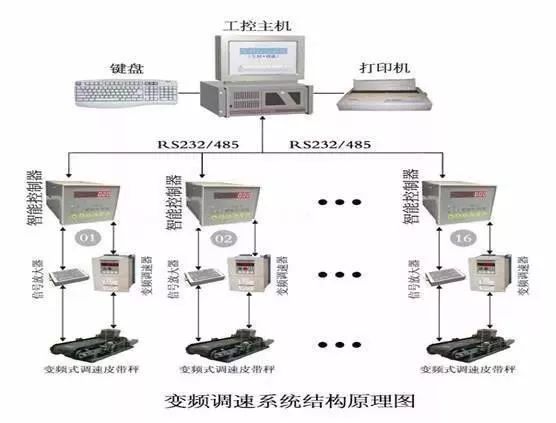
Experience:
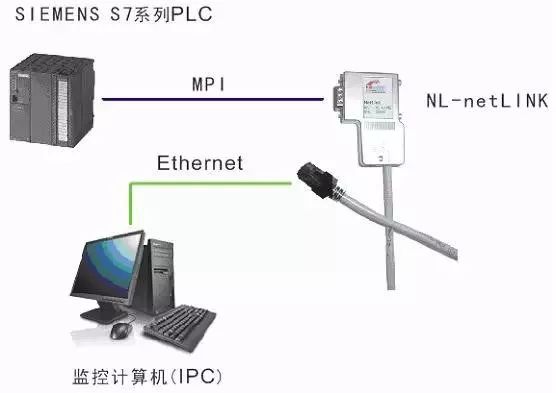
Usually, industrial control computers, workstations, and touch screens serve as host computers,
while communication control PLCs and single chip microcomputers serve as slave computers, thus controlling relevant device components and driving devices.
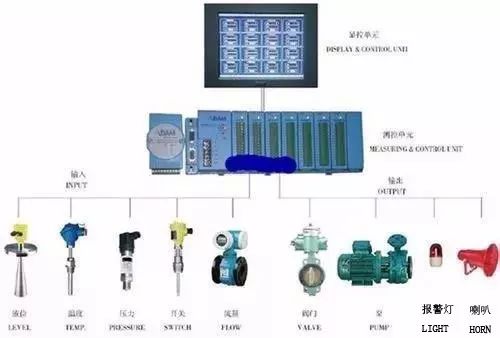
Precautions:
The host computer is a computer that can directly issue control commands.
The slave computer is a computer that directly controls devices to obtain device status.
Industrial control computers, workstations, and touch screens serve as host computers, while communication control PLCs and single chip microcomputers serve as slave computers.
Source: Internet, copyright belongs to the original author, infringement will be deleted.
Previous Recommendations01Electrical Expert’s Private Tool Kit (Electrical Simulation Software + 16 Sets of Electrical Industry PPT)02Comprehensive Electrical Calculation EXCEL Spreadsheet, Automatically Generated! No Need for Electrical Calculation!03Bluetooth Headphones, Electrical/PLC Introductory Books as Gifts? Come and Claim Your Electrical Gift!

 Like it? Click here
 Free PLC and Electrical Courses, click to read the original text