 Source: Qixin Semiconductor
01
What is a Chip
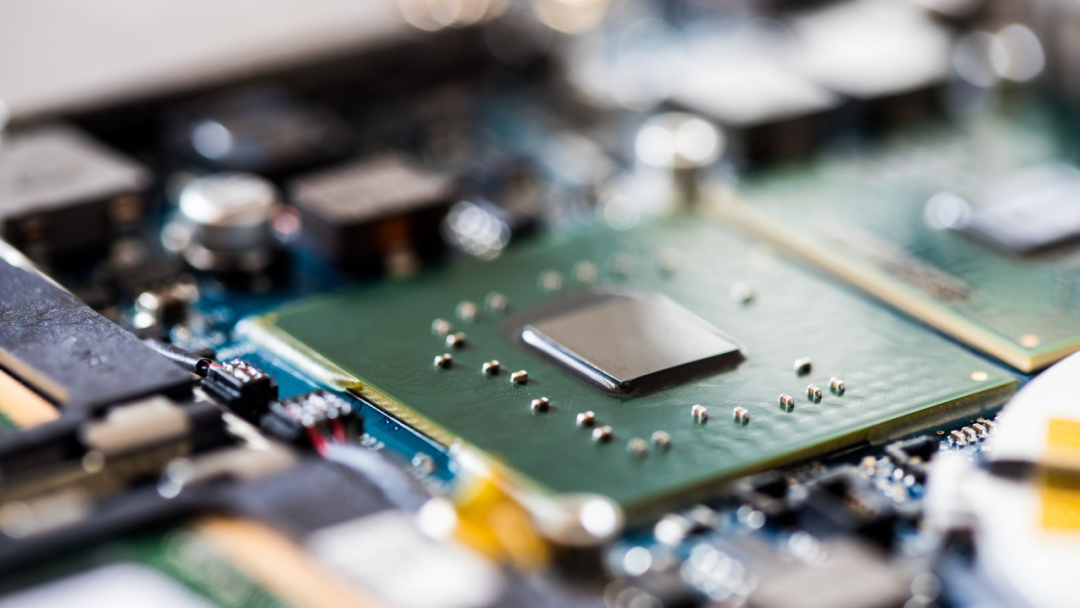
A chip, also known as a microcircuit, microchip, or integrated circuit, is a miniature electronic device that miniaturizes circuits and is manufactured on semiconductor wafers. It typically contains integrated circuits and is a crucial component of many electronic devices, such as computers, mobile phones, and various other electronic devices.
02
Why is it Called a Chip
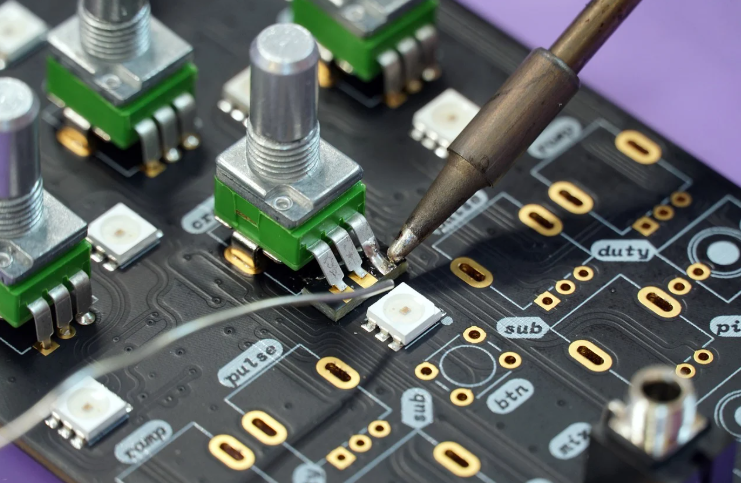
The character “芯” symbolizes the heart or core, while “芯片” refers to a thin slice or fragment. Chips, made from semiconductor materials, play the role of the heart of circuit systems, integrating key circuit structures and serving as essential components of the entire system.
03
Functions of Chips
Chips are electronic components made from semiconductor materials, playing a crucial role in information storage, processing, control, communication, and perception across multiple fields. Whether in computers, mobile phones, or vehicles, electronic devices rely on chips for data processing, algorithm execution, and software program operation.
Specifically, the main functions of chips include:
Information Storage
Memory chips within chips are used to store data and programs, allowing devices to read and write data, supporting temporary and persistent storage, such as saving files, images, audio, and video data.
Logical Operations
For example, the CPU (Central Processing Unit) chip acts as the brain of the computer, responsible for data computation, logical judgment, and system control, characterized by its powerful general computing capabilities.
Signal Processing
GPUs (Graphics Processing Units) are used for processing graphic signals, while DSPs (Digital Signal Processors) handle other types of electronic signals. Whether in wireless technologies (Wi-Fi, Bluetooth) or wired connections (Ethernet, USB), chips are responsible for processing communication protocols and data transmission, supporting communication, calls, and network connections between devices.
Control Functions
The circuits and logic elements within chips can implement control and execute various operations, such as controlling device functions, performing input/output operations, adjusting device settings and parameters, and monitoring device status.
Signal Conversion
Digital-to-analog converters transform digital signals into analog signals, while analog-to-digital converters convert analog signals into digital signals.
Signal Sensing and Detection
Some chips integrate sensors to perceive physical quantities in the environment, detecting information such as temperature, light, pressure, and acceleration, applied in environmental monitoring, medical devices, smart homes, and other fields.
04
Types of Chips
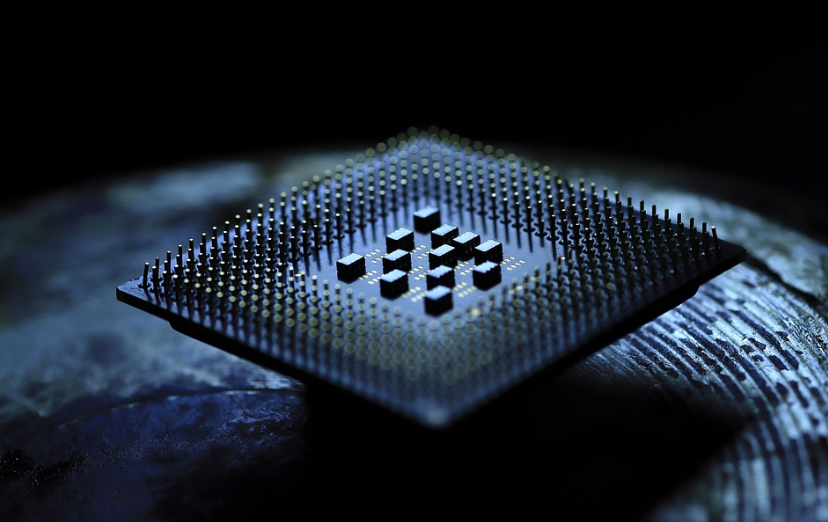
According to their functions and roles, we typically classify chips into:Computing chips, storage chips, communication chips, sensing chips, energy chips, interface chips and others.
05
Components of Chips
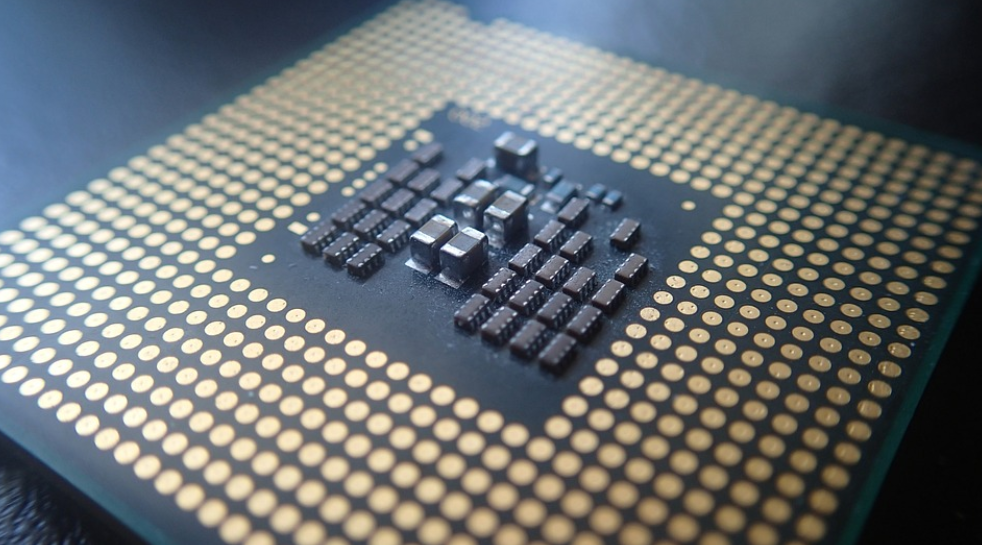
Transistor
Transistors are the most basic components in chips, capable of amplifying or switching electronic signals. Modern chips contain hundreds of millions to billions of transistors.
Resistor
Used to limit the flow of current and adjust voltage and current.
Capacitor
Used to store and release charge, can filter, couple, or decouple signals in circuits.
Inductor
Although less common in silicon chips than other components, inductors can be used for filtering and energy storage.
Diode
Devices that allow current to flow in one direction, used for rectification, circuit protection, etc.
Interconnect
Includes metal wires and vias that connect various components on the chip, forming circuits.
MOSFET (Metal-Oxide-Semiconductor Field-Effect Transistor)
These are special transistors widely used in digital logic circuits.
CMOS (Complementary Metal-Oxide-Semiconductor)
Composed of NMOS and PMOS transistors, it forms the basis of digital integrated circuits.
Logic Gates
Such as AND, OR, NOT, etc., are the basic units for constructing complex circuits.
Memory Cells
Such as DRAM, SRAM, etc., used for data storage.
Sensors
Some chips may contain sensors for temperature, pressure, light, etc.
06
Why Are Chips Considered Complex
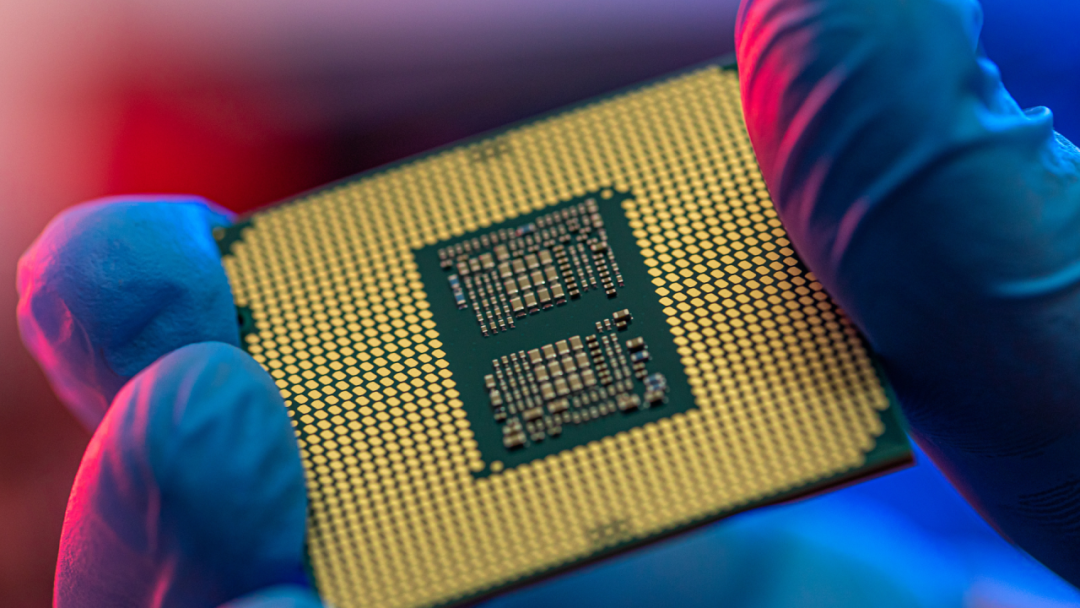
The complete process of chip manufacturing includes:chip design, chip manufacturing, packaging, testing and several other major steps, each of which embodies technology and science.
Chip Design
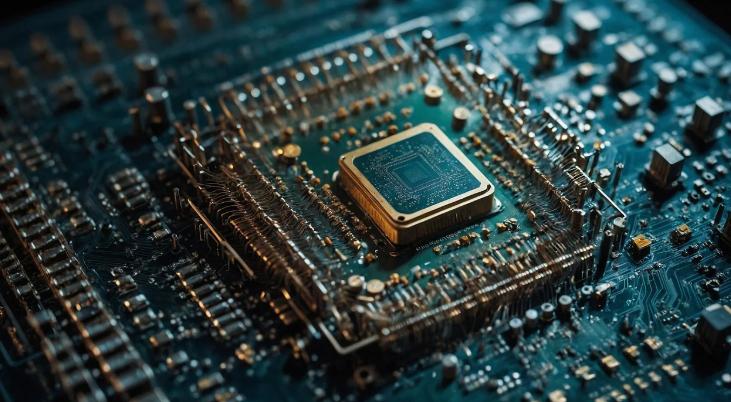
A key process closely linked to the design phase is the EDA (Electronic Design Automation) software, known as the “mother of chips.” This software is essential in the chip design process, and the algorithms of EDA software directly determine the quality of chip design, making it a critical area in the chip industry that is often subject to bottlenecks.
Chip Manufacturing
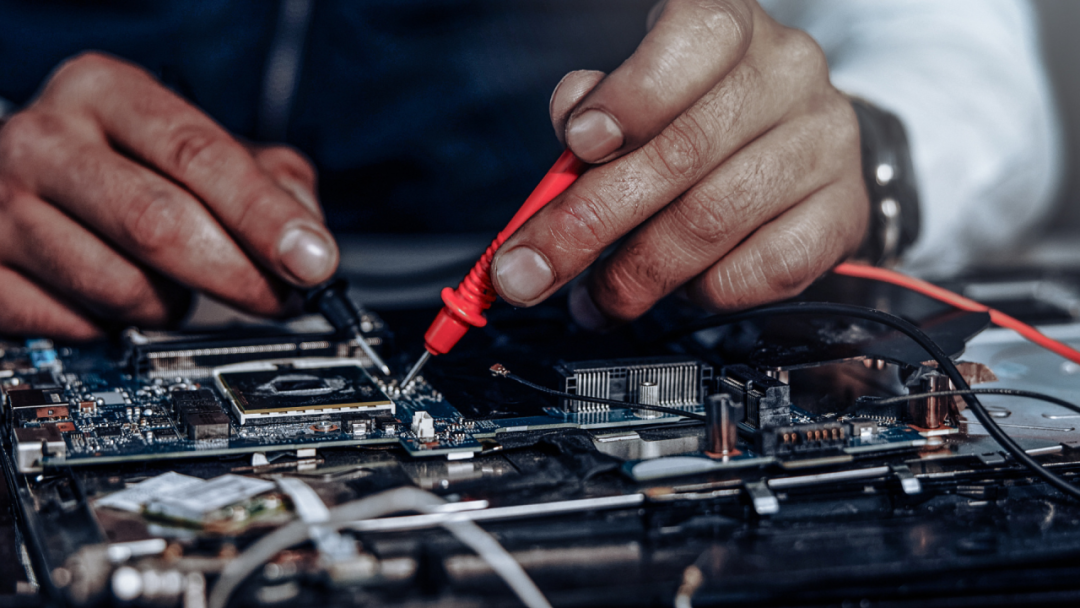
Chip manufacturing involves creating chips on silicon wafers from scratch according to the layout design through thousands of process steps.
Packaging and Testing
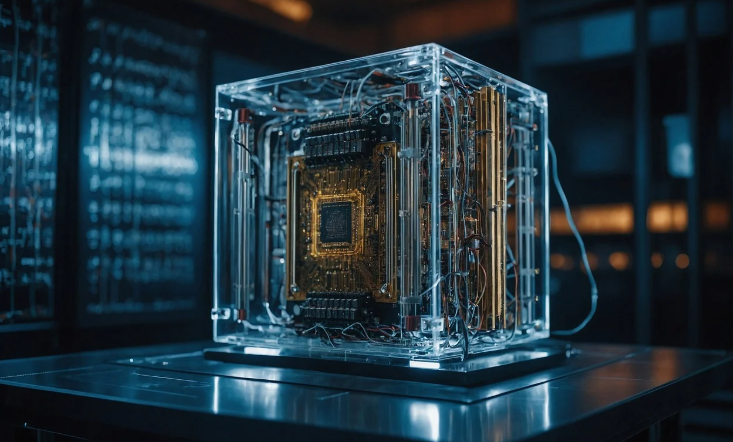
Packaging is the final step in chip manufacturing, where the chip is encapsulated for protection and performance testing, completing the manufacturing process. The domestic packaging industry started early and developed rapidly, currently possessing a certain level of competitiveness globally.
Every step in chip production requires highly advanced technical support, and each stage has leading enterprises and countries that dominate the cutting-edge processes. Therefore, China still faces significant challenges in achieving high-end chip manufacturing.
【Disclaimer】The article reflects the author’s personal views and does not represent the position of Ximai Technology. If there are issues regarding the content or copyright of the work, please contact Ximai Technology within 30 days of publication for deletion or negotiation of copyright usage..