What is the final destination of waste circuit boards?
Waste circuit boards are classified as hazardous waste, with the national hazardous waste code being 900-045-49. The types of circuit boards are complex and varied, with significant differences in the composition and content of various components and materials. So how should they be classified?
They can be divided into three main categories:
① Metal materials: over 90% is Cu, with small amounts of precious metals such as Ag, Pd, and Au;
② Halogen-containing epoxy resins and other organic polymers;
③ Ceramics and fiberglass primarily composed of silicon and aluminum oxides.
If effective recycling and treatment are not achieved, it will cause secondary pollution to the environment. However, the variety of metals in circuit boards is dozens to hundreds of times that found in ordinary minerals, with metal content exceeding 40%. The most abundant metal is copper, followed by gold, silver, palladium, tin, nickel, lead, and others. The concentration of rare precious metals is significantly higher than that of naturally occurring rich metal ores, earning it the title of “urban mine.” The harmless treatment and resource recovery of waste circuit boards is a pressing issue that needs to be addressed.
Where do discarded circuit boards go?
The sources of waste circuit boards in China mainly come from three aspects: the disposal of electronic and electrical products, by-products and scraps generated during the circuit board production process, and imported waste circuit boards from abroad.
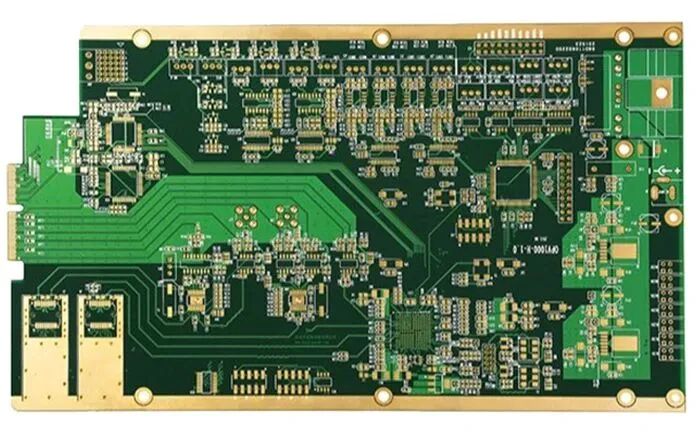
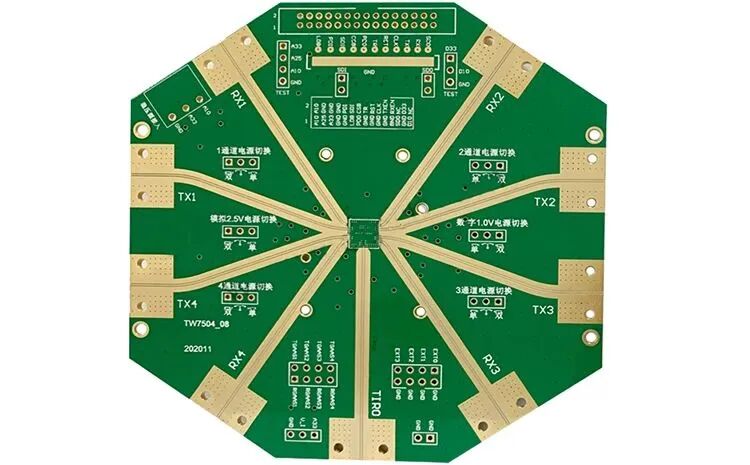
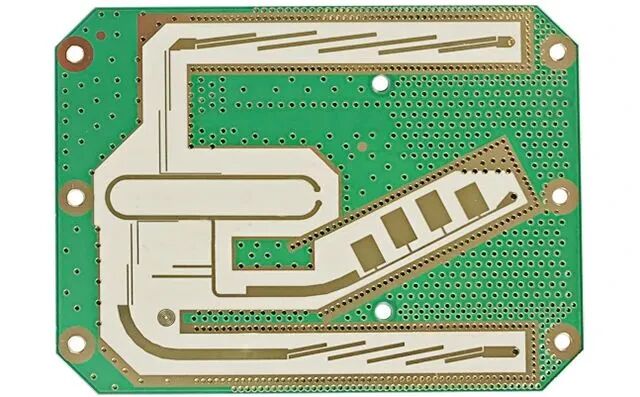
The two main processing aspects of domestic waste circuit boards
Pre-treatment and smelting. The purpose of pre-treatment is to separate metals from non-metals, with common methods including physical mechanical methods, incineration, and high-temperature pyrolysis. The goal of smelting is to purify and recover metals, with common methods being hydrometallurgy and pyrometallurgy. Each of these methods has its advantages and disadvantages, and the appropriate process should be selected based on specific circumstances.
In addition to domestic processing, some waste circuit boards are exported to other countries, such as India, Malaysia, and Vietnam, for reuse or treatment.