In the field of automation control, both PLC (Programmable Logic Controller) and microcontrollers are extremely important control devices, each possessing unique advantages and disadvantages suitable for different application scenarios.
Advantages of PLC
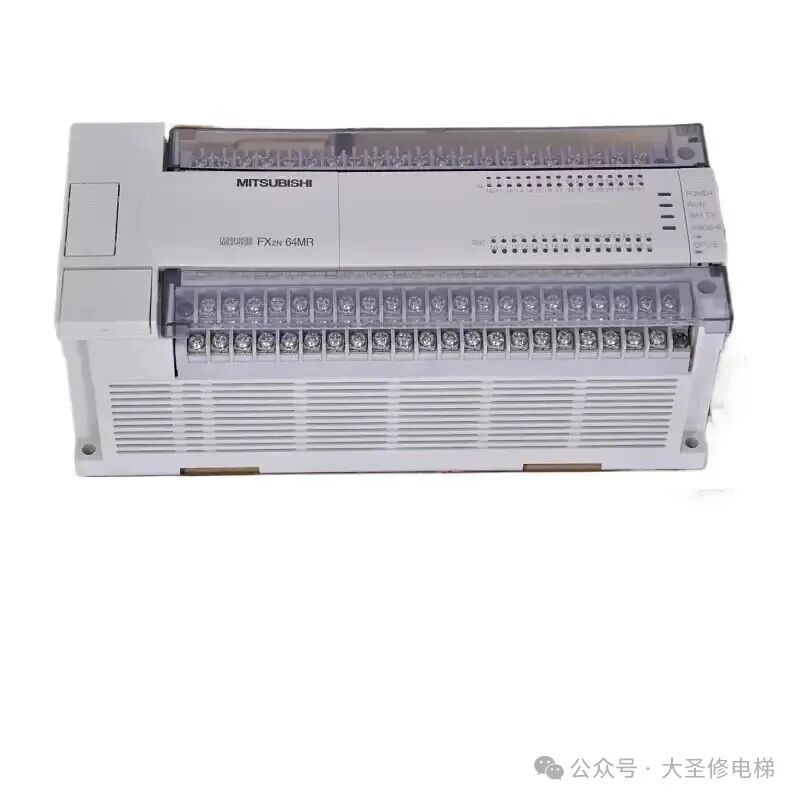
1. Simple programming and easy to learn: PLC uses a ladder diagram programming method similar to relay control circuit diagrams, which is intuitive and easy to understand. Engineers familiar with electrical control can quickly start programming without needing to learn complex programming languages, significantly shortening the development cycle.
2. High reliability: PLCs are designed specifically for industrial environments and have strong anti-interference capabilities. Their hardware structure is meticulously designed, employing redundancy and isolation technologies to effectively resist electromagnetic interference, temperature changes, humidity, and other harsh industrial environmental factors, ensuring long-term stable operation and reducing downtime caused by failures.
3. Strong flexibility: The modular design of PLCs makes system expansion very convenient. When production processes or control requirements change, it is only necessary to add or replace the corresponding modules without making large-scale modifications to the entire system. Whether increasing input/output points or adding special function modules, it can be easily achieved to meet different scales and complexities of control needs.
4. Convenient maintenance: Due to the modular structure of PLCs, when a fault occurs, maintenance personnel can quickly locate and replace the faulty module, rapidly restoring system operation. Additionally, PLCs have self-diagnostic functions that can monitor system operation status in real-time, promptly detect and alarm faults, reducing maintenance difficulty and costs.
Disadvantages of PLC
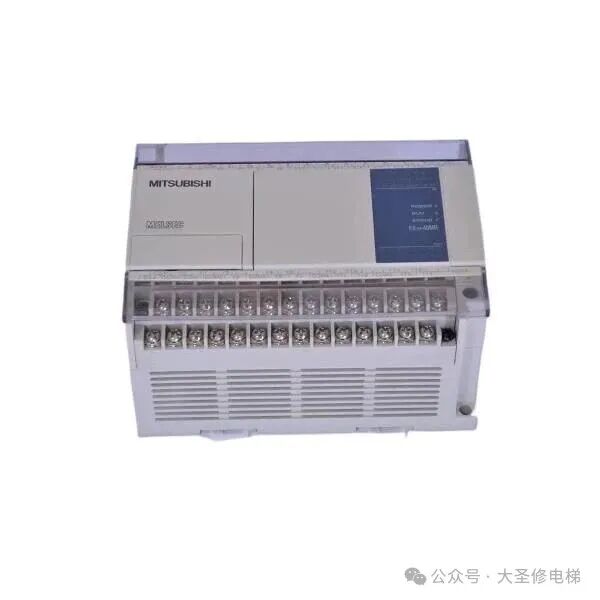
1. Higher cost: Compared to microcontrollers, the hardware cost of PLCs is relatively high, especially for small control systems, where using a PLC may significantly increase costs. This is because PLCs integrate multiple functional modules, and their hardware design is relatively complex, leading to higher prices.
2. Lower customization: Although PLCs have certain flexibility, in some special application scenarios, their functions may not fully meet personalized needs. Since PLCs are general-purpose products, their functions and architecture are relatively fixed, and achieving highly customized control logic may be limited.
3. Relatively slower processing speed: When processing complex algorithms or large amounts of data, PLCs are relatively slower. This is because their primary design purpose is for logical control, and data processing capability is not their strong suit. For high-speed data processing tasks that require real-time performance, PLCs may struggle to meet the demands.
Advantages of Microcontrollers
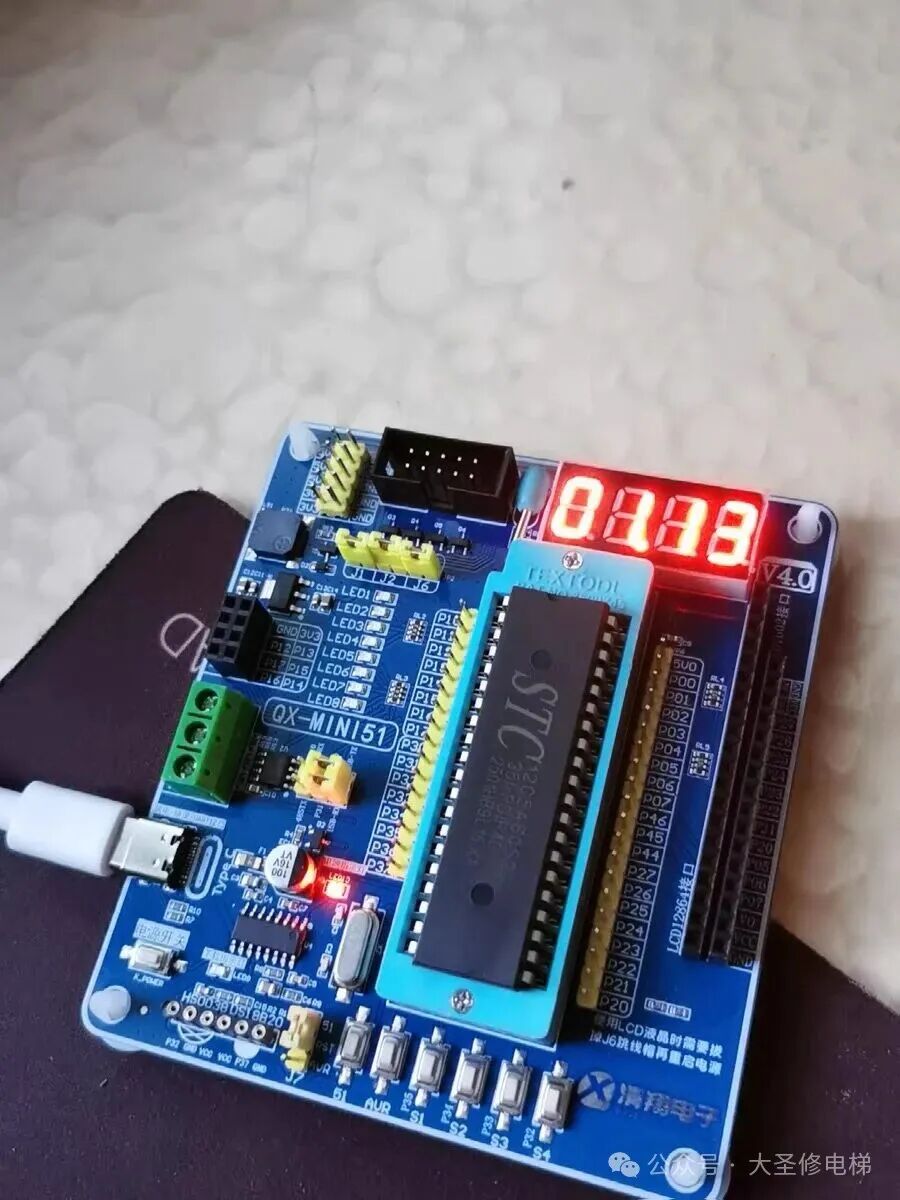
1. Low cost: Microcontrollers are small in size and highly integrated, making their hardware costs low. For cost-sensitive application scenarios, such as consumer electronics and small smart devices, microcontrollers are an ideal choice, effectively controlling product costs while ensuring functionality.
2. Strong flexibility and customization: Microcontrollers can be customized in hardware and software design according to specific application needs. Engineers can select suitable microcontroller models based on actual functional requirements and design peripheral circuits, writing personalized software programs to achieve highly customized control functions that meet various unique application needs.
3. Fast processing speed: When handling specific tasks, microcontrollers can leverage their high-speed computing advantages. Through reasonable program optimization and hardware configuration, microcontrollers can quickly process data and execute instructions, suitable for control scenarios with high real-time requirements, such as high-speed data acquisition and motor control.
Disadvantages of Microcontrollers
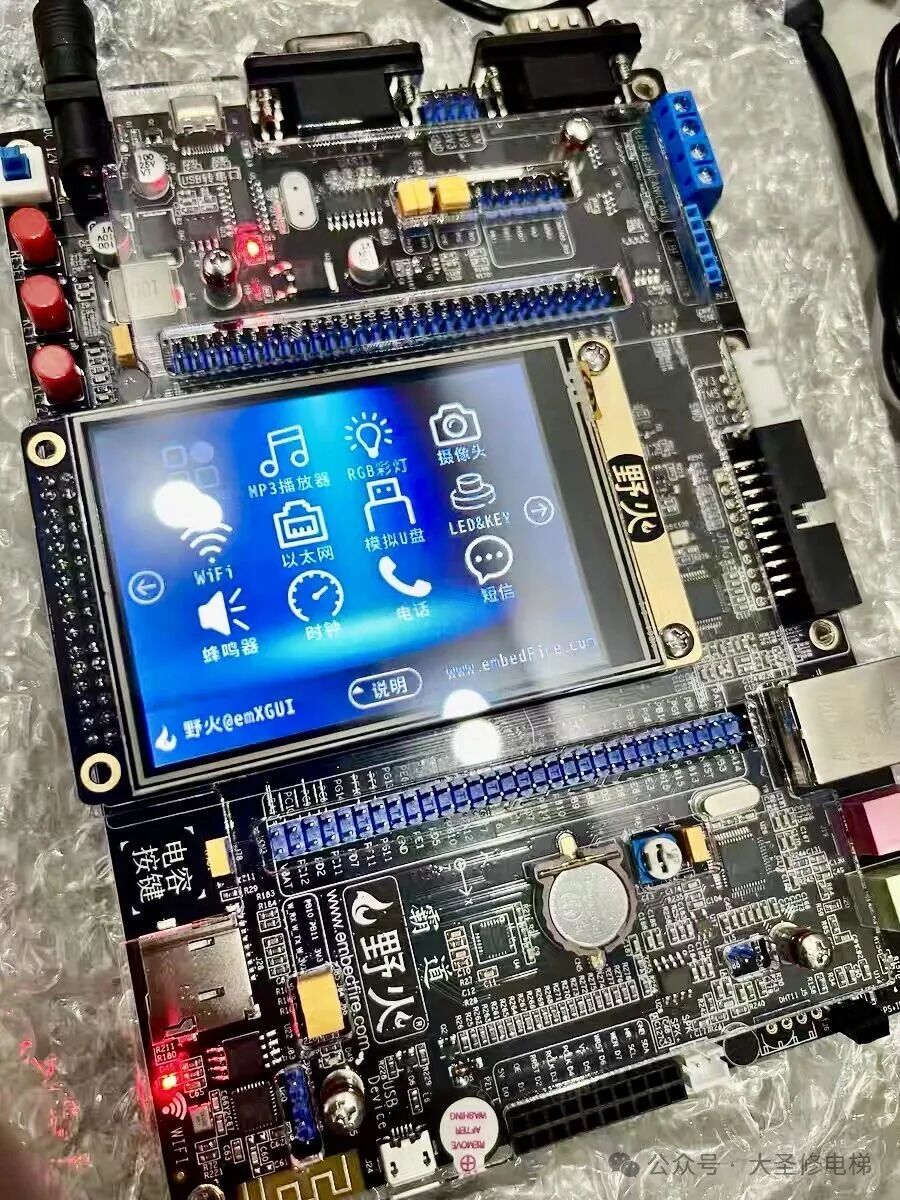
1. Higher programming difficulty: Programming microcontrollers typically requires mastery of programming languages such as C and assembly language, as well as a deep understanding of hardware structure. Compared to PLC ladder diagram programming, microcontroller programming is more challenging, requiring stricter professional knowledge and skills from developers, resulting in a longer development cycle.
2. Relatively lower reliability: Microcontrollers are generally not designed specifically for industrial environments. Although reasonable design and protective measures can improve their anti-interference capabilities, their reliability in harsh industrial environments is still inferior to that of PLCs. For example, in environments with strong electromagnetic interference, high temperatures, and high humidity, microcontrollers may experience issues such as program runaway and data loss.
3. Higher development and maintenance costs: Since microcontroller development involves multiple stages such as hardware design, software programming, and debugging, it requires higher qualifications from developers, leading to relatively high development costs. Additionally, during the product maintenance phase, due to the high degree of customization of microcontroller systems, troubleshooting and repair can be more challenging, thus increasing maintenance costs.
In summary, PLCs are suitable for industrial automation scenarios that require high reliability, stability, and versatility, while microcontrollers are more suitable for cost-sensitive applications with high demands for flexibility and customization, such as consumer electronics and small smart devices. In practical applications, the choice between PLC and microcontroller should be comprehensively considered based on specific project requirements, cost budgets, and operating environments.