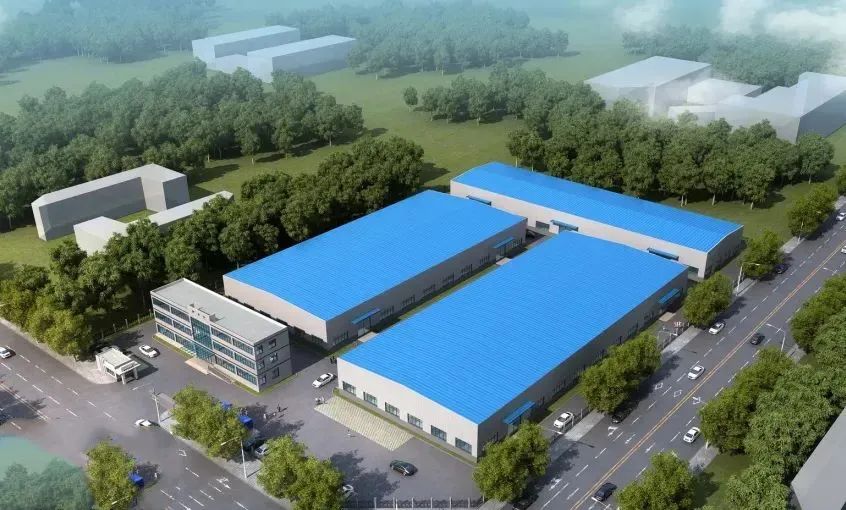
As the electronic manufacturing industry continues to raise its standards for cleanliness in production environments, many older circuit board clean rooms are struggling to meet modern process requirements. Common issues in these outdated workshops include aging equipment, insufficient cleanliness, high energy consumption, and unreasonable layouts, all of which directly affect product quality and production efficiency.
How can we revitalize old workshops through renovation and upgrades? This article will explore several dimensions to provide practical references for electronic manufacturing enterprises.
1. Common Pain Points of Old Circuit Board Clean Rooms
1. Insufficient Cleanliness
Early design standards were low and cannot meet current ISO 14644-1 or GMP requirements for air cleanliness.
The aging filtration system and untimely replacement of HEPA/ULPA filters lead to excessive particulate matter.
2. High Energy Consumption and Operating Costs
The air conditioning system is inefficient, and temperature and humidity control is inaccurate, resulting in energy waste.
Lighting equipment has not adopted energy-saving technologies, leading to high long-term operating costs.
3. Unreasonable Layout and Low Space Utilization
The planning of production lines and clean areas is chaotic, resulting in low material flow efficiency.
Lack of flexible adjustment space makes it difficult to adapt to new product or process upgrade requirements.
4. Safety Hazards and Compliance Risks
Aging safety facilities such as anti-static, explosion-proof, and fire safety systems pose risks of production accidents.
Failure to pass the latest industry standard certifications (e.g., ISO 9001, IATF 16949).
2. Core Strategies for Renovation and Upgrading
1. Accurate Assessment and Demand Definition
Current Status Diagnosis: Use professional testing equipment (such as particle counters and anemometers) to assess cleanliness, temperature, humidity, and pressure differential parameters in the workshop.
Demand Alignment: Clearly define renovation goals (e.g., ISO Class 7 to ISO Class 5) based on production processes (such as SMT assembly and packaging testing).
2. Air Purification System Upgrade
Efficient Filtration: Replace HEPA/ULPA filters and optimize airflow organization (unidirectional flow or turbulent flow).
Intelligent Monitoring: Deploy sensors to monitor PM2.5, temperature, humidity, and pressure differentials in real-time, linking to control systems for automatic adjustments.
3. Energy-Saving and Intelligent Renovation
Air Conditioning System Optimization: Use variable frequency technology and heat recovery devices to reduce energy consumption by over 30%.
Lighting Upgrade: Replace with LED explosion-proof lights and implement smart sensing controls to achieve “lights on when people are present, lights off when people leave.”
Digital Management: Introduce MES systems to achieve linked analysis of production data and purification parameters.
4. Space Layout and Process Optimization
Modular Design: Use removable partitions and mobile workstations to enhance spatial flexibility.
Logistics Flow Planning: Reduce the risk of cross-contamination and improve material turnover efficiency.
5. Enhancing Safety and Compliance
Anti-Static Renovation: Install anti-static flooring and workstations, and use ion blowers to eliminate static electricity.
Fire Safety Upgrade: Add gas fire extinguishing systems, emergency lighting, and evacuation indicators.
Certification Support: Assist enterprises in obtaining international certifications such as ISO 14644, CE, and UL.
3. Common Misconceptions and Recommendations for Renovation and Upgrading
Misconception 1: Blindly Pursuing High Cleanliness
Recommendation: Set cleanliness levels reasonably based on product process requirements (e.g., micron-level/nanometer-level circuit boards) to avoid excessive investment.
Misconception 2: Ignoring Long-Term Operating Costs
Recommendation: Prioritize energy-saving equipment (such as EC fans and magnetic levitation compressors) and balance initial investment with long-term returns through ROI analysis.
Misconception 3: Production Risks During Renovation
Recommendation: Use phased construction and modular renovation to minimize impact on production.
In the context of increasing industry competition and stricter environmental requirements, upgrading old circuit board clean rooms is not only a necessary means to improve product quality but also a key path for enterprises to reduce costs and increase efficiency, achieving sustainable development. Through scientific planning, technological innovation, and refined management, old workshops can be revitalized and become a part of the core competitiveness of enterprises.
Images and text sourced from the internet
For communication and learning purposes only
If there are any copyright issues, please contact us for resolution
-END-
For more information, please follow our official account
Business consultation phone: 13310820278 / 0769-23287701
Fax: 0769-23287702