Can the human brain be printed?
That’s right!
The brain printed using 3D printing technology can not only communicate with each other
but also grow and function just like normal brain tissue.
This is not “science fiction”
but rather a real research achievement!
Breaking News
On February 1, 2024, a team led by Zhang Suchun at the University of Wisconsin-Madison published a research paper titled: 3D bioprinting of human neural tissues with functional connectivity in the journal Cell Stem Cell.
This research developed the first functional human brain tissue printed in 3D, which is significant for studying the brain and treating a wide range of neurological and neurodevelopmental disorders (such as Alzheimer’s disease and Parkinson’s disease).
While our understanding of 3D printing technology has only reached the point of printing a “small screw”, it has actually evolved into a very advanced manufacturing tool, showcasing its capabilities in many fields.
What exactly is this technology? Why does it have such a significant impact? What implications does it hold for our social lives?
Part 01
What is 3D Printing Technology?
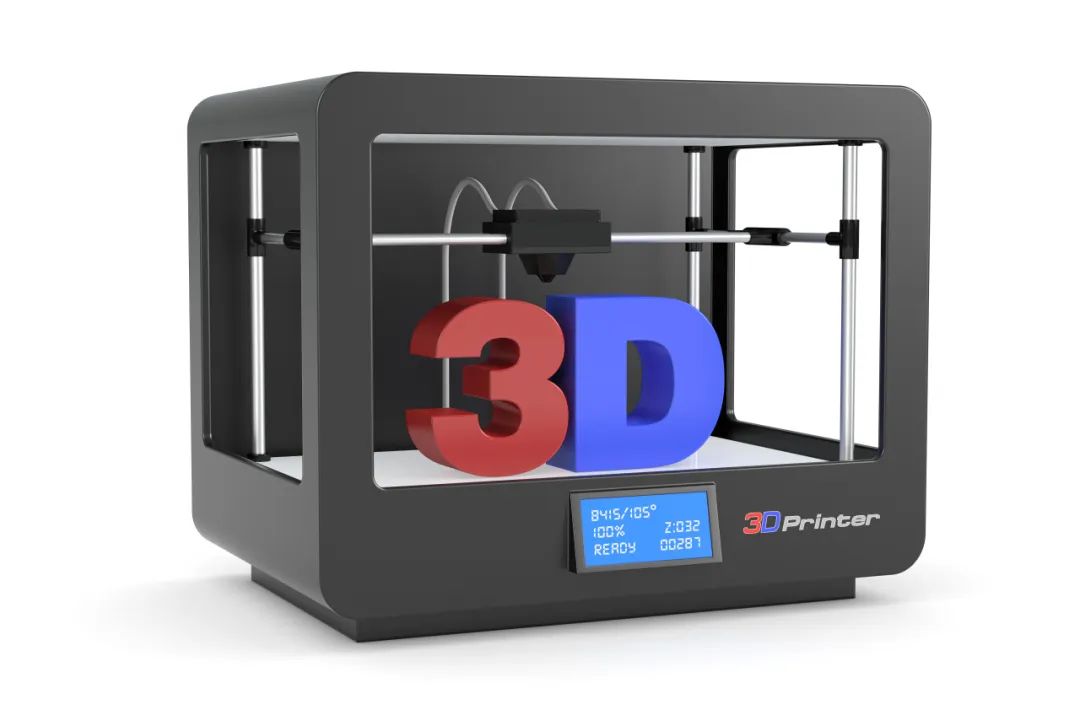
3D printing technology, also known as “additive manufacturing” or “rapid prototyping” technology, is a process that manufactures parts or objects based on three-dimensional model data, using a print head, nozzle, or other printing technologies to accumulate materials.
Just like the magical scenes in the animated film we watched as kids, “The Magic Brush”, where a brush can transform 2D into 3D, this has now become a tangible reality.
When it comes to printing materials, 3D printing is no longer limited to traditional paper and ink, but has expanded to includetitanium alloys, resins, human cells, and many other materials, making printing diverse and rich.
Thus, its application fields have also become increasingly broad. So, what new applications of 3D printing technology have emerged in our daily lives today?
Part 02
Applications of 3D Printing Technology
3D Printing: A New Boost for Aerospace Dreams
On June 17, 2021, the Long March 2F Yao 12 carrier rocket lifted off, carrying the Shenzhou 12 manned spacecraft with three astronauts into space. The 7103 Factory manufactured the core stage engine, second stage engine, and booster engine used in this rocket, and used 3D printing technology to manufacture the engine thrust chamber baffle reinforcement ribs.
By replacing the investment casting process with 3D printing technology, the manufacturing cycle of the reinforcement ribs was shortened by 75%, the pass rate increased to 98%, and costs were reduced by 30%, achieving rapid advancements in aerospace liquid propulsion technology and manufacturing capabilities.

3D Printing: A Hot Commodity in Medicine
In the field of orthopedic medical devices, 3D printing technology has basically met the needs for customized artificial prosthetics and bone defect repair materials for orthopedic patients and has been certified by relevant medical management departments.
The functionality of 3D printed personalized metal prosthetics has already enabled a shift in orthopedic surgery from a “cutting corners” approach to a “tailored-fit” treatment model, providing patients with better treatment outcomes and quality of life, achieving a true sense of “personalization” and “precision” in treatment.
Moreover, 3D printing technology is also highly sought after in the field of organ transplantation, where doctors can create models of patients’ wounds using 3D printing to plan surgical procedures. Health professionals can also create specially adapted prosthetics or artificial limbs.
3D Printing: A New Experience in Electronics
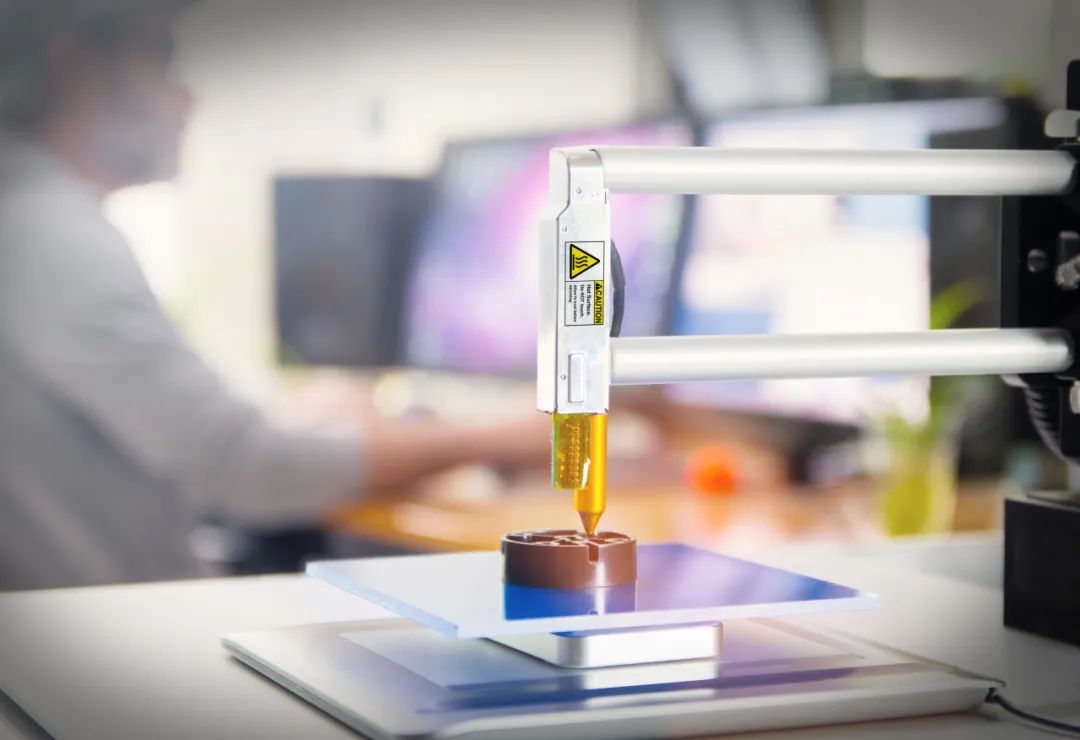
The Honor Magic V2, which was released, has the hinge’s axle cover made using titanium alloy 3D printing technology, with a thickness of 10.54 mm and a weight of 235.60 grams, making it 1.37 mm thinner and 8.59 grams lighter than the previous lightest foldable screen phone, the Huawei Mate X3 (leather version), achieving a significant breakthrough in product lightweighting.
Additionally, as the demand for personalized consumer electronics continues to rise, more consumers hope to customize products according to their preferences and needs. Through 3D printing, consumers can choose different appearances, materials, and functions to customize electronic products, gaining a better user experience.
3D Printing: A Great Helper in Cultural Heritage Protection
Staff can use 3D scanners to collect information around cultural relics, and then print a 1:1 plaster model using a 3D printer, and use that model to create silicone protective covers, employing a box method to extract cultural relics. For example, the restoration of the Kizil Caves in Xinjiang, the Terracotta Warriors, and the cultural relics and statues from the ancient city of Palmyra in Syria are all typical cases of combining 3D printing technology with cultural heritage protection.
3D Printing: A Driving Force for Technological Transformation
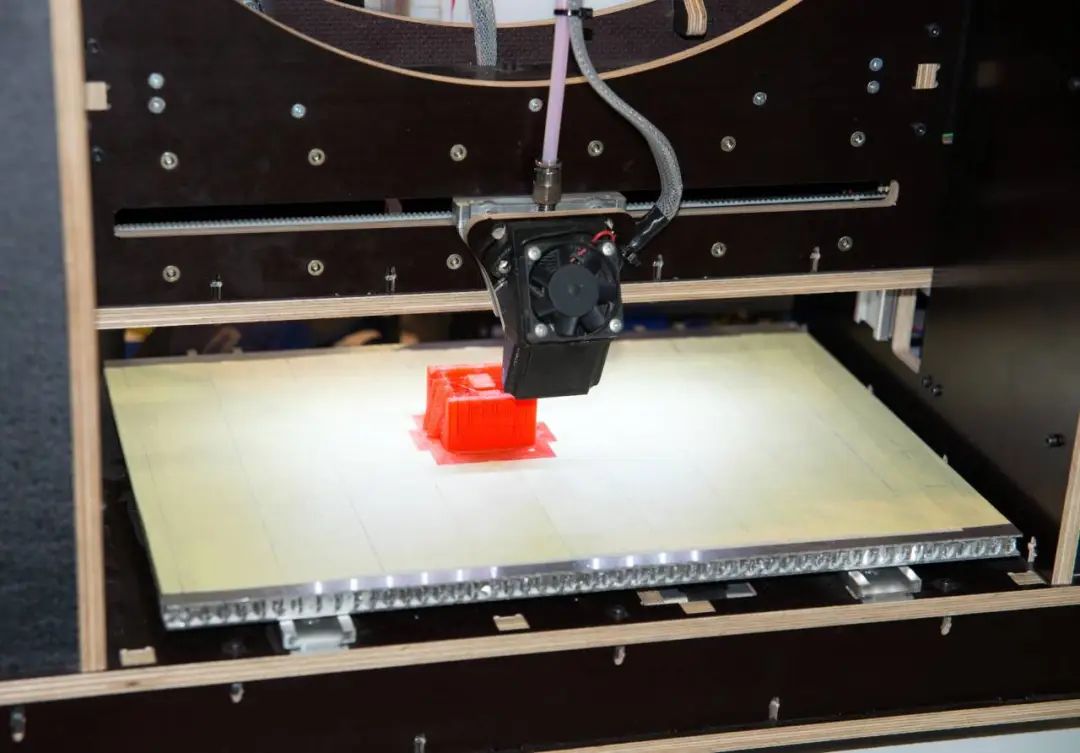
A research team led by Zhang Yong, Xiao Min, and Zhu Shining from Nanjing University has invented a new type of “non-reciprocal femtosecond laser polarized ferroelectric domain” technology, which focuses femtosecond pulse lasers inside the crystal of the material “lithium niobate”, forming an effective electric field within the crystal by controlling the direction of the laser movement, achieving direct writing and erasure of three-dimensional structures.
This major invention may open up new avenues for photonic chip manufacturing, with broad application prospects in 5G/6G communications, optical computing, and artificial intelligence.
Future Prospects
It can be seen that 3D printing technology has rich application scenarios in aerospace, automotive, medical, cultural creativity, and other fields, bringing new development possibilities.
As technology continues to mature, 3D printing will extend into a more specialized industrial chain division, including product design services, specialized material suppliers, professional printing companies, third-party testing and verification service providers, and other upstream and downstream enterprises, jointly driving the continuous development and growth of this new technology industry. Let us wait and see, in the near future, how 3D printing technology can be better applied in our daily social lives, benefiting all humanity.
Content Source: China Science Daily, China Popular Science Preview, Healthy China, Jiangsu Business Daily, Institute of Physics, Chinese Academy of Sciences
Image Source: Baotu Image Material Library
The views of institutions and experts do not represent the position of this public account.