The Development Potential of Additive Manufacturing (3D Printing) in the Low Altitude Economy
In recent years, the low altitude economy has emerged as a new engine for global economic growth, rapidly reshaping the industrial landscape. From drone logistics to urban air mobility (UAM), and from emergency rescue to environmental monitoring, the low altitude economy not only creates a trillion-dollar market but also imposes new demands on manufacturing for lightweight, rapid response, and customization. In this context, additive manufacturing (3D printing), with its technical characteristics, has become a key force driving the high-quality development of the low altitude economy. The deep integration of the two not only addresses the pain points of traditional manufacturing but also opens up infinite possibilities for technology-enabled scenarios.
The Rise of the Low Altitude Economy: A Triple Resonance of Policy, Technology, and Market
The explosive growth of the low altitude economy is driven by the collaborative forces of policy support, technological innovation, and market demand. In 2023, China’s low altitude economy scale surpassed 500 billion yuan, with a growth rate of 33.8%. It is expected that by 2025, the market size will reach 1.5 trillion yuan, and by 2035, it may exceed 3.5 trillion yuan. Behind this growth is the strong push from central and local governments: in 2021, “low altitude economy” was first included in the “National Comprehensive Three-Dimensional Transportation Network Planning Outline,” and in the 2024 government work report, it was listed as a strategic emerging industry. Nearly 30 provinces across the country have introduced special policies to support it. Regions represented by Shanghai and the Yangtze River Delta have explored commercialization paths through pilot projects such as opening intercity “flying” routes and building low altitude smart networks.
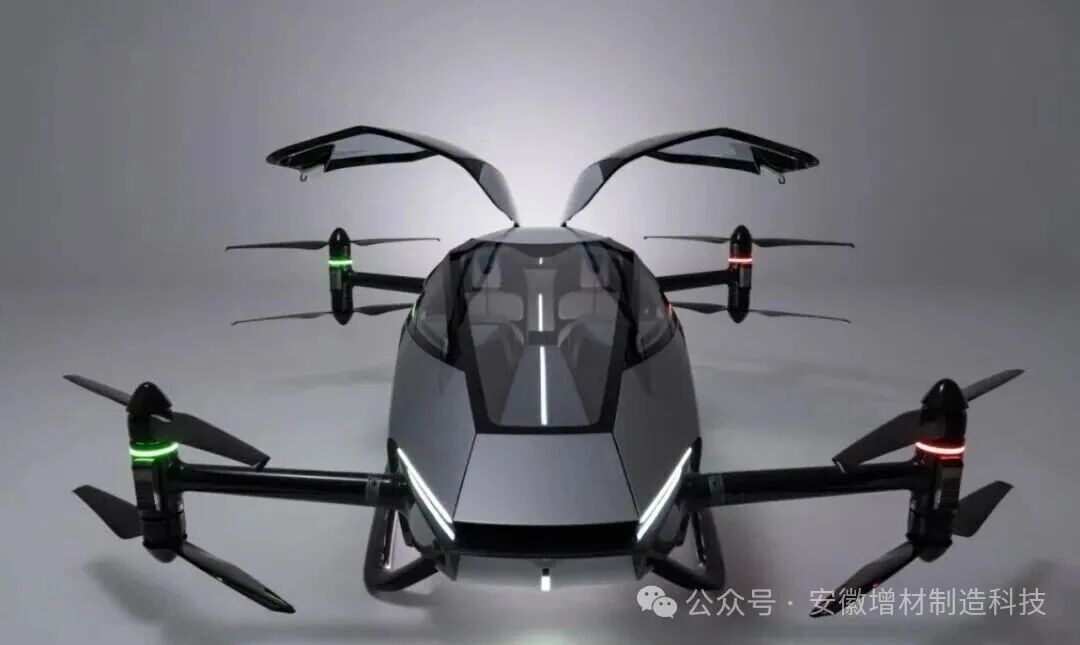
At the same time, breakthroughs in technologies such as drones and electric vertical takeoff and landing vehicles (eVTOL) have injected new momentum into the low altitude economy. For example, eVTOL can take off and land vertically without a runway, making it suitable for urban air traffic; drones are widely used in logistics delivery and agricultural protection. However, the demand for lightweight and complex structural components manufacturing poses challenges to traditional processes—high mold costs, long production cycles, and significant material waste. This is precisely where the technical advantages of additive manufacturing lie.
Additive Manufacturing: The “Key” to Solving Manufacturing Pain Points in the Low Altitude Economy
The core value of additive manufacturing lies in “design freedom” and “efficiency revolution.” In traditional manufacturing, complex structural components often require multiple processes for assembly, while additive manufacturing can directly print high-performance parts such as integrated cooling channels and lightweight lattice structures layer by layer. Taking eVTOL as an example, over 70% of its fuselage is made of carbon fiber composite materials, which traditionally require extensive cutting and assembly, whereas additive manufacturing can directly form using carbon fiber powder, not only reducing material waste but also enabling topological optimization design, further reducing weight and enhancing strength.
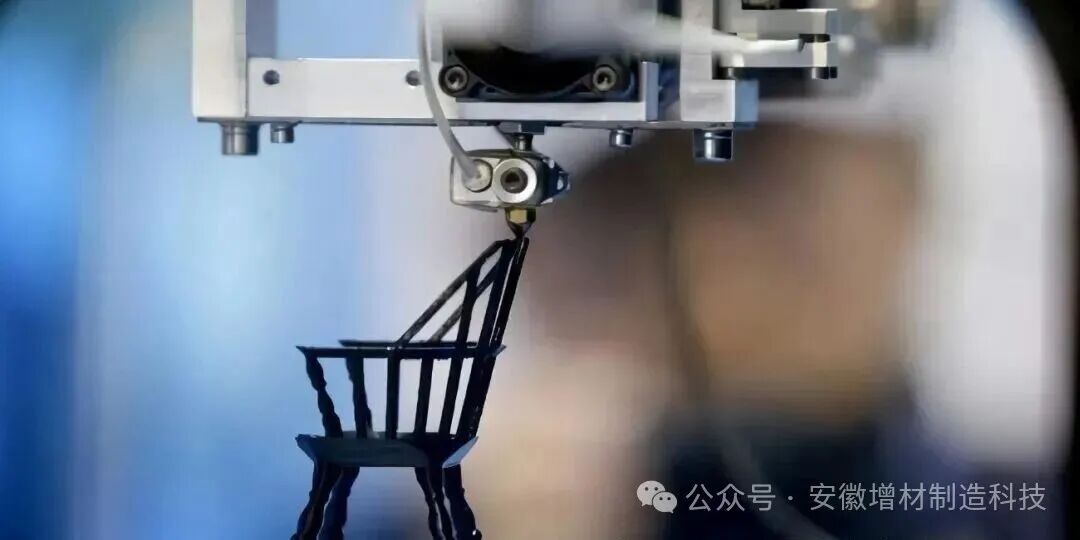
In terms of efficiency, the “mold-free” characteristic of additive manufacturing significantly shortens production cycles. For instance, Daimler Group completed the production of large injection molds within three days using arc additive manufacturing technology, while traditional methods take several weeks. This rapid response capability is particularly important in scenarios where the low altitude economy emphasizes flexible supply. Additionally, the distributed manufacturing model supports the establishment of localized printing centers around general airports and drone takeoff and landing sites, enabling on-demand production of spare parts and addressing maintenance challenges in remote areas.
Technology-Enabled Scenarios: Full-Chain Innovation from Manufacturing to Service
The diversity of the low altitude economy provides rich application scenarios for additive manufacturing. In the field of aircraft manufacturing, 3D printing has been used for key structures such as drone frames and eVTOL engine components. For example, SpaceX’s Raptor rocket engine reduces the number of parts through additive manufacturing, enhancing thrust and reliability, and this experience can be directly transferred to the development of low altitude aircraft. In the maintenance sector, companies can digitize parts storage and achieve emergency repair needs through localized printing. Daimler has produced over 100,000 bus spare parts using this model, reducing inventory costs by 40%.
Moreover, it is noteworthy that additive manufacturing is driving innovation in service models. In the low altitude tourism sector, sightseeing helicopters can customize ergonomic seats through 3D printing; in medical rescue, drones can carry 3D printed specialized equipment brackets. Additionally, green manufacturing closed-loop systems are becoming a new trend—utilizing the low waste characteristics of additive manufacturing combined with recycling material technology can achieve sustainable production of aircraft components.
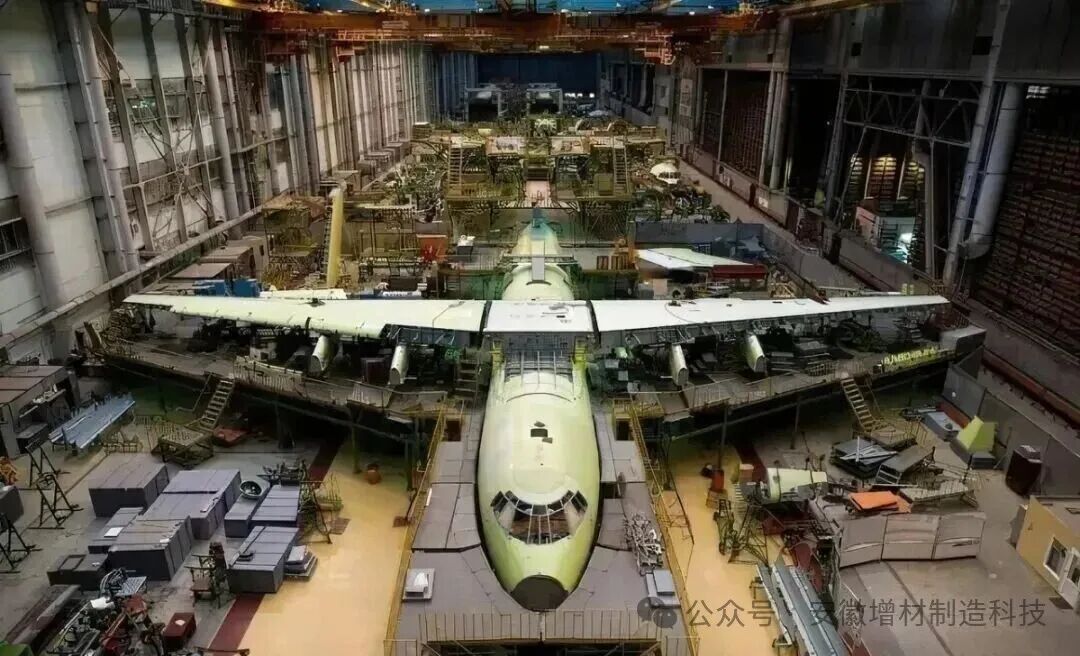
The vast potential of the low altitude economy calls for the innovative power of the manufacturing industry. Additive manufacturing, with its technical characteristics, not only addresses the core demands for lightweight and rapid response but also reconstructs the industrial ecosystem through model innovation. As policy dividends are released (such as the U.S. Department of Defense’s additive manufacturing expenditure exceeding $800 million in 2024) and continuous technological breakthroughs (such as the development of multi-axis printing equipment), the synergistic effect of the two will create a trillion-dollar market. In this “aerial revolution,” those who can break through technological barriers and build an industrial ecosystem will seize the high ground in the blue ocean of the low altitude economy.