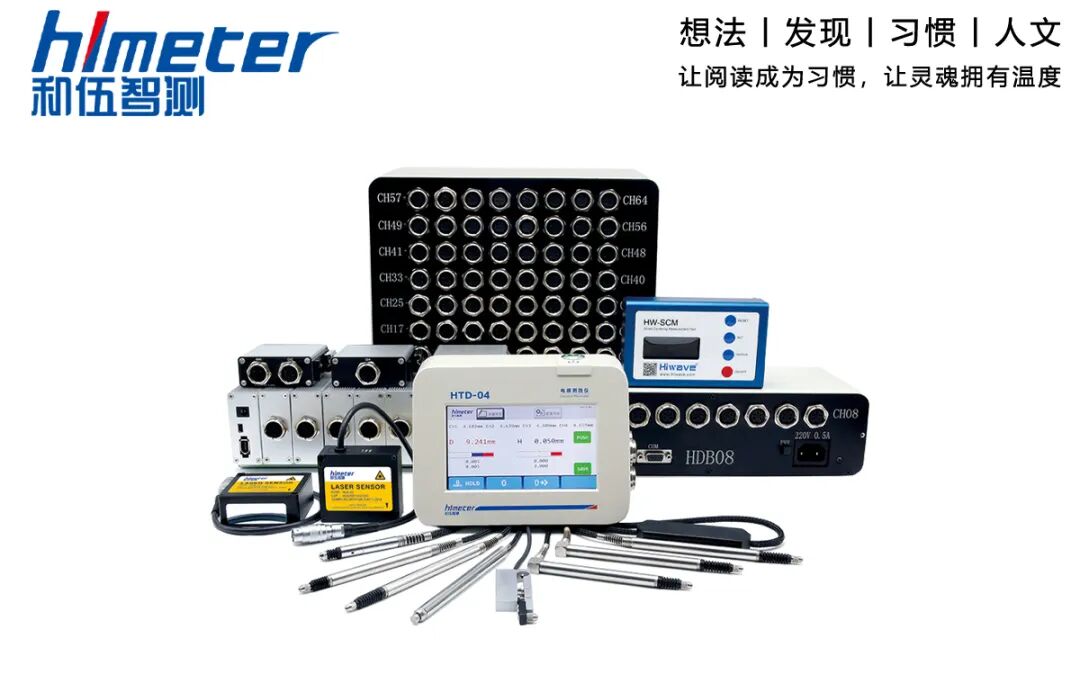
 In fields such as precision manufacturing, aerospace, and machining, the accuracy of displacement measurement directly affects product quality and production efficiency. In this pursuit of precision, the LVDT inductive displacement sensor has become an indispensable tool due to its outstanding performance. So, what is the working principle of this sensor? How does it achieve micron-level high precision measurement? Today, let us explore the technical secrets of LVDT sensors together.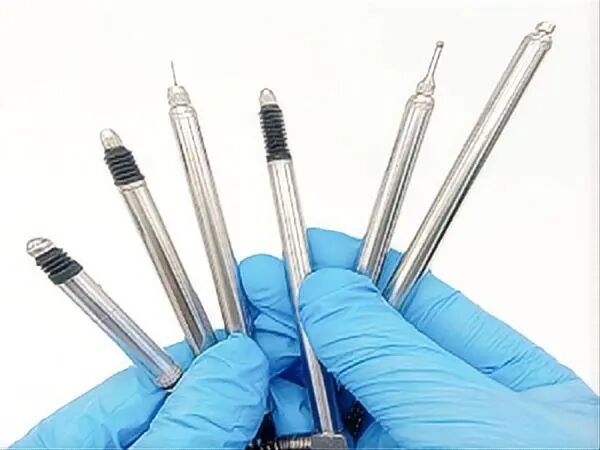
Working Principle of Inductive Displacement Sensors
As the name suggests, the core principle of inductive displacement sensors is based on electromagnetic induction, specifically the law of electromagnetic induction—when the magnetic flux passing through a closed circuit changes, an induced electromotive force is generated in the circuit.This sensor consists of a core and a coil, which can convert the changes in linear or angular displacement into changes in the inductance of the coil. When the object being measured displaces, it causes a change in the geometric dimensions of the coil’s magnetic circuit, thereby altering the inductance. When the coil is connected to a measurement circuit and powered, a voltage or current output proportional to the displacement input can be obtained.Common types of inductive sensors include three main types: variable gap type, variable area type, and tubular core type. Among them, the variable gap type changes the magnetic resistance by altering the air gap, offering high sensitivity but a smaller range; the variable area type changes the magnetic resistance by altering the relative coverage area between the core and the armature, providing good linearity; while the tubular core type utilizes changes in magnetic resistance along the leakage path of the coil’s magnetic field lines, offering a large range and simple structure. In practical applications, these three types of sensors are often made into differential types to significantly improve linearity and reduce additional errors caused by electromagnetic attraction.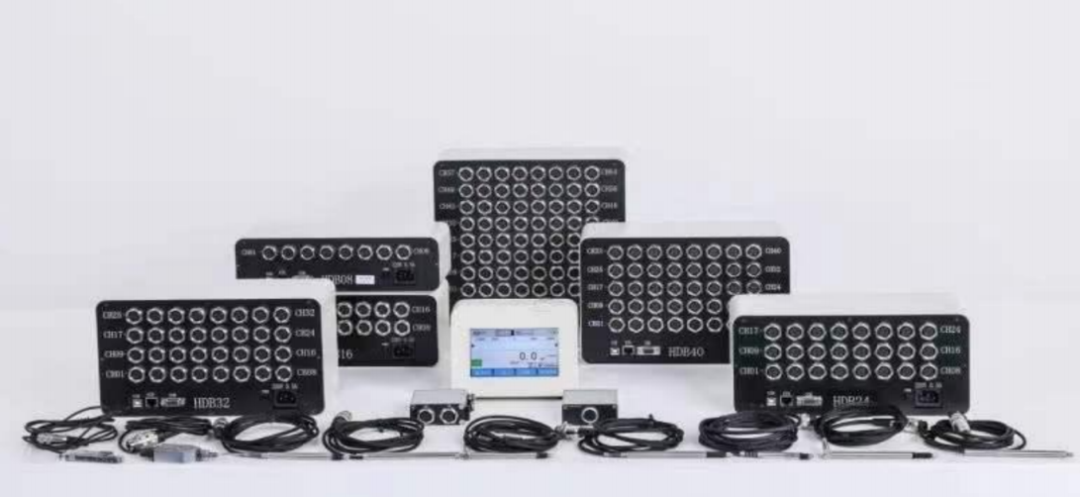
LVDT: The Precision Star Among Inductive Displacement Sensors
LVDT (Linear Variable Differential Transformer) is one of the most accurate and widely used types of inductive displacement sensors. Its internal structure consists of a core, armature, primary coil, and secondary coils. After applying an AC excitation voltage to the primary coil, the two secondary coils generate induced electromotive forces due to electromagnetic induction. When the core is in the center position, the induced electromotive forces generated by the two secondary coils are equal, resulting in zero output voltage; when the core moves, the induced electromotive forces of the two coils become unequal, producing an output voltage that is proportional to the displacement.During operation, the movement of the LVDT core must not exceed the linear range of the coil; otherwise, non-linear values will occur. However, through modern technology continuously optimizing the coil winding methods, linearity has significantly improved.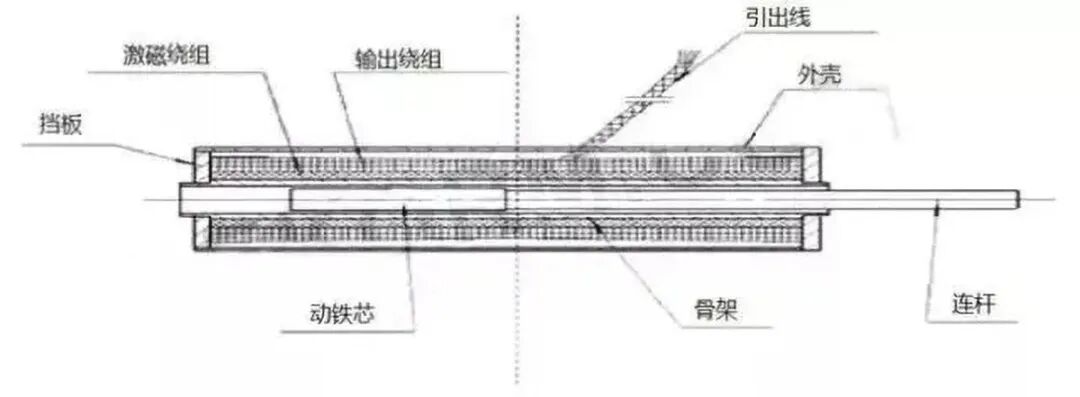 The performance advantages of LVDT are evident, with features such as frictionless measurement, infinite mechanical life, infinite resolution, zero position repeatability, and radial insensitivity making it irreplaceable in the field of precision measurement. For example, the LVDT displacement sensors from Wuzhice have been widely used in well-known enterprises such as China Shipbuilding Industry Corporation, Fuyao Glass, and China Aviation Engine Corporation. The characteristics of LVDT are fully reflected in various industrial production environments, ensuring reliable measurement data even in harsh conditions.
Core Advantages of LVDT Inductive Displacement Sensors
High Precision and High ResolutionLVDT displacement sensors can measure displacement changes of 0.01 micrometers, with voltage sensitivity typically reaching hundreds of millivolts output per millimeter of displacement. Its linear error can be as low as ±0.05% to ±0.1%, and in some high-precision models, it can even reach different levels such as ±0.15%, ±0.25%, and ±0.5%; for example, the HS series from Wuzhice can achieve a maximum linearity of 0.1%.Ultra-long Service LifeSince there is no physical contact between the movable core and the coil of the LVDT, there is no friction or wear, which means its mechanical life is theoretically infinite. This characteristic is particularly important for high-reliability mechanical devices in aircraft, missiles, spacecraft, and critical industrial equipment.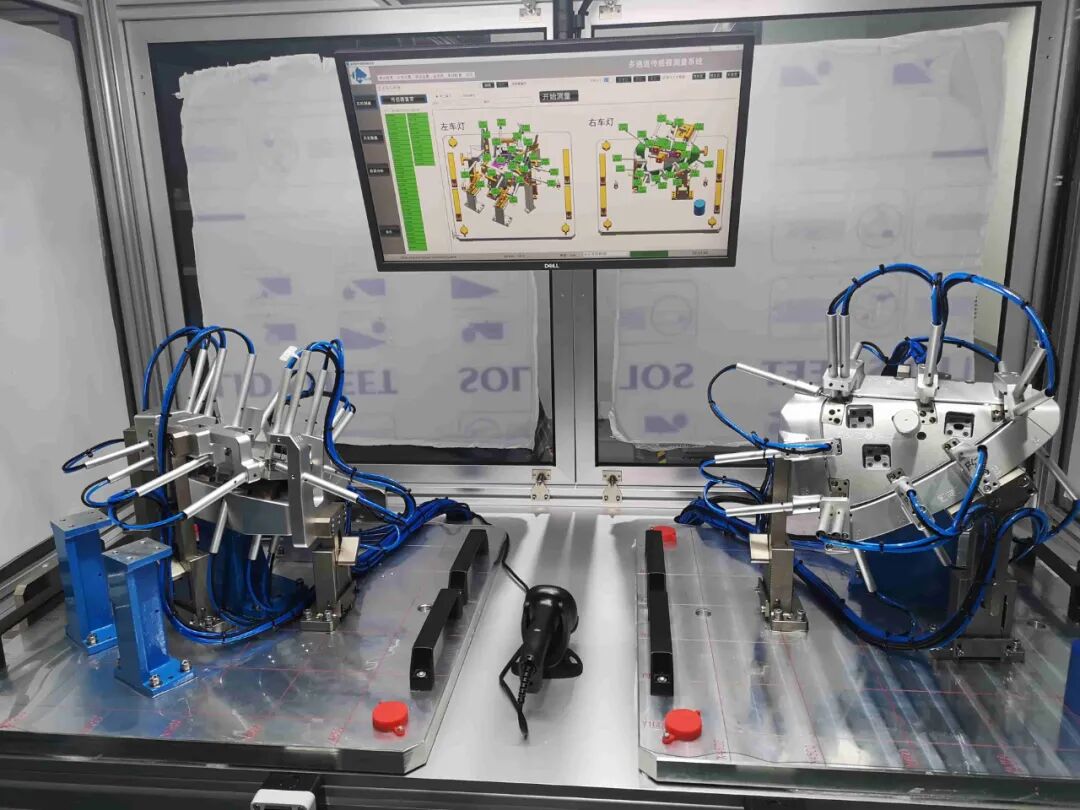 Strong Environmental AdaptabilityThe sealed LVDT uses a stainless steel shell, and certain special models can even operate in corrosive liquids or gases. The LVDT sensors from Wuzhice have a protection level of up to IP67, allowing stable operation in standard industrial environments from -25°C to 85°C.Diverse Structures and Output MethodsDepending on different application scenarios, LVDT sensors have developed various structural forms such as split-type, rebound-type, pneumatic-type, and pen-type measurement heads. The output signals also cover various industrial standard signals including 0-5V, 0-10V, 4-20mA, and RS485 digital signals.
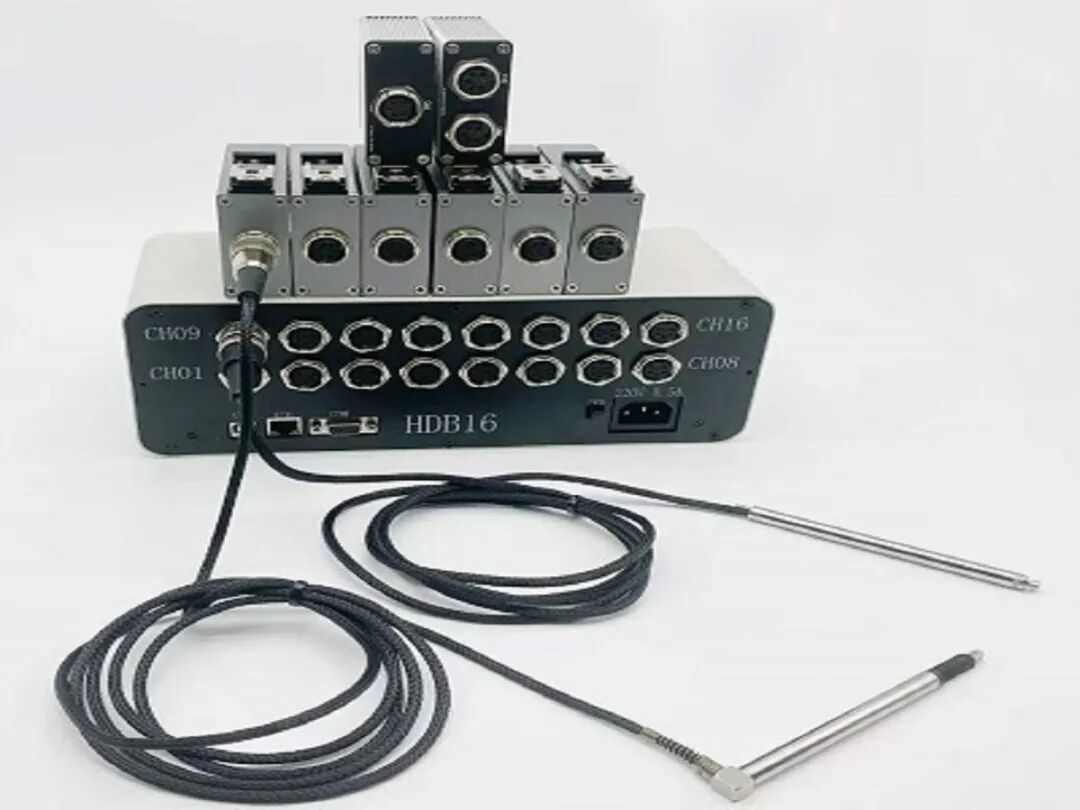 As the level of industrial automation continues to rise, the demand for precision measurement is growing. Wuzhice has been deeply engaged in the field of displacement sensors, and its LVDT series products integrate the most advanced technological processes, demonstrating excellence in linearity, stability, and environmental adaptability, serving numerous high-end manufacturing and scientific research projects.Whether for micron-level precision measurement or long-term monitoring in harsh industrial environments, Wuzhice LVDT sensors can provide reliable solutions. We welcome you to follow our product series as we work together to advance China’s manufacturing industry towards higher precision.
Previous Recommendations
Domestic Displacement Sensors | Full-Size Measurement of Automotive Parts
Preferred Choice for Automated Production Lines—Domestic High-Precision Quick Test Instruments

Application of Displacement Sensors in Bearing Size Measurement

Wuzhice
WeChat ID: ihiiot
Scan to Follow for More Information