
- Problem Addressed: Traditional optical levitation systems face challenges such as large optical component sizes and low integration when achieving high-frequency rotational control of nanoparticles in a vacuum. Additionally, there is a lack of efficient means to control the translational and rotational motion patterns of nanoparticles, limiting their application in ultra-precision measurement and fundamental physics research.
-
Proposed Method: Utilizing a nanofabricated amorphous silicon superlens with a numerical aperture (NA) of 0.953 to focus a 1550 nm laser beam, combined with silicon nanorods, we achieve control over the translational frequency and spin rotation mode of the levitated nanorods by manipulating laser polarization, intensity, and environmental pressure.
-
Results Achieved: The experiment successfully stabilized the levitation of nanorods in a vacuum. By adjusting laser parameters and air pressure, we successfully controlled their translational and rotational motion, achieving a MHz-level spin rotation frequency, thereby validating the effective control of the motion patterns of levitated nanorods by the superlens.
-
Innovative Points: The compact optical levitation system based on superlenses enables controllable optical spin of nanorods, combining nanofabrication technology to precisely design the optical field and particle geometry, providing a new pathway for constructing scalable on-chip integrated optical levitation systems, breaking through the limitations of traditional systems in size and control efficiency.
-
Research results titled “Levitation and controlled MHz rotation of a nanofabricated rod by a high-NA metalens” were published in Microsystems & Nanoengineering. Hailong Pi from the University of Southampton is the first author, and Jize Yan is the corresponding author.

-
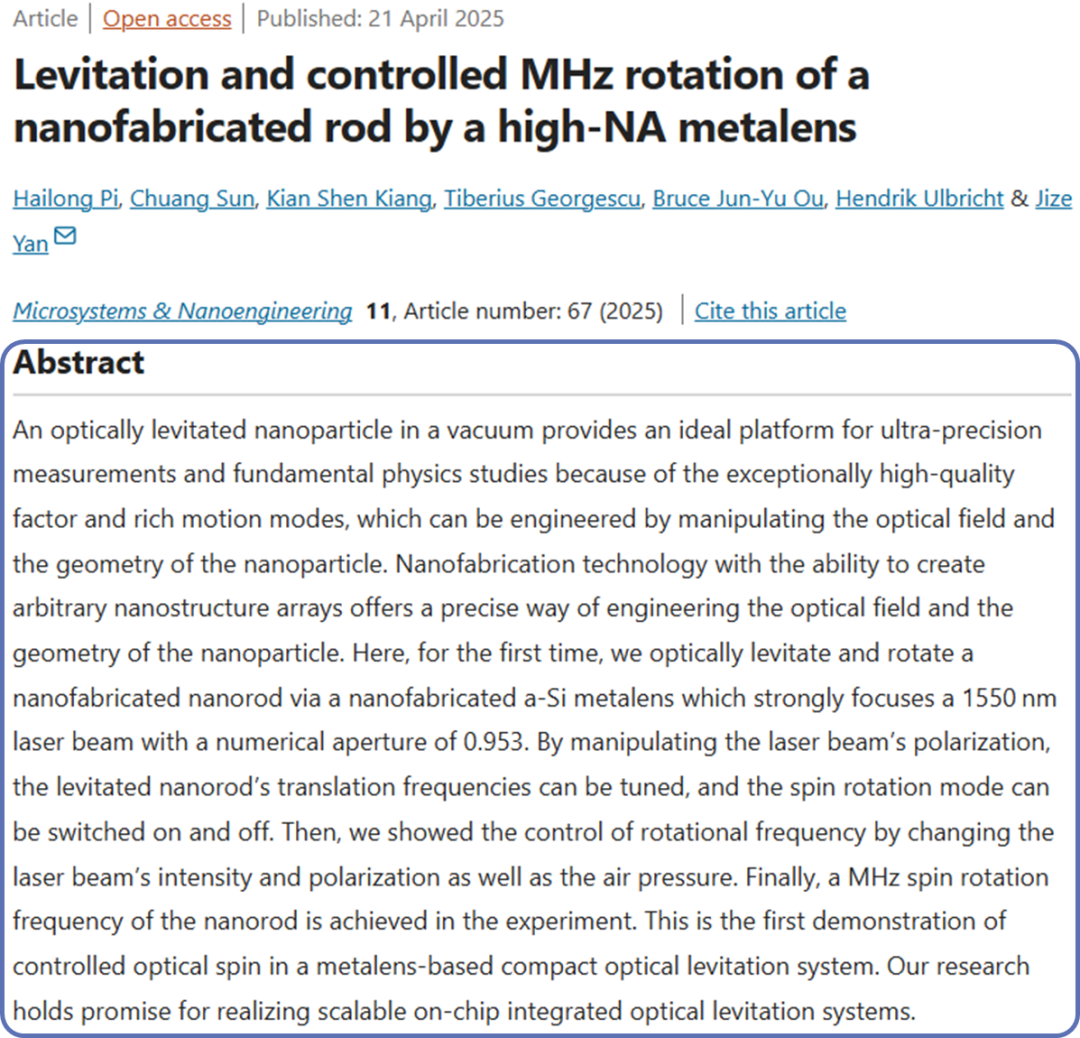
Abstract: Optical levitation of nanoparticles in a vacuum, due to their extremely high quality factor and rich motion modes, provides an ideal platform for ultra-precision measurement and fundamental physics research, allowing for the design of these characteristics by manipulating the optical field and the geometry of nanoparticles. Nanofabrication technology, capable of manufacturing arbitrary nanostructure arrays, provides precise methods for engineering optical fields and nanoparticle geometries. This paper demonstrates for the first time the optical levitation and rotation of nanofabricated nanorods using a nanofabricated amorphous silicon superlens (strongly focusing a 1550 nm laser beam, numerical aperture 0.953). By controlling the polarization of the laser beam, we can adjust the translational frequency of the levitated nanorods and switch the spin rotation mode. Furthermore, we demonstrate control over the rotation frequency by varying the laser beam intensity, polarization, and air pressure, ultimately achieving a MHz spin rotation frequency for the nanorods. This is the first demonstration of controllable optical spin in a compact optical levitation system based on superlenses, with the research expected to enable scalable on-chip integrated optical levitation systems.
-
Conclusion: This paper demonstrates the optical levitation of nanofabricated nanorods in a vacuum using a high numerical aperture superlens, as well as the demonstration of controllable centroid motion and rotation of the levitated nanorods, achieving a rotation frequency of approximately 1 MHz. In this work, we primarily focus on demonstrating the feasibility of combining nanofabricated superlenses with nanoparticles for optical levitation in a vacuum. The achieved MHz rotation is similar to the rotation frequency of nanorods levitated using two traditional lenses, but has not yet reached the state-of-the-art GHz rotation. One reason is the small size difference between the width and height of the nanorods, leading to a lower polarizability. Increasing the size difference between the width and height of the nanorods could enhance the rotation frequency. Achieving state-of-the-art rotation also requires stable capture of particles in high vacuum. Future work could achieve high focusing efficiency of superlenses and feedback control of particles. In the experiments, when the wave plate angle is at 45°, the captured nanorods are prone to loss, and the loss mechanism may be related to the shape, size of the particles, and their motion under circularly polarized input light. Future research could also include studying the motion of levitated particles using circularly polarized light, the effect of superlens polarization on the orientation of levitated particles, and the impact of particle shapes (such as rods and dumbbells) and sizes on levitation. In our experiments, superlenses were used to achieve single-point focusing of the beam. In future research, superlenses could be combined with adjustable focus single-point focusing to explore short-range forces, or combined with vortex light fields to stably capture larger particles in high vacuum to improve acceleration detection sensitivity. Additionally, single-point focusing could be extended to multi-focal points for the study of macroscopic many-body quantum mechanics. Nanofabrication technology is not limited to the fabrication of nanorods. The proposed method combines future reliable manufacturing of sub-10 nm feature nanostructures, which can be used to fabricate nanoparticles of arbitrary shapes and sizes, thereby highlighting specific motions of levitated particles and exploring new particle manipulation techniques. For example, multifunctional control of anisotropic nanoparticles with balanced motion can be used for nanoscale gyroscopes and the study of macroscopic rotational quantum physics. Triangular or hexagonal prisms can be used to achieve polarization-based reverse optical torque or to explore high-frequency gravitational wave detection. In this proof-of-concept experiment, we used electron beam lithography to define the size and shape of the nanorods. For high-throughput and low-cost manufacturing of particles, traditional photolithography techniques can be employed. The demonstration of translational and rotational motion of nanofabricated particles based on superlenses in a vacuum can combine the powerful optical field control capabilities of superlenses with the customization advantages of nanoparticles, providing an ideal platform for further expanding the applications of optical levitation. For instance, multi-focal superlenses can simultaneously levitate particles of different shapes, achieving on-chip sensing of multiple parameters such as force, acceleration, and torque. Furthermore, it can be used to study the coupling effects between different levitated particles to explore collective quantum phenomena and particle assembly. At the same time, this system using nanofabricated ultrathin superlenses can provide compact solutions for integrated on-chip sensing applications, such as acceleration (translation) and torque (rotation). In the future, this could be combined with chip-level light sources and vacuum packaging technology to achieve miniaturized, robust, and scalable on-chip integrated optical levitation systems, expected to bring vacuum optical levitation systems from the laboratory to practical applications.
Figure 1: Optical levitation system based on superlenses and the performance of superlenses.
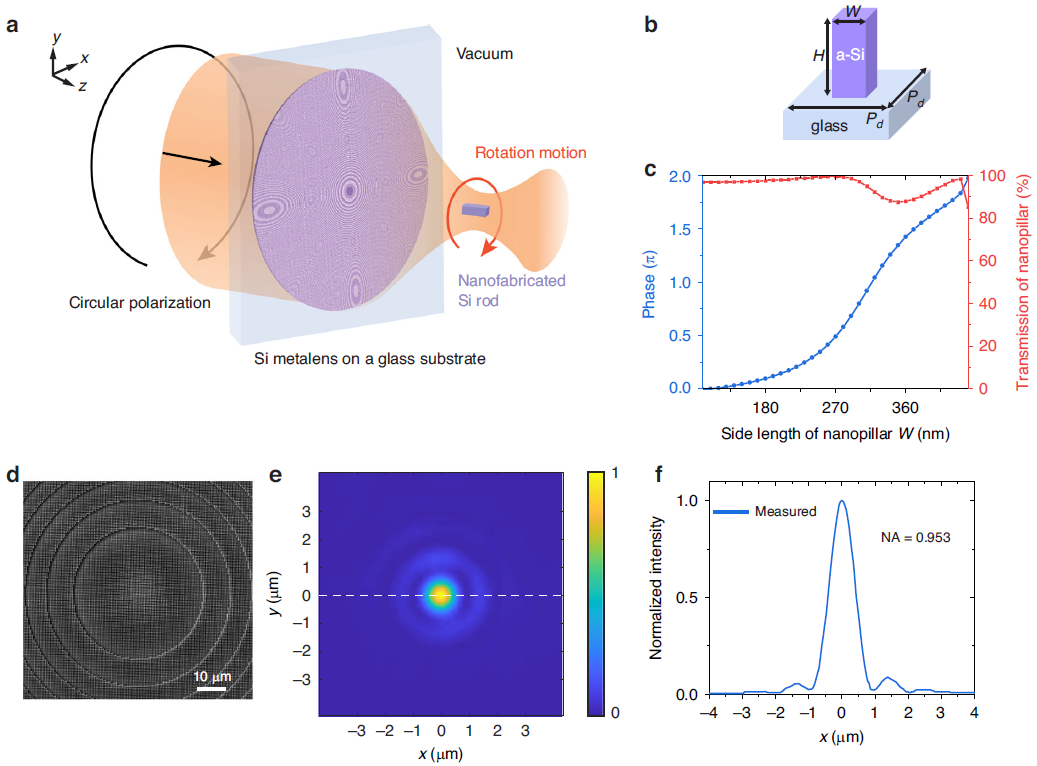
Figure 2: Nanofabrication process of nanorods.
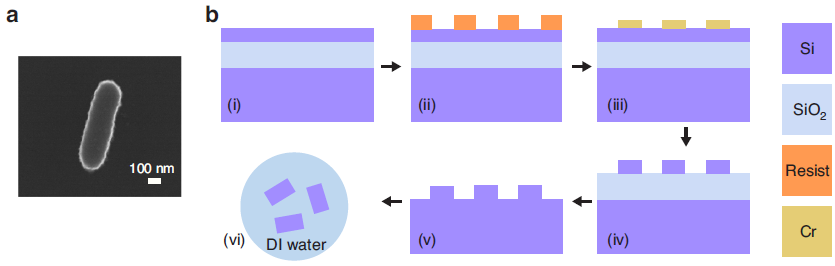
Figure 3: Optical levitation and controllable translational motion.
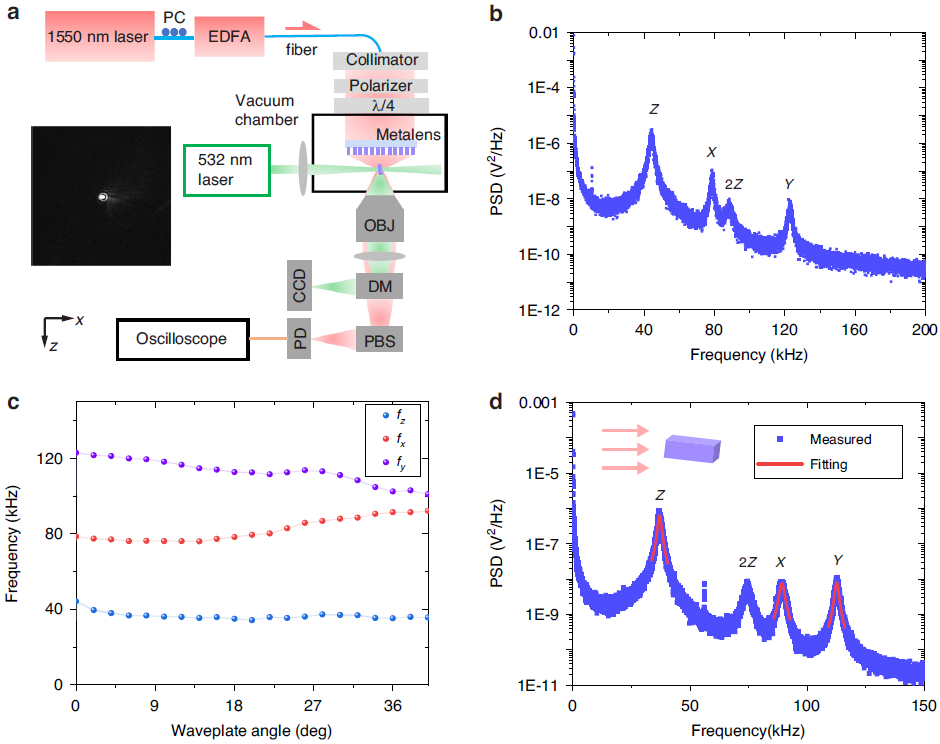
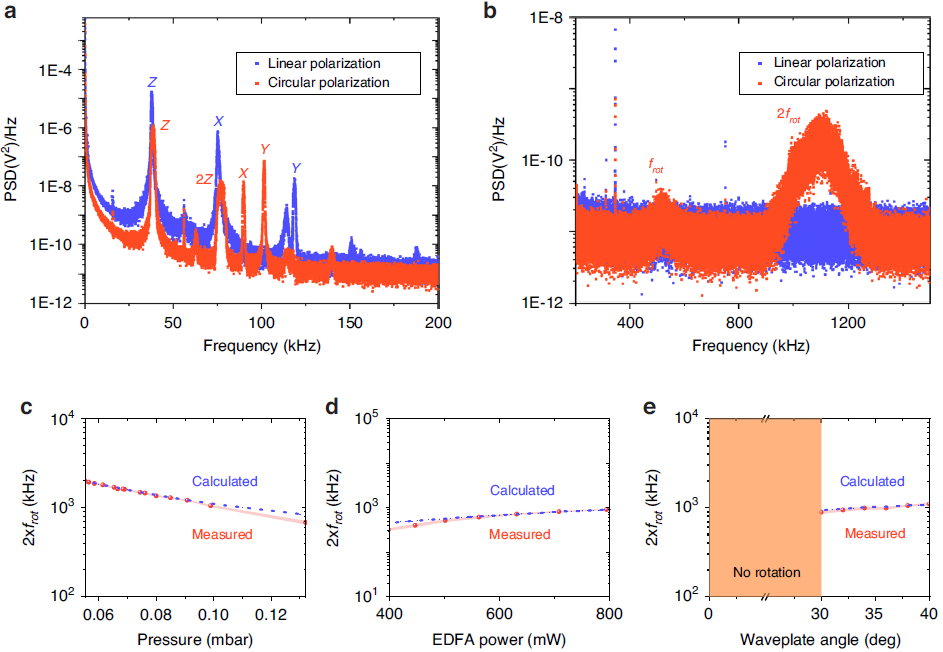
Figure 4: Control of the rotation of levitated nanorods.
Article Information:
Pi, H., Sun, C., Kiang, K.S. et al. Levitation and controlled MHz rotation of a nanofabricated rod by a high-NA metalens. Microsyst Nanoeng 11, 67 (2025).
https://doi.org/10.1038/s41378-025-00886-7
Click the “Read Original” link at the end of the article to access the article page.
Disclaimer: This article aims to convey more research information and share knowledge, intended for personal learning, reference, and academic exchange only, not for commercial use. The cited references in the text have indicated the authors and sources. If there are any issues related to intellectual property protection or other matters, please contact WeChat metamaterials2021 or email [email protected], and we will coordinate to address them as soon as possible.

Welcome to join the WeChat group To facilitate communication and learning, we have opened a group for electromagnetic, mechanics, acoustics, thermodynamics, and optics metamaterials. To apply for joining the group, please first add WeChat ID metamaterials2021 (or scan the QR code below) and indicate: organization + field (or industry), and you will be added to the relevant professional group after review.