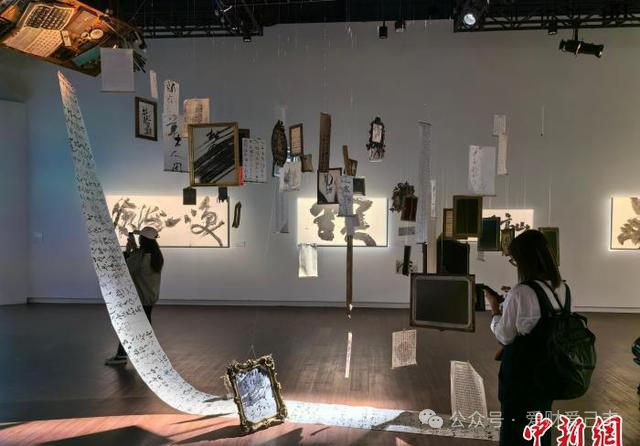
Friends, this is incredible! Have you heard that “calligraphy” and “3D printing,” two seemingly incompatible things, have been boldly combined? I was shocked and thought this artistic transformation was quite audacious! However, upon further reflection, it is indeed a unique form of innovation. Aren’t old arts supposed to keep up with the times to remain vibrant?
First, let us appreciate the vast imagination of these artistic geniuses. How can such an elegant and pure art form as calligraphy be merged with an industrial machine like 3D printing? I really want to light a candle for them. But the more I think about it, the more I feel that this sudden change in artistic style is brilliant and could definitely stir up a storm in the art world.
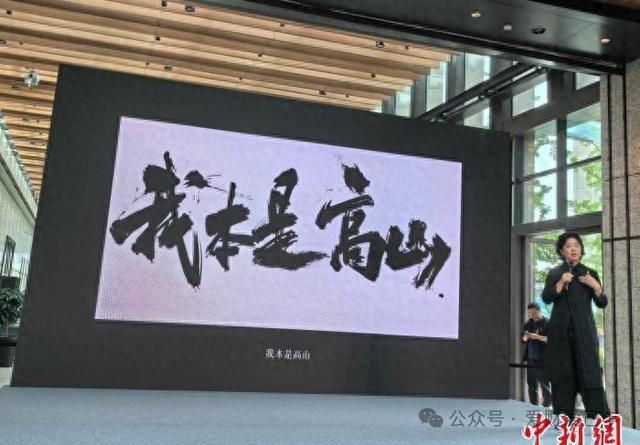
For example, sculptor Xu Ke used 3D printing to replicate the decorative carvings of her cousin’s old house, and then engraved the classic regular script “Tian Xing Jian, Jun Zi Yi Zi Qiang Bu Xi” within it, creating a set of profound small art pieces in no time. Isn’t that amazing? Looking at those smooth and sleek three-dimensional Chinese characters, it seems to exude a kind of wise beauty of a “match made in heaven.” It must be said that the old saying goes, “A blessing in disguise.” If Miss Xu had just carved a marble statue back in the day, who would have thought she would open such a window? It seems that art, like life, must constantly innovate and break through, capturing creative sparks from “unexpected” moments to unleash new artistic tension and expressiveness.
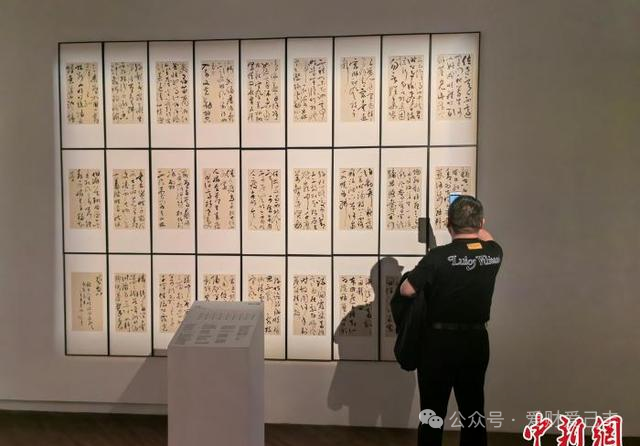
Another genius is Bai Qitai, who sought the “Calligraphy 3D” path. He put down his wine glass and instead of copying the Liu style or running script, he reinterpreted the stone carving symbols from tens of thousands of years ago. In the end, he created an art treasure imbued with primitive magic. This left many “tech enthusiasts” in the 3D printing community astonished. Who would have thought that robots, which once only pursued pixels and resolution, could also “be born for art”? This has completely overturned the existing positioning of 3D printing. Don’t tell me this is merely a fusion of two art forms; it feels more like the creation of a brand new art form that integrates humans and machines. I believe if Mr. Bradbury saw today’s technological developments, he would feel his life was not in vain.
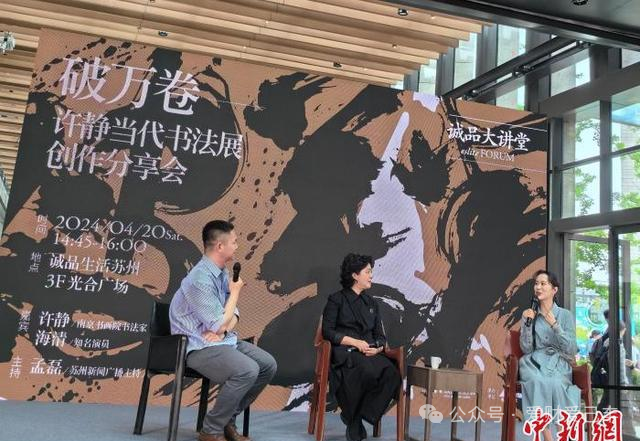
Ultimately, true art must reflect the times and embody innovation, using new perspectives and materials to broaden horizons. From this perspective, perfectly merging calligraphy and 3D printing is indeed a dual revolution of vision and thought. I sincerely salute these artists! With their astonishing imagination and practical exploration, they have pushed human wisdom and technological innovation to new heights, undoubtedly paving a new path for art. I wonder if you have had similar realizations? It seems that in the future, we will not only appreciate traditional calligraphy in museums but may also witness calligraphy art radiating unprecedented charm in the virtual art galleries of the metaverse. This spark of innovation that bridges the ancient and the modern is truly exhilarating! Friends, come, let us raise a glass and celebrate!