In the past three weeks
The “Meet Embedded Systems” event organized by the university’s student science association has been successfully conducted
From software fundamentals to hardware introduction
The progression path is clear and defined
Students have gradually improved through each theoretical class

Review of Embedded Training

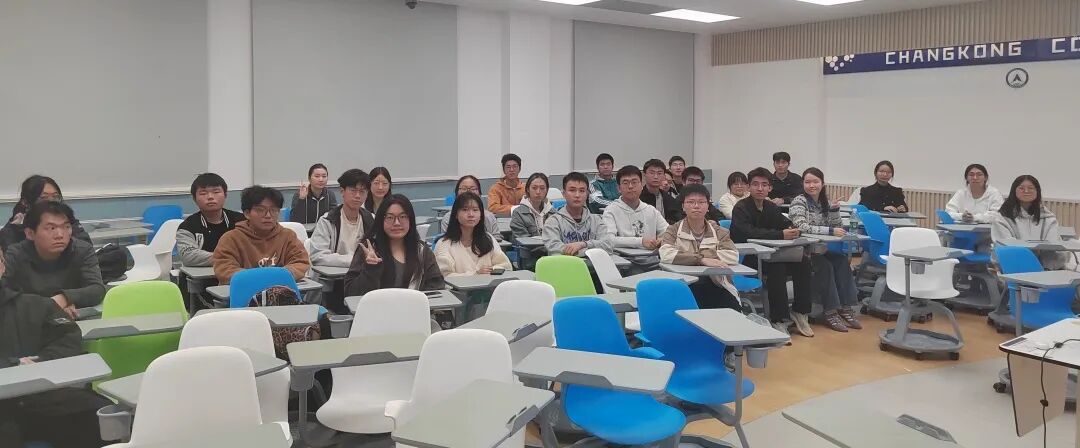

Building Foundations for Beginners and Developing Programming Mindsets
As the “gateway” to embedded development, the C language course focuses on core fundamentals, starting with number systems and conversions, gradually explaining logical operations, binary representations of non-numeric information such as ASCII, Unicode, images, and audio, clarifying the concept of data units and their relationships, thus laying a solid grammatical foundation for subsequent advanced courses and successfully establishing initial programming thinking.

Advanced Breakthroughs: Unlocking Practical Skills
Focusing on practical programming skills in embedded systems, instructors from the university’s student association elaborated on various uses of the C language, covering input/output, control flow (selection structures and loop structures), functions, arrays, structures, and pointers.
The main knowledge points are as follows:
• Selection structures: if-else, if-else if, nested if, conditional operators, switch statements;
• Functions: definition, declaration, calling methods, comparing pass-by-value (does not change the original variable) with C++ style reference calls (operates on the original variable);
• Arrays: usage of one-dimensional/multi-dimensional arrays, the relationship between character arrays and strings (including \0, strlen());
• Structures: definition, initialization (sequential/specified members) and member access (application of .);
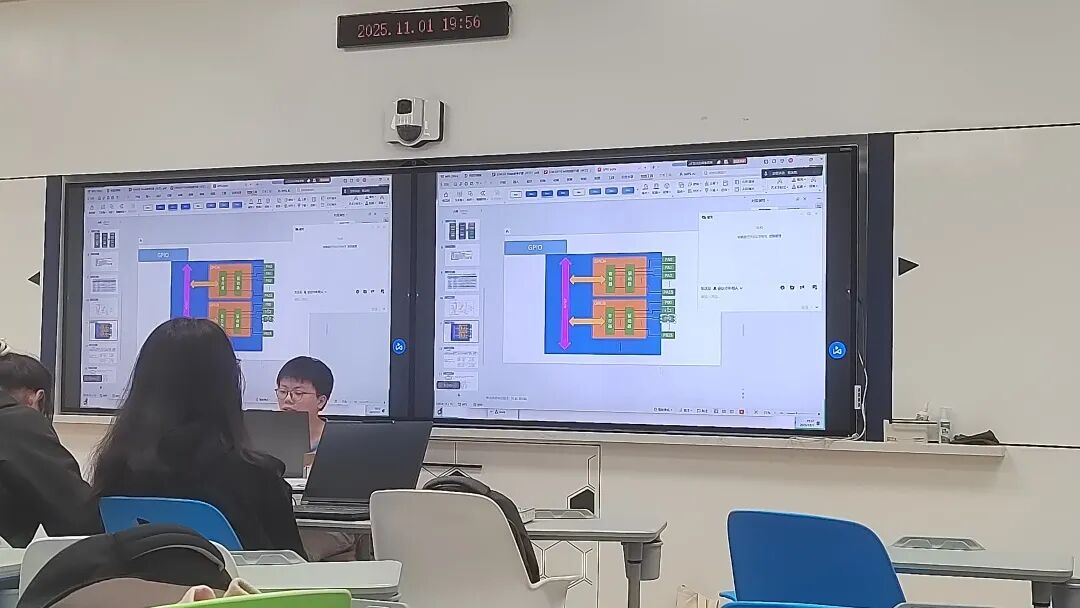
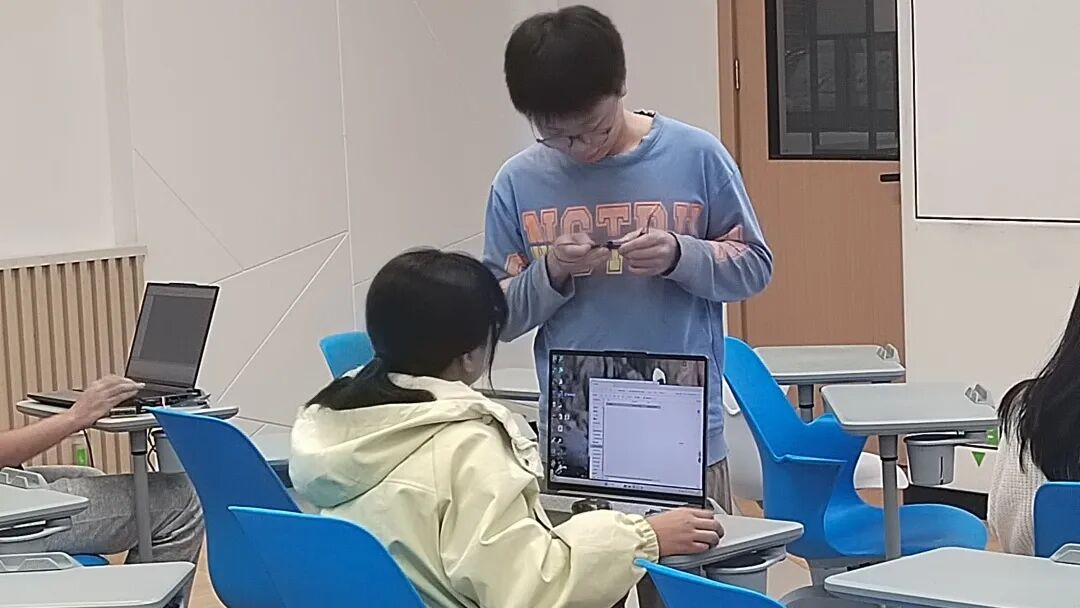

Cross-Disciplinary Practice: Opening the Door to Hardware
Introduction to embedded systems, focusing on setting up the STM32 development environment and basic GPIO. Using ST-LINK to download programs, selecting startup modes, and explaining project structure. The functionality of general-purpose input/output ports, configuration of 8 modes, and input/output application scenarios.

Multi-Dimensional Learning: Preparing for Future Studies

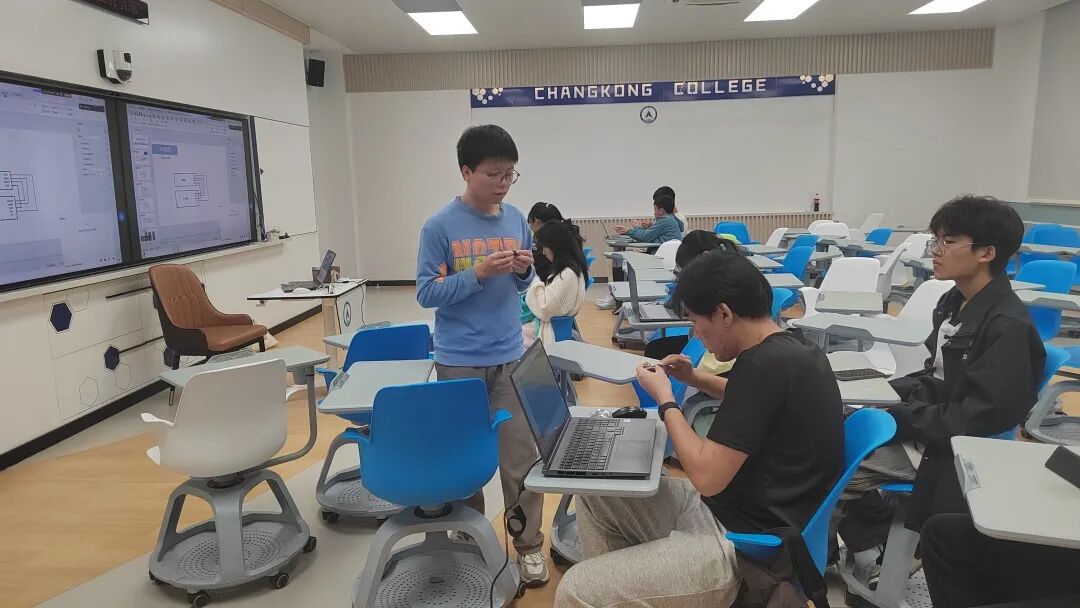
After three weeks of training, everyone has achieved multi-dimensional skill enhancement
01
Theoretical Level
Proficient in core C language syntax and basic hardware concepts such as STM32 development environment and GPIO modes
02
Practical Level
Can independently complete complex logic programming in C language, proficiently operate STM32 from code writing to hardware debugging (e.g., LED control) in a complete process
03
Thinking Level
Completed the transformation from “pure software programming” to “integration of software and hardware”, accumulating strength for subsequent advanced courses on interrupts, timers, etc.

Positive Feedback: Significant Course Outcomes

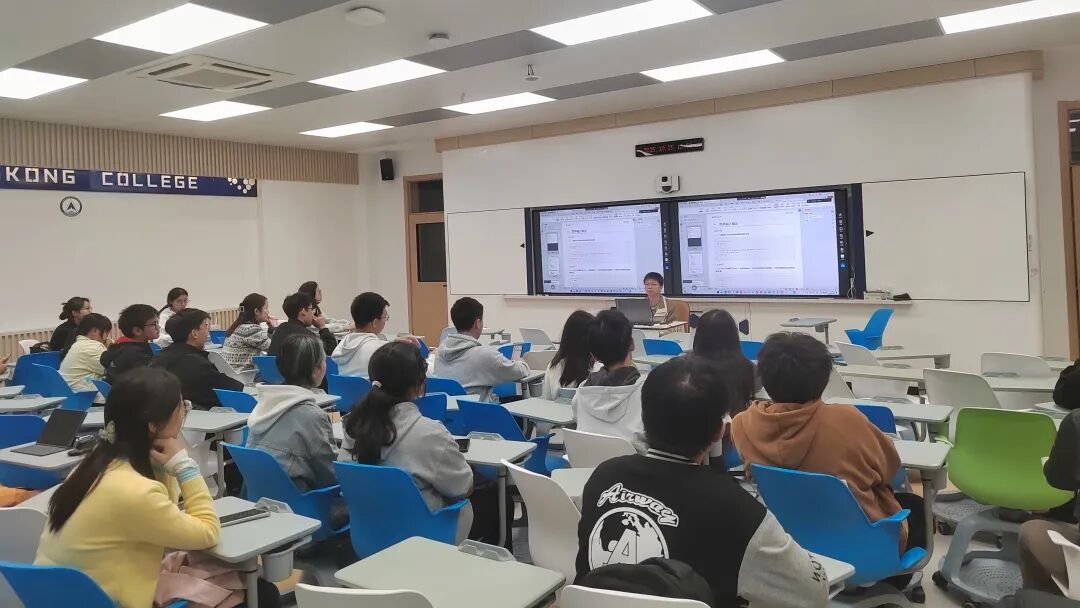
After each class, students actively reported the issues they encountered during the learning process, different paths, different words, converging into a river of knowledge, this embedded activity course will continue, and more students are welcome to participate.
Source | University Student Science and Technology Association
Produced by | University Student Union New Media Department
Duty Editor | Cai Jiaqi, Shu Yunhao, Cui Jingyi
Editor-in-Chief | Wu Wenlong, Zhu Yu, Li Liuzheng
Reviewers | Xu Junzhu, Zhang Hanwen, Dai Haocong