🌱 In the morning, while repotting mint, my fingertips touched the tangled roots in the soil, and I suddenly remembered that scientists are “weaving” hydrogel pores with 3D printers—those tiny holes invisible to the naked eye, which determine the posture of life.I used to think that plants only needed sunlight and moisture, until I read about this research from Donghua University and realized: the true secret supporting root growth lies in the breathing spaces within the soil. Traditional hydrogel culture media, while replacing the nutrients of soil, act like an airtight plastic wrap, trapping the roots’ instinct to explore. However, when the 3D printer carves out pores with an accuracy of 0.1 millimeters in the gel, the root tips of tomato seedlings actually increased by 86.7%.Those porous structures clearly hide the plant’s desire to reach out to the worldIn the tenth year of sowing on the windowsill, I increasingly understand the preciousness of this “white space.” Last year, when I transplanted basil into a pot that was too large, the roots shrank; this spring, using a pot with holes for rosemary, the aroma became even more intense.This is just like the secret discovered by researchers: a difference of 1 millimeter in pore size can lead to a 2.4-fold difference in tomato root growth.Life never fills all spaces; it needs gaps to breathe and voids to circulate energy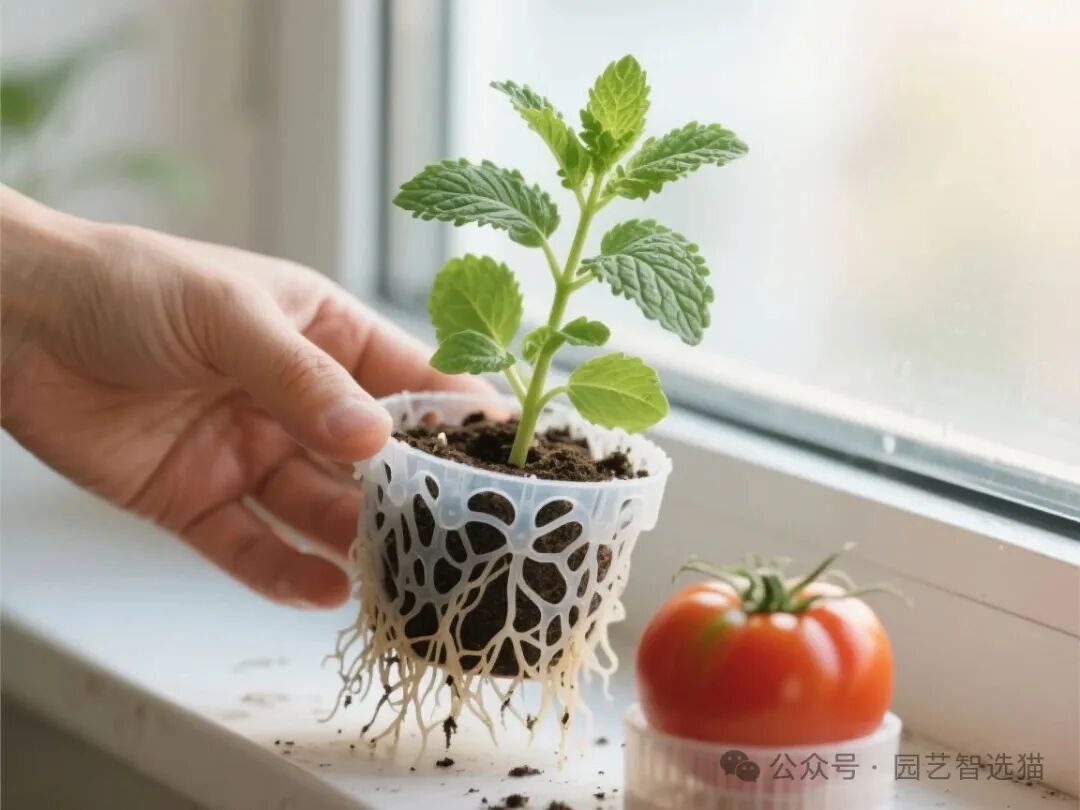 The precisely controlled polyvinyl alcohol gel in the laboratory reminds me of my clumsy attempts to mix horticultural substrates. When mixing coconut coir and perlite, I always struggle to get the right looseness. The process of scientists stabilizing the hydrogel structure using freeze-thaw crosslinking technology resembles our efforts to aerate potted plants—each turn creates new air pockets, and each press seeks a balance between support and aeration.It turns out that whether through technology or by hand, the ultimate goal is to replicate the earth’s effortless inclusivenessWhat moves me most is not the technology itself, but when the tomato roots wildly extend in the customized pores, the barley seedlings show resistance. This made my hand pause while pruning the lemon branch: last year, using a humidifier for the monstera led to leaf spots, while controlling water for succulents resulted in overflowing pots.Each leaf tells a unique need, just as this research reveals the truth—that even the most precise artificial substrate must bow to specific lifeNow, whenever I pass by the building materials market, I can’t help but observe the pore structures in foamed cement. The gel lines extruded by the printer resemble the climbing paths of climbing roses. Perhaps one day we will truly be able to print a “soil womb” suitable for every seed, but at this moment, the soil under my fingertips reminds me:No matter how exquisite the container, it cannot compare to the patience of listening to the roots’ desiresAs the sunset gilds the balcony, the newly transplanted blue snowflake’s tender roots are probing into the freshly mixed humus soil. The pore secrets replicated by the 3D printer are now gently vibrating in my palm: all life’s flourishing requires leaving gaps for breathing. 🍃