When it comes to drones, everyone is surely very familiar with them. With their cool designs and practical functions, drones have rapidly developed in recent years and have gained popularity among people.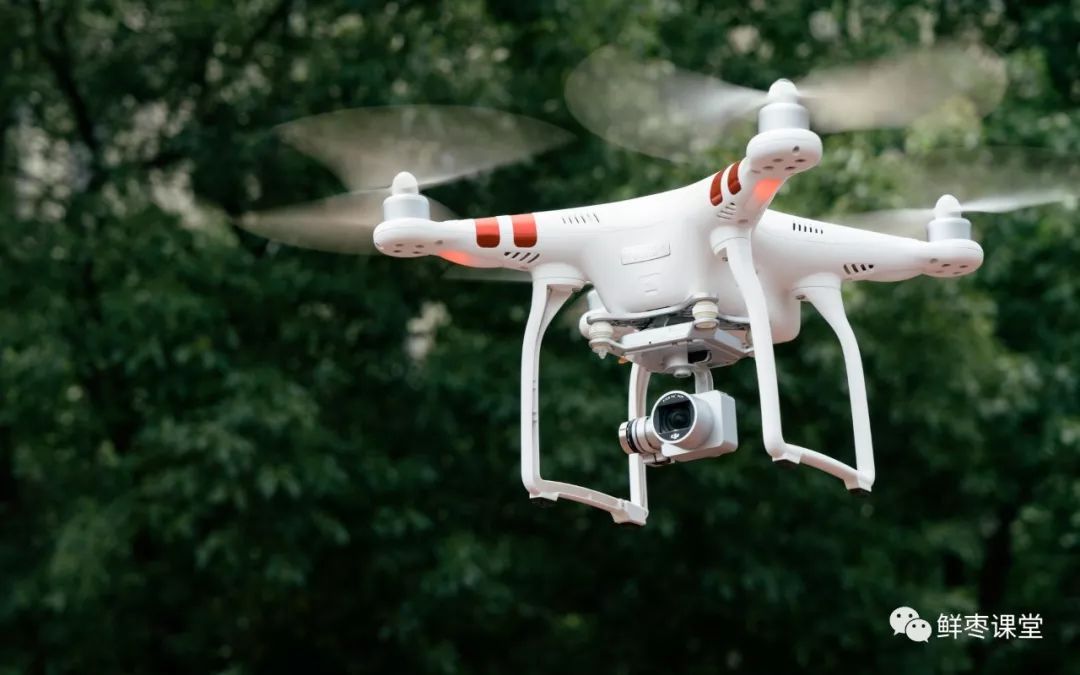 We often see them around us. In fact, after entering the 5G era, drone technology will undergo a leap in development. With the support of 5G, the performance and application scenarios of drones will be significantly upgraded. In today’s article, let’s discuss what changes 5G will bring to the drone field and the direction in which future drones will develop.
Traditional Drones
First, let’s start with traditional drones. A drone is actually short for Unmanned Aerial Vehicle (UAV). More accurately, a drone is a type of aircraft that performs specific aerial tasks using wireless remote control or programmed control. The biggest difference between it and conventional aircraft is whether the aircraft carries personnel.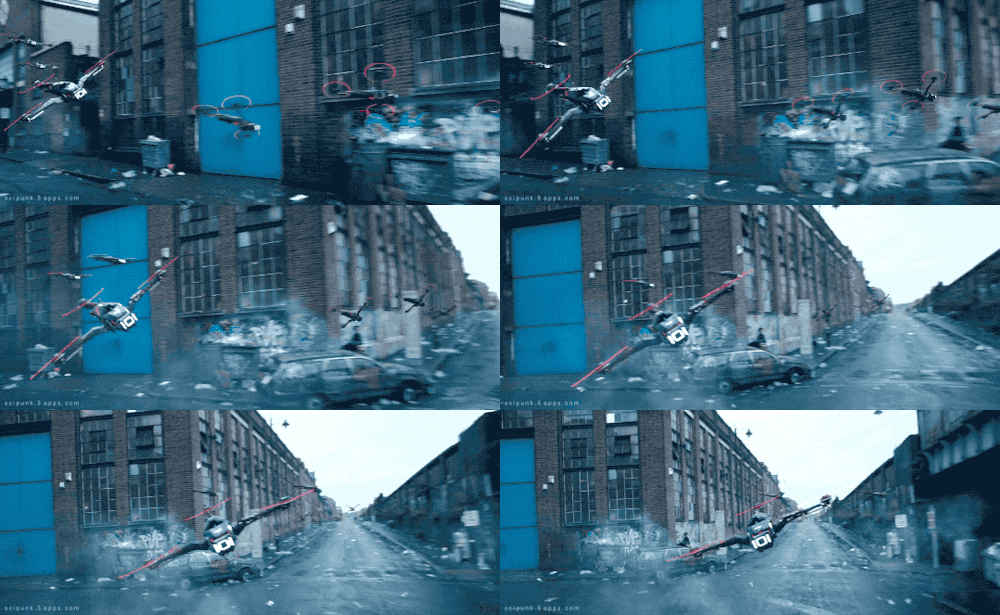 Some people say that a drone is a type of flying robot. The history of drones is actually not short. The world’s first drone appeared over 100 years ago during World War I.
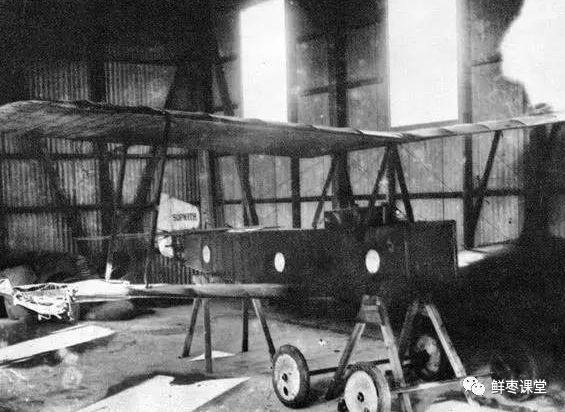 The earliest drones have been used for military purposes for a long time, such as target drones, reconnaissance drones, etc.
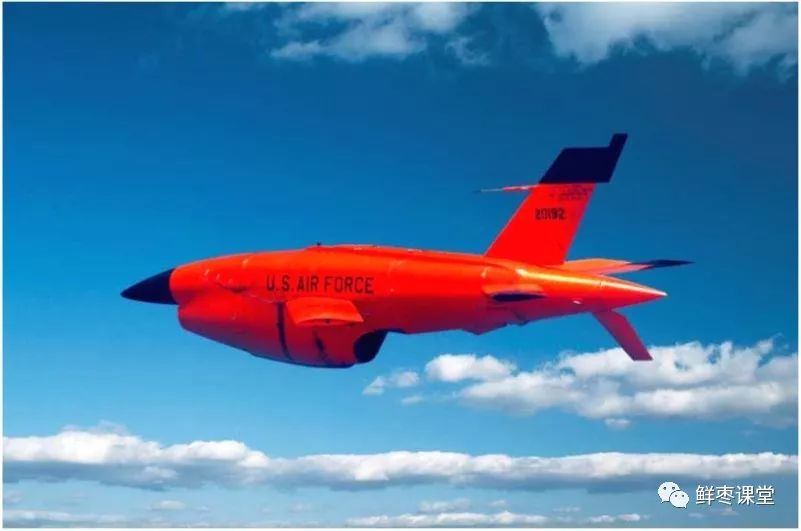 The American “Firebee” target drone In the 21st century, military drones have developed to an astonishing degree, becoming the main players on the battlefield and the focus of public attention.
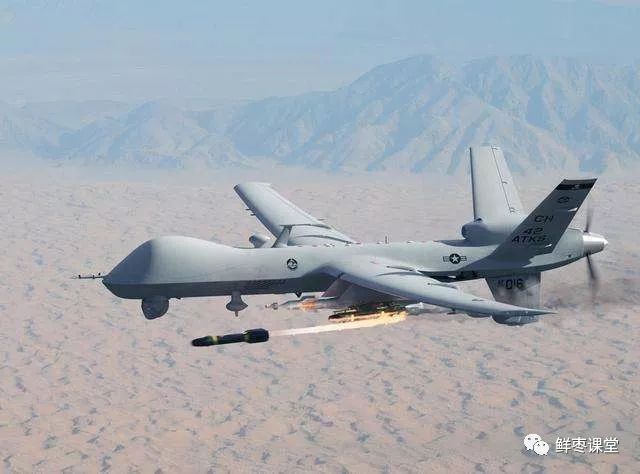 The famous American MQ-9 Reaper drone, proficient in reconnaissance and strikes As drone technology matures, it has begun to develop into the civilian field, giving rise to various civilian models and applications. These civilian drones are diverse, distinctive, and widely used. Based on the flight platform configuration, they can be categorized into fixed-wing drones, rotor drones, flapping-wing drones, parafoil drones, and unmanned airships.
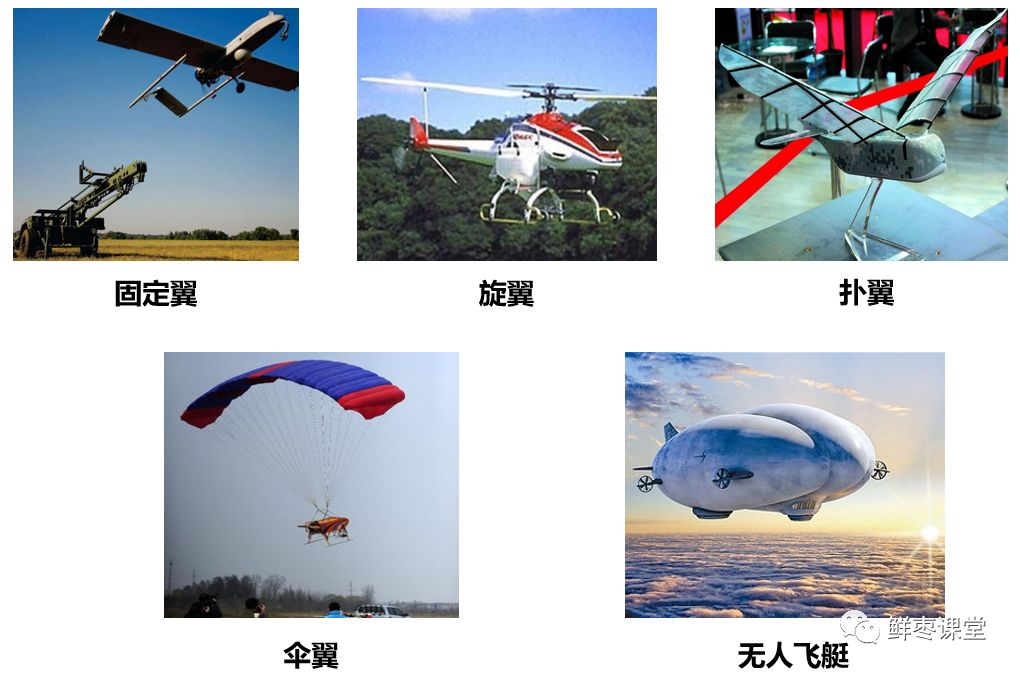 Among the aforementioned drones, the most commonly seen is the following type of civilian rotor drone.
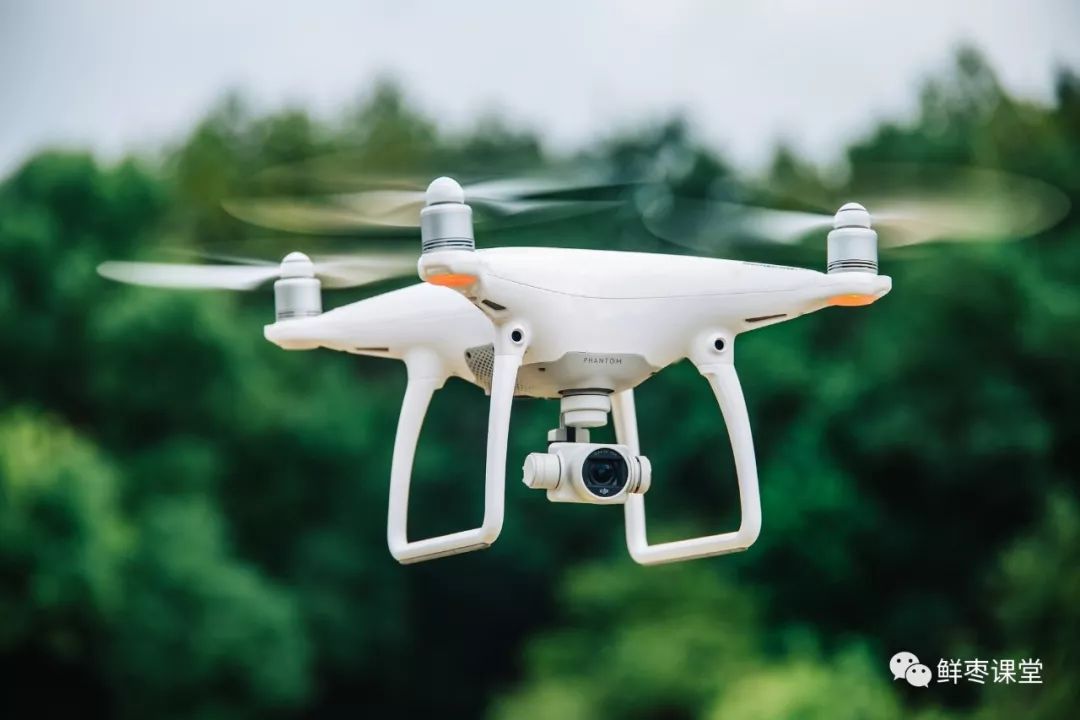 This type of drone is currently widely used in various social fields, such as drone pesticide spraying, drone logistics, drone filming, and drone light shows, etc.
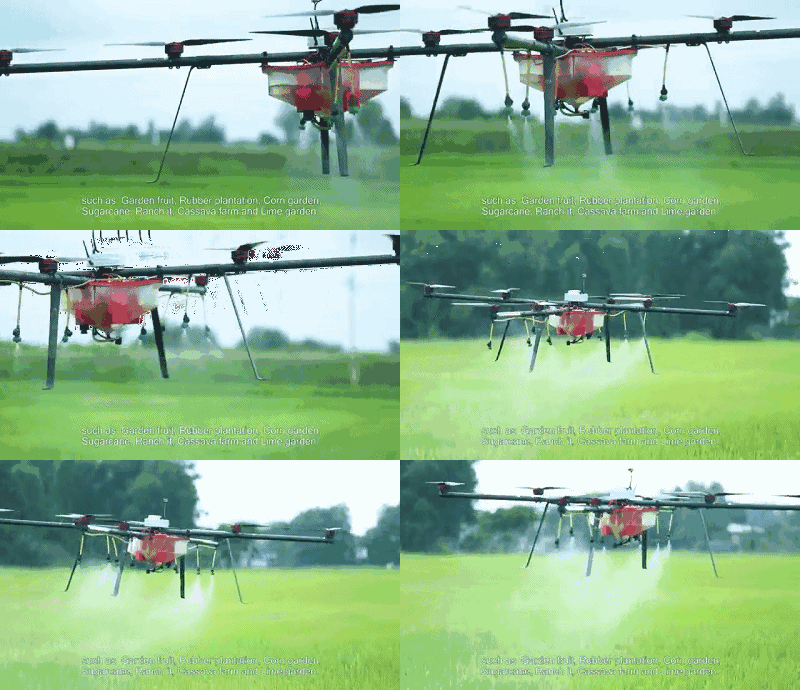 Drone pesticide spraying
Networked Drones
The body of a civilian rotor drone typically consists of the following components:frame, power system, flight control system, payload system.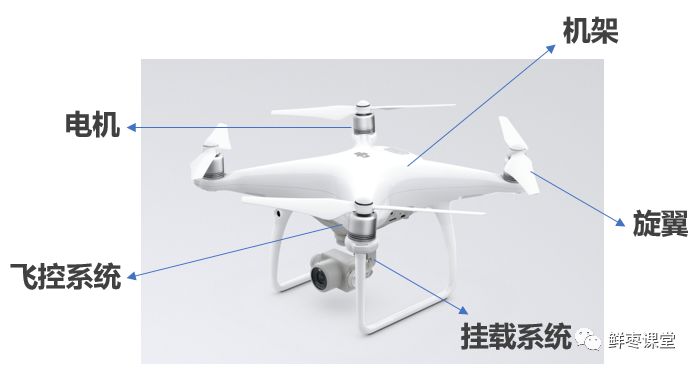 The rotor, motor, and the battery inside the frame all belong to the power system. In addition to the body, there is also a ground control system. Like this:
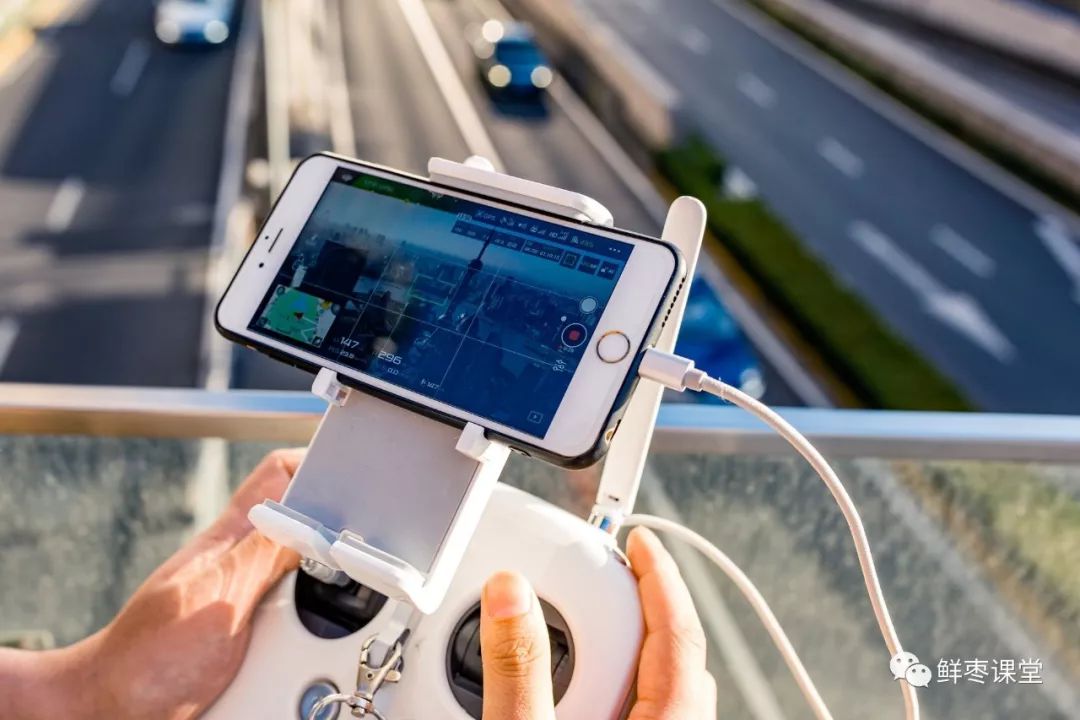 This control method is known as point-to-point communication. The data transmission between the remote controller and the drone uses Wi-Fi or Bluetooth.
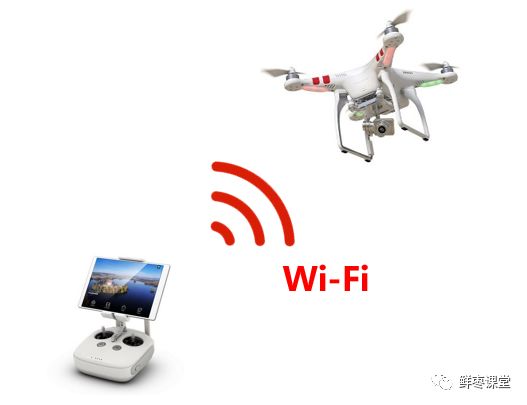 As everyone knows, Wi-Fi or Bluetooth communication distance is very limited. For example, Wi-Fi typically only allows control within a visual range of 300-500 meters (under specific conditions, it can exceed 1 kilometer). Bluetooth is even more limited. Therefore, this method greatly restricts the drone’s flight range. As a drone operator (usually referred to as a “pilot”), one generally does not dare to let the drone fly too far. Flying too far may cause communication between the drone and the pilot to be interrupted, or even “crash”. Thus, people came up with a brand new communication method for drones, which is – networked drones. Networked drones utilize cellular communication networks to connect and control drones. Simply put, they connect drones to base stations.
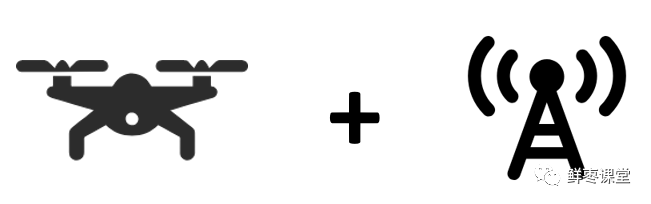 Drones + cellular communication base stations Compared to Wi-Fi, cellular base stations have a broader coverage area, making drone communication more flexible and reliable.
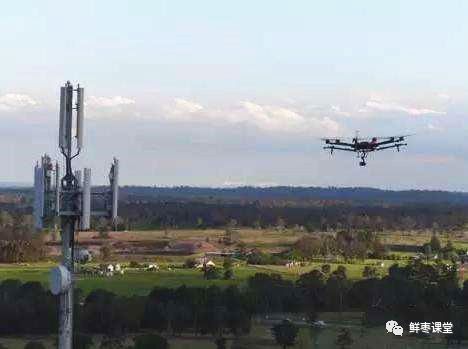 If you have a basic understanding of drones, you must have heard of the terms “video transmission” and “data transmission”. “Video transmission” refers to the transmission of images, sending the video or image captured by the drone’s camera back to the ground. Drone camera pod “Data transmission” refers to the transmission of data. There are many sensor data and flight data on the drone; sending this data back to the ground is data transmission. The communication between drones and the ground primarily serves three purposes: video transmission, data transmission, and remote control.
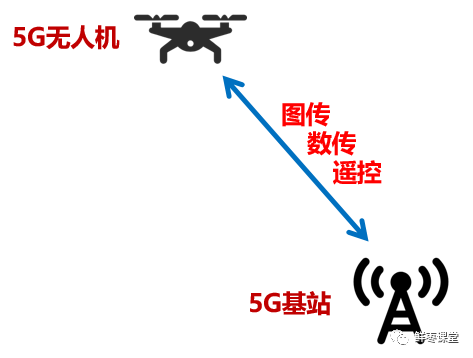 The requirements for video transmission capabilities can be said to be the highest. If we use Wi-Fi point-to-point communication, the communication distance generally does not exceed 500 meters, and the video transmission capability can reach 1080p (resolution 1920×1080, which is ultra-clear), about 30 frames per second.* Manufacturers like DJI, which are quite advanced, have developed a proprietary OcuSync video transmission technology (similar to Wi-Fi, also using the 2.4GHz band), claiming that the video transmission distance can reach 7 kilometers (1080p). If we use networked drones with 4G LTE cellular communication technology, when the network base stations are in place, theoretically, it can be said to be unlimited by distance. The video transmission capability currently mainly reaches around 720p (resolution 1280×720).
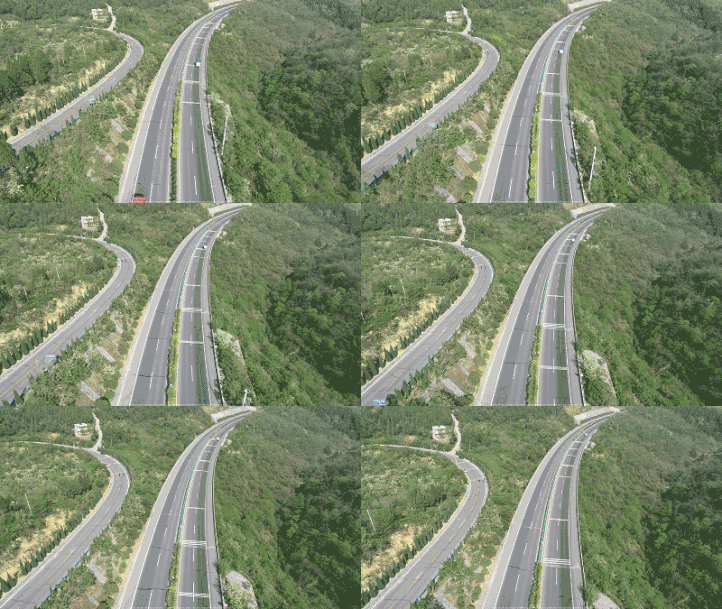 Images returned from drone video transmission If it is drone aerial photography, due to the longer distance, 720p or 1080p resolution is not considered clear; in some specific scenarios (such as checking equipment indicator lights, parameters, and facial recognition), it still cannot meet user needs. Besides speed and bandwidth, let’s look at other aspects. In positioning, the existing 4G network has an airspace positioning accuracy of about tens of meters (if GPS positioning is used, the accuracy is about meter-level), and in some applications that require higher positioning accuracy (such as logistics delivery in parks, complex terrain navigation, etc.), it is necessary to consider adding reference stations to provide assistance in order to achieve this. In terms of airspace coverage, the 4G network can only cover applications below 120 meters in airspace. Above 120 meters (for high-altitude needs, such as high-altitude surveying, trunk logistics, etc.), drones are prone to losing signal. In summary, currently, drones operating under 4G networks and Wi-Fi networks are limited by too many application scenarios, resulting in a small user audience, which makes it difficult for them to gain popularity in the consumer market and restricts their long-term development and value realization.
5G Drones
Ta-da! Our 5G has finally made a dazzling appearance! It is precisely because 4G and Wi-Fi are insufficient that we need a more powerful cellular communication technology, which is 5G. What exactly will 5G bring to drones? Let’s take a look one by one. First, let’s talk about video transmission. The first feature of 5G is its ultra-broadband. The theoretical bandwidth of 5G can reach over 20Gbps. In the experimental networks that have been built, speeds of 1Gbps are commonly achieved, which is more than ten times that of 4G LTE.
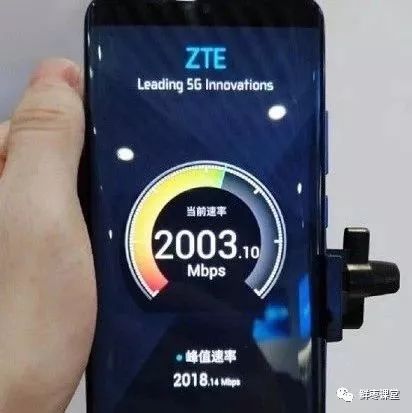 With this speed, not to mention 720p and 1080P, even 4K and 8K ultra-high-definition videos can be perfectly supported.
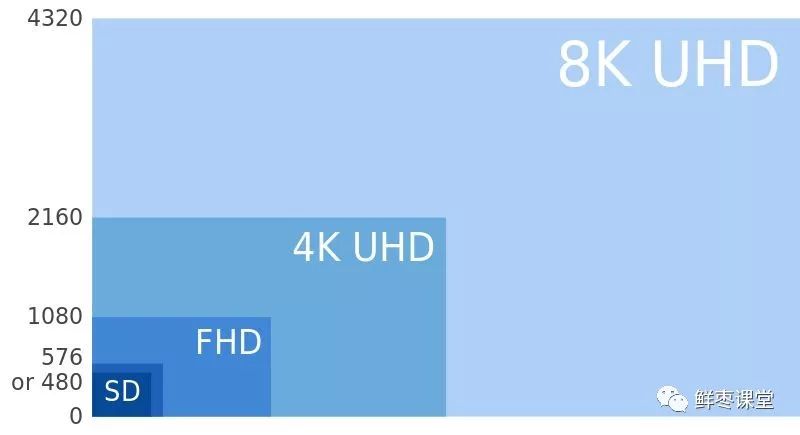 Compared to traditional ground cameras with static, low-angle views, drones equipped with 5G will achieve dynamic, high-angle ultra-high-definition wide-angle overhead views, also known as the ultra-high-definition “God’s Eye View”.
 Drone aerial photography Even more impressive is that, compared to traditional drones that can only use single-lens cameras for shooting, with the support of 5G, drones can carry 360° panoramic cameras for multi-dimensional shooting.
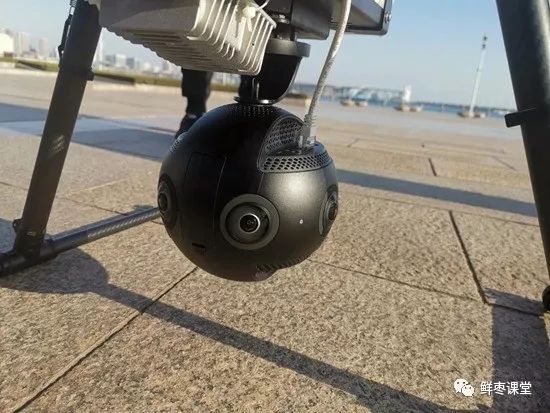 VR panoramic camera pod People on the ground can freely watch from all angles through VR glasses.
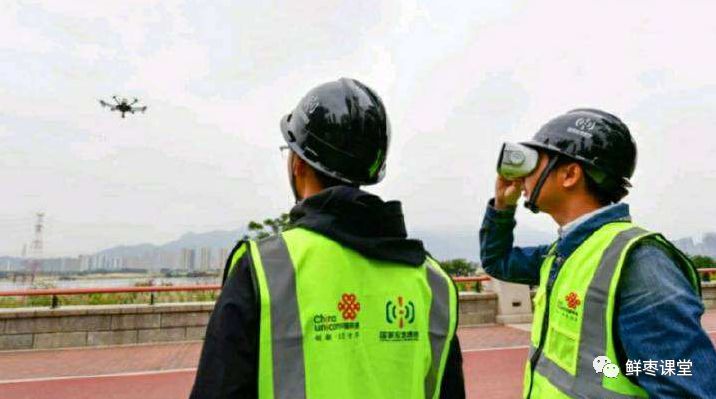 In other words, drones truly become “eyes in the sky”, very clear and all-encompassing. Just having bandwidth is not enough. The 5G network also features ultra-low latency, capable of providing millisecond-level transmission latency (below 20ms, even reaching 1ms, while 4G LTE is over 50ms). This will allow drones to respond to ground commands faster, enabling ground pilots to control drones more precisely. 5G can also provide centimeter-level positioning accuracy, far exceeding the ten-meter level of LTE and the meter-level of GPS. This will completely meet the flight needs in complex terrain environments like urban areas. The Massive MIMO antenna array and beamforming technology used in 5G can flexibly and automatically adjust the phase of the signals transmitted by each antenna, not only in the horizontal direction but also in the vertical direction.
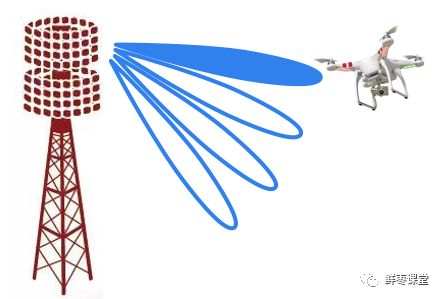 3D-Beamforming This is beneficial for signal coverage of targets at certain heights, meeting the national requirements for low-altitude airspace supervision within 500 meters and the future flight needs of drones above 120 meters in urban environments with many high-rise buildings. In terms of ensuring the safety of drone flight data, 5G also has significant advantages compared to 4G or Wi-Fi. 5G’s data transmission process is more secure and reliable, and wireless channels are not easily interfered with or invaded. In addition to solving the communication capability issues between drones and base stations, there are also significant improvements on the drone system support platform. A complete drone system includes both the airborne part and the ground part. Traditional Wi-Fi point-to-point communication has very limited capabilities, with the ground part consisting only of remote controllers and mobile phones.
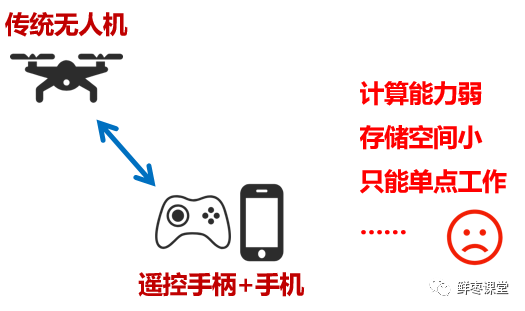 In contrast, networked drones can provide a powerful platform support:
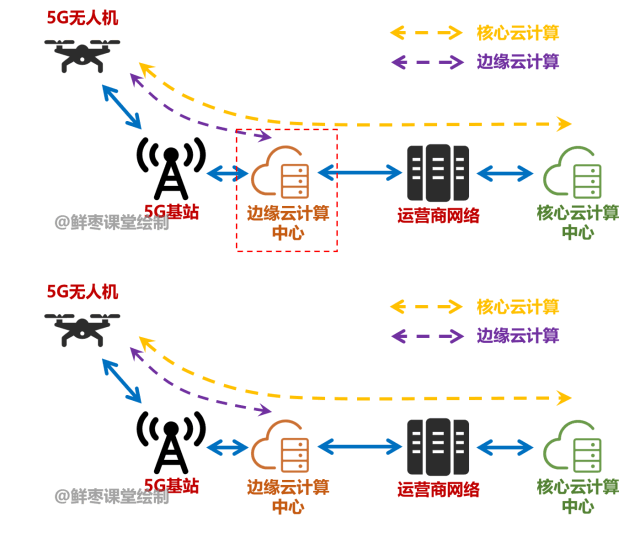
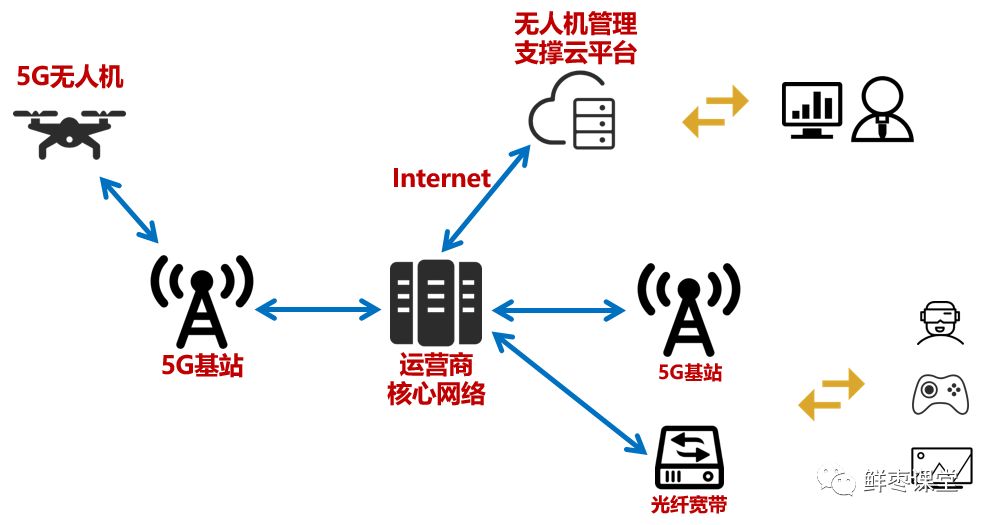 Combined with cloud computing, the ground platform of networked drones can provide larger data storage capacity and more powerful computing capabilities, serving more ground personnel remotely (such as video viewing). Thanks to the massive connection characteristics of 5G, the number of drones that can be connected to the 5G network is almost limitless (up to 1 million terminals can be connected per square kilometer). The edge computing capability provided by 5G also has its uses. Edge computing centers can be set up near 5G base stations, where drone-related data can be processed without being sent to more distant cloud computing centers, thus ensuring low latency (which will serve the future automatic driving of drones).
 Moreover, the D2D (Device to Device) communication capability provided by 5G enables direct communication between drones, better serving automatic driving and swarm coordination.
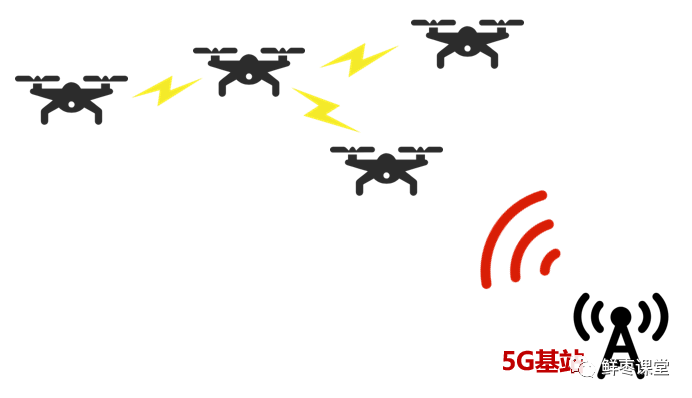 D2D communication In summary, the high bandwidth, low latency, high precision, wide airspace, and high security provided by 5G can help drones overcome their weaknesses, unlock more application scenarios, and meet more user needs. In simple terms, two words: amazing!
Application Scenarios of 5G Drones
After discussing so much, let’s look at specific application cases of 5G drones. First, let’s take a look at line inspection, which is often mentioned in current 5G drone applications. Currently, the power transmission line equipment in our country, as well as the macro station equipment of operators, are often located in remote areas, even in mountainous regions. To inspect the operational status of these devices, manual inspection methods were previously used, which are costly, risky, time-consuming, and inefficient.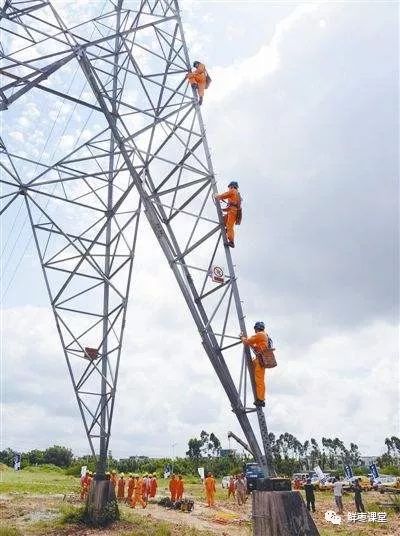 To ensure thorough inspections, personnel often need to climb high towers, posing great risks. Using drones for inspections allows for 360-degree all-around HD video inspections, with 4K or even 8K clarity, sufficient to view the details of the equipment (including instrument parameters and indicator lights), and also enables data collection and archiving.
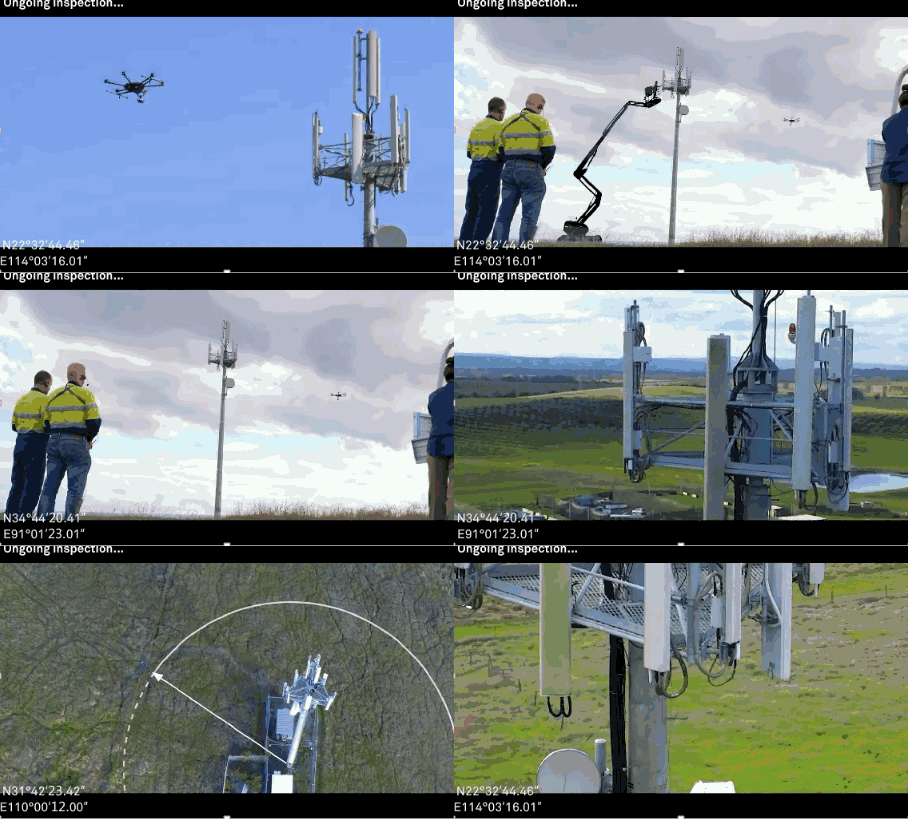 Drone inspections
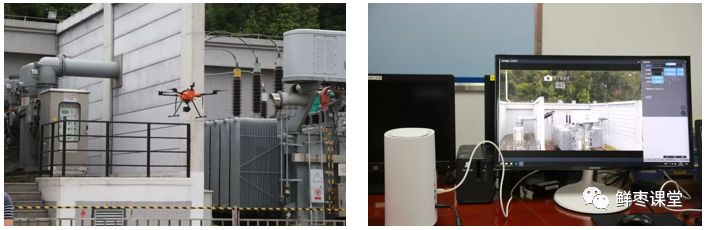 Earlier this month, Dongguan Unicom and the power supply bureau conducted a 5G drone inspection of a distribution station. Moreover, drones can choose different camera pods based on needs, such as high-definition zoom cameras, infrared cameras, night vision cameras, and laser radars, to obtain more accurate and detailed imaging information.
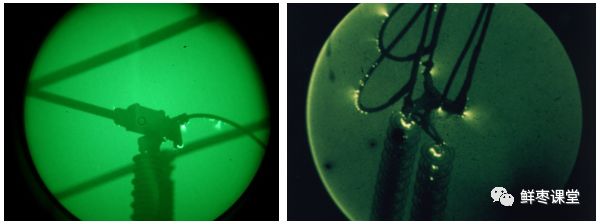 High voltage line fault ultraviolet image This way, risks are reduced, time is shortened, inspection efficiency is improved, and costs can be significantly cut. 5G drones can also carry special pods, allowing for precise operations with low latency for some special actions:
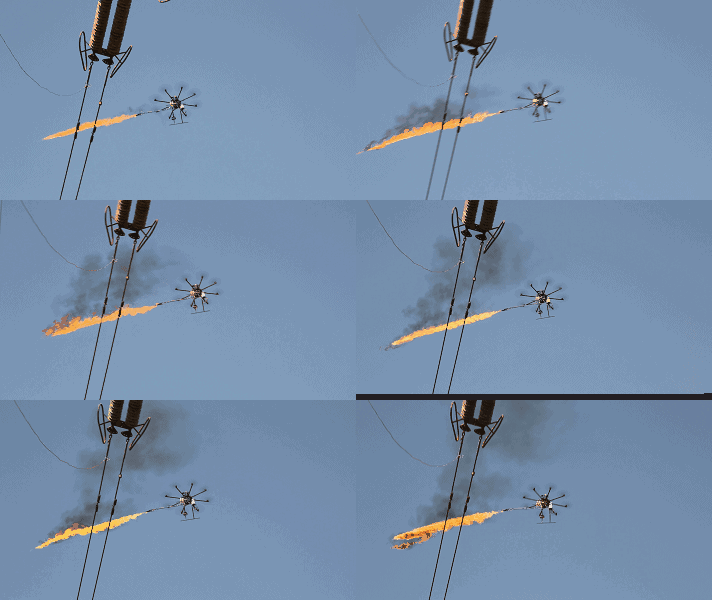 Drone flame clearing (burning away debris like kites) In addition to power line inspections and base station inspections, oil pipeline inspections are also starting to use drones. For our communication industry, besides using drones to inspect base stations, drones can also be used for network optimization road testing.
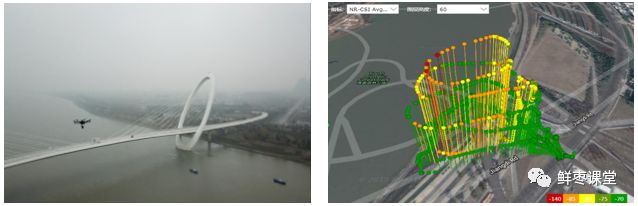 Drone network optimization testing in Nanjing Youth Olympic Park Next, let’s take a look at the 5G drone applications in traffic management and land-air coordination. Compared to traditional road monitoring, 5G drones have stronger maneuverability and higher flexibility, allowing them to reach the scene quickly. The panoramic wide-angle HD images and videos transmitted back by 5G drones make it easier for traffic management departments to promptly check road congestion and traffic accidents.
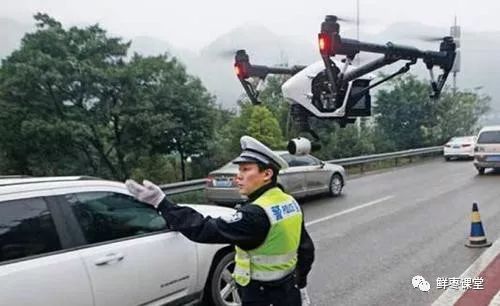 5G drones can also timely discover illegal activities during line inspections, taking 4K ultra-high-definition photos as evidence of illegal parking, illegal occupation of emergency lanes, illegal lane changes, etc. Moreover, 5G drones are equipped with a remote shouting function, which can guide and warn vehicles on-site. This will undoubtedly save police resources, shorten response times, and efficiently complete traffic management tasks. Additionally, it is worth mentioning the application of 5G drones in emergency communication and rescue. When disasters occur (such as earthquakes, mudslides, floods), traditional communication base stations often get damaged and cannot function properly. At this time, drones can be used to carry communication base stations to provide temporary communication signal coverage for disaster areas.
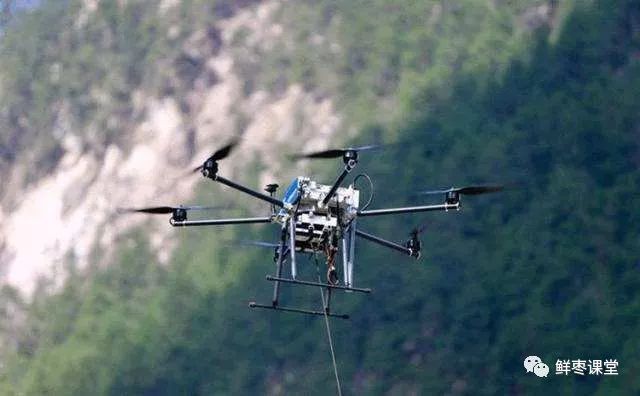 China Mobile’s drone high-altitude base station On one hand, this can ensure normal communication in disaster areas. On the other hand, it can provide positioning services for trapped individuals, confirming their locations. Additionally, 5G drones can also shoot and transmit ultra-high-definition video footage of the disaster area in real-time, helping government rescue personnel organize relief efforts more effectively. The potential applications of 5G drones are far from limited to the above. They can also be used in drone logistics, drone firefighting, drone border patrol, and many other fields.
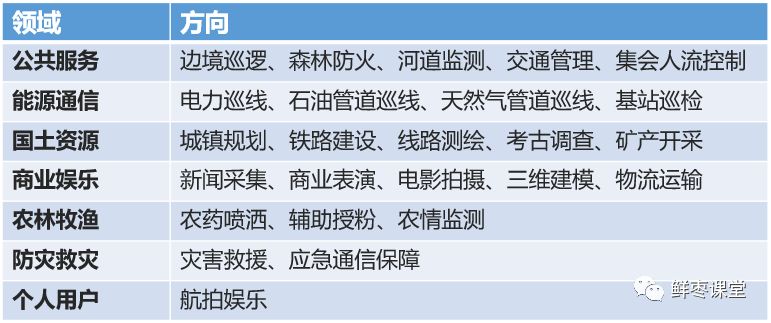 Application fields of 5G drones It can be said that the potential of 5G drones is enormous, and the market prospects are very broad!
Drone Endurance Issues
Everyone knows that the biggest problem currently hindering drone development is the battery endurance issue. Currently, civilian rotor drones have a flight time of about 20-30 minutes, which clearly limits their use and popularity. For this issue, one solution is to leverage wireless charging technology.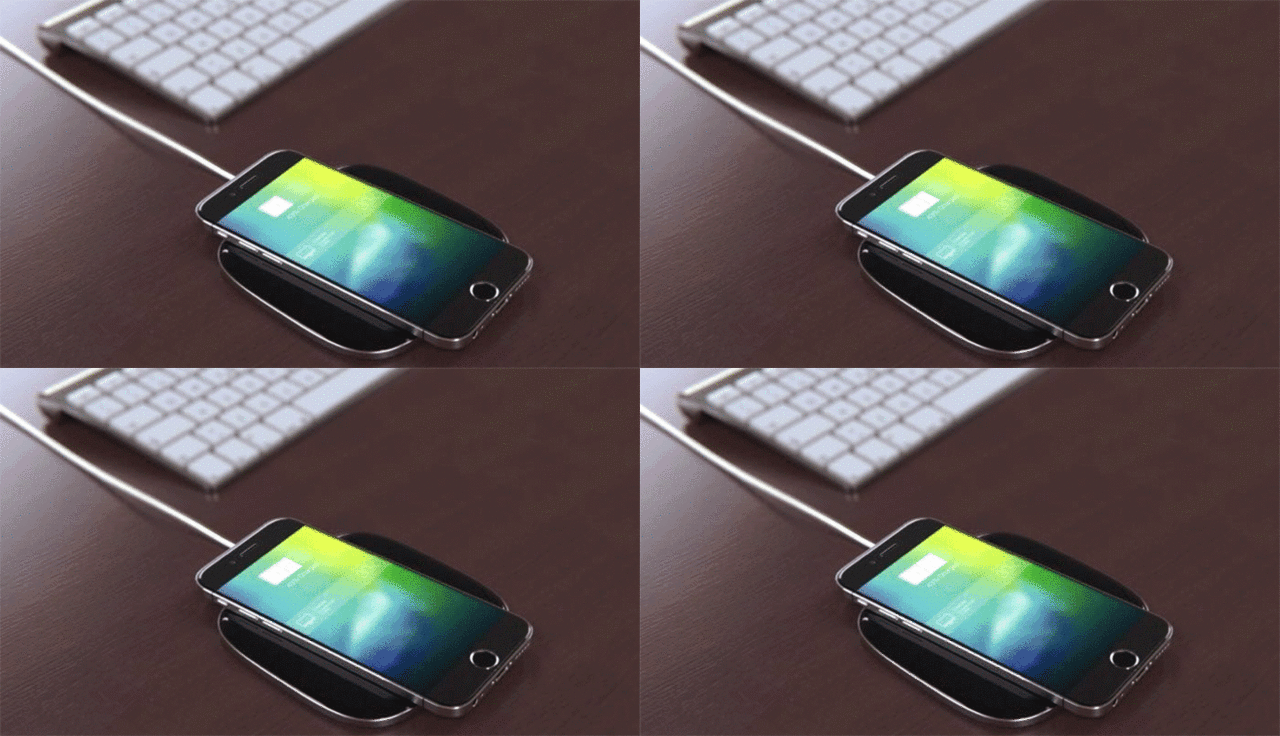 New smart phones are gradually starting to support wireless charging. In the future, charging drones will no longer require manual battery changes; instead, drones can simply land on charging platforms for quick charging.
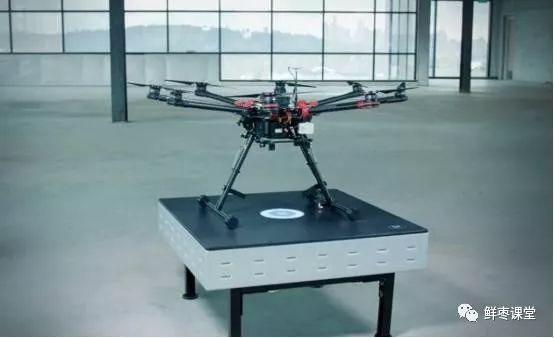 Drone wireless charging base Wireless charging platforms can be set up on rooftops of tall buildings and take up minimal space. This is the most reasonable solution while battery technology has not yet made breakthroughs.
The “Black Flight” Issue of Drones
Besides battery endurance, another critical issue for drones is the “black flight” issue. Black flight refers to flights conducted by individuals who have not obtained a private flight license or where the aircraft has not obtained legal status, meaning unregistered flights. These flights are highly dangerous and pose threats to public safety.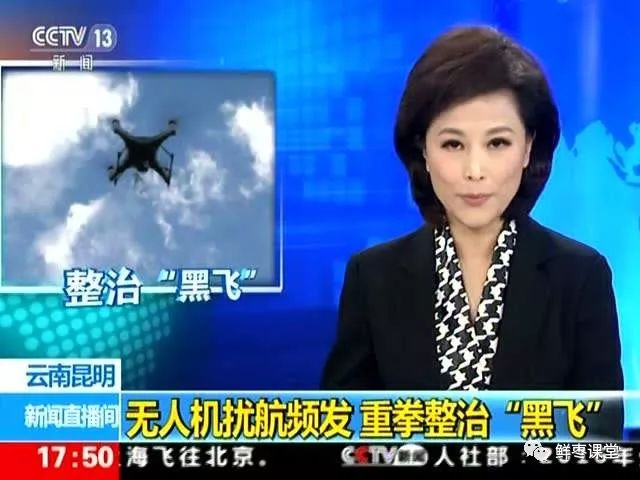 Currently, relevant authorities control drone flights mainly through the following methods:
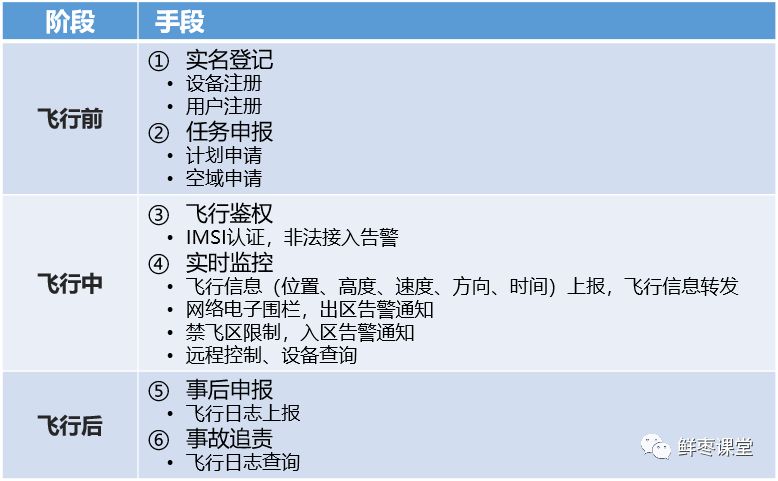 For 5G drones, controlling black flights will be more convenient and flexible. First, if you are an unregistered 5G drone, you simply cannot connect to the network, meaning it cannot fly. Secondly, when a drone flies from one base station cell to another (during cell handover), the base station can determine whether it is a drone based on Doppler frequency shift, flight trajectory, and other features, reporting to the network management platform to keep it in check, preventing it from flying recklessly. Ground platforms will have more accurate control over flight information (location, altitude, speed, direction, battery level), making it very convenient and flexible to set electronic fences and no-fly zones.
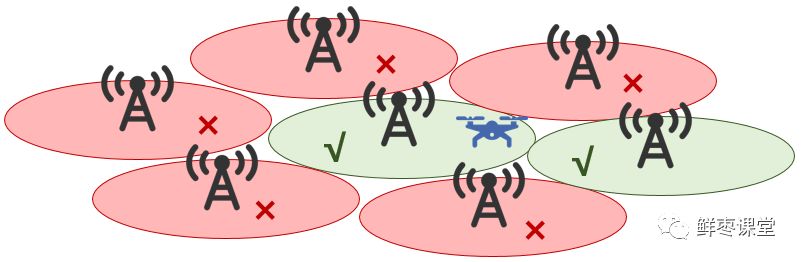 Network-side setting of no-fly zones In summary, in the era of networked 5G drones, the black flight phenomenon will be effectively curbed, and safety will be greatly enhanced.
The Future of 5G Drones
With the support of 5G, cloud computing, big data, and AI technology, drones will surely develop towards intelligence in the future. For example, in terms of flight control, previously, drones were flown remotely. Later, sensors were added to better control flight posture. Now, drones can achieve preliminary automatic flight and obstacle avoidance. In the future, drones will fully realize autonomous flight. In other words, the flight trajectory and process will be entirely set by the drone system itself. This is somewhat similar to fully autonomous driving in vehicle networking. To achieve safe autonomous driving, drones will definitely rely on support from flight platforms, including shared sensing information, shared flight routes, flight environment perception, and intelligent obstacle avoidance, etc., all based on platform implementation. 5G will also help drones better achieve swarm coordinated operations. It will allow many drones to work together to complete a task, reducing human intervention.
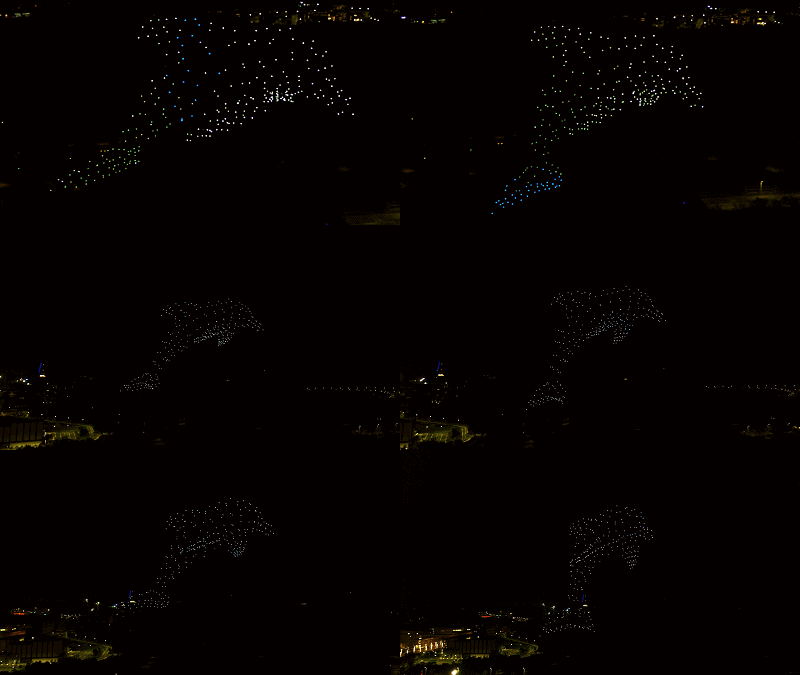 The drone swarm performances often seen in the news are actually a form of collaborative operation.
Final Words
5G drones are an important component and carrier of the future digital sky. According to professional institutions, it is predicted that by 2020, the global number of consumer drones will reach 16 million units, and the entire drone industry will reach a market value of 127.3 billion USD. If 5G starts smoothly, it will undoubtedly further stimulate the growth of these numbers. The cross-industry integration of 5G and drones is also an innovation in the digital transformation of the entire industry, which may provide more insights for the implementation of 5G in fields like industrial IoT.
Note: The article is reprinted from the WeChat public account of Fresh Date Classroom, and the RF Classroom is only authorized to repost on the public account platform. For reprints and crawls on other websites, please contact the original author.
 Premium Courses【Introduction to RF】【Chip Filters】