
★
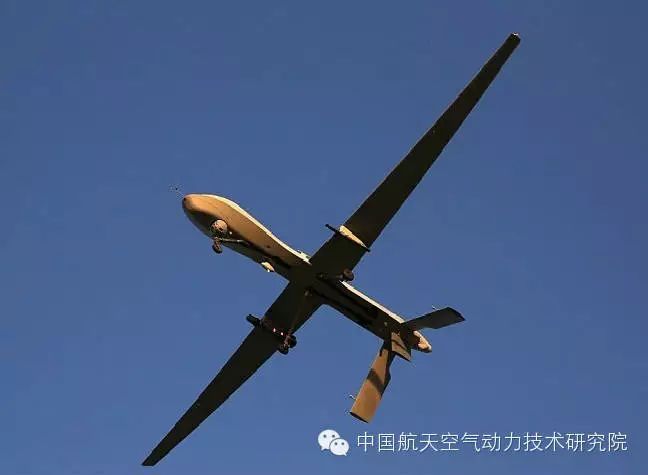
The most powerful weapon for the U.S. military in combating terrorist organizations is undoubtedly the drone. The MQ-1B “Predator” and MQ-9 “Reaper” frequently make headlines.
MQ-1B Predator
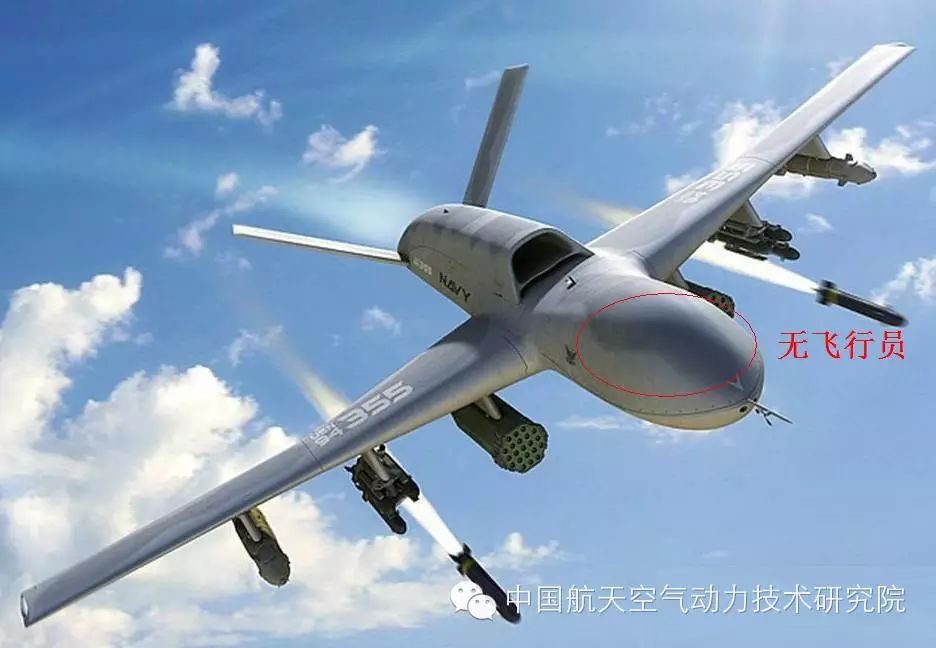
MQ-9 Reaper
They first teamed up with Navy SEALs to take down the infamous Osama bin Laden, and later targeted ISIS leader and spokesperson Abu Muhammad al-Adnani, even bombing his treasury.
Wow, this is so cool and impressive! Does your mom know about this?! How do drones manage to “fly into the sky” without a pilot? Let’s find out together!
01. The First Drone
The history of drones began in 1914, with the first drone being created in 1927.
During World War I, two British generals, Kader and Pitcher, proposed to the British Military Aeronautics Society to develop a small aircraft that could be radio-controlled and fly over enemy targets to drop bombs. This bold idea was quickly recognized by Sir David Henderson, the chairman of the British Military Aeronautics Society at the time. He appointed Professor A.M. Low to lead a team for development. To keep it secret, the project was named “Project AT.” The team developed two small drones, but the test flights ended in failure, marking the conclusion of Project AT. However, Professor A.M. Low did not give up and continued working on drone development. In 1927, the “Bat” single-wing drone, developed with Professor Low’s involvement, successfully conducted test flights aboard the British Navy’s battleship “HMS Vanguard.” The debut of the “Bat” drone caused a great sensation in the world at that time.
02. Unmanned vs Manned
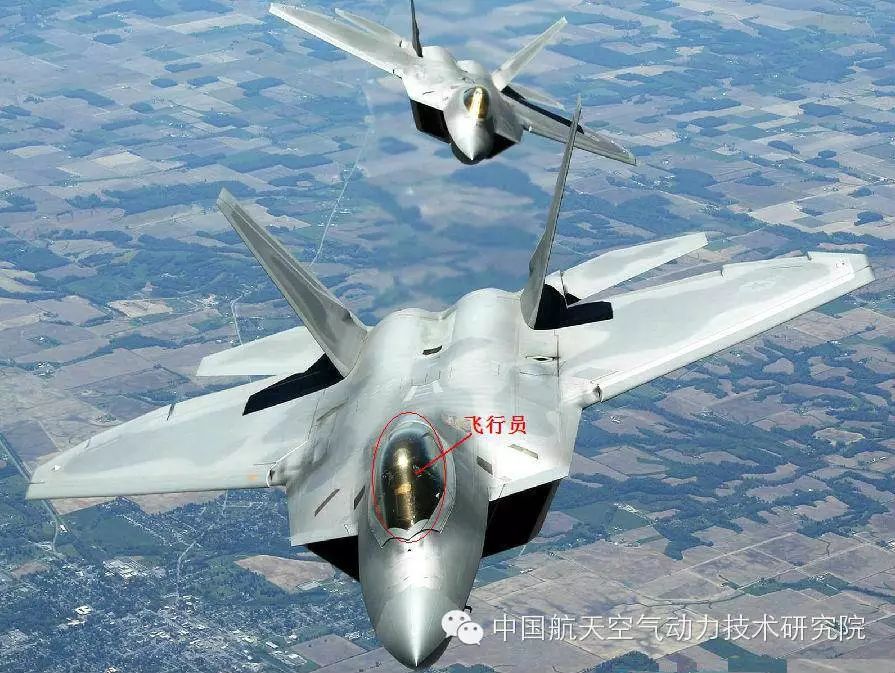
Now, let’s intuitively feel the difference between drones and manned aircraft. As the names imply, one is “unmanned” and the other is “manned.”
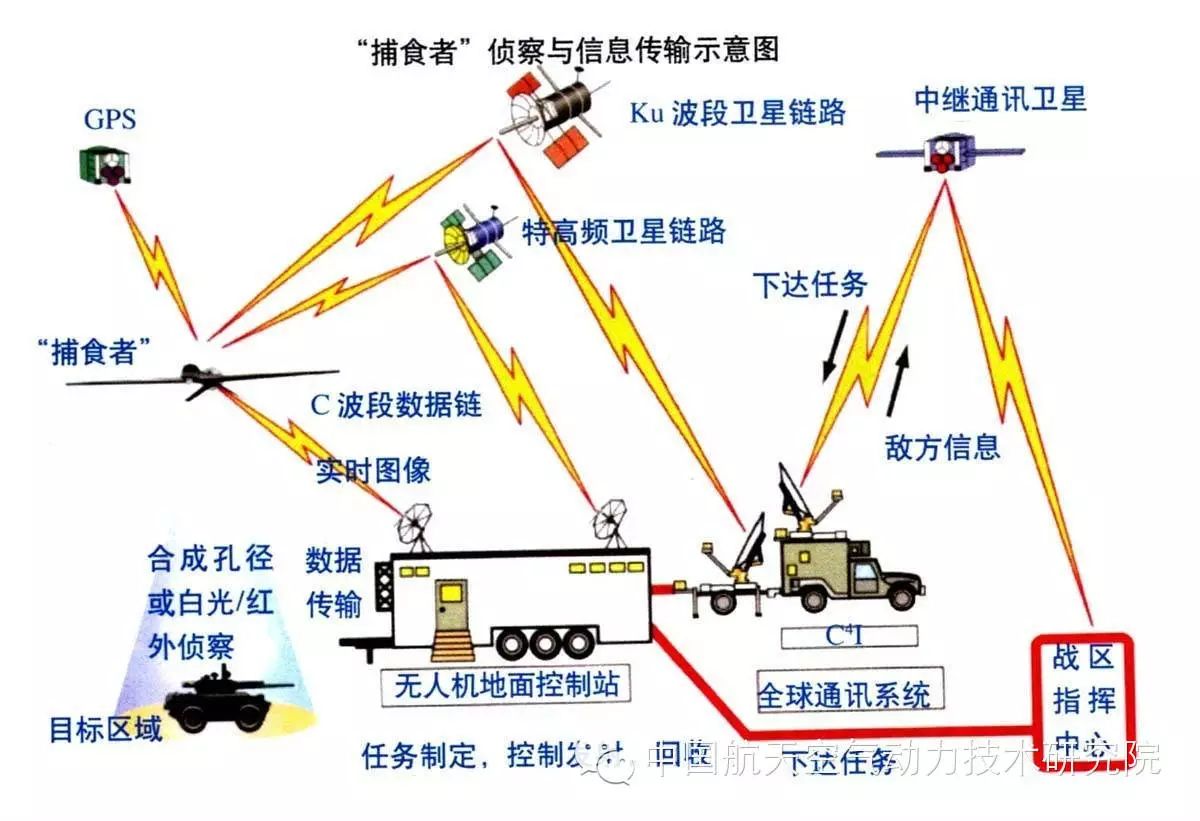
In manned aircraft, pilots need to not only operate the aircraft for normal flight but also complete various missions. Pilots of bombers must identify targets and conduct bombings; passenger aircraft pilots transport passengers from their departure point to their destination. So how do drones fly? Do they really possess self-awareness like “Eddie” in the movie “Stealth”? Not at all; true artificial intelligence drones have yet to be developed. Today’s drones also have their own “pilots”—the flight control systems within the aircraft. So how do drones execute tasks? The following reconnaissance and information transmission diagram of the “Predator” provides the answer.
The ground control station sends commands to the drone, which transmits mission information back to the ground control station via a data link. Ground control personnel make judgments and send execution commands through the data link to complete the mission. Therefore, a drone is a system that includes not only the drone itself but also ground control stations, data links, and many other devices.
03. Fame in War
The drone gained fame during the Gulf War in 1991. During Operation Desert Shield and Operation Desert Storm, the U.S. Army/Navy and Marine Corps simultaneously deployed and used the “Pioneer” drone. The Navy’s “Pioneer” drone was deployed on the battleships “Wisconsin” and “Missouri,” conducting fire correction and reconnaissance missions against Iraqi mine-laying operations. On the Marine Corps side, the 1st, 2nd, and 3rd Remote Piloted Vehicle (RPV) companies were equipped with three sets of “Pioneer” drone systems. The 2nd company was deployed on the amphibious assault ship “Guam,” while the other two companies were deployed on the ground. In this war, drones played a significant role in battlefield surveillance and intelligence gathering, in addition to being used as target drones.
Marine Corps preparing to launch a “Pioneer” drone during the Gulf War
After the Gulf War, the development of drones by the U.S. military accelerated rapidly, evolving from a few types at that time to dozens today. Especially during the Afghanistan and Iraq Wars, as well as subsequent anti-terror operations, drones played an important role. In the Iraq War, the U.S. military had 10 types of 100 drones available for use, which was seven times the number used in the Gulf War. Currently, there are over 1,000 drones of more than 20 types in use on the battlefield in Iraq alone.
04. Blooming Everywhere
With the development of drones, their applications in the civilian sector are countless—remote sensing surveying, aerial geophysical exploration, film and television aerial photography… Companies like Amazon, Google, Xiaomi, Huawei, and Tencent have all jumped into the drone game. If you ask what the hottest application is, it’s definitely drone “delivery”!
Drone Remote Sensing Control
CH-3 Aerial Geophysical Exploration
Drone Spraying Pesticides
Filming Artifact from “Where Are We Going, Dad?”
Amazon Drone Delivery Scheme
Google Drone Delivery Scheme
(Text by Xiao Eleven, Edited by Xiao Eleven)
★

 Submission Email: [email protected]