Is there really a 35-year crisis in embedded systems? The experiences of 10 senior engineers provide different answers. In the embedded field, the mid-life crisis also stems from the challenges of job changes and job interviews faced at middle age. In the internet industry, 35 is generally seen as a turning point for a mid-life crisis, while in the electronic communication industry, due to the longer training cycle and certain experience advantages, it is typically around 40. However, some companies developing new intelligent electronic communication products like AI + embedded systems may have biases against job seekers over 35. Some believe that 35 is a hurdle, while others find themselves in higher demand as they age.
Last year, a 35-year-old embedded engineer found that he was more popular when changing jobs than in previous years. He said, “As an engineer engaged in embedded software development for many years, I am now 35, and finding a job is more competitive than a few years ago. In today’s era of IoT, new energy, and intelligence, those in the know understand that embedded development is an indispensable part. If you look closely at job requirements, many require 3-10 years of experience, or even longer.” His experience is not an isolated case; many senior engineers share similar feelings—experience has become their ‘job-seeking leverage.’
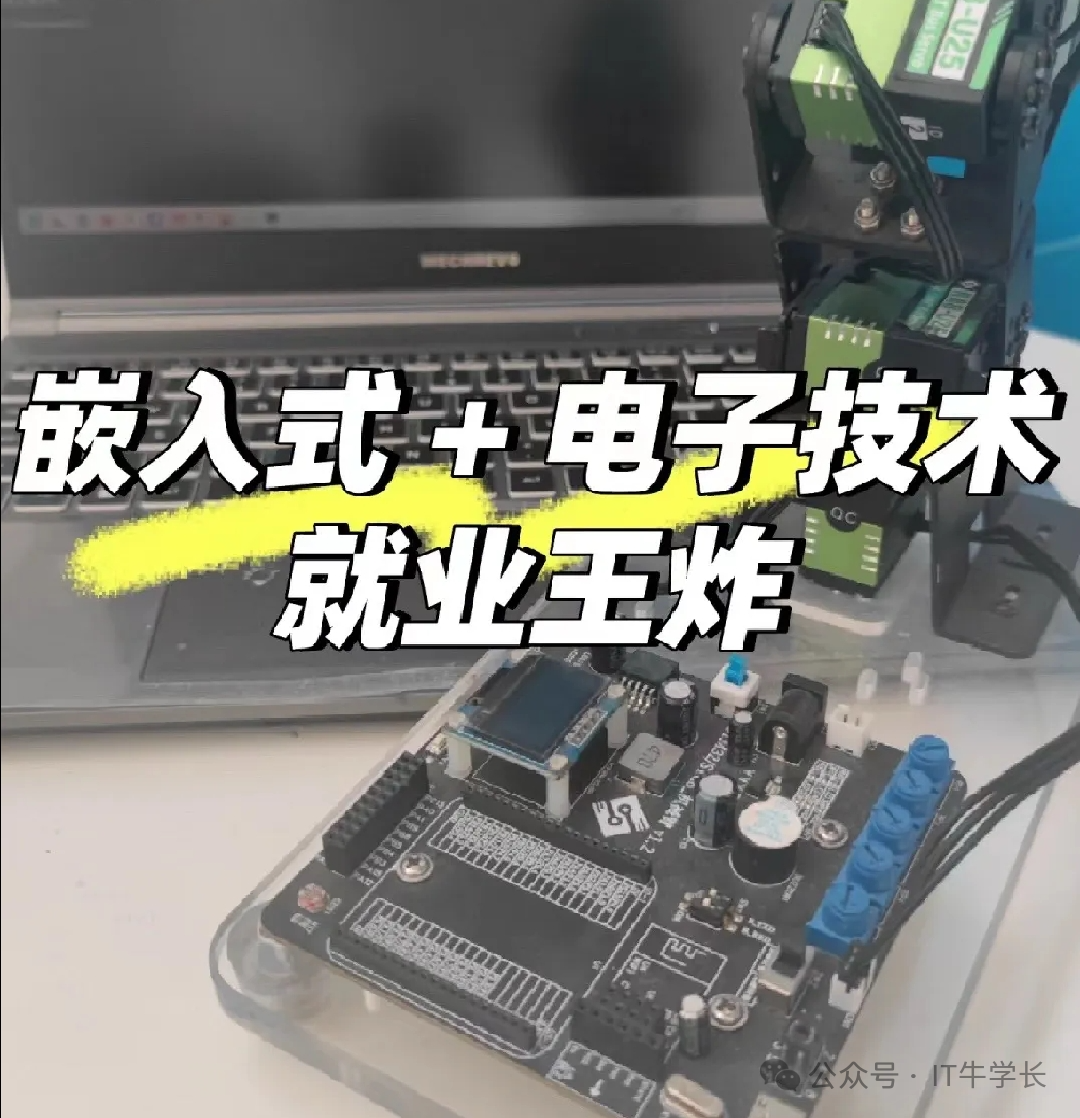 Why is experience so important? The details of the projects reveal the answer. The products he worked on have excellent stability, clearly indicating that they were developed by experienced engineers with many years of accumulated knowledge. From development to mass production, errors are minimal, and maintenance costs are low. In contrast, some engineers who have just graduated produce schematics that are chaotic, with various components placed haphazardly, unclear annotations, and poor readability. The PCB designs are also messy, with inadequate anti-interference and electrostatic protection, and unreasonable test points left for development and mass production testing. The software is even more problematic, with a large main loop that often encounters special events that significantly extend the main loop time, and watchdog programs scattered everywhere, leading to poor stability, readability, and portability of the code. The designs of senior engineers contain years of mass production experience that younger engineers cannot learn in a short time.
Are engineers over 35 afraid of technological updates? In fact, with the right approach, experience can be quickly accumulated. There are ways to rapidly enhance technical skills or experience, but most people are not aware of them. It involves continuously seeking projects that are slightly more complex than your current level for several years, which will definitely lead to rapid growth. For example, when working on IoT devices, deliberately challenging complex requirements like ‘low power consumption’ and ‘anti-interference’ can double your experience as you solve these problems.
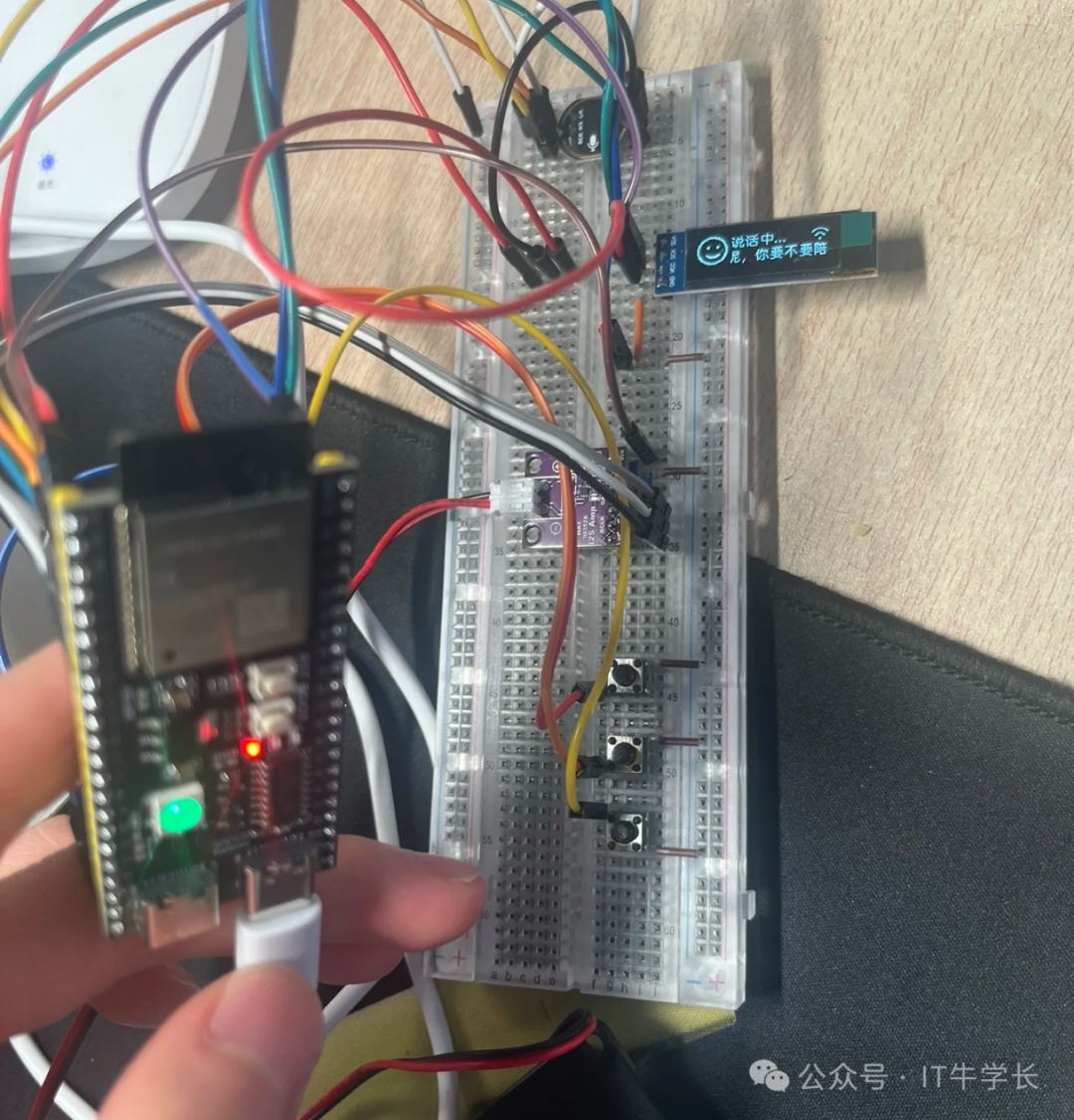 The future demand in the embedded industry will increasingly rely on experience. In today’s era of IoT, new energy, and intelligence, those in the know understand that embedded development is an indispensable part. The explosion of IoT and new energy has made companies more reluctant to hire ‘inexperienced newcomers’—after all, hardware bugs can lead to mass returns, which is a fatal blow to businesses.
For engineers looking to improve, practical training can help bridge the experience gap. An IT training program offers practical courses for embedded engineers to help students accumulate project experience. Such courses enable engineers to quickly master design techniques for mass production-level projects, such as PCB anti-interference and modular software development, making them more competitive when they are over 35.